March 9, 1982
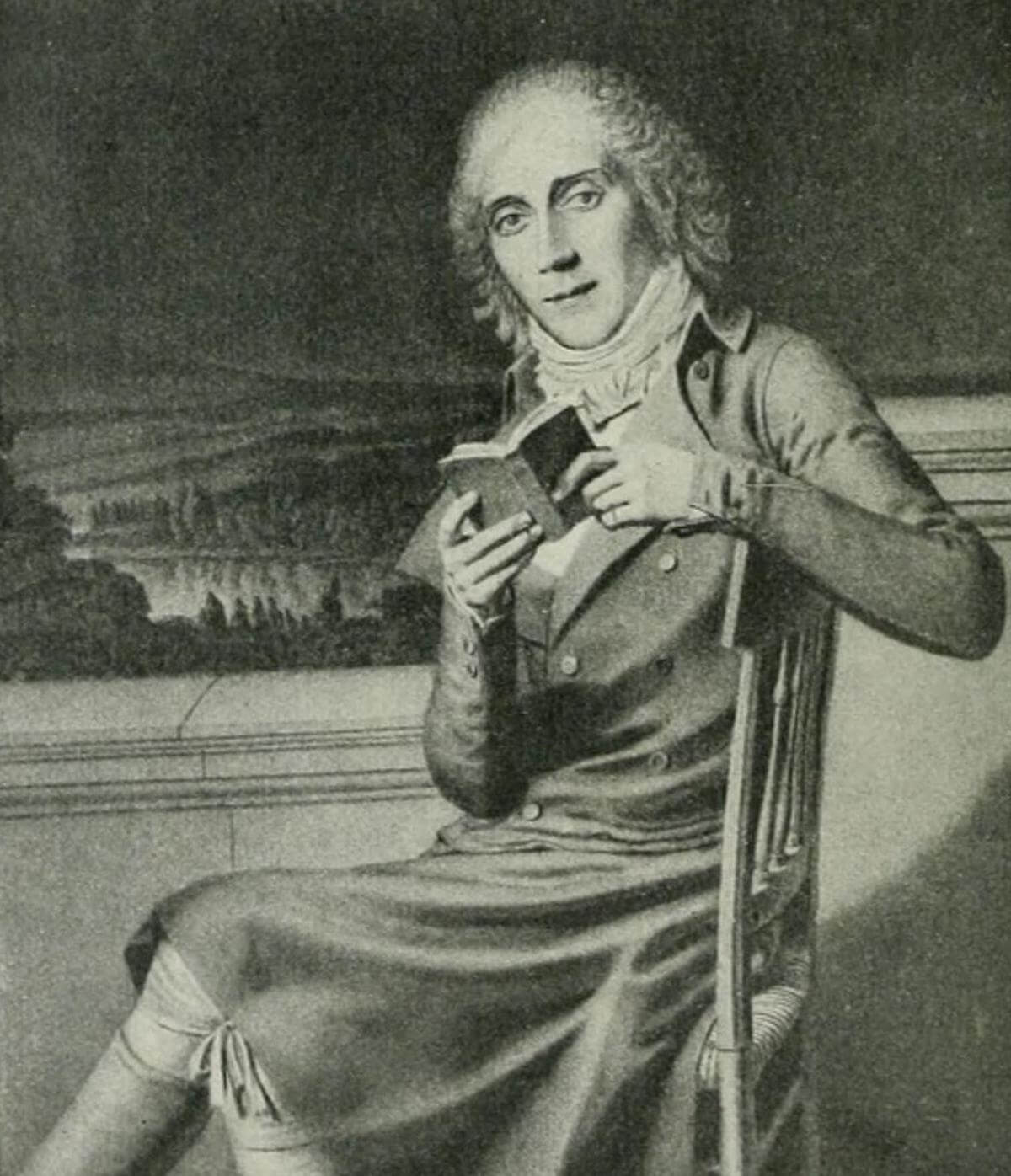
François-Pierre-Gontier de Biran (1766–1824), known as Maine de Biran, was a French philosopher and a precursor to mocdern psychology. Although he was described by Henry Bergson as the greatest French philosopher since the seventeenth -century, Biran’s work has received scant attention from American and English scholars. Biran was concerned to present the case for an Empiricism that did not try to explain away either inner or outer experience, but which saw both as equally necessary for a doctrine of the source of human knowledge. For Descartes “I think,” he substituted an “I will” that constituted a relation between hyperoganic force and muscular inertia.
Deleuze discusses Maine de Biran’s diary, published in 1805 as Mémoire sur la décomposition de la pensée (Essay on the Decomposition of Thought) in his seminar of 9 March 1982, as part of his analysis of the affection-image. These analyses are briefly discussed in The Movement-Image, pp. 98-99. This is the only context in which Maine de Biran’s philosophy plays a role in Deleuze’s work.
The Mémoire is available in a more recent French edition, which was no soubt the edition consulate by Deleuze: Maine de Biran, Mémoire sur la décomposition de la pensée, introduction and critical notes by Pierre Tisserand (Paris: PUF, 1952).
The only book-length publication of Maine de Biran’s work currently available in English is The Relationship between the Physical and the Moral in Man, edited and translated by Darian Meacham and Joseph Spadola, London, Oxford, New York, New Delhi, Sydney: Bloomsbury Academic, 2016.
March 16, 1982