March 22, 1983

To add a third big name, Messiaen, he developed a famous concept which he called non-retrogradable rhythms. For example, this is when you have two rhythms, one on the left and one on the right, which are the inverse of each other, that is, which are the regression of one from the other, and in the center there is a constant rhythm. According to Messiaen, the set of three defines a non-retrogradable rhythm. … There is one painter who used the expression “non-retrogradable rhythm” in terms of painting and the modulation of color, that is Klee, in his journal. … The purpose of Gance’s triple screen is to create a visual non-retrogradable rhythm. The proof is that he himself says that on the right and on left, you will have two opposite symmetrical figures, and in the center, a main image. You have two rhythms which are regression from one another, right and left, … and in the center, you have the main image, that is, mainly a non-retrogradable rhythm.

Seminar Introduction

In the second year of Deleuze’s consideration of cinema and philosophy, he commences the year by explaining that whereas he usually changes topics from one year to the next, he feels compelled to continue with the current topic and, in fact, to undertake a process of “philosophy in the manner of cows, rumination… I want entirely and truly to repeat myself, to start over by repeating myself.” Hence, the 82-83 Seminar consists in once again taking up Bergson’s theses on perception, but now with greater emphasis on the aspects of classification of images and signs drawn from C.S. Peirce. This allows Deleuze to continue the shift from considering the movement-image, that dominated early 20th century cinema, toward a greater understanding of the post-World War II emphasis on the time-image.

For archival purposes, the English translations are based on the original transcripts from Paris 8, all of which have been revised with reference to the BNF recordings available thanks to Hidenobu Suzuki, and with the generous assistance of Marc Haas.

English Translation

Edited

Abel Gance’s “Napoleon”

Having distinguished two aspects of time in the previous session, Deleuze considers movement in its extension in order to draw from it two complementary yet distinct indirect images of time. Deleuze turns to the concept of mathematical sublime in Kant’s Critique of Judgment, particularly to the measure as disproportionate (démesuré), to link forms of evaluation to the two aspects of time. Then, returning to the cinema framework, Deleuze discusses the Cartesianism of the pre-World War II French school of cinema (Gance, L’Herbier, Epstein, Grémillon, Vigo), particularly the efforts to derive the figures of the indirect time-image. After exploring how aspects of these figures manifest in works by different artists (the Delaunays, Fernand Léger, Olivier Messiaen, Paul Klee) and directors (Gance, L’Herbier), Deleuze introduces the complementary topic, the study of intensive movement, with Medieval distinctions between three types of cause (transitive, emanative, and immanent) as causes of God. Based on this rapid review, he speculates on what might be the corresponding figures of the order of time, and to trace this perspective’s foundations, Deleuze introduces (for the next class) the work of Jakob Böhme and underscores its direct influence on German Romanticism and his eventual influence on cinema.

Gilles Deleuze

Seminar on Cinema: Classification of Signs and Time, 1982-1983

Lecture 15, 22 March 1983 (Cinema Course 36)

Transcription: La voix de Deleuze, Marc Haas (Part 1) and Alice Haëck (Part 2); additional revisions to the transcription and time stamp, Charles J. Stivale

Translation, Charles J. Stivale


Part 1

… The 11th… I have to note that down. Lend me a pencil… thank you. [Pause] April, right? … [Laughter] Well then, all that is almost done, right? [Pause] So, before noon, you’ll have to, you’ll have to alert me because before noon, I have to go take the list for those who’re late in declaring the UV [academic credit]. [Pause]

Well then, today, here we are. I really must manage to be entirely clear, that is, to… what I’m calling “being very clear” is when we manage to specify, to organize, really, to organize a certain number of notions. [Pause] And the last time, we began discussing all sorts of concepts that we tried to distribute around the theme of movement/time. That’s what we have to continue because that seems to me nonetheless the nexus, the nexus of problems in which, once again, all the approaches, all the approaches reveal themselves as being equal. Whether it’s philosophy or cinema, we’ll see, if needs be, whether it’s painting or music, right, there is a set of problems here that, that… of course, these disciplines do not intersect in the same way, but in any case, they intersect, literally, along their paths. So, what interest me is to try… there are all sorts of other categories possible, but to try to form some concepts, to see which are opposed to one another, which are different in nature, right?

And, you remember our problem that we tackled the last time, namely [Pause] we are considering, as we’ve done from the beginning, the domain of movement or of movement-images. That’s simple, on the condition of specifying that, at the point I’ve reached, I’m considering movement in its extensive aspect. What does it mean, the extensive aspect of movement? That means movement considered as the displacement of a body, of a body that we will call a mobile body. Ah well, but if I feel the need to say that, then would there be other movements? Would there be movements that should not be considered in the form of displacement of a mobile body? We don’t know at the moment. I’m just saying, I’m starting from movement in its extensive form, from movement considered in extension.

And, I add – see, I’m trying to establish a progression of notions — so extensive movement, I’m saying, it’s a first notion. What does it connect to? Well, when I consider movement in an extensive form, as the displacement of a body in space, I seize it, or I try to seize it – in fact, I don’t have the means yet — I attempt to grasp it under what I would call “metrical relations.” So, you see, I’m making some tiny progress. We are letting ourselves, literally — that’s what we’ve been trying to do, right, from the beginning – we are letting ourselves be lulled by notions or buffeted by notions. Sometimes it’s “boom”, a notion that collides into you, right, sometimes it’s a notion that is linked with others.

Well, the extensive movement relates to… is considered therefore, it’s movement; I would almost say, extensive movement is not simply… I started from a very simple first definition, see: displacement of a mobile body in space, of a body in space, this body henceforth being called mobile. And I’m saying, ah, well yes, but it’s something else as well, a little deeper; extensive movement is movement related to metrical relations. So right away, my earlier question comes back: oh well, but why say that? Saying that is of interest only if there are movements which are not related to metrical movements, but to other types of relationships, good.

What are metrical relationships? See, I slip, I reach — third remark — what are metrical relationships? I’m saying that the metrical relationships to which movement is related as extensive movement are of two kinds: magnitude and the unit. Ah, magnitude and the unit, each time, a small remark is required; I’m saying, a very small one because these are things that we saw here — I’m grouping them together, this is our last session – “related to magnitude and unity”, why say that? Because it seemed to us, rightly or wrongly, therefore rightly, [Laughter] it seemed to us that the two notions of magnitude and the unit could be made homogeneous, but that if we considered them as pure concepts, they were two quite different concepts. Of course, they can be arranged, of course, and they will be arranged in measurement. [Pause] Measurement unites both magnitude and the unit; it relates magnitude to the unit, and the unit to magnitude, and measurement operates by magnitudes and units. But from the point of view of a pure concept, from the point of view of pure concepts, it seemed to us that magnitude and the unit were two heterogeneous concepts. Of course, we can make their content homogeneous. [Pause] But from the point of view of philosophy, perhaps these concepts have an entirely different origin, source, nature. Alright, let’s continue.

If movement receives metrical relationships insofar as it is given magnitude and the unit, measurable magnitude and the unit of measurement, what gives movement a measurable magnitude and a unit of measurement? The last time, our answer was: it’s time, and that’s why, in the most general sense, time will be said to measure movement. Well, if that’s true, time as a measure of movement must be displayed as two kinds: a kind under which it determines – even if these two kinds are inseparable; understand, it’s not my problem if they are separable or not, obviously they are inseparable — but from the point of view of concepts, they are two different concepts. Insofar as a measurement of movement, time must endow movement with a measurable quantity, but it must also endow movement with a unit of measurement. Fine.

So, there must be two aspects of time.[1] Under one of these aspects, time will be said to be the number of movement. In any case, time is the measure of movement – ​​we assign terms, in that way – time is the measure of movement, but insofar as it confers magnitude on movement, it will be said to be the number of the time. Insofar as it confers on movement a suitable unit, a unit of measurement, it will be said to be the interval of movement. Henceforth, it’s not surprising, in fact, that in antiquity, the major definitions of time in relation to movement oscillated between these two poles: time conceived as interval of movement, time conceived as number of movement. [Pause] And once again, the two arrange themselves, but that’s not our question. Just because that gets arranged doesn’t mean they do not differ in nature. And in fact, these are two different apprehensions of time, one consisting in defining a whole of time, time taken as a whole, the other consisting in defining the part of time. [Pause] So I will determine time both as a whole of time and as a part of time. [Pause] Time as part is the interval of movement, time taken as a whole is the number of movement. Good. [Pause]

In what way… Anyway, we are already claiming as a new one, a small reference point. I would say about the part of the movement… I would say about the part of time which is also the interval of movement – ​​that would have to be very clear; these are linkages, these are pure linkages, these are exercises, really, exercises of linking concepts — so, you understand, the part of time which is also the interval of movement, we saw this the last time, it’s the pure present. [Pause] It’s the pure present or the variable present, because in fact, the interval of movement, okay, but there are as many intervals of movement as there are movements. We might say that each movement has its type of interval. I was saying the last time – here, what do I mean, here? Let’s get back into the concrete, like that, that’s fine, we’re making small leaps — I was saying, well yes, let’s call the interval of movement the flight of a bird, the between-two-beats-of-wings [entre-deux-battements-d’ailes], that’s it. The between-two-beats-of-wings, that’s the interval.

Once again, you’ll tell me, the present of the flying bird? It’s the between-two-beats-of-wings, that’s its present, its present as a bird. But myself who doesn’t fly, we who don’t run, but those who run, if needs be, I would say: what is it… — here then, we can play — each time, one movement or another, we’ll ask, what is the interval? I would say, for example, that for a runner, the interval is between two breaths. [Pause] Fine, well, let’s say it’s possible to say this, this or something else. I would say that’s the present, the runner’s present. Well, you can clearly see that there are no two people running, not only running in the same way, but who have the same interval. Fine, let’s assume all that. So, I would say time as a part is the pure present, the variable pure present, the variable present, and in fact, following the moments of my life, following the hours, etc., my present fills a very, very variable interval. But the interval is the irreducible part of time. It is time as part. [Pause]

And what is the other aspect of time, time as number, number of movement? So, is it not the present? No, it’s not the present. Here, if you remember a bit of what we saw, especially about the ancients, ancient philosophy, what will the number of time be? Well, it’s the vastness of the future and the past. It is no longer the variability of the present, it is the immensity of the future and the past as it goes beyond my comprehension. Under one aspect, time as a part is the present insofar as it never ceases to vary since it fills intervals which are themselves variable, and on the other hand, time as number, the other aspect, time in its whole, time in its whole, is the immensity of the future and the past.

OK, but how is all this useful to me? Well, at the point we’ve reached, I don’t know, you can tell me all that precedes, you would have to… it’s not working; that’s fine, that, that’s fine. If what precedes does work, at least I’ve grasped hold of something. The irreducibility of the two aspects of time, time as present, and time as… time as variable present, and time as the immensity of the future and the past, are two heterogeneous figures. In other words, we have broken any possibility of establishing a past-present-future succession, since the present refers, and defines by itself, time as a part, and the immensity of the future and of the past defined itself… no, defines by itself time as a whole of time. [Pause] Well, there’s nothing we can do about it.

Whereas that arranges itself in practice, so it might be made homogeneous, of course! But that is something that Bergson never ceased showing in all his work. In experience, we always operate with combinations [mixtes]. That is, contents are made heterogeneous and … sorry, contents are made homogeneous, but the homogenization of contents, that is, the establishment, the constitution of combinations, has never prevented the heterogeneity of the concepts to which these contents refer. So, doing philosophy within the combinations, within the mixtures of experience, would therefore be discovering the lines of concepts, discovering pure concepts. It wouldn’t be getting out of experience, not at all; this would be discerning — to use a proposition that we’ve already used with regard to something else — this would be discerning the lines of the universe, right, and extracting pure concepts from experience would not cease since our experience is a combination of concepts. Fine, but there we are.

And in fact, that always works out; I can very well pass from one of my poles of time to the other. I can always say: time as a whole is the interval of the Whole. Hey, the ancient Stoics used this very bizarre expression. Because, in certain texts which remain available to us – fortunately we do not have many left because otherwise, it would be even more complicated – in certain texts which remain available to us, they tell us: time is the interval of movement, and in other texts, they add, time is the interval of the Whole, or better, time is the interval that accompanies the Whole. Well, we can see very well how they pass from the Whole-interval to the large number-time. [Pause] Well, in the other direction, I can start from the large number-time, the Great Year, we saw, that is, the time as a Whole which will define the magnitude of movement, and from there, move on to the particular movement, which will be divisors of the Great Year. It is subdivided into all kinds of periods. No, it’s not difficult to switch from one to the other.

And, in a context absolutely different from that of ancient philosophy, I found exactly the same thing for Descartes. And that interested me more because it answered the objection in advance: but all that is very old, it was what occurred like that at the Greek era. But no, but no, it’s always like that in a way. Because, in the 17th century, I notice that if you consider Book II of Descartes’s Principles of Philosophy [1644], you will find two aspects of movement. Again, one aspect in which he tells us – it’s around paragraph 30, before and after, of the second book of Principles – you will find a kind of text in which he keeps telling us about the movement attributable to each body. This is the domain of relative movement. He tells us: movement is relative, but the fact remains that there are reasons to attribute it to one body rather than another. Then he tells us: and be careful, each body has its own movement. Well, Aristotle also said this already, but Descartes is going to say it in a completely different way. It doesn’t matter, it’s in a completely different way, we don’t have the time, it’s not our purpose to see in what completely different way — completely different way or not — Descartes finds and preserves this idea of: a movement – ​​of course, he adds: it can be broken down, this movement – ​​but there is a movement specific to each body that moves. Good.

And on the other side, Descartes tells us at the same time, there is a constant movement in the universe, which God maintains at each instant of continuous creation. Well, I was saying, this reproduction of creation in continuous creation, this reproduction of the creative act, that’s the equivalent in Descartes – I’m not at all saying that it’s the same thing, but it’s the equivalent — that’s what works in the Cartesian world analogously to the Great Year in the Greek world. This is the aspect of absolute movement. Good, and Descartes does not stop shifting from one to the other, from the relative movement, characteristic of each body, to the movement contained in the whole of the universe, and vice versa. And all of his physics will constantly shift from one to the other.

And we’re going to find this kind of basic duality, see, so I am saying: if we consider — and I’m just drawing the conclusion here — if I consider, the… [Pause] if I consider movement in its extension, if I consider movement as extensive movement, I can draw from it two images of time, two images of time which are complementary, and yet different, homogenizable, and yet heterogeneous, two images of time. These images of time will be indirect images, why? They will be indirect since they are inferred from movement as an extensive quantity, or rather as movement in extension. And these two indirect figures of time, since concluded from the extensive movement, these two figures of time once again are: time as a whole, or the immensity of the future and the past. I don’t say “infinite” on purpose because you can conceive of this immensity as finite or as infinite, as a circular finite, as infinite. Descartes can conceive it as infinite, this immensity; Plato can conceive it as circular finite; it’s not… in any case, it’s an immensity, that is, it exists such that there is nothing greater. I call “immense”, yes, such that there is nothing greater. The Great Year among the Greeks, there can be nothing greater since, in fact, when the number of time defining the Great Year is reached, it begins again. So, the immense is a maximum. And then the other aspect, once again, the other indirect figure of time is time as interval, time as part, time as presence, as presence of the present. [Pause]

There we are. In general, that’s the point we’ve reached. See, that already gives us a set of concepts because it is very important for the categories of time. So, what I’m holding onto, and what I ask you to hold onto, is the idea of a whole of time, on one hand, which will define immense magnitude, and the idea of a part of time which will define the interval or the presence, the present. [Pause] Given that, okay, have finished? No, let’s try to…, I don’t know, we sense that… [Pause; Deleuze does not complete the sentence]

So based on this, literally, a text opens its arms to us, and this text is a very great text by Kant. Is it going to bring us something new, is it going to bring us confirmations? At the point we’ve reached, we do not know; we just feel – if you like, here, it’s like a relay — you tell yourself, hey, but that speaks to me; there is a story. There is a story in Kant where, at a certain point… maybe that concerns us now, this text, at this precise moment. And it’s in one of the last books, or it’s in the last book, Kant’s last great book, The Critique of Judgment. The Critique of Judgment is divided into paragraphs; one of the most beautiful parts of The Critique of Judgment is the Kantian theory of the sublime, which will have a great influence on German Romanticism. And this theory of the sublime, in this theory of the sublime rather, Kant distinguishes two forms of the sublime: the mathematical sublime, and the dynamic sublime. I warn you, because what makes us, what calls us for the moment, is solely the mathematical sublime. But it is good to know that for Kant, there are two forms of the sublime, that is, that we will perhaps also have to deal with the other form in connection with, when our analysis will have progressed sufficiently.

And I’m saying, what interests us in what Kant says is the mathematical sublime because in these astonishing pages, very beautiful, very difficult, very beautiful, very… splendid, you have to read them, right, paragraph 29 – no, it’s not paragraph 29; it’s paragraph 26, the paragraph that interests me – it poses the problem of the measurement or the evaluation of magnitude. And he poses the problem of measurement for a very simple reason, which is that the mathematical sublime, if you will, is the excessive. So, it is indeed in connection with the measureless that we were interested or that we can be interested in measurement.[2]

What is that? Let us define measurement by the evaluation of magnitude, Kant tells us. So, I just want to insert here, I’m telling you a story, we should be able to tell it that like, well, a story, at the point we’ve reached in our analysis. Here we have a story, but a severe story. [Laughter] This is the first point of the story that Kant tells us. He says: there is a well-known way of evaluating magnitudes, it is mathematical evaluation. Or else, he says, evaluation – oddly enough, you’ll see why, it’s another aspect – logical evaluation. Why mathematical as well as logical evaluation? Because it operates by concepts. One evaluates magnitude by concepts, so it’s logical; but these concepts are numbers, so it’s mathematical. In short, magnitude is evaluated by numerical concepts. [Pause] And what do we do, Kant asks. [Pause] Well, let’s see: what does evaluation entail? According to Kant, it implies two acts. To evaluate is, on one hand, to apprehend, [Pause] apprehension, and on the other hand, it is to understand, comprehension. All evaluation proceeds by evaluation [Deleuze means “apprehension”] and by understanding.

What does that mean? To apprehend, what is it? Don’t forget, we are in the problem of the evaluation of magnitudes. To apprehend is to grasp something as a unit. [Pause] As a unit, for example, here I look at the table, and I’m telling myself, how big is it? I apprehend a unit. So, for example, I judge that even, I don’t know anymore, that’s 20 centimeters long, theoretically? I judge that, how many times 20 centimeters are there here? Good. I chose a unit of apprehension. I apprehend; that means I constitute a unit. I constitute something as a unit. I constitute a magnitude as a unit to measure the magnitude to be measured. That’s what apprehension is. Only it is not enough to apprehend it; it also requires comprehension. What does Kant mean when he says comprehension is needed? Well, it means to measure is to repeat the apprehension, it’s to reproduce the apprehension: how many times is there this space along the table?

What is the condition of comprehension? So, the first condition: it’s to repeat the act of apprehension [Pause] or, if you prefer, to transport the unit, to transport the unit of measurement. So, I repeat the act of apprehension, I reproduce the act of apprehension, and second condition: well, I mustn’t forget the previous apprehensions when I reach the following apprehension. See, I’m measuring, suppose – here I’m not turning around, it’s too much, it’s too tiring – I’m measuring something there, approximately. It’s about this big, one, two, three, etc. If I forget the previous measurements when I get to the next ones, I have my unit of 20 centimeters there, so on the table, I measure one, two, three, four; if when I’m at four, I’ve forgotten the three previous ones – you’ll tell me, this is all very silly; yes, but that’s the marvel of philosophy: the sillier it is, the more beautiful it is, right? — well, if I forgot my previous units, well that doesn’t work, I didn’t measure anything. In other words, apprehension must be linked – this text isn’t difficult, for the moment — must be linked to comprehension. Good. You tell me, so what’s next? Okay. That means I must remember. [Pause] I have to remember the previous units when I get to the next ones. — I’m looking for a text where he says this, but I can’t find it, it doesn’t matter. [Pause; Deleuze searches in his text] I should have underlined them. Well, it doesn’t matter. —

What happens when I proceed toward a numerical, or mathematical, or conceptual, or logical evaluation? That doesn’t bother me. Why doesn’t that bother me? I’ll tell you why that doesn’t bother me. Because, ultimately, I can choose any unit at all, I will always find myself there, first of all. That is, I have no problems from the point of view of apprehension. I can ultimately choose any unit: it’s conventional. Why? They are all equivalent because they are homogeneous. Ok, I’m not going to measure a table in kilometers, but kilometers are convertible into half meters. So, I’m going to measure my table, for example, taking 20 centimeters as a unit, or taking 1 meter as a unit. I will measure the road using the kilometer as a unit. What does it mean? It means a very simple thing: it means that there are never real units. There are no real units. Why are there no real units? Because a unit, as he [Kant] has just said admirably, is an act of the mind. There are no real units in things; a unit is an act of the mind, it’s an act of apprehension. What constitutes your unit is the act of apprehension.

But the apprehended, it is never one; it’s always multiple, it’s divisible. In the unit, you must distinguish apprehension and the apprehended. What is one is the act of apprehension; the apprehended, the apprehended of the unit, it’s not the one, it is the multiple; it is the divisible multiple. Simply, you can apprehend any divisible multiple as one; the unit has no privilege, you know, it has an apparent privilege. But it has no privilege for Kant. Nor for Bergson will it have any. There are all kinds of philosophers for whom the unit has no privilege. And it seems obvious to me that they are right. Well, no matter, but just understand that it’s already enough. It’s obvious, really.

What constitutes something as one is your decision to make of it the act of apprehending from a multiplicity. [Pause] But what corresponds to this unit and to this act, the object of this act, it is part of the multiplicity; it is itself a divisible multiplicity. I am saying three; well, three can be a unit as well as one; why wouldn’t it be a unit as much as one? It suffices that, through an act of apprehension, I construct it into a unit. When do I construct it into a unit through an act of apprehension? When I count three by three. Three, six, nine, good. If I count one by one, it’s exactly the same. This is my act of apprehension that constructs a unit. Any magnitude is a unit from the point of view of the act of apprehension that will determine the part that will serve me as a unit of measurement.

So, it’s not surprising that since my units are conventional, it’s not at all surprising that in the mathematical evaluation of magnitudes, there is a kind of homogeneity and convertibility of all units of measurement. You will tell me, this is not true in fact; it’s not true in fact, no, it’s not true in fact, but it is true by right. This is true by right from the point of view of the pure concept. What prevents it from being true in fact are areas in which I don’t want to enter because we’d would lose our thread here, and we’ll see, moreover we’ll see this a little later, why this is not true in fact. So then, there we are. So, from the point of view of apprehension, I never have any difficulty when I create a numerical apprehension of magnitudes.

And from the point of view of comprehension? You remember, comprehension is no longer the act by which I determine something as a unit, but the act by which I retain the preceding units when I reach the following ones. Well, in numerical comprehension, there is no difficulty either because I can comprehend to infinity. [Pause] Why? Well, for the same reason, because numbers are a conventional system that symbolically allows me to comprehend to infinity. I can always say, ah, ten to the twenty-fifth power. I’m not saying that I’m imagining what there is in ten to the twenty-fifth power, but ten to the twenty-fifth power is an act of comprehension that does not pose any difficulty from a mathematical point of view. So, in the quantitative evaluation of magnitudes, I would say there is no apparent difficulty, even if it is very hard to do, based on certain quantities, but there is no difficulty, there is no real difficulty, for two reasons: because from the point of view of apprehension, all the units are homogeneous.

And in fact, as we saw the last time, it’s because I am not considering intervals; in fact, I’m considering limits. I’m considering limits. As much as the intervals are heterogeneous — you remember our earlier conclusion, that is, the pure presents – so too the limits, that is, the instants, are homogenizable. So there, everything is revealed; it’s absolutely coherent. So, from the point of view of apprehension, I have no difficulty, from the point of view of the evaluation of mathematical magnitudes. And from the point of view of comprehension, I have no more difficulties since my symbolic system goes to infinity; I still have the option of adding a number to the previous number. The possibility, the law of numeration, namely the possibility of always being able to add a number to the preceding number, precisely defines a comprehension which goes all the way to infinity. Okay, good.

And at this point, Kant appears and says “yes, yes, but”… But don’t you see that you are in a kind of reference to infinity? For if every unit of measurement is itself something measurable that refers to another unit ad infinitum, [Pause] don’t you see that you are in complete mystery? Namely, the unit does not cease to presuppose itself. [Pause] And although you may symbolically have the unit start at one, once again, one does not strictly mean anything except that the convention… [Interruption of the recording]

… so, we never cease being referred from the unit of measurement to something which will measure the unit of measurement, ad infinitum. In other words, Kant’s conclusion in this text which is very, very beautiful — since a good text in philosophy is a text which starts off from things about which one tells oneself, “but, but all that’s obvious, it’s true”; only hardly have we finished telling ourselves “it’s obvious” than we find ourselves in insane paradoxes, and we tell ourselves, “but what’s been going on behind my back? What just happened?” — In other words, Kant’s conclusion: the numerical evaluation of magnitudes cannot have its foundation in itself. It calls for a basis other than numerical evaluation. In other words, there is another type of evaluation than the conceptual evaluation of magnitudes, and there would be no conceptual evaluation of magnitudes if there were not this other type. — Ah! [Pause; there’s the sound of something falling] I lost my glasses; maybe they’re broken, I couldn’t read here. — Huh? You’ve got it? So, for the moment, this is easy.

Ah yes, and Kant says: well yes, any choice of units of measurement ultimately refers to a certain qualitative domain. What is this? Every time you find yourself measuring something, you choose your unit of measurement. And even if you take a ready-made metric, if you have taken precisely one meter, it is because you had a small idea which itself is not of a numerical nature, a small idea of ​​what was going to serve as your unit of measurement. In other words, apprehension, that is, the determination of the unit, numerical apprehension supposes a qualitative apprehension. This qualitative or sensitive apprehension, and not conceptual – you see, the terms are opposed one by one – this sensitive, non-conceptual, qualitative apprehension, we will call it – and it well deserves this name – “aesthetic evaluation”, as opposed to “mathematical evaluation”, “aesthetic” indicating precisely the domain of the sensitive and of an art of the sensitive, in contrast to the science of concepts, an art of the sensitive which makes you choose aesthetically, that is, within an intuition. Intuition is the domain of what is present, as opposed to the domain of the concept which is the domain of what is represented.

You choose a concrete unit of measurement — and that was the text I quoted to you — well yes, you measure a man by so many feet. And then you measure a tree, there you change the measurement, you change the unit of measurement. You say: this hill is as high as twelve men, or this tree, no, this tree is as high as twelve men, this tree is as high as twelve men. This hill is as high as three trees. You keep changing. That’s your aesthetic apprehension of units of measurement. And this time, you are not capturing homogeneous instants, you are not referring to fictitious units. You refer to intervals, to pure presents. See the extent to which he doesn’t say exactly say that, but here now, we have the right to introduce, it coincides so much with our research. And so, here, from the point of view of the aesthetic evaluation of magnitudes — see here, the path, Kant’s path — the mathematical evaluation of magnitudes presupposes a hidden aesthetic evaluation.

And the first aspect of this aesthetic evaluation is the qualitative apprehension of heterogeneous units of measurement, qualitative apprehension of heterogeneous units of measurement, and this time, we fully rediscover our idea of ​​the interval. What is the correct interval? [Pause] Yes, because knowing how to grasp the right interval didn’t go without saying. When I see my bird, when I see my bird flying there, and that… here we have an aesthetic apprehension; I tell myself… because it’s aesthetic, it’s typically rhythmic, the beating of wings. I grasp the interval between two beats, and I make it the unit of measurement. What kind of unit of measurement? The aesthetic unit of measurement. I don’t use my stopwatch; that would be a numerical or conceptual unit of measurement. But myself here, I put down my stopwatch, I follow, I am looking at the bird. You will tell me I’m counting; yes, I’m counting, yes, but we have seen that unity could be defined by the act of apprehension, whether aesthetic [Pause] or numerical. Well yes, here, two, three, that gets added in, but what counts for me is the reproduction of wing beats, the reproduction of qualitative intervals.

Well, so this, this gives me an aesthetic apprehension, according to which I have aesthetic judgments. For example, the race there, I calculate the equivalent, the beats of the wings of the runner are his inhales-exhales. When they get more and more frequent, right, a marathon, more and more rushed, I tell myself, hey, is he going to fall, isn’t he going to fall? Well, there, that’s an aesthetic apprehension. The numerical apprehension, the conceptual apprehension, on the contrary, would be: the others are catching up with him. The others are catching up with him, but the drama here is not that the others are catching up with him. The drama is that the interval between his exhales and his inhales decreases, that is, tends precisely towards the instant when he will only be the object of a numerical apprehension equal zero, that is, “wham” [Deleuze seems to indicate that the runner falls down]. [Laughter] Hey, that’s life.

And understand that already here, I come up against an immense difficulty. It is that in the aesthetic apprehension of magnitudes, contrary to what happens in the numerical apprehension of magnitudes, I grasp real units of measurement, but they do not cease varying, they are heterogeneous. [Pause] So that’s already difficult. I measure the man in feet, I measure the tree in men, but it’s not like before. Is there a conversion of these units of measurement? You will tell me, yes, yes, there is a conversion, because there is still something mathematical in this evaluation. But the farther I go, the less conversion there will be [Pause]; the more I arrive at incommensurable units of measurement, the more my feet stumble into each other, one upon the other, rather. Because it’s worse on the other side; it’s only one, the other side. There has to be the aesthetic comprehension of magnitude. That is, you remember, the law of comprehension is the need not to forget the previous units when I come to the next unit. Well, there you see that in the numerical evaluation of magnitudes, the mind knows no bounds; it can go to infinity. In the aesthetic evaluation of magnitudes, the mind quickly encounters a limit, a maximum, such that it can no longer retain [Pause] the preceding units when it comes to the following ones, precisely because these units are heterogeneous, creating different rhythms, and there we have the mind reaching a limit.

And yet, reason continues, reason, reason within us continues telling us: if you evaluate a magnitude, you ought to understand it, that’s the law of reason. If you evaluate a magnitude, you must understand it, that is, you must retain the previous units when you reach the following ones. This is what reason orders me to do; there we see that in the aesthetic evaluation of magnitudes, reason orders me to grasp in a whole, that is, to comprehend, to grasp in a whole the magnitude to be measured. [Pause] And yet the magnitude to be measured continues to exceed the capacity of my imagination, my mind, to grasp that magnitude. The tension between the reason which commands me to grasp the quantity to be measured as a whole and the weakness of my mind, which cannot satisfy the requirement of reason, because the magnitude to be measured exceeds its power, [Pause] here we see the situation of the aesthetic evaluation of magnitudes. In other words, it comes up against the measureless. I will measure, I will measure men by feet, I will measure trees by men, I will measure mountains by trees, I will measure the earth by mountains, I will measure the planetary system by the earth, I will measure the galaxies by the planetary system, nothing will help, nothing will do. I will come up against the heterogeneity of units of measurement from the point of view of apprehension, and the limit of my imagination, from the point of view of comprehension. [Pause]

I can translate this into my current language: I will come up against two mysteries of time, two profound mysteries of time, the incommensurability of living presents or intervals, on one hand, on the other hand, the immensity or the “too much” of a whole of time. The whole of time overflows my faculties of comprehension. The whole of time, the immensity of the future and the past, is the sublime. The two mysteries of time, once again, are the non-commensurability – and they are complementary – it’s the non-commensurability of the intervals of the presents. You understand, when I say present, past, future, I’ve forgotten all that; I did a mathematical evaluation. For these mysteries, I’ve substituted, I’ve substituted for the aesthetic evaluation of time — here I am adopting Kant’s terms — I have substituted for the aesthetic evaluation a numerical evaluation of time. Yes, for that, I substituted a succession of instants that I can measure with numerical concepts. But the abysses of time, I would say the first abyss of time, from the point of view of extension – that’s where we still are, we will see how many abysses of time there are — it is the incommensurability of lived presents, the incommunicability of lived presents, if you prefer. And on the other hand, the immensity of the future and the present [Deleuze means “the past”] which defy all comprehension of the imagination, that is, there is an abyss of the part of time defined as an interval, there is an abyss of the whole of time defined as the immensity of the past and the future. The limit of my comprehension defines the sublime. The whole of time is the measureless, but that’s great. The whole of time is the measureless since we started from the definition: time is the measurement of movement. Well, it is precisely because time is the measurement of movement that the whole of time is the measureless. We can’t help it, that’s life. [Pause]

There we are. Well, if you still have a little strength, so, I’m going to say, well yes, hasn’t this story always been, don’t you find it in some more concrete areas? Because… read, I should have read you some pages from Kant, they are so beautiful. I would really like you to read this text, ok? Here we are, there is a text in particular, that interests me a lot: “In the aesthetic judgment, in the aesthetic judgment of a whole, thus immeasurable, the sublime is situated less in the magnitude of the number [of units] than in the fact that we always succeed by progressing toward larger and larger units”.[3] And all that he says about the measureless, this is a splendid text. So, there’s nothing said about time, right? I’m the one who is applying that to time because there you go, what’s more sublime than time, right? It’s… fine. It goes without saying that if he says something in that direction, he says the sublime is not in nature, that it’s about nature, and it’s in the mind. You have to understand that… anyway, no matter, ok? Read, read all this.

So, I’m saying good, well, you understand, if we are looking… So, a little break, all the same. A little break. I would just like to pick up on a point. I’m saying, so in painting, in music, do we encounter stuff like that? Well, listen, in music, I’d be surprised if we didn’t encounter it because understand that it’s… the concepts are… I don’t need to say that intervals are a concept that has a long, long musical history, right, and that the interval in music is something, right, and a whole, a whole of time, the equivalent of a whole of time? The interval, well, the interval, that would allow us to define the sound present, the musical present, not the sound present, but the musical present. It would perhaps allow us, perhaps it could be used for a theory of time in music. After all, theories of time in music are, are, are surely very important. There have been books on it, but we, we might say, don’t we have a… I mean, it should be useful for that, those who are interested in this, in that, in what we are doing. Alright, I’m just saying that.

And of the whole, a whole of time, a whole of time which would be what? Well, of course, that would be measureless. It’s funny, the whole of time; it’s both the measurement of time… the measurement of measureless movement, musical measurelessness, well. I’m choosing at random, randomly — that seems to be a bit arbitrary, but maybe we’ll see later that it’s not. – I’m choosing a text… — Ah yes, but I no longer have the reference; oh, if I could only stumble upon it. Anyway… I won’t be so lucky. I didn’t write the text down. Well, anyway, it doesn’t matter, it’s enough… it’s as if I had quoted him, it’s a beautiful text, right? Yeah, I can’t find it. — We tell ourselves, ah, well yes – I’m saying really elementary things – well, [Richard] Wagner? Wagner, ah, well yes, there is something measureless in that. Measurelessness, what is that? Anyway… the interval and the measureless: the whole of time and the part of time. The part of time is the interval; the whole of time, as exceeding our aesthetic comprehension.

A sublime, every time you say it’s sublime — it’s a sublime, it’s sublime — you have to add: it’s a mathematical sublime, right? Because there is the other case, which we haven’t considered, which is very different. We’ll now have to say, if you use this word in connection with the measureless, we’ll have to say it’s mathematical sublime. It’s mathematical sublime, well yes, some of it is. The whole of time unfolds, unfolds, toward what? Without you being able to manage to grasp it in one, and yet it is the whole of time which is there, and which exceeds your imagination. Okay, so I’m saying, Wagner, but I was looking for a splendid text that says exactly that in [Olivier] Messiaen — and I can’t find it — in Messiaen. But, well, we feel that from a certain moment onward, yes, from time immemorial, music has been involved with the measureless in a very, very special way, right. It doesn’t matter, right?[4]

But then I return to my stories of cinema. I’m saying, last year I said, and here I just want to complete that because I feel more certain of myself, well, there is something that interested me greatly, here, in what I vaguely called, to state it quickly, the pre-war French school.[5] The pre-war French school, I find that this would be a concept that would be quite valid, historically. And, of course, like every time we talk about a great movement, it would bring together very different authors, and I was saying, for myself, the pre-war French school, of course, is [Abel] Gance, it’s [Marcel] L’Herbier, it’s [Jean] Epstein, yet my God are they different. And then, it’s also the next generation, it’s [Jean] Grémillon, it’s [Jean] Vigo, good. There is a kind of French school, I think. They have a certain conception of light, they have a certain conception… there is a French light, just like there is a German expressionist light. It’s not the same treatment of light, it’s not the same… And, I thought to myself, what is there in common within this French school?

Well, and that’s what made me, what delighted me, me personally, because they are very French, but in the best sense of the word, because they are Cartesian, they are Cartesian. And why are they Cartesian? Because what interests them the most — I’m not saying that’s only what interests them — what interests them the most is the quantity of movement in the image. That’s the French problem. If you tell yourself, in fact, about an Expressionist film, what interests them the most, what this is for an Expressionist – we will see if we return to this a bit, we’ll have to return to that — it’s obvious that what interests them first and foremost is light, and that’s what concerns them. Why does light concern them? Well, we’ll have to look for that. But it’s the light that concerns them. And it’s not that they don’t care about movement, but movement is subordinate to light. There will be as much movement as is needed for light and the interplay of light, and the fundamental play of light with darkness, good. That’s it, that’s their thing.

I’m summing up, but these are experienced problems; I’m not doing theory here. I think that what concerns them is luminism. A Frenchman can have extremely learned kinds of light; Grémillon’s lights are famous. But why precisely? They are obtained — it’s true in the French school; anyway, I don’t have time to develop it — the lights are obtained from all shades of gray. They are not at all obtained, even when there are very strong contrasts, they are never obtained with the Expressionist treatment where, on the contrary, they obtain light from a confrontation between light-darkness, light-shadow. That’s not the French way at all. And it’s because, in their work, in this French school, assuming that my concept is well founded, in this French school, light is subordinated, however far it goes, whatever its importance – I’m not saying that it’s… — but it’s subordinated to an even more important problem for them. And here we touch on what I have been telling you from the beginning: try figuring out why someone identifies with or experiences a particular problem rather than another. That’s what the limits of philosophy are; this is: why is it that which interests you and not something else? We do not know. In your thinking, I’m not saying in your life; it is not in your life that you are going to find these orientations of thought. Good. Your life confirms, life only ever follows [elle ne fait jamais que suivre, la vie]. Good.

What interests the French in the story of light is just the opposite of what interests the Expressionists, namely it’s the best light for there to be the greatest possible quantity of movement. That’s their thing. That’s their thing: putting the greatest quantity of movement into the visual image. Hence Gance’s splendid expressions, because you will tell me but, but it is also already true of [D.W.] Griffith? No, it’s not the same at all. It’s not the same at all, because — and this is where we see how Cartesian they are — in Gance’s texts, there are some very, very beautiful sentences which at first sight seem purely lyrical, where he says: I raise up, I raise up movement [Pause] from the state of a simple arithmetic to an algebra, to an algebra of movement. We tell ourselves, ah fine, that’s a turn of phrase [manière de parler]. We can tell ourselves it’s a turn of phrase, it’s a poetic, lyrical text, by Gance. But we can also tell ourselves, this is not at all a turn of phrase; he gets it quite right, whether he knows it or not… [Interruption of the recording] [1:13:46]


Part 2

… What did Descartes do? One could say: the Americans had already created a lot of movement in the image; that’s even what the movement-image is. But… in a way, whatever Griffith’s genius was, it remained at the level of an evaluation, which Kant would call an aesthetic evaluation. He proceeded very empirically. When Gance is dazzled by Griffith, he tells himself in some way: I’m going to bring this to a… to an algebraic rigor. Very odd. That is, to a kind of Cartesian rigor. In other words, I’m going to subordinate — I’m not going to evaluate, I’m not going to content myself with an aesthetic evaluation of movement — I’m going to subject movement to metrical relationships. And all the time, the more modest Grémillon will no longer speak of an algebra of movement but will speak of a calculus of movement. And all that comes up constantly among the French, the quantity of movements subjected to metrical relationships. That’s kind of what I was telling you. The Russians have another problem. The Soviets have another problem which was: the quantity of movements, subjecting it to dialectical laws, but this was a very experienced, very living problem, grasping it, not subjecting it, not… it was not artificial, grasping it through a dialectical conception of the world.

Well, the French, obviously, they are haunted by a Cartesianism of cinema, even if they don’t know Descartes, even if they are not philosophers, even if… what does all that matter? They want to introduce into the cinema something that, a few centuries earlier, Descartes had wanted to introduce into mathematics, and into philosophy. And how are they going to do it then? There you go. To my knowledge, if it is true that the fundamental problem is the quantity of movements in the visual image, well, this French school will be defined by two aspects. It will be defined by two aspects, and I’m not forcing things; it’s not my fault if this is coming together so well. It means that all of the above was true, that’s all. Two aspects.

The first aspect will be this: [Pause] how to choose for a movement, for one movement, for a precise movement, how to choose for a determined movement a unit of measurement such that [Pause] the image will be fulfilled by [Pause] the maximum amount of this movement? [Pause] What does it mean that the image might be filled with the maximum amount of this movement? Stretching out the interval. I’ll offer two cases: if you stretch the interval to the maximum, you will have to slow down the movement to have the greatest amount of movement possible. Good. And there we see the French school discovers the power of slow motion, especially in works by one of its greatest representatives, [Jean] Epstein. [Pause] If you shorten the interval, [Pause] that will require you to accelerate [Pause] to get the greatest quantity of movement in the image or sequence of images. These accelerations find their brilliant expression in metrical relations — and here, “metrical relations” is not a metaphor, indeed, since it implies accelerated montage — and accelerated montage involves – and montage, not accelerated montage — montage implies exercising and enforcing very strict metrical relations — how long does a shot last? what are the metric relations of field, width, height, depth, etc.? — all metrical relations pass through this.

I can define this: French montage was really — I’m not saying all montage — French montage was: the evaluation of the metrical relations relative to the quantity of movement and to the maximum of the quantity of movement in the image. Slow motion is a maximum quantity of movement in the image when you have very long intervals. When your intervals are short or getting shorter and shorter, you are creating accelerated montage, etc., etc. All these things which were prodigious at the moment of cinema’s invention, that is, when they really had the impression of discovering, of creating everything, that was enough so for it not to be a metaphor when Gance claimed to adhere to an algebra of movement. And in fact, you see, there… and the themes of the French school: there is not one Frenchman who does not come up against or who does not confront the French scene typical of French pre-war cinema and which in fact explains… it’s understandable in itself.

It’s a bit like in painting; you know, they have their test cases [épreuves]. Well, there are not many painters at a particular period who have not faced the problem of the crucifixion, or the descent from the cross. Well, there, in the French school, there is not one [filmmaker] who does not confront the fundamental problem of the little ball, the popular ball. And this is obligatory, this is obligatory because here, they maintain their thing [truc], and there is not one of them who will approach it the same way, obviously, or for the party, or for the carnival. It’s their thing. This is not due to French realism; on the contrary, it’s due to by their collective madness, their collective problem, namely this problem of establishing the metrical relations which correspond each time to the best and the greatest quantity of movements in the visual image. But what could you ask for better than a ball? This is the text case, the standard test case: filming a ball.

And it’s not nothing, filming a ball. It’s not nothing. And each of them will compete with his neighbor. It’s through this that there will be a… when Grémillon creates his farandoles, well, Grémillon’s farandoles are not L’Herbier’s balls.[6] This is obvious. Moreover, Grémillon thinks he’s on to something, and surely, he is on to something: the farandole in a closed decor, amazing… He sets himself conditions. He does algebra. He does cinematic algebra. He is going to close off the decor, that is, up above, a closed ceiling, all that. Then he chooses to stage his farandole climbing up the stairs. With what montage? With what metrical relations? Both for each image and for the succession of images. Obviously, this is grandiose, this is a grandiose project, but… [Suddenly Deleuze’s voice is heard from another tape recorder, and Deleuze reacts to it] ah that’s me! [Laughter]

Good. This is the first aspect. See, this is the “interval” aspect, choosing the best interval to produce the greatest amount of relative movement in an image or a sequence of images. And I’m saying, that’s signed either by Gance — his famous accelerated montage — or by Epstein — his famous slow motions, or his big carnival in acceleration — or it’s L’Herbier — “El Dorado” [1921], with the great ball of “El Dorado” –. [Pause] Well, you understand — here, I’m going to say some very specific things — if, afterwards, you find the theme of the ball in others’ work, well, that won’t have the same meaning at all! I’m thinking of [Max] Ophuls’s balls. For Ophuls, it’s absolutely not the same problem. The quantity of movement in the image is not what interests Ophuls, so not at all. However, there is movement, and yet he treats the movements tenderly, but that is not his concern. As a result, a ball by Ophuls will not at all meet these criteria of the French school. And yet, God they are beautiful, the balls by Ophuls.

But… when I’m speaking of the French school, I mean: what they were aiming for through the ordeal of the ball or the farandole, and in the Grémillon films, there are not many films in which you don’t find the farandole; he didn’t stop remaking it, in the sense that we will say — so here, if we take cinema seriously — in the sense that we will say of a painter that he never stopped reworking water lilies. He never stopped reworking water lilies, fine. Well, Grémillon never stopped creating and reworking the farandole. It’s his thing. And no doubt, he was never satisfied with a farandole he made. He wanted something even better. And from his first one, he would continue living, so, he would still create more farandoles based on it. He never finishes, he never finishes creating a farandole… There you go. Good.

But the other aspect… That’s the “interval” aspect. I’m saying: there we have the first figure of cinematographic time in relation to the movement-image. The first indirect image of cinematographic time — you can see that we’re landing on our feet completely, but without doing so on purpose – it’s indeed the interval time, the choice of the right interval to obtain the relative maximum quantity of movement in an image or a sequence of images. There we are. This is the first aspect of cinematographic time.

But in the French school, there was also another aspect, and a very bizarre one. [Pause] There was the demand for a “too much” [d’un trop]. There was the demand for an “overdoing it”. There was a measurelessness [démesure]. There was a measurelessness which, in my opinion, has had no equivalent elsewhere. Others also had their measurelessness. Needless to say, that [Alexander] Dovzhenko or [Sergei] Eisenstein had this, their measurelessness. I’m not going to say that they were specialists in the measureless. But only once in the cinema, in my opinion, did the sublime emerge in the form of the mathematical sublime, and that was with the French school. Ah, it was with the French school that the sublime arose as a mathematical sublime in cinema, but yes![7] Because in Gance’s work, there’s always — so I’ll start with him — there’s always a theme: “and I’ll give you too much, you morons!” He was perfect. From the start, he says, “I am not understood, I won’t be understood”. He’s right, but he adds onto this. He didn’t have, I was going to say, the kind of silence or containment or modesty of an [Erich von] Stroheim who had, who had, who didn’t even feel the need to say that he was not understood. Gance never stopped explaining it — it’s not so bad — he didn’t stop saying: “You should, you should worship me like a god; you should break down the Eiffel Tower to make a crown for me; you don’t…etc., you aren’t doing anything, you pathetic guys”.

But why, what is this measurelessness, this measurelessness in Gance? I’ll provide a very simple example: already measureless, obviously, in his accelerated montage, measureless in the accelerated montage, faster and faster, this time reaching an absolute maximum quantity of movement. What does that mean, what will an absolute maximum quantity of movement be? Let’s go back to the Kantian definition of the sublime; I would say the absolute maximum quantity of movement is when the movement exceeds the capacities of our mind’s comprehension. So there, you have measurelessness, you have the mathematical sublime fully spelled out. But what does Gance tell us? He tells us: I am going to throw eighteen superimposed images at you. Be careful, he says, my eighteen superimpositions aren’t going — you see what superimpositions are, right? Images on top of each other, right? — Eighteen simultaneous superimpositions: careful, which don’t start off at the same time. Metrical relations! Metrical relations obtained during montage.

For example, you will start off with three superimpositions, and then, at a particular moment, ten more will be connected, but four of the first ones are removed. Understand that this is essential, because what he’s doing — and here, there’s no metaphor — he is making visual music. Exactly as in music — and I’m selecting this example again because it seems to me that there are enormous correspondences between these two great authors — exactly as Messiaen does in music, with all his theory and his practice of added values and subtracted values. And I subtract some, and I add some, and of course, you won’t see anything. How do you expect to see eighteen superimpositions all at once? That’s not even in question. Gance knows we don’t see them. He’s the first to say it. At best, we see three, four.

Here, you touch fully upon the operation of the mathematical sublime. To touch fully is, it is… Take Kant’s text, it’s word for word, place it alongside Gance’s text, it’s a marvel! There, you are touching… And yes, your comprehension is completely limited. At most, you reach four superimpositions. So why does he stick eighteen in? Wonderful answer: well, that goes beyond your comprehension, you don’t see them, but it has an effect on the soul. It affects your soul. And if I throw in eighteen superimpositions, it will have an effect on you which will not be the same were I to throw in six. There will be an effect on the soul, if only a kind of feeling of the sublime. And this measurelessness will be subject to metrical relations, once again, in this case, rhythmic relationships, [Pause] the moment he adds them, the moment he withdraws them, the moment he brings them all together, the eighteen or twenty or twenty-one, shifts, shifts between values ​​– I’m using Messiaen’s words –, added values ​​and subtracted values. Good.

So, another example — here, I don’t even need to elaborate — when he throws his famous polyvision at you. We have just seen, it’s familiar, there are three great things in Gance that come up all the time: accelerated montage, we’ve just seen it; superimpositions, we’ve just seen it; a third big thing: his triple-screen polyvision, or without the triple screen. What is a triple screen? Here too, this means reaching this “too much”. How to capture too much?… [Interruption in the recording]

…this will be the other aspect of time. You remember,[8] we started from the first aspect: the interval time. The measureless is the whole of time, it is the immensity of the past and the future. It is no longer the variable present interval, it is no longer the variable present. It is the immensity of the present and the future. It is the whole of time constituted as what? Constituted as “simultaneism”. And under Gance’s pen will arise the formula of simultaneity, a formula that echoes what? At the same time, painters proposed the watchword of simultaneity. And how do these painters differ from Cubism? They differ from Cubism, if only practically, on the level of the forms they adopt. Is it by chance that they are painters who never tire of exploring circumferences, circles, half-circles and quarter-circles, unlike the Cubists who need decomposition along the angular surface, along the edge? And these simultaneists, who are they? It’s the Delaunays [Robert and Sonia], in whose work you encounter, whose whole work of painting is a meditation on circles and arcs of circles, and it’s [Fernand] Léger, who will introduce to painting the most extraordinary arcs of circles that exist.

Well, it doesn’t matter, this simultaneity, which we find… and Léger, who will he be? He will not only be a great painter; he’ll be L’Herbier’s decorator; he will be passionate about cinema as a function of the capacities of simultaneity in cinema. And about simultaneity, I would say it is not at all the present, the grasp of the present. That is, it’s not Impressionism at all. One could say: Impressionism is the interval, it’s the art of the interval. But simultaneity is not that. On the contrary, it is the eternity of time, not just eternity, the eternity of time, eternity as eternity of time, that is, time grasped as the whole of time, the immensity, the simultaneity of past and future, as a whole. And when and where are the past and the future simultaneous? They are simultaneous in, and only in, the whole of time. As soon as you take them out of the whole of time, they are no longer simultaneous. And Delaunay’s wheel, and Léger’s wheel, this is the whole of time as earlier we came across the interval of time. And when I say Messiaen, to add the third great name, I’ll therefore have my trinity there, the Delaunays and Léger, Gance, Messiaen.

Messiaen develops — and I believe it’s at the same period — a famous conception that he will call non-retrogradable rhythms.[9] And the non-retrogradable rhythms are, for example – I don’t have the time, here, to specify this greatly –, for example, they’re when you have two rhythms on the right and on the left, which are the reverse of each other, that is, they are the retrograde of each other, and in the center there is a constant rhythm. Well, the set of three, — of the two rhythms which are on the right and on the left, the retrogradation of each other, and of the rhythm with a central constant value — defines according to Messiaen a non-retrogradable rhythm.

Well, needless to say, in my opinion — well not in my opinion, no — needless to say that Delaunay’s colors are typically non-retrogradable rhythms, the modulation of colors. And, in any case, there is a painter who used the expression “non-retrogradable rhythms” in connection with painting and the modulation of color, it was [Paul] Klee, in his diary, to the point that, obviously, there is a problem, which is, it’s… — since I haven’t checked the dates — does he come from Messiaen, does… Messiaen, in any case, cites the expression as having invented it himself, ok? So, I think the origin would be Messiaen, but we find it in painting. There are non-retrogradable rhythms in painting; moreover, Messiaen himself gives as an example the colors of a butterfly, the wings of a butterfly, as an example of non-retrogradable rhythm, that is, he gives a pictorial example.

Okay, but Gance’s triple screen, understand? Understand? There’s no mystery here, there’s no mystery in that, or there’s one hell of a mystery. He knows it well, he obviously knows it, it’s to make retrogradable rhythm visual. The proof is that he himself says about his triple screen, among other things — he does not reduce it to that, but… –, among other things, you will have on your right and on your left two inverse symmetrical figures, and in the center a main image, that is, you will have two rhythms which are the retrogradation of each other, to the right and to the left. Look at these figures; for those who have seen Gance’s triple screen, we always see on the right, you have from the top left of the screen, toward the bottom right a troop which descends, on the left you have the other figure, the two movements being the retrograde of each other, and in the middle you have, for example, Bonaparte: you typically have a non-retrogradable rhythm. And, as well at the level of the triple screen, what does all that mean? It is precisely the search for, and the constr… no, not the construction, the search, the capture of a measureless or visual sublime. And I’m just saying: this sublime, this visual immensity, is the whole of time, [Pause] it’s simultaneity, that is, the immensity of the future and the past as they are simultaneous and are only simultaneous in the whole of time.

So, on that point, you have every right to tell me, the whole the time is a notion that for me has no meaning, understand? Very well. What does it mean? It means, well you see, it means — which isn’t bad –: you’re not dealing with a Delaunay, you’re not dealing with a Gance, you’re not dealing with this one or that one; your concerns are elsewhere. This is why objections are so uninteresting. It is not a question of objecting about this or that to me, the whole of the time, etc. I’m talking to you about people who have given this notion a consistency, even if this notion does not have any consistency independently of them. And I’m telling you, as always: find your own notions, to which you will be able to give consistency. A Delaunay circle is an answer to: what is the whole of time? So, and then it’s like that for everything.

So, I’m just saying, and I would add, for L’Herbier, it’s not the same way. In L’Herbier’s work, there is a “too much”, but no matter. I am thinking of an analysis that struck me greatly, written by Noël Burch. Noël Burch asks a very interesting question about a great film by L’Herbier, “L’Argent” [1928].[10] He says: it’s very curious, people who have seen this film by L’Herbier, which is one of the greatest films by L’Herbier, they come away with the impression that it’s full of movement and that it doesn’t stop moving. And in fact — and he indeed cites critics who speak of the movement-filled aspect of L’Herbier’s film — there are indeed extraordinary camera movements. There are extraordinary camera movements in “L’Argent”, especially those that everyone knows, namely the aerial wire camera, there, which films the main floor of the Stock Exchange, well, all that belongs to one of the most beautiful cinema images. You realize there was a time when you could just film the Stock Market when you were making movies, one’s very own Stock Market, and for a whole day, you did what you wanted, obviously, that’s good. Fine.

But Noël Burch says: I watched the film again with my pencil in hand, with my little pen, all that: there is very little camera movement, very little. So how to explain this? In fact, there’s the famous Stock Exchange sequence. But you will see, there are extremely few of them. Most of the time, the camera is immobile, as in most films of the era. He says, this is odd. Because he does not deny the fact, he says: yes, in fact, he gives the impression of being constantly in motion, and in fact, there’s nothing at all. He looks for how this occurs: for L’Herbier, what was his solution? You will see that this is a very different solution from a Gance solution, and yet it has the same effect, the same result. [Burch] says: here, if you consider some sequences, for example, in the gigantic decors, L’Herbier’s decors, then, there, if I tried to make the distinction with Gance, thanks to Léger, thanks to the painter Fernand Léger, there are decors that can only be described as “enormous”. There’s a gigantization of the decor that Léger wanted like that. For example, the living room, in “L’Argent”, the living room is a living room, right, which creates the effect of the Salle des Pas Perdus [huge waiting area] in the Gare Saint-Lazare; it is measureless. And all those who love Gance also love him as a function… the sets of “L’Insoumise” are measureless.[11] And here, it really works at the level of the metrical relation because for Léger, this was really a domain of the metrical relation.

Well, an impression of immensity, okay. But how is he going to obtain the “too much”, the measurelessness of the movement? Since in fact, the camera does not move. So, is he going to make people run around, or on the contrary, the Epstein solution — we could conceive of a stretching out, a slowing down. Well, it doesn’t work with a money theme, it works with the House of Usher, it works with Edgar Poe. It doesn’t work with Zola. A stretching out, no, it wasn’t possible. L’Herbier’s trick, Noël Burch explains, is: in a sequence, suppose that you have an average number of shots that are necessary, for example, in a sequence for which the main theme is a woman — who was on the right of the screen — has to go to the other end of the screen passing through a group, through a central group – I’m speaking nonsense — Well, you have a solution: it’s to do everything in a single shot. If you make several shots, let’s say you have an average number of shots that capture this movement, let’s say, four or five shots. If you include fewer, there would be an ellipse; if you include more, it’s too much. What Burch shows — I was very convinced by his analysis — is that at a spot where it would need four or five shots statistically, on average, L’Herbier throws in twenty, twenty-two. [Pause] And that’s what will give the feeling of an excess.

If you like, this is very different from superpositions, Gance’s superimpositions or accelerated montage or triple screen, and it leads to the same effect: to produce something measureless which, henceforth, will impress you despite yourself, that is, to make you believe in a completely insane quantity of movements. It is that each sequence is inflated by a number of shots. Obviously, it’s a danger, there’s a huge danger; understand that the danger, it’s not complicated, it’s the danger… [Deleuze does not complete the sentence]

Why are there filmmakers who are so little interested in montage? It’s because their problem is to do everything so that there’d be none. [Laughter] Why do they care that there’s no montage? Not just because montage doesn’t interest them; it’s because the more montage there is, the more your film can be screwed up, and the more it can be cut. And in fact, there are versions of “L’Argent” which are reduced. There is nothing easier. What caused [Erich von] Stroheim’s misfortune, all that? What explains, if you will, that [John] Ford himself withdrew, that he wasn’t part of the montage? It’s because Ford had filmed in such a way that in his opinion, nothing could be cut, so he did not care. But what turned filmmakers into editors was getting panicked — or not editors, it’s the same cause – it’s getting panicked that the producer was cutting. Montage is a very, very dangerous art. It is a dangerous art on two counts because not just anyone can do it, but through montage, anyone can take it apart. As a result, a sequence by L’Herbier which normally lasts twelve minutes will get reduced to two minutes in all…, good. At that point, obviously, for him, everything he wanted to do is screwed, namely, to obtain this “too much” movement, this measureless movement which is one with a whole of time. It’s botched.

So, this is the point I wanted to reach, namely, if I sum up very quickly here: from the movement-image conceived in extension, that is, a quantity of movements, two figures of time are discerned. These figures, which we call “indirect figures of time” [Pause] since we infer them from quantity, we infer them from movement, [Pause] these two figures of time, I call them, the first: [Pause] number of the movement, absolute movement, [Pause] the whole of time, [Pause] the immensity of the future and the past, [Pause] simultaneity [Pause] – I’m missing one; no, that’s fine, I am surely missing one; simultaneity, the whole of time, the number of time, [Pause] I don’t know anymore, well, you see, you add one in yourself – magnitude, I forgot, yes, magnitude of movement as well. – The whole of time, yes, simultaneity, the immensity of the future and the past, yes… well, I don’t see. The wheel, right? Wheel. [Pause]

The other indirect figure of time, I call it [Pause]: the unit of measurement of movement, [Pause] the interval of movement, [Pause] time as a part, [Pause] the living present. [Pause] That’s it. — Ah yes! On the other side, the sublime… ah, that’s what I was forgetting, it’s the mathematical sublime in the first aspect. [Pause] — Here, here are the two figures of time, already. What else could be there?

Ah, there, I’ve already missed it. [Deleuze seems to refer to his appointment at the main office] I have to go… oh, I’m not going. Does anyone have an envelope? Does anyone have an envelope? I’ll have to slip it under the door. Or is anyone staying this afternoon? Ah, thank you very much, that saves me, that. So, I would put it in an envelope at the main office. [Pause] Thank you, I already have one, thank you. Well, here we go, we’re going to stop soon because this is tiring, all that, right? So, good. Are you OK? Are you OK? Are there any questions, or can I [Pause], or can I continue? [Pause]

A student: [Inaudible comments; no doubt, this is a question about relations between Gance and Delaunay]

Deleuze: You have to look into this yourself, you have to look according to your… if it’s, if it’s… To me, it strikes me that, at the same time, these musical themes, these pictorial themes, these cinematic themes encounter each other. What I don’t know is Messiaen’s position in relation to…, Was Messiaen… Messiaen was enormously interested in colors, in color-music relationships. What I don’t know is if he was linked to the Delaunays. I haven’t thought about that, I would have to look at a biography of Messiaen: did he know the Delaunays, did he meet Léger? Did Messiaen even take an interest in film music? I don’t know. I don’t know. But for the Delaunay-Gance relations — in any case, the Léger-L’Herbier relations, that’s no problem — the Delaunay-Gance relations, [Pause] we’d have to see. Does anyone know anything about this? If they knew each other, if they met, if …? Anyway, it’s of little interest, it doesn’t change anything. Well, no, it’s interesting.

Well then, if you have… So, I’m starting the follow-up, I’m announcing the program, and then we’ll separate, right, because… here, we’ve done a small part. But the follow-up becomes clear by itself, because for what follows, we expected that movement after all was not only extensive movement. What else can there be but extensive movement, that is, the displacement of a mobile body? Anyway, there is something else, yes, there is something else. What is there? It seems, very quickly, yes, there is intensive movement. Intensity: it’s a movement, it’s not the same. An intensity is a movement; it’s not the same, it’s not a displacement in space, obviously, no. But in what way is an intensity a movement?

Why say that an intensity is a movement? I don’t know, but if it was a movement, well would it be a movement, or would it be, would it be a movement displacement in space? Oh no, it wouldn’t be a movement displacement in space; that’s the extensive movement. So, what would it be? Well, it would suit us well if — for the moment, we’re groping — it would suit us well if it were a light, or if the intensity was light, or in any case, if the light was intensity, yes, that can work. We tell ourselves: that can work, perhaps that could be… with that, there’s not too many difficulties.

But then, light? About light? Doesn’t it move through space? Maybe it’s moving in space, maybe it’s not moving in space. Or in any case, maybe if it moves in space, it doesn’t move in space like a body, which changes position. So, the movement of light, would this be the very example of an intensive movement? Well, maybe, we don’t know. And what is an intensive movement, then? How would that be different from displacement in space? So, let’s take the opportunity to learn some things. I mean, there are things through which you have to grope, there are things where there aren’t… where you have to learn.

I’m thinking of the problem of causality. At the most general level, philosophers, from the Middle Ages, from Christianity onward — and this is very much linked to all the problems of heresy and of theology — they distinguished three main types of cause — I’m telling you this to furnish your vocabulary, to increase it — three main types of cause: and one they called “transitive cause”, and the other… they called “emanative cause,” and the other they called “immanent cause.” And they fought each other, and they tore each other apart, as they say, since… but you’ll see that they weren’t tearing each other apart at all – well, yes, yes, they were tearing each other apart, but not in the way you think — to know which of these causes was God.

And the transitive cause is not difficult; it’s a cause which can and must be defined in this way: [Pause] it comes out of itself to produce, it comes out of itself to produce, and what it produces, that is, its effect, is outside of [the cause]. Two characteristics: its effect is external, and it comes out of itself to produce this effect. Such a thing would be a transitive cause. You see: transitive. I would say that in the displacement of a movement in space, the previous position is the transitive cause of the following position. There is exteriority. Needless to say, if Christianity needs a theory of transitive cause, it is urgently needed since it insists on the idea that there is a real distinction between the world and God, that is, God created the world. If the world is a creature and God the creator, it is urgently necessary for God to come out of itself to produce the world and for the world to be exterior to God. Therefore, God must be a transitive cause.

The emanative cause, ah, it’s sneakier, the emanative cause. The emanative cause is a cause such that the effect is exterior to the cause. [Pause] Only, the cause remains in itself to produce, the cause remains in itself to produce, although what it produces comes out of it. The cause does not come out of itself to produce, but what it produces comes out of it. This is a complicated situation. It’s not complicated if you think of something: light. Light is the type of an emanative cause. [Pause] The sun remains in itself to produce, but what it produces [Pause] – [it] does not come out of itself, it does not move – but what it produces comes out of it: the ray, the light ray, diffusing light. And at the end of Greek philosophy – which, in a way, is almost contemporary with Christianity — there are all sorts of movements around an emanative conception of the cause, [Pause] and this is what will be called neo-Platonism. And neo-Platonism invokes — of which one of the greatest authors is the great Plotinus, P-L-O-T-I-N-U-S — the great Plotinus never ceases to develop the most splendid luminous metaphors. He is the greatest luminist in philosophy, in the sense that we speak of luminism in painting. Good.

And so then, there are some who go even further, and they invent the notion of immanent cause. And the immanent cause is – and therefore, from then on, you will no longer confuse the two or the three, above all – and the immanent cause is a cause which not only remains in itself to produce but is such that the effect produced remains within it. A pure example of immanent cause is developed by the cursed philosophy of Spinoza. [Laughter] I say “cursed” since everyone will attack him.

But let’s talk more seriously. Well, “let’s talk seriously”, we are very serious here… But let’s talk about theology. You understand, it’s not nothing, all that. Because here we are, God is not a question of opinion either; I’m not asking you whether you believe in God or not. No one is interested. Let’s talk about the concept of God. Well, good, that’s quite lovely. Is it a transitive cause, is it an immanent cause, or is it an emanative cause? For people who are interested, theologians, they can’t avoid this, you know, they can’t avoid this; on these points, they’re going to act quite cleverly regarding the Church. They will be forced to admit one of the three; they will be forced to admit one of the three. They’ll say, ah! they will tell the pope, all right: a transitive cause. There is a real distinction between God and the creature. We are, we are nothing, really. We are just little creatures. You understand, it’s a catastrophe; if we deny the transitive cause, there is no more Christianity. There must be a real distinction between cause and effect. We are not gods. Well then, that’s fine, a transitive cause. So, God is transitive cause.

Alright, but how did it create the world? The world is distinct from it [God], but how could it create it, the world? This is where this starts to get annoying. [Laughter] Because [God] could only create it in one way: [God] had to have a model in mind. These are Ideas, with a capital “i”, as they are contained in the understanding of God. [Pause] And it is by an act of will that God produces a world conformable to the Ideas that [God] has in its understanding. You follow me? So okay, there is transitive causality between God and the world, if you consider God, on the one hand, and, on the other hand, the world created by the will of God. [Pause]

But if you consider God [Pause] and the model world that [God] has in its understanding, [Pause] there, you have immanent cause. This model world, these Ideas in the understanding of God, they cannot come out of the understanding of God. They remain in the understanding of God, and God remains in itself to contemplate them. We are fully within immanent causality. [Pause] Furthermore, to arrange the whole and to reconcile the two previous movements, they will have to invoke a kind of emanation, [Pause] emanation that goes from the world as God produces it, to the model world in the understanding of God. This time, there will be emanative causality between the world of Ideas in God’s understanding and the real world produced in accordance with those Ideas. As a result, to my knowledge, there is no author, no theologian philosopher who does not have to appeal to the three causes at the same time, that is, they find themselves once orthodox and twice heretical, [Laughter] except Spinoza who finds himself a heretic here, for everyone and for all religions, be they Jews, Catholics, reformists. Him, he makes, he makes the rounds.

But otherwise, the others… and they argue quite strenuously because, first, they use some very harsh, very nasty arguments; they denounce each other as they denounce many, one another; all that was not enjoyable. Today, it’s nothing. What do you want to denounce? Not much, right, and to whom? [Laughter] It’s not that we don’t want to, it’s that we don’t know. It’s not always that simple! They denounce each other among themselves. They tell the pope: well this guy, he must immediately retract what he said; you see, he introduced some emanative cause, he’s into immanence, all that, he’s an atheist. And all these stories, they’re hugely important, and all the time, they’re involved in rectifications of rectifications of rectifications, which are not at all, as they say, little arguments about the sex of angels, which are some very, very big discussions on the theory of the cause, because they involve an entire practice, and all kinds of… an enormous, enormous amount of things where you are… Someone who insists on the emanative cause is not far from turning light into God itself. To turn God into light or light into God can be annoying in certain respects, but finally, it’s good as well, it is not bad; anyway, it’s not orthodox, anyway, good.

So, why am I saying all this? Because this emanative cause which suits light so well, aren’t we getting closer to a comprehension of: in what sense is it movement, intensity or light? Well, it produces something; it remains in itself to produce. What it produces does not remain in it. As I once said: “light falls”, “light falls”. What is movement, what is the movement of intensity? The movement of intensity is: light falls. That is, it is the distance which separates intensity as a degree… from what? From zero, the distance that separates an intensity as a degree from zero.

And here we have a completely new concept. From the point of view of the movement in extension, what did we have? We had two notions, and we started off from two notions: magnitude, the unit. [Pause] Here, hardly have we begun, and we find ourselves faced with two completely different notions: distance, zero. [Pause] Well, distance means that distances are not the same thing as magnitudes… No, in fact: a magnitude is an extensive and divisible quantity; a distance is, if you will, a magnitude, but an indivisible magnitude which separates any degree whatever [Pause] from zero. [Pause] This is the very definition of an intensity. [Pause]

Will there be a time of intensity? Will there be a time of intensity as we have just seen? Will there be indirect figures of intensity, as there were indirect figures of extension? Will we have here new figures of time? Maybe we can predict that we will have, this time… you remember, we had a whole of time, and we had parts of time, and that’s it, from the point of view of figures corresponding to extension. Here, we will have — which is entirely different — an order of time, [Pause] an order of time. And it’s this order of time [Pause] which itself will have abysses, which will itself… which will correspond to movement, to intensive movement. As a result, practically, we have yet to discover all kinds of figures of time. I can say, we have more or less settled the first two figures: the whole of time, that is, the immensity of the past and the future; the part of time: the living present. But now, here we come up against an order of time, and what? Should we say, “a zero of time”? What would that be, a zero of time? Would it be an instant, then, an order of time and an instantaneity of time? It’s not certain that would be good, but anyway… an order of time, certainly. An order of time refers to distances whereas the whole of time refers to magnitudes, to divisible magnitudes.

Fine, and here, how will time be defined? What do you want? According to the emanative cause, if it comes out of the cause in order to fall out of the cause, but the cause remains in itself, what can you do? One of two things: either you will fall, and you will fall to degree zero, or you will rise again, and you will be converted, that is, “you will be converted”, that means: you will return toward the cause. So, the two movements, what are they? It is: the fall, and conversion or reversal. But these are figures of time, these are abysses of time! The fall and the reversal, the reconversion.

And I was saying, among the Greeks there have always been two, and if you like, there are two major tendencies: once again, those who relate time to movement. And we have seen this, and I was saying: those which relate movement to the soul. It goes without saying that we are fully within the atmosphere of a thought which relates time and which encompasses time as a function of the soul, in the double movement of the soul: the fall and the ascent or reconversion, [Pause] and these are movements. And that is what will define the order of time. Good, but this gets complicated, it gets complicated. We’ll have to take a closer look at that. There will be a long story. And so, to end, there is a long story, yes. So, … [Interruption of the recording]

… who wrote at the beginning of the 17th century, and who was called Jakob Böhme, and he was to be the master of the great German Romantics. And at the beginning of his life, he wrote one of his first books, it’s called Aurora [1612]. One of his later books is called Mysterium Magnum [1623] He was particularly… The Germans have always known him very, very well; he is one of the very great German thinkers. But the French got to know him quite late — well, a general public got to know him quite late — and thanks to Alexandre Koyré, who wrote a huge book on Jacob Böhme,[12] and who had published selections from him with Aubier, some admirable texts by Böhme, if you find that in second-hand booksellers, jump on it, it’s one of the great texts in the world.

And so here we have Böhme offering us a story that is like the one on this order of time, on this fall and this rise. See, I no longer have all the movements, the figures from earlier, right? We are going to be faced with stories of falls and rises. You will tell me: all that is going to be theology. No. It’s going to be theology, of course. And in Böhme, there will be the fury of God, and there will be the desire of God, and there will be the love of God, and all that will fall into a series of truly insane concepts; what he calls the fury of God is one of the most beautiful things in the world.

But, but, but… here we see that for the German Romantics, and for Goethe, and there in Goethe’s Theory of Colors, we find all sorts of elements, this time as secularized, and related, related, in which Böhme’s stages work in a hidden way. I’m not saying at all that Goethe copies Böhme, but it will always be in a system of resonances that Goethe’s Theory of Colors will refer to stages, to stages of the soul according to Böhme, and all that through a Romantic atmosphere which is, which will then influence [Friedrich] Schelling, so which plays a role in the history of thought, a fundamental role and which will have a cinematographic outcome. If we were led to look for one, a royal culmination in German Expressionism, where there Böhme, they knew him, well those who read him knew him… fine.

Well then, I wish you a great vacation, and we’ll take this up the next time! [End of the recording] [2 :23 :20]


NOTES

[1] On these two aspects of time, see The Movement-Image, pp. 31-32.

[2] On Kant and the sublime, see L’Image-Mouvement, pp. 46-47, which Deleuze indicates as referring to paragraph 36 in Kant (p. 224, note 20), whereas on pp. 53-55, Deleuze indicates the reference as paragraphs 26-28 in Kant.

[3] Immanuel Kant, Critique of Judgment, paragraph 26.

[4] In The Movement-Image, p. 224, note 24, Deleuze quotes a book by Antoine Goléa, Rencontres avec Olivier Messiaen (Paris: Juillard, 1961).

[5] On this French school, see session 7 of Cinema seminar I, January 19, 1982; see also The Movement-Image, pp. 40-55.

[6] On these comparisons, see sessions 2 and 3 of Cinema seminar 1, November 17 and 24, 1981, and also The Movement-Image, pp. 40-44.

[7] On measurelessness for Gance, see The Movement-Image, pp. 47-49.

[8] Here begins the transcription on WebDeleuze and of part 1 on Paris 8.

[9] On these rhythms, see The Movement-Image, pp. 46-48, and p. 224 note 24.

[10] On Burch’s analysis, see The Movement-Image, p. 47 and p. 224 note 22.

[11] It is probable that Deleuze is mistaken in the title here since he refers in The Mouvement-Image, p. 44, both to L’Herbier’s “L’Argent” and “The New Enchantment” (1924; “L’Inhumaine”) with sets by Léger, among others; “L’Insoumise” by William Wyler is the French title of the American film “Jezebel” [1938], with no decorators indicated.

[12] Alexandre Koyré, La Philosophie by Jakob Böhme (Paris: Vrin, 1929).

French Transcript

Edited

Après avoir distingué deux aspects du temps dans la séance précédente, Deleuze considère le mouvement dans son extension afin d’en tirer deux images indirectes du temps complémentaires mais distinctes. Deleuze se tourne vers le concept de sublime mathématique dans la Critique du jugement de Kant, en particulier vers la mesure comme démesurée, pour relier les formes d’évaluation aux deux aspects du temps. Puis, revenant au cadre cinématographique, Deleuze parle du cartésianisme de l’école française de cinéma d’avant la Seconde Guerre mondiale (Gance, L’Herbier, Epstein, Grémillon, Vigo), en particulier des efforts pour dériver les figures de l’image indirecte du temps. Après avoir exploré comment des aspects de ces figures se manifestent dans les œuvres de différents artistes (les Delaunay, Fernand Léger, Olivier Messiaen, Paul Klee) et réalisateurs (Gance, L’Herbier), Deleuze introduit le thème complémentaire, l’étude du mouvement intensif, avec les distinctions médiévales entre trois types de causes (transitives, émanatives et immanentes) comme causes de Dieu. À partir de ce rapide survol, il considère ce que pourraient être les figures correspondantes de l’ordre du temps, et pour retracer les fondements de cette perspective, Deleuze introduit (pour la prochaine séance) l’œuvre de Jakob Böhme et souligne son influence directe sur le romantisme allemand et son influence éventuelle sur le cinéma.

Gilles Deleuze

Sur le cinéma: une classification des signes et du temps

15ème séance, 22 mars 1983 (Cours 36)

Transcription : La voix de Deleuze, Marc Haas (1ère partie) ; Alice Haëck (2ème partie) ; révisions supplémentaires à la transcription et l’horodatage, Charles J. Stivale

Partie 1

Le 11… il faut que je note ça. Prête-moi un crayon, merci beaucoup. [Pause] Avril, hein ? [Rires] Eh ben, c’est presque fini, tout ça, quoi. [Pause] Alors il faut que, avant midi, il faut me prévenir parce qu’il faut que avant midi, j’aille porter la liste pour les UV retardataires. [Pause] [1 :00]

Eh ben là, aujourd’hui, voilà. Il faudrait que j’arrive à être très clair, c’est-à-dire à… ce que j’appelle « être très clair », c’est lorsqu’on arrive à mettre au point, à ranger, quoi, à ranger un certain nombre de notions. [Pause] Et on a commencé la dernière fois concernant toutes sortes de concepts qu’on essayait de distribuer autour du thème mouvement-temps. C’est ça qu’il faut continuer, parce que ça me paraît quand même un nœud, un nœud de problèmes où, encore une fois, là, toutes les approches, toutes les approches se révèlent égales. Que ce soit la philosophie, que ce soit le cinéma, on verra, au besoin, que ce soit la peinture [2 :00] ou la musique, hein, il y a un ensemble de problèmes là, que, que… bien sûr, ces disciplines ne rencontrent pas de la même manière, mais que en tout cas, elles rencontrent, à la lettre, sur leurs chemins. Alors ce qui m’intéresse, c’est d’essayer, il y a toutes sortes d’autres classements possibles, mais d’essayer de former des concepts, de voir lesquels s’opposent, lesquels diffèrent en nature, hein ?

Et, vous vous rappelez notre problème qu’on a abordé la dernière fois, à savoir [Pause] nous considérons, comme nous le faisons depuis le début, le domaine du mouvement ou des images-mouvement. Ça, c’est simple, [3 :00] à condition déjà de préciser qu’au point où j’en suis, je considère le mouvement sous son aspect extensif. Qu’est-ce que ça veut dire, l’aspect extensif du mouvement ? Ça veut dire, le mouvement envisagé comme déplacement d’un corps, d’un corps qu’on appellera un mobile. Ah bon, mais si j’éprouve le besoin de dire ça, alors, est-ce qu’il y aurait d’autres mouvements ? Est-ce qu’il y aurait des mouvements qu’il conviendrait de ne pas envisager sous la forme du déplacement d’un mobile ? On ne sait pas pour le moment. Je dis juste, je pars du mouvement [4 :00] sous sa forme extensive, du mouvement considéré en extension.

Et, j’ajoute – voyez, j’essaie d’établir une progression de notions — donc mouvement extensif, je dis, c’est une première notion. Elle s’enchaîne avec quoi ? Eh bien, quand je considère le mouvement sous une forme extensive, comme déplacement d’un corps dans l’espace, je le saisis, ou je cherche à le saisir — en effet, je n’en ai pas encore les moyens — je cherche à le saisir sous des que j’appellerais des « rapports métriques ». Donc vous voyez, je fais un tout petit progrès. On se laisse, à la lettre, c’est ce qu’on essaie de faire, hein, depuis le début, on se laisse bercer par des notions, ou heurter par des notions. [5 :00] Tantôt c’est « pan », une notion qui vous arrive en plein, hein, tantôt c’est une notion qui s’enchaîne avec les autres.

Bon, le mouvement extensif se rapporte… est considéré donc, c’est le mouvement, je dirais presque, mouvement extensif, ce n’est pas simplement… Je partais d’une première définition très simple, voyez : déplacement d’un mobile dans l’espace, d’un corps dans l’espace, ce corps dès lors étant nommé mobile. Et je dis, ah ben oui, mais c’est autre chose aussi, un peu plus profond ; le mouvement extensif, c’est le mouvement rapporté à des rapports métriques. Alors tout de suite, ma question de tout à l’heure rebondit : ah bon, mais pourquoi dire ça ? Dire ça, ça n’a d’intérêt que si il y a des mouvements qui ne sont pas rapportés à des mouvements métriques, mais à d’autres types [6 :00] de rapports, bon.

Qu’est-ce que c’est que les rapports métriques ? Voyez, je glisse, j’arrive à — troisième remarque — qu’est-ce que c’est que des rapports métriques ? Je dis que les rapports métriques auxquels le mouvement est rapporté comme mouvement extensif sont de deux sortes : la grandeur et l’unité. Ah, la grandeur et l’unité, à chaque fois, il faut faire une petite remarque ; je dis, toute petite parce que c’est des choses que on a vues là — je les regroupe, c’est notre dernière séance –. « Rapporté à la grandeur et à l’unité », pourquoi dire ça ? Parce qu’il nous a semblé, à tort ou à raison, donc à raison, [Rires] [7 :00] il nous a semblé que les deux notions de grandeur et d’unité pouvaient être homogénéisées, mais que si on les considérait comme concepts purs, c’était deux concepts tout à fait différents. Bien sûr, ils peuvent s’arranger, bien sûr, et ils s’arrangeront dans la mesure. [Pause] La mesure réunit à la fois la grandeur et l’unité ; elle rapporte la grandeur à l’unité, et l’unité à la grandeur, et la mesure opère par grandeurs et unités. Mais du point de vue du concept pur, du point de vue des concepts purs, il nous a semblé que la [8 :00] grandeur et l’unité étaient deux concepts hétérogènes. Bien sûr, on peut homogénéiser leur contenu. [Pause] Mais du point de vue de la philosophie, peut-être ces concepts ont-ils une origine, une source, une nature tout à fait différente. Bon, on continue.

Si le mouvement reçoit des rapports métriques dans la mesure où lui est conféré grandeur et unité, grandeur mesurable [9 :00] et unité de mesure, qu’est-ce qui donne au mouvement une grandeur mesurable et une unité de mesure ? Notre réponse, la dernière fois, c’était : c’est le temps, et c’est pourquoi le temps sera dit, au sens le plus général, la mesure du mouvement. Bon, si cela est vrai, le temps comme mesure du mouvement doit se présenter sous deux espèces : une espèce sous laquelle il détermine – même si ces deux espèces sont [10 :00] inséparables ; comprenez, ce n’est pas mon problème si elles sont séparables ou pas, évidemment elles sont inséparables — mais du point de vue toujours des concepts, ce sont deux concepts différents. En tant que mesure du mouvement, le temps doit conférer au mouvement une quantité mesurable, mais il doit aussi conférer au mouvement une unité de mesure. Bien.

Il faut donc qu’il y ait deux aspects du temps. [Sur ces deux aspects du temps, voir L’Image-Mouvement, pp. 49-50] Sous un de ces aspects, le temps sera dit le nombre du mouvement. Le temps de toute manière, c’est la mesure du mouvement – on fixe des termes, comme ça – le temps, c’est la [11 :00] mesure du mouvement, mais en tant qu’il confère au mouvement la grandeur, il sera dit le nombre du temps. En tant qu’il confère au mouvement une unité convenable, une unité de mesure, il sera dit l’intervalle du mouvement. Dès lors, on ne s’étonne pas, en effet, que dans l’antiquité, les grandes définitions du temps par rapport au mouvement aient oscillé entre ces deux pôles : le temps conçu comme intervalle du mouvement, le temps conçu comme nombre du mouvement. [Pause] [12 :00] Et les deux s’arrangent, encore une fois, mais ce n’est pas notre question. Ce n’est pas parce que ça s’arrange que ça ne diffère pas en nature. Et en effet, c’est deux appréhensions différentes du temps, l’une qui consiste à définir un ensemble du temps, le temps pris dans son ensemble, l’autre consistant à définir la partie du temps. [Pause] Je déterminerai donc le temps à la fois comme ensemble du temps et comme partie du temps. [Pause] Le temps comme partie, c’est l’intervalle du mouvement, le temps pris dans son [13 :00] ensemble, c’est le nombre du mouvement. Bon. [Pause]

En quoi est-ce que… On réclame enfin déjà comme un nouveau, un petit point de repère. Je dirais de la partie du mouv… je dirais de la partie du temps qui est aussi l’intervalle du mouvement – ça, il faudrait que ce soit très clair ; c’est des enchaînements, c’est de purs enchaînement, c’est des exercices quoi, des exercices de liaison de concepts — alors, vous comprenez, la partie du temps qui est aussi l’intervalle du mouvement, on l’a vu la dernière fois, c’est le présent pur. [Pause] [14 :00] C’est le présent pur ou le présent variable, car en effet, intervalle de mouvement, d’accord, mais il y a autant d’intervalles de mouvement que de mouvements. On dirait que chaque mouvement a son type d’intervalle. Je disais la dernière fois – là, qu’est-ce que je veux dire, là ? Retombons dans le concret, comme ça, c’est bien, on fait des petits bonds — je disais, ben oui, appelons intervalle du mouvement le vol d’un oiseau, le entre-deux-battements-d’ailes, voilà. L’entre-deux-battements-d’ailes, [15 :00] c’est ça l’intervalle.

Encore une fois, vous me direz, le présent de l’oiseau qui vole ? C’est l’entre-deux-battements-d’ailes, c’est ça son présent, son présent d’oiseau. Mais moi qui ne vole pas, nous qui ne courons pas, mais qui, au besoin, courons, je dirais : qu’est-ce que c’est… — là alors, on peut jouer — à chaque fois, on demandera pour tel ou tel mouvement, qu’est-ce que c’est l’intervalle ? Je dirais, par exemple, que pour un coureur, l’intervalle, c’est l’entre-deux-respirations. [Pause] Bien, bon, mettons que ce soit possible de dire ça, [16 :00] ça ou autre chose. Je dirais que c’est ça, le présent, le présent du coureur. Bon, vous voyez bien qu’il n’y a pas deux personnes courant, non seulement qui courent de la même manière, mais qui aient le même intervalle. Bien, supposons tout ça. Je dirais donc, le temps comme partie, c’est le présent pur, le présent pur variable, le présent variable, et en effet, suivant les moments de ma vie, suivant les heures, etc., mon présent remplit un intervalle très, très variable. Mais, l’intervalle, c’est la partie irréductible du temps. C’est le temps comme partie. [Pause] [17:00]

Et l’autre aspect du temps, c’est quoi ? Le temps comme nombre, nombre du mouvement ? Alors, ce n’est pas le présent ? Non, ce n’est pas le présent. Là, si vous vous rappelez un peu ce qu’on a vu, notamment à propos des anciens, de la philosophie antique, le nombre du temps, ça va être quoi ? Eh ben, c’est l’immensité du futur et du passé. Ce n’est plus la variabilité du présent, c’est l’immensité du futur et du passé en tant qu’elle dépasse ma compréhension. Sous un aspect, le temps comme partie, c’est le présent en tant qu’il ne cesse de varier puisque il remplit des intervalles eux-mêmes variables, et d’un autre côté, le temps comme [18 :00] nombre, l’autre aspect, le temps comme dans son ensemble, le temps dans son ensemble, c’est l’immensité du futur et du passé.

Bon, mais ça me sert à quoi tout ça ? Ben, au point où on en est, moi je ne sais pas, on peut me dire tout ce qui précède, il faudrait… [ça] ne va pas ; très bien, ça, très bien. Si ce qui précède va, je tiens au moins quelque chose. L’irréductibilité des deux aspects du temps, le temps comme présent, et le temps comme… le temps comme présent variable, et le temps comme immensité du futur et du passé, sont deux figures hétérogènes. En d’autres termes, on a cassé toute possibilité d’établir une succession passé-présent-futur, [19 :00] puisque le présent renvoie, et définit à lui seul, le temps comme partie, et l’immensité du futur et du passé définie comme à lui seul – non, définit à elle seule, le temps comme ensemble du temps. [Pause] Voilà, on n’y peut rien.

Alors que ça s’arrange en pratique, qu’on rende tout ça homogène, évidemment ! Mais ça, c’est une chose que Bergson n’a pas cessé de montrer dans toute son œuvre. Dans l’expérience, on opère toujours avec des mixtes. C’est-à-dire, on rend hétérogènes des contenus et y… pardon, on rend homogènes des contenus, mais l’homogénéisation des contenus, c’est-à-dire l’établissement, la constitution de mixtes, [20 :00] n’a jamais empêché l’hétérogénéité des concepts auxquels ces contenus renvoient. Alors faire de la philosophie, ce serait dès lors, sous les mixtes, sous les mélanges de l’expérience, découvrir les lignes de concepts, découvrir les concepts purs. Ce ne serait pas sortir de l’expérience, pas du tout ; ce serait dégager — pour employer une proposition qu’on a déjà utilisée à propos d’autre chose — ce serait dégager des lignes d’univers, hein, et on ne cesserait pas d’extraire des concepts purs de l’expérience puisque notre expérience est un mixte de concepts. Bon, mais voilà où on est.

Et en effet, ça s’arrange toujours ; je peux très bien passer d’un de mes pôles du temps à l’autre. [21 :00] Je peux toujours dire : mais le temps dans son ensemble, c’est l’intervalle du Tout. Tiens, les anciens Stoïciens employaient cette expression très bizarre. Car, dans certains textes qui nous restent – heureusement il ne nous en reste pas beaucoup parce que sinon, ce serait encore plus compliqué – dans certains textes qui nous restent, ils nous disent : le temps, c’est l’intervalle du mouvement, et dans d’autres textes, ils ajoutent : le temps, c’est l’intervalle du Tout, ou mieux : le temps, c’est l’intervalle qui accompagne le Tout. Bon, on voit très bien comment ils passent du Tout intervalle au temps grand nombre. [Pause] Bon, dans l’autre sens, je peux partir du temps nombre, la Grande Année, on a vu, [22 :00] c’est-à-dire le temps dans son ensemble qui va définir la grandeur du mouvement, et, à partir de là, passer au mouvement particulier, qui seront des diviseurs de la Grande Année. Elle se subdivise en toutes sortes de périodes. Non, ce n’est pas difficile de passer de l’un à l’autre.

Et, dans un contexte absolument différent de celui de la philosophie antique, je trouvais exactement la même chose pour Descartes. Et ça m’intéressait plus parce que ça répondait d’avance à l’objection : mais tout ça, c’est bien vieux, c’était du temps des Grecs que ça se passait comme ça. Mais non, mais non, c’est toujours comme ça d’une certaine façon. Car, au 17ème siècle, je remarque que si vous prenez le livre II des Principes de la philosophie de Descartes [1644], [23 :00] vous trouverez deux aspects du mouvement. Encore une fois, un aspect par lequel il nous dit – c’est autour des paragraphes 30, avant et après, du second livre des Principes – vous trouverez une sorte de texte où il ne cesse de nous parler du mouvement attribuable à chaque corps. C’est le domaine du mouvement relatif. Il nous dit : le mouvement est relatif, il n’en reste pas moins qu’on a des raisons de l’attribuer à un corps plutôt qu’à un autre. Ensuite il nous dit : et faites bien attention, chaque corps a un mouvement qui lui est propre. Tiens, Aristote le disait aussi déjà, mais c’est d’une toute autre manière que Descartes va le dire. Peu importe, c’est d’une toute autre manière, on n’a pas le temps, ce n’est pas notre objet de voir de quelle manière complètement différente — manière complètement différente ou pas — Descartes retrouve et conserve cette idée de : un mouvement – bien sûr, il ajoute : il peut être décomposé, ce mouvement – mais [24 :00] il y a un mouvement propre à chaque corps qui se meut. Bien.

Et de l’autre côté, Descartes nous dit en même temps, il y a une quantité de mouvement constante dans l’univers, que Dieu maintient à chaque instant de la création continuée. Bon, je disais, cette reproduction de la création dans la création continuée, cette reproduction de l’acte créateur, c’est ça l’équivalent chez Descartes – je ne dis pas du tout que ce soit la même chose, mais c’est l’équivalent — c’est ce qui fonctionne dans le monde cartésien de manière analogue à la Grande Année dans le monde grec. C’est l’aspect du mouvement absolu. Bon, et Descartes ne cesse pas de passer de l’un à l’autre, du mouvement relatif, caractéristique de chaque corps, au mouvement contenu dans l’ensemble de l’univers, et inversement. [25 :00] Et toute sa physique va passer constamment de l’un à l’autre.

Et on va retrouver cette espèce de dualité de base, voyez, d’où je dis : si on considère — et je tire la conclusion là, juste — si je considère, le… [Pause] si je considère le mouvement dans son extension, si je considère le mouvement comme mouvement extensif, je peux tirer de lui deux images du temps, deux images du temps complémentaires, et pourtant différentes, homogénéisables, et pourtant hétérogènes, deux images du temps. Ces images du temps seront des images indirectes, pourquoi ? Elles seront indirectes [26 :00] puisqu’elles sont inférées du mouvement comme quantité extensive, ou plutôt comme mouvement en extension. Et ces deux figures indirectes du temps, puisque conclues du mouvement extensif, ces deux figures du temps, c’est encore une fois, le temps dans son ensemble, ou l’immensité du futur et du passé. Exprès je ne dis pas « infini », parce que cette immensité, vous pouvez la concevoir comme finie ou comme infinie, comme finie, infinie. Descartes peut la concevoir comme infinie, cette immensité ; Platon peut la concevoir comme finie circulaire ; ce n’est pas… de tout manière, c’est une immensité, c’est-à-dire c’est un tel qu’il n’y a rien de plus grand. [27 :00] J’appelle immense, oui, un tel qu’il n’y a rien de plus grand. La Grande Année chez les Grecs, il ne peut rien avoir de plus grand puisque, en effet, quand le nombre du temps qui définit la Grande Année est atteint, ça recommence. Donc, l’immense est un maximum. Et puis l’autre aspect, encore une fois, l’autre figure indirecte du temps, c’est le temps comme intervalle, le temps comme partie, le temps comme présence, comme présence du présent. [Pause]

Voilà, en gros, où nous en étions. Voyez, ça nous donne déjà un ensemble de concepts parce que c’est très important pour les catégories du temps. Ce que je retiens, donc, et ce que je vous demande de retenir, c’est l’idée d’un ensemble [28 :00] du temps, d’une part, qui va définir la grandeur immense, et l’idée d’une partie du temps qui va définir l’intervalle ou la présence, le présent. [Pause] Là-dessus, bon, est-ce qu’on a fini ? Non, essayons de…, je ne sais pas, on sent que … [Pause ; Deleuze ne termine pas la phrase]

Voilà que là-dessus, littéralement, nous tend les bras un texte, et ce texte, c’est un très grand texte de Kant. Est-ce qu’il va nous amener [29 :00] quelque chose de nouveau, est-ce qu’il va nous amener des confirmations ? Au point où on en est, on ne sait pas ; on sent juste –si vous voulez, là, c’est comme un relais, on se dit, tiens, mais ça me dit quelque chose ; là, il y a une histoire. Il y a une histoire chez Kant, où, à un moment… peut-être que ça nous concerne maintenant, en ce moment précis, ce texte. Et c’est dans un des derniers livres, ou c’est dans le dernier livre, le dernier grand livre de Kant, La Critique du jugement. La Critique du jugement est divisée en paragraphes ; une des plus belles parties de La Critique du jugement, c’est la théorie kantienne du sublime, qui aura une grande influence sur le Romantisme allemand, et cette théorie du sublime, dans cette théorie du sublime [30 :00] plutôt, Kant distingue deux formes de sublime : le sublime mathématique, et le sublime dynamique. Je préviens, parce que ce qui nous fait, ce qui nous appelle pour le moment, c’est uniquement le sublime mathématique. Mais c’est bon de savoir que pour Kant, il y a deux formes de sublime, c’est-à-dire qu’on aura peut-être aussi à s’occuper de l’autre forme à propos de, quand notre analyse aura suffisamment progressé.

Et je dis, ce qui nous intéresse dans ce que dit Kant, c’est le sublime mathématique, parce que dans ces pages étonnantes, très belles, très difficiles, très belles, très… splendides, il faut les lire hein, paragraphe 29 – non, ce n’est pas paragraphe 29 ; c’est paragraphe 26, le paragraphe qui m’intéresse – il pose le problème de [31 :00] la mesure ou de l’évaluation de la grandeur. Et il pose le problème de la mesure pour une raison toute simple, c’est que le sublime mathématique, si vous voulez, c’est le démesuré. Donc c’est bien à propos du démesuré qu’on s’intéressait ou qu’on peut s’intéresser à la mesure. [Sur Kant et le sublime, voir L’Image-Mouvement, pp. 69, où il s’agit du paragraphe 36 selon la citation de Deleuze, et pp. 79-82 où il s’agit des paragraphes 26-28]

Qu’est-ce que c’est ? Définissons la mesure par l’évaluation de la grandeur, nous dit Kant. Alors, je veux juste ici insérer, je vous raconte une histoire, il faudrait arriver à raconter ça comme, tiens, une histoire, au point où on en est de notre analyse. Voilà une histoire, mais une histoire sévère. [Rires] Voilà le premier point de l’histoire que Kant nous raconte. [32 :00] Il dit : il y a une manière bien connue d’évaluer les grandeurs, c’est l’évaluation mathématique. Ou bien dit-il, l’évaluation – ça revient au même bizarrement, vous verrez pourquoi, c’est un autre aspect –, l’évaluation logique. Pourquoi évaluation mathématique aussi bien que logique ? Parce qu’elle opère par concepts. On évalue la grandeur par concepts, c’est donc logique ; mais ces concepts sont des nombres, c’est donc mathématique. Bref, on évalue la grandeur par concepts numériques. [Pause] Et qu’est-ce qu’on fait, [33 :00] dit Kant. [Pause] Eh ben, voyons : l’évaluation, ça implique quoi ? Selon Kant, ça implique deux actes. Évaluer, c’est d’une part, appréhender, [Pause] appréhension, et d’autre part, c’est comprendre, compréhension. Toute évaluation procède par évaluation [Deleuze veut dire « appréhension »] et par compréhension.

Qu’est-ce que ça veut dire ? Appréhender, c’est quoi ? N’oubliez pas, on est dans le problème de l’évaluation des grandeurs. [34 :00] Appréhender, c’est saisir quelque chose comme unité. [Pause] Comme unité, par exemple, là je regarde la table, et je me dis, qu’est-ce qu’elle fait ? J’appréhende une unité. Alors par exemple, je fais ça même, je ne sais plus, ça fait 20 centimètres ça, théoriquement ? Je fais ça, combien il y a de fois 20 centimètres là-dedans ? on. J’ai choisi une unité d’appréhension. J’appréhende, ça signifie : je constitue une unité. Je constitue quelque chose comme unité. Je constitue [35 :00] une grandeur comme unité pour mesurer la grandeur à mesurer. C’est ça l’appréhension. Seulement il ne suffit pas de l’appréhender ; il faut aussi la compréhension. Qu’est-ce qu’il veut dire, Kant, quand il dit il faut la compréhension ? Eh ben, c’est que mesurer, c’est répéter l’appréhension, c’est reproduire l’appréhension : combien de fois y a-t-il cet espace le long de la table ?

Quelle est la condition de la compréhension ? C’est donc, première condition : répéter l’acte d’appréhension [Pause] ou, si vous préférez, transporter l’unité, [36 :00] transporter l’unité de mesure. Donc je répète l’acte d’appréhension, je reproduis l’acte d’appréhension, et deuxième condition : ben, il ne faut pas que j’oublie les appréhensions précédentes quand j’arrive à l’appréhension suivante. Voyez, je mesure, supposez – là je ne me tourne pas, c’est trop, c’est trop fatiguant – je mesure quelque chose là, à peu près. Ça fait ça, un, deux, trois, etc. Si j’oublie les mesures précédentes quand j’arrive aux suivantes, j’ai mon unité de 20 centimètres là, alors sur la table, je fais un, deux, trois, quatre ; si quand j’en suis à quatre, j’ai oublié les trois précédentes – vous me [37 :00] direz, tout ça est très benêt ; oui, mais c’est ça la merveille de la philosophie : plus que c’est benêt, plus que c’est beau, hein ? — eh ben, si j’ai oublié mes unités précédentes, et ben ça ne va pas, je n’ai rien mesuré. En d’autres termes, à l’appréhension doit se joindre – ce n’est pas difficile ça, ce texte, pour le moment – doit se joindre la compréhension. Bon. Vous me direz, et puis après ? D’accord. C’est-à-dire, il faut que je me rappelle. [Pause] Il faut que je me rappelle les unités précédentes, quand j’arrive aux suivantes. — Je cherche un texte où il le dise, mais je ne le trouve pas, ça n’a aucune importance. [Pause ; Deleuze cherche dans son texte] J’aurais dû les souligner. Bon, [38 :00] peu importe. —

Qu’est-ce qui se passe lorsque je procède à une évaluation numérique, ou mathématique, ou conceptuelle, ou logique ? Je ne suis pas gêné. Pourquoi je ne suis pas gêné ? Je vais vous dire pourquoi je ne suis pas gêné. Parce que, finalement, je peux choisir une unité quelconque, je m’y retrouverai toujours, et d’un. C’est-à-dire je n’ai pas de problèmes du point de vue de l’appréhension. Je peux finalement choisir n’importe quelle unité : c’est conventionnel. Pourquoi ? Elles se valent toutes parce qu’elles sont homogènes. D’accord, je ne vais pas mesurer une table en kilomètres, mais les kilomètres, ils sont convertibles en demi-mètres. Alors je vais mesurer ma table, par exemple, en prenant comme unité 20 centimètres, [39 :00] ou en prenant comme unité 1 mètre. Je vais mesurer la route en prenant comme unité le kilomètre. Qu’est-ce que ça veut dire ? Ça veut dire une chose très simple : c’est qu’il n’y a jamais de vraies unités. Il n’y a pas de vraies unités. Pourquoi il n’y a pas de vraies unités ? Parce que l’unité, comme il vient de le dire admirablement, c’est un acte de l’esprit. Il n’y a pas de vraies unités dans les choses ; l’unité, c’est un acte de l’esprit, c’est un acte d’appréhension. Ce qui constitue votre unité, c’est l’acte d’appréhension.

Mais l’appréhendé, lui, il n’est jamais un, il est toujours multiple, il est divisible. Dans l’unité, vous devez distinguer l’appréhension et l’appréhendé. Ce qui est un, c’est l’acte d’appréhension ; l’appréhendé, l’appréhendé de l’unité, ce n’est pas de l’un, c’est du multiple, [40 :00] c’est du multiple divisible. Simplement, tout multiple divisible, vous pouvez l’appréhender comme un ; l’unité, elle n’a aucun privilège, vous savez, elle a un privilège apparent. Mais elle n’a aucun privilège pour Kant. Pour Bergson non plus, elle n’en aura pas. Il y a toutes sortes de philosophes pour qui l’unité n’a aucun privilège. Et ça me paraît évident qu’ils ont raison. Bon, peu importe, mais comprenez juste qu’ils veulent dire que c’est déjà suffisant. C’est évident, quoi.

Ce qui constitue quelque chose comme un, c’est votre décision d’en faire l’acte d’appréhension d’une multiplicité. [Pause] [41 :00] Mais ce qui correspond à cette unité et à cet acte, l’objet de cet acte, lui, il fait partie de la multiplicité ; il est lui-même une multiplicité divisible. Je dis trois ; ben, trois, ça peut être une unité autant que un ; pourquoi que ce ne serait pas une unité autant que un ? Il suffit que par un acte d’appréhension, je l’érige en unité. Quand est-ce que je l’érige en unité par un acte d’appréhension ? Lorsque je compte trois par trois. Trois, six, neuf, bon. Si je compte un par un, c’est exactement pareil. C’est mon acte d’appréhension qui érige une unité. [42 :00] Toute grandeur est une unité du point de vue de l’acte d’appréhension qui va déterminer la partie qui va me servir d’unité de mesure.

Donc ce n’est pas étonnant que, puisque mes unités sont conventionnelles, ce n’est pas du tout étonnant que dans l’évaluation mathématique des grandeurs, il y ait une espèce d’homogénéité et de convertibilité de toutes les unités de mesure. Vous me direz, ce n’est pas vrai en fait, ce n’est pas vrai en fait, non, ce n’est pas vrai en fait, mais c’est vrai en droit. C’est vrai en droit du point de vue du concept pur. Ce qui l’empêche d’être vrai en fait, c’est des domaines où je ne veux pas entrer là parce que on perdrait notre fil, et on va voir, d’ailleurs on va le voir un peu plus tard, pourquoi ce n’est pas vrai en fait. Mais alors, voilà. [43 :00] Donc du point de vue de l’appréhension, je n’ai jamais de difficulté quand je fais de l’appréhension numérique des grandeurs.

Et du point de vue de la compréhension ? Vous vous rappelez, la compréhension, c’est non plus l’acte par lequel je détermine quelque chose comme unité, mais l’acte par lequel je retiens les unités précédentes lorsque j’arrive aux suivantes. Ben, dans la compréhension numérique, il n’y a pas de difficulté non plus, parce que je peux comprendre à l’infini. [Pause] Pourquoi ? Ben, pour la même raison, parce que les nombres sont un système conventionnel qui me permet symboliquement de comprendre à l’infini. Je peux dire toujours, ah dix puissance vingt-cinq. Je ne dis pas que j’imagine ce qu’il y a dans dix puissance vingt-cinq, mais dix puissance [44 :00] vingt-cinq, c’est un acte de compréhension qui ne pose aucune difficulté du point de vue mathématique. Donc je dirais, dans l’évaluation quantitative des grandeurs, il n’y a pas de difficulté apparente, même si c’est très dur à faire, à partir de certaines quantités, mais il n’y a pas de difficulté, il n’y a pas de vraie difficulté, pour deux raisons : parce que du point de vue de l’appréhension, toutes les unités sont homogènes.

Et en effet, on l’a vu la dernière fois, c’est que je ne considère pas des intervalles ; en fait, je considère des limites. Je considère des limites. Autant les intervalles sont hétérogènes les uns les autres — vous vous rappelez notre conclusion de tout à l’heure, c’est-à-dire les présents purs — autant les limites, c’est-à-dire les instants, [45 :00] sont homogénéisables. Donc là, tout se retrouve, c’est absolument cohérent. Donc du point de vue de l’appréhension, je n’ai aucune difficulté, du point de vue de l’évaluation des grandeurs mathématiques. Et du point de vue de la compréhension, je n’ai pas plus de difficultés puisque mon système symbolique va à l’infini ; j’ai toujours la possibilité d’ajouter un nombre au nombre précédent. La possibilité, la loi de la numération, à savoir la possibilité de toujours pouvoir ajouter un nombre au nombre précédent, définit précisément une compréhension qui va de droit jusqu’à l’infini. Bon, d’accord.

Et là-dessus, Kant surgit, et dit « oui, oui, mais »… Mais ne voyez-vous pas que vous êtes dans une espèce de renvoi à l’infini ? [46 :00] Car si toute unité de mesure est elle-même quelque chose de mesurable qui renvoie à une autre unité à l’infini, [Pause] ne voyez-vous pas que vous êtes dans un mystère complet ? À savoir, l’unité ne cesse pas de se présupposer elle-même. [Pause] Et vous aurez beau symboliquement faire commencer l’unité à un, encore une fois un, ça ne veut strictement rien dire que la convention… [Interruption de l’enregistrement] [46 :47]

… donc, on ne cesse pas d’être renvoyé de l’unité de mesure à quelque chose qui mesurera l’unité de mesure, à l’infini. En d’autres termes, la conclusion [47 :00] de Kant, dans ce texte qui est très, très beau — puisque un bon texte en philosophie, c’est un texte qui part de choses où on se dit mais, mais c’est évident tout ça, c’est vrai ; seulement, à peine on a fini de se dire « c’est évident » qu’on se trouve dans des paradoxes déments, et on se dit, mais qu’est-ce qu’on m’a fait derrière le dos, qu’est-ce qui s’est passé ? quoi — En d’autres termes, conclusion de Kant : l’évaluation numérique des grandeurs ne peut pas avoir son fondement en soi-même. Elle réclame un fondement autre que l’évaluation numérique. En d’autres termes, il y a un autre type d’évaluation que l’évaluation conceptuelle des grandeurs, et il n’y aurait pas d’évaluation conceptuelle des grandeurs s’il n’y avait pas cet autre type. — Ah ! [Pause ; on entend quelque chose qui tombe] J’ai perdu mes lunettes ; peut-être sont-elles cassées, je ne pourrais pas lire, là. [48 :00] — Hein ? Vous tenez ? Alors pour le moment c’est facile.

Eh oui, et Kant dit : ben oui, tout choix d’unités de mesures renvoie finalement à un certain domaine qualitatif. Qu’est-ce que c’est, ça ? Chaque fois que vous vous trouvez à mesurer quelque chose, vous choisissez votre unité de mesure. Et même si vous prenez un mètre tout fait, si vous avez pris précisément un mètre, c’est que vous aviez une petite idée qui, elle, n’est pas de nature numérique, une petite idée de ce qui allait vous servir d’unité de mesure. En d’autres termes, l’appréhension, c’est-à-dire la détermination de l’unité, l’appréhension numérique suppose une appréhension qualitative. [49 :00] Cette appréhension qualitative ou sensible, et non pas conceptuelle – vous voyez, les termes s’opposent un à un – cette appréhension sensible, non-conceptuelle, qualitative, on l’appellera — et elle mérite bien ce nom – « évaluation esthétique », par opposition à « l’évaluation mathématique », « esthétique » indiquant précisément le domaine du sensible et d’un art du sensible, par différence avec la science des concepts, un art du sensible qui vous fait choisir esthétiquement, c’est-à-dire dans une intuition. Intuition, c’est le domaine de ce qui est présent, [50 :00] par opposition au domaine du concept qui est le domaine de ce qui est représenté.

Vous choisissez une unité de mesure concrète — et c’était le texte que je vous citais — ben oui, vous mesurez un homme par tant de pieds. Et puis vous mesurez un arbre, là vous changez de mesure, vous changez d’unité de mesure. Vous dites : cette colline est haute comme douze hommes, ou cet arbre, non cet arbre est haut comme douze hommes, cet arbre est haut comme douze hommes. Cette colline est haute comme trois arbres. Vous ne cessez pas de changer. Ça, c’est votre appréhension esthétique des unités de mesure. Et cette fois, vous ne saisissez pas des instants homogènes, vous ne [51 :00] renvoyez pas à des unités fictives. Vous renvoyez à des intervalles, à des présents purs. Voyez à quel point il ne dit pas exactement, ça, il ne dit pas, mais là maintenant, on a le droit d’introduire, ça coïncide tellement avec notre recherche. Et donc, là du point de vue de l’évaluation esthétique des grandeurs — voyez là, le chemin, le chemin de Kant — l’évaluation mathématique des grandeurs présuppose une évaluation esthétique cachée.

Or, le premier aspect de cette évaluation esthétique, c’est l’appréhension qualitative des unités de mesure hétérogènes, appréhension qualitative des unités de mesure hétérogènes, et cette fois-ci, nous retrouvons en plein notre idée de l’intervalle. Quel est le bon intervalle ? [Pause] [52 :00] Oui, parce que ça n’allait pas de soi, savoir prendre le bon intervalle. Quand je vois mon oiseau, que je voie mon oiseau voler, là, et que… voilà une appréhension esthétique ; je me dis… parce qu’elle est esthétique, elle est typiquement rythmique, les battements d’ailes. Je prends l’intervalle entre deux battements, et j’en fais l’unité de mesure. L’unité de mesure, quoi ? L’unité de mesure esthétique. Je ne prends pas mon chronomètre ; ça, ce serait une unité de mesure numérique ou conceptuelle. Mais moi, là, j’ai posé mon chronomètre, je suis, je regarde l’oiseau. Vous me direz je compte ; [53 :00] oui je compte, oui, mais on a vu que l’unité pouvait être définie par l’acte d’appréhension, qu’il soit esthétique [Pause] ou qu’il soit numérique. Ben oui, là, deux, trois, ça se greffe, mais ce qui compte pour moi, c’est la reproduction des battements d’ailes, la reproduction des intervalles qualitatifs.

Bon, alors ça, ça me donne une appréhension esthétique, d’après laquelle j’ai des jugements esthétiques. Par exemple, la course, là, je calcule l’équivalent, les battements d’ailes du coureur, c’est ses inspirations-expirations. Quand elles se font de plus en plus pressées, hein, marathon, de plus en plus pressées, je me dis, tiens, [54 :00] va-t-il tomber, ne va-t-il pas tomber ? Voilà, ça c’est une appréhension esthétique. L’appréhension numérique, l’appréhension conceptuelle, ce serait au contraire : il se fait rattraper par les autres. Il se fait rattraper par les autres, mais le drame là, ce n’est pas qu’il se fasse rattraper par les autres. Le drame, c’est que l’intervalle entre ses expirations et ses inspirations diminue, c’est-à-dire tend précisément vers l’instant où il ne sera plus que l’objet d’une appréhension numérique égale zéro, c’est-à-dire « pan » [Deleuze semble indiquer que le coureur tombe]. [Rires] Hein ? C’est la vie.

Or comprenez que déjà là, je me heurte à une immense difficulté. C’est que dans l’appréhension esthétique des grandeurs, contrairement à ce qui se passe dans l’appréhension numérique des grandeurs, je tiens des unités de mesure réelles, mais elles ne cessent pas [55 :00] de varier, elles sont hétérogènes. [Pause] C’est déjà difficile ça, alors. Je mesure l’homme en pieds, je mesure l’arbre en hommes, mais ce n’est pas comme tout à l’heure. Est-ce qu’il y a une conversion de ces unités de mesure ? Vous me direz oui, oui, il y a une conversion, parce qu’il y a encore quelque chose de mathématique dans cette évaluation. Mais plus j’avancerai, moins il y aura de conversion [Pause] ; plus j’arriverai à des unités de mesure incommensurables, plus je me prendrai les pieds les uns dans les autres, l’un dans l’autre, plutôt. Parce que c’est pire de l’autre côté ; ça ne fait qu’un, l’autre côté. Il faut bien qu’il y ait la compréhension [56 :00] esthétique de la grandeur. C’est-à-dire, vous vous rappelez, la loi de la compréhension, c’est la nécessité de ne pas oublier quand j’arrive à l’unité suivante, les unités précédentes. Eh ben, voilà que dans l’évaluation numérique des grandeurs, l’esprit ne connaît pas de bornes, il peut aller jusqu’à l’infini. Dans l’évaluation esthétique des grandeurs, l’esprit rencontre vite une limite, un maximum, tel qu’il ne puisse plus retenir [Pause] les unités précédentes quand il arrive aux suivantes, précisément parce que ces unités [57 :00] sont hétérogènes, battent sur des rythmes différents, et voilà que là l’esprit touche à une limite.

Et pourtant la raison continue, la raison, la raison en nous continue à dire : si tu évalues une grandeur, tu dois la comprendre, c’est la loi de la raison. Si tu évalues une grandeur, tu dois la comprendre, c’est-à-dire, tu dois retenir les unités précédentes quand tu arrives au suivantes. Voilà que la raison m’ordonne ; voilà que dans l’évaluation esthétique des grandeurs, la raison m’ordonne de saisir dans un tout, c’est-à-dire de comprendre, de saisir dans un tout la grandeur à mesurer. [Pause] [58 :00] Et pourtant la grandeur à mesurer ne cesse d’excéder les capacités de mon imagination, mon esprit, pour saisir cette grandeur. La tension entre la raison qui me commande de saisir la quantité à mesurer en un tout et la faiblesse de mon esprit, qui ne peut satisfaire à l’exigence de la raison, car la grandeur à mesurer excède son pouvoir, [Pause] voilà la situation de l’évaluation esthétique des grandeurs. En d’autres termes, elle se heurte au [59 :00] démesuré. Je mesurerai, je mesurerai les hommes avec des pieds, je mesurerai les arbres avec des hommes, je mesurerai les montagnes avec des arbres, je mesurerai la terre avec des montagnes, je mesurerai le système planétaire avec la terre, je mesurerai les galaxies avec le système planétaire, rien n’y fera, rien n’y fera. Je me heurterai à l’hétérogénéité des unités de mesure du point de vue de l’appréhension, et à la limite de mon imagination du point de vue de la compréhension. [Pause] [60 :00]

Je peux traduire dans mon langage actuel : je me heurterai à deux mystères du temps, deux profonds mystères du temps, l’incommensurabilité des présents vivants, ou des intervalles, d’une part, d’autre part, l’immensité ou le trop d’un ensemble du temps. L’ensemble du temps déborde mes facultés de compréhension. L’ensemble du temps, l’immensité du futur et du passé, c’est le sublime. [61 :00] Les deux mystères du temps, encore une fois, c’est la non-commensurabilité – et ils sont complémentaires – c’est la non-commensurabilité des intervalles des présents. Vous comprenez, quand je dis présent, passé, futur, j’ai oublié tout ça ; j’ai fait une évaluation mathématique. J’ai substitué à ces mystères, j’ai substitué à l’évaluation esthétique du temps — là je prends à mon compte les termes de Kant — j’ai substitué à l’évaluation esthétique une évaluation numérique du temps. Oui, j’y ai substitué une succession d’instants que je peux mesurer avec des concepts numériques. Mais les abîmes du temps, je dirais le premier abîme du temps, du point de vue de l’extension — on en est toujours, on verra combien il y a d’abîmes du temps — c’est l’incommensurabilité des présents vécus, [62 :00] l’incommunicabilité des présents vécus, si vous préférez. Et d’autre part, l’immensité du futur et du présent [Deleuze veut dire « passé »] qui défient tout compréhension de l’imagination, c’est-à-dire, il y a un abîme de la partie du temps définie comme intervalle, il y a un abîme de l’ensemble du temps défini comme l’immensité du passé et du futur. La limite de ma compréhension définit le sublime. L’ensemble du temps, c’est le démesuré, mais c’est formidable ça. L’ensemble du temps, c’est le démesuré puisqu’on était parti de la définition : le temps, c’est la mesure du mouvement. Eh ben, c’est justement parce que le temps, c’est la mesure du mouvement que l’ensemble du temps, c’est le démesuré. On n’y peut rien, c’est la vie. [Pause] [63 :00]

Voilà. Bon, si vous avez encore un peu de force, alors, je vais dire, ben oui, est-ce que ça n’a pas toujours été, cette histoire, est-ce que vous ne le retrouvez pas dans des domaines plus concrets ? Parce que… lisez, j’aurais dû vous lire des pages de Kant tellement elles sont belles. J’aimerais bien que vous lisiez ce texte, hein ? Voilà, ça, il y a notamment un texte, ça, ça m’intéresse beaucoup : « Dans le jugement esthétique, dans le jugement esthétique d’un ensemble, ainsi incommensurable, le sublime se situe moins dans la grandeur du nombre, que dans le fait que nous parvenons toujours en progressant à des unités de plus en plus grandes » [Critique du jugement, paragraphe 26] Et tout ce qu’il dit sur le démesuré, c’est un texte splendide. Alors il n’y a pas un mot sur le temps, hein ? C’est [64 :00] moi qui applique ça au temps parce que voilà, qu’est-ce qu’il y a de plus sublime que le temps hein, c’est… bon. Ça va de soi que s’il dit quelque chose qui va dans ce sens, il dit que le sublime, ce n’est pas dans la nature, que c’est à propos de la nature et que c’est dans l’esprit. Heu, il faut comprendre que… enfin peu importe hein, lisez, lisez tout ça.

Alors je dis bon, ben vous comprenez, si on cherche… Alors, un petit repos, quand même. Un petit repos. Je voudrais juste reprendre un point. Je dis, alors est-ce qu’en peinture, en musique, est-ce qu’on rencontre des trucs comme ça ? Ben écoutez, en musique, ça m’étonnerait qu’on ne le rencontre pas, parce que comprenez que c’est, les concepts, ils sont… Je n’ai pas besoin de dire que intervalles, c’est un concept qui a une longue, longue histoire musicale, hein, et que l’intervalle en musique, c’est quelque chose, hein, [65 :00] et un ensemble, un ensemble du temps, l’équivalent d’un ensemble du temps ? L’intervalle, ben, l’intervalle, ça nous permettrait de définir le présent sonore, le présent musical, pas le présent sonore, mais le présent musical. Ça nous permettrait peut-être, peut-être que ça pourrait servir pour une théorie du temps en musique. Après tout, les théories du temps en musique, c’est, c’est, c’est sûrement très important. Il y a eu des livres là-dessus, mais nous, on se dirait, est-ce qu’on n’a pas une… je veux dire, ça devrait servir à ça, ceux qui s’intéresse à ceci, à cela, à ce qu’on fait. Bon, là je dis juste ça.

Et de l’ensemble, un ensemble du temps, un ensemble du temps qui serait quoi ? Ben, qui serait, bien sûr, excessif. C’est marrant, l’ensemble du temps ; c’est à la fois la mesure du temps… [66 :00] la mesure du mouvement démesuré, le démesuré musical, tiens. Je prends comme ça, à tout hasard, ça a l’air d’être un peu arbitraire, mais peut-être on va voir tout à l’heure que ça ne l’est pas. Je prends un texte… — Ah oui, mais je n’ai plus la référence ; ah si je pouvais tomber dessus. Enfin… je n’aurai pas cette chance. Je ne l’ai pas pris en note, le texte. Bon, mais enfin peu importe, il suffit… c’est comme si je l’avais cité, c’est un beau texte hein. Ouais, je ne le trouve pas. — On se dit, ah ben oui [67 :00] – je dis des choses vraiment élémentaires – tiens, Wagner ? Wagner, ah ben oui, ça, il y a quelque chose de démesuré, ça, là-dedans. Démesuré, c’est quoi ? Enfin… intervalle et démesure : l’ensemble du temps et la partie du temps. La partie du temps, c’est l’intervalle, l’ensemble du temps comme excédant notre compréhension esthétique.

Un sublime, à chaque fois que vous dites c’est du sublime, c’est un sublime, c’est sublime, il faut ajouter : c’est du sublime mathématique, hein ? Parce qu’il y a l’autre cas, qu’on n’a pas envisagé, qui est très différent. Il faudra dire, maintenant, si vous employez ce mot à propos du démesuré, il faudra dire, c’est du sublime mathématique. C’est du sublime mathématique, ben oui, c’en est. L’ensemble du temps se déroule, [68 :00] se déroule, à quoi ? Sans que vous puissiez arriver à le saisir en un, et pourtant c’est l’ensemble du temps qui est là, et qui excède votre imagination. Bon, alors je dis, Wagner, mais je cherchais un texte splendide qui dit exactement ça dans [Olivier] Messiaen — et je ne le trouve pas — chez Messiaen. Mais, bon, on sent qu’à partir d’un certain moment, oui, de tout temps, la musique, elle a eu à faire avec le démesuré d’une manière très, très spéciale hein. Peu importe, hein ? [Dans L’Image-Mouvement (p. 72, note 24), Deleuze cite un livre d’Antoine Goléa, Rencontres avec Olivier Messiaen (Paris : Juillard, 1961)]

Mais je reviens alors, à mes histoires cinéma. Je dis, moi, je disais l’année dernière, et là je veux juste compléter, parce que je me sens plus sûr de moi, ben, il y a quelque chose qui m’intéressait beaucoup, là, dans ce que j’appelais vaguement, pour faire vite, l’école française [69 :00] d’avant-guerre. [Sur cette école, voir la séance 7 du séminaire sur le Cinéma I, le 19 janvier 1982 ; voir aussi L’Image-Mouvement, pp. 61-81] L’école française d’avant-guerre, moi, je trouve que ce serait un concept qui serait très tenable, historiquement. Et, bien sûr, comme à chaque fois qu’on parle d’un grand mouvement, ça grouperait des auteurs très différents, et je disais, pour moi, l’école française d’avant-guerre, bien sûr, c’est [Abel] Gance, c’est [Marcel] L’Herbier, c’est [Jean] Epstein, pourtant Dieu qu’ils sont différents. Et puis, c’est aussi la génération suivante, c’est [Jean] Grémillon, c’est [Jean] Vigo, bon. Il y a une espèce d’école française, moi, je trouve. Ils ont une certaine conception de la lumière, ils ont une certaine conception… il y a une lumière française, tout comme il y a une lumière expressionniste allemande. Ce n’est pas le même traitement de la lumière, ce n’est pas le même… Et, je me disais, qu’est-ce qu’il y a de commun dans cette école française ?

Eh ben, et c’est ça qui me faisait, qui me mettait dans la joie, moi personnellement, parce que, ils sont bien français, mais au sens le meilleur du mot, parce que [70 :00] ils sont cartésiens, ils sont cartésiens. Et pourquoi ils sont cartésiens ? Parce que ce qui les intéresse le plus — je ne dis pas que c’est ce qui les intéresse seulement — ce qui les intéresse le plus, c’est la quantité de mouvement dans l’image. Ça, c’est le problème français. Si vous vous dites en effet d’un film expressionniste, qu’est-ce qui les intéresse le plus, qu’est-ce que c’est pour un expressionniste – on le verra si on revient un peu là-dessus, il faudra revenir là-dessus — c’est évident que ce qui les intéresse d’abord et avant tout, c’est la lumière, et que c’est leur affaire. Pourquoi c’est leur affaire la lumière ? Eh ben, il faudra chercher ça. Mais c’est la lumière, leur affaire. Et ce n’est pas qu’ils ne s’intéressent pas au mouvement, mais le mouvement est subordonné à la lumière. Il y aura autant de mouvement qu’il en faudra pour la lumière et les jeux de lumière, et le jeu fondamental de la lumière avec les ténèbres, [71 :00] bon. C’est ça, c’est ça leur truc.

Je résume, mais c’est des problèmes vécus ; je ne fais pas de la théorie là. Je pense que leur affaire, c’est le luminisme. Un Français, il peut avoir des lumières extrêmement savantes ; les lumières de Grémillon sont célèbres. Mais pourquoi justement ? Elles sont obtenues – c’est vrai dans l’école française, enfin je n’ai pas le temps de développer — les lumières, elles sont obtenues à partir de toutes les nuances de gris. Elles ne sont pas du tout obtenues, même quand il y a des contrastes très forts, elles ne sont jamais obtenues avec le traitement expressionniste, où eux, au contraire, ils obtiennent la lumière à partir d’un affrontement lumière-ténèbres, lumière-ombre. Ça, pas du tout, les Français. Et c’est parce que, chez eux, dans cette école française, à supposer que mon concept soit bien fondé, dans cette école française, la lumière elle est subordonnée, si loin qu’elle aille, quelle que soit son importance – je ne dis pas qu’elle… — mais elle est subordonnée à un problème encore plus important [72 :00] pour eux. Et là on touche à ce que je vous dis depuis le début : allez donc savoir pourquoi quelqu’un se reconnaît ou vit tel problème plutôt qu’un autre. C’est les limites de la philosophie ça ; c’est, pourquoi c’est ça qui vous intéresse et pas autre chose ? On ne sait pas. Dans votre pensée, je ne dis pas dans votre vie ; ce n’est pas dans votre vie que vous allez trouver ces orientations de pensée. Bon. Votre vie, elle confirme, elle ne fait jamais que suivre, la vie. Bon.

Ce qui les intéresse dans l’histoire de la lumière, les Français, c’est juste le contraire de ce qui intéresse les expressionnistes, à savoir c’est la meilleure lumière pour qu’il y ait la plus grande quantité de mouvement possible. C’est ça leur truc. C’est ça leur truc : mettre dans l’image visuelle la plus grande quantité de mouvement. D’où les expressions splendides de Gance, parce que vous allez me dire mais, mais c’est vrai aussi déjà de [D.W.] Griffith ? Non, ce n’est pas du tout pareil. [73 :00] Ce n’est pas du tout pareil, parce que — et c’est là qu’on voit à quel point ils sont cartésiens — dans les textes de Gance, il y a de très, très belles phrases, qui paraissent à première vue purement lyriques, où il dit : j’élève, j’élève le mouvement [Pause] de l’état d’une simple arithmétique, à une algèbre, une algèbre du mouvement. On se dit, oh bon, c’est manière de parler. On peut se dire c’est manière de parler, c’est un texte poétique, lyrique, de Gance. Mais on peut se dire aussi, ce n’est pas du tout manière de parler ; il tombe très juste, qu’il le sache ou pas… [Interruption de l’enregistrement] [1 :13 :46]

Partie 2

… Qu’est-ce qu’a fait Descartes ? On pourrait dire : les Américains, ils ont déjà fait quantité de mouvement dans l’image ; c’est même ça, l’image-mouvement. Mais… [74 :00] d’une certaine manière, quel que soit le génie de Griffith, ça restait au niveau d’une évaluation, que Kant appellerait une évaluation esthétique. Il procédait très empiriquement. Lorsque Gance est ébloui par Griffith, il se dit d’une certaine manière : moi, je vais porter ça à une rigueur… algébrique. Très curieux. C’est-à-dire : à une espèce de rigueur cartésienne. En d’autres termes, je vais subordonner — je ne vais pas évaluer, je ne vais pas me contenter d’une évaluation esthétique de la quantité de mouvements — je vais soumettre des quantités de mouvements à des rapports métriques. Et tout le temps, Grémillon, lui, plus modeste, ne parlera plus d’une algèbre du mouvement, mais parlera d’un calcul du mouvement. Et ça revient constamment chez les Français, ça : [75 :00] la quantité de mouvements soumise à des rapports métriques. C’est un peu ce que je vous disais. Les Russes, ils ont un autre problème. Les Soviétiques, ils ont un autre problème qui était : la quantité de mouvements, la soumettre à des lois dialectiques, mais c’était un problème très vécu, très vivant, la saisir, pas la soumettre, pas… ce n’était pas de l’artificiel, la saisir à travers une conception dialectique du monde.

Ben, les Français, manifestement, ils sont hantés par un cartésianisme du cinéma, même s’ils ne connaissent pas Descartes, même s’ils ne sont pas philosophes, même si… qu’est-ce que ça peut faire, tout ça ? Ils veulent introduire dans le cinéma quelque chose que, quelques siècles auparavant, Descartes avait voulu introduire dans les mathématiques, et dans la philosophie. Et comment ils vont faire, alors ? [76 :00] Voilà. À ma connaissance, cette école française, s’il est vrai que son problème fondamental, c’est la quantité de mouvements dans l’image visuelle, eh ben, elle va se définir par deux aspects. Elle va se définir par deux aspects, et je ne force pas les choses ; ce n’est pas ma faute si ça tombe bien. Ça veut dire que tout ce qui précède était vrai, c’est tout. Deux aspects.

Le premier aspect, ça va être ceci [Pause] : comment choisir pour un mouvement, pour un mouvement, pour un mouvement précis, comment choisir pour un mouvement déterminé une unité de mesure telle [Pause] [77 :00] que l’image sera remplie par [Pause] le maximum de quantité de ce mouvement ? [Pause] Que l’image soit remplie par le maximum de quantité de ce mouvement, ça voudra dire quoi ? Étirer l’intervalle. Je prends deux cas : si vous étirez au maximum l’intervalle, il faudra que vous ralentissiez le mouvement pour avoir la plus grande quantité de mouvement possible. Bon. Et voilà que l’école français découvre la puissance du ralenti, notamment chez un de ses plus grands [78 :00] représentants, [Jean] Epstein. [Pause] Si vous raccourcissez l’intervalle, [Pause] il faudra que vous accélériez [Pause] pour obtenir la plus grande quantité de mouvement dans l’image ou dans la séquence d’images. Ces accélérations trouvent leur expression géniale sous des rapports métriques — et là, « rapports métriques », ce n’est pas une métaphore, en effet, puisque ça implique le montage accéléré. — Et le montage accéléré, ça implique — et le montage, pas le montage accéléré — le montage [79 :00] implique l’exercice et l’application de très stricts rapports métriques — combien de temps dure un plan ? quels sont les rapports métriques du champ, de la largeur, de la hauteur, de la profondeur, etc. ? — tous les rapports métriques y passent.

Je peux définir : le montage français, c’était réellement — je ne dis pas tout montage — le montage à la française, c’était : l’évaluation des rapports métriques relatifs à la quantité de mouvement et au maximum de la quantité de mouvement dans l’image. Le ralenti, c’est un maximum de quantité de mouvements dans l’image quand vous avez des intervalles très longs. Quand vos intervalles sont courts [80 :00] ou de plus en plus courts, vous faites du montage accéléré, etc., etc. Toutes ces choses qui étaient prodigieuses au moment de l’invention du cinéma, c’est-à-dire quand ils avaient vraiment l’impression de découvrir, de tout créer, ça suffit pour que ce ne soit pas par métaphore que Gance se réclame d’une algèbre du mouvement. Et en effet, vous voyez, là… et les thèmes de l’école française : il n’y a pas un Français qui ne se heurte ou qui ne s’affronte à la scène française typique du cinéma français d’avant-guerre et qui en effet explique… ça s’explique tout seul.

C’est un peu comme dans la peinture ; ils ont, vous savez, leurs épreuves. Bon, il n’y a pas beaucoup de peintres à telle époque qui n’aient affronté le problème de la crucifixion, ou de la descente de la croix. Ben là, dans l’école française, il n’y en a pas qui ne s’affrontent [81 :00] au problème fondamental du petit bal, du bal populaire. Et c’est forcé, c’est forcé parce que là, ils tiennent leur truc, et il n’y en a pas un qui va le faire de la même manière, évidemment, ou de la fête, de la fête foraine. C’est leur truc.  Ce n’est pas par réalisme français ; c’est au contraire par leur démence à eux, leur problème à eux, à savoir ce problème d’instaurer les rapports métriques qui correspondent à chaque fois à la meilleure et à la plus grande quantité de mouvements dans l’image visuelle. Or qu’est-ce que vous voulez de mieux qu’un bal ? C’est ça l’épreuve, l’épreuve type : filmer un bal.

Et ce n’est pas rien, filmer un bal. Ce n’est pas rien. Et chacun va rivaliser sur son voisin. C’est par là qu’il y aura un… quand Grémillon prend ses farandoles, [82 :00] ben les farandoles de Grémillon, ce n’est pas les bals de L’Herbier. [Voir les séances 2 et 3 du séminaire sur le Cinéma I, le 17 et 24 novembre 1981, et aussi L’Image-Mouvement, pp. 61-65] C’est évident. Grémillon, bien plus, il croit tenir un truc, et sûrement il tient un truc : la farandole en décor fermé, ça alors… Il se donne des conditions. Il fait de l’algèbre. Il fait de l’algèbre cinématographique. Il va fermer le décor, c’est-à-dire en haut, plafond fermé, tout ça. Puis il va mettre sa farandole montant l’escalier. Avec quel montage, quel rapport métrique ? à la fois pour chaque image et pour la succession des images. Évidemment c’est grandiose, c’est un projet grandiose, mais… [On entend soudain la voix de Deleuze d’un magnétophone, et Deleuze y réagit à sa voix] ah c’est moi ! [Rires]

Bon. Voilà le premier aspect. Voyez, c’est l’aspect « intervalle », choisir le meilleur intervalle pour produire la plus grande quantité de mouvement relative dans [83 :00] une image ou une suite d’images. Et je dis, ça c’est signé ou Gance, son fameux montage accéléré ; ou Epstein, ses fameux ralentis, ou sa grande fête foraine en accéléré ; ou c’est L’Herbier – “El Dorado” [1921], avec le grand bal d’ “El Dorado”. [Pause] Eh bien, vous comprenez — là, je vais dire des choses très précises — si, ensuite, vous retrouvez le thème du bal chez d’autres, mais ça n’aura pas du tout le même sens ! Je pense aux bals de [Max] Ophuls. Ophuls, ce n’est absolument pas le même problème. Quantité de mouvement dans l’image, ce n’est pas ça qui intéresse Ophuls, pas du tout, alors. Pourtant, il y a du mouvement, pourtant il soigne les mouvements, [84 :00] mais ce n’est pas son affaire. Si bien qu’un bal d’Ophuls ne répondra pas du tout à ces critères de l’école française. Et pourtant, Dieu qu’ils sont beaux, les bals d’Ophuls.

Mais… quand je parle de l’école française, je veux dire : ce qu’ils visaient à travers l’épreuve du bal ou de la farandole, et dans les Grémillon, il n’y a pas beaucoup de films où vous ne trouvez pas la farandole ; il n’a pas cessé de la refaire, au sens où l’on dira — alors là, si l’on prend au sérieux le cinéma –, au sens où l’on dira d’un peintre qu’il n’a pas cessé de refaire les nymphéas. Il n’a pas cessé de refaire les nymphéas, d’accord. Eh bien, Grémillon, il n’a pas cessé de faire et de refaire la farandole. C’est son truc. Et sans doute, il n’a jamais été content d’une farandole qu’il ait faite. Il voulait encore mieux. Et de son premier, il vivrait encore, eh bien, il en ferait encore des farandoles. Il n’en finit pas, il n’en finit pas avec une farandole… [85 :00] voilà. Bon…

Mais l’autre aspect. Ça, c’est l’aspect « intervalle ». Je dis : voilà la première figure du temps cinématographique par rapport à l’image mouvement. La première image indirecte du temps cinématographique — vous voyez qu’on retombe là sur nos pieds tout à fait, mais sans le faire exprès –, c’est bien le temps intervalle, le choix du bon intervalle pour obtenir le maximum relatif de quantité de mouvement dans une image ou une suite d’images. Voilà. C’est le premier aspect du temps cinématographique.

Mais dans l’école française, il y avait aussi un autre aspect, [86 :00] et bien bizarre. [Pause] Il y avait la réclamation d’un trop. Il y avait la réclamation d’un « en faire trop ». Il y avait une démesure. Il y avait une démesure qui, à mon avis, n’a pas eu d’équivalent ailleurs. Les autres, ils avaient aussi leur démesure. Inutile de dire que [Alexander] Dovzhenko ou [Sergei] Eisenstein, ils l’avaient, leur démesure. Je ne vais pas dire que c’étaient des spécialistes de la démesure. Mais une seule fois dans le cinéma, à mon avis, le sublime a surgi sous forme de sublime mathématique, et ce fut avec [87 :00] l’école française. Ah, ce fut avec l’école française que le sublime a surgi comme sublime mathématique au cinéma, mais oui ! [Sur la démesure pour Gance, voir L’Image-Mouvement, pp. 70-72] Car chez Gance, il y a toujours — alors je commence par lui — il y a toujours un thème : « et je vous en donnerai trop, bande d’abrutis ! » Il était parfait. Dès le début , il dit, « Je ne suis pas compris, je ne serai pas compris ». Il a raison, mais lui, il en rajoute. Lui, il n’a pas eu, j’allais dire, l’espèce de silence ou d’écrasement ou de modestie d’un [Erich von] Stroheim qui a, qui a, qui n’éprouvait même pas le besoin de dire qu’il n’était pas compris. Gance, lui, n’a pas cessé de l’expliquer – ce n’est pas plus mal –, il n’a pas cessé de dire : « vous devriez, vous devriez [88 :00] m’adorer comme un dieu ; vous devriez casser la Tour Eiffel pour m’en faire une couronne ; vous ne… etc., vous ne faites rien, pauvres types ».

Mais pourquoi, qu’est-ce que c’est que ce trop, cette démesure chez Gance ? J’en prends un exemple très simple : démesure déjà, évidemment, dans son montage accéléré, démesure dans le montage accéléré, de plus en plus vite. Atteindre cette fois-ci un maximum absolu de quantité de mouvement. Qu’est-ce que ça veut dire, qu’est-ce que ce sera un maximum absolu de quantité de mouvement ? Reprenons la définition kantienne du sublime, je dirais le maximum absolu de quantité de mouvement, c’est lorsque la quantité de mouvement excède les capacités [89 :00] de compréhension de notre esprit. Alors là, vous avez démesure, vous avez le sublime mathématique en toutes lettres. Or qu’est-ce qu’il nous dit, Gance ? Il nous dit : je vais vous flanquer dix-huit surimpressions. Faites attention, il dit, mes dix-huit surimpressions ne partent pas — vous voyez ce que c’est des surimpressions, hein ? Des images les unes sur les autres, hein ? — Dix-huit surimpressions simultanées : attention, qui ne partent pas au même moment. Rapport métrique ! Rapport métrique obtenu au montage.

Par exemple, vous allez partir avec trois surimpressions, et puis, [90 :00] à tel instant, dix autres vont s’y joindre, mais quatre des premières vont se retirer. Comprenez que c’est essentiel, parce que ce qu’il est en train de faire — et là, il n’y aura aucune métaphore –, il est en train de faire une musique visuelle. Exactement comme dans la musique — et je reprends cet exemple parce qu’il me semble que les correspondances sont énormes entre ces deux grands auteurs — exactement comme Messiaen fait en musique, avec toute sa théorie et sa pratique des valeurs ajoutées et des valeurs retirées. Et j’en retire, et j’en ajoute, et bien sûr, vous n’y verrez rien. Comment voulez-vous voir dix-huit surimpressions à la fois ? Ce n’est pas en question. Gance, il sait bien qu’on ne les voit pas. Il est le premier à le dire. On en voit au mieux trois, quatre. [91 :00]

Là, vous touchez en plein l’opération du sublime mathématique. Toucher en plein, c’est, c’est… Reprenez le texte de Kant, c’est mot à mot, faites-le coller avec le texte de Gance, c’est une merveille ! Là, vous touchez… Et oui, votre compréhension est complètement limitée. Vous allez au maximum jusqu’à quatre surimpressions. Alors, pourquoi il en flanque dix-huit ? Réponse merveilleuse : mais, ça dépasse votre compréhension, vous ne les voyez pas, mais ça a de l’effet sur l’âme. Ça a de l’effet sur votre âme. Et si je flanque dix-huit surimpressions, ça vous fera un effet qui ne sera pas le même que si j’en flanque six. Il y aura un effet sur l’âme, ne serait-ce qu’une espèce de sentiment de [92 :00] sublime. Et ce démesuré sera soumis à des rapports métriques, encore une fois, en ce cas, des rapports rythmiques, [Pause] le moment où il les rajoute, le moment où il les retire, le moment où il les réunit toutes, les dix-huit ou les vingt ou les vingt-et-une, les décalages, les décalages entre les valeurs — j’emploie les mots de Messiaen –, les valeurs ajoutées et les valeurs retirées. Bon.

Alors, autre exemple — là, je n’ai même plus besoin de développer — quand il vous flanque sa fameuse polyvision. On vient de voir, c’est connu, il y a trois grands trucs [93 :00] chez Gance qui reviennent tout le temps : montage accéléré, on vient de le voir ; les surimpressions, on vient de voir ; troisième grande chose : sa polyvision avec triple écran, ou sans triple écran. Le triple écran, c’est quoi ? Là aussi, c’est atteindre à ce trop. Comment capturer le trop ?… [Interruption de l’enregistrement] [1 :33 :30]

… ce sera l’autre aspect du temps. Vous vous rappelez, [Ici commence la transcription à WebDeleuze et de la partie 1 à Paris 8] on était parti avec le premier aspect : le temps intervalle. Le démesuré, c’est l’ensemble du temps, c’est l’immensité du passé et du futur. Ce n’est plus l’intervalle présent variable, [94 :00] ce n’est plus le présent variable. C’est l’immensité du présent et du futur. C’est l’ensemble du temps constitué comme quoi ? Constitué comme « simultanéisme ». Et sous la plume de Gance va surgir la formule du simultanéisme, formule qui fait écho à quoi ? À la même époque, des peintres lancent le mot d’ordre du simultanéisme. Et ces peintres, en quoi ils se distinguent du cubisme ? Ils se distinguent du cubisme ne serait-ce que pratiquement, au niveau des formes qu’ils empruntent. Est-ce par hasard que ce sont des peintres qui ne se lassent pas d’explorer les circonférences, les cercles, demi-cercles et quarts de cercle, [95 :00] contrairement aux cubistes qui ont besoin de décomposition par surface angulaire, par arête. Et ces simultanéistes, c’est qui ? C’est les Delaunay [Robert et Sonia], chez qui vous rencontrez, dont toute la peinture est une méditation sur les cercles et les arcs de cercle, et c’est [Fernand] Léger, qui va lancer dans la peinture des arcs de cercle les plus extraordinaires qui soient.

Bon, peu importe, ce simultanéisme, qui se trouve… et Léger, ça va être qui ? Ça va être non seulement un grand peintre, ça va être le décorateur de L’Herbier ; il va se passionner pour le cinéma en fonction des [96 :00] capacités de simultanéisme du cinéma. Et le simultanéisme, je dirais : ce n’est pas du tout le présent, la saisie du présent. C’est-à-dire : ce n’est pas du tout l’impressionnisme. On pourrait dire : l’impressionnisme, c’est l’intervalle, c’est l’art de l’intervalle. Mais le simultanéisme, ce n’est pas ça. C’est au contraire l’éternité du temps, pas l’éternité tout court, l’éternité du temps, l’éternité comme éternité du temps, c’est-à-dire le temps saisi comme ensemble du temps, l’immensité, la simultanéité du passé et du futur, dans l’ensemble. Or quand est-ce que, et où le passé et le futur sont-ils simultanés ? Ils sont simultanés dans, et uniquement dans, l’ensemble du temps. Dès que vous les sortez de l’ensemble du temps, ils ne sont plus simultanés. Et la roue de Delaunay, et la roue de [97 :00] Léger, c’est l’ensemble du temps comme tout à l’heure on tombait sur l’intervalle du temps. Et quand je dis Messiaen pour ajouter le troisième grand nom, si bien que j’aurai ma trinité, là, les Delaunay et Léger, Gance, Messiaen.

Messiaen élabore — et je crois bien à la même époque — une conception célèbre qu’il nommera les rythmes non-rétrogradables. [Sur ces rythmes, voir L’Image-Mouvement, pp. 71-72, et la note 24, p. 72] Et les rythmes non-rétrogradables, c’est par exemple – je n’ai pas le temps, là, de le préciser beaucoup –, c’est par exemple lorsque vous avez deux rythmes à droite et à gauche, qui sont l’inverse l’un de l’autre, c’est-à-dire qu’ils [98 :00] sont la rétrogradation l’un de l’autre, et au centre, il y a un rythme constant. Bon, l’ensemble des trois, — des deux rythmes qui sont à droite et à gauche, la rétrogradation l’un de l’autre, et du rythme à valeur constante centrale — définit selon Messiaen un rythme non-rétrogradable.

Bon, inutile de dire que, à mon avis — enfin pas à mon avis, non — inutile de dire que les couleurs de Delaunay sont typiquement des rythmes non-rétrogradables, la modulation des couleurs. [99 :00] Or, en tout cas, il y a un peintre qui a employé l’expression « rythmes non-rétrogradables » à propos de la peinture et de la modulation de la couleur, c’est Klee, dans son journal, au point que, évidemment, il y a un problème, c’est, est-ce que… — comme je n’ai pas vérifié les dates — est-ce que ça vient de Messiaen ? est-ce que… Messiaen, en tout cas, cite le mot comme lui-même l’ayant inventé, hein ? Donc je pense que l’origine serait de Messiaen, mais on le trouve en peinture. Il y a des rythmes non-rétrogradables en peinture ; bien plus, Messiaen donne lui-même comme exemple les couleurs d’un papillon, les ailes d’un papillon comme exemple de rythme non-rétrogradable, c’est-à-dire qu’il donne un exemple pictural.

Bon, mais le triple écran de Gance, [100 :00] comprenez ? Comprenez ? Il n’y a pas de mystère, là, il n’y a pas de mystère à cet égard, ou il y a un sacré mystère. Il le sait bien, il le sait de toute évidence, c’est pour faire du rythme rétrogradable visuel. La preuve, c’est qu’il dit lui-même à propos de son triple écran, entre autres choses — il ne le réduit pas à ça, mais… –, entre autres choses, vous aurez à votre droite et à votre gauche deux figures symétriques inverses, et au centre une image principale, c’est-à-dire vous aurez deux rythmes qui sont la rétrogradation l’un de l’autre, à droite et à gauche. Voyez ces figures ; pour ceux qui ont vu le triple écran de Gance, on voit tout le temps à droite, vous avez du haut gauche de l’écran, vers le bas [101 :00] droit une troupe qui descend, à gauche vous avez l’autre figure, les deux mouvements étant la rétrogradation l’un de l’autre, et au milieu, vous avez, par exemple, Bonaparte : vous avez typiquement un rythme non rétrogradable. Or, aussi bien au niveau du triple écran, qu’est-ce que ça veut dire tout ça ? C’est précisément la recherche, et la constr… non, pas la construction, la recherche, la capture d’un démesuré ou d’un sublime visuel. Et je dis juste : ce sublime, ce démesuré visuel, c’est l’ensemble du temps, [Pause] c’est le simultanéisme, c’est-à-dire l’immensité du futur et du passé en tant qu’ils sont simultanés et ne sont simultanés que dans l’ensemble du temps. [102 :00]

Alors là-dessus vous avez tout à fait le droit de me dire, l’ensemble du temps, c’est une notion qui pour moi n’a pas de sens, comprenez ? Très bien. Qu’est-ce que ça veut dire ? Ça veut dire, eh bien voyez, ça veut dire — ce qui n’est pas mal — : vous n’avez pas affaire à une Delaunay, vous n’avez pas affaire à une Gance, vous n’avez pas à faire avec ceci, cela ; votre affaire, elle est ailleurs. C’est pour ça que les objections sont tellement peu intéressantes. Il ne s’agit pas de m’objecter ceci, cela, l’ensemble du temps, etc. Je vous parle de gens qui ont donné à cette notion une consistance. Même si cette notion n’en a pas indépendamment d’eux. Et je vous dis, comme toujours : trouvez vos notions à vous, auxquelles vous saurez donner une consistance. Un cercle Delaunay est une réponse à : qu’est-ce que l’ensemble du temps ? Alors, et puis c’est comme ça pour tout.

Alors, je dis juste, [103 :00] et j’ajouterais, pour L’Herbier, ce n’est pas la même manière. Chez L’Herbier, il y a un trop, mais tant pis. Je pense à une analyse qui m’a beaucoup frappée, qui est faite par Noël Burch. Noël Burch pose à propos d’un grand film de L’Herbier, “L’Argent” [1928], une question très intéressante. [Sur l’analyse de Burch, voir L’Image-Mouvement, pp. 69-70, et la note 22] Il dit : c’est très curieux, les gens qui ont vu ce film de L’Herbier, qui est un des plus grands films de L’Herbier, ils en sortent avec l’impression que c’est un film plein de mouvement, et que ça n’arrête pas de bouger. Or en fait — et il cite des critiques en effet qui parlent de l’aspect tellement mouvementé du film de L’Herbier — or il y a bien des mouvements de caméra extraordinaires. Il y a des mouvements de caméra extraordinaires dans “L’Argent”, notamment ceux que tout le monde connaît, à savoir la caméra sur fil aérien, là, qui prend la corbeille de la Bourse, enfin, tout ça fait partie des plus belles images du cinéma. [104 :00] Vous vous rendez compte du temps où on pouvait se taper la Bourse quand on faisait du cinéma, la Bourse pour soi tout seul, et pendant une journée, faire ce qu’on voulait, évidemment, c’est bien. Bon.

Mais Noël Burch, il dit : je l’ai revu avec mon crayon à la main, le film, avec mon petit stylo, tout ça : il y a très peu de mouvement de caméra, très peu. Alors comment expliquer ? En effet, il y a la fameuse séquence de la Bourse. Mais vous verrez, il y en a extrêmement peu. La plupart du temps, la caméra est immobile, comme d’ailleurs dans la plupart des films de l’époque. Il dit : c’est curieux. Car il ne nie pas le fait, il dit : oui, en effet, ça donne l’impression d’être tout le temps en mouvement. Et en fait, rien du tout. Il cherche comment : L’Herbier, quelle a été la solution, L’Herbier ? Vous allez voir que c’est une solution très différente d’une solution Gance, et pourtant [105 :00] elle a le même effet, le même résultat. Il dit : voilà, si vous considérez des séquences, par exemple, dans les décors gigantesques, les décors de L’Herbier, alors, là, si j’essayais de faire la distinction avec Gance, grâce à Léger, grâce au peintre Fernand Léger, sont des décors que l’on ne peut qualifier que d’« immenses ». Il y a une gigantisation du décor que Léger a voulu comme telle. Par exemple, le salon, dans “L’Argent”, le salon est un salon, n’est-ce pas, qui fait l’effet de la salle des Pas Perdus dans la gare Saint-Lazare ; c’est démesuré. Et tous ceux qui aiment Gance l’aiment en fonction aussi… les décors de “L’Insoumise” sont démesurés. [Il est probable que Deleuze se trompe du titre ici puisqu’il se réfère dans L’Image-Mouvement (p. 66) et à ‘L’Argent’ et à “L’Inhumaine” de L’Herbier (1924) avec des décors de Léger, parmi d’autres ; “L’Insoumise” de William Wyler est le titre français du film américain “Jezebel”, sans décorateurs indiqués] Et là, ça travaille vraiment au niveau de la relation [106 :00] métrique, parce que Léger, c’était vraiment un domaine de la relation métrique.

Bon, impression d’immense, d’accord. Mais comment il va obtenir le trop, le démesuré du mouvement ? Puisqu’en fait, la caméra, elle ne bouge pas. Alors, est-ce qu’il va faire courir les gens ou au contraire, solution Epstein –, on pourrait concevoir un étirement, un ralentissement. Bon, ça ne va pas avec un thème de l’argent, ça va avec la maison Usher, ça va avec Edgar Poe. Ça ne va pas avec Zola. Un étirement, non, ce n’était pas possible. L’astuce de L’Herbier, nous explique Noël Burch, c’est : dans une séquence, supposons que vous ayez un nombre moyen de plans qui sont nécessaires, [107 :00] par exemple, dans une séquence dont le thème principal est une femme — qui était à la droite de l’écran — doit se rendre à l’autre bout de l’écran en passant par un groupe, en passant par un groupe central — je dis n’importe quoi. — Bon, vous avez une solution : c’est de tout faire en un seul plan. Si vous faites plusieurs plans, disons que vous avez un nombre moyen de plans qui rendent compte de ce mouvement, mettons, quatre ou cinq plans. Si vous en mettiez moins, il y aurait une ellipse ; si vous en mettiez plus, ça fait trop. [108 :00] Ce que Burch montre — j’ai été très convaincu par son analyse — c’est que là où il faudrait quatre ou cinq plans statistiquement, en moyenne, L’Herbier en flanque vingt, vingt-deux. [Pause] Et c’est ça qui va donner le sentiment d’un excès.

Si vous voulez, c’est très différent des superpositions, des surimpressions de Gance ou du montage accéléré ou du triple écran, et ça aboutit au même effet : produire une démesure qui dès lors va vous impressionner malgré vous, c’est-à-dire vous faire croire à une quantité de mouvements complètement folle. C’est que chaque séquence est gonflée d’un nombre de plans. [109 :00] Évidemment c’est un danger, il y a un danger énorme, comprenez que le danger, il n’est pas compliqué, c’est le danger…

Pourquoi il y a des auteurs de cinéma qui s’intéressent si peu au montage ? C’est que leur problème, c’est de tout faire pour qu’il n’y en ait pas. [Rires] Pourquoi ça les intéresse qu’il n’y ait pas de montage ? Pas simplement parce que le montage ne les intéresse pas, c’est parce que plus qu’il y a du montage, plus que votre film, il peut être foutu, et plus qu’on peut le couper. Et en effet, il y a des versions de « L’Argent » où on réduit. Il n’y a rien de plus facile. Qu’est-ce qui a fait le malheur de Stroheim, tout ça ? Qu’est-ce qui explique, si vous voulez, que Ford, lui, il se tirait, qu’il n’assistait même pas au montage ? C’est que Ford, il avait filmé de telle manière qu’à son avis, on ne pouvait rien couper, alors il s’en foutait. Mais ce qui a rendu les cinéastes monteurs, c’est la panique [110 :00] — ou non monteurs, c’est la même raison — c’est la panique que le producteur coupe. Le montage, c’est que c’est un art très, très dangereux. C’est un art dangereux à deux titres parce que n’importe qui ne peut pas le faire, mais n’importe qui peut, grâce au montage, démonter. Si bien qu’une séquence de L’Herbier qui dure normalement douze minutes, on va la réduire à deux minutes en toute…, bon. À ce moment-là, évidemment, pour lui, tout est foutu pour ce qu’il a voulu faire, à savoir obtenir ce trop de mouvements, cette démesure du mouvement qui ne fait qu’un avec un ensemble du temps. C’est fichu.

Voilà donc où je voulais en venir, à savoir, si je me résume très vite là : de l’image-mouvement [111 :00] conçue en extension, c’est-à-dire quantité de mouvements, se dégagent deux figures du temps. Ces figures, ce qu’on dit « figures indirectes du temps » [Pause] puisqu’on les induit de la quantité, on les induit du mouvement, [Pause] ces deux figures du temps, je les appelle, la première : [Pause] nombre du mouvement, [112 :00] mouvement absolu, [Pause] l’ensemble du temps, [Pause] l’immensité du futur et du passé, [Pause] le simultanéisme [Pause] — il m’en manque un ; non, ça peut aller, il m’en manque sûrement un ; le simultanéisme, l’ensemble du temps, le nombre du temps, [Pause] [113 :00] je ne sais plus, enfin, vous voyez, vous en rajoutez vous-même — la grandeur, j’ai oublié, oui, la grandeur du mouvement aussi. — L’ensemble du temps, oui, le simultanéisme, l’immensité du futur et du passé, oui… bon, je ne vois pas. La roue, hein ? La roue. [Pause]

L’autre figure indirecte du temps, je l’appelle [Pause] : l’unité de mesure du mouvement, [Pause] l’intervalle du mouvement, [Pause] [114 :00] le temps comme partie, [Pause] le présent vivant. [Pause] C’est tout. — Ah oui ! De l’autre côté, le sublime… ah, c’est ce que j’oubliais, c’est le sublime mathématique dans le premier aspect. [Pause] — Voilà, voilà les deux figures du temps, déjà. Qu’est-ce qui peut y avoir d’autre ?

Ah, là là, j’ai déjà raté. [Deleuze semble réagir au fait qu’il a raté l’ouverture du secrétariat] Il faut que j’aille… oh, je n’y vais pas. Est-ce que quelqu’un a une enveloppe ? Personne n’ait une enveloppe ? [115 :00] Il faudrait que je la glisse sous la porte. Ou est-ce que quelqu’un reste cet après-midi ? Ah merci beaucoup, ça me sauve, ça. Donc je le mettrais sous enveloppe au secrétariat. [Pause] Merci, j’en ai déjà une, merci. Bon, voilà, on va arrêter bientôt parce que c’est fatigant, tout ça, hein ? Alors, bon. Est-ce que ça va ? Est-ce que ça va ? Est-ce qu’il y a des questions, ou est-ce que [Pause], ou est-ce que je peux continuer ? [Pause]

Un étudiant : [Propos inaudibles ; sans doute une question sur les rapports entre Delaunay et Gance]

Deleuze : Il faut que vous voyiez vous-même, il faut que vous voyiez d’après vos… si c’est, si c’est… Moi, ça me frappe que, au même moment, se soient rencontrés ces thèmes musicaux, ces thèmes [116 :00] picturaux, ces thèmes cinématographiques. Ce que je ne sais pas, c’est la position de Messiaen par rapport à…, est-ce que Messiaen… Messiaen s’est énormément intéressé aux couleurs, aux rapports couleurs-musique. Ce que je ne sais pas, c’est s’il était lié aux Delaunay. Cela, je n’y ai pas pensé, il faudrait que je regarde dans une biographie de Messiaen : est-ce qu’il connaissait les Delaunay, est-ce qu’il a rencontré Léger ? Est-ce que même il s’est intéressé à la musique de cinéma, Messiaen. Je n’en sais rien. Je ne sais pas. Mais pour les rapports Delaunay-Gance — en tout cas, les rapports Léger-L’Herbier, ça, il n’y a aucun problème — les rapports Delaunay-Gance, [Pause] il faudrait [117 :00] voir. Personne ne sait là-dessus des choses ? S’ils se connaissaient, s’ils se sont rencontrés, si… enfin ça a peu d’intérêt, ça ne change rien. Enfin non, c’est intéressant.

Eh bien alors, si vous avez… Alors, je commence la suite, j’annonce le programme, et puis on se sépare hein, parce que… voilà, on a fait une petite partie. Mais la suite, elle s’annonce d’elle-même, parce que la suite, on a prévu que le mouvement après tout, ce n’était pas seulement le mouvement extensif. Qu’est-ce qu’il peut y avoir d’autre que le mouvement extensif, c’est-à-dire que le déplacement d’un mobile ? Enfin, il y a autre chose, oui, il y a autre chose. Il y a quoi ? On dirait, très vite, [118 :00] oui, il y a le mouvement intensif. Intensité : c’est un mouvement, ce n’est pas le même. Une intensité, c’est un mouvement ; ce n’est pas le même, ce n’est pas un déplacement dans l’espace, évidemment, non. Mais en quoi c’est un mouvement, une intensité ?

Pourquoi dire qu’une intensité, c’est un mouvement ? Je n’en sais rien, mais si c’était un mouvement, ben est-ce que ce serait un mouvement, ou alors est-ce que ce serait, est-ce que ce serait un mouvement déplacement dans l’espace ? Oh non, ce ne serait pas un mouvement déplacement dans l’espace ; ça c’est le mouvement extensif. Alors, ce serait quoi ? Eh ben, ça nous arrangerait bien si — pour le moment, on tâtonne — ça nous arrangerait bien si c’était une lumière, ou que l’intensité soit lumière, ou en tout cas que la lumière soit intensité, oui, ça peut aller. On se dit : ça peut aller, ça pourrait peut-être se… ça, pas trop de difficultés. [119 :00]

Mais alors, la lumière ? Comment, la lumière ? Ça ne se déplace pas dans l’espace ? Peut-être que ça se déplace dans l’espace, peut-être que ça ne se déplace pas dans l’espace. Ou en tout cas, peut-être que si ça se déplace dans l’espace, ça ne se déplace pas dans l’espace à la manière d’un corps, qui change de position. Alors, le mouvement de la lumière, ce serait l’exemple même d’un mouvement intensif ? Ben, peut-être, on ne sait pas. Et qu’est-ce que c’est un mouvement intensif, alors ? En quoi ce serait différent d’un déplacement dans l’espace ? Alors, profitons-en pour apprendre des choses. Je veux dire, il y a des choses où il faut tâtonner, il y a des choses où il n’y a pas… où il faut apprendre.

Je pense au problème de la causalité. Au niveau le plus général, les philosophes, dès le Moyen Âge, dès le christianisme  [120 :00] — et c’est très lié à tous les problèmes d’hérésie, ça, et de théologie — ils distinguaient trois grands types de cause — c’est pour meubler votre vocabulaire que je vous dis ça, pour l’augmenter — trois grands types de cause : et l’une, ils l’appelaient « cause transitive », et l’autre, ils l’appelaient « cause émanative », et l’autre, ils l’appelaient « cause immanente ». Et il se battaient, et ils se déchiraient comme on dit puisque… mais vous allez voir qu’ils ne se déchiraient pas du tout — si, si, ils se déchiraient, mais enfin pas de la manière dont on le croit — pour savoir laquelle de ces causes était Dieu.

Et la cause transitive, ce n’est pas difficile, c’est une cause qui peut et doit se définir [121 :00] ainsi : [Pause] elle sort de soi pour produire, elle sort de soi pour produire, et ce qu’elle produit, c’est-à-dire son effet, est en-dehors d’elle. Deux caractères :  son effet, lui, est extérieur, et elle sort de soi pour produire cet effet. Une telle chose serait une cause transitive. Vous voyez : transitive. Je dirais que dans le déplacement d’un mouvement dans l’espace, la position antérieure est la cause transitive [122 :00] de la position suivante. Il y a extériorité. Inutile de dire que si le christianisme a besoin d’une théorie de la cause transitive, c’est de toute urgence puisqu’il tient à l’idée qu’il y a une distinction réelle entre le monde et Dieu, c’est-à-dire que Dieu a créé le monde. Si le monde est créature et Dieu créateur, il faut de toute urgence que Dieu sorte de soi pour produire le monde et que le monde soit extérieur à Dieu. Il faut donc que Dieu soit cause transitive.

Cause émanative, ah, c’est plus sournois, la cause émanative. La cause émanative, [123 :00] c’est une cause telle que l’effet est extérieur à la cause. [Pause] Seulement, la cause reste en soi pour produire, la cause reste en soi pour produire, bien que ce qu’elle produise sorte d’elle. La cause ne sort pas de soi pour produire, mais ce qu’elle produit sort d’elle. C’est une situation compliquée. Pas compliquée si vous pensez à quelque chose : la lumière. La lumière, c’est le type d’une cause émanative. [Pause] [124 :00] Le soleil reste en soi pour produire, mais ce qu’il produit [Pause] – [il] ne sort pas de soi, il ne bouge pas – mais ce qu’il produit sort de lui : le rayon, le rayon lumineux, la lumière diffusante. Et à la fin de la philosophie grecque – qui est d’une manière presque contemporaine au christianisme — se fait toute sorte de mouvements autour d’une conception émanative de la cause, [Pause] et ce sera ce qu’on appellera le néo-platonisme. Et le néo-platonisme [125 :00] invoque — dont un des plus grands auteurs est le grand Plotin, P-L-O-T-I-N — le grand Plotin ne cesse de développer les plus splendides métaphores lumineuses. C’est le plus grand luministe en philosophie, au sens où on parle d’un luminisme en peinture. Bon.

Et puis alors, il y en a qui vont encore plus loin, et ils inventent la notion de cause immanente. Et la cause immanente, c’est – et donc, dès lors, vous ne confondrez plus les deux ou les trois, surtout – et la cause immanente, c’est [126 :00] une cause qui non seulement reste en soi pour produire, mais est telle que l’effet produit reste en elle. Un exemple pur de cause immanente est développé par la philosophie maudite de Spinoza. [Rires] Je dis « maudite », puisque tout le monde lui tombera dessus.

Mais parlons plus sérieusement. Enfin, « parlons sérieusement », on est très sérieux, là… Mais parlons théologie. Vous comprenez, ce n’est pas rien, tout ça. Parce que voilà, Dieu, ce n’est pas une question non plus d’avis, là ; je ne vous demande pas si vous croyez en Dieu ou pas. Ça n’intéresse personne. Parlons du concept de Dieu. Ben, bon, très joli. [127 :00] C’est-y une cause transitive, c’est-y une cause immanente, ou c’est-y une cause émanative ? Pour les gens que ça intéresse, les théologiens, ils ne vont pas y échapper, vous savez, ils ne vont pas y échapper ; ils vont faire les malins vis-à-vis de l’Église, vis-à-vis de tout ça. Ils seront bien forcés d’admettre un des trois ; ils seront bien forcés d’admettre un des trois. Ils vont dire, ah ! ils vont dire au pape, d’accord : cause transitive. Il y a une distinction réelle entre Dieu et la créature. Nous ne sommes, nous ne sommes rien, quoi. Nous ne sommes que des petites créatures. Vous comprenez, c’est la catastrophe, si on nie la cause transitive, il n’y a plus de christianisme. Il faut bien une distinction réelle entre la cause et l’effet. On n’est pas des dieux, quoi. Bon alors, ça, ça va, cause transitive. Donc Dieu est cause transitive.

D’accord, mais comment qu’il l’a fait, le monde ? Le monde est distinct de lui, mais comment [128 :00] il a pu le faire, ça, le monde ? Là, ça commence à devenir embêtant. [Rires] Parce que il n’a pu le faire que d’une manière : il a bien fallu qu’il ait un modèle dans son entendement. C’est les Idées, avec un grand « i », telles qu’elles sont contenues dans l’entendement de Dieu. [Pause] Et c’est par un acte de volonté que Dieu produit un monde conforme aux Idées qu’il a dans l’entendement. Vous me suivez ? Alors d’accord, il y a causalité transitive entre Dieu et le monde, si vous considérez Dieu, d’une part et, d’autre part, le monde créé par la volonté de Dieu. [Pause] [129 :00]

Mais si vous considérez Dieu [Pause] et le monde-modèle qu’il a dans son entendement, [Pause] là, vous avez de la cause immanente. Ce monde modèle, ces Idées dans l’entendement de Dieu, elles ne peuvent pas sortir de l’entendement de Dieu. Elles restent dans l’entendement de Dieu, et Dieu reste en soi pour les contempler. On est en pleine causalité immanente. [Pause] Bien plus, pour arranger le tout, et pour concilier les deux mouvements précédents, il faudra bien qu’ils invoquent une espèce d’émanation, [Pause] [130 :00] émanation qui va du monde tel que Dieu le produit, au monde modèle dans l’entendement de Dieu. Cette fois-ci, il y aura causalité émanative entre le monde des Idées dans l’entendement de Dieu et le monde réel produit conformément à ces Idées. Si bien qu’à ma connaissance, il n’y a aucun auteur, aucun philosophe théologien qui ne doive faire appel aux trois causes à la fois, c’est-à-dire qu’ils se retrouvent une fois orthodoxes et deux fois hérétiques, [Rires] sauf Spinoza qui se retrouve hérétique là, pour tout le monde et pour toutes les religions, que ce soient les juifs, les catholiques, les réformistes. Lui, il fait, il fait le tour.

Mais sinon, les autres… et ils se disputent très ferme, parce que d’abord, ils emploient des arguments [131 :00] assez durs, assez méchants ; ils se dénoncent comme ils se dénoncent beaucoup, les uns les autres, tout ça, ce n’était pas la gaieté. Aujourd’hui ce n’est rien. Qu’est-ce que vous voulez dénoncer ? Pas grand-chose, hein, et à qui ? [Rires] Ce n’est pas qu’on ne veut pas, c’est qu’on ne sait pas. Ce n’est pas toujours aussi simple ! Ils se dénoncent entre eux. Ils disent au pape : mais un tel, il faut tout de suite qu’il se rétracte ; vous voyez, il a mis de la cause émanative, il fait de l’immanence, tout ça, c’est un athée. Et toutes ces histoires, elles ont énormément d’importance, et on assiste tout le temps à des mises au point de mises au point de mises au point, qui ne sont pas du tout, comme on dit, de petites discussions sur le sexe des anges, qui sont de très, très grandes discussions sur la théorie de la cause, parce qu’elles engagent toute une pratique, et toutes sortes de… énormément de, énormément de [132 :00] choses où on est… Quelqu’un qui insiste sur la cause émanative, il n’est pas loin de faire de la lumière le Dieu lui-même. Faire de Dieu la lumière ou de la lumière Dieu, ça peut être embêtant à certains égards, mais enfin, c’est bien aussi, ce n’est pas mal ; enfin, ce n’est pas orthodoxe, en tout cas, bon.

Alors, je dis tout ça pourquoi ? Parce que cette cause émanative qui convient si bien avec la lumière, est-ce qu’on ne s’approche pas d’une compréhension de : en quoi c’est du mouvement, l’intensité ou la lumière ? Eh bien, elle produit quelque chose ; elle reste en soi pour produire. Ce qu’elle produit ne reste pas en elle. Comme [133 :00] je disais une fois : « la lumière tombe » « la lumière tombe ».  Qu’est-ce que c’est que le mouvement, qu’est-ce que c’est que le mouvement de l’intensité ? Le mouvement de l’intensité, c’est : la lumière tombe. C’est-à-dire, c’est la distance qui sépare l’intensité comme degré… de quoi ? Du zéro, la distance qui sépare de zéro une intensité comme degré.

Et voilà une notion tout à fait nouvelle pour nous. Du point de vue du mouvement en extension, qu’est-ce qu’on avait ? On avait deux notions, et on était parti de deux notions [134 :00] : grandeur, unité. [Pause] Là, à peine on commence, on se trouve devant deux notions complètement différentes : distance, zéro. [Pause] Bon, distance, ça veut dire que les distances, ce n’est pas la même chose que les grandeurs… Non, en effet : une grandeur, c’est une quantité extensive et divisible ; une distance, c’est, si vous voulez, une grandeur, mais une grandeur indivisible [135 :00] qui sépare un degré quelconque [Pause] de zéro. [Pause] C’est la définition même d’une intensité. [Pause]

Est-ce qu’il y aura un temps de l’intensité ? Est-ce qu’il y aura un temps de l’intensité comme on vient de voir ? Est-ce qu’il y aura des figures indirectes de l’intensité, comme il y avait des figures indirectes de l’extension ? Est-ce que nous aurons là des figures du temps nouvelles ? Peut-être est-ce qu’on peut prévoir qu’on aura, cette fois-ci… vous vous rappelez, on avait un ensemble du temps, et on avait des parties du temps, [136 :00] et c’est tout, du point de vue des figures correspondant à l’extension. Là, on aura — ce qui est tout à fait différent — un ordre du temps, [Pause] un ordre du temps. Et c’est cet ordre du temps [Pause] qui aura lui-même des abîmes, qui aura lui-même… qui correspondra au mouvement, au mouvement intensif. Si bien que pratiquement, il nous reste à découvrir toutes sortes de figures du temps, encore. Je peux dire, on a à peu près réglé les deux premières figures : l’ensemble du temps, c’est-à-dire [137 :00] l’immensité du passé et du futur ; la partie du temps : le présent vivant. Mais maintenant, voilà qu’on bute sur un ordre du temps, et quoi ? Est-ce qu’il faudra dire « un zéro du temps » ? Qu’est-ce que ce serait, un zéro du temps ? Est-ce que ce serait un instant, alors, un ordre du temps et une instantanéité du temps ? Pas sûr que ce soit bon, mais enfin… ordre du temps, sûrement. Un ordre du temps renvoie aux distances, tandis que l’ensemble du temps renvoyait aux grandeurs, aux grandeurs divisibles.

Bien, et là, le temps se définira comment ? Qu’est-ce que vous voulez ? Suivant la cause émanative, [138 :00] si ça sort de la cause pour tomber hors de la cause, mais la cause reste en soi, qu’est-ce que vous voulez faire ? De deux choses l’une : ou bien vous tomberez, et vous tomberez jusqu’au degré zéro, ou bien vous remonterez, et vous vous convertirez, c’est-à-dire, « vous vous convertirez », ça veut dire : vous vous retournerez vers la cause. Voilà que les deux mouvements, c’est quoi ? C’est : la chute, et la conversion ou le retournement. Mais ça, c’est des figures du temps, c’est des abîmes du temps ! [139 :00] La chute et le retournement, la reconversion.

Or je disais chez les Grecs, il y a toujours eu deux, et si vous voulez, il y a deux grandes tendances : encore une fois, ceux qui rapportent le temps au mouvement, et on l’a vu, et je disais : ceux qui rapportent le mouvement à l’âme. Il va de soi que nous sommes en plein dans l’atmosphère d’une pensée qui rapporte le temps et qui comprend le temps en fonction de l’âme, dans le double mouvement de l’âme : la chute et la remontée ou la reconversion, [Pause] et ce sont des mouvements. Et c’est ça qui va définir l’ordre du temps. [140 :00] Bon, mais ça complique, ça se complique. Il va falloir voir ça de beaucoup plus près. Il y aura une longue histoire. Et alors pour terminer, il y a une longue histoire, oui. Alors, … [Interruption de l’enregistrement] [2: 20: 13]

… qui écrit au début du XVIIe siècle, et qui s’appelle Jakob Böhme, et ce sera le maître des grands Romantiques allemands. Et au début de sa vie, il écrit un de ses premiers livres, ça s’appelle Aurora. Un de ses derniers livres s’appelle Mysterium Magnum. Il a été particulièrement… Les Allemands l’ont toujours très, très bien connu ; ça fait partie des très grands penseurs allemands. Mais les Français l’ont connu assez tard — enfin un grand public l’a connu assez tard — et grâce à [141 :00] Alexandre Koyré, qui a écrit un gros livre sur Jacob Böhme [La Philosophie de Jakob Böhme (Vrin, 1929)] et qui avait publié des morceaux choisis chez Aubier, d’admirables textes de Böhme, si vous trouvez ça chez des libraires d’occasion, bondissez, ça fait partie des grands textes du monde.

Et voilà donc que Böhme nous propose une histoire qui est comme celle de cet ordre du temps, de cette chute et de cette montée. Voyez, je n’ai plus du tous les mouvements, les figures de tout à l’heure, hein ? On va se trouver devant des histoires de chutes et de montées. Vous me direz : tout ça, ça va être de la théologie. Non. Ça va être de la théologie, bien sûr. Et chez Böhme, il y aura la fureur de Dieu, et il y aura le désir de Dieu, et il y aura l’amour de Dieu, et tout ça [142 :00] va rentrer dans une série de concepts proprement insensés ; ce qu’il appelle la fureur de Dieu est une des plus belles choses du monde.

Mais, mais, mais… voilà que chez les Romantiques allemands, et voilà que chez Goethe, et voilà que dans la Théorie des couleurs de Goethe, on retrouvera toutes sortes d’éléments, cette fois-ci comme laïcisés, et rapportés, rapportés, où les étapes de Böhme vont d’une manière cachée. Je ne dis pas du tout que Goethe copie Böhme, mais ce sera tout le temps dans un système de résonances que Théorie des couleurs de Goethe va renvoyer à des étapes, à des étapes de l’âme selon Böhme, et tout ça à travers une atmosphère romantique qui est, qui va ensuite influencer [Friedrich] Schelling, donc qui joue un rôle dans l’histoire de la pensée, un rôle fondamental [143 :00] et qui aura un aboutissement cinématographique. Si on était amené à en chercher un, un aboutissement royal dans l’expressionnisme allemand, où là Böhme, ils le connaissaient, enfin ceux qui lisaient le connaissaient… bien.

Eh bien, je vous souhaite de bonnes vacances, et on reprendra ça la prochaine fois ! [Fin de l’enregistrement] [2 :23 :20]


Notes

For archival purposes, on Paris 8 and WebDeleuze sites, the French transcript of the first part of this session is actually a segment of the second part, and thus the entire first part of the recording is missing. Hence, the corrected, augmented and new time stamped version of the transcription was completed in April 2021. Additional revisions to the transcription and the translation were completed in February 2022 and also in February 2024. [NB: The transcript time stamp is in synch with the WebDeleuze recording link provided here.]

Lectures in this Seminar

square right_ol
square right_ol
square right_ol
square right_ol
square right_ol
square right_ol
square right_ol
square right_ol
square right_ol
square right_ol
square right_ol
square right_ol
square right_ol
square right_ol
square right_ol
square right_ol
square right_ol
square right_ol
square right_ol
square right_ol
square right_ol
square right_ol
square right_ol

March 15, 1983

When philosophers tell us and propose to us this mysterious formulation: time, yes, time is the number of movement, don’t they mean that it’s is the magnitude of movement? And when others say, time is the interval of movement, don’t they mean, time is the measurement unit of movement? As a result, when I define time as the number of movement, let’s be careful here:… I consider time in its aggregate, time as a magnitude. I am considering what must be called the aggregate of time. When I say time is the interval of movement, I am considering time as a unit of movement, that is, time within its part.

Seminar Introduction

In the second year of Deleuze’s consideration of cinema and philosophy, he commences the year by explaining that whereas he usually changes topics from one year to the next, he feels compelled to continue with the current topic and, in fact, to undertake a process of “philosophy in the manner of cows, rumination… I want entirely and truly to repeat myself, to start over by repeating myself.” Hence, the 82-83 Seminar consists in once again taking up Bergson’s theses on perception, but now with greater emphasis on the aspects of classification of images and signs drawn from C.S. Peirce. This allows Deleuze to continue the shift from considering the movement-image, that dominated early 20th century cinema, toward a greater understanding of the post-World War II emphasis on the time-image.

For archival purposes, the English translations are based on the original transcripts from Paris 8, all of which have been revised with reference to the BNF recordings available thanks to Hidenobu Suzuki, and with the generous assistance of Marc Haas.

English Translation

Edited

Michael Snow’s “The Central Region”

Instead of addressing Pascal’s text on the wager, Deleuze opens with a question-answer period which finally encompasses the entire session. The first part develops Pascal Auger’s question, about how the classifications correspond to experimental cinema, to which Deleuze again links Kurosawa’s cinema (with additional comments from Georges Comtesse). Deleuze returns then to the table of classifications to define indirect figures of time that can be derived from movement-images and that will be produced via montage through an aggregate of movement-images. Deleuze’s review of the philosophical history of time and the measure of movement in the Greeks leads him to suggest how these considerations are located in celestial movements and the astronomical eternal return. However, from the session’s mid-point forward, Deleuze is increasingly challenged by several students: by a first student on this astronomical model; then, on Descartes by Georges Comtesse; then, by the first student objecting to Deleuze’s response to Comtesse. Following these exchanges, Deleuze responds substantively by introducing the “instant” as a here-now element of time in relation to the interval of movement, thereby distinguishing an interval between two presents, a present defined through the interval and the instant defined as a limit. Alas, Deleuze seems overwhelmed by the cascade of objections and sums things up in his final voice-off comment, “they were really nasty today”.

 Gilles Deleuze

Seminar on Cinema: Classification of Signs and Time, 1982-1983

Lecture 14, 15 March 1983 (Cinema Course 35)

Transcription: La voix de Deleuze, Charles J. Stivale (Part 1), Sigrid Severin (Part 2), and Nadia Ouis (Part 3); additional revisions to the transcription and time stamp, Charles J. Stivale

Translation, Charles J. Stivale


Part 1

… I’m going back, I’m going back just for a second to what we’ve now already established, namely our graph of images and signs. You understand well that it can be extended to infinity for a simple reason: it’s because we’ve only taken into account, in relation to the different types of images, we’ve only taken into account the signs corresponding to types of images. But we could have taken into account variables other than the signs that correspond to types of images. For example, we could have — well, last year, we had tried to do that a little bit — for each type of image, we could have tried to see how the actor’s training matters. And in fact, the big trends in actors’ training, if you think of the expressionist actor, the naturalist actor, the realist actor, all kinds of actors, and not only types of acting, but methods of acting training, these could have taken a place there. [Deleuze points to the graph on the board]

And so, I’m going back to… And also, we could have chosen other variables. I’m thinking, for example — because it was [Pascal] Auger who told me about it; he is especially interested in experimental cinema — based on these images, can we define and take as variables the characteristics of experimental cinema? So, you see that in this regard, we could bring in all kinds of… [Deleuze does not finish the sentence] And above all, could we obtain from these types of images, like figures of experimental cinema, then, but which would represent what? Would this represent the type of image pushed to its limit, and to what kind of limit? –[Interruption, sound of chairs; Deleuze seems to be addressing a participant] There, I don’t know how you are going to solve the problem, how… —

Pascal Auger: [Inaudible comments][1]

Deleuze: A way… but even the definition, for example, where an aspect of experimental cinema is defined – well, defines– summarily, as a starting point, by the absence of characters, does not suit the whole of experimental cinema.

Well then, if we take that, in fact here, our graph, that’s why I would like you to feel — this was the only source of joy in all that – it’s that there are plenty of open applications for those who are interested. I’m taking the question as he poses it: can we define types, as a function of each of these types of images, an absence of a character or a mode of presence of a character which would be such that we might say, well yes, this character is so special that he belongs to the experimental milieu? So, there, I can clearly see, if you have in mind the entirety of our graph, there, at the very top, there were the movement-images for themselves, that is, in absolute variation with respect to each other, and on all their facets.

Moreover, here I am immediately saying, there is an answer: if I look for an example of cinema that achieves this, I would say there can only be experimental cinema, there can only be an experimental cinema which attains movement-images for themselves, that is, movement-images insofar as they all act on each other, on all their facets and in all their parts. So there, obviously, there can’t be characters insofar as any character introduces a centering, even secondary centering. There cannot be any characters. The movement-image in itself, that is, the material universe, the universe, the aggregate of movement-images and light-images, to the extent that you do not center them, you can only attain them by attempting something that you will obviously call experimental. And on this path, I would say, and this we saw last year, that’s [Dziga] Vertov’s direction, in my opinion, it’s Vertov’s direction, although there are characters in Vertov, but that does not matter.[2]

And without characters, that’s what was achieved — to my knowledge; I don’t know much about experimental cinema — but what was achieved by Michael Snow. Michael Snow, in “The Central Region” [1971], is the very [experimental] type, and under what conditions? It’s the construction of a special device since, in fact, a special device, not a special camera, but a special device which ensures, with an interface [jonction], with a computer, which ensures – so all this nonetheless presupposes programming – which ensures camera movements in all directions and non-stop movements. That is, the camera is in a box which was, in fact, very, very complicated to build, I believe – you’ll correct me if I say things that are inaccurate — the camera is in a box, it never stops moving following to a computer program, and there you have the greatest, the most beautiful approximation that I know of a universe of pure movement-image or pure light-image to the point that you can’t even specify up and down and right and left anymore. High, low, right, left specifications referring and assuming a certain centering are avoided.[3]

But here, my answer would be: at the level of the movement-image as such or the light-image as such, not only is there indeed a reference to experimental cinema, there is nothing other than experimental cinema, in my opinion. What interests me is that, I don’t know if Auger would agree, these are ultimately mutual inventions. It goes without saying that what is interesting in experimental cinema, at least for me, is insofar as… and this is the way in which these inventions are adapted in films that I wouldn’t call narrative films [films à histoire], but in non-experimental films. That is, for example, well, I suppose, I don’t even know if this is true historically, experimental cinema gives a great extension – I don’t dare say “invents” – but gives a great large extension to flickering montage.[4] And then, you find in [Ingmar] Bergman, you find in [Jean-Luc] Godard, flickering montage. It cannot be said that he simply just used it. He uses something that was developed in experimental cinema, and that gives his own cinema a different scope. Conversely, I have the feeling that we would also find the opposite case, discoveries specific to cinema generally that will correspond to directions subsequently taken by the forms of experimental cinema.

So, if we went back to each of our types of image, once there is centering, I would say, look at our list: [Deleuze points to the board] starting from the universe of light-images or movement-images, once this universe is centered, that is, refers to centers of indetermination, what do we have? We have perception-images, first of all, I’m saying. Well, the perception-images, with the phenomena and research on the cinematographic construction of a liquid perception or a gaseous perception, I would say, so that is, for experimental cinema, these are directions of experimental cinema, I believe, although they could be completely integrated into the cinema more generally. But it is their business to explore the state of a kind of gaseous perception, and last year, I gave very specific examples, for example, in [George] Landow’s works, in works of a great American experimental cinema [by] Landow, of what could be the equivalent of a gaseous perception.[5]

If I move on to affection-images, we have seen, if we stick to Auger’s criteria – no characters – well yes, you have spaces with a strong affective content and without characters. What’s this? These are empty spaces and disconnected spaces, spaces of emptiness or spaces of disconnection. So, that can fully intervene in a cinema with characters. If I cite some very different authors, in [Robert] Bresson’s works, good, or in [John] Cassavetes’s works, independently of one another, these spaces of disconnection, these spaces whose parts are not connected to each other, play a very, very big role. As for empty spaces, I don’t need to say that these are in [Yasujiro] Ozu’s works, and there again in a completely different way, with different functions, or in [Michelangelo] Antonioni’s works, you will identify empty spaces whose beauty, whose beauty is prodigious. That doesn’t prevent making a film that would only include variations on an empty space, so what would the variations be? What would be the types of modulation on an empty space, or on disconnected spaces? I think that would be the business of experimental cinema.

If I move on to the other case, the following type of image, the impulse-image, I will try to explain what an originary world is from the point of view of the impulse-image. Can one conceive of the development of an originary world for itself? I believe it was done once, and in fact, it is quite close to experimental cinema; it was done at least once by [Luis] Buñuel in “The Golden Age” [1930]. [Pause] So it would no longer be development of the any-space-whatever; it would be the exposition of the originary world for itself.

So, based on this, I believe that there is no universal answer. Can action-spaces as we had defined them also be elevated to a kind of abstraction opening up to types of experimental attempts, that is, experiments without characters? Here, I would say, as I haven’t thought about the question enough, I would say that it seems to me the case in which no, no, maybe not, maybe not because it is indeed at the level of the action-image that centering on a subject, an acting character, is inseparable from the image. As a result, in the spaces… Only, only, [Deleuze goes to the board] immediately I’m correcting myself because we have seen that although these action spaces may well be centered, as spaces they have two forms, they had two major forms, the space of curvature, that is, in fact, that this center around a center, good, but which can perhaps escape characters, if what? If you give it a supplementary curvature, if you give it a supplementary curvature which then exceeds the character. What would that mean?

Let’s consider the other aspect of action-space; maybe that will help us understand. I’m saying the other aspect of action-space, as we have seen: it is no longer everyone curved around a character; it is the line of the universe, the broken line, the broken line that unites the critical moments to each other, that forms a line of the universe. Can we then conceive of displays of lines of the universe between explosive moments, a kind of cinema of broken lines without, without, almost geometric, but in what sense? A geometry of the line, not a geometry of the figure. Can we conceive of this? Has this been done? Perhaps, perhaps, as kinds of lines of the universe that would unite phenomena that are themselves abstract, for example, an explosion, a light, all that. In my opinion, this was done by the Americans.

So, I’m returning to the other case, the space of curvature. Can it take on such an additional curve that, henceforth, it no longer even refers to a character? You see, there is one thing that strikes me; I didn’t talk about it because we don’t have time, and then I had sketched it out a bit last year, but since last year, I’ve had many, I’ve had other ideas. It was precisely about Japanese cinema. You tell me, well yes, you see, cinema among the, what we know best in Europe, Japanese cinema, if we take the classic opposition – it’s a bit like Corneille-Racine, really, but in reverse order of time – if we take [Akira] Kurosawa-[Kenji] Mizoguchi, the inevitable parallel, what do we see immediately? Well, with Kurosawa, you immediately see a kind of circular space; we see a space of ambiance, a total situation. Fine, that’s the great breath-space. Mizoguchi, on the contrary, is the drawing of a line of the universe, a broken line of the universe which unites the critical instances and which, in Mizoguchi, will culminate with the most beautiful images when the line of universe unites, for example, the living and the dead, when broken lines set in and unite the living and the dead. Well truly, that’s the great Japanese line of the universe. Good.

But there’s a thing that really interested me in Kurosawa in the other case. We feel that his large form, his breath-space is as if inflated, and this inflation is very odd. Doesn’t it then reach a kind of level almost of abstraction, of experimental moments? Why is it inflated? Because, usually, in the action-image… and why is he Japanese, Kurosawa? Why is he not American? Although we may say that he endured a lot, despite that, he is still Japanese, I am sure. Moreover, he is the only Japanese who thinks he is a Russian. [Laughter] I mean, he’s a Japanese who rightly feels he has a fantastic affinity with, or an intimate affinity with the Russians, with Russian literature. And why?

You understand, there is a funny thing that has me… [Deleuze coughs] You take a novel by [Fyodor] Dostoyevsky, a novel by Dostoyevsky, what strikes you? What strikes you is one thing: you are overwhelmed by the beauty, but there is a little thing that normally should make you laugh. You see characters all the time who have an urgent task; they are in a situation that’s absolutely urgent. It’s really the action-image situation, and they have to find the spectacle [parade], they have to find the solution. And they come out of their house saying: I have to go see Natalie at all costs in, [Pause] how to say it, Petrovich, [Laughter] I have to go see Natalie in Petrovich; she alone will give me the solution, this is urgent. We are fully in the action-image and with curvature of the world in situation around the character. And then they go out for a walk before going to Petrovich, and then they go out, and they stop, and they go in the opposite direction. They completely forgot the urgency, completely. So, it doesn’t matter anymore. And if needs be, they encounter some poor guy that people have nothing to do with around the corner, and they start talking to him. So, this is really, I would say, the equivalent of an experimental cinema. They stop to talk to him. That lasts an hour, [Laughter] and when they emerge from this, they still have…  [Interruption of the recording]

… These are funny people. The Russian soul as opposed to the American soul – that can be useful in discussions [Laughter] – the American soul, it’s, you need the givens [les données] of the situation, it is the traditional action-image. The givens of the situation are needed. So, the president has givens of the situation, good. Based on these, everything swarms; the world curved around the president is clearly visible, but for private men, for poor men, that also happens for them like that, the givens of the situation, and then they will act. And if you are a good American, you will find the right answer, always the givens of the situation. For a Russian, [Deleuze laughs] it doesn’t work that way, and for a Japanese, for Kurosawa, it doesn’t work like that either, but there are Japanese of another type.

Imagine people — and through that, they are metaphysicians; they are metaphysicians — imagine people saying, the givens of the situation, that’s doesn’t work, no. You cannot consider givens of the situation in the abstract in relation to something more important and more fundamental. Ah, well, then, you think, already an American doesn’t understand, I suppose; he doesn’t understand what that means, how there is anything other than the givens of the situation. Ah good, then, you are doing metaphysics, the American will say; these are things not given, these are non-givens. The Russian or the Japanese I’m talking about, he’ll reply: you don’t understand anything. There are givens, there are givens, there are givens that are deeper than the givens of the situation. What givens were going to be deeper than the givens of the situation?

If we look for the Dostoyevskian answer, we end up finding it, namely: deeper than the givens of a situation, there are the givens of a question that the situation hides and buries, that the situation hides. There are two kinds of givens exactly as in mathematics we speak of the givens of a problem. This is a very odd, a very interesting expression, the givens of a problem. But the givens of a problem or a question are not the same as the givens of a situation. And the word “response” has two meanings: the word “response” has the American meaning that we know well in behaviorism: the response is the action that reacts to the situation.[6] But perhaps there is a deeper answer which is no longer an action as it reacts to the situation, but which is this time an answer to a question on condition of knowing about it and having grasped its givens.

Consider only what I’m calling additional curvature which will make the breath-space independent, independent of the character, valid for itself. That’s it: every situation is centered on a character, okay, yes, yes, yes, yes, yes, it’s very true. But you cannot consider the situation in the abstract from a deeper question which is not given in the situation, which is, on the contrary, hidden by the situation, a deeper question which itself has its givens. So, there’s no use in reacting to the situation as long as you haven’t discerned the givens of the question lurking in the situation. And that is the Dostoyevskian movement. The characters are caught in a situation. They have to react to the situation; that, okay. Ah, let’s go to Natalie’s! Not at all. Suddenly, they tell themselves, well look, the question is not yet in focus. I don’t even know what the question is yet.

What is the question? Take the brothers Karamazov. They stop acting all the time; they are in a funny situation. The father was murdered, ok. There is the guy who is a criminal. There is the brother, so one of the sons who is accused of the crime. There is one of the brothers who feels responsible for the crime, and so on. But no one knows yet what the question is. It’s odd, that, this mode of discernment, and the question is not at all, it is not at all given in the situation, not at all. And that, in my opinion, is what explains the changes of rhythm in the Russian novel, Dostoyevsky having gone the furthest, these kinds of characters who seem completely mad to us, to us, since they keep stopping, starting something, stopping it, etc. Yes, they will only be able to act as long as they have discerned the givens of a question; they don’t even know where it is. They know well where the givens of the situation are, but they do not yet know the givens of the question. They express themselves in the situation, but which is hidden, concealed by the situation. So, they will never have peace as long as they don’t have [the givens]. And when they have the givens of the question, well, at that point, even their vices will be relatively indifferent to them. They will know what the situation was about. So, this aspect is very odd. It is a very special conception of metaphysics. They are said to be metaphysicians, but that is not just any metaphysics. It is a very special metaphysics. It is a metaphysics which consists in raising up the givens of a situation to the givens of the question hidden in the situation.

So, if I come back to Kurosawa, so this strikes me greatly. One of Kurosawa’s greatest, finest films, but this is for all of them. Take, I guess many of you have seen “The Seven Samurai” [1954]. In “The Seven Samurai”, the situation is very simple: the peasants arrive, and they say, do you want to defend us against the big guys, against the brigands? They do an American-style situation analysis. “Situation analysis” means that they go to the village, and they do a topological study of the village, how the village can be defended, a psychological study, do the inhabitants of the village… – one would think that these are American analysts, really — they analyze the data, as it’s said, as they say in America or as we say today, as we say today in computer science: we analyze the data. Good.

But this is Kurosawa, and it’s in this that he’s really of the same temperament as the Russians. It never ends there. They know perfectly well that in the situation, and at the same time, beyond the situation, there are givens of a question which are not at all the question of the situation. The question of the situation was the peasants saying, do you want to defend us, yes or no? Precisely that’s a false question. That’s the situation, and the Samurai know very well, beyond the givens of the situation, that there are the givens of a question which is not yet discovered and which they themselves are incapable of formulating. And if they say, “yes, we will defend you”, it is not to please the peasants; they don’t give a damn about the peasants. It’s because they think that it is only in this situation that they will discover the givens of the question which torment them and which they still do not know.

So, at that point, when we get to the givens of the question, that may seem very boring to us, you understand? We can tell ourselves, oh that’s all it was! But not at all. As boring as it might be, it has become, it has become so intense that it cannot be measured by the intelligence of the question or the answer. It is measured by the vital intensity of the question and the answer. And what the seven Samurai find, in fact, is that the real question was not the villagers’ – will you and can you defend us? – but it was: what is a Samurai today, that is, in the era when this is supposed to happen, what is a Samurai at that moment? And that the answer to the question, the answer to the situation, was to throw out the bandits and liberate the village, but the answer to the deeper question that was hidden in the situation is: the Samurai no longer have a place either among the poor or among the rich. Why? Because saving the peasants was all about teaching the peasants to defend themselves, and just as the wealthy no longer need the Samurai class, the peasants will soon no longer need the Samurai class either, neither the poor nor the rich. That is, [when] the seven Samurai discovered the question, “when will there be Samurai?”, they received the answer at the same time, they’re finished as a class.

I’ll give another example, a very beautiful film by Kurosawa, “Vivre” [1952; “To Live”].[7] Here’s a man who knows and who learns that he has a few months to live. He is in a situation; this is an urgent situation. And, a mere question or an appearance of a question, an obvious question which arises from the situation, but precisely, the obvious question that arises from the situation is not this, the hidden question, to which the situation refers. There is an obvious, immediate question, how will I spend my last months? What am I going to do? Quite lovely; three months to live, well, what am I going to do? So, fine, well, I’m saying that is a false question because it doesn’t mean anything, “what am I going to do?” It’s an empty, indeterminate question, “what am I going to do?” Why? The real question is rather on the order of “why do something? What am I going to do and why?” Why? To have fun, and at that point, Kurosawa’s film begins with this man who has never had fun in his life – and that’s pure Kurosawa style – and who is going to try to have fun. So, he devotes himself to debauchery, namely going to bars and strip clubs, [Laughter] and he’s never drank sake, and he drinks sake. [Laughter]

Of course, that’s one answer to the question. No, that’s not an answer to the question. He reacts to the situation, okay. He is so unhappy that, in the second segment of the film, he experiences a very strong attraction, a link, a kind of attachment that is at once paternal, half-paternal, half-desiring, he is much older than, for a young girl. And he approaches her, he gives her gifts, all that, and as if then, the situation is varied, and the apparent question has become, well, rather than drinking sake, wouldn’t I do better to have a kind of adopted daughter, with a somewhat ambiguous relationship, for the last months of my life? But the girl, she doesn’t like that. She tells him all that is fishy, ​​all that is ambiguous, all that’s just not good. She says, you see, she explains very politely, very politely, she says to the old man, she says, you see, you are looking for happiness with me, but I am not capable of giving you happiness. You’re too old, you’re too ugly, all that stuff — she’s pretty harsh, really — and then, I don’t love you, so…

No, you see, but she says, use me as kind of an example because I make the little mechanical rabbits. [Laughter] Well, what makes me really happy, she says, is when my little rabbits go all over town. That’s enough for me; it’s a tiny nothing that’s enough for me, the little rabbits that go all over town. So, when she walks in the squares, she sees children who have a little rabbit of their own. It’s not a desire for glory, [Pause] really. It’s very different. She is an assembly line worker; it turns out that makes her happy. She says, well… One imagines a seamstress, so one might say, here too, there’s pride, the pride of the creator, but there is something much better than that. One imagines a designer or a milliner who walks around and tells herself, look, these girls, they’re wearing my stuff; oh, there, and there too. She is happy, that’s going all around.

She did… what did she do? I would say, she reenergized [rechargé] the world in her humble way, she reenergized the world with givens. That’s great, reenergizing the world with givens. You don’t have to be a genius to do that. You just have to make mechanical rabbits, anyway, do stuff like that. A bomb maker, [Laughter] yes, right? Why is it better to make mechanical rabbits? Why is it smarter? The stupidity of equal work. And the mechanical rabbits circulate. By definition, bombs do not circulate. They’re not made for circulating. They don’t reenergize the world with givens; they remove givens from the world. That’s not the same.

Well, he understood what the young girl told him. There, he tells himself, well yes, he said, I gave up on having been a civil servant, I gave up… His dream had always been to make a park, in a specific place, to make a city park. He tells himself, I have to start this over, and there, I have a deadline, I have three months left. During my three months, I have to overcome all obstacles so I can have my park. Great. He succeeds, he has his park, he has reenergized the world with givens; it means that there will be a park where there will be little kids who will come to run, to dance. And then, well, he dies, he dies, he has reached his three months. The park is almost done, and the last images are of him dying on a swing in the park, letting himself freeze to death. And sometimes, some commentary of this film, I consider them to be wrong, it talks about his death because the task is done, but that’s not it at all. He doesn’t die on the swing because his job is done. He can die, on one hand, because he has no choice; it was understood, he only had three months; and more profoundly, because one does not reenergize the world with givens without becoming and without passing to the periphery of the world. He literally has become a park. He’s a becoming-park, just like the girl, she had a becoming-rabbit. [Laughter]

Well, it’s amazing, that’s amazing. This is not a question of glory, you understand, that’s why the idea of glory, of ambition, is a bit ambiguous. The two are a bit mixed up, but what is more beautiful than glory is precisely this kind of… [Deleuze does not finish] If in your life, you can tell yourself on any specific point at all, I’ve restarted some givens in a world, however small it might be, I’ve reenergized some givens, I made something circulate, your life is a good and beautiful life, it’s marvelous.

So that reminds me, and in fact, if I say that he has become a park, he’s a becoming-park because I’m thinking of a splendid text, and here, I can’t find the reference, I think it’s is in Hamlet, not Shakespeare, but in an exchange of letters, Henry Miller and I forget who [Michael Fraenkel], it doesn’t matter, which appeared under the title Hamlet,[8] and where precisely in connection with oriental spaces and Japan, I believe, or the Chinese, I no longer know, Miller says there, in two splendid, splendid pages, he says, “I know that if I was called to be reborn, I would be reborn as a park”, that if I were called to be reborn, I would be reborn as a park. You shouldn’t take that as an example; we have, we have a choice, right? [Laughter] We can be reborn… But you understand what that means. This does not mean that he believes in the transmigration of souls; that does not mean that he is attached to metempsychosis; it doesn’t mean that at all. And in fact, that strangely means that – which is what’s very odd about this author – it’s that this author who has invented such, such, such a new way of talking about sexuality, also invented an entirely different way of talking about circulating, strolling, walking, and very curiously for him, walking is much more important to him than sexuality. Based on some pages, you would think that the most important thing is sexuality, no. For Miller, sexuality is ultimately the occasion for a circulation, it’s a loving circulation which is… it’s his circuit, really, sexuality is entirely contained in Miller’s idea of the urban circuit, really, of an urban circuit.

So, he reintroduced… If I was reborn, I would be reborn as a park, that means, I provided givens to the world at the level of the circuits, at the level of the peripheral circuits. What? Because he is a great, great writer, yes, but not only that; because he was a guy who walked around, who knew how to walk around. And guys who know how stroll around, well, I can talk about that because I’m the opposite. [Laughter] But, but these are the treasures of the world; in some ways, you have to keep them, you have to display them because guys who know how to walk around a city, well they’re the heart of the city, that’s a heart of the city. When we no longer have guys who know how to walk around a city, we will have ghost towns, right? They are the ones who make connections between things [font passer quelque chose]; they are the ones who reenergize like in a bad, I don’t know, it’s, like in a battery, really, these are reenergizing operations. I’ll have reenergized the world with givens on some point, no matter how tiny it is.

So, it’s there, if you will… The question is never “in what situation am I?” The question would be, literally, it’s the question of the question. The real question is always: what is the hidden question in the situation where I’m located? And the question hidden in the situation where I’m located never resembles the situation where I’m located. As a result, to elevate givens, immediately, as a result, to elevate the givens of the situation to the givens of the question is an approach that I describe as being a metaphysical nature which would allow, in that way, giving both the Russians and the Japanese a certain, a common neighboring metaphysics: give me all the givens of the question.

So, this whole long thing – I’ve gotten myself behind, it’s tragic – this was to say, for example, from Auger’s perspective, even at the level of action-spaces which, at first sight, are the most opposed to an elevation to experimental power — since in the way we posed the problem, it’s indeed a question of an elevation to power that will define experimental cinema — well, the elevation to experimental power can occur at the very level of these action-spaces, so with all the more reason, at the level of the mental-space, there, of which we’ve barely begun to speak, there the richness of experimental cinema seems obvious to me. So, this is how I would try to answer your question.

So, two points: Comtesse would like to say something, I believe.

Georges Comtesse: It concerns Kurosawa. What you’re saying is correct concerning, let’s say, the vast majority of Kurosawa’s films. Obviously, this is a situation with questions to be identified. There are films, at least two, by Kurosawa which differ from what you said. There is “Roshomon” [1950] and then “The Idiot” [1951] … [a few indistinct words]. In these two films, there’s rather an event of desire which emerges from situations and spaces, which emerges little by little; it devours in these situations and these spaces, and which is as if specified by stories and discourses, and it is rather the impossibility of discerning the question that is included in this event, all the more so since the event that emerges from situations and spaces is an event X, it is an event which slips away and which is indistinguishable and enigmatic. For example, in “Roshomon”, the murder of a man in the forest, everything is a tale, everything is a version, [everything] tries to specify the situation, and finally, we wonder, what happened? What happened in the forest? How did it occur? It was certainly desire; is there a circulation of desires, not from one desire to another? But we don’t know what happened. So, we cannot manage to discern the question which is enveloped in an event which becomes indiscernible. And for example, at the end of the final scene of “The Idiot”, there is the alliance of the idiot with the supposed rival, they join together for a woman, but when the woman dies, they wonder, what’s going on? The event itself, well in the event itself, the event becomes even, precisely itself, becomes as enigmatic as the event in the forest in “Roshomon”.

Deleuze: Okay, you’re right, but then I would say, is the… What you perceive is correct; there are cases, in fact, as much with Kurosawa as with Dostoyevsky, there are cases in which it is not that these are… the problem remains the same: it’s a matter of discerning givens from the question hidden in the situation. Simply, you are saying, be careful, there are cases where there are people; there are cases where they won’t manage it, they just won’t. So, the only point… I completely agree with your way of discussing “Roshomon”; we’ll never know what the question was. And that’s why there is this circle that…, and that ultimately, they won’t reenergize the world; we will never know, neither they nor anyone else will ever know what the question is in all that. So, in fact, that is a… Here, what interests me greatly in what Comtesse has just said, is that these are very pathetic figures. It’s the… good, indeed, why not? They won’t know; there are cases where they will not know.

Here where I’m going to try… It’s not really a question, there’s not even any opposition between us on this point; I rather think, in any case, in Dostoyevsky, The Idiot, and it’s not by chance that’s what the role of the idiot is, the idiot, he knows what the question is. Which would interest me a lot, but at that point, it would be necessary to review this very… from this point of view, “The Idiot” by Kurosowa, perhaps in Kurosawa’s “The Idiot”, he does not know, that he himself does not know what the question is. But I think that with Dostoyevsky, the idiot knows it precisely, and if he appears as an idiot, and if he has this communication, which is this famous epilepsy, this communication with a kind of beyond, it is always the beyond of the situation, that is, he knows, he knows what the question is, and moreover, what are the questions are in the situations. He knows it by a kind of non-communicable intuition which precisely creates his idiocy. The smart people are the Americans; I mean, smart people are those who are content with situation-actions, who respond to the situation. They are not going to make the detour of: is there a hidden question in the situation?

But that, yes, yes, I completely agree with you; we must, in fact, take this into account, there are cases where givens are discerned… So, when do we not succeed in discerning the givens of the question? It’s when we don’t manage to grasp the givens of the question. What I insist on is that there are givens of the question insofar as being a question in the sense that mathematicians speak of the givens of a problem, and there, the word “given” obviously has a very, very special meaning. An analysis of the concept of “given/data” would be required to show precisely the given/data of a problem. These are indeed donor conditions, but they are never given, [they] are never given, the givens of a problem. The givens of a problem must be constructed; they are the object of a construction, the givens of a problem, or they are the object of a vision, of an intuition, so it’s very, very complex. And here, I completely agree with your analysis of… Yes?

Intervention by a student: [Inaudible remarks; it’s apparently an introduction to the psychic aspect of the use of the camera, but the question posed is: if in the action-image, we do not insist on the characters, then “what are we?” if we’re not characters?] [Laughter]

Deleuze: Yes, ahhh [Laughter; Deleuze seems without an answer, and he laughs] It’s my turn to ask you a question: do you believe that there have always been characters in the universe? [Pause and silence] I would add a second question here: are you sure you are a character? [Laughter] Are you quite sure you are…

The student: [Inaudible answer]

Deleuze: Listen, I would answer, it’s whatever you prefer [à votre goût], it’s whatever you prefer because it’s a discussion, it’s what goes back a long time: can we conceive, I would say, for example, a world without men, without animals, a world without anyone? Well, this question does not excite me much, but I would say “yes” right away. I would say “yes”; if someone says to me, “no, you can’t”, I would say, oh ok, [Laughter] but I thought I could… Anyway, I’m not really managing… I’m not saying that against your question; I do feel that if it’s yours, then it’s your question. Anyway, it’s really not mine.

So, me, I would say, it goes without saying that, for me, the world of course contains men and animals, that therefore there is indeed a material universe, and which, by definition, is not given since it cannot be given to us, which is a universe without world. The question is: can images produce or approach – it doesn’t matter; here, you mustn’t force me to argue about a word – can one approach by any means whatever a universe without us, that is, without a center and without an eye? My answer is “yes”, it was done; if you ask me, “how was it done?”, we saw it – we can’t start all over again – it suffices to construct a machine that is able of causing all the images to vary in relation to each other, on all facets and in all their elements, and you would have an uncentered universe, a universe with no one. There you go, that’s an answer. You can say, “I disagree, this is impossible”, but as I see other answers because… [Deleuze does not finish this]

The second answer I would give: it is understood that we are here. But even insofar as we are here, can we represent the world as it is without us? I’m saying, well, this is because that’s what we never stop doing, we never stop doing that, specifically we don’t stop doing that as soon as we propose an aesthetic, artistic purpose. Good. I mean, every painter is Cézanne when Cézanne speaks of painting the virginity of the world, and the context is formal: the virginity of the world is what he also calls the dawn of ourselves, that is, the supposedly infinitesimal instant which precedes the emergence of man. You will ask me, but what is this craziness you’re saying? [Laughter] What does all that mean? But I would tell you, well, it’s a painting by Cézanne, it’s nothing else; it’s worth the trouble. If you tell me, ah but, Cézanne didn’t do that at all, I would say, that’s none of my business; he said he did that; who can know what he was saying, right?

And then, third, I would say that only a center, without a center, that continues, that continues all the time because we are not centers, because we are not centers. So, if you tell me that I, you see, that affects too many problems, I don’t believe in the notion of individuals, I don’t believe that individuals exist, I believe that we are something other than individuals, I don’t think we’re people, I think we’re something other than people, something even more beautiful and even lovelier. [Laughter] Is there any point in answering your question? But after all, I answered as best I could, but I feel that any answer other than… You understand, the questions you ask yourself – I wouldn’t say that about any other question, often I say it, but for you in particular – these are questions that only you can answer. I feel that these are yours, but you mustn’t… I’m already loaded down with so many, you mustn’t add yours to my load because… [Laughter]

Another student: [Inaudible comments]

Deleuze: Yes, we are all, right…? So, Auger, talk a bit, how would you see… or does that, if that corresponds to…?

Pascal Auger: [Inaudible comments; he speaks about experimental cinema and “relations of application”]

Deleuze: But did I convince you that I wasn’t creating those, in fact, any relations of application?

Auger: [Inaudible reply]

Deleuze: I didn’t convince you. [Laughter] I would tell you, for me, that is not how I want, how I would like to see things;, it is not relations of application; it’s relay relations [rapports de relai], in the sense of two rhythms of creation, two very different modes of creation, or ultimately, I would say that one is not worth much without the other, that the great constructs [machins] in experimental cinema are worthless if they are not adopted by authors in the traditional sense, and the great discoveries of so-called traditional authors, so-called classic authors, are worthless if they do not engage [that]. For example…

Auger: [Inaudible comments]

Deleuze: … what I’m calling, for example, the discoveries of so-called classical cinema, oh yes, we’d no longer go… if, if as an experimental filmmaker you had a thought, you would be quite capable of saying that experimental cinema is the real site of cinematographic creation, but I don’t know if that’s yours; with that, I wouldn’t feel inclined to go in that direction. I really feel inclined toward two modes of creation which interpenetrate perpetually. So, what do I call invention in a, in a so-called classic traditional film, even in a film with a character, a story? Well, for example, the qualities of light, the givens of light – let’s not confuse that with an expressionist light — they seem like expressionists, well, they invented something, they invented a type of light that you recognize; you tell yourself that it’s an expressionist light. I believe that if there is a pre-war French school, that they also invented a type of light that is not at all the same. And in my opinion, it is through the French [school] and the expressionist school that we have the great luminists in cinema. There you have incredible inventions that make you recognize the light; that is signed just as in painting a [kind of] light is signed, which reveals that here we have creations in the cinema, and which would have been made associated with whom? Associated with the operators who work with whom? The operators who work with [Abel] Gance, with [Jean] Grémillon, with [Marcel] L’Herbier.

So, of course, at that time, no doubt that was also experimental. I mean, but in Grémillon’s films, it is not, it is in their films with stories that this light emerges. So, I would call that a creation and an invention of that light. A certain sound relationship: I’m taking… The problem of the sound relationships of the… sound image, visual image, which we didn’t tackle at all either last year or this year, well, I would say that experimental cinema has invented in the field of the sound image/visual image relationship, but at another level, well, sometimes authors, who we continue to call traditional, authors have made use of these inventions, sometimes the so-called traditional cinema made inventions in the mode of not only a sound image, but in a relationship, for example, between the speaking image and the visual image. I am thinking of someone who nevertheless seems quite far from experimental cinema, someone like [Éric] Rohmer [who] invented extremely important things, in experimental cinema as well. So obviously what I wouldn’t be able to do today would be to define these two modes of creation, and how they communicate, how experimental creation communicates with creation, how shall I say it, creation, we need another word, really… [Pause] No? Wouldn’t you agree? … And I’m attempting to lend you the idea that it’s experimental cinema that is creative? [Pascal Auger says no] That’s not your idea? So, I don’t see what your idea is, why you are only half convinced, or even not at all.

Auger: The classic way of conceiving of experimental cinema is to say that these are attempts [essais], it’s a laboratory test, that’s what I think other filmmakers … [Inaudible comments]

Deleuze [laughing]: There, that would be dreadful! So, in that, I have to praise you; I always tend to do that, yes, I tend to do that because it’s easier… but that’s not what I have in mind.

Auger: [Inaudible comments] … That’s what’s terrible, it’s an idea going around, it’s the way that people have of imagining experiment filmmaker… [Inaudible comments]

Claire Parnet: [Inaudible comments; she suggests that he trying to define what he imagines experimental cinema to be in relation to established cinema because examples are really unavailable that would make this contrast clear]

Auger: [He answers by explaining why he resists this attempted explanation, especially with the diverse senses of the word “experimental” among many kinds of art]

Deleuze: Yes, but the question is not that of the generality of the terms. The question is, no matter how general a term is, the question is: is it a well-founded concept? So, even if it’s very general, if it’s a well-founded concept, that’s perfect, we can talk about experimental cinema without further details. Again, for me, the question is as soon as we find ourselves faced with these seemingly very broad notions, either it is well founded or it is not founded; if it is not founded, if this is the method of natural articulations, that is, if it responds to a natural articulation or not. So, modern art, I don’t see any, I don’t see any reason to challenge this notion because, for me, it’s well founded. But I would understand very well someone who, on the contrary, says it’s a very ill-founded notion because, it’s up to everyone to move forward their articulations, to say how what he calls modern art is articulated.

Yes, if you like, for example, there are people who say, to offer a simpler example, there are people who say: Romanticism, what does Romanticism mean, Romanticism? There are twelve kinds of Romanticism. And they may be right. Me, I believe, I believe personally in the profound consistency of the concept of Romanticism. So, all of a sudden, it’s up to me to attempt an experiment, that is, to say what I call Romanticism. Still, I believe in the value of the concept as expressionism; I believe that it means something because it really responds to a group of phenomena articulated in the same way, that is, whether it’s in cinema, in painting, etc.

So, experimental cinema, so there, there, in that regard, I wouldn’t be at all certain that it was a concept. Suddenly, then, that would be the subject of a year’s work, which concept to put in its place, because I really don’t see how to bring everything together under the same concept, and the stuff from cinema states the truth, and forms of abstract cinema like pre-war, for example, and what the Americans are doing, really there is no common concept between [them]. But maybe there would be someone who could see some. In any case, when we generally have two poles in so-called experimental cinema, a cinema pole of truth and a cinema pole then without characters, so that seems to me stupid. I mean… And we do think about things. I indeed think, for example, we want to say: well, why don’t we call cinema, then, in order to unify? I’m taking two extremes, like Michael Snow who films a world without men, and cinema-vérité like that of Pierre Perrault or Jean Rouche, who are already completely different, but it doesn’t matter. And I ask myself, is there a way to find something, a way that would allow us to say, yes, there is indeed a concept of experimental cinema? Well, I tell myself, for example, maybe a way out, a rare way out, would be to say, yes, it’s because they’re using, they make use of the camera… [Interruption of the recoding] [1:06: 00]

Part 2

… insofar as an image seen, visible, visible or seen, as an image, or heard if the speaking image is there. So, I tell myself, would there be roles, functions of the camera in which the camera has functions other than making visible [faire voir]? And what could that be? So, I tell myself, yes after all, concerning cinema-verité, they have frequently said, they have frequently said, there are many who have said, well, you know what we are doing, it is multiplying camera functions; there are some people who’ve said that. With us, the camera is no longer limited to recording the visible; it acts, it plays several new roles, sometimes itself provoking, being the agent of the situation, in any case, it is no longer limited to creating or producing the visible. And then, there are others today who say, even independently of sound, the image should not simply be seen. It also needs to be read. The visible has become legible, the image must be read. [Several indistinct words] In a very well-known cinema, we suddenly see this is [Jean-Luc] Godard or it’s Marguerite Duras; here too I’m naming some very different authors. But in experimental cinema, what does that yield, what?

So could we say ultimately: there is an experimental cinema as soon as one makes use of functions of the camera other than the simple “making visible”? In my opinion, one cannot even say that; there are too many difficulties because experimental cinema exists which, on the contrary, emits a pure “making visible”. I don’t know, I don’t really know. That you don’t know is not a reproach at all, because after all, if you come here, it’s so that, it’s so that this might be clarified, right? Good.

Parnet: [Inaudible comments; she speaks to Auger]

Auger: [Inaudible comments; he answers Parnet]

Deleuze: So, if someone told me: there aren’t any as long as we don’t know if, if… we act as if there aren’t any [Claire Parnet and Auger are talking to each other while Deleuze listens] If someone said: it doesn’t exist… [The discussion continues] wouldn’t it suit you if someone said: there aren’t any? [Laughter; Auger answers, inaudible] The word was invented by a Russian, it’s a Dadaist that … and yes [Auger answers, inaudible] Who?

Parnet: Vertov.

Deleuze: Ah well, yes, yes but him, we see what he means, him, yes, yes, yes; that caused blood to be shed, it has a whole other meaning, it has nothing to do with this, yes.

You know, I don’t insist on it, I’m indifferent to it because I can’t even say, even if I admit everything, if there are certain experimental things that seem to me — here I’m speaking in the blandest way — which seem boring to me, there are so many films with stories which seem to me disasters, it’s not the characteristic that is difficult or not difficult to follow. I do not know. Personally, I would suggest that, for the time being, we not speak of kinds of experimental cinemas…

A woman student [very close to the microphone]: There are filmmakers who do both…

Deleuze [seeming not to have heard her]: … between a certain Godard film and experimental films, I really don’t see any difference. We’ll talk about an experimental period for Godard, fine, and Duras, I really don’t see the basis on which we’d make her an experimental filmmaker… whereas [Alain] Robbe-Grillet is a more traditional filmmaker. All that is fine with me, and in fact… Or [Alain] Resnais, Resnais, where do we put him? Good. Yes, good. So, listen, no more laughs, because all this is, it’s for fun. Now begins what’s difficult.

So, I need an hour to… It’s going to be a little difficult, but it’s nothing. I’m talking to you like dentists talk, [Laughter] it’s going to be a little difficult, but after that, it’ll be fine, because here, here’s my problem in which I have to make a bit of progress. We are still within our damned graph, we are there, in what was at the bottom. We have seen all our series of types of images, all that, good, but these are movement-images and light-images. Well, we are saying, [Pause] the aggregate, an aggregate, an aggregate of movement-images or light-images, produces both a… an aggregate of movement-images or of light-images produces an indirect image of time and an indirect figure of thought. So, we go from movement-images and light-images to indirect figures of time. We are leaving aside the question, “are there direct figures of time?” since we think, rightly or wrongly, that if there are direct figures of time, they cannot, by definition, be inferred from movement-images. If the time-image is inferred from movement-images, it’s an indirect figure of time.

And now our first task was, you remember the last time, we had four tasks: the first, our first task or rather our first two tasks, were to try to define the indirect figures of time that one can conclude from movement-images. If it were simply a matter of cinema, the collection of movement-images that produce an indirect figure of time refers to the operation of montage. It is through montage that an aggregate of movement-images will yield an indirect figure of time.

But my question is more general since our concern has always been to progress also in philosophy; it is therefore: what are these indirect figures of time? Once again, I call “indirect figure of time” a figure of time inferred from movement, inferred from movement or inferred from light. [Pause] And I’m starting, and I say yes, let’s immediately define the first figure of movement. The first figure of time inferred or inferable, starting from movement, will be the time defined as the number of movement.

Only you see that the number of movement is a beautiful expression, “of movement”, but what can that really mean? And it’s not going to help us that we immediately realize that that means two things. So, if we follow this time a great philosophical tradition, we will see what this amounts to for cinema. There is, there is…, this can be a very beautiful encounter, in a very long philosophical tradition which in full swing with the Greeks, with Greek thinkers, which means two things: “time is the number of movement” means sometimes… [Pause] No, I shouldn’t have said that anyway; I should have said the indirect figure, forgive me, because otherwise, that will complicate my whole terminology. I’m starting over completely.[9]

The first indirect figure of time is time [as] “measurement of movement” — otherwise I’m going to get lost in this, I’ll have to use “number” in very different meanings, so grant me that this is a tiny change — time is the “measurement of movement”, and I can say here that all the Greeks agreed — not all of them actually, I withdraw that immediately — many Greeks told us – this is quite tricky – many Greeks told us, time is the measurement of movement, and I immediately say, only there we have an expression with two meanings, and according to certain Greeks, time is the measurement of movement, so notice that “figure of indirect time” since it’s concluded from movement, time is what measures movement, it can mean two things: some will tell us that time is the number of movement, of movement, time is the number of movement; and others will tell us, time is the interval of movement.

And that everything might already be confused, everything in your head since we have seen that, with the cinema, the notion of interval, of movement, had a very great importance. But this is not in cinema, not surprising; it’s in physics. And here, the Greeks already knew about physics: time is the interval of movement. So, there is already a point that interests me: are the two expressions equivalent? And my goal is still to do the same thing: to try to make you sense that theories can be very abstract and have no other modes of expression than the abstract, that they don’t manipulate them any less, but a whole mass of extraordinarily concrete intuitions, that it is, it is not separate from the concrete. These are two great completely abstract definitions; they seem abstract to us. Here we have some profound thinkers who arrive to tell us: time is the number, some say, time is the number of movement; others say, time is the interval of movement. And even before reading them, even before trying to see farther, we try to provide something in them by telling ourselves: but what was settled? Why do some of them insist so much on saying, it’s the interval, and saying, it’s not at all the same thing as the other definition, time as the number of movement? Ah fine, why wouldn’t it be the same thing?

So let us ponder for a moment, then being prepared to try to see if we are contradicted by the texts. I would tell myself, well, a measurement, in any case, time is the measurement of movement, time is the measurement of movement, but a measurement does indeed imply two things, there are two aspects. We could say that the two aspects of measurement are the large and the small, if we relied on some very simple intuitions. There is the large and then there is the small in measurement; that does not mean there is a large object and a small object to be measured, no, that would be silly; it means something else.

That means measurement participates in the large, but it also participates in the small; why? Because measurement refers to two notions: it refers to the notion of “magnitude”. To measure is to assign the magnitude of the thing being measured. To measure movement is to give, it is to assign a magnitude of the movement. So, measurement refers to magnitude. [Pause] All measurement refers to a magnitude. Yes, how do you determine the magnitude of something to be measured? I can only determine the magnitude of something to be measured if I have a unit of measurement. So, the second thing implied in the idea of ​​measurement is not magnitude; it is a unit, unit of measure. [Pause] I have to have a unit of measurement. All of this seems to go without saying because we use them every day, but these are two very different ideas. And we mustn’t be too hasty in saying magnitude is composed of units, by the unit, and the units compose magnitude. That may not be true, but it may be more complicated than that. I’m just maintaining, in fact, in the idea of ​​measurement, there is the idea of ​​magnitude, and there is the idea of ​​the unit.[10]

Well, my question here, is very concrete: it’s when philosophers tell us and propose this mysterious expression: time, yes, time is the number of movement, don’t they mean, it’s the magnitude of movement? [Pause] And when others say, time is the interval of movement, don’t they mean, time is the unit of measurement of movement? [Pause] As a result, when I define time as the number of movement — be careful, here I am making very considerable progress, but it’s only intuition, not justified — when I say time is the number of movement, I consider time in its whole, time as magnitude. I consider what must be called the whole of time. [Pause] When I say time is the interval of movement, I consider time as a unit of movement, that is, time in its part. I no longer consider time as a whole, I consider time in its part. What is time in his part? I’m no longer considering the whole of time; I’m considering the part of time. But what can the whole of time mean, and what can the part of time mean? [Pause]

In any case, I started with abstract things, and imagine that I would like this to be for a certain number of you; for others, it will make sense, it will make sense another time. And now a certain number of us should feel inflated, inflated with concrete intuitions. I have two indirect figures of time that are concluded from movement, [Pause] the whole of time, the part of time. [Pause] And when time is considered as a whole, I’m saying, time is the number of movement, and at that moment, my hand almost automatically writes Number with a capital n. [Pause] — So, how’s it going? This isn’t too hard? Is it ok? — Good, so Number of movement, so we’re starting all over again. We just made a little progress; we vaguely see what the subject is of these abstract discussions: is it the number of time, is it the interval, is it the number of movement, is it the interval of movement?

Let’s suppose I say time is the number of movement; we will immediately say: but what is movement, what is movement? To speak of time as a whole, of the whole of time, which measures movement, which gives movement its magnitude, there would have to be a movement of all movements. It is this movement of all movements that I could call “the movement” in the expression, the number of movement. Ah, well, what could it be? The Greeks indeed reflected on this. If you want, when I say time is the number of movement, the movement must be, at the same time, valid for all movements, and yet be a definable movement.

What definable movement? I have no choice. The only one that seemed at the time to be a homogeneous and uniform movement, namely celestial movement, [Pause] celestial movement, astronomical movement, good, because elsewhere, things don’t go so well; elsewhere it’s much more complicated. Why does it seem simpler to them, astronomical movement, relatively simple? When we see the diagrams which they provide us — the great book, for example, is Plato’s Timaeus — when we see Plato’s diagrams, obviously simple, ok, not too simple, since at first sight, there will not be an astronomical movement. There are going to be eight spheres, eight spheres, one being called the sphere of the fixed and the other seven [Pause] each referring to a planet. [Pause] These eight spheres are rotating in a circular motion; they rotate, but with different periods and at different speeds. [Pause] Well, we can simplify, it’s eight circles, if you will. They proceed in divisions [coupes]. These eight circles have periods of, have periods of different revolutions. There we are.

But there does come a time when [Pause] the planets, each in its own circle — these circles are all nested, eight circles nested, depending on the proximity of the earth — these circles rotate at different speeds, different periods. There is definitely a moment when the seven planets — we are going to put aside the sphere of the fixed — there is indeed a moment when the seven planets find the same relative position. You arbitrarily specify a relative position of the seven planets, you assume the seven have stopped, you specify a position, you determine a relative position of the seven planets, at the moment small “a”, and you ask yourself: when will the seven planets find the same relative positions, at what moment, once it’s said that each planet rotates [Pause] at a different speed than the others and each circle has a different revolution from the others? You see, you’re asking this. It goes without saying that the moment when the seven planets find the same relative position can be called “the greatest common multiple”, the greatest common multiple of all revolutions, of all circular revolutions. It will be the great year, all that in capital letters, this will be “The Great Year”, the moment when the planets find the same position, even if it takes thousands of years.

And then, this obviously assumes something that, at the level of the perfection of celestial movement, there is no incommensurable number, otherwise everything is screwed. And in fact, a theory will be required at that point; since the Greeks know incommensurable numbers perfectly, a whole theory will be required to explain that incommensurable numbers only have value in the “sub” world, the so-called “sub-lunar”, that is, our world, if you will, in the earth region, and that in the celestial spheres, there are no incommensurable numbers. Well, that assumes a lot of things, but no matter. I’m saying, I have defined the greatest common multiple of all celestial movements. There it is, it’s The Great Year.

I meant only, this is what the whole of time means: [Pause] it’s the number of movement. The whole of time is the number of movement. [Pause] Fine, if you will, it’s the eternal astronomical return; good, it is the eternal return in its astronomical form. And it is known, in fact, since when the seven planets have again found the same relative positions, well, a new Great Year begins again. Once again, the unequal speeds, the speeds become unequal, unequal periods of revolution, etc., until we find again the same relative position, another Great Year. The eternal return is therefore concluded from celestial movement. This form of eternal return is called the astronomical eternal return.

Needless to say that not only what Nietzsche will call the eternal return has absolutely no connection with that, but furthermore, that the Greeks sometimes made of the eternal return a completely different conception than the astronomical conception, and also that, contrary to what is stupidly said, the Greeks conceived of time in another fashion than the eternal return. Moreover, it seems obvious that the eternal return in the example itself and in the commentary that I have just made can only be valid for the world which is so aptly called “supra-lunar” and not in the sub-lunar world… Yes?

A student: Excuse me, wouldn’t it be the smallest common rather than the largest…?

Deleuze: They don’t have the infinite.

The student: But this would be the smallest…

Deleuze: Ah, no, it’s the largest, it’s the largest.

The student: But why not?

Deleuze: Why not the smallest? Because we are in the realm of magnitude; there can be no small there, there can be no greater. Afterwards, it starts again, and there is no multiple. It is the multiple of all celestial motions [which] can only be the greatest common multiple. If you ask me: why can’t it be the smallest? Because, if it were the smallest, there could be a bigger one, but there can’t be a bigger one. You will tell me, there cannot be a smaller one either; no, there cannot be a smaller one.

The student: So why call the multiple the greatest?

Deleuze: Because it defines the whole of time.

The student: Yes, but the smallest as well, from that point of view…

Deleuze: Oh no, you can’t say the smallest. The smallest in relation to time is obviously the instant. You cannot say that the instant defines the whole of time. On the other hand, you can say, here you are getting clever, you can say, on the other hand, the instant defines the interval of time, but you cannot say the instant defines the whole of time. So, you will use the expression, and you are quite right, so here I would suggest, by virtue of what you are saying, to put the largest, “large” in brackets. But I can’t escape the idea of magnitude. What I wanted to make you sense is that here, I am in the pole, I was saying, time measures time… “time measures movement” refers to two ideas: magnitude and unit. Me, I’m entirely within the “magnitude” pole; there is no unit. This is a magnitude without s unit. The Great Year is pure magnitude and not a unit. I would say in Plato’s terms, this is the pure Idea of ​​the large, and there cannot be anything larger, without it being infinity since they calculate, they calculate how many tens of thousands of years constitute The Great Year, that is, after how much time…

Another student: [Inaudible comments, especially because several students are speaking; the initial student continues to make objections]

Deleuze: Yes, yes, yes. Are these units? No, in my opinion, that’s complicated, your question, really.

Another student: Actually, there can be only the larger.

Deleuze: Exactly. [The student continues speaking, rather indistinct comments] Exactly, I could have small, since earlier, I am within the pure Idea of large.

The student: They’re incommensurable… [Indistinct comments] … the planets, their movement…

Deleuze: What you are saying is very interesting, yes, and I cannot say, yes, especially this is very important, and I cannot say about a revolution, about one of the circles which has its speed of rotation, that it’s a part. I cannot say that it’s a part, so then it’s what? What is it?

A woman student: The whole of magnitudes, what is this?

Deleuze: What?

The woman student: The whole of magnitudes, is it the sum of magnitudes?

Deleuze: Ah, that depends; we’re going to get to that because, there, that’s a question that’s not asked since we are not yet at the level of the sum of magnitudes; we’re at the level of magnitude.

The initial student: But I believe that it’s Kepler who is going to discover something… [Several indistinct words]

Deleuze: Ah yes, you understand, with Kepler, we will no longer be in this domain, we will no longer be in this understanding of time, or at least, what will remain of it with Kepler — oh it will be, there, you are taking me too far — what will remain of that in, at the birth of astronomy in the 17th century, I see something that will remain. So I’m selecting a simpler case than Kepler, in any case, a simpler case because it’s going to be more immediate, Descartes — and that I hope to advance a little in answering your question — Descartes doesn’t have anything to do with all that, well, [he’s] very far from the Greeks, fully in the 17th century, and what I would like to show is that for Descartes as well, we will find two figures of time in relation to movement.

There you go, I’m sticking with the first one. Descartes tells us, well, in a way, here we are, yes, he just told us earlier, but we can’t understand what he meant yet, he just told us all movements are relative, all movements are relative, that is, the attribution of movement to one body rather than another is eminently relative. You see, if it’s the shore that moves or it’s the boat that moves, all that’s the same. And he says, but from another point of view, that doesn’t prevent there being something absolute in movement, fine.

There we are, it is only this point of view that I would like to comment on quickly in Descartes: what is this absolute of movement? There too, it is not an infinity for him; it’s an invariant, namely it is the quantity of movement contained in the whole of the universe; the quantity of movement contained in the whole of the universe, that is invariant. All relative movements, they change. They keep changing from moment to moment, but we’re not there yet. Whatever the changes may be in the universe, there is something which is preserved, Descartes says. What is preserved? The quantity of movement; the total, total quantity of movement.

A woman student: [Indistinct comments, but these are a severe objection to the terminology that Deleuze is using, specifically] … time is the measure of the quantity of movement, not of magnitude… [Indistinct comments; Deleuze is heard groaning in frustration close to the microphone]

Deleuze [speaking very slowly]: I’m afraid you haven’t understood. Movement is not supposed to have a quantity; our question is, how can movement receive quantity? So, if I say, time is the measurement of the quantity of movement, literally, it is nonsensical [un non-sens] since I’m already giving myself a quantity of movement, and my question is: where does a quantity of movement come from? And in Descartes himself, that is, strictly speaking, you could be right against, regarding Descartes, already being wrong about the Greeks, but you are also wrong about Descartes because when Descartes speaks of a quantity of movement, it is not a quantity that movement already has and that time will measure; it is a quantity that is inseparable from something that Descartes will call the repetition of creative instants. And the repetition of creative instants which must above all not — but here you are forcing me to say too much at once — which must above all not be confused with the reproduction of created instants, the repetition of creative instants is precisely the whole of time as the Eternal God understands it, as the Eternal God understands it.

So, obviously, one must not say time is the measurement of the quantity of movement since this would simply mean doing away with the problem. If you give movement a quantity, there’s no longer any problem. It’s a question of knowing how quantity comes to movement, and if you tell me, there’s no movement without quantity of movement, that goes entirely too far without justification; to do science means creating abstractions.

As a result, I’m starting over. In Descartes, fine; for him, what he tells us is there’s a constant invariable movement; why? Because God is eternal and immutable. You are going to tell me we are very far away from time. In fact, if God were not eternal and immutable, it could vary there, but that’s the mark of its name, immutability, it is the mark of its eternity. What is the quantity of movement? It is MV, mass, velocity; you are going to ask me, how is time indicated in that? It is explicitly indicated precisely because it is speed and not movement. So, what is immutable is in the total universe, the ratio of mass and speed, which means what? It means that when relative movements increase in one corner of the universe, well really, it must really decrease in another corner of the universe in such a way that you always study the same quantity of movement, MV, which remains constant. Well, by virtue of the eternity of God, otherwise if God varied movement, it wouldn’t have created its signature on the world, there wouldn’t be its mark. So, this time I would say, movement refers to an invariable metric relation. Earlier, about the Greeks, I was saying, time, or I should have said, [time] refers to a system of metric relations, to the system of planetary metric relations. Here I am saying, for Descartes, everything changed, and yet something remains, time still refers to an invariable metric relation, MV. [Pause]

And how then does God proceed, with it being eternal? It will proceed according to the concept that properly belongs to Descartes, there in his theology, the properly Cartesian concept of continuous creation. And on this, I’m insisting anyway very quickly because you will see that creation continuous in Descartes refers, in a certain way, or will take the place of planetary revolutions in the Greeks. For indeed, Descartes, as a Christian, can no longer consider planetary movements as the ultimate reason for movement. He cannot; that would be a kind of pantheism; he needs his God distinct from the world. As a result, how will God proceed in the so-called continuous creation? It creates the world at every moment; what are these moments? Are these some instants of time, the way we live them there? No, not at all, these are not instants of created time; they are creative instants, they are instants that are defined by the creative act of God. [Pause] So in divine eternity, one must conceive, according to Descartes, of a repetition of creative acts, or creative instants, an infinite repetition of creative instants. How can eternity include endless repetition of creative actions? Descartes’s answer is formal: our understanding is finite, it can conceive of that; it cannot understand it. In other words, there is something beyond our understanding.

And here, I insist enormously on this point because it is the first time that the idea of a too much appears, but we will see that it should have already appeared among the Greeks, the idea of ​​a too much. Why do I attach such importance to this, the idea of ​​a large that is too large and yet is not necessarily infinite? In Descartes’s case, it’s a too large, too large for us because it is infinite. This is the Christian god. In the case of the Greeks, it is too large for us, it is the aggregate of planetary revolutions, and yet it is not infinite. Anyway, this is a kind of magnitude through excess, and we’ll see next time the extent to which I need this notion. This is a magnitude through excess, and this magnitude through excess, I am saying that in both cases, here, in my two samples, the eternal astronomical return of the Greeks, the Cartesian theory of movement, however different these two theories may be, which are profoundly different, however different these two theories are, there is one point in common, namely time will be the number of movement.

The number of movement in Descartes is MV, this absolute or this constant. For the Greeks, it is quite another thing, it has nothing to do with that; it is the coincidence of the respective positions between the different planets, which is to tell you that this is completely different. But in both cases, there is an absolute movement, which refers to what? Which refers to a whole of time, time as a whole, and for the Greeks — this will be very different from Descartes and vice versa – because for the Greeks, this will be a question of the whole of time defined by the Great Astronomical Year; in Descartes, it will be the whole of time defined as the repetition of creative instants, from the point of view of continuous creation, the repetition of creative instants in the eternity of God. There you have a magnitude that is only magnitude; there you have a figure of time which is the whole of time. That’s very interesting; if there is a whole of time, already understand what they are doing, it is so important, all that, because it seems like: why, oh why do they recount these things that seem to be crazy? But the consequences are multiple. They’ve already found a way… you can understand they’ve already found a way of getting… [Interruption of the recording] [1:53:04]

Part 3

Georges Comtesse: … an experience of time as a series or succession of instants separated in the interval, so that implies an interval, each instant is separated by a nothingness. And so, the interval between two instants is constituted by a nothingness that gnaws at each instant and prevents it from passing from one instant to another, and it is simply God, through its theories of fantasies or this philosophical delirium of continuous creation, which precisely abolishes, resolves the problem of the passage, resolves the problem of the interval, and makes the repetition of the creative instants pass from one instant to another and which therefore, which therefore, annihilates the nothingness which separates an instant from another. This is why the “cogito” in Descartes will be grasped in an instant. One can only grasp one’s being, the being of the “I”, in an instant, that is, the instant which annihilates nothingness, which eats away at time. So, it seems to me there is an [indistinct word] that we cannot refer the theory of time in Descartes to the equivalence of astronomical movement in the Greeks, and that the philosophical delirium does indeed suppose a completely crazy experience, except of time, that is, the problem of nothingness. The only problem of time in Descartes is the problem of nothingness. The problem of being is precisely the very problem of divine being at the very level of the Meditations or the Discourse on Method; it’s the problem of an instant that can escape the interval.

Deleuze: Yes, yes, yes, yes! You must have pity on me! [Laughter] I’ll tell you, there, you’re throwing at me and you’re throwing at all of us an interpretation of Descartes — it’s very difficult, all that — an interpretation of Descartes that seems to go quite counter to mine. Oh, it’s possible, indeed it’s possible. I would just answer, I don’t think so. I don’t believe you are right. I believe that everything you have just said to be very… with a lot of force and power about the instant is absolutely valid in Descartes at the level of the “created” moment, and that it is not by chance that, on the other hand, I maintain, there too you could say… — I feel that all that is difficult, I know — I maintain that Descartes establishes a difference in nature between the creative instant, which refers to the acts of continuous creation, divine acts, and the created instant. I’m saying that everything you just said about the interval is appropriate for the “created instant”. I’m saying that it does not suit the “creative instant”, the mystery of which is quite different from the one you express. You do recognize that there is a mystery, but you, you consider that the mystery is precisely that the interval necessarily introduces the idea of ​​a nothingness.

Comtesse: It’s Descartes who says that.

Deleuze: Yes, oh listen there… have all the more pity on me since it is not enough to say: “it’s Descartes who says that”; either here you’re acting like a child to make us believe that Descartes says it. If you tell me, “I’ll bring a text next time”, you know very well that it will take us an hour to see the context of the text, that it’s not easy to identify what texts of this nature mean. So, spare me; I will never be so insolent towards you…

A woman student: [Inaudible comments; this is perhaps the student to whom Deleuze responded earlier, who here reacts violently against Deleuze’s response to Comtesse]

Deleuze: No! Excuse me! Just a second!

The woman student: [Inaudible comments; she continues to react]

Deleuze: Oh no, there, just a second, a second. I would never be so insolent toward you as… Madame! If you continue, I am stopping.

The woman student: Listen, it’s a matter of reaching the truth…

Deleuze: Fine, ok, that brings us to a break. [Laughter; someone whistles in derision as well; several students speak at the same time, including the student who was speaking to Deleuze; however, no break is called]

The woman student: … He introduces a postulate that there’s a hole, a nothingness between the present and the future. So, we’re asking the question how, if there’s a distance, an interval…

Deleuze: Aie, aie, aie!

The woman student: … between the present and the future, the present can decide… [Inaudible comments] … so you have presented the problem in an completely inadequate manner. [Reactions among the participants]

Deleuze: Ah…

The woman student: … causality, the contradiction between the distance between present and future and the possibility of needing the future to… [Inaudible comments] … through the present; so, there is a total difference… [Inaudible comments] … causality and the distance of all between the instants. That’s the first … [Reactions among the participants]

Deleuze: As… excuse me… as you just said so well that I presented the problem in an inadequate manner, I strongly advise you to participate in some other courses. [Pause] Life is already hard! [Laughter] Ah! … You are fatiguing…

A second woman student: I would like to…

Deleuze: So, I’ll answer more seriously… yes?

The second student: I don’t know if this enters into the discussion, but I would like to… I heard there some things you presented on the laws of celestial movement. There’s a continuity, a symmetry in the planets within the eight spheres; isn’t there a small accident of explosion?

Deleuze: Yes! Ah, yes, yes, there is!

The student: … and I would also like, because that interests me, I see social time, social time, that it comes from outside, from the outside in relation to human time, whereas time of the universe is time in itself. What do you think?

Deleuze: I cannot answer. I don’t mean the question is bad; the question is too far from what I’m doing right now, so I’m starting to seriously repent having brought this question up. [Laughter, reactions] So, that’s… I mean, it’s too complicated for me right now to be able to answer you. I’ll sum up… Yes? Pity! Yes? [Laughter; pause]

Another student: You have… [General laughter exploding due to the start of a third query]

Deleuze: I didn’t know there were so many astronomers here, [Laughter] I really would have spoken about something else. Yes?

A student: You have completely explained that in Descartes’ metaphysical project, he explains, he manages to do metaphysics with the metaphysicians of his time, but he, when he talks about nothingness, he makes a mistake, he makes a mistake, he explains a nothingness… [Interruptions, reactions, noises from the students]

Deleuze: Listen! Listen to me carefully! This will be the day of suffering, the most… The expression, for me — I do not force you to have the same idea — the expression that any thinker, I add a great thinker, “makes a mistake” [se trompe] is buffoonish nonsense. So, if someone says to me: “Descartes made a mistake”, I don’t even understand what he may have in mind. On the other hand, I understand well, and here, that eliminates any question, phew! I’m returning to some shores more… So Comtesse tells me something else, he tells me: you are mistaken in the interpretation you give of Descartes.

The first student: [He attempts to intervene]

Deleuze: Oh, non, listen! [Laughter]

The earlier student: [He attempts to continue his comment regarding nothingness]

Deleuze: No! I’m suffering too much, I’m suffering! I’m suffering! [Laughter] You mustn’t… When I hear “Descartes is mistaken”, that’s it, my suffering is on the way, I can’t continue, I can’t continue. Because I’d understand very well if someone said to me: the problems that I pose have nothing in common with the problems that Descartes poses. At that point, someone would not say “Descartes is mistaken”. He will say “I have nothing to do with Descartes since I pose some problems, and at first sight, I do not see anything in him which corresponds to these problems”. But to dare to say that, in the perspective in which Descartes situates himself, and in relation to the problem that Descartes poses, to dare to say that Descartes is mistaken, listen, this is enough to… this is enough to… I don’t know anymore. If I dared say… I certainly can’t hit you, but there are grounds! [Laughter] I would be a master of Zen Buddhism, I would have whacked you on the head with one of those sticks! [Laughter] But do you realize what you’re saying? Either, either that doesn’t mean anything — forgive me for being brutal, you’ll forgive me everything — I mean, either this is nonsensical or it’s stupidity. I mean really! Saying Hegel is mistaken, saying Descartes is mistaken, Plato is mistaken, but who do you take yourself for? But it’s frightening to hear things like that.

I will tell you a story. — You could also say, you have spared me this so far, even the lady. You can tell me: well, but it’s not MV that is preserved, that’s well known; it’s MV2 [squared]. Ah. So, Descartes was mistaken, Descartes was mistaken. — I will tell you a story; you will easily understand, most of you, if you needed convincing. You have to ask yourself under what conditions you could say, what is preserved is MV2. Fine. If we agree to ask ourselves this question instead of, like a simpleton, instead of saying what is preserved, it is MV2, we will realize that the squaring of V, that is, V2, cannot occur without differential calculus. That’s simple. In a mathematical system that does not have the symbolism of differential calculus, to say: what is preserved is MV2, has absolutely no meaning. So, it couldn’t be true! In a system defined, for example, by the coordinates of Descartes’s analytic geometry, MV2 is a meaningless formula.

This isn’t complicated to understand. When a problem is given, this problem, it’s even what I just ex… That’s what I mean, the givens of a problem mean that a problem always refers to the system of concepts you have in order to solve it. So, you must never judge answers in this manner: is it true, isn’t it true? We must always relate the answers to the problem, to the givens of the problem, the givens of the problem being the symbolic system at your disposal to provide an answer. So, when Descartes says, what is preserved is MV, this statement is strictly and absolutely true! It is true. As a function of what is it eternally true? It is true as a function of what are called Cartesian coordinates. Now, of course, it loses all meaning from the point of view of an infinitesimal calculus. The statement, in turn from the point of view… If you provide yourself with a symbolism including differentials, differential relations, it is obvious that what is conserved is MV2.

I’m trying, so listen, I’m trying here, I, I, I, I can’t even answer Comtesse anymore. I’m just pointing out then, Comtesse, in fact, makes of Descartes and proposes from Descartes an interpretation such that the “whole of time” in Descartes would have no meaning. Perhaps, it seemed to me from what he was saying, it was rather better to conceive a series of time, and Comtesse hits the mark since a series of time is completely different from a whole of time. So, I’m telling you: good, at this level, I prefer to take Comtesse in the best way; at this level, it is possible that he is right. I think so; I don’t agree with him. Myself, I believe in any case: the whole of time, but a series of time as well, here we are floundering a little; perhaps it is still a third interpretation which is correct, because it is obvious that it does not appear in Descartes. Good.

But I’m just saying this — and here I would like to end this first part because there’s so much to do, and so what’s the second part going to be? [Laughter] — I just want to close by saying, ah well, here is what I tried to comment on with the problems that get raised — even taking into account what Comtesse has just said – I am saying: I’ve grasped a first aspect of the figure of time, [Pause] and I characterize it by three things: [Pause] time is the number of movement, [Pause] first characteristic. Example: The Great Year for the Greeks. A completely different example: Descartes’s invariant. I’m not saying the two are in the least analogous. There we are. I am saying that there is time which is the number of movement in both cases. In Comtesse’s interpretation, I couldn’t say that.

Second remark, I am saying: as the number of movement, time is grasped as a whole and as the whole of time. [Pause] The whole of time, very oddly, is an expression that, in fact, you don’t find in Descartes, but it’s an expression that you find both in the Platonists and in Kant — who nevertheless creates a completely different conception of time — but if I stick to the very expression, “whole of time”, there we are. So, an example: the whole of time defined by The Great Year, the whole of time as I believe Descartes defines it by “the repetition of creative instants in eternity”. But you’ll add three big question marks there, on that point.

Third characteristic: I’m saying following this double aspect – number of movement and whole of time – what is discerned is the idea of the Large, with a big L, with a large L, excuse me, with a capital L, the idea of the Large, the idea of magnitude, and at the outside, the idea of something too large for us, [Pause] either in the Greek form of the universe, or in the Cartesian, Christian form, of the infinite God.

If I try to go to the other aspect, so there, I’m going to go very, very quickly because… Here is the other aspect, well, you understand, the other aspect is: what does magnitude mean? Alright then, here we’re returning to this! But what does a magnitude mean if you have no unit? But just as magnitude was time, and it was time that gave magnitude to movement, the unit is also time, simply it is no longer time in its whole, it’s time in its part, it’s time in its part. But then there are parts of time, so what are parts of time?

You sense that we are completely referred back to other problems; it’s possible that these problems are linked, but this time, it’s the problem of relative movement. There are movements in the universe, there are many movements, and they keep changing. How are we going to measure these movements? It is not with my Great Year, it is not with my magnitude that’s too great, that I am going to measure actual relative movements. In short, even for my Great Year, even for my excessive magnitude, I need a unit, I need units.

I’ve asked: do I need a unit, or do I need units? And won’t everything change? I can say, yes, I need… Let’s try both. Should I say I need a unit? Or should I say I need units to measure the various movements as they change in the universe at every moment? Let’s try to say, “I need a unit”. What will this unit be? It will be the unit, the arithmetic unit, the “one”. Okay, suppose I have an arithmetic unit; it would still be necessary to define this arithmetic unit. What is this arithmetic unit of time since it is the unit of time? It is a part of time — we have seen — well, we can call it, and that is its ordinary meaning, we can call it “the instant”. I would say, could — that’s assuming, I don’t know — could I say, there are so many instants [Pause] in this movement and, in that way, to designate the part of time that measures movement? Good. [Pause]

But what is the instant in relation to time? Is the instant a part of time? On this, so many, so many, so many discussions have taken place. Most often, they say: no, the instant is not part of time. Why? If you consider it as the equivalent of an indivisible point, if you consider it as the equivalent of an indivisible point, that is, if you make it into an indivisible point in time, it is not a part of time. Why? Because a part of time is time. Whereas the instant as an indivisible point is not time, it is a limit. It’s not a part, it’s a limit.

Okay, so what would that part of the time be? The Greeks have a word: it would be the “now”. It would be the now, the nûn, they say: n-û-n, with a circumflex accent, the nûn. What we translate by “the now” or sometimes by “the present”. [Deleuze coughs] It would be the present, the part of time. This would be the present, the unit of time. Ah well, fine, [Pause] because nûn in the present tense is not a limit, it is indeed a part of time. Only it happens that earlier, I had instants that were all homogeneous with each other. That gave me a unit, a unit always the same for all movements. Only it was not a real unit; it was a limit. You see, there was an advantage: I could summon the same unit for all movements that occur at each moment. But there was a serious drawback, which was that these units were perfectly abstract, they were limits outside of time, which I could not even call upon.

So, I move on to the other end, let’s say the part of time; be careful, it’s not the instant since the instant is a limit. The part of time is the nûn, the present, the now. Oh yes, okay! Here, the unit of movement or the part of time is the present. You will tell me this is very disappointing. No, because you really feel that what is arising is then a conversion of the problem of time, which will fully become the problem of the present, and of: what is the presence of the present?

Why the problem of the present? Well, because how are you going to define the present? [Pause] The present? You are going to define it in the best possible way, so in my opinion, the best possible way, you are going to say: the present is what fills an interval. And, as the interval only exists as filled, unless one falls into the instant, you can easily say the present is the interval. [Pause] And you will have said: the part of time or the unit of movement is the interval, that is, the present, the present which occupies an interval. Oh but, that’s annoying; why? Because at that point, I no longer have a homogeneous unit for all relative movements. I no longer have a homogeneous unit for all relative movements; why? Because it is each movement which requires its particular present or its interval, which will be its unit of measurement.

About the bird’s flight, I would ask, what is its present? What is the present of a bird’s flight? And the answer — I warn you that I’ll accept no objection to this answer — I would say the present tense of a bird’s flight is the interval between two wing beats. This is its nûn, the nûn of the bird’s flight, the “now” of the bird’s flight. Hey, and already it’s singularly capable of stretching out if I think of a bird of prey. When the bird of prey, you know, soars in the sky, it enlarges its interval, but yes, it enlarges its nûn. It is not by chance that at that moment, if it takes, as Nietzsche said, for once, it takes precisely the circular pace of the eternal return and that Zarathustra’s eagle there makes its circles and its spirals, it reaches a kind of excessive present which is the nûn of the soaring bird. It expands its present. And then, when it pulls itself out of this circle, when it — literally — takes the tangent, and you see it beat its wings, those admirable beats of the raptor, well, you immediately understand that the little sparrow, I don’t even have to go look for anything else, the little sparrow has a completely different present. Look at the grotesque wing beats of a little sparrow, its miserable nûn, its very own interval.

So, what I’m suggesting once again is that we think that we’re persons, we believe ourselves to be all that, yet we’re none of that. We are tempos, we are tempos, really; we are rather, more precisely still, we are intervals. We are intervals. My present is my interval, and I am my present under one aspect. You will tell me, but look, you have a past; I would say, oh don’t wear me down there, it’s already enough to have a present. [Laughter] Okay, so that’s it.

But as Kant said — but why does Kant say that? Why am I mixing them all up? — he said, suppose the following situation: you want to measure a man; you measure him with feet. This is an admirable text by Kant. But he doesn’t start there; never mind. You say this man is so many feet tall, you say that fluently: that guy is so many feet tall, fine. So, with a man there, the foot is the unit of the man’s measurement. With a man, you are going to measure a tree, and you say: this man, this man… no, this tree, ah yes, it’s six men tall; if you have any objection for me, I’ve said that it was like that in Kant’s locality and in Kant’s era, they said of a tree: ah, it’s six men tall. With a tree, Kant adds — in his locality — with a tree, one can, he does not say that one must, one can measure a mountain, a small, a small mountain. They say: this mountain is forty fir trees high. That’s frequently said. Hey, there’s a mountain: forty fir trees high! [Laughter] With the mountain, they can measure, he jumps forward, we can measure the earth’s diameter, right? They’ll say the earth’s diameter is so many times the Himalayas, etc. … With the earth’s diameter, we are not finished. And you see that each time, the unit of measurement changes.

It’s the same thing in my story of movement; that’s why for each movement, I had to define an interval specific to the movement. So, I am in two situations; I have two possible situations. In my second, in my second problem, either I proceed by arithmetic measurement, [Pause] and I have a homogeneous conventional unit. Notice that this homogeneous conventional unit, at this point, I am forced to subdivide it ad infinitum. That is, I provide myself with the arithmetic unit “one”, but I can compose with the “one” the whole series of numbers, but the “one” in its turn, I can decompose it. I will indeed have a homogeneous series that allows me to measure any possible movement, in what way? In an abstract way, that is, with limits and not with parts. [Pause] At that point, I use limits of time to measure determined movements. [Pause] These limits of time are instants.

Or else, I use parts of time which are presents, but I have as many units of measurement as movements. [Pause] This time, I will have defined for each movement or each type of movement an interval which constitutes its present, and I could say: time, here rather, time as a part, notice this, it has three characteristics. First, it’s time as a part; it’s first: the interval of movement… [Pause] No, rather … yes, it’s time as part as opposed to the whole of time, [Pause] and it’s on the side of the small, or relatively smaller side. It’s the idea of the small.

And yet, and yet, I haven’t finished with this because you can surely feel the extent to which one passes constantly from one vision to another, from “whole of time” to “interval”, from the idea of large to the idea of small; why? I have defined each body at the limit, and each move, by a present. This present is its interval. And here, the Stoics are brilliant. They will define bodies by what they call “the interval”, that is, the limits of their potency [puissance]. This is the filled interval. Good. And all these bodies which have a present, an interval, and which are defined by their interval, their present, what are they? They indeed communicate within a same world. And this same world, what is it? It is “total present”. [Pause]

And how are you going to define this total presence of a world? Ah, you’ll see; there it becomes, if you pay attention, you’ll be gripped with enthusiasm because — and we’ll be done — because all these bodies which are defined by a present and which communicate in a same world, this world is therefore “the total present”. How is it defined? It will be defined by the time taken, the time taken by each body to return, to go through all the qualitative transformation, through all the bodily transformations that bring it back to the matrix of the world, [Pause] in fact, which bring it back all the way to a supposedly original fire, a fire from which the world emerged. I do not say that it is a universal doctrine; some thinkers said that a long time ago. So, what is that?

Each body belongs to the total present of the world insofar as it passes through all the transformations that bring it back to the original fire. This is a new figure of the eternal return. This time, it is no longer an eternal return defined according to the revolution of the stars, that is, an astronomical eternal return. It is an eternal physical return in the Greek sense of “phusis”. It is an eternal return of nature, defined by the qualitative transformations, the transformation of elements into each other, when they are reabsorbed in the primitive fire and emerge from the primitive fire

See, it has nothing to do, the two conceptions of the eternal return are completely different since in the second conception of the eternal return, the planets are strictly only bodies like the others and which, too, emerge and return to the original fire. And what is prodigious in Greek thought is the way in which the astronomical theme and the physical theme meet, penetrate each other, how there are conciliations, how all that has an effect, these doctrines which fuse from all sides.

But what I have just tried to show is that through this, you keep going from one aspect of time to another. You keep moving from one figure of time to another. You go from the “whole of time” figure to the “part of time” or “present” figure, and vice versa. Or if you prefer, the two notions become complementary, the two notions from which we started becoming complementary. On one hand, time is the number of movement, on the other hand, it’s the interval of movement, and from one formula to another, there is a circulation which is a circulation from the large to the small and from the small to the large.

If you have understood this, everything else will be easy afterwards. We are simply faced with something that we must not forget for the next time. It’s that because in this circulation, one passes, in fact, there is always a kind of moment which is communicated to everything: a too large! What is this too large, this too large of time? Time is too large for me, fine. And it’s to the commentary of the too large, that is, in a certain way, we will have to make too much of it, in relation to time, one must always make too much of it, and not because time is passing. Not at all. For the moment, I am sticking to these two figures: the large figure, I would say, is time as a whole of time, and the small figure is time as an interval. Especially henceforth, we will no longer commit the misinterpretation of saying an interval between two presents since it is the present that we have defined by the interval, as opposed to the instant that we defined as a limit. [Pause] There you go.

If that doesn’t seem too hard for you, well it’s done, it’s done! The next time, we’ll… Yeah, we’ll see. [Sounds of papers, chairs; Deleuze speaks in a lower voice that the microphone captures] They were so nasty today… [End of the recording] [2 :33 :44]


Notes

[1] In The Movement-Image, p.109, Deleuze refers to “Pascal Augé” in connection to the term suggested by Pascal Auger, “any-space-whatever” (espace quelconque). Unfortunately, Deleuze’s error in the text, with Auger’s nickname written “Augé”, created much confusion among Deleuzian scholars for several decades, as the name “Augé” was associated with that of the anthropologist Marc Augé and his term, “non-places” (les non-lieux). Despite the difficulties with the transcription of the remarks in this session, this section provides important proof of the active contribution of Pascal Auger to Deleuze’s reflection and teaching.

[2] See sessions 7 and 8 of Cinema seminar I, January 19 and 26 1982.

[3] On Snow, see Session 11 of Cinema seminar 1, March 2, 1982; see also The Movement-Image, pp. 121-122.

[4] On this montage, see The Movement-Image, pp. 84-85.

[5] In Cinema seminar 1, see sessions 7, 19 January 1982, and 8, January 26, 1982, and on Landow, see session 8, January 26, 1982; see also The Movement-Image, pp. 85-86.

[6] On this point, see The Movement-Image, pp. 188-189.

[7] On this film, see The MovementImage, pp. 191-193.

[8] See Henry Miller’s Hamlet Letters, ed. Michael Hargraves (San Francisco: Capra Press, 1988). These letters (written between 1935 and 1938) to Michael Fraenkel (apparently the model for Boris in Tropic of Cancer) are less  about Shakespeare’s play, but more about Miller’s distinction between intellect and intelligence.

[9] Much of the discussion that follows corresponds to The Time-Image, pp. 36-38.

[10] On the aspects of magnitude, see sessions 10 and 12 in the seminar on Spinoza, February 10 and March 10, 1981.

French Transcript

Edited

Au lieu d’aborder le texte de Pascal sur le pari, Deleuze ouvre la séance par une période de questions-réponses qui englobe finalement toute la séance. La première partie développe la question de Pascal Auger sur la façon dont les classifications correspondent au cinéma expérimental, auquel Deleuze relie à nouveau le cinéma de Kurosawa (avec des commentaires supplémentaires de Georges Comtesse). Deleuze revient ensuite au tableau des classifications pour définir des figures indirectes du temps qui peuvent être dérivées des images-mouvement et qui seront produites par le montage à travers un agrégat d’images-mouvement. La mise en place de Deleuze de l’histoire philosophique du temps et de la mesure du mouvement chez les Grecs l’amène à suggérer comment ces considérations se situent dans les mouvements célestes et l’éternel retour astronomique. Cependant, à partir du milieu de la séance, Deleuze est de plus en plus contesté par plusieurs étudiants : par un premier étudiant sur ce modèle astronomique ; puis, sur Descartes par Georges Comtesse ; puis, par le premier étudiant qui s’oppose à la réponse de Deleuze à Comtesse. Suite à ces échanges, Deleuze répond de manière substantielle en introduisant l’« instant » comme élément de temps ici-maintenant par rapport à l’intervalle de mouvement, distinguant ainsi un intervalle entre deux présents, un présent défini par l’intervalle et l’instant défini comme une limite. Hélas, Deleuze semble dépassé par la cascade d’objections et résume les choses dans son commentaire final en voix off : « ils ont été vraiment méchants aujourd’hui ».

Gilles Deleuze

Sur le cinéma: une classification des signes et du temps

14ème séance, 15 mars 1983 (Cours 35)

Transcription : La voix de Deleuze, Charles J. Stivale (1ère partie), Sigrid Severin (2ème partie) et Nadia Ouis (3ème partie); révisions supplémentaires à la transcription et l’horodatage, Charles J. Stivale

Partie 1

… Je reviens, je reviens juste une seconde sur ce qui est donc acquis maintenant, à savoir notre tableau des images et des signes. Vous comprenez bien qu’il peut se prolonger à l’infini pour une raison simple : c’est que nous n’avons tenu compte, par rapport aux différents types d’images, nous n’avons tenu compte que des signes correspondant aux types d’images. Mais, on aurait pu tenir compte de d’autres variables que les signes qui correspondent aux types d’images. Par exemple, on aurait pu — eh ben, l’année dernière, on avait un peu essayé de le faire — on aurait pu, pour chaque type d’image, essayer de voir ce qui concerne la formation de l’acteur. Et en effet, les grandes tendances dans la formation [1 :00] de l’acteur, si vous pensez à l’acteur expressionniste, à l’acteur naturaliste, à l’acteur réaliste, toutes sortes de types d’acteur, et pas seulement des types d’acteur, mais de méthodes de formation de l’acteur, [ils] auraient pu prendre une place là. [Deleuze indique le tableau]

Et alors, je reviens à… Et également, on aurait pu choisir d’autres variables. Je pense, par exemple, — parce que c’est [Pascal] Auger qui m’en parlait ; il s’intéresse avant tout au cinéma expérimental — est-ce qu’on peut, en fonction de ces images, définir et prendre comme variable, des caractères du cinéma expérimental ? Vous voyez donc qu’à cet égard, on pouvait faire intervenir toutes sortes de [2 :00] [Deleuze ne termine pas la phrase] … Et est-ce qu’on pourrait surtout obtenir, à partir de ces types d’images, comme des figures du cinéma expérimental, alors, mais qui représenteraient quoi ? Est-ce que cela représenterait le type d’image poussé à sa limite, et à quel genre de limite ? [Interruption, bruit de chaises ; Deleuze semble s’adresser à un participant] Là, je ne sais pas comment tu vas résoudre le problème, comment…

Pascal Auger : [Propos inaudibles] [note 1]

Deleuze : Une manière… mais même la définition, par exemple, où un aspect du cinéma expérimental se définit – enfin, définit – sommairement, comme point de départ, par l’absence de personnages, ne convient pas à l’ensemble du cinéma expérimental.

Ben alors, si on prend ça, en effet là, notre tableau, c’est pour ça que je voudrais que vous sentiez — c’était la seule gaieté dans tout ça — c’est qu’il y a plein [3 :00] d’applications ouvertes pour ceux que ça intéresse, ça. Je prends la question telle qu’il la pose : est-ce qu’on peut définir des types, en fonction de chacun de ces types d’images, une absence de personnage ou un mode de présence de personnage qui serait tel que l’on dirait, bon ben oui, mais c’est un personnage tellement particulier qu’il fait partie du milieu expérimental ? Alors, là, je vois bien, si vous avez un peu à l’esprit l’ensemble de notre tableau, là, tout à fait en haut, il y avait les images-mouvement pour elles-mêmes, c’est-à-dire en variation absolue les unes par rapport aux autres, et sur toutes leurs faces.

Je me dis immédiatement là, bien plus, il y a une réponse : si je cherche un exemple de cinéma qui réalise ça, je dirais il ne peut y avoir que le cinéma expérimental, [4 :00] il ne peut y avoir que le cinéma expérimental qui atteigne aux images-mouvement pour elles-mêmes, c’est-à-dire aux images-mouvement en tant qu’elles agissent toutes les unes sur les autres, sur toutes leurs faces et dans toutes leurs parties. Alors là, évidemment, il ne peut pas y avoir de personnages dans la mesure où tout personnage introduit un centrage, même centrage secondaire. Il ne peut pas y avoir de personnage. L’image-mouvement en elle-même, c’est-à-dire l’univers matériel, l’univers, l’ensemble des images-mouvement et des images-lumière, dans la mesure où vous ne les centrez pas, vous ne pouvez pas les atteindre que par une tentative que vous appellerez évidemment expérimentale. Et dans cette voie, je dirais, et ça, on l’a vu l’année dernière, c’est la direction Vertov, à mon avis, c’est la direction Vertov, quoiqu’il y ait des personnages chez Vertov, mais ça ne fait rien. [5 :00] [Voir les séances 7 et 8 du séminaire sur le Cinéma I, le 19 et le 26 janvier 1982]

Et sans personnages, c’est ce qu’a atteint — à ma connaissance, je ne connais pas beaucoup au cinéma expérimental — mais ce qu’a atteint Michael Snow. Michael Snow, “La Région centrale” [1971], c’est le type même, et à quelle condition ? C’est la construction d’un appareil spécial puisqu’en effet, un appareil spécial, pas une caméra spéciale, mais un appareil spécial qui assure, avec jonction, avec un ordinateur, qui assure – donc ça suppose quand même une programmation – qui assure des mouvements dans toutes les directions de la caméra et des mouvements incessants. C’est-à-dire, la caméra est dans une boîte, qui était très, très compliquée d’ailleurs à construire, d’ailleurs je crois – tu me corrige si je dis des choses inexactes — la caméra est dans une boîte, elle n’arrête pas de bouger suivant un programme d’ordinateur, et [6 :00] vous avez là la plus grande, la plus belle approximation que je connaisse d’un univers de pure image-mouvement ou de pure image-lumière au point que vous ne pouvez même plus assigner de haut et de bas et de droite et de gauche. On évite des assignations haut, bas, droite, gauche renvoyées et supposées à un certain centrage. [Sur Snow, voir la séance 11 su séminaire sur le Cinéma I, le 2 mars 1982 ; voir aussi L’Image-Mouvement, p. 171]

Mais là, ma réponse, ce serait : au niveau de l’image-mouvement comme telle ou de l’image-lumière comme telle, non seulement il y a bien une référence au cinéma expérimental, mais il n’y a que le cinéma expérimental, à mon avis. Ce qui m’intéresse, c’est que, je ne sais pas si Auger serait d’accord, c’est finalement les inventions mutuelles. Il va de soi que ce qu’il y a d’intéressant dans le cinéma expérimental, en tout cas pour moi, c’est dans la mesure où et c’est la manière dont ces inventions sont reprises [7 :00] dans des films que je n’appellerais pas films à histoire, mais dans des films non-expérimentaux. C’est-à-dire, par exemple, bon, je suppose, je ne sais même pas si c’est vrai historiquement, le cinéma expérimental donne une grande extension – je n’ose pas dire « invente » — mais donne une grande extension au montage clignotant [Voir L’Image-Mouvement, p. 122]. Et puis, vous retrouvez dans Bergman, vous retrouvez dans Godard, du montage clignotant. On ne peut pas dire qu’il se soit simplement servi. Il se sert de quelque chose qui a été développé dans le cinéma expérimental, et il lui donne, à son cinéma à lui, une autre portée. Inversement, j’ai le sentiment qu’on trouverait aussi le cas inverse, des découvertes propres au cinéma en gros qui vont correspondre à des directions que prennent ensuite les formes du [8 :00] cinéma expérimental.

Alors, si on reprenait chacun de nos types d’image, une fois qu’il y a centrage, je dirais, regardez notre liste : [Deleuze indique le tableau] à partir de l’univers des images-lumière ou des images-mouvement, une fois que cet univers est centré, c’est-à-dire renvoie à des centres d’indétermination, on a quoi ? On a des images-perception, je dis, d’abord. Bon, les images-perception, avec les phénomènes et les recherches sur la construction cinématographique d’une perception liquide ou d’une perception gazeuse, je dirais, ça, c’est donc pour le cinéma expérimental, c’est des directions du cinéma expérimental, je crois, bien qu’elles puissent être complètement intégrées dans le cinéma tout court. Mais, c’est bien leur affaire [9 :00] d’explorer l’état d’une espèce de perception gazeuse, et l’année dernière, j’avais donné des exemples très précis, [Voir les séances 7, le 19 janvier 1982, et 8, le 26 janvier 1982] par exemple, chez [George] Landow, chez un grand du cinéma expérimental américain, Landow, de ce que pouvait être l’équivalent d’une perception gazeuse. [Sur Landow, voir la séance 8 du séminaire sur le Cinéma I, le 26 janvier 1982 ; voir aussi L’Image-Mouvement, pp. 123-123]

Si je passe aux images-affection, on a vu, si l’on s’en tient aux critères d’Auger – pas de personnages – eh ben oui, vous avez des espaces, à forte teneur affective et sans personnages. C’est quoi ? C’est des espaces vides et les espaces déconnectés, des espaces de vacuité ou des espaces de déconnexion. Alors, ça peut intervenir pleinement dans un cinéma à personnages. Si je cite des auteurs très différents, chez [Robert] Bresson, [10 :00] bon, ou chez [John] Cassavetes, indépendamment l’un de l’autre, ces espaces de déconnexion, ces espaces dont les parties ne sont pas connectées les unes aux autres jouent un très, très grand rôle. Les espaces vides, je n’ai pas besoin de dire que ce soit chez [Yasujiro] Ozu, et là aussi d’une manière complètement différente, avec des fonctions différentes, ou chez [Michelangelo] Antonioni, vous récupérerez des espaces vides dont la beauté, dont la beauté est prodigieuse. Ça n’empêche pas que faire un film qui ne comporterait que des variations sur un espace vide, alors quelles seraient les variations ? Quelle seraient les types de modulation sur un espace vide, ou sur des espaces déconnectés ? Je crois que ça serait l’affaire [11 :00] du cinéma expérimental.

Si je passe à l’autre cas-là, le type d’image suivant, image-pulsion, j’essayerai d’expliquer ce que c’est qu’un monde originaire du point de vue de l’image-pulsion. Est-ce qu’on peut concevoir le développement pour lui-même d’un monde originaire ? Je crois que ça a été fait une fois, et en effet, c’est assez proche du cinéma expérimental ; ça a été fait au moins une fois par [Luis] Buñuel dans “L’Age d’or” [1930]. [Pause] Donc, ce ne serait plus de développement de l’espace quelconque pour lui-même ; ce serait l’exposition du monde originaire pour lui-même.

Alors là-dessus, je crois qu’il n’y a pas de réponse universelle. Est-ce que des [12 :00] des espaces-action tels qu’on les avait définis peuvent aussi être élevés vers une espèce d’abstraction ouvrant à des tentatives de type expérimental, c’est-à-dire à des expérimentations sans personnages ? Là, je dirais, comme je n’ai pas assez pensé à la question, je dirais que ça me paraît le cas où non, non, peut-être pas, peut-être pas parce que c’est bien au niveau de l’image-action que le centrage sur un sujet, un personnage agissant, est inséparable de l’image. Si bien que dans les espaces… Seulement, seulement, [Deleuze va au tableau] immédiatement je me corrige [13 :00] car on a vu que ces espaces d’action avaient beau être centrés, en tant qu’espaces ils avaient deux formes, ils avaient deux grandes formes, l’espace d’incurvation, c’est-à-dire qu’en effet, ce centre autour d’un centre, bon, mais qui peut peut-être échapper aux personnages, si quoi ? Si vous lui donnez une incurvation comme supplémentaire, si vous lui donnez un supplément d’incurvation qui alors déborde le personnage. Qu’est-ce que ça voudrait dire ?

Prenons l’autre aspect de l’espace-action ; ça va peut-être nous aider à comprendre. Je dis l’autre aspect de l’espace-action, on l’a vu : ce n’est plus du tout le monde incurvé autour d’un personnage ; c’est la ligne d’univers, la ligne brisée, [14 :00] le trait brisé qui unit les instants critiques les uns aux autres ; ça forme une ligne d’univers. Est-ce qu’on peut concevoir alors des expositions des lignes d’univers entre instants explosifs, une espèce de cinéma de traits brisés sans, sans, presque géométriques, mais en quel sens ? Une géométrie du trait, pas une géométrie de la figure. Est-ce qu’on peut concevoir ça ? Est-ce que ça a été fait ? Peut-être, peut-être, comme des espèces de lignes d’univers qui uniraient des phénomènes eux-mêmes abstraits, par exemple, une explosion, une lumière, tout ça. A mon avis, ça a été fait par les Américains.

Alors, je reviens à l’autre cas, l’espace d’incurvation. Est-ce qu’il peut prendre un tel supplément d’incurvation que, dès lors, il ne renvoie même plus à un personnage ? [15 :00] Voyez, il y a une chose qui me frappe ; je n’en ai pas parlé parce qu’on n’a pas le temps, et puis que j’avais un peu esquissé ça l’année dernière, mais depuis l’année dernière, j’avais beaucoup, j’avais eu d’autres, d’autres idées. C’était justement à propos du cinéma japonais ; vous me dites, eh ben oui, vous voyez, le cinéma parmi les, ce qu’on connaît mieux en Europe, le cinéma japonais, si on prend l’opposition classique – c’est un peu comme Corneille-Racine, quoi, mais en l’ordre du temps renversé – si l’on prend Kurosawa-Mizoguchi, inévitable parallèle, qu’est-ce qu’on voit immédiatement ? Eh ben, chez Kurosawa, on voit immédiatement une espèce d’espace circulaire ; on voit un espace d’ambiance, une situation totale. Bon, c’est le grand espace-souffle. Mizoguchi, au contraire, c’est le tracé d’une ligne [16 :00] d’univers, ligne d’univers brisée qui unit les instances critiques et qui, chez Mizoguchi, va culminer avec les images les plus belles lorsque la ligne d’univers unit, par exemple, les vivants et les morts, lorsque des traits brisés s’installent et vont réunir les vivants et les morts. Ça alors, c’est la grande ligne d’univers japonaise. Bon.

Mais il y a un truc qui m’a vraiment intéressé chez Kurosawa dans l’autre cas. On sent que sa grande forme, son espace-souffle, est comme gonflée, et ce gonflage, il est très curieux. Est-ce qu’il n’atteint pas une espèce de niveau alors d’abstraction presque, de moments d’expérimentale ? Il est gonflé, pourquoi ? Parce que, d’habitude, dans l’image-action… et pourquoi il est japonais, Kurosawa ? Pourquoi [17 :00] il n’est pas américain ? On a beau dire qu’il a beaucoup subi, mais tout ça, il est quand même japonais, j’en suis sûr. Bien plus, il est le seul Japonais qui se prenne pour un Russe. [Rires] Je veux dire que c’est un Japonais qui estime, à bon droit, avoir une affinité fantastique avec, ou une affinité intime avec les Russes, avec la littérature russe. Or, pourquoi ?

Vous comprenez, il y a un drôle de truc qui m’a … [Deleuze tousse] Vous prenez un roman de Dostoïevski, un roman de Dostoïevski, qu’est-ce qui vous frappe ? Il vous frappe une chose : vous êtes submergé par la beauté, mais il y a un petit truc qui normalement doit vous faire rire. Vous voyez tout le temps des personnages qui ont une tâche urgente ; ils sont dans une situation mais absolument urgente. [18 :00] C’est vraiment l’image-action, situation, et il faut qu’ils trouvent la parade, il faut qu’ils trouvent la solution. Et ils sortent de chez eux en disant : il faut à tout prix que j’aille voir Natalie à, [Pause] comment dire, Petrovich, [Rires] il faut que j’aille voir Natalie à Petrovitch ; elle seule me donnera la solution, c’est urgent. On est plein dans l’image-action, et avec incurvation du monde en situation autour du personnage. Et puis, ils sortent pour une promenade avant d’aller à Petrovitch, et puis ils sortent, et ils s’arrêtent, et ils vont dans le sens opposé. Ils ont complètement oublié l’urgence, complètement. Du coup, ça n’a plus aucune importance. Et [19 :00] au besoin, ils rencontrent un pauvre type avec qui les gens n’ont rien à faire au coin de la rue, et ils se mettent à lui parler. Alors, c’est vraiment là, je dirais, l’équivalent d’un cinéma expérimental. Ils s’arrêtent pour lui parler. Ça dure une heure, [Rires] et quand ils s’en sortent, ils ont encore… [Interruption de l’enregistrement[19 :17]

… C’est des drôles de gens. L’âme russe par opposition à l’âme américaine – ça peut servir dans les discussions [Rires] – l’âme américain, c’est, il faut les données de la situation, c’est l’image-action traditionnelle. Il faut les données de la situation. Alors, le président a besoin des données de la situation, bon. Là-dessus, ça fourmille ; on voit bien le monde incurvé autour du président, mais les hommes privés, les pauvres hommes, ils marchent aussi comme ça, [20 :00] les données de la situation, et puis on va agir. Et si l’on est un bon Américain, on trouvera la réponse adéquate, toujours les données de la situation. Un Russe, [Deleuze rigole] ça ne fonctionne pas comme ça, et un Japonais, Kurosawa, ça ne fonctionne pas comme ça non plus, mais il y a des Japonais d’un autre type.

Imaginez les gens — et par là, ils sont métaphysiciens ; c’est des métaphysiciens — imaginez des gens qui disent, les données de la situation, ce n’est pas ça, non. Vous ne pouvez pas abstraire les données de la situation de quelque chose de plus important et de plus fondamental. Ah, bon, alors, vous pensez, un Américain déjà, il ne comprend pas, je suppose ; il ne comprend pas ce que ça veut dire, [21 :00] comment il y a autre chose que les données de la situation. Ah bon, alors, vous faites de la métaphysique, il dira, l’Américain ; c’est des choses pas données, c’est des non-données. Le Russe ou le Japonais dont je parle, il dit : tu ne comprends rien. C’est des données, c’est des données, c’est des données plus profondes que les données de la situation. Quelles données allaient être plus profondes que les données de la situation ?

Si l’on cherche la réponse dostoïevskienne, on finit par la trouver, à savoir : plus profondes que les données d’une situation, il y a les données d’une question que la situation cache et enfouille, que la situation cache. Il y a deux sortes de données exactement comme en mathématiques on parle des données d’un problème. C’est [22 :00] une expression très curieuse, très intéressante, les données d’un problème. Mais les données d’un problème ou d’une question, ce n’est pas les mêmes que les données d’une situation. Et le mot « réponse » a deux sens : le mot « réponse » a le sens américain que l’on connaît bien dans le behaviorisme : la réponse, c’est l’action qui réagit à la situation. [Voir L’Image-Mouvement, pp. 257-258] Mais peut-être qu’il y a une réponse plus profonde qui n’est plus une action en tant qu’elle réagit à la situation, mais qui est cette fois-ci une réponse à une question à condition d’en connaître et d’en avoir saisi les données.

Voyez seulement ce que j’appelle incurvation supplémentaire qui va rendre l’espace-souffle [23 :00] comme indépendant, indépendant du personnage, valable pour lui-même. C’est ça : toute situation est centrée sur un personnage, d’accord, oui, oui, oui, oui, oui, c’est bien vrai. Mais vous ne pouvez pas abstraire la situation d’une question plus profonde qui n’est pas donnée dans la situation, qui est, au contraire, cachée par la situation, question plus profonde qui elle-même a ses données. Donc, pas la peine de réagir à la situation tant que vous n’aurez pas dégagé les données de la question qui se cache dans la situation. Et c’est ça le mouvement dostoïevskien. Les personnages sont pris dans une situation. Il faut qu’ils réagissent à la situation ; ça, d’accord. Ah, allons chez Natalia ! [24 :00] Rien du tout. Tout d’un coup, ils se disent, mais voyons, la question n’est pas encore au point. Je ne sais même pas encore quelle est la question.

Qu’est-ce que c’est la question ? Prenez les frères Karamazov. Ils s’arrêtent tout le temps d’agir ; ils sont dans une drôle de situation. Le père a été assassiné, bon. Il y a le type qui est criminel. Il y a le frère, un des fils donc qui est accusé du crime. Il y a un des frères qui se sent responsable du crime, et j’en passe. Mais aucun ne sait encore quelle est la question. C’est curieux, ça, cette manière de dégager, [25 :00] et la question, ce n’est pas du tout, elle n’est pas du tout donnée dans la situation, pas du tout. Et c’est ça, à mon avis, qui explique les changements de rythme dans le roman russe, Dostoïevski étant allé le plus loin, ces espèces de personnages qui nous paraissent, à nous, complètement fous puisqu’ils ne cessent pas d’arrêter, de commencer quelque chose, de l’arrêter, etc. Eh oui, ils ne pourront agir que tant qu’ils auront dégagé les données d’une question ; ils ne savent même pas où elle est. Ils savent bien où sont les données de la situation, mais ils ne savent pas encore les données de la question. Ils s’expriment dans la situation, mais qui est cachée, recelée par la situation. Donc, ils n’auront jamais la paix tant qu’ils ne les auront pas. Et quand ils auront les données de la question, eh bien, à ce moment-là, même leurs vices leur seront relativement indifférentes. Ils sauront de quoi il s’agissait dans la situation. Alors c’est très curieux, cet aspect. C’est une conception de la métaphysique très particulière. On dit qu’ils sont métaphysiciens, mais ce n’est pas n’importe quelle métaphysique. C’est une métaphysique très particulière. C’est une métaphysique qui consiste à s’élever les données d’une situation aux données de la question cachée dans la situation.

Alors, si je reviens à Kurosawa, alors ça me frappe beaucoup. Un des plus grands films, plus beaux films de Kurosawa, mais c’est pour tous. Prenez, je suppose que beaucoup d’entre vous ont vu “Les Sept Samouraïs” [1954]. “Les Sept Samouraïs”, la situation, elle est très simple : les paysans arrivent et ils disent, est-ce que vous voulez bien nous défendre contre les grands, contre les brigands ? Ils font une analyse de situation à l’américaine. Analyse de situation veut dire qu’ils vont dans le village, [27 :00] et ils font une étude topologique du village, comment le village peut être défendu, une étude psychologique, est-ce que les habitants du village – on croirait que c’est des analystes américains, quoi ; ils font une analyse des données, comme on dit, comme on dit en Amérique ou comme on dit aujourd’hui, comme on dit aujourd’hui en informatique : on fait une analyse des données. Bon.

Mais c’est Kurosawa, et c’est par là qu’il est vraiment du même tempérament que les Russes. Ça ne s’arrête jamais là. Ils savent parfaitement que dans la situation, et en même temps, au-delà de la situation, il y a les données d’une question qui n’est pas du tout la question de la situation. La question de la situation, c’était les paysans disant, voulez-vous nous défendre, oui ou non ? Justement, [28 :00] ça c’est une fausse question. Ça, c’est la situation, et les Samouraïs savent très bien que, au-delà des données de la situation, il y a les données d’une question qui n’est pas encore découverte et qu’ils sont eux-mêmes incapables de formuler. Et s’ils disent « oui, on va vous défendre », ce n’est pas pour faire plaisir aux paysans ; ils s’en foutent pas mal des paysans. C’est parce qu’ils pensent que c’est seulement dans cette situation-là qu’ils vont découvrir les données de la question qui les tourmente et qu’ils ignorent encore.

Alors, à ce moment-là, quand on arrive aux données de la question, ça peut nous paraître très plat, vous comprenez ? On peut se dire, oh ce n’était que ça ! Mais pas du tout. Si plat que ce soit, c’est devenu, c’est devenu tellement intense que ça ne se mesure pas à l’intelligence de la question ou de la réponse. Ça se mesure à l’intensité vitale [29 :00] de la question et de la réponse. Et ce qu’ils découvrent, en effet, les sept samouraïs, c’est que la vraie question, ce n’était pas celle des villageois – voulez-vous et pouvez-vous nous défendre ? – mais c’était : qu’est-ce qu’un samouraï aujourd’hui, c’est-à-dire à l’époque où c’est censé se passer, qu’est-ce qu’un samouraï à ce moment-là ? Et que la réponse à la question, la réponse à la situation, c’était vaquer les bandits et libérer le village, mais la réponse à la question plus profonde qui était cachée dans la situation, c’est : les samouraïs n’ont plus de place ni chez les pauvres, ni chez les riches. Pourquoi ? Parce que qu’ils aient sauvé les paysans a consisté à apprendre aux paysans à se défendre tout seuls, et de même que les riches n’ont plus besoin de [30 :00] la classe des samouraïs, les paysans bientôt n’auront plus besoin de la classe des samouraïs non plus, ni les pauvres, ni les riches. C’est-à-dire, [quand] les sept samouraïs ont découvert la question : quand sera-t-il des samouraïs, ils ont reçu la réponse en même temps, c’est une classe finie.

Je prends un autre exemple, un très beau film de Kurosawa, “Vivre” [1952]. [Voir L’Image-Mouvement, pp. 260-261 sur ce film ; voir aussi la séance 11 du même séminaire, le 22 février 1983] C’est un homme qui sait et qui apprend qu’il en a pour quelques mois à vivre. Il est dans une situation ; ça, c’est une situation d’urgence. Et, mais une question ou une apparence de question, une question évidente qui naît de la situation – mais justement, la question évidente qui naît de la situation, ce n’est pas elle, la question cachée, à laquelle la situation renvoie. Il y a une question évidente, immédiate, [31 :00] à savoir comment vais-je occuper mes derniers mois ? Qu’est-ce que je vais faire ? Très joli ; trois mois à vivre, bon, qu’est-ce que je vais faire ? Alors, bon, ça, je dis, c’est une fausse question parce que ça ne veut rien dire, « qu’est-ce que je vais faire ? » C’est une question vide, indéterminée, « qu’est-ce que je vais faire ? » Pourquoi ? La vraie question, c’est plutôt de l’ordre, pourquoi faire quelque chose ? Qu’est-ce que je vais faire et pourquoi ? Pourquoi ? Pour m’amuser, et voilà que le film de Kurosawa commence par cet homme qui n’a jamais pris de plaisir dans sa vie – et ça, c’est pur style Kurosawa – [32 :00] et qui va essayer de s’amuser. Alors, il se lance dans la débauche, à savoir dans les bars et les stripteases, [Rires] et il n’a jamais bu de saké, et il boit du saké. [Rires]

Evidemment, c’est une réponse à la question. Non, ce n’est pas une réponse à la question. Il réagit à la situation, d’accord. Il est si peu content que, au second moment du film, il éprouve une très forte attirance, un attrait, une espèce d’attachement à la fois paternel, moitié paternel, moitié amoureux, il est beaucoup plus vieux que, pour une jeune fille. Et il l’approche, il lui fait des cadeaux, tout ça, et comme si alors, la situation est variée, et la question apparente est devenue, bon, plutôt que de boire du saké, est-ce que je ne ferais pas mieux [33 :00] d’avoir une espèce de fille adoptive, avec un rapport un peu ambigu, pour les derniers mois de ma vie ? Mais la fille, elle ne marche pas. Elle lui dit, tout ça, c’est louche, tout ça, c’est ambigu, tout ça, c’est, ce n’est pas bien. Elle dit, vous voyez, elle explique très poliment, très poliment, elle dit au vieux, elle dit, vous voyez, moi, vous cherchez du bonheur avec moi, mais moi, je ne suis capable de vous donner du bonheur. Vous êtes trop vieux, vous êtes trop laid, tout ça, enfin — elle est assez dure, quoi — puis, je ne vous aime pas, donc…

Non, vous voyez, mais elle dit, prenez un peu d’exemple sur moi parce que, moi, je fabrique les petits lapins mécaniques. [Rires] Eh ben, moi, ce qui me rend vraiment heureuse, elle dit, c’est quand mes petits lapins, ils circulent, ils fassent le tour de la ville. Ça me suffit ; [34 :00] c’est un petit rien qui me suffit, les petits lapins qui font le tour de la ville. Alors, quand elle se balade dans les squares, elle voit des enfants qui ont un petit lapin à elle. Ce n’est pas un désir de gloire, [Pause] tiens. C’est très différent. Elle est ouvrière à la chaîne ; il se trouve que ça la rend contente. Elle dit, tiens… On conçoit une couturière, alors on dirait, là aussi, il y a de l’orgueil, l’orgueil du créateur, mais il y a quelque chose de beaucoup mieux que ça. On conçoit une modéliste ou une modiste qui se balade et qui se dit, tiens, ces filles, elles portent des trucs de moi. Oh, là et là aussi. Elle est contente, ça fait le tour.

Elle a fait… elle a quoi fait ? Je dirais, elle a rechargé le monde à sa manière si humble [35 :00] que ce soit, elle a rechargé le monde en données. C’est formidable ça, recharger le monde en données. Il ne faut pas être un génie pour faire ça. Il faut faire des lapins mécaniques, enfin, faire des trucs comme ça. Un fabricant de bombes, [Rires] oui, eh ? Pourquoi il vaut mieux faire des lapins mécaniques ? Pourquoi c’est plus intelligent ? La stupidité d’un travail égal. Et les lapins mécaniques, ça circule. Les bombes, par définition, ça ne circule pas. Ce n’est pas fait pour circuler. Ça ne recharge pas le monde en données ; ça supprime les données du monde. Pas pareil.

Eh ben, lui, il a compris ce que lui dit la jeune fille. Là, il se dit, eh ben oui, il dit, j’avais renoncé à avoir été un fonctionnaire, [36 :00] j’avais renoncé… Son rêve, cela a toujours été faire un parc, dans un endroit précis, faire un parc municipal. Il se dit, il faut que je reprenne ça, et là, j’ai une échéance, il me reste trois mois. Pendant mes trois mois, il faut que je triomphe de tous les obstacles, que j’aie mon parc. Formidable. Il arrive, il a son parc, il a rechargé le monde en données ; ça veut dire qu’il y aura un parc où il y aura des petits gosses qui viendront courir, danser. Et puis, ben, il meurt, il meurt, il a atteint ses trois mois. Le parc est à peu près fait, et les dernières images, c’est lui mourant sur une balançoire du parc, il se laisse mourir de froid. Et parfois, commentaire de ce film, je trouve qu’ils ont tort, il parle de sa mort parce que la tâche est faite, mais pas du tout. Il ne meurt pas sur la balançoire parce que sa tâche est finie. Il peut mourir, d’une part, parce qu’il [37 :00] n’a pas le choix ; c’était entendu, il n’en avait que pour trois mois ; et plus profondément, parce qu’on ne recharge pas le monde en données sans devenir et sans passer à la périphérie du monde. Il est, à la lettre, devenu parc. C’est un devenir-parc, tout comme la petite, elle avait un devenir-lapin. [Rires]

Eh ben, c’est épatant, ça, c’est épatant, Ce n’est pas une question de gloire, vous comprenez, c’est pour ça que l’idée de la gloire, de l’ambition, c’est un peu ambigu. Les deux, c’est un peu mélangé, mais ce qu’il y a de plus beau que la gloire, c’est précisément cette espèce de… [Deleuze ne termine pas] Si dans votre vie, vous pouvez vous dire sur un point quelconque, j’ai relancé des données d’un monde, si petits qu’il soit, j’ai rechargé en données, j’ai fait circuler quelque chose, votre vie est une bonne et belle vie, une merveille. [38 :00]

Alors ça me rappelle, et en effet, si je dis qu’il est devenu parc, c’est un devenir-parc parce que je pense à un texte splendide, et là, je ne retrouve pas la référence, je crois que c’est dans Hamlet, pas de Shakespeare, mais dans un échange de lettres, Henry Miller et je ne sais plus qui, ça n’a pas d’importance, qui a paru sous le titre Hamlet, [Voir Henry Miller’s Hamlet Letters (San Francisco : Capra Press, 1988), lettres écrites à Michael Fraenkel entre 1935 et 1938] et où à propos justement des espaces orientaux et du Japon, je crois, ou des Chinois, je ne sais plus, Miller dit là, deux pages splendides, splendides, il dit, « Je sais que si j’étais appelé à renaître, je renaîtrais comme parc », que si j’étais appelé à renaître, je renaîtrais comme parc. Il ne faut pas prendre ça comme exemple ; on a, on a le choix, eh ? [Rires] On peut renaître… Mais vous comprenez ce que ça veut dire. [39 :00] Ça ne veut pas dire qu’il tient à la transmigration des âmes ; ça ne veut pas dire qu’il tient à la métempsychose ; ça ne veut pas dire du tout tout ça. Et en effet, ça veut dire bizarrement que, c’est ce qui est très bizarre chez cet auteur, c’est que cet auteur qui a tant, tant, tant inventé une nouvelle manière de parler de la sexualité, a aussi inventé une tout à fait autre manière de parler de la circulation, de la balade, de la promenade, et que très curieusement pour lui, la promenade, c’est est beaucoup plus importante pour lui que la sexualité. On croirait d’après certaines pages que le plus important, c’est la sexualité ; non. La sexualité, c’est finalement l’occasion d’une circulation chez Miller, c’est une circulation amoureuse qui est… c’est son circuit, quoi, la sexualité est tout entière contenue dans l’idée de [40 :00] Miller du circuit urbain, quoi, d’un circuit urbain.

Alors il a relancé… Si je renaissais, je renaîtrais comme parc, ça veut dire, j’ai fourni le monde en données au niveau des circuits, au niveau des circuits périphériques. Comment ? Parce que c’est un grand, grand écrivain, oui, mais pas seulement ; parce que c’est un type qui se baladait, qui savait se balader. Et les types qui savent se balader, eh ben, je peux en parler parce que je suis le contraire. [Rires] Mais, mais c’est les trésors du monde, il faut les garder d’une certaine manière, il faut les mettre sous vitrine parce que les types qui savent se balader dans une ville, mais c’est le cœur de la ville, c’est un cœur de la ville. Quand on n’aura plus les types qui savent se balader dans une ville, on aura des villes mortes, eh ? C’est eux qui font passer quelque chose ; c’est eux qui rechargent [41 :00] comme dans une mauvaise, je ne sais pas, cette, comme dans une batterie, quoi, c’est des opérations de recharge. J’aurai rechargé le monde en données sur un point quelconque, si minuscule que ce soit.

Donc, c’est là, si vous voulez… La question, ce n’est jamais « dans quelle situation suis-je ? ». La question serait, à la lettre, c’est la question de la question. La vraie question, c’est toujours : quelle est la question cachée dans la situation où je suis ? Et la question cachée dans la situation où je suis ne ressemble jamais à la situation où je suis. Si bien que s’élever les données, tout de suite, si bien que s’élever les données de la situation aux données de la question, est une démarche que j’appellerais [42 :00] de nature métaphysique qui permettrait, comme ça, de donner à la fois aux Russes et aux Japonais un certain, une métaphysique voisine commune : donnez-moi toutes les données de la question.

Alors tout ce long machin – je me suis mis en retard, c’est tragique – c’était pour dire, par exemple, dans la perspective d’Auger, même au niveau des espaces-action qui, à première vue, sont les plus rebelles à une élévation à la puissance expérimentale — puisque tel qu’on a posé le problème, il s’agit bien d’une élévation à la puissance qui va définir le cinéma expérimental — eh ben, l’élévation à la puissance expérimentale peut se faire au niveau même de ces espaces-action, alors à plus forte raison, au niveau de l’espace-mental, là, dont on a à peine commencé à parler, là la richesse du cinéma expérimental me paraît [43 :00] évidente. Alors, c’’est dans cette voie que j’essayerais de te répondre à ta question.

Alors deux points : Comtesse voulait dire quelque chose, je crois.

Georges Comtesse : C’est à propos de Kurosawa. Ce que tu dis es juste en concernant, disons, la plus grande majorité des films de Kurosawa. Evidemment, c’est une situation avec des questions à dégager. Il y a des films, au moins deux, de Kurosawa qui diffèrent de ce que tu as dit. Il y a “Roshomon” [1950] et puis “L’Idiot” [1951] [quelques mots indistincts]. C’est dans ces deux films que plutôt un événement de désir qui se dégage des situations et des espaces, qui se dégage peu à peu, il dévore dans [44 :00] ces situations et ces espaces, et qui est comme cerné par les récits et les discours, et c’est plutôt l’impossibilité de dégager la question qui est incluse dans cet événement, d’autant plus que l’événement qui se dégage des situations et des espaces est un événement X, c’est un événement qui se dérobe et qui est indiscernable et énigmatique. Par exemple, dans “Roshomon”, le meurtre d’un homme dans la forêt, tout est récit, toute est version, [tout] essaie de cerner la situation, et à la fin, on se demande, qu’est-ce qui s’est passé ? Qu’est-ce qui s’est passé dans la forêt ? Comment a-t-il été effectué ? Elle était certainement désir ; est-ce qu’il y a une circulation de désirs, non pas d’un désir à un autre ? Mais on ne sait pas ce qui s’est passé. Donc, on n’arrive pas à dégager la question qui est enveloppée dans un événement qui devient indiscernable. Et par exemple, à la fin de la scène finale [45 :00] de “L’Idiot”, il y a l’alliance de l’idiot avec le rival supposé, ils se mettent à deux hommes pour une femme, mais quand la femme meurt, on se demande, qu’est-ce qui se passe ? L’événement même, eh bien dans l’événement même, l’événement devient même, justement lui-même, devient aussi énigmatique que l’événement dans la forêt dans “Roshomon”.

Deleuze : D’accord, tu as raison, mais alors je dirais, est-ce que… Ce que tu dégages est juste ; il y a des cas, en effet, aussi bien chez Kurosawa que chez Dostoïevski, il y a des cas où, ce n’est pas que ce soit… le problème reste bien le même : il s’agit de dégager les données de la question cachée dans la situation. Simplement, tu dis, attention, il y a des cas où il y a du monde ; il y a des cas où ils n’y arriveront pas, ils n’arriveront pas. Alors, le seul point… Je suis complètement d’accord sur ta manière de parler de “Roshomon” ; on ne saura jamais quelle était [46 :00] était la question. Et c’est pour ça qu’il y a cette ronde que…, et que finalement ils ne rechargeront pas le monde ; on ne saura pas, ni eux, ni personne ne saura jamais quelle est la question là-dedans. Alors, en effet, ça, c’est une… Là, ce qui m’intéresse beaucoup dans ce que Comtesse vient de dire, c’est que c’est des figures bien pathétiques. C’est le… bon, en effet, pourquoi pas ? On ne saura pas ; il y a des cas où on ne saura pas.

Là où je vais essayer… Ce n’est pas tellement question, il n’y a même pas opposition là entre nous sur ce point, je pense plutôt, en tout cas, chez Dostoïevski, L’Idiot, et ce n’est pas par hasard que c’est ça le rôle de l’idiot, “L’Idiot”, il sait quelle est la question. Ce qui m’intéresserait beaucoup, mais il faudrait à ce moment-là revoir de très… sous ce point de vue, “L’Idiot” de Kurosowa, peut-être que dans “L’Idiot” de Kurosawa, il ne sait pas, que lui-même ne sait pas quelle est la question. Mais je pense que chez Dostoïevski, l’idiot [47 :00] sait justement, et s’il apparaît comme un idiot, et s’il a cette communication, qui est cette fameuse épilepsie, cette communication avec une sorte d’au-delà, c’est toujours l’au-delà de la situation, c’est-à-dire lui, il sait, il sait quelle est la question, et bien plus, quelles sont les questions dans les situations. Il le sait par une espèce d’intuition non-communicable qui fait justement son idiotie. Ce que les gens malins, c’est les Américains ; je veux dire, les gens malins, c’est ceux qui se contentent de situations-actions, qui répondent à la situation. Ils ne vont pas faire le détour de, y-a-t-il une question cachée dans la situation ?

Mais ça, oui, oui, je suis complètement de ton avis ; il faut, en effet, en tenir compte de ceci, il y a des cas où on dégage les données… Alors, quand est-ce qu’on n’arrive pas à dégager les données de la question ? C’est quand on n’arrive pas à saisir les données de la question. Ce sur quoi j’insiste, c’est qu’il y a des données de la question [48 :00] en tant que question au sens où les mathématiciens parlent des données d’un problème, et là, le mot « donnée » a évidemment un sens très, très particulier. Il faudrait une analyse du concept de « donnée » pour montrer précisément les données d’un problème. C’est bien les condition donatrices, mais elles ne sont pas jamais données, [elles] ne sont jamais données, les données d’un problème. Les données d’un problème, il faut les construire ; elles sont l’objet d’une construction, les données d’un problème, ou elles sont l’objet d’une vision, d’une intuition, alors c’est très, très complexe. Et là, je suis complètement d’accord avec ton analyse de… Oui ?

Intervention d’un étudiant : [Propos inaudibles ; il s’agit d’une introduction apparemment sur l’aspect psychique de l’emploi de la caméra, mais la question posée est : si dans l’image-action, on n’insiste pas sur les personnages, alors « qu’est-ce que nous sommes ? » si on n’est pas des personnages ?] [Rires] [49 :00-50 :00]

Deleuze : Oui ahhh [Rires ; Deleuze semble sans avoir de réponse, et il rit] A mon tour de vous poser une question : est-ce que vous croyez qu’il y a toujours eu des personnages dans l’univers ? [Pause et silence] J’ajouterais une question seconde là : mais est-ce que vous êtes bien sûr d’être un personnage ? [Rires] Est-ce que vous êtes bien sûr d’être…

L’étudiant : [Réponse inaudible]

Deleuze : Ecoutez, moi, je répondrais, c’est à votre goût, c’est à votre goût parce que c’est une discussion, c’est ce qui remonte à si longtemps : est-ce qu’on peut concevoir, je dirais, par exemple, un monde sans hommes, sans animaux, un monde sans personne ? Bon, moi, ça ne me passionne pas fort, cette question, mais je dirais « oui » tout de suite. Je dirais « oui » ; [51 :00] si quelqu’un me dit « non », on ne peut pas, je dirais, ah bon, [Rires] mais je croyais pouvoir… Enfin, je n’arrive pas bien… Je ne dis pas ça contre votre question ; je sens bien que si elle est vôtre, elle est vôtre. En tout cas, elle n’est vraiment pas mienne.

Alors, moi, je dirais, ça va de soi que, pour moi, le monde a bien entendu les hommes et les animaux, que donc il y a bien un univers matériel, et qui, par définition, n’est pas donné puisqu’il ne peut pas être donné à nous, qui est un univers sans monde. La question, c’est : est-ce que les images peuvent produire ou s’approcher – peu importe ; là, il ne faut pas me prendre à discuter sur un mot – peut s’approcher par les moyens quelconques d’un univers sans nous, c’est-à-dire sans centre et sans œil ? [52 :00] Ma réponse, c’est « oui », ça a été fait ; si on me dit, comment est-ce que ça a été fait, on l’a vu – on ne peut pas tout recommencer – il suffit de construire une machine qui soit capable de faire varier toutes les images les unes en fonction des autres, sur toutes faces et dans tous leurs éléments, et vous auriez un univers non-centré, un univers sans personne. Voilà, c’est une réponse. Vous pouvez dire, je ne suis pas d’accord, c’est impossible, mais comme je vois d’autres réponses parce que… [Deleuze ne termine pas la phrase]

Seconde réponse que je ferais : il est entendu que nous sommes là. Mais même en tant que nous sommes là, est-ce que nous pouvons représenter le monde tel qu’il est sans nous ? Je dis, bon c’est parce que c’est ce qu’on ne cesse pas de faire, on ne cesse pas de faire ça, [53 :00] notamment on ne cesse pas de faire ça dès qu’on se propose un but esthétique, artistique. Bon. Je veux dire, tout peintre est Cézanne lorsque Cézanne parle de peindre la virginité du monde, et le contexte est formel : la virginité du monde, c’est ce qu’il appelle aussi l’aube de nous-mêmes, c’est-à-dire l’instant supposé infinitésimal qui précède le surgissement de l’homme. Vous me direz, mais qu’est-ce que c’est que ces histoires ? [Rires] Qu’est-ce que ça veut dire, tout ça ? Mais je vous dirais, eh ben, c’est une toile de Cézanne, ce n’est rien d’autre, ça vaut la peine. Si vous me dites, ah mais, il n’a pas fait ça du tout, Cézanne. Je dirais, ce n’est pas mon affaire ; il disait qu’il faisait ça ; qui peut savoir ce qu’il disait, eh ?

Et puis, troisièmement, je dirais [54 :00] que seulement un centre, sans centre, il continue, il continue tout le temps parce qu’on n’est pas des centres, parce qu’on n’est pas des centres. Alors si vous me dites que moi, vous comprenez, ça touche trop de problèmes, je ne crois pas à la notion des individus, je ne crois pas qu’on ait des individus, je crois qu’on est autre chose que des individus, je ne crois pas qu’on est des personnes, je crois qu’on est autre chose que des personnes, de encore plus beau et de encore plus joli. [Rires] Est-ce qu’il y a à répondre à votre question ? Mais enfin, j’ai répondu du mieux que je pouvais. Mais je sens que tout autre réponse que… Vous comprenez, les questions que vous vous posez – je ne dirais pas ça de n’importe quelle autre question, souvent je le dis, mais vous en particulier – c’est des questions auxquelles seul vous pouvez répondre. Je sens que c’est des vôtres, mais il ne faut pas… J’en ai déjà tant sur le dos, il ne faut pas me mettre les vôtres sur le dos parce que… [Rires]

Un autre étudiant : [Propos inaudibles]

Deleuze : Oui, on est tous, eh… ? [55 :00] Alors, Auger, dis un peu, comment toi, tu verrais… ou est-ce que, si ça répond à… ?

Pascal Auger : [Propos inaudibles ; il parle du cinéma expérimental et des « rapports d’application »]

Deleuze : Mais est-ce que je vous ai convaincu que je n’en faisais pas, en effet, des rapports d’application ?

Pascal Auger : [Réponse brève]

Deleuze : Je ne vous ai pas convaincu. [Rires] [56 :00] Moi, je vous dirais, pour moi, ce n’est pas tel que je veux, que je voudrais voir les choses, ce n’est pas des rapports d’application ; c’est des rapports de relai, au sens de deux rythmes de création, deux modes de création très différents, ou finalement, je dirais que l’un ne vaut pas grand-chose sans l’autre, que les grands machins du cinéma expérimental, ils ne valent pas si ce n’est pas repris par des auteurs au sens traditionnels, et les grandes découvertes des auteurs dits traditionnels, les auteurs dits classiques, ça ne vaut pas si cela n’engage pas [ça]. Par exemple…

Pascale Auger : [Propos inaudibles]

Deleuze : … ce que j’appelle, par exemple, les découvertes du cinéma dit classique, ah oui, on n’irait plus… si, si vous aviez comme pensée en tant que cinéaste expérimental, [57 :00] vous seriez bien capable de dire que le cinéma expérimental est le vrai lieu de création cinématographique, mais je ne sais pas si c’est le vôtre, là ça, je ne me sentirais pas du tout dans cette voie. Je me sens vraiment dans la voie de deux modes de création qui interpénètrent perpétuellement. Alors, qu’est-ce que j’appelle l’invention dans un, dans un film dit traditionnel classique, même dans un film à personnage, à histoire ? Eh ben, par exemple, les qualités de la lumière, les données de la lumière ; que l’on ne confonde une lumière expressionniste. On dirait des expressionnistes, bon ben, ils ont inventé quelque chose, ils ont inventé un type de lumière que vous reconnaissez ; vous vous dites que c’est une lumière expressionniste. Je crois que s’il y a une école française d’avant la guerre, qu’eux aussi, ils ont inventé un type de lumière qui n’est pas du tout le même. [58 :00] Et à mon avis, c’est par les Français et l’école expressionniste que sont les grands luministes au cinéma. Voilà des inventions incroyables qui fait que vous reconnaissez la lumière ; elle est signée tout comme en peinture une lumière est signée, qui révèle, voilà des créations au cinéma, et qui auraient été faites, autour de qui ? Autour des opérateurs qui travaillent avec qui ? Les opérateurs qui travaillent avec [Abel] Gance, avec [Jean] Grémillon, avec [Marcel] L’Herbier.

Alors, bien sûr, à cette époque-là, sans doute c’était aussi des expérimentaux. Je veux dire, mais dans les films de Grémillon, ce n’est pas, c’est bien dans leurs films à histoire que cette lumière surgit. Alors j’appellerais ça une création et une invention de cette lumière. Un certain rapport son : je prends… Le problème des rapports son du… image sonore, image visuelle, qu’on n’a pas du tout abordé ni l’année dernière, ni cette année, eh ben, [59 :00] je dirais que le cinéma expérimental a inventé dans le domaine du rapport image sonore-image visuelle, mais à un autre niveau, bon, parfois alors des auteurs, que l’on continue à dire traditionnels, des auteurs se sont servi de ces inventions, mais parfois le cinéma dit traditionnel a inventé, dans le mode de non seulement de l’image sonore, mais dans le rapport, par exemple, de l’image parlante et l’image visuelle. Je pense à quelqu’un qui pourtant paraît assez loin du cinéma expérimental, quelqu’un comme Rohmer a inventé des choses extrêmement importantes, dans le cinéma expérimental aussi. Alors, évidemment, ce que je ne serais pas capable de faire aujourd’hui, ce serait définir ces deux modes de création, et comment ils communiquent, comment la création expérimentale communique avec la création, comment [60 :00] dirais-je, création, on a besoin d’un autre mot, quoi… [Pause] Non ? Vous ne seriez pas d’accord ? … Et je tente de vous prêter l’idée que c’est le cinéma expérimental qui est créateur ? [Pascal Auger dit non] Ce n’est pas votre idée ? Alors je ne vois pas quelle est votre idée, pourquoi vous n’êtes que moitié convaincu, ou même pas du tout.

Pascal Auger : La manière classique de concevoir le cinéma expérimental, c’est de dire que c’est des essais, c’est un laboratoire d’essais, c’est ça que je crois que d’autres cinéastes … [propos inaudibles]

Deleuze : [en riant] Là, cela serait vilain ! Ça alors, il faut que je vous rende hommage ; j’ai toujours tendance à le faire, oui, j’ai tendance à le faire, parce que c’est plus facile… mais ce n’est pas dans mon esprit.

Pascal Auger : [Propos inaudibles] [61 :00] Ce qui est affreux, c’est une idée qui court, c’est la manière qu’on a de concevoir les cinéastes expérimentaux… [Inaudible]

Claire Parnet : [Propos inaudibles ; elle suggère qu’il cherche à définir ce qu’il conçoit comme un cinéma expérimental par rapport au cinéma acquis, parce qu’on manque vraiment des exemples qui rendrait plus clair ce contraste] [62 :00]

Pascal Auger : [Il répond en expliquant pourquoi il résiste à une telle tentative d’explication, surtout avec la diversité, entre beaucoup des arts, des sens du mot « expérimental »]

Deleuze : Oui, mais la question, ce n’est pas celle de la généralité des termes. La question, c’est, quelle que soit la généralité d’un terme, la question, c’est : est-ce que c’est un concept bien-fondé ? Alors, même si c’est très général, si c’est un concept bien fondé, c’est parfait, on peut parler du cinéma expérimental sans autres précisions. Encore, pour moi, la question, c’est dès qu’on se trouve devant ces notions en apparence très larges, ou bien c’est bien fondé, ou ce n’est pas fondé, [63 :00] si ce n’est pas fondé, si c’est la méthode des articulations naturelles, c’est-à-dire si ça répond à une articulation naturelle ou pas. Alors, l’art moderne, moi, je ne vois aucune, je ne vois aucune raison de récuser cette notion parce que, pour moi, c’est bien fondé. Mais je comprendrais très bien quelqu’un qui, au contraire, dit c’est une notion très mal fondée parce que, à charge pour chacun de faire passer ses articulations, de dire comment s’articule ce qu’il appelle l’art moderne.

Oui, si vous voulez, par exemple il y a des gens qui disent, pour prendre un exemple plus simple, il y a des gens qui disent : le Romantisme, qu’est-ce que ça veut dire, le Romantisme, le Romantisme ? Il y a douze Romantismes. Et ils ont peut-être raison. Moi, je crois, je crois comme ça à la consistance profonde du concept du Romantisme. Alors, du coup, c’est à moi de donner une épreuve, c’est-à-dire de dire ce que j’appelle Romantisme. [64 :00] Quand même, je crois à la valeur du concept comme expressionnisme ; je crois que ça veut dire quelque chose parce que ça répond vraiment à un groupe de phénomènes articulés de la même manière, c’est-à-dire que ce soit au cinéma, en peinture, etc.

Alors, le cinéma expérimental, alors là, là, à cet égard, je ne serais pas du tout sûr que ce soit un concept. Du coup, alors, ça serait le sujet d’un travail d’une année, quel concept mettre à la place parce que je ne vois vraiment pas comment tout réunir sous un même concept, et les trucs venus du cinéma dit de vérité, et des formes du cinéma abstrait comme celui de l’avant-guerre, par exemple, et ce que font les Américains, vraiment il n’y a aucun concept commun entre [eux]. Mais peut-être il y aurait quelqu’un qui pourrait en voir. En tout cas, quand on a généralement deux pôles au cinéma dit expérimental, un pôle de cinéma [65 :00] de vérité et un pôle de cinéma alors sans personnages, ça me paraît, là, stupide. Je veux dire… Et on pense bien à des choses. Je pense bien, par exemple, on a envie de dire : eh ben, pourquoi on n’appellerait pas cinéma, alors, pour unifier ? Je prends deux extrêmes, comme Michael Snow qui film un monde sans hommes, et du cinéma-vérité comme celui de Pierre Perrault ou de Jean Rouche, qui déjà sont complètement différents, mais peu importe. Et je me dis, est-ce qu’il y a moyen de trouver quelque chose, une manière qui permettrait de dire, oui, il y a bien un concept de cinéma expérimental ? Ben, je me dis, par exemple, peut-être qu’une issue, une rare issue, ce serait de dire, oui, c’est parce qu’ils se servent, il y a un usage de la caméra… [66 :00] [Interruption de l’enregistrement]

Partie 2

… en tant qu’image vue, visible, visible ou vue, en tant qu’image, ou entendue s’il y a l’image parlante. Alors je me dis, est-ce qu’il y aurait des rôles, des fonctions de la caméra où la caméra a d’autres fonctions que faire voir ? Et qu’est-ce que ça pourrait être ? Alors je me dis oui après tout, autour du cinéma-vérité, ils ont beaucoup dit, ils ont beaucoup dit, il y en a plein qui ont dit, mais vous savez ce qu’on est en train de faire, c’est multiplier les fonctions de la caméra ; il y en a qui ont dit ça. La caméra avec nous, elle ne se contente plus d’enregistrer du visible, elle joue, elle joue plusieurs rôles nouveaux, tantôt elle provoque elle-même, elle est agent de la situation, [67 :00] elle, en tout cas, elle ne se contente plus de faire naître ou de produire du visible. Et puis il y en a d’autres qui disent aujourd’hui, même indépendamment du sonore, l’image, elle ne doit pas simplement être vue. Il faut bien aussi qu’elle soit lue. Le visible est devenu du lisible, il faut lire l’image. [Quelques mots indistincts] On voit bien du coup dans un cinéma très connu, c’est du Godard ou c’est du Marguerite Duras ; là aussi je cite des auteurs très différents. Mais dans le cinéma expérimental, qu’est-ce que ça donne, quoi ?

Alors est-ce qu’on pourrait dire finalement : il y a un cinéma expérimental dès qu’il y a appel à [68 :00] des fonctions de la caméra autre que le simple « faire voir » ? A mon avis, on ne peut même pas dire ça; il y a trop de difficultés parce qu’il y a du cinéma expérimental qui, au contraire, dégage un pur « faire voir ». Je ne sais pas, je ne sais pas bien. Que tu ne saches pas, ce n’est pas du tout un reproche, parce qu’après tout, si tu viens ici c’est pour, c’est pour que tout ça s’éclaircisse, hein ? Bon.

Claire Parnet : [Propos inaudibles ; elle s’adresse à Auger]

Pascal Auger : [Propos inaudibles ; il lui répond]

Deleuze : Alors si on me disait : il n’y en a pas, tant qu’on ne saura pas si, si, on fait comme s’il n’y en a pas [Claire Parnet et Auger se parlent pendant que Deleuze écoute] Si on disait : ça n’existe pas… [La discussion continue] [69 :00] ça ne t’arrangerait pas si on disait : il n’y en a pas ? [Rires ; Auger répond, inaudible] Le mot, ça a été inventé par un Russe, c’est un dadaïste ça … et oui [Auger répond, inaudible] Qui ?

Parnet : Vertov.

Deleuze : Ah ben, oui, oui mais lui, on voit ce qu’il veut dire, lui, oui, oui, oui ; cela a fait couler du sang, cela un tout autre sens, ça n’a aucun rapport, oui.

Tu sais, je n’y tiens pas, j’y suis indifférent parce que je ne peux même pas dire, même si j’avoue tout, s’il y a certains trucs expérimentaux qui me paraissent — là je parle au plus plat — qui me paraissent ennuyeux, il y a tellement de films à histoire qui me paraissent des catastrophes, [70 :00] ce n’est pas le caractère difficile ou pas difficile à suivre. Je ne sais pas. Moi, je proposerais que provisoirement, on ne parle pas des cinémas expérimentaux ;…

Une étudiante : [Elle est très près du micro] Il y a des cinéastes qui font les deux…

Deleuze [apparemment sans l’avoir entendue] : … entre un certain Godard et des films expérimentaux, je ne vois vraiment aucune différence. On parlera d’une période expérimentale de Godard, bon, et Duras, je ne vois vraiment pas au nom de quoi en faire une cinéaste expérimentale… tandis que Robbe-Grillet est un cinéaste plus traditionnel. Moi, je veux bien, tout ça, et en effet… Ou Resnais, Resnais, où est-ce qu’on le met ? Bon. Oui, bon. Alors, écoutez, fini de rire, parce que tout ça c’est, c’est pour rire. Commence le difficile.

Alors j’ai besoin de, d’une heure de… [71 :00], ça va être un peu dur, mais ce n’est rien. Je vous parle comme les dentistes parlent, [Rires] ça va être un peu dur, mais après ça ira très bien, parce que voilà, voilà mon problème dans lequel faut bien que j’avance un peu. On en est toujours dans notre foutu tableau, on en est à ça, ce qui était en dessous. On a vu toutes nos séries de types d’images, tout ça, bon, mais ça, c’est des images-mouvement et des images-lumière. Eh bien nous disons, [Pause] l’ensemble, un ensemble, un ensemble d’images-mouvement ou d’images-lumière, donne, [72 :00] à la fois une… un ensemble d’images-mouvement ou d’images-lumière donne une image indirecte du temps et une figure indirecte de la pensée. Donc on va des images-mouvement et des images-lumière à des figures indirectes du temps. On laisse de côté la question « y a-t-il des figures directes du temps? » puisque nous pensons, à tort ou à raison, que s’il y a des figures directes du temps, elles ne peuvent pas être induites par définition d’images-mouvement. Si l’image-temps est induite d’images-mouvement, [73 :00] c’est une figure indirecte du temps.

Et voilà que notre première tâche, c’était, vous vous rappelez la dernière fois, on avait quatre tâches : la première, notre première tâche ou plutôt nos deux premières tâches, c’étaient: essayer de définir les figures indirectes du temps qu’on peut conclure des images-mouvements. S’il s’agissait simplement du cinéma, la collection des images-mouvement qui produisent une figure indirecte du temps renvoie à l’opération du montage. C’est par le montage qu’un ensemble d’images-mouvement va donner une figure indirecte du temps.

Mais ma question est plus générale puisque [74 :00] notre souci a toujours été de progresser aussi en philosophie, c’est donc: qu’est-ce que c’est que ces figures indirectes du temps? Encore une fois, j’appelle figure indirecte du temps, une figure du temps induite du mouvement, induite à partir du mouvement ou induite à partir de la lumière. [Pause] Et je commence, et je dis eh oui, définissons tout de suite la première figure du mouvement. La première figure du temps induite ou inductible, à partir du mouvement, ce sera le temps défini [75 :00] comme le nombre du mouvement.

Seulement vous voyez que le nombre du mouvement, c’est une belle expression, « du mouvement », mais qu’est-ce que ça peut bien vouloir dire ? Et ce n’est pas fait pour nous arranger que nous apercevions immédiatement que ça veut dire deux choses. Si l’on suit une grande tradition alors cette fois-ci philosophique, mais on verra qu’en est-il pour le cinéma. Il y a, il y a, ça peut être de très belle rencontre, dans une très longue tradition philosophique qui bat son plein avec les Grecs, avec les penseurs grecs, ça veut dire deux choses: « le temps est le nombre du mouvement » veut dire tantôt… [Pause] [76 :00] Non, je n’aurais pas dû dire ça d’ailleurs, j’aurais dû dire la figure indirecte, pardonnez-moi, parce que sinon, ça va compliquer toute ma terminologie. Je repars à zéro. [La discussion qui suit correspond à L’Image-Temps, pp. 52-56]

La première figure indirecte, c’est, du temps, c’est le temps « mesure du mouvement » — sinon je vais m’y perdre, il faudra que j’emploie nombre de sens très différents, alors accordez-moi c’est un changement minuscule — le temps, c’est la « mesure du mouvement », et je peux dire là que tous les Grecs sont d’accord — non pas tous d’ailleurs, je retire immédiatement — beaucoup de Grecs nous ont dit — c’est assez délicat — beaucoup de Grecs nous ont dit, le temps, c’est la  mesure du mouvement, et je dis immédiatement, seulement [77 :00] voilà la formule à deux sens, et selon certains Grecs, le temps est la mesure du mouvement, donc voyez que « figure du temps indirect » puisque conclu du mouvement, le temps, c’est ce qui mesure le mouvement, ça peut vouloir dire deux choses : les uns vont nous dire le temps, c’est le nombre du mouvement, du mouvement, le temps, c’est le nombre du mouvement; et les autres vont nous dire, le temps, c’est l’intervalle du mouvement.

Or qu’il y ait tout, là, confondu déjà, tout dans votre tête puisque qu’on a vu que, avec le cinéma, la notion d’intervalle, de mouvement avait une très grande importance. Mais ce n’est pas avec le cinéma, pas étonnant, c’est avec la physique. Or ça, la physique, les Grecs le savaient [78 :00] déjà : le temps, c’est l’intervalle du mouvement. Alors il y a déjà un point qui m’intéresse : est-ce que les deux formules se valent ? Et mon but, c’est toujours faire la même chose : essayer de vous faire sentir que des théories peuvent être très abstraites et n’avoir pas d’autres modes d’expression que l’abstrait, qu’elles n’en manient pas moins, mais toute une masse d’intuitions extraordinairement concrètes, que c’est, ce n’est pas séparé du concret. C’est deux grandes définitions complètement abstraites ; elles nous paraissent abstraites. Voilà des penseurs profonds qui viennent nous dire: le temps, c’est le nombre, les uns ; le temps, c’est le nombre du mouvement ; les autres, le temps, c’est l’intervalle du mouvement. Et avant même de les lire, [79 :00] avant même d’essayer de voir plus loin, nous, on essaie d’y mettre quelque chose en se disant : mais qu’est-ce qui se réglait ? Pourquoi est-ce que ils tiennent tellement, certains, à dire, c’est l’intervalle et dire ce n’est pas du tout la même chose que l’autre définition, le temps, c’est le nombre du mouvement ? Ah bon, pourquoi ce ne serait pas la même chose ?

Alors laissons-nous rêver à un moment, puis quitte à essayer de voir si on est démenti par les textes. Je me dirais, bon, une mesure, de toute manière, le temps, c’est la mesure du mouvement, le temps, c’est la mesure du mouvement, mais une mesure, ça implique bien deux choses, il y a deux aspects. On pourrait dire que les deux aspects de la mesure, c’est le grand et le petit, si on se confiait à [80 :00] des intuitions toutes simples. Il y a le grand et puis il y a le petit dans la mesure ; ça ne veut pas dire il y a de grand objet et de petit objet à mesurer, non ça ce serait bête, ça veut dire autre chose.

Ça veut dire la mesure participe du grand, mais elle participe aussi du petit, pourquoi ? Parce que la mesure renvoie à deux notions : elle renvoie à la notion de « grandeur ». Mesurer, c’est fixer la grandeur de la chose qu’on mesure. Mesurer le mouvement, c’est donner, c’est fixer une grandeur du mouvement. Donc la mesure renvoie à la grandeur. [Pause] Toute mesure renvoie à une grandeur. [81 :00] Oui, comment qu’on fixe la grandeur d’une chose à mesurer ? Je ne peux fixer la grandeur d’une chose à mesurer que si je dispose d’une unité de mesure. Donc la seconde chose impliquée dans l’idée de mesure, ce n’est pas grandeur ; c’est unité, unité de mesure. [Pause] Il faut bien que j’aie une unité de mesure. Tout ça, ça a l’air d’aller de soi parce qu’on s’en sert tous les jours, mais voilà deux idées très différentes. Et il ne faut pas trop se hâter de dire, la grandeur, elle est composée par les unités, par l’unité, et les unités, elles composent la grandeur. Ce n’est peut-être vrai, mais c’est peut-être plus compliqué que ça. [82 :00] Je retiens juste, en effet, dans l’idée de mesure, il y a l’idée de grandeur, et il y a l’idée d’unité. [Sur les aspects de la grandeur, voir les séances 10 et 12 dans le séminaire sur Spinoza, le 10 février et le 10 mars 1981]

Bon, ma question, là, très concrète, c’est lorsque des philosophes nous disent et nous lancent cette formule mystérieuse : le temps oui, le temps, c’est le nombre du mouvement, est-ce qu’ils ne veulent pas dire, c’est la grandeur du mouvement ? [Pause] Et lorsque d’autres disent, le temps, c’est l’intervalle du mouvement, est-ce qu’ils ne veulent pas dire, le temps, c’est l’unité de mesure du mouvement ? [Pause] [83 :00] Si bien que lorsque je définis le temps comme le nombre du mouvement — attention, là je suis en train de faire un progrès très considérable, mais uniquement d’intuition, pas justifié — lorsque je dis le temps, c’est le nombre du mouvement, je considère le temps dans son ensemble, le temps comme grandeur. Je considère ce qu’il faudra appeler l’ensemble du temps. [Pause] Lorsque je dis le temps, c’est l’intervalle du mouvement, je considère le temps comme unité de mouvement, [84 :00] c’est-à-dire le temps dans sa partie. Je ne considère plus le temps dans son ensemble, je considère le temps dans sa partie. Qu’est-ce que c’est le temps dans sa partie ? Je ne considère plus l’ensemble du temps, je considère la partie du temps. Mais qu’est-ce que peut bien vouloir dire l’ensemble du temps, et qu’est-ce que peut bien vouloir dire la partie du temps ? [Pause]

En tout cas, j’étais partie des choses abstraites, et imaginez que je voudrais que ce soit pour un certain nombre d’entre vous ; pour d’autres, ça marchera, ça marche une autre fois. Et voilà qu’il faudrait qu’un certain nombre d’entre nous se sente gonflé comme gonflé d’intuitions concrètes. [85 :00] J’ai deux figures indirectes du temps qui sont conclues du mouvement, [Pause] l’ensemble du temps, la partie du temps. [Pause] Et lorsque le temps est considéré dans son ensemble, je dis, le temps, c’est le nombre du mouvement, et à ce moment-là, ma main comme automatiquement écrit Nombre avec un n majuscule. [Pause] Alors, ça va ? Ce n’est pas trop dur ? Ça va ? Bon, alors nombre du mouvement, alors on repart à zéro. On a juste fait un petit progrès ; on voit vaguement de quoi il s’agit [86 :00] dans ces discussions abstraites : est-ce le nombre du temps, est-ce l’intervalle, est-ce le nombre du mouvement, est-ce l’intervalle du mouvement ?

Supposons que je dise le temps, c’est le nombre du mouvement ; on dira tout de suite : mais quoi le mouvement, c’est quoi le mouvement ? Pour parler du temps dans son ensemble, de l’ensemble du temps, qui mesure le mouvement, qui donne au mouvement sa grandeur, il faudrait qu’il y ait un mouvement de tous les mouvements. C’est ce mouvement de tous les mouvements que je pourrais appeler « le mouvement » dans l’expression, le nombre du mouvement. Ah, bon, qu’est-ce que ça peut être ? Les Grecs, ils se sont bien demandé. Si vous voulez, lorsque je dis, le temps c’est le nombre du mouvement, [87 :00] il faut que le mouvement soit, à la fois vaille pour tous les mouvements, et pourtant soit un mouvement définissable.

Quel mouvement définissable ? Je n’ai pas le choix. Le seul qui paraisse à l’époque un mouvement homogène et uniforme, à savoir le mouvement céleste, [Pause] le mouvement céleste, le mouvement astronomique, bon, parce qu’ailleurs, ça ne va pas ; ailleurs c’est beaucoup plus compliqué. Pourquoi ça leur paraît plus simple, le mouvement astronomique, simple relativement ? Quand on voit les schémas, qu’ils nous proposent — le grand livre, par exemple, c’est le Timée de Platon — lorsque l’on [88 :00] voit les schémas de Platon, évidemment simples d’accord, pas trop, puisqu’il ne va pas y avoir à première vue un mouvement astronomique. Il va y avoir huit sphères, huit sphères, l’une étant appelée la sphère des fixes et les sept autres [Pause] renvoyant chacune à une planète. [Pause] Ces huit sphères tournent, d’un mouvement circulaire ; elles tournent, mais avec des périodes différentes [89 :00] et à des vitesses différentes. [Pause] Bon, on peut simplifier, c’est huit cercles, si vous voulez. On procède en coupes. Ces huit cercles ont des périodes de, des périodes de révolutions différentes. Voilà.

Mais il y a bien un moment où [Pause] les planètes, chacune sur son cercle — ces cercles sont tous emboîtés, huit cercles emboîtés, suivant la proximité de la terre — ces cercles tournent à des vitesses, des périodes différentes. Il y a bien un moment où [90 :00] les sept planètes — on va se mettre de côté la sphère des fixes — il y a bien un moment où les sept planètes retrouvent la même position relative. Vous vous donnez arbitrairement une position relative des sept planètes, vous supposez les sept arrêtées, vous vous donnez une position, vous fixez une position relative des sept planètes, au moment petit « a », et vous vous demandez : quand est-ce que les sept planètes vont retrouver les mêmes positions relatives, à quel moment, une fois dit que chaque planète tourne [Pause] à une vitesse différente de celles des autres et que chaque cercle a une révolution différente de celle des autres ? [91 :00] Vous voyez, vous demandez ça. Il va de soi que, le moment où les sept planètes retrouveront la même position relative pourra être nommé « le plus grand commun multiple », le plus grand commun multiple de toutes les révolutions, de toutes les révolutions circulaires. Ce sera la grande année, tout ça en majuscule, ce sera « La Grande Année », le moment où les planètes retrouvent la même position, qu’il faille des milliers d’années.

Et puis ça suppose évidemment quelque chose que, au niveau de la perfection du mouvement céleste, il n’y ait pas de nombre incommensurable, sinon tout est foutu. Et en effet, il [92 :00] faudra une théorie à ce moment-là ; comme les Grecs connaissent parfaitement les nombres incommensurables, il faudra toute une théorie pour expliquer que les nombres incommensurables n’ont de valeur que dans le monde « sub », dit « sub-lunaire », c’est-à-dire notre monde, si vous voulez, dans la région terre, et que dans les sphères célestes, il n’y a pas de nombres incommensurables. Bon, ça suppose beaucoup de chose, mais peu importe. Je dis, j’ai défini le plus grand commun multiple de tous les mouvements célestes. Voilà, c’est la Grande Année.

Je voulais dire uniquement, voilà ce que signifie l’ensemble du temps : [Pause] [93 :00] c’est le nombre du mouvement. L’ensemble du temps, c’est le nombre du mouvement. [Pause] Bon, si vous voulez, c’est l’éternel retour astronomique ; bon, c’est l’éternel retour sous sa forme astronomique. Et c’est connu, en effet, puisque lorsque les sept planètes ont retrouvé les mêmes positions relatives, eh bien, une nouvelle Grande Année recommence. A nouveau les vitesses inégales, les vitesses se font inégales, les périodes de révolution inégales, etc., jusqu’à ce qu’on retrouve à nouveau la même position relative, une autre Grande Année. L’éternel retour est donc conclu du mouvement céleste. On appelle cette forme d’éternel retour, [94 :00] l’éternel retour astronomique.

Pas besoin de dire que non seulement ce que Nietzsche appellera l’éternel retour n’a strictement aucun rapport avec ça, mais en plus, que les Grecs se faisaient parfois de l’éternel retour de toute autre conception que la conception astronomique, et aussi que, contrairement à ce qu’on dit bêtement, les Grecs concevaient le temps sous d’autres espèces que l’éternel retour. Bien plus, il paraît évident que l’éternel retour dans l’exemple même et dans le commentaire que je viens de faire ne peut valoir que pour le monde qui s’appelle si bien « supra lunaire » et non pas dans le monde sub-lunaire… Oui ?

Un étudiant : Excusez-moi, est-ce que ce ne serait pas le plus petit commun plutôt que le plus grand… ?

Deleuze : Ils n’ont pas l’infini.

L’étudiant : Mais ce serait plutôt le plus petit…

Deleuze : Ah, non c’est le plus grand, [95 :00] c’est le plus grand.

L’étudiant : Mais pourquoi pas ?

Deleuze : Pourquoi pas le plus petit ? Parce qu’on est dans le domaine de la grandeur, il ne peut pas y avoir de petit là, il ne peut pas y en avoir de plus grand. Après, ça recommence, et il n’y a pas de multiple. C’est le multiple de tous les mouvements célestes [qui] ne peut être que le plus grand commun multiple. Si vous me dites : pourquoi est-ce qu’il ne peut pas être le plus petit ? Parce que, s’il était le plus petit, il pourrait y en avoir un plus grand, mais il ne peut pas y en avoir de plus grand. Vous me direz, il ne peut pas non plus y en avoir de plus petit, non il ne peut pas y en avoir de plus petit.

L’étudiant : Alors pourquoi nommer le multiple le plus grand ?

Deleuze : Parce qu’il définit l’ensemble du temps.

L’étudiant : Oui, mais le plus petit aussi, de ce point de vue-là…

Deleuze : Ah non vous ne pouvez pas dire que le plus petit. Le plus petit par rapport au temps c’est évidemment l’instant. Vous ne pouvez pas dire que l’instant [96 :00] définit l’ensemble du temps. Vous pouvez dire, en revanche, là vous manigancez, vous pouvez dire en revanche l’instant définit l’intervalle du temps, mais vous ne pouvez pas dire l’instant définit l’ensemble du temps. Donc vous emploierez l’expression, et vous avez tout à fait raison, alors là je proposerais, en vertu de ce que vous dites, de mettre le plus grand, « grand » entre parenthèse. Mais je ne peux pas échapper à l’idée de grandeur. Ce que je voulais vous faire sentir, c’est que là, je suis dans le pôle, je disais, le temps mesure du temps… le temps mesure du mouvement renvoie à deux idées : grandeur et unité. Moi, je suis en plein dans le pôle « grandeur » ; il n’y a aucune unité. C’est une grandeur sans unité ; la Grande Année, elle est pure grandeur et pas unité. Je dirais en termes de Platon, elle est la pure idée du grand, [97 :00] et il ne peut rien n’y avoir de plus grand, sans que ce soit de l’infini puisqu’ils calculent, ils calculent combien de dizaine de milliers d’années comportent la Grande Année, c’est-à-dire au bout de combien de temps…

Un étudiant : [Inaudible, surtout parce que plusieurs étudiants parlent. L’étudiant initial continue à poser des objections]

Deleuze : Oui, oui, oui. Est-ce que c’est des unités ? Non, à mon avis, c’est compliqué là, votre question, quoi.

Un autre étudiant : Actuellement on ne peut avoir que des plus grand.

Deleuze : Exactement. [L’étudiant continue à parler, propos assez indistincts] Exactement je ne pourrais avoir du petit, que tout à l’heure, là je suis dans la pure idée de grand.

L’étudiant : Elles sont incommensurables… [Propos indistincts] les planètes, leur mouvement…

Deleuze : C’est très intéressant ce que vous dites, oui, [98 :00] et je ne peux pas dire, oui surtout c’est très important, et je ne peux pas dire d’une révolution, d’un des cercles qui a sa vitesse de révolution, que c’est une partie. Je ne peux pas dire que c’est une partie, alors c’est quoi ? C’est quoi ?

Une étudiante : L’ensemble des grandeurs, qu’est-ce que c’est ?

Deleuze : Quoi ?

L’étudiante : L’ensemble des grandeurs, est-ce que c’est une somme des grandeurs ?

Deleuze : Ah ça dépend, ça on va y venir, parce que là, ça c’est une question qui ne pose pas puisque on n’est pas encore au niveau de la somme des grandeurs, on est au niveau de la grandeur.

L’étudiant initial : Mais je crois que c’est Kepler qui va trouver quelque chose… [quelques mots indistincts]

Deleuze : Ah oui, tu comprends, Kepler, on ne sera plus dans ce domaine, on ne sera plus dans cette compréhension du temps, ou du moins ce qui en restera chez Kepler — oh ce sera, là vous m’entraînez alors trop loin — qu’est-ce qui restera de ça dans, [99 :00] à la naissance de l’astronomie au XVIIe siècle, je vois bien quelque chose qui restera. Je prends alors un cas plus simple que Kepler, en tout cas, un cas plus simple parce que ça va être plus immédiat, Descartes — et ça j’espère avancer un peu dans la réponse à ta question — Descartes, il n’a plus rien à voir avec tout ça, bon, très loin des Grecs, plein 17eme siècle, et ce que je voudrais montrer, c’est que chez Descartes aussi on va trouver deux figures du temps, par rapport au mouvement.

Et voilà, je m’en tiens à la première. Descartes nous dit, eh bien, d’une certaine manière, voilà, oui, il vient de nous dire plus tôt, mais on ne peut pas encore comprendre ce qu’il voulait dire, [100 :00] il vient de nous dire tous les mouvements sont relatifs, tous les mouvements sont relatifs, c’est-à-dire, l’attribution du mouvement à un corps plutôt qu’un autre est éminemment relatif. Voyez, dire que c’est la rive qui bouge ou que c’est le bateau qui bouge, ça se vaut tout ça. Et il dit mais ça n’empêche pas là d’un autre point de vue qu’il y ait quelque chose d’absolu dans le mouvement, bon.

Voilà, c’est ce point de vue que je voudrais seulement commenter vite chez Descartes : qu’est-ce que c’est cet absolu du mouvement ? Là aussi, ce n’est pas un infini pour lui ; c’est [101 :00] un invariant, [Pause] à savoir c’est la quantité de mouvement contenu dans l’ensemble de l’univers ; la quantité de mouvement contenu dans l’ensemble de l’univers, ça c’est invariant. Tous les mouvements relatifs, eux, ils changent. Ils ne cessent pas de changer d’un instant à l’autre, mais on n’en est pas encore là. Quels que soient les changements, dans l’univers, il y a quelque chose qui se conserve, nous dit Descartes. Qu’est-ce qui se conserve ? La quantité de mouvement, la quantité de mouvement totale, totale.

Une étudiante : [Propos indistincts, mais il s’agit d’une objection sévère à la terminologie qu’emploie Deleuze, à savoir] … la quantité du mouvement, pas de la grandeur. [Propos indistincts] … Le temps, c’est la mesure de la quantité du mouvement, pas de la grandeur. [102 :00] [Propos indistincts] [On entend Deleuze grogner en frustration tout près du microphone]

Deleuze : J’ai peur que vous n’ayez pas compris. Le mouvement n’est pas supposé avoir une quantité ; notre question est, comment le mouvement peut-il recevoir une quantité ? Alors, si je dis, le temps est la mesure de la quantité de mouvement, à la lettre, c’est un non-sens puisque je me donne déjà une quantité du mouvement, et que ma question c’est : d’où viens une quantité du mouvement ? Et que chez Descartes lui-même, [103 :00] c’est-à-dire vous pourriez à la rigueur avoir raison contre, sur Descartes, ayant tort déjà sur les Grecs, mais vous avez tort aussi sur Descartes, car lorsque Descartes parle d’une quantité de mouvement, ce n’est pas une quantité que le mouvement a déjà et que le temps va mesurer ; c’est une quantité qui est inséparable de quelque chose que Descartes va appeler la répétition des instants créateurs. Et la répétition des instants créateurs qui ne doit surtout pas — mais là vous me forcez à en dire trop d’un coup — qui ne doit surtout pas se confondre avec la reproduction des instants crées, la répétition des instants créateurs c’est précisément l’ensemble du temps tel que le Dieu éternel le comprend, tel [104 :00] que Dieu éternel le comprend.

Donc il ne faut évidemment pas dire, le temps, c’est la mesure de la quantité de mouvement puisque ce serait supprimer strictement le problème. Si vous donnez au mouvement une quantité, il n’y a plus de problème. Il s’agit de savoir comment la quantité vient au mouvement, et si vous me dites, il n’y a pas de mouvement sans quantité de mouvement, ça va trop de soi ; faire de la science, c’est faire des abstractions.

Si bien que, je recommence. Chez Descartes, bon. Lui, ce qu’il nous dit, il y a une quantité de mouvement constante invariable, pourquoi ? Parce que Dieu est éternel et immuable. Vous allez me dire on est très loin du temps. En effet, si Dieu n’était pas [105 :00] éternel et immuable, il pourrait faire varier là, mais c’est la marque de son nom, immutabilité, c’est la marque de son éternité. Qu’est-ce que c’est que la quantité de mouvement ? C’est M V, masse, vitesse ; vous allez me dire, en quoi le temps est-il indiqué là-dedans ? Il est explicitement indiqué précisément parce que c’est vitesse et pas mouvement. Donc ce qui est immuable, c’est dans l’univers total, le rapport de la masse et de la vitesse, ce qui veut dire quoi ? C’est que quand les mouvements relatifs augmentent dans un coin de l’univers, ben, il doit quoi, diminuer baisser, dans un autre coin de l’univers, de telle manière que vous étudiez toujours une même quantité de mouvement, [106 :00] MV, qui reste constante. Bien, en vertu de l’éternité de Dieu, sinon si Dieu faisait varier la quantité de mouvement, il n’aurait pas sur le monde crée sa signature, il n’y aurait pas sa marque. Donc cette fois-ci je dirais, le mouvement renvoie à une relation métrique invariable. Tout à l’heure, je disais à propos des Grecs, le temps, ou j’aurais dû dire, renvoie à un système de relation métrique, au système des relations métriques planétaires. Là je dis, pour Descartes tout a changé, et pourtant quelque chose reste, le temps renvoie encore à une relation métrique invariable, M V. [Pause] [107 :00]

Et comment est-ce que Dieu alors procède, lui éternel ? Il va procéder suivant le concept qui appartient proprement à Descartes, là dans sa théologie, le concept proprement cartésien de création continuée. Et j’insiste là-dessus enfin très vite parce que, vous allez voir que la création continuée chez Descartes renvoie, d’une certaine manière, ou va tenir la place des révolutions planétaires chez les Grecs. Car en effet, Descartes, en tant que chrétien, ne peut plus considérer les mouvements planétaires comme la dernière raison du mouvement. [108 :00] Il ne peut pas ; ce serait une espèce de panthéisme ; il lui faut son Dieu distinct du monde. Si bien que Dieu va procéder comment dans la création dite continuée ? Il crée le monde à chaque instant ; qu’est-ce que c’est que ces instants ? Est-ce que c’est des instants du temps, là tel qu’on le vit, là ? Non, pas du tout, ce n’est pas des instants du temps créé ; c’est des instants créateurs, c’est des instants qui se définissent par l’acte créateur de Dieu. [Pause] Donc dans l’éternité divine, il faut concevoir, selon Descartes, une répétition d’actes créateurs, ou d’instants créatifs, [109 :00] répétition infinie d’instants créatifs. Comment est-ce que l’éternité peut comporter une répétition infinie d’actions créatives ? La réponse de Descartes est formelle : notre entendement est fini, il peut concevoir cela ; il ne peut pas le comprendre. En d’autres termes, il y a quelque chose qui excède notre entendement.

Or là, j’insiste énormément sur ce point parce que c’est la première fois qu’apparaît, mais on va voir qu’il aurait déjà fallu le faire apparaître chez les Grecs, l’idée d’un trop, l’idée d’un trop. Pourquoi est-ce que j’y attache de l’importance, l’idée d’un grand qui est trop grand et qui pourtant n’est pas nécessairement infini ? Dans le cas de Descartes, c’est un trop grand, [110 :00] trop grand pour nous parce que c’est infini. C’est le dieu chrétien. Dans le cas des Grecs, c’est trop grand pour nous, c’est l’ensemble des révolutions planétaires, et pourtant ce n’est pas infini. De toute manière, c’est une espèce de grandeur par excès, et on verra la prochaine fois à quel point j’ai besoin de cette notion. C’est une grandeur par excès, et cette grandeur par excès, je dis que dans les deux cas, là, dans mes deux sondages, l’éternel retour astronomique des Grecs, la théorie cartésienne du mouvement, si différentes que soient ces deux théories, qui sont profondément différentes, si différentes que soient ces deux théories, il y a un point commun, à savoir [111 :00] le temps, il sera le nombre du mouvement.

Le nombre du mouvement chez Descartes, c’est MV, cet absolu ou cette constante. Chez les Grecs, c’est tout à fait autre chose, ça n’a rien à voir ; c’est la coïncidence des positions respectives entre les différentes planètes, c’est vous dire que c’est complètement différent. Mais dans les deux cas, il y a un absolu du mouvement, qui renvoie à quoi ? Qui renvoie à un ensemble du temps, le temps comme ensemble, et chez les Grecs — ce sera très différent de chez Descartes et inversement – [112 :00] car chez les Grecs, il s’agira de l’ensemble du temps défini par la Grande Année astronomique ; chez Descartes, ce sera l’ensemble du temps défini comme la répétition des instants créateurs, du point de vue de la création continuée, la répétition des instants créateurs dans l’éternité de Dieu. Vous avez là une grandeur qui n’est que grandeur ; vous avez là une figure du temps qui est l’ensemble du temps. C’est très intéressant, ça ; s’il y a un ensemble du temps, comprenez déjà ce qu’ils sont en train de faire, c’est tellement important, tout ça, parce que ça a l’air, pourquoi, mais pourquoi ils racontent toutes ces choses qui ont l’air de folie ? Mais les conséquences sont multiples. [113 :00] Ils ont déjà trouvé le moyen… vous pouvez comprendre qu’ils ont déjà trouvé le moyen de s’en….. [Interruption de l’enregistrement] [1 :53 :04]

Partie 3

Georges Comtesse : …Une expérience du temps comme série ou succession d’instants séparés dans l’intervalle, donc ça implique un intervalle, chaque instant est séparé par un néant. Et donc l’intervalle entre deux instants est constitué par un néant qui ronge chaque instant et l’empêche de passer d’un instant à un autre, et c’est simplement Dieu, par ses théories de fantasmes ou ce délire philosophique de la création continuée, qui abolit justement, résout le problème du passage, résout le problème de l’intervalle, et fait passer dans la répétition des instants créateurs un instant à un autre et qui donc, qui donc, néantise le néant qui sépare un instant d’un autre. C’est pourquoi le « cogito » chez Descartes sera [114 :00] saisi en un instant. On ne peut saisir son être, l’être du « je », que dans un instant, c’est-à-dire l’instant qui néantise le néant, qui ronge le temps. Donc il me semble là qu’il y a une [mot indistinct] qu’on ne peut pas référer la théorie du temps chez Descartes, à l’équivalence du mouvement astronomique chez les Grecs et que le délire philosophique suppose bien une expérience complètement folle, sinon du temps, c’est-à-dire le problème du néant. Le seul problème du temps chez Descartes, c’est le problème du néant. Le problème de l’être, c’est le problème justement même de l’être divin au niveau même des Méditations ou du Discours de la Méthode, c’est le problème d’un instant qui puisse échapper à l’intervalle.

Deleuze : Oui, oui, oui, oui ! Il faut avoir pitié de moi ! [Rires] Je vais te dire, là, tu me flanques et tu nous flanques à tous une interprétation [115 :00] de Descartes — c’est très difficile, tout ça — une interprétation de Descartes qui semble aller assez contre la mienne. Oh, c’est possible, moi je veux bien. Je répondrais juste : je ne crois pas. Je ne crois pas que tu aies raison. Je crois que tout ce que tu viens de dire de très… avec beaucoup de force et de puissance sur l’instant, vaut absolument chez Descartes au niveau de l’instant « créé », et que ce n’est pas par hasard que, en revanche, je maintiens, là aussi tu pourrais dire… — je sens que tout ça est difficile, je sais — je maintiens que Descartes établit une différence de nature entre l’instant créateur, qui renvoie aux actes de la création continuée, aux actes divins, et l’instant créé. Je dis que tout ce que tu viens de dire sur l’intervalle [116 :00] convient à « l’instant créé ». Je dis que ça ne convient pas à « l’instant créateur » dont le mystère est tout autre que celui que tu dis. Tu reconnais bien qu’il y a un mystère, mais toi, tu estimes que le mystère, c’est précisément que l’intervalle introduit nécessairement l’idée d’un néant.

Comtesse : C’est Descartes qui dit ça.

Deleuze : Oui oh écoute là… aie d’autant plus pitié qu’il ne suffit pas de dire : c’est Descartes qui le dit ; soit là tu deviens un enfant pour faire croire que Descartes le dise. Si tu me dis, j’apporte un texte la prochaine fois, tu sais très bien que ça nous prendra une heure de voir le contexte du texte, que ce n’est pas facile de dégager ce que veulent dire des textes de cette nature. Alors, épargne-moi ; moi je ne te ferai jamais l’insolence…

Une étudiante : [Elle réagit violemment contre Deleuze ; c’est bien peut-être l’étudiante à laquelle Deleuze avait répondu tout à l’heure]

Deleuze : Non ! Pardon ! Une seconde !

L’étudiante : [Elle continue à réagir]

Deleuze : Oh non là, une seconde, une seconde. Je ne te ferai jamais l’insolence de… Madame ! Si vous continuez, je m’arrête, moi. [117 :00]

L’étudiante : Ecoutez, il s’agit d’approcher la vérité…

Deleuze : Bon, ben, ça nous fait une récréation. [Rires, on siffle aussi, plusieurs personnes parlent en même temps, y compris l’étudiant qui s’adresse à Deleuze :]

L’étudiante : … Il introduit un postulat qu’il y a un trou, un néant entre le présent et le futur. Alors on se pose la question comment s’il y a une distance, un intervalle…

Deleuze :  Aïe aïe aïe

L’étudiante : …entre le présent et le futur, le présent peut décider [Propos inintelligibles] alors vous avez abordé le problème de façon complètement insuffisante … [Remous parmi les participants]

Deleuze : Ah…

L’étudiante: …la causalité, la contradiction entre la distance entre présent et futur et la possibilité de nécessiter le futur de [Propos inintelligibles] à travers le présent ; alors il y a une totale différence [Propos inintelligibles] la causalité et la distance de tout entre les instants. Ça c’est le premier…. [Remous dans la salle]

Deleuze: Comme ! Pardon. Comme vous venez de le dire si bien que j’ai abordé le problème de manière insuffisante, je vous conseille très vivement d’aller écouter d’autres cours. [Pause] [118 :00] Déjà la vie est dure ! [Rires] Ah… ! vous êtes fatigants…

Une étudiante 2: Je voudrais…

Deleuze : Alors je réponds plus sérieusement… oui ?

L’étudiante 2: Je ne sais pas si ça vient dans la discussion, mais je voudrais… J’ai entendu comme ça les choses que vous avez exposées des lois de trafic céleste. Il y a une continuité, une symétrie dans les planètes dans les huit sphères, est-ce qu’il n’y a pas de petit accident d’éclatement ?

Deleuze : Si ! ah si si si !

L’étudiante 2 : … et je voudrais aussi parce que ça m’intéresse. Je vois le temps social, le temps social, que ça vient du dehors, du dehors par rapport au temps de l’homme, tandis que le temps de l’univers, c’est un temps en soi. Qu’est-ce que vous pensez ?

Deleuze : Je ne peux pas répondre. Je ne veux dire pas que la question soit mauvaise, la question est trop loin de ce dans quoi je suis là actuellement, donc je commence à me [119 :00] repentir sérieusement d’avoir abordé cette question. [Rires, réactions] Alors, ça, c’est… je veux dire, c’est trop compliqué pour moi actuellement de pouvoir vous répondre. Je me résume… Oui ? pitié ! Oui ? [Rires ; pause]

Un étudiant : Vous avez… [Rires déclenchés par le début d’une troisième intervention]

Deleuze: Je ne savais pas qu’il y avait tant d’astronomes là-bas, [Rires] j’aurais vraiment parlé d’autre chose. Oui ?

Un étudiant : Vous avez tout à fait expliqué que dans le projet métaphysique de Descartes, il explique, il arrive à faire de la métaphysique avec les métaphysiciens de son époque, mais il, [120 :00] quand il parle là de néant, il se trompe, il se trompe, il explique un néant… [Interruptions, réactions, bruits des étudiants]

Deleuze : Ecoutez ! Ecoutez-moi bien ! Ce sera le jour de mes souffrances les plus… L’expression, pour moi — je ne vous force pas à avoir la même idée — l’expression qu’un penseur quelconque, j’ajoute un grand penseur, « se trompe » est un non-sens bouffon. Alors si quelqu’un me dit : « Descartes se trompe », je ne comprends même pas ce qu’il peut bien avoir dans la tête. En revanche, je comprends bien et là, ça supprime toute question, ouf ! Je reviens à des rivages plus… Alors Comtesse, il me dit autre chose, il me dit : tu te trompes dans [121 :00] l’interprétation que tu donnes de Descartes.

Le premier étudiant : [Tentative d’intervenir]

Deleuze : Oh non, écoutez ! [Rires]

Le dernier étudiant : [Il tente de continuer son intervention sur le néant]

Deleuze : Non ! Je souffre trop, je souffre ! Je souffre ! [Rires] Il ne faut pas… Quand j’entends « Descartes se trompe », ça y est, ma souffrance est en marche, je ne peux pas, je ne peux pas. Car je comprendrais très bien que quelqu’un me dise : les problèmes que je pose n’ont rien de commun avec les problèmes que pose Descartes. A ce moment-là, quelqu’un ne dirait pas « Descartes se trompe ». Il dira « je n’ai rien à faire avec Descartes puisque je pose des problèmes, et à première vue, je ne vois rien chez lui qui corresponde à ces problèmes. » Mais oser dire que dans la perspective où Descartes se situe, et relativement au problème que Descartes pose, oser dire que Descartes se trompe, écoutez, il y a de quoi, il y a de quoi… je ne sais pas moi. Si j’osais dire… [122 :00] Je ne peux certes pas vous frapper, mais il y a de quoi ! [Rires] Je serais un maître du bouddhisme zen, je vous aurais foutu un de ces coups de bâtons sur la tête ! [Rires] Mais vous vous rendez compte de ce que vous dites ? Ou bien, ou bien, ça ne veut rien dire — Pardonnez-moi d’être brutal, vous me pardonnez tout — je veux dire, ou bien c’est un non-sens ou bien c’est une stupidité. Vraiment ! Dire Hegel se trompe, dire Descartes se trompe, Platon se trompe, mais vous vous prenez pour qui ? Mais c’est effarant entendre des choses comme ça.

Je vais vous raconter une histoire. — On pourrait dire aussi, vous me l’avez épargné jusqu’à maintenant, même la dame. Vous pouvez me dire : ah ben, mais ce n’est pas MV qui se conserve, c’est bien connu ; c’est MV2. Ah. Donc Descartes s’est trompé, Descartes s’est trompé. — Je vais vous raconter une histoire ; vous allez comprendre facilement, la plupart d’entre vous, si vous aviez besoin d’être convaincus. [123 :00] Il faut se demander à quelles conditions on pouvait dire, ce qui se conserve, c’est MV2. Bon. Si on consent à se poser cette question au lieu, comme un benêt, de dire ce qui se conserve, c’est MV2, on s’apercevra que l’élévation au carré de V, c’est-à-dire V2, ne peut pas se faire sans le calcul différentiel. Tout simple. Dans un système mathématique qui ne dispose pas du symbolisme du calcul différentiel, dire : ce qui se conserve, c’est MV2, n’a strictement aucun sens. Donc ça ne pouvait pas être vrai ! Dans un système défini, par exemple, par les coordonnées [124 :00] de géométrie analytique de Descartes, MV2 est une formule dénuée de tout sens.

Ce n’est pas compliqué à comprendre. Quand un problème est donné, ce problème, c’est même ce que je viens d’ex… C’est ça que je veux dire, les données d’un problème, c’est qu’un problème renvoie toujours au système de concepts dont vous disposez pour le résoudre. Donc il ne faut jamais juger des réponses comme ça : est-ce vrai, est-ce pas vrai ? Il faut rapporter toujours les réponses au problème, aux données du problème, les données du problème étant le système symbolique dont vous disposez pour répondre. Donc lorsque Descartes dit ce qui se conserve, c’est MV, cette formule est strictement et absolument vraie ! Elle est vraie, en quelle fonction elle est éternellement vraie ? Elle est vraie en [125 :00] fonction de ce qu’on appelle les coordonnées cartésiennes. Maintenant, évidemment, elle perd tout sens du point de vue d’un calcul infinitésimal. C’est elle à son tour du point de vue… Si vous vous donnez une symbolique comportant les différentiels, les rapports différentiels, c’est évident que ce qui se conserve, c’est MV2.

J’essaye, écoutez, j’essaye alors, là je, je, je, je ne peux même plus répondre à Comtesse. Je signale juste alors, Comtesse se fait, en effet, de Descartes et propose de Descartes, une interprétation telle que « ensemble du temps » chez Descartes n’aurait aucun sens. Peut-être, il m’a semblé d’après ce qu’il disait, il fallait concevoir plutôt une série du temps, et Comtesse frappe juste puisque une série du temps, c’est complètement différent d’un ensemble du temps. Alors je vous dis : bon, à ce niveau je préfère prendre Comtesse au plus haut ; à ce niveau, [126 :00] c’est possible qu’il ait raison. Moi je crois, je ne suis pas de son avis. Moi, je crois de toute manière : ensemble du temps, mais série du temps aussi, là on patauge un peu, peut-être que c’est encore une troisième interprétation qui est juste, parce que c’est évident que ça n’apparaît pas chez Descartes. Bon.

Mais, moi je dis juste ceci — et là je voudrais clore cette première partie parce qu’il y a tellement à faire et alors qu’est-ce que ça va être la seconde partie [Rires] — je voudrais juste clore en disant ah ben voilà, ce que j’ai essayé de commenter avec les problèmes que ça soulève — même en tenant compte de ce que Comtesse vient de dire — je dis : j’ai saisi un premier aspect de la figure du temps, [Pause] et je le caractérise par trois choses [Pause] [127 :00] : le temps est nombre du mouvement, [Pause] premier caractère. Exemple : la Grande Année des Grecs. Exemple complètement différent : l’invariant de Descartes. Je ne dis pas que les deux soient le moins du monde analogues. Voilà. Je dis qu’il y a le temps qui est le nombre du mouvement dans les deux cas. Dans l’interprétation de Comtesse, je ne pourrais pas le dire, ça.

Deuxième remarque, je dis : en tant que nombre du mouvement, le temps est saisi dans son ensemble et comme [128 :00] ensemble du temps. [Pause] Ensemble du temps, très bizarrement, c’est une expression que, en effet, vous ne trouvez pas en effet chez Descartes, mais c’est une expression que vous trouvez et chez les platoniciens et chez Kant — qui pourtant fait une conception du temps complètement différente — mais si je tiens au mot même « ensemble du temps », voilà. Exemple donc : l’ensemble du temps défini par la Grande Année, l’ensemble du temps tel que je crois que Descartes le définit par « la répétition des instants créateurs dans l’éternité ». Mais vous ajoutez trois [129 :00] grands points d’interrogation là, sur ce point.

Troisième caractère, je dis que sous ce double aspect — nombre du mouvement et ensemble du temps — ce qui se dégage, c’est l’idée du Grand avec un g, avec un grand G, pardon, avec un G majuscule, c’est l’idée du Grand, l’idée de grandeur, et à la limite, l’idée de quelque chose de trop grand pour nous, [Pause] soit sous la forme grecque de l’univers, soit sous la forme cartésienne, [130 :00] chrétienne, du Dieu infini.

Si j’essaye de passer à l’autre aspect, alors là, je vais aller très, très vite parce que…Voilà l’autre aspect, ben vous comprenez, l’autre aspect, c’est : qu’est-ce que ça veut dire grandeur ? Bon alors, là, on y revient ! Mais qu’est-ce que veut dire une grandeur si vous n’avez pas d’unité ? Mais de même que la grandeur, c’était le temps, et c’était le temps qui donnait une grandeur au mouvement, l’unité, c’est le temps aussi, simplement ce n’est plus le temps dans son ensemble, c’est le temps dans sa partie, c’est le temps dans sa partie. Mais alors il y a des parties de temps, qu’est-ce que c’est des parties de temps ? [131 :00]

Vous sentez qu’on est tout à fait renvoyés à d’autres problèmes, il se peut que ces problèmes soient liés, mais cette fois-ci, c’est le problème du mouvement relatif. Il y a des mouvements dans l’univers, il y a plein de mouvements et qui ne cessent pas de changer. Comment est-ce qu’on va mesurer ces mouvements ? Ce n’est pas avec ma Grande Année, ce n’est pas avec ma grandeur trop grande, que je vais mesurer les mouvements relatifs actuels. Bref, même pour ma Grande Année, même pour ma grandeur trop grande, il me faut une unité, il me faut des unités.

Moi j’ai dit : il me faut une unité ou il me faut des unités ? Et est-ce que tout ne va pas changer ? [132 :00] Je peux dire, oui, il me faut… Essayons les deux. Est-ce que je dois dire il me faut une unité ? Ou est-ce que je dois dire il me faut des unités pour mesurer les mouvements variés tels qu’ils changent dans l’univers à chaque instant ? Essayons de dire « il me faut une unité ». Ce sera quoi cette unité ? Ce sera l’unité, l’unité arithmétique. Le « un ». Bon, supposons que j’aie une unité arithmétique ; encore faudrait-il la définir, cette unité arithmétique. Qu’est-ce que c’est cette unité arithmétique du temps, puisque c’est l’unité de temps ? C’est une partie de [133 :00] temps — on a vu — eh bien, on pourra l’appeler, et c’est son sens ordinaire, on pourra l’appeler « l’instant ». Je dirais, est-ce que — c’est à supposer, je n’en sais rien — est-ce que je pourrais dire, il y a tant d’instants [Pause] dans ce mouvement et, par-là, fixer la partie de temps qui mesure le mouvement ? Bon. [Pause]

Mais l’instant par rapport au temps, c’est quoi ? L’instant, est-ce que c’est une partie de temps ? Là aussi tant, tant, tant, de discussions ont eu [134 :00] lieu. Le plus souvent on dit : non, l’instant, ce n’est pas une partie de temps. Pourquoi ? Si vous le considérez comme l’équivalent d’un point indivisible, si vous le considérez comme l’équivalent d’un point indivisible, c’est-à-dire si vous en faites un point indivisible dans le temps, ce n’est pas une partie de temps. Pourquoi ? Parce qu’une partie de temps, c’est du temps. Tandis que l’instant comme point indivisible, ce n’est pas du temps, c’est une limite. Ce n’est pas une partie, c’est une limite.

Bon, alors qu’est-ce que ce serait la partie de temps ? Les Grecs ont un mot : ce serait le « maintenant ». Ce serait le maintenant, [135 :00] le Nûn, ils disent : n-û-n, avec un accent circonflexe, le nûn. Ce qu’on traduit, nous, par « le maintenant » ou parfois par « le présent ». [Deleuze tousse] Ça serait le présent, la partie de temps. Ce serait le présent, l’unité de temps. Ah bon, bien, [Pause] car le nûn au présent, ce n’est pas une limite, c’est bien une partie de temps. Seulement voilà tout à l’heure, j’avais des instants qui étaient tous homogènes les uns aux autres. Ça me faisait une unité, une unité toujours [136 :00] la même pour tous les mouvements. Seulement ce n’était pas une vraie unité ; c’était une limite. Voyez, il y avait un avantage : je pouvais invoquer la même unité pour tous les mouvements qui se passent à chaque moment. Mais il y avait un grave inconvénient, c’est que ces unités étaient parfaitement abstraites, c’étaient des limites hors du temps, que je ne pouvais même pas sommer.

Alors je passe à l’autre bout, on va dire la partie de temps ; attention, ce n’est pas l’instant puisque l’instant, c’est une limite. La partie de temps, c’est le nûn, le présent, le maintenant. Ah bon oui d’accord ! Voilà, l’unité de mouvement ou la partie de temps, c’est le présent. Vous me direz c’est bien décevant. Non, parce que vous sentez bien que [137 :00] ce qui est en train de monter, c’est alors une conversion du problème du temps, qui va devenir en plein le problème du présent, et de, qu’est-ce que la présence du présent ?

Le problème du présent, pourquoi ? Eh ben, parce que comment allez-vous définir le présent ? [Pause] Le présent ? Vous allez le définir de la manière la meilleure possible, alors à mon avis la meilleure possible vous allez dire : le présent, c’est ce qui remplit un intervalle. Or comme l’intervalle n’existe que comme rempli, à moins de tomber dans l’instant, vous pourrez dire facilement le présent, c’est l’intervalle. [Pause] Et vous aurez dit : la partie du temps [138 :00] ou l’unité de mouvement, c’est l’intervalle, c’est-à-dire le présent, le présent qui occupe un intervalle. Oh mais, c’est embêtant ça ; pourquoi ? Parce qu’à ce moment-là, je n’ai plus d’unité homogène pour tous les mouvements relatifs. Je n’ai plus d’unité homogène pour tous les mouvements relatifs ; pourquoi ? Parce que c’est chaque mouvement qui exige son présent particulier ou son intervalle, qui va en être l’unité de mesure.

Du vol d’un oiseau, je dirais, quel est son présent ? Quel est le présent du vol d’un oiseau ? Et la réponse — je vous préviens que je ne supporte aucune objection [139 :00] sur cette réponse — je dirais le présent du vol d’un oiseau, c’est l’intervalle entre deux battements d’ailes. C’est ça son nûn, le nûn du vol de l’oiseau, le « maintenant » du vol de l’oiseau. Tiens, et déjà il est singulièrement capable de s’étirer si je pense à un oiseau de proie. Quand l’oiseau de proie, n’est-ce pas, plane dans le ciel, il agrandit son intervalle, mais oui, il agrandit son nûn. Ce n’est pas par hasard qu’à ce moment-là, s’il prend, comme disait Nietzsche, pour une fois, il prend précisément l’allure circulaire de l’éternel retour et que l’aigle de Zarathoustra là fait ses cercles et ses spirales ; il atteint une espèce de présent démesuré qui est le nûn [140 :00] de l’oiseau qui plane. Il élargit son présent. Et puis, quand il se tire de ce cercle, quand il — à la lettre — prend la tangente, et que vous le voyez battre ses ailes, ces battements admirables du rapace, bon, vous comprenez tout de suite que le petit moineau, je n’ai même pas besoin d’aller chercher autre chose, le petit moineau, il a un présent complètement différent. Regardez les grotesques battements d’ailes d’un petit moineau, son nûn misérable, c’est son intervalle à lui.

Alors ce que je suggère une fois de plus, c’est que on se croit des personnes, on se croit tout ça, on n’est rien de tout ça. On est des tempos, on est des tempos, quoi, on est plutôt, plus précisément encore, on est des intervalles. On est des intervalles. Mon présent, [141 :00] c’est mon intervalle, et je suis mon présent sous un aspect. Vous me direz, mais voyons tu as un passé ; je dirais, oh ne me fatiguez pas trop là, c’est déjà assez d’avoir un présent. [Rires] Bon alors c’est ça.

Mais comme disait Kant — mais pourquoi est-ce que Kant dit ça ? Pourquoi est-ce que je les mélange tous ? — il disait, supposez la situation suivante : vous voulez mesurer un homme ; vous le mesurez avec des pieds. C’est un admirable texte de Kant. Mais il ne commence pas par là, ça ne fait rien. Vous dites cet homme a tant de pieds, vous dites ça couramment : il a tant de pieds celui-là, bon. Avec un homme donc là, le pied est l’unité de mesure de l’homme. Avec un homme, vous allez mesurer un arbre, [142 :00] et vous dites : cet homme, cet homme, non cet arbre, ah oui, il fait six hommes ; si vous me faites une objection, j’ai dit que c’était comme ça au pays de Kant et au moment de Kant, ils disaient d’un arbre : ah ! Il fait six hommes. Avec un arbre, ajoute Kant — dans son pays — avec un arbre, on peut, il ne dit pas qu’on doit, on peut mesurer une montagne, une petite, une petite montagne. On dit : cette montagne, elle fait quarante sapins, quoi. On dit ça tout le temps. Tiens voilà une montagne : quarante sapins ! [Rires] Avec la montagne on peut mesurer, il en saute, on peut mesurer le diamètre terrestre, hein ? [143 :00] On dira le diamètre terrestre, eh ben il fait tant de fois l’Himalaya, etc. … avec le diamètre terrestre, on n’a pas fini. Et vous voyez que chaque fois, l’unité de mesure change.

C’est la même chose dans mon histoire de mouvement, c’est pour chaque mouvement que j’ai dû définir un intervalle propre au mouvement. Alors je suis dans deux situations ; j’ai deux situations possibles. Dans ma seconde, dans mon second problème : ou bien je procède par mesure arithmétique, [Pause] et j’ai une unité conventionnelle homogène. Remarquez que cette unité conventionnelle homogène, à ce moment-là, je suis forcé [144 :00] de la subdiviser à l’infini. C’est-à-dire je me donne l’unité arithmétique « un », mais je peux composer avec le « un » toute la suite des nombres mais le « un » à son tour, je peux le décomposer. J’aurai bien une série homogène qui me permet de mesurer tout mouvement possible, comment quoi ? De manière abstraite. C’est-à-dire avec des limites et non pas avec des parties. [Pause] Je me sers à ce moment-là de limites du temps pour mesurer les mouvements déterminés. [Pause] Ces limites du temps, c’est des instants. [145 :00]

Ou bien, je me sers des parties du temps qui sont des présents, mais j’ai autant d’unités de mesure que de mouvements. [Pause] Cette fois-ci, j’aurai défini pour chaque mouvement ou chaque type de mouvement un intervalle qui constitue son présent, et je pourrais dire : le temps, plutôt là, le temps comme partie, c’est, voyez là, c’est trois caractères. C’est premièrement le temps comme partie, c’est premièrement : l’intervalle du mouvement… [Pause] Non, plutôt [146 :00]… oui, c’est le temps comme partie par opposition à l’ensemble du temps, [Pause] et c’est du côté du petit ou du plus petit relatif. C’est l’idée du petit.

Et pourtant, et pourtant je n’en ai pas fini, parce qu’on sent assez à quel point on passe constamment d’une vision à l’autre, de « ensemble du temps » à « intervalle », de l’idée de grand à l’idée de petit ; pourquoi ? J’ai défini chaque corps à la limite, et chaque mobile, par un présent. Ce présent, c’est son intervalle. Et là, les Stoïciens sont géniaux. Ils définiront les corps [147 :00] par ce qu’ils appellent « l’intervalle », c’est-à-dire, les limites de leur puissance. C’est l’intervalle rempli. Bon. Et tous ces corps qui ont un présent, un intervalle, et qui sont définis par leur intervalle, leur présent, qu’est-ce qu’ils sont ? Ils communiquent bien dans un même monde. Et ce même monde, qu’est-ce qu’il est ? Il est « présent total ». [Pause]

Et comment vous allez définir cette présence totale d’un monde ? Ah, vous allez voir, là ça devient, si vous faites attention, vous allez être saisis d’enthousiasme car — et on en aura fini — car [148 :00] tous ces corps qui se définissent par un présent et qui communiquent dans un même monde, ce monde est donc « le présent total ». Comment se définit-il ? Il va se définir par le temps mis, le temps mis par chaque corps pour revenir, pour passer par toute la transformation qualitative, par toutes les transformations corporelles qui le ramènent à la matrice du monde, [Pause] [149 :00] en fait, qui le ramènent jusqu’à un feu supposé originel, feu d’où le monde est issu. Je ne dis pas que ce soit une doctrine universelle ; certains penseurs disaient ça il y a longtemps. Alors qu’est-ce que c’est ça ?

Chaque corps appartient au présent total du monde dans la mesure où il passe par toutes les transformations qui le ramènent au feu originel. C’est une nouvelle figure de l’éternel retour. Cette fois-ci, ce n’est plus un éternel retour défini en fonction de la révolution des astres, c’est-à-dire un éternel retour astronomique. C’est un éternel retour physique au sens grec de la « phusis ». [150 :00] C’est un éternel retour de la nature, défini par les transformations qualitatives, la transformation des éléments les uns dans les autres, quand ils se résorbent dans le feu primitif et ressortent du feu primitif .

Voyez, ça n’a rien à voir, les deux conceptions de l’éternel retour sont complètement différentes puisque dans la seconde conception de l’éternel retour, les planètes ne sont strictement que des corps comme les autres et qui, elles aussi, sortent et rentrent dans le feu originel. Or ce qu’il y a de prodigieux dans la pensée grecque, c’est la manière dont le thème astronomique et le thème physique se rencontrent, se pénètrent, comment sont des conciliations, comment tout ça fait effet, des doctrines-là qui fusent de tous les côtés.

Mais ce que je viens d’essayer de montrer, c’est que par là, vous ne cessez de passer d’un aspect du temps à [151 :00] l’autre. Vous ne cessez de passer d’une figure du temps à l’autre. Vous passez de la figure « l’ensemble du temps » à la figure « partie du temps » ou « présent », et inversement. Ou si vous préférez, les deux notions deviennent complémentaires, les deux notions dont on était parti deviennent complémentaires. Le temps, c’est d’une part, c’est le nombre du mouvement, d’autre part, c’est l’intervalle du mouvement, et d’une formule à l’autre se fait une circulation qui est une circulation du grand au petit et du petit au grand.

Si vous [152 :00] avez compris ça, tout le reste sera facile ensuite. Simplement on se trouve devant un truc qu’il ne faut pas oublier pour la prochaine fois. C’est que dans cette circulation, on passe, en effet, il y a toujours une espèce de moment et qui se communique à tout : un trop grand ! Qu’est-ce que c’est ce trop grand, ce trop grand du temps ? Le temps est trop grand pour moi, bon. Et c’est au commentaire du trop grand, c’est-à-dire d’une certaine manière, il faudra en faire trop, par rapport au temps, il faudrait toujours en faire trop, et pas parce que le temps coule. Pas du tout. Pour le moment, je m’en tiens à ces deux figures : la grande figure, je dirais, c’est le temps [153 :00] comme ensemble du temps, et la petite figure, c’est le temps comme intervalle. Surtout dès lors, on ne fera plus le contresens de dire un intervalle entre deux présents puisque c’est le présent qu’on a défini par l’intervalle, par opposition à l’instant qu’on définissait comme une limite. [Pause] Voilà.

Si ça ne vous paraît pas trop dur, mais c’est fini, ça c’est fini. La prochaine fois, on… Ouais, on verra. [Bruits de papiers, de chaises]. Qu’est-ce qu’ils ont été méchants aujourd’hui… [Fin de l’enregistrement] [2 :33 :44]

Notes

1/ Deleuze se réfère à « Pascal Augé » à propos du terme suggéré par Pascal Auger, « l’espace quelconque », dans L’Image-Mouvement (p. 154 ; The Movement-Image, p. 109). Malheureusement, l’erreur de Deleuze dans le texte, avec le surnom d’Auger écrit « Augé », a créé de nombreuses confusions parmi les chercheurs deleuziens pendant quelques décennies, car le nom « Augé » a été associé avec celui de l’anthropologue Marc Augé et son terme, « les non-lieux ». Malgré les difficultés avec la transcription des propos dans cette séance, il est important d’avoir une preuve de la contribution active de Pascal Auger à la réflexion et à l’enseignement de Deleuze.

Notes

For archival purposes, the French transcript of the first part of this session was prepared for the first time in May 2020 for this site. The transcripts for the second and third parts were prepared at Paris 8, respectively, by Sigrid Severin and Nadia Ouis. The augmented and new time stamped version of the transcription was completed in April 2021. Additional revisions to the transcription and the translation were completed in February 2022 and in February 2024. [NB: The transcript time stamp is in synch with the WebDeleuze recording link provided here.]

Lectures in this Seminar

square right_ol
square right_ol
square right_ol
square right_ol
square right_ol
square right_ol
square right_ol
square right_ol
square right_ol
square right_ol
square right_ol
square right_ol
square right_ol
square right_ol
square right_ol
square right_ol
square right_ol
square right_ol
square right_ol
square right_ol
square right_ol
square right_ol
square right_ol

March 8, 1983

If I shift to the universe, to affection, this time what do I have? I no longer have worlds that refer to states of matter, matter that has become visible and mobile. I have spaces; spaces are born, … this is what we called any spaces whatever, … the impulse-image, that is, between affection and action, is spaces that are precisely loaded with affects. The impulse-image, in fact, were originary worlds. So … are the originary worlds worlds? Are they close to the grand universe, of light and movement? Yes and no. They are still very far from that because … the originary world as opposed to any space whatever was inseparable, as I defined it, … from a milieu derived from a given milieu.

Seminar Introduction

In the second year of Deleuze’s consideration of cinema and philosophy, he commences the year by explaining that whereas he usually changes topics from one year to the next, he feels compelled to continue with the current topic and, in fact, to undertake a process of “philosophy in the manner of cows, rumination… I want entirely and truly to repeat myself, to start over by repeating myself.” Hence, the 82-83 Seminar consists in once again taking up Bergson’s theses on perception, but now with greater emphasis on the aspects of classification of images and signs drawn from C.S. Peirce. This allows Deleuze to continue the shift from considering the movement-image, that dominated early 20th century cinema, toward a greater understanding of the post-World War II emphasis on the time-image.

For archival purposes, the English translations are based on the original transcripts from Paris 8, all of which have been revised with reference to the BNF recordings available thanks to Hidenobu Suzuki, and with the generous assistance of Marc Haas.

English Translation

Edited

The Marx Brothers, “Duck Soup”

With 21 types of signs for the movement-image (or its mirror, the light-image) in place, Deleuze responds to questions, one about the classification’s static nature and clarifying the categories of Firstness, Secondness and Thirdness (with reference again to the Marx Brothers), as well as offering a detailed definition of Goethe’s theory of color. After an intervention by Georges Comtesse (on Eisenstein’s “montage of attraction”), Deleuze explains the two laws of the dialectic as related to Eisenstein’s conception of cinema. Then, Deleuze first takes up the category of mental image which opens the sensorimotor system to another kind of image altogether, then shifts the focus on the aggregate of movement-images toward montage through which, he concludes, one obtains necessarily indirect images of time (“chronosigns”) and necessarily indirect figures of thought (“noosigns”). Deleuze asks that the participants read Pascal’s text on the wager as a way of engaging with his reflection on the indirect figures of thought. [NB: Whereas this session’s second part in the transcripts provided both by Paris 8 and WebDeleuze actually repeats segment 2 from session 3 (November 30, 1982),our transcription is newly completed based on the session’s recording.]

Gilles Deleuze

Seminar on Cinema: Classification of Signs and Time, 1982-1983

Lecture 13, 8 March 1983 (Cinema Course 34)

Transcription: La voix de Deleuze, Seong-Ha Kim et Flavien Pac (Part 1), Marc Haas (Part 2), and Marie Bertin (Part 3); additional revisions to the transcription and time stamp, Charles J. Stivale

Translation, Charles J. Stivale


Part 1

… a point that we have been pursuing for a long time, I would dream of a session, full of… in which we would hang out just relaxing since, since… here’s exactly the point we’ve reached. We have, something that fills me with great satisfaction, we have distinguished 21 types of signs, 21, 3 x 7, since I remind you that we have established seven columns each of which presented at least three signs, so here we are with our 21 signs.[1] Obviously, we could go on for a long time because they all combine with each other, ok. The columns correspond to types of images; what fills the columns corresponds to the signs corresponding to these images. So, I’m not starting this graph over unless it’s necessary, but I don’t think it is.

But I’m reminding you that all of this, [Deleuze moves towards the board and draws] all these columns with their signs corresponded to the movement-image or, since it had seemed to us to be like the front and back sides of a same type of image, the light-image. [Pause] There you go. [Pause] For the moment, I can conceive of a film as an aggregate of movement-images or an aggregate of light-images. And it is in the name of this that we distinguished a certain number of types of images. I remind you that: when were movement-images, and from what point of view, were movement-images specified? Because here, we are going to fall back into this problem, so I indeed must remind you: when is the movement-image specified in such and such a type of image [Deleuze taps on the board] which directs my seven columns? Well, we had seen the answer: the movement-image or the light-image is specified according to one type of image or another when it is related to what was called a “center of indetermination” or rather to what Bergson called a “center of indetermination”. How could one introduce centers of indetermination into movement-images?

Our answer was very simple; you remember, it was the Bergsonian response because what we call the center of indetermination is only a gap between a movement received and a movement executed. So, it suffices to give oneself intervals between movements or gaps between movements so that the movement-image may be specified in types of images, three main types: perception-image, affection-image, action-image. Why then did this give us, why didn’t this give us just three columns, but seven columns? We have seen this: it’s because different aspects intervened, for example, two types of action-images or transitions from the affection-image to the action-image, etc. At the end, that gave us seven columns in all. I reminded you: perception-image, affection-image, passage to action-image, namely impulse-image, action-image first form, action-image second form, transformation of forms, finally, mental image.

So, if I can define at that level, while I’m there, if I can define a film as an aggregate of movement-images, I can also — or light-images — I can also define it as a distribution of the three main image types and their complements, that is, I can define it as a distribution of the seven main image types or the three main image types, that is, as a distribution of affection-images, action-images, perception-images. Why are the two definitions equivalent? Once again, perception-image, action-image, affection-image, I discover them when it is sufficient, when I relate movement-images to gaps or intervals. [Pause]

If I suppose a large number of centers of indetermination, that is, of deviations or intervals, if I suppose a large number of centers of indetermination themselves in movement, I am saying that I would have a perfect match between my two definitions: an aggregate of movement-images, on one hand; on the other hand, an aggregate of perception-images, action-images, affection-images. For my two definitions to be absolutely equivalent, it’s enough for me to obtain any number of centers of indeterminacy whatever and to set them in movement in relation to one another. Otherwise, my two definitions only tend to equal each other insofar as, in fact, in a film, I never have more than a finite number of centers of indetermination. At that point, I would say that, following two aspects, following one or the other of the aspects that a film can privilege, this is an aggregate of movement-images or light-images, or it’s a distribution of the three major types of images, or the seven types of images. That’s the point I’ve reached. [Pause] All this, I assume that this is very clear, very clear.

So, my first question today, as you are concerned, it’s good, myself, I don’t know, what… I don’t want… It is always artificial, to say that today, it’s you who will react. It’s not true, you’ll react when you feel like it. I mean, what mattered to me in all that was not so much, it was really this classification of images and signs, of the reasons why we felt Peirce’s [images and signs] seemed to suit us only on certain very local points, why we felt the need to attempt another one [classification].

So, in this respect, by returning to all kinds of things that we saw last year, I think I have fulfilled the first part of my task this year. To do that, that my first — so almost, I would dream that, but not insisting on it, if there are seven [columns], I would like there to be so many more, that there might be 36 columns, that signs might proliferate, all that — so my first request is: does anyone today want to react on this point? And, in particular, I know that there is [Georges] Comtesse who has something to say about the montage of attraction, what we had seen in the column of figures, that is, of transformations from one mode of action to another. Yes, you, you …

A student: Yes, regarding the, the, the, the signs of Thirdness of the mental image, when you had spoken of the Thirdness the first time, you had spoken of a Firstness of Thirdness, a Secondness of the Thirdness, a Thirdness of the Thirdness. Should we not, at the level of signs, reconsider these three types of columns? I was thinking, for example, for Firstness of Thirdness, of the gesture. Insofar as gestures have, I believe, two dimensions, which are, on one hand, an affective dimension, insofar as the gesture can be a face, or on the other hand, they have a relational dimension, insofar as gestures are always in a certain relation, what gesture are we capable of in a certain relation? I thought, for example — for cinema, it’s a little more difficult — but for literature, of [Witold] Gombrowicz, for example, where in this regard, all his work is a little bit given to certain reports, husband-wife, father-daughter, etc., whom he apprehends, what gestures are they capable of? And these gestures seem to us to be part of both the relation and the affect. This would be for the Firstness of Thirdness.

For Secondness of Thirdness, I was thinking of something like what one might call an investigation [enquête]. This would be for the small form. When you were talking about the small form, we go from one index to another according to a line of the universe, that is, according to a kind of line of propagation. But, at the same time, and here one could think of the detective film and even more of film noir, there is this idea that, at the same time, we are following along the thread, and at the same time, this thread, this thread investigates, this thread creates an investigation, that is, that little by little, this thread bends back on itself, and the indices that are woven in a certain way, and there would also be a certain relationship, there are also two dimensions, a dimension, on the one hand, of indices where one goes from one to the other, and also a dimension of relationships between the two.

And then, perhaps a Thirdness of Thirdness which would perhaps be the relationship between the two. That is, given certain relationships, what would be the relationship, on one hand, between gestures and between indices? And there, for cinema once again, I believe that films noirs, certain films noirs, are very special in this respect, especially films noirs in which there is a femme fatale, insofar as, once again, the femme fatale, where we believe we know what gesture she is capable of given the supposed relationships she may have with the different protagonists. And at the same time, there are the indices, and these two planes which are by right separate, and, at the same time, that are directed, and which operate with each other. And the fact of linking one with the other, that creates a Thirdness of the Thirdness. So, there would be a gestural aspect, there would be a vectorial aspect which would be Secondness of Thirdness insofar as it would be a calculation of resultant, and perhaps a relationship between the two.

Another student: I would say that — you are right about the femme fatale — there is the opposite of the disabled woman. I’m thinking of “The Hustler” [1961] by Robert Rossen where Paul Newman who plays on handicaps, on brokenness, on… on… breaking, breaking people’s reason for living, a therapy of a collective sort which results in the film noir not being as one-sided as you think. The femme fatale is not only Marlene Dietrich; she is often scary, Marlene Dietrich….

Deleuze: Yeah, yeah, yeah. Well, I’ll tell you, in my opinion, it’s not at all that you’re wrong, but what you say is based on a completely different principle than the one I proposed. So, that interests me because you, perhaps you have the sense of offering a complement. In my opinion, you choose a completely different type of principle of classification. So, I’m going back to your starting point: it’s quite true that in Thirdness, there are one, two, three, but the “one” of Thirdness has absolutely nothing to do with the “one” of Firstness, you see; the second of Thirdness has absolutely nothing to do with the second of Secondness. This is why I insist on the irreducibility of each type of image. [Deleuze writes on the board] For me, there will never be anything that could go through Firstness, then Secondness, then Thirdness, especially not. Otherwise, from my point of view, my whole classification at that time would no longer worth anything; I’d have to create another one.

You are asking me, in fact, it’s a very interesting question: aren’t there things, let’s take the example of a gesture, does a gesture not pass through a Firstness, a Secondness, a Thirdness? My answer would be no. It would be no. A gesture can relate to all of this, but a gesture by itself belongs to Secondness. And it can have any relationship you want. This is why I insisted, for example, on Thirdness. If I come back to this example, I was trying to say, if we define Thirdness via the mental, above all, do not believe that there is Thirdness as soon as there is thought because Thirdness, as it defines the mental, must define a certain autonomy of the mental, which refers to a very special state of thought. Otherwise, when someone wants, in an action film… You could also tell me: action passes through feelings; Firstness, it passes by itself, Secondness, then it implies thought: Thirdness.

I would never say that — again, I’m differentiating between our two points of view; I’m not saying at all that I’m right — I absolutely wouldn’t say that. Because someone who wants, someone who acts, has a goal, chooses means, of course, and that involves thought, but for me, that implies thought at the level of simple development and establishment of dueling. If I am looking for an autonomy of thought as such, at that point, then I come across the relation, with it being up to me henceforth to say: finally, an average relationship is not a relation. Pay attention: the “relation” designates something very special. You cannot call any “relation” whatever a relationship. And all the relationships, including relationships of thought, which you can discover at the level of action, are not yet relations. Relations are something very, very special. So, I could never, in my classification, give myself a term that would pass transversely from one slot to another, never.

So, if I tried to reflect on what you said, if we gave ourselves such a principle of classification, then we would start from unity, we would go from one slot to another, in my opinion, this not possible. In my opinion, this is only possible if you have first defined some slots, so there we would agree. And if you select any terms whatever when showing [this], but it will never be a gesture that will pass, this will be an aggregate. It will be an aggregate which will have a particular affective aspect, a particular active aspect, a particular perceptual aspect, etc. In any case, if you went in the direction you say, for example, in fact, I see, you could very well do something: the gesture, well, you would leave, in fact, there are affective gestures. And yes, but again, I would break your unity; I would say, there are affective gestures, there are gestures, fine, and where would I put — or there is a famous theory in Brecht of the social gesture, of the gestus, of the social gestus — then where would I put it? Would it correspond to… oh, I don’t know. But I think that would be a completely different mode of classification. And I don’t know if it’s possible. So, we would have to reflect on this a lot. I don’t know if it’s possible without first assuming… for me, my classification, it’s completely static, and it is deliberately static…

The first student: My idea was not so much to make elements that would travel from one to another, but really to try to understand: to be inside Thirdness. Because it was not a question of a particular gesture, but rather, given certain faces, given certain relationships, what gestures are they capable of? So, I was really trying to limit myself to the interior of Thirdness.

Deleuze: There are no, there are no gestures within Thirdness.

The student: When you were talking about the Marx Brothers as an example of this Thirdness, when you were talking about Harpo, evidently, he was nonetheless the representative of affects within this Thirdness, since you took him as the Firstness of Thirdness.[2]

Deleuze: But that is not how he belonged to Thirdness. This is not how he belonged to Thirdness. And nor is that not how he had a Firstness of Thirdness. It’s by analogy. I was saying, look at the group of the three Marx Brothers; in fact, one, two, three, what does that mean exactly? But if Harpo belonged to Thirdness, it is not insofar as he had gestures or represented affects; it is quite another thing. It is insofar as he provided the object corresponding to a word or insofar as he held a gestural discourse that could be translated into a proposition. There, I had something which belonged to Thirdness in an irreducible way which made me say: Harpo is perhaps the Firstness of Thirdness, but he’s a Firstness which only belongs to Thirdness, which has nothing to do with the Firstness of Firstness. And if Chico was Secondness, it is because he spoke the word, of which Harpo was going to provide the object, and because he translated the gestural discourse into a proposition. It is therefore between the two of them that there was a relationship system. In one sense, it was the word-thing relation, in the other sense, it was the proposition-gesture relation.

You see, that’s why I was trying to insist greatly on: above all, don’t call just any type of relationship a relation. The relation is, is something very, very special, very specific, which will define the mental image, and at that point, which escapes the character. From the point of view of cinema — the Hitchcock case, if I went over it in detail, would be very clear — from the point of view of cinema, only the camera can grasp relations. This is why Hitchcock needs and urges the actor to be and remain neutral. It is not the actor who can exhibit relations; there is only the movement of the camera, in the frame. This is why [in] the great couple of the Hitchcock technique — the frame as frame conceived as a tapestry frame and the movement of the camera within the limits of the frame – [it’s] very important that the limits of the camera be mobile within the limits of the frame in Hitchcock.

The student: You are thinking of “North by Northwest” [1959] there.

Deleuze: No, I’m thinking of the whole, really. This is what clearly shows that the relation completely escapes the act… it is, it is, it is really the chain assumed by the plot of the action, it is autonomous. And he’s the first, that’s what I was trying to say about Hitchcock, he’s the first to have had the idea that the action was nothing more than a weft and that the warp had to be cleared. Hence a conception of the original frame, hence all that, all that that entails technically. Yes, did you want to say something?

Another student: What other definition of light-image…

Deleuze: What?

The student: What other definition of light-image, if we start, if we are already in an image [Deleuze: Yes], what does that mean for you, light-image, a special sense…?

Deleuze: Yeah, yeah, yeah, yeah, but that all the same, I’ve gone over that; you weren’t there at the beginning, I spent quite a few hours on that, the light-image based on texts by Bergson.[3] But we will find that again, we will perhaps even find it a little bit today. I was referring to, if you will, exactly, what is the physical term? [Pause, Deleuze is looking for a term] Diffusion, a phenomenon of diffusion, namely the propagation of light when it is supposed to encounter no, no instance capable of reflecting it, refracting it, etc., that is, the pure state of diffusion of light.

A student: The mind… [Inaudible comments]

Deleuze: The mind… [The student continues] No, no, no, no.

The student: [Inaudible comments]

Deleuze: Purer lights, you have to understand, I don’t know, I don’t really know what you mean, but… purer lights, that begins… Such a problem can only begin to be posed if we relate light to something capable of reflecting or refracting it. At that moment, yes, you can speak of more or less pure light, that is, more or less bright light, etc., because it has become visible. I remind you that light in its state, in a supposedly ideal state of diffusion, that is, not colliding with any opacity, light in itself, light in itself, is the invisible. Light only becomes visible as reflected, refracted light, whatever you want, that is, when it collides with an opacity.

With this, I am only repeating the, almost a basic principle of the Goethean theory of light and colors, when Goethe very violently opposes [Isaac] Newton on the following point exactly: Newton, in Newton’s analysis, you see, light is a substance, a divisible substance which contains colors.[4] I’m summarizing a lot, right, I’m simplifying a lot. So, the decomposition… the color is going to be simply, the decomposition, the colors will be the decomposition of light. Goethe’s idea is: not at all, not at all… There is a… there is a very mysterious sentence in a letter from Hegel to Goethe. Hegel writes to Goethe this very modern sentence: “We have in common that we are both enemies of metaphysics”, about the theory of colors.

What does Hegel mean? He means: Newton is a metaphysician. He treats light as a substance, and colors are the modes of this substance. Light breaks down into colors. For Goethe, not at all. Light is the invisible, and Bergson’s text, which however did not allude to Goethe, from whom we started entirely at the beginning of the year, this admirable text, right, this light which propagates everywhere does not reveal itself anywhere, it is the invisible.[5] The question which is no longer that of metaphysics and which prepares, according to Hegel, a new mode of thought, is: on what condition, on what condition is there anything visible? Goethe’s answer, which suits Hegel, is: the visible arises when light encounters the opaque. [Pause] The maximum opacity is black; the minimum opacity is white. White is already an opacity… [Interruption of the recording]

… In translation into the terms light-opaque, it means — and this is not contradictory — it means that the two conditions of the visible, the two conditions of what appears — it is in this sense that this is a phenomenology — the two conditions of what appears, that is — that is, the two conditions of the visible – these are invisible light and the opacity which opposes light, and it is in this struggle between the two terms that the colors are produced, that is, that colors appear. And colors — [A student wants to ask a question] sorry, I’m just finishing — colors are, literally, no longer modes of light as in Newton’s work, they are degrees of shadow. Even white is a shadow. Admirable definition of white that Goethe offers, and which is so, so beautiful because there, all that… metaphysics, poetry, etc., is the fortuitously dark brilliance, the fortuitously obvious brilliance, the fortuitously [The voice of a student who wants to speak is audible] obscure brilliance of light as such. [Pause] So that was it… Yes?

Another student: So, light passes beside…

Deleuze: It passes beside what?

The student: [Inaudible comments]

Deleuze: Why? Why? I do not see why? The invisible light has exactly the same status as the movement without interval… What?

The student: Because the sun determines the surface of the globe…

Deleuze: But the sun, but the sun… the sun already assumes a whole system of the world in which light has become visible. That’s a whole other problem there. If you tell me, this invisible light, “does it exist?”, I would ask, in my opinion, the question is meaningless. If I had to answer it, I would say: yes, it exists. In what capacity does it exist? It does not exist as pure light, it does not exist in a pure state since the whole reality of the world is to be, as people like Goethe will say, this combat of light and darkness, these battles between light and opacity. But the sun is already part of a world where light has become visible. So, you want to tell me: “What is it? But, but it is, it is, it is worse than metaphysics!” No. See in what way this is not metaphysics. Metaphysics is always defined, obviously wrongly, but we accept this definition, you find it in everyone, from Hegel to Nietzsche to Heidegger; when they, they want to define metaphysics, it is the distinction between essence and appearance. Whenever you make a distinction between appearance and essence, according to these authors, you are a metaphysician. This is how Nietzsche will define metaphysics, but long before, this is how Hegel had already defined it.

When they say: we are the enemy of metaphysics, they can only say it starting from Kant. And a declaration of war on metaphysics, that is, a philosophy that would no longer be metaphysics, begins with Kant. Why? Because in Kant, there is no longer either essence or appearance. I’m exaggerating, anyway; in some ways, they’re still there. But in other respects, they’re not anymore. Why? Because appearance is replaced — and this is a transformation, an infinitely important conceptual displacement — appearance is replaced by appearing [l’apparition]. You immediately see the immediate difference, what, you feel it: when I say “appearance”, it means that there is something behind, and what is behind the appearance, it is the essence.

The student: [Inaudible comments]

Deleuze: What are you saying there? Are you saying what you think, yourself, or are you saying… is this how you think, yourself?

The student: [Inaudible comments]

Deleuze: Essence, there is no need to argue here, do you understand? Essence, all that, these are very fixed terms. That’s what the thing is, then that’s all. There I mean, that is not among the words to which one can give a… one can develop, because it is not simple, this definition. It is not simple, but the essence can mean only that: what the thing is. Henceforth, you see that, in fact, that is enough to distinguish it from the event. The event is what happens to the thing, it is not what the thing is. What the thing is, is the essence. Good. So, in fact, it differs from appearance. It differs from the way the thing appears.

But I am saying with Kant, what is the revolution, the Kantian revolution? It means that, once again, appearance tends to lose all meaning. Phenomena are not appearances. What appears is not an appearance. It is an appearing. You will tell me: fine, [that’s] a question of words. Not at all. Not at all. Because an appearing refers to what? An appearing refers to the conditions of its own appearance. The appearing refers to conditions that cause it to appear. The fundamental couple is no longer essence-appearance which was in a state of duality; there was the world of essences and the world of appearances, at least in traditional Platonism. Everything has changed here; you have a couple in complementarity, and no longer in duality, appearing-conditions of appearance. At that moment, there begins what has been called phenomenology. Phenomenology, that is, the study of the conditions of appearance, will replace metaphysics which was the study of essences. As a result, phenomenology begins explicitly with Kant, continues with Hegel, takes on a new dimension with Husserl, but what all phenomenologists have in common is this rallying point: essence-appearance are a false, are false notions. What counts is the pair in complementarity of appearing-conditions of appearance.

A student: [Inaudible comments]

Deleuze: It’s the substitution of the question, “what are the conditions of what appears?”, for the metaphysical question, “what is essence and what is appearance?” [Pause] Yes?

A woman student: To return to light…

Deleuze: Yes.

The student: Before Kant, I am thinking of Vermeer, there may have been a system of physics and thought which established an accord between colors and shadow and which in particular considered that colors are, in fact, degrees in a kind of opacity, which would correspond to degrees in the determination, and there would indeed be a close accord between the colors and the shadow, but it is an accord that occurs without the slightest struggle. This is a harmony: when light falls on the thing, it caresses it, and color emerges and manifests itself. So, there is not necessarily an opposition…

Deleuze: Quite correct.

The student: … light-shadow…

Deleuze: The Romantics will take that up — you’re completely right — simply for them, there will be two aspects: there will be both a battle and a harmony. Besides, I do believe that in the Middle Ages too, there is a battle, at least in Jacob Böhme’s work, but there is a battle and a harmony. There is the battle which is anger, what they call anger, and there is a harmony which they will call love, and it is, for example, the two powers, the two powers of [Friedrich] Schelling. But the Romantics will absolutely need to go through… — if you will, in their work, besides, we’ll try to see it better later — battle is the condition of manifestation, the condition of appearing of love or harmony. If nature did not go through a kind of stubbornness in which it opposes the spirit, there would be no reconciliation of nature and spirit. It is the beautiful romantic vision, really, in its pure state.

So, see, I come back to the light. I take: colors are not appearances; they are apparitions. What appears is the color. I bring out Goethe’s schema here.[6] What appears is color, color is an appearing. So, it’s not a mode of substance, not at all. Like any appearing, it refers to conditions. Under what conditions does color appear? Color appears because it constitutes the visible. The visible is color. I am not explaining why; you have to let yourself go, it’s all so beautiful, it’s so beautiful. The visible is color. It’s not nothing at the time it was said, all that is… anyway, good.

The visible is color; as such, it refers to two conditions: light and opacity that it encounters. Why? Because light precisely is the invisible. It is the invisible in its perfect diffusion; in its diffusion throughout the universe, it is the invisible. When does it begin to become visible, really? When it collides with the opaque which reflects or refracts it. [Pause] In other words, colors are degrees of shadow, and white is the minimum degree of shadow, the fortuitously obscure brilliance of pure transparency. That, that is the thesis; it is really one of the most beautiful expressions in the world to define white, the fortuitously obscure brilliance of pure transparency. Good. This is the minimum degree of shadow. Black is the maximum degree of shadow. Colors are the degrees of shadow between white and black. Good.

Notice that he creates a phenomenology of colors; it is a phenomenology of colors, hence Hegel’s congratulations in the form: you and I, we understood each other. [Pause] And he casts Newton into metaphysics, which is not without mischief since Newton is the metaphysician; they [Hegel and Goethe] judge that they are not metaphysicians. They have a reason to think this. But then, I’ll end this remark by saying I said exactly the same thing about the movement-image. The movement-image is completely invisible too, [Pause] as long as what? Well, as long as there are no conditions that make it visible. And what are these conditions? We have seen this: it is the interval or the gap. It is only when there are intervals of movement that movement becomes visible.

In what way is it the same answer, since light-image and movement-image are the front and reverse sides? It’s the same answer, it’s completely the same answer. Why? Because we have seen that the interval between a movement received and a movement executed, on one hand, and on the other hand, a black screen [Pause] without which the photo would remain transparent, that is, without which light would remain invisible, they’re the same thing. The black screen is the gap as well. In terms of dynamics, I would speak of intervals between movements; in terms of optics, I would speak of black screen or opacity. [Pause] So, in that regard, it’s… Yeah?

A student: In the [a few indistinct words] you were speaking of the movement-image, and you introduced the impulse-image, the affection-image and the action-image. I wonder what relationship we can see between the universal movement-image and the world of light.

Deleuze: Yeah. I have a series of worlds. In fact, it’s… You know, it’s a bit like in, for those who have read some works, as in neo-Platonism, in fact, where, where there is a whole series of worlds there which, which come down from a thing. If I tried to translate my entire graph into worlds, I would say there, [Deleuze goes to the board] I obviously have the universe-world. I have the universe.

Another student [He just enters, apologizes to Deleuze]: … I mean that in the previous class, I had an urgent task.

Deleuze: Yes, obviously.

The student: [He continues his explanation very quietly]

Deleuze: Yes, oh well, yes, certainly, certainly, obviously.

The same student: For me, it is said that light is a line, I’m attracted by light; I don’t understand anything more. [Laughter; noises from the students]

Deleuze: Obviously, that’s an extremely strong remark because you won’t be able to say something deeper, so there you have manage to get out of it. It’s very fine to say, it’s not bad as an objection: to say, but in fact what, what does all this mean? Might as well get out of it [Laughter] since we are in the light. What you don’t know is that you are a black screen, you [Laughter] and that, otherwise you wouldn’t be in the light.

The student: I am the black screen and white/sleepless nights.

Deleuze: No, no, there, you’ve said everything. [Laughter] That could only get worse.

The same student: I have a class.

Deleuze: Ah, really! [Laughter]

The same student: See you later, ok?

Deleuze: Goodbye! … Yeah, obviously he doesn’t know, how does one know this sad news: what I am? That’s it — We would arrive at cogitos, very interesting cogitos — what am I? What am I? Perhaps at the level of Thirdness, I could say “I think”, but for the moment, there, I cannot say that. At the extreme, I can say, I am an interval between two movements. Notice, these are very flattering definitions, all that; being an interval between movements is great, isn’t it? Well yes, we are all intervals between movements. So obviously, we believe that we are something else. People say: “me, me”, but not at all, a small interval between movements. It comes, it goes, an interval, that’s it. Or else, or else, and then at the same time, if there isn’t one without the other, what am I? I am a black screen. I reflect light on holidays, [Laughter] I reflect it, but on the other hand, I refract it, there is always something that gets into me. So that, that gives birth to monsters. The monsters that animate me are the phenomena of refraction, light. So sometimes if it’s not going well, I’ve refracted too much, I didn’t reflect sufficiently, really, [Deleuze laughs along with the students] and you are nothing else, really.

But life is beautiful with that, it’s much more beautiful than being someone, you realize, right? It’s more beautiful than me = me. So, the cogito can only be stated like this: me = black screen, me =…, and otherwise, no light. So, he [referring to the student who has just left], in fact, he arrives, and he says, but the light, but him too, he is there, and he does not know it. And yet, he knows at certain times that he is a black screen, right, when things are not going well. But we are even more so when things are going well, much more.

Well then, yes then I mean, if we said, it would be very interesting, we would convert our classification into a classification of worlds. So there, I would say, I have the universe, and I could say — we’ll see if we can refine it — I could say, it’s the great invisible and immobile universe. What is immobile? It is movement. What is invisible? It is the light. So, if you ask “why?”, I’d say, well then listen, it’s fine; you will never tell me that, for you, it suits you.

Having said this, I’ll start over, image-perception. [Deleuze indicates the steps of the classification on the board] I have worlds, I would say: I have worlds. From there onward, inside the graph, I only have some visible and mobile since, in fact, inside the graph, movement-image is related to intervals, and the light-image is related to black screens. So, at the level of the perception-image, the universe that has become visible is divided into three universes, from the crudest to the most beautiful: the solid universe, the liquid universe, the gaseous universe. Needless to say, the list is not closed off; there are many others — I’m speaking in an old-fashioned way, I’m speaking popularization, but anyway you could complete it yourself — it’s all the states of physical matter. And we saw that there was a perception that, by right in any case, that there was a solid perception, a liquid perception, a gaseous perception, and that it was not at all the same forms of perception.

If I move on to the universe… [Deleuze corrects himself] to affection, this time, what do I have? I no longer have worlds that refer to states of matter, matter that has become visible and mobile. I have spaces. Spaces were born — here we would have to show why — and these spaces are the most, the most, the most … yes, it’s normal, spaces appear, they’re what we called any-spaces-whatever. These are any-spaces-whatever. The impulse-drive, that is, between affection and action, these are spaces that are precisely charged with affects. The impulse-image, in fact, was originary worlds. So, then in what way is the originary world, are the originary worlds worlds? Are they close to the grand universe, light and movement? Yes and no. They are nonetheless already very far from it because if you remember, the originary world, as opposed to the any-space-whatever, it was inseparable just as I defined it. I was trying to show that it was inseparable from a derived milieu, from a given milieu. So, it is very far. It simply plays the role of what is new in it; it plays the role of the “depthless” [sans fond]. It is the “depthless” of an actual milieu, that is, it is not at all a world preceding us, the originary world; it is a world that precedes the differentiation of before and after. It is not an animal world as opposed to the cultural world of man. It is a world that precedes the differentiation of man and of animal, etc. So, it has its place, yes, it is the originary world.

On the action level, we saw that it was something else again. This time, it is the milieus, the milieus determined historically, and socially, and geographically. At the level of the mental image, yes, it’s milieus, and then we also said another… it’s the lines of the universe for the other form of action-image. It is therefore the large encompassing milieus, the large real encompassing milieus, and it is also the lines of the universe. [Pause]

At the level of the mental, I would have — and this indeed constitutes a very special sphere, a very special framework — I would have the world of relations, the noetic, noetic world, that is, of thought, of the mind. But so, to try to answer your question: yes, there would be forms of worlds which would correspond to each one, but in my opinion, none could be said closer than the others. If, perhaps, but in any case, none would be confused with the great initial universe since all these worlds interior to the classification refer to intervals between movements, assume intervals, and assume screens, black screens, surfaces receptive to light…You’ll allow me a second, yes?

A student: The multiplicity… [Inaudible comments, but concerning the multiplicity and centers of indetermination]

Deleuze: The center of indetermination, I’ll tell you, in a way, I don’t need to postulate it, because if we reflect on the notion… when I say “a” center of indetermination, I can only say that: “one”. To say “the” center of indetermination, it seems to me, would already be contradictory, because if I say “the”, center of indetermination can only refer to an indefinite article, otherwise the center is determined. I can even speak of the center of the universe, but precisely it is not a center of indetermination. So, if I give myself the concept — here I am thinking at the level of the pure concept — if I give myself the concept “center of indetermination”, it requires an indefinite article. So, does that mean that it requires and implies a multiplicity? In my opinion, multiplicity is necessary, since I can say: there is a center of indetermination each time there is an interval between movement, each time there is a black screen that reflects light. So why do I give myself this “each time”? Because I have absolutely no reason to locate in one point the black screen or the interval which can strictly occur at any point in my universe of movement-images… [Interruption of the recording] [58:26]

Part 2[7]

… And furthermore, if I localized it in a point, I would discover a center of determination. And it was not at all a question of words, to speak of a center of determination or of indetermination. “Indetermination” meant: a particular center is nothing other than an interval between two movements, that is, literally, a nothing, or an opacity, that is, another nothing. Literally, I can say: it is nowhere, it is nowhere, and indeed, the universe of the movement-image or of the light-image in its pure state has no location. There is no localization since, once again, it is the world of a supposedly diffused light in its pure state. It is a diffused light, therefore invisible. It is through this that it is a universe without possible localization. It would be very consistent with a kind of Pascalian universe, without center and without periphery.

A woman student: [Inaudible comments]

Deleuze: Oh no, that was a problem, it was a problem with Anne [Querrien].[8] Are they equal or not, that, I almost demand that we wait. In my opinion, they are not. They are not, why? Because – that was at the beginning of the year – we had seen in what sense the plane of the movement-image was or was not, in fact, constituted by blocks of space-time. If it is constituted by blocks of space-time, in fact, time is introduced into the interval. Myself, I think that, in fact, time is there; moreover, we’ll see why, but almost that, that’s what we have left to do, yes.

The woman student: [Inaudible comments]

Deleuze: I don’t know if I can introduce the angle. In a state of pure diffusion, you have no angle. [Pause] How would you get an angle in a diffusion? You have no figures; yes, you have luminous figures, but we come back to the problem. At that point, you have to define the angle. There, it would be a funny way; perhaps it’s possible, but from a purely luminous point of view, that is, without any reference to a solid figure, since we have no solid figure.

The student: And polarization of light?

Deleuze: What?

The student: The polarization of light?

Deleuze: But doesn’t the polarization of light imply, can it take place in the state of free diffusion? I do not think so. I don’t see what polarized light in the state of free diffusion means. As you want, you might succeed there if you want, but anyway, good.

So, I would like [Georges] Comtesse, if you don’t mind, Comtesse, if I understand correctly, it’s, you remember, we saw at one point, we had: action-image first type, action-image second type, and then we needed to do a column on the transformations from one form to another of the action-image. And this column, we said that the signs of this type of image, a transformative or deformative image, we called these “figures”. And I had taken an example of a figure as a type of image in what Eisenstein himself calls “attractions,” and to which he gives great importance.

Georges Comtesse: I would like to intervene precisely on the apparently mysterious concept of “montage of attraction” in Eisenstein, because if he calls it “free montage libre of attraction”, and that he conceives it as early as 1923,[9] for Eisenstein, this was first and foremost a figural cinematographic process, [Deleuze coughs very violently near the microphone] and it is the procedure first of a new theater, a new theater which would enter – and this is its very original idea – which would enter into conflict with the representative, narrative, expressive, triangular, intriguing, uscopic bourgeois theater, etc. So, putting on an attraction is not at all putting on an attractive show, but first of all, of capturing the listener or the spectator by arousing in him what Eisenstein calls a “shock emotion” which has, he says, “a final thematic effect”, that is, the production of an affect concept.

However, we can say that to capture, to attract in this way, that is, to set up an attraction, is not a goal for Eisenstein. This means that it is never made a goal of provoked emotional abduction, for example, by a scene. It is therefore not a contagion of repressed, revived, displaced affect on a stage for a spectator, for example, of the “catharsis” type, we see, because, for Eisenstein, setting up an attraction or capturing a shock emotion first and foremost assumes – it is on this point that he certainly continues to insist – so setting up an attraction, that assumes beforehand a capture of forces. It assumes the capture, he says, of erotic forces or aggressive forces in conflict. The attraction is therefore not set up with a view to capturing, but it originates in the very intensification of the forces to be captured and which the attraction precisely transmits. The more the force intensifies, the more there is attraction, that is, the more the spectator is completely stripped of himself, thrown out of himself. It is literally affected by the transmission of the captured forces which undoes this affection, the precision of the traditional scopic recording machine. What attracts, in other words, in attraction are the forces that bourgeois theater holds or maintains reserved, suppressed in the suspended violence of its performance. For example, Eisenstein speaks of the force of magical charm, of personal charm, he says, that is, of erotic activity.

He also speaks, another form of capturing, of the force of a sadistic desire, a desire that is satisfied in a scene of medieval torture, for example, where, he says, it is difficult to set the limit where the religious emotion becomes sadistic satisfaction. He also speaks of the viewer who is deposed, affected by the very intensification of the forces because, he says – this is a quotation – an eye is extirpated, an arm or a leg amputated before him [the viewer], in which he hears through a telephone call the story of a horrible event that is happening about fifteen kilometers away, and where a drunkard feeling his imminent end seeks refuge in madness.

Deleuze: I even believe that he explicitly refers to the Grand Guignol at that point, in the text you are reading.

Comtesse: It’s a text from [19]23.

Deleuze: That’s right, that’s right, that’s right.

Comtesse: So, to capture forces or events is to set up the attraction starting from this capture and, says Eisenstein, that there is already no longer any theater. In other words, whereas the theater, even new, shows the reaction to forces or events, the cinematograph reveals the action of forces and events. The cinematograph does not proceed like aesthetic, commercial, neurotic, perverse, decadent, or pornographic bourgeois art. [Laughter] These blemishes are content to express the forces, or to reproduce them from the discrete violence — and there, this is something else that intervenes with Eisenstein — discrete violence of a silent attraction which is no longer montage at that time, a monstrous, ferocious and abject barbarism. For example, Eisenstein talks about German cinema of the [19]20s and ‘26, and he says that this cinema, it is saturated, he says, with mysticism, decadence, lugubrious fantasies. It only heralds, he says, an ominous hope peopled with sinister shadows and crimes. He speaks in this connection of Caligula as a barbaric carnival of silent hysteria, artificial acts and gestures, and jerky scenes of monstrous chimeras.[10]

Deleuze: As what you’re saying moves me forward, I’m just adding a very, very simple parenthesis. It’s because, in fact, one of the great reasons for this opposition of Eisenstein to expressionism is obviously that Eisenstein refuses with all his strength the opaque, opacity, darkness, being a force by itself. So, in this sense, he will be radically opposed to the expressionist conception of light, and that’s it, the text you are quoting, it has this aspect. He doesn’t want, he especially doesn’t want that, he especially doesn’t want that because he is a dialectician and, by that very fact, he believes in dialectical progress. He absolutely does not want to confuse dialectics with a kind of idealism in which darkness and light would confront one another. For him, there is no conflict of darkness and light, in… yes. Well, I just wanted to add that.

Comtesse: In fact, maybe it’s not so much that, maybe not so much a dialectical conception opposed to dark forces that he would reject, but rather, what I’m saying now, that it’s rather another… Of course, we very often have the idea in Eisenstein’s work that he’s a dialectical thinker who identifies himself as such through a lot of debates and conflicts at the time, with [Dziga] Vertov and his friends, well, that’s possible. But there is another thought in Eisenstein’s works, another line, and it is not the line of the dialectization of something, of a rejection of forces. On the contrary, it is a very strange, genealogical line of forces. There you are.

I would say this: for Eisenstein, the hidden forces that attraction intensifies, therefore the montage of attraction, that remains the forces of an enigmatic, silent, passionate attraction which precisely provokes the montage of attraction itself as a way, this montage, to think the enigmatic attraction. The power of this silent, vertiginous attraction – as Eisenstein himself says — is mighty; it is repeated in the series of women as in the series of men, and which also devours the two series. It is the strangeness of thought because it is a vertiginous attraction to which one reacts with aggressive provocation, conceited arrogance, with disgust and fury, with rigid reserve or icy contraction. This is an attraction which, by its disturbing or paralyzing tension, cuts off all sexual relationship, a virginal attraction which remakes the separation through the distance of love, as a distance hollowed out in relationship to the emptied or discarded attraction. What Eisenstein’s thought seeks is the relationship between the vertiginous attraction and what it repeats or what provokes it, in other words, the genealogy of the forces of vertiginous, enigmatic, silent attraction.

This is what makes him think, as he says, the attraction in its relationship with what he calls – it is a quotation – “the ecstasy of suffering”. What Eisenstein thinks is therefore not time as the line of caesura or of the void of the vertiginous attraction, not even, one could say, the ecstasy of suffering but, as he says, the instant which produces ecstasy and, with it, the assemblage of pure inconsistency, the instant, says Eisenstein, where the water – this is a quote – becomes other, smoke, ice, where cast iron becomes steel. In other words, the ecstasy of suffering, that the vertiginous attraction repeats, comes from the imperceptible process of the instant as an instant of solidification of a fluid or of glaciation, from the instant of a hardening of a material in fusion or metallurgical mutation.

Emerging from the catastrophic or disastrous instant of ecstasy therefore becomes the question of Eisenstein’s cinematic thought. In fact, we can say that if the spectacular, plastic or figural attraction has a relationship with the vertiginous attraction of cut or impasse, the attraction of cut itself has a relationship with the abolition of the instant which precipitates ecstasy, which condemns to pathos, to the pathetic of the pure present as the temporalization of endless repetition, henceforth, in the attraction of the abolished instant. There we are.

Deleuze: Good, good, good, good, good. Listen, I find that what you’ve said, I don’t know in your mind how… yes, once again, I would say, it doesn’t contradict what I said. That completes it, you identify another aspect. I’ll try to say very quickly why that does not oppose, and very little… [Interruption of the recording]

… but this is not so much a matter of dialectics, it is not dialectics that is at stake here. But the very examples that you give, you know as much as I do, they obviously refer, we can say that, it’s dialectical if we take dialectics lightly, if we say that, for them, it wasn’t… But “dialectic” in that era, I don’t think it was a way, like that, abstract, right? It was really a way of thinking, of feeling, anyway, it was… When they considered themselves dialecticians, I don’t think it was to please Lenin or Stalin, right? They had a way of living.

And the examples that you gave of ecstasy itself are well known, because from the beginning, these are examples that have been invented, created, set in motion, put into circulation by dialectics. Namely, this is the problem of the qualitative leap, and you know it well, and when Eisenstein calls “ecstasy” both the qualitative leap and the leap outside us, he has perfectly present in mind this… It’s, I don’t know if I talked about it, at the other times, it’s when one tries to define the dialectic by a certain number of laws, it’s one of the three basic laws of dialectics. One of the three basic laws of dialectics is: how is quantity transformed into quality? That is, how does one pass from one quality to another in a discontinuous leap underpinned by a continuous quantitative process? You take water, you have your water, it’s a quality; you cause it to lower [in temperature] in a continuous way along a quantitative scale, and all of a sudden, it becomes ice, fine. That’s what has, it’s one of the themes, it’s one of the themes, how can I put it, father, or it’s one of the matrices of the dialectic. The dialecticians started — this is not their only problem — I believe they started with three problems, but as it’s stated, there are three great laws of dialectics.

But therefore, the ecstatic, what you have very well defined as the ecstatic, according to Eisenstein’s expression, has as its background this great problem of the qualitative leap, of qualitative discontinuity related to a quantitative continuity. And through this, it seems to me that he is extremely dialectical if one does not simply call dialectic a way of thinking abstractly. For him, what fascinates him is that here, getting out of that, well yes, we don’t stop. This is ecstasy for him. Well, ecstasy is the leap from one quality to another. And why is this not theory? It is, it means: at what point, for example, at what point, at what moment will the peasants and the workers be fed up? Well, that’s a revolutionary problem; every revolutionary leader has gone through this problem. Or else, when is anger going to become a weaponized explosion? Fine. Anger accumulates, it accumulates, it accumulates, following a quantitative process. There is more and more discontent; there is more and more discontent. And then, a qualitative leap, we find ourselves faced with a new quality, we say, ah that, they’re no longer malcontents, they’re revolutionaries. Good. This is the leap in quantity, it’s the leap from quality to another quality. That’s what ecstasy is, or that’s what Eisenstein calls the pathetic, pathos. And any dialectics is the pathos of the dialectic.[11]

I was telling you, if I had to speak to you about it vaguely since I was telling you: one of the first paradoxes of the dialectic is, how does it happen, but how does it happen – Kierkegaard will take it up in a brilliant page, but this is located with the Greeks – how does it happen, I’m losing my hair one by one and then – one by one, a quantitative process – and then there’s a moment when I’m told, “you’re bald”. How to understand that, see? “You are bald” is a new quality. Hairy, bald, these are two qualities. But I pass from one to the other by a continuous quantitative process, but why at a particular moment? Why at a particular moment rather than another does water become ice? Why at a particular moment? Why do kinds of discontent suddenly become revolutionary action? Why, what happened there? The peasants yesterday were unhappy; today they are not unhappy, they took up arms, oh, a qualitative leap.

So, it’s there where I’m saying that, in my opinion, what Comtesse has just said is not in opposition, it seems to me, but sketches another, another side. I mean, when I linked attraction to the figure, what did I mean? It meant that practically, Comtesse is absolutely right to recall that attractions were born in a perspective of theater and theater staging, as Eisenstein conceived it and which was a theater itself, which he called a “theater of agitation”. What were always, there it seems to me, always, Eisenstein’s two basic concepts? Eisenstein’s two basic concepts, and it does not surprise me that from his point of view, Comtesse was as if constrained, it seems to me, as if to better emphasize what he had to say about ecstasy, to retain only one of the two, and not both.

Eisenstein’s two basic concepts are the organic and the pathetic. And for him, dialectics is the relationship and the development of the relationship between the organic and the pathetic. But in my opinion, it might be a difference — here I don’t know what Comtesse thinks about it – I am formal: it seems obvious to me that the pathetic presupposes an organic basis in Eisenstein, and that’s it, that’s what all the extremely violent polemics between Eisenstein and Vertov, for example, will be about. And it is about this that Eisenstein opens himself up to a very, very violent, very violent so-called revolutionary critique. When Vertov says it’s bourgeois cinema, when Vertov says: but Eisenstein is lagging behind American cinema, etc., with Eisenstein reproaching him on no less, no less fundamental points.

This is because, in fact, what is the organic, for Eisenstein? The organic is, if I may say so, it’s his figure, it’s the spiral, it is what he calls a spiral of growth, it is the spiral as in the expression of plant growth, for example, good, and Eisenstein invokes all that. In other words, it is the great encompassing representation. [Pause] It’s the milieu, I would say; it is the great encompassing situation, the sea and the squadron in “[The Battleship] Potemkin”, the sea, the squadron and the mists, and the mists which let one ship appear, hide another, etc. You have a kind of large, large all-encompassing situation. This is what he will call the organic, and you see, in fact, this is a real organization.[12]

And in my opinion, I am indeed saying in my opinion, Eisenstein starts off, and fundamentally needs to start off from the organic. And in that respect – and in that respect – he is like American cinema, hence his complacency regarding American cinema, hence his homages to American cinema. This is because, as we have seen, cinema, American action cinema, also started from a great encompassing spiral environment, which defined the great situation, even in Westerns, even… etc. Simply, at this level, I am indeed saying, we have seen it — here I am grouping things together on Eisenstein, if you will — we have seen it, if you will, each time you have to correct this that we have just said, it is a resemblance which seems to me indisputable between Eisenstein and American cinema.

That doesn’t prevent Eisenstein from standing apart from this; he senses the danger, and he says, ah yes, but me, be careful, I link the spiral of growth to a cause. The Americans take it for granted. I link it to its cause. And it is in this way that, once again, he considers himself a dialectician. He will link the spiral of growth, the great situation, the encompassing, the great encompasser, he will link it to a cause. You remember, this is what we saw, his attack on [D.W.] Griffith. It is not enough to show us that there are the poor and the rich in society; we must be shown why. It is only at this level that he can make his demarcation from American cinema. It is only then that he can say: I am really a dialectician. Why? Because how one becomes two must be shown. And in fact, it’s another of the great laws of dialectics: how does one become two? I would say, it is a law of dialectics just as the qualitative leap, the qualitative jump, the passage from one quality to another was a law of dialectics. Moreover, already understand in advance that the law of the qualitative leap in dialectics presupposes the law of “one” which becomes two. I would say the “one” which becomes two is the first dialectical law.

So, the “one” which becomes two means linking the spiral to its cause, the spiral of growth to its cause. What is the cause? There I believe, I believe that Eisenstein believed in it, and that after all, he was not wrong. This cause, he says, well, it is something which is of the order of the golden ratio, that is, something which is of the order of the golden section and which, in fact, will organize the spiral, which will determine the turns. You will ask me: what is the golden section? It does not matter, it is a certain proportion, it is a certain proportion that has been sought in all the great works of art, and Eisenstein, who is perfectly aware of the research in these directions, which occurs in the field of sculpture, when they try to show that Michelangelo, for example, always created caesuras – see, by caesuras, that means places of articulation, the hip of a statue, the bend of the knees, etc., — he always used the golden section to determine the moments of articulation of the large form, it’s perfect. So, he says – sorry, you’ll intervene later because otherwise I’m going to get lost, ok? – what he’s saying is, see, the Americans establish their spiral, their large form, their large spiral form, they establish it empirically, with ready-made dualities. I, being a dialectician, am going to establish it in a completely different way, by linking the spirals to a cause, and this cause is going to give me the articulations of the spiral.

Hence, all his problems — which are not at all, it seems to me, problems originating from outside — concerning the “Battleship Potemkin”, on and, at the same time, in a single image, and in the relationship of one image to another, the search for proportions, but arithmetic proportions, for example, arithmetic proportion of earth and sky. You will tell me, the great authors of cinema have always looked for this stuff, sometimes empirically, sometimes in other ways. I mean, sometimes in other ways, imagine that the video image today allows, it allows determinations of this type, entirely different from those that are still recent. But Eisenstein… [John] Ford, to me, I think he already proceeds from empirical laws, right? For example, when you consider precisely what Eisenstein liked so much, certain skies by Ford, one-third earth, two-thirds sky, right, it’s not by chance. And there, you recognize Ford’s signature, fine, the treatment of the sky, the treatment… the limits — I spoke about that last year —[13] the limits between elements, the limit that separates water and earth, all that is the subject of… But that also applies within the same image; it’s not just about framing an image. These stories of the golden section and arithmetic proportion also apply to the relationships between different images, that is, at the level of montage and no longer simply of framing.

So, in all of this, you will have a true organic image. And he explains that in a particular kind of image, there must be a particular proportion of sky and water, and that there must be a relationship between this image and an image which is, if need be, shortly afterward, and where there will be a particular proportion of heaven and earth. Well, all that is, that’s what he calls the rhythm. And it’s no coincidence that, at the same time, after all, the French too, the French school never stopped speaking about rhythm for our joy, and that’s what causes problems. They obviously did not mean the same thing by “rhythm”, but that was ok, they still had common conceptions. In [Abel] Gance’s work too, in Gance too, you have calculations of the golden section type. It’s obvious, all that, fine.[14]

I would therefore say that Eisenstein’s first aspect is this organic that he manages to distinguish from the American method precisely because he brings back the great spiral, the great form, to a cause, to a cause which determines the articulation and caesura. Good. And these caesuras are fundamental, both from the point of view of the framing — once again, the framing is the place of the caesuras – and from the point of view of montage, that is, of the relationship between images. But so, you see, if he considers, rightly or wrongly, that his determination of the causes, that his rhythmic research has allowed him caesuras, what the hell is he going to do with the caesuras on his spiral? What will he insert into the great moments of caesura? Exactly what Comtesse just said. He will insert privileged moments taken as such.

I choose the caesura, “Ivan the Terrible”, the great organic representation of “Ivan the Terrible”. He knows in advance what he wants — it’s his business — he wants to show that Ivan the Terrible goes through two great moments of doubt, two great moments of doubt which will not have the same meaning, which will not be repetition at all, which will not be repetitions. They will be very different doubts, of which the second presupposes the first. These moments of doubt, he is not going to insert them just in any manner. He will insert these privileged moments at so-called places of caesura.

From that point on, the organic is finished. The organic has fulfilled its role, we have already overflowed into the other dimension, because what will he now call the “pathetic”, which is the complement of the organic according to him? But, in my opinion, the pathetic always presupposes, presupposes the organic, presupposes the organic basis. Well then, the pathetic will appear as soon as the caesuras are installed [Pause] as a vectorial relationship from one caesura to another, from one privileged moment to another privileged moment, that is, normally as a qualitative leap, as a qualitative leap from one quality to another. [Pause]

So there, in fact, will arise as the last problem… Well, if you like, that’s the two lines: the organic spiral and the pathetic. And he has just told us: the organic linked to a cause gives us a real law of growth, and he adds: but be careful, don’t confuse — I don’t know the Russian terms, obviously, but in the French translation — do not confuse growth with development. The organic gives us the law of growth, but only the pathetic, that is, the qualitative leap, or what he sometimes calls “ecstasy” — ecstasy in the etymological sense of the word, ex-stasis, which means coming out of oneself, ecstasy is going out of oneself — going out of oneself, but in Eisenstein, that means absolutely nothing else, right? As a result, religious ecstasy will be a case of ecstasy like the others; why? Because ecstasy is a way of getting out of oneself or of thinking about getting out of oneself. But as soon as one leaves oneself or as soon as there is a leap from one quality to another, there is the pathetic or ecstasy.

So, fine, at this level, I am asking, what is it, really, the innovation? What is it? What is Eisenstein doing? [He’s] someone who doesn’t look like the others, without necessarily being better; I don’t know about that, it’s not my concern. It’s that, in my opinion, you see, with this construction, I would say Eisenstein’s cinema is organico-pathetic. With that, I am not moving forward; I’m taking up his very terms: organico-pathetic, that is, it combines all the aspects of the dialectic. [Pause] But [Pause]… So, I was just saying, if you remember my story about forms of action, the two forms of action, I had a form of action S-A-S’, situation-action-modified situation. Grant me that this is the spiral, it’s the spiral with… Yes, what would you like to say?

A student: [Inaudible comments]

Deleuze: What?

The student: [Inaudible comments; his question concerns the spiral]

Deleuze: Excuse me, speak slowly, I don’t understand what you are saying.

The student: [Inaudible comments]

Deleuze: Who? [Several students try to provide the name] Who lost? [Claire Parnet’s voice is heard attempting to interpret what the student is saying]

Deleuze: And what is the relationship with what I am now saying?

The student: [Inaudible comments]

Deleuze: No, I’m talking about Eisenstein, right?

The student: [Inaudible comments]

Deleuze: What do you… what do you have in mind? [Deleuze says this as if to himself, voice extremely low]

The student: [Inaudible comments]

Deleuze: The what? The true values of humanity? You mean that the spiral does not take account of the true values of humanity?

The student: Yes, I believe… [Inaudible comments]

Deleuze: Okay, yeah, but I can’t understand well. You’re telling me: well then, even Eisenstein, he may use a spiral construction, but that doesn’t convey the true values of humanity. Fine, that means that this is not the cinema that suits you, yes. If you are thinking of a cinema… he [Eisenstein] thinks that it conveyed the true values of humanity, but it’s him you’re upsetting, it’s not me. [Laughter] I really don’t know what to answer. Does, does a spiral representation convey the true values of humanity or not? I confess that I remain, I remain puzzled. I don’t know, I don’t know. Perhaps if we add the pathetic to this. Well anyway, he thought…

So, you understand, he’s going to graft… I was just saying: you have this great spiral form, whether it conveys values or not, right? You have, on the other hand, what seemed to me the small form that proceeds in just the opposite way, A-S-A. We go from one action to another action through a revealed situation. We no longer go from a situation to a modified situation through an action. This time we go from A to A’. Well, all I was saying is that Eisenstein’s complex, the pathetic grafted onto the organic, allows him perpetually to graft one of the forms of action onto another and to pass from one to the other.

So that’s what matters to me, and as a result, when I was trying to show that the attraction for… — there I don’t want to go back, because, moreover, Comtesse was even more thorough than me — when I attributed to the attraction a figurative value, I didn’t simply mean that it was a figure in the sense of a metaphor. I meant that it ensured the perpetual conversion of one form of action into the other. And in fact, all that I would add, I would introduce a nuance to what Comtesse said. Personally, I would insist greatly on the texts; I agree in advance with him that the texts are quite variable, right? I would greatly insist on Eisenstein’s text in which he distinguishes the pathetic and attraction, in which he says: attraction is a case of the pathetic. But the pathetic doesn’t necessarily need attraction. It’s when a situation does not in itself contain a pathetic moment that it is necessary to slide some attraction into it. And I insist on that, but I would very much agree that it is a secondary distinction. In any event, the pathetic… the attraction is part of the pathetic. But if it is part of the pathetic, that’s because, for Eisenstein, it is a perfected means by which one will place the small form into the large form and vice versa.

Once again, in those cases, what do I call small form and large form? What I call small form is the passage, it is the qualitative leap, the leap from A to A’, and what I call large form is the organic, the spiral, the passage from S to S’, from a situation to a modified situation. And he is perpetually going to need a transition from one form to another because he needs to show that against – there, I just have my idea on that, it’s counter to [Alexander] Dovzhenko there, since they’re all settling scores – I believe that what he reproaches Dovzhenko for is creating a marvelous cinema, a brilliant but static cinema, a cinema of the whole, the whole present in the part, if you will, and that, for Dovzhenko, the transition from the situation to the modified situation happens by itself. This is what many Soviet critics reproached Dovzhenko at the time. They said, well hey, we feel no presence of counter-revolutionary forces in Dovzhenko. [Laughter] It’s like a development of nature; it’s as if, in Dovzhenko, it seems like it’s melons and pumpkins that become revolutionary, that become revolutionary on their own. It is nature that becomes revolutionary, and in fact, in some respects, he’s not wrong. If you take, I don’t know the title, it doesn’t matter, one of his great films, well one of those we know well in Europe, “The Earth” [1930], the Kulak has a kind of very, very striking absence. There is no effective struggle against the Kulak; it’s, there is a passage from S to S’ like that, like that, in a kind of magnificent, brilliant lyrical development.

And Eisenstein does not want any of that. Eisenstein says: you won’t be able to go from S to S’ – and once again, I’m not saying that Dovzhenko was wrong, what does that mean? When you create a success in cinema like Dovzhenko’s, there is nothing more to say, right? — but, but, Eisenstein will say: Dovzhenko is very good; in any case, he’s my son, so it could only be good, right? But he didn’t see — that’s why he considers himself the head of the school; only Vertov absolutely resists him; only Vertov says to him, screw you, really — but, understand why: he tells us, Eisenstein tells us, you will never pass from S to S’ through a dialectic which would be that of nature, of the melon and the pumpkin. You can only pass from S to S’ by a completely different path which involves qualitative leaps. From grief to anger, from anger to taking up arms, these are the qualitative leaps which are those of revolutionary consciousness.

So, it is necessary at all costs that, for Eisenstein — this is not a story of… he holds to this as in his very heart — it is necessary at all costs that he connects the qualitative leaps into the great spiral form, see? On the spiral, on the great spiral, he must be able to determine moments, caesuras, points of articulation, privileged instants, such that one jumps from one privileged instant to another. And then, he can to some extent tell himself, I’m the winner because [Vsevelod] Pudovkin, he, Pudovkin, if I take the three great Soviets, once again Pudovkin, he’s the grand master of the qualitative leap, of the evolution of consciousness, of the evolution of consciousness with a continuity of the situation and qualitative leaps of consciousness. That’s Pudovkin’s very problem. Dovzhenko’s problem is really a presence — but since cinema has never succeeded to this extent, it seems to me — a presence of the whole in a kind of isolated scene. That proceeds a bit like icons. If you think, for example, of the images of misery, he will draw the large situation as through a series of icons, of static, almost immobile scenes, and starting from there, the whole, being present in the part, will act to bring about a modification of the parts. So, I would say, Dovzhenko, that’s the other aspect of Pudovkin, you see; it is the dialectical law of the whole and the part, and no longer the law of the qualitative leap.

Eisenstein says: both are necessary. Both are necessary, but from that, he doesn’t form a kind of vague reorganization. His own style will allow him, his own invention will allow him to unite the two, namely, to graft the pathetic onto the organic. It’s going to be an organico-pathetic cinema.[15] So, in this respect… and I believe in this respect that the attractions serve him fundamentally. And this time, under… That’s why if Comtesse wanted to tell me that I only held on to a very particular aspect of the attractions, then I believe he’s completely right. What I retained, in fact, from the attractions for my account, is when, these are the cases where Eisenstein involves either a set of theatrical representations, or a series of sculptural representations.

I had forgotten to say in which place this even culminates, because it is a film of pure attraction. As soon as he was… still he was quite closely watched, and his conception of whole, what I just mentioned, was not self-evident, eh? Eisenstein does not, you all know this, he was not regarded favorably; everyone was being scrutinized anyway, all of them. But when he leaves, finally when he goes, when he goes to Mexico, he conceives a film of attraction, a real film of attraction which will be “Que Viva Mexico!” [1930; 1979]. And precisely, this will turn out badly; he will never be able to develop it because there, it is the Americans who abandon him, fine. And what is “Que Viva Mexico!” made of? It is precisely in Mexico that he will discover something, which will confirm him, which will confirm him intensely. It is that the great situation of life and death can only be adequately represented, that is, cinematographically, in a satisfactory way through series of plastic representations of the monuments type, therefore sculptural in that case, skeletons, sugar skeletons, skeletons, etc., all these prodigious images that anyone who has seen this film will recall, right, the skeleton masks, etc., and also through theatrical representations, but it’s an entire people who create this theater, namely, the great ball of the dead, or else the corrida, [Pause] and with constant crisscrossing between plastic representation and theatrical representation. For example, where it peaks is in things that become almost surreal but which, in my opinion, are more beautiful than… the image of the crucified bull, the image of the crucified bull which is one of the greatest images that exists. Good.[16]

But if you remember “Que Viva Mexico!”, it’s obvious that the attractions, the film in my opinion being — if you want in my opinion — composed solely of attractions, it’s an attraction- film, as in the pure state. It is in fact made, I would say, of auto-theatrical, and auto-plastic, auto-sculptural representations with…, where there is all the plasticity and all the theatricality of death that will be staged. [Pause] And there then, we see this aspect that I had retained, of attraction as either theatrical representation or plastic representation.

But otherwise, I have the impression that, in fact, Comtesse’s intervention seems very useful to me because he insisted on another aspect, but to my knowledge, I do not see any opposition between… Me, I continue to believe that, what I would say to Comtesse, is that it seems surprising to me that you take no account of the organic, that you seem to see in it, a kind of… unless for others, on other points about Eisenstein, you reintroduce the organic. Do you consider that important or not?

Comtesse: The organic and the pathetic effectively are differentiated from attraction, and, and, and from the…

Deleuze: Ah so you, you make of, you make of attraction something other than the organic and the pathetic.

Comtesse: Of course.

Deleuze: Well, myself, I consider it to be an aspect of the pathetic.

Comtesse: That’s not wrong. That is, there is an aspect of Eisenstein in which ecstasy, for example, is indeed the good one; ecstasy is always framed in the dialectic. You, you are saying ecstasy, which is framed in the dialectic, it is the good, it’s the rupture, it is the leap. Okay, fine. Only, Eisenstein attacks in his… So, for him, Eisenstein, this is an aspect, it seems to me, when he says to Jean Mitry, when he went to Paris after doing the…, when he says to Jean Mitry that, in fact, ecstasy can only be the ecstasy of suffering, that is, by that he does not mean that, for example, someone would suffer, that is, would no longer be in pain, that there would no longer be the cultural pain that would convert everything [unclear word]. Okay, well, someone who would be like that, let’s assume that. Well, suppose someone is ill, well then, someone who would be in pain and in difficulty, it does not mean ecstasy, that he would come out of it, that is, come out of this suffering. On the contrary, it is precisely, ecstasy is what causes this suffering to exist. That is, the filmmaker who saw very well that there is there… who indirectly extended, of course, Eisenstein, that is certainly Werner Schroeter who, for his part, only makes films of ecstasy.

Deleuze: Pardon me for interrupting you there because there is nonetheless a play on words here, at least for me, there is a bit of a play on words in what you are saying. You say: it is not coming out of suffering that defines ecstasy, but it is suffering itself that is ecstasy. Obviously, you are completely right, but because suffering precisely “exiting from”. It is ecstasy only because suffering itself is the exit, but there is no ecstasy without an exit from something.

Comtesse: And at the same time, and at the same time, it’s an exit, suffering is both an exit from ecstasy and, at the same time, its effusion.

Deleuze [sounding doubtful]: It’s obvious, it’s obvious that if I have a headache, I leave myself, I leave myself, suffering is the exit of self, well yes.

Comtesse: Agreed, but the headache is a pain, it’s not yet suffering.

Deleuze [increasingly doubtful]: Yes, yes, yes, yes, [Laughter] but really, listen, ok? There I find that you’re…

Comtesse: It’s necessary to distinguish that against cultivated people…

Deleuze [groaning in frustration]: That’s, I don’t understand if it’s [indistinct word because of laughter] … because as for the story of suffering, it’s very true what you are saying, but you also know as well as I do, this is pure Hegel, that is, – and Eisenstein read Hegel; he’s very learned, Eisenstein, right? He’s without doubt one of the most learned — this is pure Hegel.

Comtesse: Except he thinks of the instant…

Deleuze: The exit from self is inseparable, this as well you know quite well, Hegel thinks of the instant, he doesn’t think it, but that doesn’t matter.

Comtesse: Absolutely not… [The comments henceforth are inaudible since Deleuze no longer wishes to continue, and Comtesse’s attempts to intervene irritate Deleuze more and more]

Deleuze: Oh, listen… [Pause] Awww, fine, we’re stopping because there, I know what you’re up to… [Comtesse attempts to interrupt] I am saying we’re stopping because this discussion has no interest at all. [Pause]

Comtesse: It’s not the same thought; there is the heterogeneity of the thought of the instant; it is obvious, in Hegel, in Kierkegaard, and in Eisenstein. [Deleuze can be heard grumbling] For example, someone who saw that very well, it’s in Glas,[17] [Jacques] Derrida, who saw it very well…

Deleuze: Listen, we’re stopping on this point.

Comtesse: … the heterogeneity, well, it’s in the instant. What I wanted to say is, for example, in the film that you quoted earlier, “Que Viva Mexico!”, when he makes the film, Eisenstein says, “I emerge from ecstasy and in the emergence of ecstasy, I can think the unity of life and death which is my film”, that is, I can think the cycle. So, there is something there that is at once a cinematic thought linked to the question of ecstasy, which is precisely what I wanted to say in my intervention.

Deleuze: Good, good, good. Well then, you see. You see, you see, notice that we have two things left to do now. Since I can no longer add columns, this is done; it was a lot of fun. [Laughter] We are faced with two questions. A first question is that, as one of you already pointed out to me the last time, I had no right to cross it out, since my last image was the mental image, I was saying: in a certain way, it closes off the set of movement-images. And we had seen in what sense it closed off the set of movement-images; it framed the perception-images, the affection-images, the action-images… [Interruption in the recording] [2:00:02]

Part 3

… So, I could say, beyond Thirdness as Peirce said, there is nothing. It was a kind of closure of the movement-image, and I maintain it. But, but, but, but! We had a premonition — and I’ll remind you of this since it’s going to concern, it’s going to define one of our problems; we only have two left — we had a premonition: perhaps the mental image ensured a kind of closure of all the other movement-images only because it broke the whole system, and that it broke the whole system on which the perception-images, the affection-images, the action-images depended, that is, it broke the whole sensory-motor system. In fact, my three types of images, which were going to reconstitute everything from the movement-image, created — perception-image, affection-image, action-image — constituted a sensorimotor scheme.

And it is true that the mental image, the Thirdness, closes off the set of movement-images, but at what price? Once again, the doubt that we felt, this was at a very heavy price. It is that at the same time, it cracks the sensorimotor system, that is, the system of the movement-image. So obviously, if that’s the price he accepts for closing this, that means he puts it there, he closes it off, okay, but from another perspective, he blows it up. What does that mean? On one condition, on condition that this explosion precipitates us into another type of image, which will no longer be a movement-image, even if it moves on the i… [Interruption of the recording]

… But on the other hand, another problem: it is that I had made my table of signs something like this, [Deleuze writes on the board] I had all my slots, and then up top: movement-image/light-image. But also, down below, I could – yes there, I reversed it, I should have a figure like that, it would be more harmonious — at the same time, what do I have down below? There. [Deleuze writes on the board] Since I have spoken… what is the set of movement-images in a film? Or what is the distribution of perception-images, affection-images and action-images in a film? As we have seen, I tried to show how these two definitions were the same, and under what conditions. [Deleuze writes on the board] We could call that montage-images, or montage of images. The set of movement-images, or the collection of images — perceptions, affections, actions – that’s the montage. Good.

Movement-images are subjected to montage, what does that mean, even if the shots are long? We can then cite, within the frame, some great authors of the movement-image; of course, we can already cite authors who use very long shots. We can almost, and even we will already speak of a montage within the shot, a montage that is realized in a long shot. But in any case, there is montage. Why? Whether the shots are short or long, there is montage. Why, in relation to the movement-image, is there necessarily montage even if the shots are very long? Because it’s the only way to infer a time-image from the movement-image. [Pause] And it’s the only way to infer, from a figure of light — we’ve seen, movement-image and figure of light, these are the same –, it’s the only way to infer from a figure of light, what? A figure of thought. [Pause]

Why? In fact, if you proceed with movement-images, whatever the length of the shots, and whatever it is that moves, sometimes it is the camera that moves, sometimes it is what is in the image that moves, it is not necessarily the camera that moves. You have great cinema of movement-images with a fixed camera, to name but a few cases: in many films by [Marcel] L’Herbier or even in Charlot’s work, in [Charles] Chaplin’s work. Good, so there is no need for the camera itself to be in motion for there to be a movement-image, right? But I am saying, if you proceed with the movement-image, well obviously [Deleuze writes on the board], you can only obtain the time-image starting from movement, and you cannot, starting from… and you can only obtain figures of thought starting from light. In other words, montage, it is through montage that you will necessarily obtain indirect images of time, and necessarily indirect figures of thought. [Deleuze writes on the board] As a result, here, below, I would say montage-image, with two points, what we could call “chronosigns”, indirect images of time, and what we could call “noosigns — that’s the Greek word for thought, that’s basically it, right? — “noosigns” to designate indirect figures of thought.

So there, it’s already going to be complicated because, see, I’m indeed saying, in the perspective of the aggregate of movement-images, time is absolutely essential, but you can only obtain indirect images of time from the movement-image, and indirect figures of thought from the light-image. On the contrary, I jump to the other, to my first, to my other problem. Let us suppose that something in the mental image there, in the last, in my last slot, [Deleuze points to the graph] caused the system of movement-images to crack, then there, perhaps I would risk obtaining direct time-images and direct thought figures. But at this level, I would only ever have indirect figures of time, in fact, concluded from movement, and indirect figures of thought, concluded from light.

And it is in this respect that I would like to say that — we can’t take any more of this, right? — I would like to give you or offer you some work here. Because I will start with the second problem. What are indirect images? I’m grouping together all the questions corresponding to this problem: what are the images of time, concluded indirectly from movement? What are the indirect images of time, starting from movement? [Pause] What are the indirect figures of thought, starting from light? [Pause] I need to say a little more, so you’ll have some work to do.

I notice — and I will come back to this the next time — that, very broadly, we know that since antiquity, there are two kinds of indirect apprehension of time. So, I’m leaving aside, you see, I’m leaving aside the direct apprehensions of time. When, when did the idea of a direct apprehension of time begin? That would be a problem for the arts, for philosophy, for all of us, right? But perhaps quite late, finally, it is a very delicate kind of research; it also depends on the definitions given. Good.

I’m saying, there are immediately two great indirect figures of time, two great indirect images of time, in which time is concluded, from what? Well, time: first figure, time is concluded from movement. [Pause] And when time is concluded from movement, you will say a very simple thing: time is the number of movement, it is the measure of movement, with already a little something more disturbing because there are others who will say, who will slip in, and who will say: yes, yes, yes, it would be better to add, “it is the interval of movement”. We are retaining everything. There you have a first indirect image of time. See that I’m saying “indirect” since it is concluded from movement. I’m saying: time is measure — I’m not saying that all of that is equivalent — time is measure, or number, or the interval of movement.

I know in whose work to look for all this. I vaguely see that it is in Plato, in a very beautiful text: the Timaeus.[18] It is in Aristotle, in Physics. And yet Aristotle does not at all say the same thing as Plato; so that’s, I’m making big groupings here. In a way also, “the interval of movement” is a formula that the Stoics propose. Good. So that means that it is not equivalent. The Stoics are not Aristotle; Aristotle is not Plato. But after all, I’m grouping all that together.

And then there are others, from the highest antiquity — not the highest but from a certain antiquity — there are others who say no, no, no, time cannot be that. Time cannot be the number of movement. And no doubt they have serious reasons for saying so. [Pause] Fine. What are the serious reasons they have for saying so? It’s, it’s that for them — I’m not seeking their theoretical reasons — time does not refer to the world. Time does not refer to the world. They think, rightly or wrongly, that time does not refer to the world, it refers to the soul, that time is the business of the soul, and not of the world.

Note that, by dint of simplifying, on this point, we suddenly remember that if Plato spoke to us about the world, he also spoke to us about the soul of the world which contains the world. So, those who defined or a certain number of those who defined time by the number of movement, already referred to the soul and not only to the world since there was a soul of the world. It’s not meant to make things easier for us. So, we leave that aside. We just think that a number of authors thought that time was, in its most intimate essence, related to what? To the soul, from what point of view? Well, to the soul because it is what drops [choit], it is what falls [tombe], or it is what descends [échoit]. At that moment, whatever chooses is what creates things. But in any case, the soul is what time depends on.

And this time, it is therefore no longer the great circular movement of the world, it is the movement of a fall, in the sense that I’m saying, well, in the sense that I’m saying, “light is falling”. Light is falling, right? Or else the soul falls into a body. [Pause] Sometimes there is an idea of ​​falling [chute], sometimes there is no idea of ​​falling, right? It’s already odd, it’s going to be a strange area to manage in all this. Because when I say light falls, there is no idea of ​​a fall; there is indeed the idea of ​​a high and a low, but there is not the idea of ​​a fall. It is by falling that it illuminates me, as the other would say. Sometimes there is an idea of ​​falling. [Pause] And that’s the fall of the soul into the body, well, that fundamental relationship. So, notice that the movement has changed, it’s a falling movement, and no longer a movement of circulation. And time will be experienced in this fall of light or in this descent of the soul. [Pause]

And here, we know that we must search in the works of, in the works of what will have been called — but this is a serious conversion — of what is called neo-Platonism, in the works of Plotinus. And it is not by chance that Plotinus makes the great conversion, that is, makes time pass onto the side of the soul, and at the same time pushes a philosophy of pure light as far as possible. [Pause]

And then, I therefore have two indirect images of time — still leaving in suspense “but then what would direct images of time be?” — I have two indirect images of time: the image resulting from movement, the image resulting from light or from the soul. It’s not the same movement. It’s movement in both cases. In one case, it is the vertical movement of descent or falling, [Pause] or of rising — why not the soul, it can rise; if it falls, it can rise again –; in the other case, it is the circular movement in the model and astronomy. Good. Here are the two indirect images of time. Obviously, our problem will be to situate them in our categories of images.

And the figures of thought? [Pause] I’m just saying: the figures of thought, that impresses me greatly, the indirect figures of thought, those which are inferred from light, from the light-image, they also have two forms, and sometimes the indirect figure of thought is combat, it is struggle. And to think is to fight, it’s to fight with what? It is the struggle with the shadow. [Pause] It’s the struggle with darkness. It’s the struggle of the spirit with darkness. To struggle against darkness is what it means to “think”. [Pause] Fine. Why not? And it’s a struggle that sometimes summons ghosts, all that. It’s a terrible struggle, right? And that is the business of the thinker.

Or else I was saying: the soul is not only what risks falling into darkness. There is also another idea, there is another idea than the fall of light. Light is not only what falls, but also what settles [se pose]. “And a circle of light settled upon my head”, right? The light settles. What does it mean? This means that it descends into a soul, [Pause] or that it chooses the soul, [Pause] or that a risen, or fallen, fate descends to the soul or that the soul itself chooses. And what is this second figure of thought? It is the choice, or the alternative, or the bet. From this second point of view, to think is to bet. This is no longer the fighter; he’s a kind of player, but what does he play? To think is to bet, that is, to think is to dispose of an alternative. It is reaching a choice. What choice, my God? What do we have to choose, as poor as we are? Good.

So, I am saying that there are two indirect figures of thought: thought figured as combat and struggle with darkness, and it will be figured in this way indirectly; why? As a function of the relationships of light and black, the struggle with darkness. It is the relationships of light and black which in all the arts, and in the concepts themselves, in the concepts of philosophy — consider a great author like Schelling — it is the relationships of light and of darkness which will induce the figure of thought, “combat with the shadow”. So, it is indeed an indirect figure of thought. The fighter, the wrestler.

And then, and then, the choice. This time, it’s — you guessed it already — it’s the relationship of light to white [Pause] that’s going to induce [Pause] a figure of thought, which is no longer the fight, but which is the alternative or the choice. [Pause] In fact, notice that black will surely matter too. To choose, there is an alternative. But understand already that it is extremely different to speak of a fight of light and black, or to speak of a choice between black and white. At the casino, it is a choice between red and black. It’s the same. To think is to bet. There, the relationship is no longer of struggle or combat, the relationship is of alternative, of bet, of choice.

A student: [Inaudible question, no doubt about the terms “combat” and “choice” used by Deleuze]

Deleuze: In the terminology? No, not at all, not at all, not at all. I’m speaking… I’m speaking of that in…

The student: [Inaudible comments]

Deleuze: I’m not speaking… I don’t use the words “combat” and “choice” in any technical sense. I am talking about combat insofar as there is an opposition between light and opacity, and that both fight, either so that opacity wins and triumphs over light, or for light to dissipate the opacity. And I’m using the word “choice” in the simplest sense of: you have to choose between coming and, between coming to school or taking a walk or… you have to choose between… I’m not inserting any technical sense. Except that just as I indicated the authors, I’m indicating here, for the figures of thought, I have just indicated Schelling, I could have indicated all of Romanticism, right? All German Romanticism in particular, but not only. And for thought that no longer consists of a fight but of a choice, I would invoke, obviously, [Blaise] Pascal who is undoubtedly the one who has gone the furthest along this path; [Soren] Kierkegaard, the one who went most deeply in this direction, with Pascal. And then others, others, more recent, more modern. Good.

And understand, I mean, that’s why I’m interested in saying, “I’m not using those words in any technical sense”, it’s a way of living thought very differently. You don’t do it on purpose. If for you, thought is a struggle, I mean, here we are at the level of metaphors, but there are… or else you find other ones — I’m not saying that that exhausts all the metaphors – or else in a certain way, there might be one that suits you. When you are working, when you really start to think, either you have the impression of betting at a divine table…

Claire Parnet: “after a sleepless night”…

Deleuze: I expected you to… [Parnet repeats: “after a sleepless night”] you would finish my sentence… “After a sleepless night”? [Deleuze laughs] “Oh divine table”, right?, “where the dice fall and fall again on the table of the earth”, right? This is signed Nietzsche, you have recognized it; this is, this is Nietzsche. Good.

Or else you have the feeling of a fight with darkness. [Deleuze imitates someone trying to extract the idea by taking the expression literally] How to extract the idea, how to tear the idea that I feel, I have it, I have it, I have it there, I have it there. It’s not that one is more painful than the other; I only have it, it is in darkness. And then you feel there with your hands, you wade in there, you have to pull it out of the darkness, but the darkness grabs it, and you give yourself up to your ghosts.

But the other one, you must not believe that he is laughing, the other, during this time. [Laughter] I mean, he doesn’t bet like that, by making a red move and a black move. No. He will find himself in a situation that is perhaps even more terrible. The bettor, it’s going to be abominable. Notice that Pascal does not pass for a model of gaiety. [Laughter]. Well then, it’s these four things, you understand, where I’m still located… and here, I mean, as a conclusion of my classification of movement-images and their signs, I necessarily had to collide with this: movement-images and light-images give us indirect images of time and indirect figures of thought. And there, we have just specified them in four forms. And that’s what you must study.

Between now and next week, I sincerely ask you, because it’s easy to find, at least read the famous text from Pascal’s Thoughts, “the Bet”. And re-read it if, as I hope, you have already read it; re-read it. It is a ten-page text, but essential. “The Bet” by Pascal in Thoughts. [End of the recording] [149:46]


Notes

[1] While this total does not correspond exactly to the list developed by Deleuze (see the appendix to session 12), Ronald Bogue does provide a list of signs of the movement-image corresponding to this number; see Deleuze on Cinema (New York & London: Routledge, 2003), p.70. Besides the glossary of signs in The Movement-Image, pp. 217-218, see the recap of signs in chapter 2 of The Time-Image, pp. 32-33, and the brief glossary on p. 334.

[2] Deleuze made this analysis of the Marx Brothers during session 21 of the Cinema seminar 1, June 1, 1982.

[3] Deleuze is no doubt referring to session 3 of the current seminar, November 30, 1982.

[4] On this subject, see also session 6 of the seminar on Painting, May 19, 1981; Deleuze returns to this in several seminars: session 15 on Spinoza, March 31, 1981; session 4 on Foucault, November 12, 1985; Session 11 on Leibniz and the Baroque, March 3, 1987.

[5] This text is Matter and Memory by Bergson; see session 1 of the current seminar, November 2, 1982.

[6] On Goethe and his The Theory of Colors, see session 2 of this seminar, November 23, 1982, and also The Movement-Image, pp. 49-55, 93-95.

[7] On the Paris 8 and WebDeleuze sites, this part erroneously repeats segment 2 of session 3, November 30, 1982; we provide the full text of the recording for the first time.

[8] This is the discussion that took place during session 3 of this seminar mentioned above, that of November 30, 1982.

[9] Comtesse cites an article by Eisenstein, “Le montage des attractions au cinéma”, actually from 1924; this is among the Eisenstein essays in the collection Au-delà des étoiles (Paris: 10/18, 1974), pp. 127-144.

[10] Many of the references that Comtesse makes in this intervention, e.g., to Caligula and the quote “ecstasy of suffering” further on, are not found in the essay introduced at the start and to which supposedly he is referring.

[11] On the pathetic in Eisenstein, see The Movement-Image, pp. 180-183.

[12] Deleuze situates this analysis by Eisenstein, and the organic-pathetic distinction as well as the dialectic, in Eisenstein’s text, La Non-indifférente Nature I (Paris: 10/18, 1975); Non-Indifferent Nature, trans. Herbert Marshall (Cambridge: Cambridge University Press, 1987); see The Movement-Image, pp. 33-36, and p. 222 note 3.

[13] See session 7 of the seminar on Cinema seminar 1, January 19, 1982.

[14] On Gance and rhythm, and on the French school in this regard, see The Movement-Image, pp. 41-49.

[15] On this cinema, see The Movement-Image, pp. 32-40, and The Time-Image, pp. 157-161, p. 319 note 37.

[16] See the previous session (12) for Deleuze’s analysis “Que Viva Mexico!”

[17] Jacques Derrida, Glas (Paris: Galilée, 1974) ; Glas, trans. John P. Leavey, Jr. & Richard Rand (Lincoln & London: University of Nebraska Press, 1986); Clang, trans. Geoffrey Bennington and David Wills (Minneapolis: University of Minnesota Press, 2021).

[18] See also session 13 of the seminar on Leibniz and the Baroque for a long development of the Timaeus, March 17, 1987.

French Transcript

Edited

Avec 21 types de signes pour l’image-mouvement (ou son miroir, l’image-lumière) en place, Deleuze répond aux questions, l’une sur la nature statique de la classification et rendre plus clair les catégories de Priméïté, Secondéïté et Tiercéité (en se référant de nouveau aux Marx Brothers), tout en proposant une définition détaillée de la théorie de la couleur de Goethe. Après une intervention de Georges Comtesse (sur le « montage d’attraction » d’Eisenstein), Deleuze explique les deux lois de la dialectique en relation avec la conception eisensteinienne du cinéma. Ensuite, Deleuze aborde d’abord la catégorie d’image mentale qui ouvre le système sensorimoteur à un tout autre type d’image. Puis il déplace le focus de l’agrégat d’images-mouvement vers le montage à travers lequel, conclut-il, on obtient des images nécessairement indirectes du temps (« chronosignes ») et des figures de pensée nécessairement indirectes (« noosignes »). Deleuze demande aux participants de lire le texte de Pascal sur le pari comme une façon d’engager sa réflexion sur les figures indirectes de la pensée.

Gilles Deleuze

Sur le cinéma: une classification des signes et du temps

34ème séance, 08 mars 1983

Transcription : Seong-Ha Kim et Flavien Pac (partie 1), Marc Haas (partie 2), et Marie Bertin (partie 3) ; révisions supplémentaires à la transcription et l’horodatage, Charles J. Stivale

Partie 1

… un point qu’on poursuivait depuis longtemps, je rêverais d’une séance, pleine de… où on traînerait pleine de détente, car, car voilà exactement où nous en sommes. Nous avons, ce qui me remplit d’un contentement très grand, nous avons distingué 21 types de signes, 21, 3 x 7, puisque je vous rappelle que nous avons établi sept colonnes dont chacune présentait au minimum trois signes, donc nous voilà avec nos 21 signes. Évidemment, on pourrait continuer longtemps parce qu’ils se combinent tout ça, bon. Les colonnes correspondent [1 :00] à des types d’images ; ce qui remplit les colonnes correspond aux signes correspondant à ces images. Alors je ne recommence pas le tableau, à moins que ce ne soit nécessaire, mais je ne pense pas. [Bien que ce total ne corresponde pas exactement à la liste élaborée par Deleuze (voir l’annexe de la séance 12), Ronald Bogue fournit une liste de signes de l’image-mouvement correspondant à ce montant ; voir Deleuze on Cinema (New York & Londres : Routledge, 2003), p.70. Voir aussi le glossaire des signes dans L’Image-Mouvement, pp. 291-293, et la récapitulation des signes au chapitre 2 de L’Image-Temps, pp. 46-49]

Mais je vous rappelle que tout cela, [Deleuze se déplace vers le tableau et dessine] toutes ces colonnes avec leurs signes correspondaient à l’image-mouvement ou, puisque ça nous avait paru être comme l’envers et l’endroit d’un même type d’image, l’image-lumière. [Pause] Voilà. [Pause] [2 :00] Je peux concevoir, pour le moment, un film comme un ensemble d’images-mouvement ou un ensemble d’images-lumière. Et c’est au nom de cela que nous distinguions un certain nombre de types d’images. Je vous rappelle que : quand est-ce que les images-mouvement et de quel point de vue les images-mouvement se spécifiaient ? Parce que là on va retomber dans ce problème, donc il faut bien que je vous le rappelle : quand est-ce que l’image-mouvement se spécifie en tel ou tel type d’image [Deleuze tape sur le tableau] qui commande [3 :00] mes sept colonnes ? Eh bien, on avait vu la réponse : l’image-mouvement ou l’image-lumière se spécifie selon tel ou tel type lorsqu’elle est rapportée à ce qu’on appelait un « centre d’indétermination » ou plutôt à ce que Bergson appelait un « centre d’indétermination ». Comment est-ce qu’on pourrait introduire des centres d’indétermination dans les images-mouvement ?

Notre réponse était très simple ; vous vous rappelez, c’était la réponse bergsonienne parce que ce que l’on appelle « centre d’indétermination », c’est uniquement un écart entre un mouvement reçu et un mouvement exécuté. Donc il suffit de se donner des intervalles entre mouvements ou des écarts entre mouvements pour que l’image-mouvement se spécifie [4 :00] en types d’images, trois types principaux : image-perception, image-affection, image-action. Pourquoi alors ça nous donnait, ça ne nous donnait pas seulement trois colonnes, mais sept colonnes ? On l’a vu, parce que intervenaient des aspect différents, par exemple, deux types d’images-action ou bien des transitions de l’image-affection à l’image-action, etc. Ça nous donnait à la fin sept colonnes en tout. Je vous rappelais : image-perception, image-affection, passage à l’image-action, à savoir image-pulsion, image action première forme, image-action deuxième forme, transformation des formes, enfin, image mentale. [5 :00]

Donc si je peux définir à ce niveau, tant que j’en suis là, si je peux définir un film comme un ensemble d’images-mouvement, je peux également — ou d’images-lumière — je peux également le définir comme une distribution des trois types d’images principaux et de leurs compléments, c’est-à-dire je peux le définir comme une distribution des sept types d’images ou des trois types d’images principaux, c’est-à-dire comme une distribution d’images-affection, d’images-action, d’images-perception. Pourquoi est-ce que les deux définitions s’équivalent ? Encore une fois, image-perception, image-action, image-affection, [6 :00] je les découvre lorsque c’est suffisant, lorsque je rapporte des images-mouvement à des écarts ou intervalles. [Pause]

Si je suppose un grand nombre de centres d’indétermination, c’est-à-dire d’écarts ou d’intervalles, si je suppose un grand nombre de centres d’indétermination eux-mêmes en mouvement, je dis que j’aurais une adéquation parfaite entre mes deux définitions : ensemble d’images-mouvement, d’une part ; d’autre part, ensemble d’images-perception, d’images-action, d’images-affection. Pour que mes deux définitions s’équivalent absolument, il me [7 :00] suffit de me donner un nombre quelconque de centres d’indétermination et de les mettre en mouvement les uns par rapport aux autres. Sinon, mes deux définitions ne font que tendre à s’égaler dans la mesure où, en effet, dans un film, je n’ai jamais qu’un nombre fini de centres d’indétermination. À ce moment-là, je dirais que, suivant deux aspects, suivant l’un ou l’autre des aspects qu’un film peut privilégier, c’est un ensemble d’images-mouvement ou d’images-lumière, ou c’est une distribution des trois grands types d’images, ou des sept types d’images. J’en suis là. [Pause] [8 :00] Ça, je suppose que ce soit très clair, très clair.

Alors, ma première question aujourd’hui, quant à vous, c’est bon, je ne sais pas, moi, qu’est-ce que, je ne veux pas. C’est toujours artificiel, dire aujourd’hui c’est vous qui allez réagir. Ce n’est pas vrai, vous réagissez quand vous en avez envie. Je veux dire, moi ce qui m’importais là-dedans, ce n’était pas tellement, c’était vraiment cette classification des images et des signes, des raisons pour lesquelles celles de Peirce nous avaient paru ne nous convenir que sur certains points très locaux, pourquoi on éprouvait le besoin d’en essayer une autre.

Alors, à cet égard, je pense avoir rempli, en reprenant toutes sortes de choses qu’on avait vues l’année dernière, la première partie de ma tâche cette année. Pour ça, que ma première — alors presque, moi je rêverais que, [9 :00] je n’y tiens pas, si il y ait sept, j’aimerais qu’il y en ait tellement plus, qu’il y en ait 36 colonnes, que les signes prolifèrent, tout ça — alors mon premier appel, c’est : est-ce qu’il y en a qui ont aujourd’hui envie de réagir sur ce point ? Et notamment je sais qu’il y a Comtesse qui a quelque chose à dire sur le montage d’attraction, ce qu’on avait vu dans la colonne des figures, c’est-à-dire des transformations d’un mode d’action à un autre. Oui, toi tu…

Un étudiant : Oui à propos de la, de la, de la, des signes de la Tiercéité de l’image mentale, quand vous aviez parlé de la Tiercéité la première fois, vous aviez parlé d’une Priméité de la Tiercéité, d’une Secondéité de la Tiercéité, d’une Tiercéité de la Tiercéité. Est-ce qu’il ne faudrait pas, au niveau des signes, reprendre ces trois types de colonnes ? Je pensais, par exemple, pour Priméité de la Tiercéité, au geste. Dans la mesure où les gestes ont, [10 :00] je crois, deux dimensions, qui sont, d’une part, une dimension affective, dans la mesure où le geste peut faire visage, ou d’autre part, ils ont une dimension relationnelle, dans la mesure où les gestes sont toujours sous un certain rapport, de quel geste est-on capable sous un certain rapport ? Je pensais, par exemple — pour le cinéma, c’est un peu plus difficile — mais pour la littérature à [Witold] Gombrowicz, par exemple, où toute son œuvre est un petit peu là-dessus étant donné certains rapports, mari-femme, père-fille, etc., qu’il appréhende, de quels gestes sont-ils capables ? Et ces gestes nous semblent être, à la fois participer de la relation et de l’affect. Ça se serait pour la Priméité de la Tiercéité.

Pour la Secondéité de la Tiercéité, je pensais à quelque chose comme ce qu’on pourrait appeler une enquête. Ce serait pour la petite forme. Quand vous parliez de la petite forme, on va d’un indice à l’autre selon une ligne d’univers, c’est-à-dire selon une espèce de ligne de propagation. Mais, en même temps, et là on pourrait penser au film policier [11 :00] et plus encore au film noir, il y a cette idée que, à la fois, on va le long du fil, et en même temps, ce fil, ce fil fait enquête, ce fil fait enquête, c’est-à-dire que petit à petit, ce fil se recourbe sur lui-même, et les indices qu’on trame d’une certaine façon, et là il y aurait aussi un certain rapport, il y aussi deux dimensions, une dimension, d’une part, d’indices où l’on va de l’un à l’autre, et aussi une dimension de rapports entre les deux.

Et alors, peut-être une Tiercéité de la Tiercéité qui serait peut-être le rapport entre les deux. C’est-à-dire étant donné certains rapports, quel serait le rapport, d’une part, entre les gestes et entre les indices ? Et là, pour le cinéma encore une fois, je crois que les films noirs, certains films noirs, sont très particuliers à cet égard, surtout les films noirs où il y a une femme fatale, dans la mesure où, encore une fois, la femme fatale, où on croit savoir de quel geste elle est capable étant donné les rapports supposés qu’elle peut avoir avec les différents protagonistes. Et en même temps, il y a les indices, et ces deux plans qui sont en droit séparés et en même temps qu’on conduit et qui opèrent les uns avec le autres. [12 :00] Et le fait de lier l’un avec l’autre, ça crée une Tiercéité de la Tiercéité. Donc il y aurait un gestuel, il y aurait un vectoriel qui serait la Secondéité de la Tiercéité dans la mesure où ce serait un calcul de résultante, et peut-être un rapport entre les deux.

Un autre étudiant : Je dirais que, tu as raison sur la femme fatale, il y a le contraire la femme handicapée. Je pense à “L’Arnaqueur” [1961 ; “The Hustler”] de Robert Rossen où Paul Newman qui a un jeu sur les handicaps, sur la brisure, sur…sur… casser, casser la raison de vivre des gens, une thérapie comme sortie collective qui fait que le film noir n’est pas aussi unilatéral que tu crois. La femme fatale, ce n’est pas seulement Marlène Dietrich, elle fait souvent peur, Marlène Dietrich….

Deleuze : Ouais, ouais, ouais. Eh ben, je vais te dire, à mon avis, ce n’est pas du tout que tu aies tort, mais ce que tu dis part d’un tout autre principe [13 :00] que celui que j’ai proposé. Alors ça m’intéresse parce que toi, tu as peut-être le sentiment d’amener un complément ; à mon avis, tu prends un tout autre type de principe de classification. Car je reprends ton point de départ : c’est bien vrai que dans la Tiercéité, il y a un, deux, trois, mais le « un » de la Tiercéité n’a strictement rien avoir avec le « un » de la Priméité, tu vois ; le second de la Tiercéité n’a strictement rien avoir avec le second de la Secondéité. C’est pour ça que moi, j’insiste sur l’irréductibilité de chaque type [14 :00] d’image. [Deleuze écrit au tableau] Il n’y aura jamais pour moi quelque chose qui pourrait passer par la Priméité puis la Secondéité, puis la Tiercéité, surtout pas. Sinon, de mon point de vue, toute ma classification à ce moment-là, elle ne vaut plus rien, il faut en faire une autre.

Toi, tu me dis, en effet, c’est une question très intéressante : n’y a-t-il pas des choses, prenons l’exemple d’un geste, est-ce qu’un geste ne passe pas par une Priméité, une Secondéité, une Tiercéité ? Moi, ma réponse, ce serait non. Ce serait non. Un geste peut être en relation avec tout cela, mais un geste par lui-même appartient à la Secondéité. Et il peut avoir toutes les relations que tu veux. [15 :00] C’est pour ça que j’ai insisté, par exemple, sur Tiercéité. Si je reviens à cet exemple, j’essayais de dire, si l’on définit la Tiercéité par le mental, ne croyez surtout pas qu’il y ait de la Tiercéité dès qu’il y a de la pensée parce que la Tiercéité, en tant qu’elle définit le mental, doit définir une certaine autonomie du mental, qui renvoie à un état très particulier de la pensée. Sinon, lorsque quelqu’un veut, dans un film d’action… Tu pourrais me dire aussi : l’action, elle passe par des sentiments ; Priméité, elle passe par elle-même, Secondéité, puis elle implique de la pensée : Tiercéité.

Moi, je ne dirais jamais ça… encore une fois, je fais la différence entre nos deux points de vue ; je ne dis pas du tout que [16 :00] ce soit moi qui ai raison, je ne dirais absolument pas ça. Car quelqu’un qui veut, quelqu’un qui agit, se propose un but, choisit des moyens, bien sûr, ça implique de la pensée, mais ça implique, pour moi, ça implique de la pensée au niveau de simple développement et établissement de duel. Si je cherche une autonomie de la pensée comme telle, à ce moment-là, je tombe sur la relation, à charge pour moi dès lors de dire : un rapport moyen enfin n’est pas une relation. Faites attention : la relation désigne quelque chose de tout à fait spéciale. Vous ne pouvez pas appeler « relation » n’importe quel rapport. Et tous les rapports, [17 :00] y compris rapports de pensée, que vous pouvez découvrir au niveau de l’action, ce ne sont pas encore des relations. Les relations, c’est quelque chose de très, très particulier. Donc jamais moi, je ne pouvais, dans ma classification, me donner un terme qui passerait transversalement d’une case à l’autre, jamais.

Alors si j’essayais de réfléchir, toi, à ce que tu as dit, si on se donne un tel principe de classification, alors on partirait d’unité, on passerait d’une case à l’autre, à mon avis, ce n’est pas possible. À mon avis, ça n’est possible que si tu as d’abord défini des cases, donc là on serait d’accord. Et si tu prends des termes quelconques en montrant, mais ce ne sera jamais [18 :00] un geste qui passera, ce sera un ensemble. Ce sera un ensemble qui aura tel aspect affectif, tel aspect actif, tel aspect perceptif, etc. En tout cas, si tu allais dans le sens que tu dis, par exemple, en effet, je vois, tu pourrais très bien faire un truc : le geste, bon, tu partirais, en effet, il y a des gestes affectifs. Et oui, mais à nouveau, moi, je briserais ton unité ; je dirais, il y a des gestes affectifs, il y a des gestes, bon, et où est-ce que je mettrais — ou il y a une théorie célèbre chez Brecht du geste social, du gestus, du gestus social — alors où est-ce que je le mettrais, est-ce qu’il répondrait à… oh, je ne sais pas. Mais je crois que ce serait un tout autre mode de classification. [19 :00] Et moi, je ne sais pas s’il est possible. Alors il faudrait y réfléchir beaucoup. Je ne sais pas s’il est possible sans supposer d’abord… moi, ma classification, elle est complètement statique, et elle se veut statique…

L’étudiant initial : Mon idée n’était pas tellement de faire des éléments qui voyageraient de l’un à l’autre, mais d’essayer vraiment de comprendre : être à l’intérieur de la Tiercéité. Parce qu’il ne s’agissait pas d’un geste particulier, que plutôt, étant donné certains visages, étant donné certains rapports, de quels gestes sont-ils capables ? Donc, j’essayais vraiment de m’en tenir à l’intérieur de la Tiercéité.

Deleuze : Il n’y a pas, il n’y a pas de gestes dans la Tiercéité.

L’étudiant : Quand vous parliez des Marx Brothers comme exemple de cette Tiercéité, quand vous parliez de Harpo, manifestement il était quand même le représentant des affects à l’intérieur de cette Tiercéité, puisque vous le preniez comme Priméité de la Tiercéité. [Deleuze fait cette analyse des Frères Marx lors de la séance 21 du séminaire de Cinéma 1, le 1 juin 1982]

Deleuze : Mais ce n’est pas par là qu’il appartenait à la Tiercéité. Ce n’est pas par là qu’il appartenait à la Tiercéité. Et ce n’est pas par-là [20 :00] non plus qu’il avait une Priméité de la Tiercéité. C’est par analogie. Je disais, regardez dans le groupe des trois Marx, en effet, un, deux, trois, qu’est-ce que ça veut dire au juste ? Mais si Harpo appartenait à la Tiercéité, ce n’est pas en tant qu’il avait des gestes ou qu’il représentait des affects ; c’est tout à fait autre chose. C’est en tant qu’il fournissait l’objet correspondant à un mot ou en tant qu’il tenait un discours gestuel traductible en proposition. Là, j’avais quelque chose qui appartenait à la Tiercéité de façon irréductible qui me faisait dire : Harpo, c’est peut-être la Priméité de la Tiercéité, mais c’est une Priméité qui n’appartient [21 :00] qu’à la Tiercéité, qui n’a rien avoir avec la Priméité de la Priméité. Et si Chico était lui la Secondéité, c’est parce qu’il lançait le mot, dont Harpo allait fournir l’objet, et parce qu’il traduisait en proposition le discours gestuel. C’est donc entre eux deux qu’il y avait un système de relation. Dans un sens, c’était la relation mot-chose, dans l’autre sens, c’était la relation proposition-geste.

Tu vois, c’est pour ça j’essayais énormément d’insister sur : n’appelez surtout pas relation n’importe quel type de rapport. La relation, c’est, c’est quelque chose de très, très particulier, de très spécifique, qui va définir l’image mentale, et à ce moment-là, qui échappe au personnage. Du point de vue [22 :00] du cinéma — le cas Hitchcock, si je le reprenais en détails, seraient très clair — du point de vue du cinéma, il n’y a que la caméra qui peut saisir les relations. C’est pour ça que Hitchcock a besoin et demande vivement à l’acteur d’être et de rester neutre. Ce n’est pas l’acteur qui peut témoigner pour les relations, il n’y a que le mouvement de caméra, dans le cadre. C’est pour ça que le grand couple de la technique Hitchcock : le cadre comme cadre conçu comme cadre de tapisserie et le mouvement de caméra dans les limites du cadre, très important que les limites de la caméra soit mobile dans les limites du cadre chez Hitchcock.

L’étudiant : Vous pensez à “Mort au trousse” là. [1959 ; “North by Northwest”]

Deleuze : Non je pense à l’ensemble, quoi. C’est ça qui montre bien que la relation, elle échappe tout à fait à l’act… elle est, elle est, elle est réellement la chaîne [23 :00] supposée par la trame de l’action, elle est autonome. Et c’est le premier, c’est ce que j’essayais de dire sur Hitchcock, c’est le premier à avoir eu l’idée que l’action n’était plus qu’une trame et qui fallait dégager la chaîne. D’où une conception du cadre original, d’où tout ça, tout ce que ça entraîne techniquement. Oui, tu voulais dire quelque chose ?

Un autre étudiant : Quelle autre définition de l’image-lumière…

Deleuze : Quoi ?

The student : Quelle autre définition de l’image-lumière, si nous partons, que nous sommes déjà une image, [Deleuze : Oui] qu’est-ce que ça signifie pour vous l’image-lumière, un sens spécial… ?

Deleuze : Ouais, ouais, ouais, ouais, mais ça quand même, j’y ai passé, tu n’étais pas là au début, je l’ai passé dans beaucoup d’heures, hein, à l’image-lumière [24 :00] en m’appuyant sur des textes de Bergson. [Deleuze se réfère sans doute à la séance 3 de ce séminaire, le 30 novembre 1982] Mais ça on le retrouvera, on va le retrouver peut-être même un peu aujourd’hui. Je faisais allusion à, si tu veux, à exactement, quel est le terme physique ? [Pause, Deleuze cherche] Diffusion, un phénomène de diffusion, à savoir la propagation de la lumière lorsqu’elle est supposée ne rencontrer aucun, aucune instance capable de la réfléchir, de la réfracter, etc., c’est-à-dire, le pur état de diffusion de la lumière.

Un étudiant : L’esprit … [Propos inaudibles]

Deleuze : L’esprit… ? [L’étudiant continue] Non, non, non, non. [25 :00]

L’étudiant : [Propos inaudibles]

Deleuze : Des lumières plus pures, il faut comprendre je ne sais pas, je ne sais pas bien ce que tu veux dire, mais… des lumières plus pures, ça commence… Un tel problème ne peut commencer à être posé que si l’on rapporte la lumière à quelque chose capable de la réfléchir ou de la réfracter. À ce moment-là, oui, tu peux parler de lumière plus ou moins pure, c’est-à-dire de lumière plus ou moins vive, etc., parce qu’elle est devenue visible. Je rappelle que la lumière dans son état, dans un état de diffusion supposé idéal, c’est-à-dire ne se heurtant à aucune opacité, la lumière en elle-même, la lumière en elle-même, c’est l’invisible. La lumière ne devient visible qu’en tant que lumière réfléchie, réfractée, tout [26 :00] ce que vous voulez, c’est-à-dire lorsqu’elle se heurte à une opacité.

Par là je ne fais que reprendre le… presque un principe de base de la théorie goethéenne de la lumière et des couleurs, lorsque Goethe s’oppose très violemment à Newton sur le point suivant exactement : Newton, dans l’analyse de Newton, n’est-ce pas, la lumière est une substance, substance divisible qui contient les couleurs. [A ce propos, voir aussi la séance 6 du séminaire sur la Peinture, le 19 mai 1981 ; Deleuze y revient dans plusieurs séminaires :la séance 15 sur Spinoza, le 31 mars 1981 ; la séance 4 sur Foucault, le 12 novembre 1985 ; la séance 11 sur Leibniz et le baroque, le 3 mars 1987] Je résume beaucoup, hein, je simplifie beaucoup. Donc la décomposition… la couleur va être simplement, la décomposition, les couleurs seront la décomposition de la lumière. L’idée de Goethe c’est : pas du tout, pas du tout… Il y a une… il y a une [27 :00] phrase très mystérieuse dans une lettre de Hegel à Goethe. Hegel écrit à Goethe cette phrase très moderne : « Nous avons en commun d’être tous les deux ennemis de la métaphysique » à propos de la théorie des couleurs.

Qu’est-ce qu’il veut dire, Hegel ? Il veut dire : Newton est un métaphysicien. Il traite la lumière comme une substance, et les couleurs sont les modes de cette substance. La lumière se décompose en couleurs. Pour Goethe, pas du tout. La lumière, c’est l’invisible, et le texte de Bergson, qui ne faisait pourtant pas allusion à Goethe, dont on était parti [28 :00] tout à fait au début de l’année, ce texte admirable, n’est-ce pas, cette lumière qui se propageant partout ne se révèle nulle part, c’est l’invisible. [Il s’agit de Matière et mémoire de Bergson ; voir la séance 1 de ce séminaire, le 2 novembre 1982] La question qui n’est plus celle de la métaphysique et qui prépare, selon Hegel, un nouveau mode de pensée, c’est : à quelle condition, à quelle condition y a-t-il quelque chose de visible ? La réponse de Goethe, qui convient à Hegel, c’est : le visible surgit lorsque la lumière affronte l’opaque. [Pause] L’opacité maximum, c’est le noir ; [29 :00] l’opacité minimum, c’est le blanc. Le blanc est déjà une opacité… [Interruption de l’enregistrement] [29 :10]

… En traduction dans les termes lumière-opaque, ça veut dire — et ce n’est pas contradictoire — ça veut dire que les deux conditions du visible, les deux conditions de ce qui apparaît — c’est en ce sens que c’est une phénoménologie — les deux conditions de ce qui apparaît, c’est — c’est-à-dire les deux conditions du visible — c’est : la lumière invisible et l’opacité qui s’oppose à la lumière, et c’est dans cette lutte entre les deux termes que [30 :00] les couleurs se produisent, c’est-à-dire que les couleurs apparaissent. Et les couleurs – [Un étudiant veut poser une question] pardon, je termine juste — les couleurs sont, à la lettre, non plus des modes de la lumière comme chez Newton, ce sont des degrés d’ombre. Même le blanc est une ombre. Admirable définition du blanc que Goethe donne et qui est tellement, tellement belle parce que là, tout ce qui… la métaphysique, la poésie, etc., c’est l’éclat fortuitement obscur, l’éclat fortuitement évidemment, l’éclat fortuitement [On entend la voix d’un étudiant qui veut parler] obscur de la lumière comme telle. [Pause] Alors c’était ça… Oui ?

Un autre étudiant : Alors la lumière invisible passe à côté de…

Deleuze : Elle passe à côté de quoi ?

L’étudiant : [Propos inaudibles] [31 :00]

Deleuze : Pourquoi ? Pourquoi ? Je ne vois pas pourquoi ? La lumière invisible, elle a exactement le même statut que le mouvement sans intervalle… Quoi ?

L’étudiant : Parce que le soleil détermine la surface du globe…

Deleuze : Mais le soleil, mais le soleil… le soleil, ça suppose déjà tout un système du monde où la lumière est devenue visible. Il s’agit d’un tout autre problème, là. Si tu me dis, cette lumière invisible, « est-ce qu’elle existe ? », je dirais, à mon avis, la question n’a pas de sens. Si il fallait y répondre, je dirais : oui, elle existe. Elle existe à quel titre ? Elle n’existe pas comme lumière pure, elle n’existe pas à l’état pur puisque toute la réalité du monde, c’est d’être, diront des gens comme Goethe, ce [32 :00] combat de la lumière et des ténèbres, ces combats de la lumière et de l’opacité. Mais le soleil, il s’inscrit déjà dans un monde où la lumière est devenue visible. Alors tu veux me dire : « qu’est-ce que c’est ? Mais, mais c’est, c’est, c’est pire que de la métaphysique ! » Non. Voyez en quoi ce n’est pas de la métaphysique. La métaphysique, c’est toujours défini, à tort évidemment, mais on accepte cette définition, vous la trouvez chez tous, de Hegel à Nietzsche à Heidegger ; lorsqu’ils, ils veulent définir la métaphysique, c’est : la distinction de l’essence et de l’apparence. Chaque fois que vous faites une distinction entre l’apparence et l’essence, selon ces auteurs, vous êtes métaphysicien. C’est comme ça que Nietzsche définira la métaphysique, [33 :00] mais c’est comme ça que, bien avant, Hegel l’avait déjà définie.

Quand ils disent : nous sommes l’ennemi de la métaphysique, ils ne peuvent le dire qu’à partir de Kant. Et une déclaration de guerre à la métaphysique, c’est-à-dire une philosophie qui ne serait plus une métaphysique, commence avec Kant. Pourquoi ? Parce que chez Kant, il n’y a plus ni essence, ni apparence. J’exagère, d’ailleurs ; à certains égards, il y en a encore. Mais à d’autres égards, il n’y en a plus. Pourquoi ? Parce que l’apparence est remplacée — et c’est une transformation, un déplacement conceptuel infiniment important — l’apparence est remplacée par l’apparition. Vous voyez tout de suite la différence immédiate, quoi, vous la sentez : quand je dis « apparence », [34 :00] ça veut dire qu’il y a quelque chose derrière, et ce qui est derrière l’apparence, c’est l’essence.

L’étudiant : [Propos inaudibles]

Deleuze : Qu’est-ce que tu dis là ? Tu dis des choses que tu penses, toi, ou tu dis… c’est comme ça que tu penses, toi ?

L’étudiant : [Propos inaudibles]

Deleuze : Essence, il n’y a pas lieu de discuter là, tu comprends ? Essence, tout ça, c’est des termes très fixes. C’est ce que la chose est, puis c’est tout. Là je veux dire, ça ne fait pas partie des mots auxquels on peut donner un, on peut développer, parce que ce n’est pas simple, cette définition. Ce n’est pas simple, mais l’essence ne peut vouloir dire que cela : ce que la chose est. Dès lors, vous voyez que, en effet, ça suffit à la distinguer [35 :00] de l’événement. L’événement, c’est ce qui arrive à la chose, ce n’est pas ce que la chose est. Ce que la chose est, c’est l’essence. Bon. Alors en effet, ça se distingue de l’apparence. Ça se distingue de la manière dont la chose apparaît.

Mais je dis avec Kant, quelle est la révolution, la révolution kantienne ? C’est que, encore une fois, apparence tend à perdre tout sens. Les phénomènes ne sont pas des apparences. Ce qui apparaît n’est pas une apparence. C’est une apparition. Vous me direz : bon, question de mots. Pas du tout. Pas du tout. Parce que, une apparition renvoie à quoi ? Une apparition renvoie aux conditions de sa propre apparition. [36 :00] L’apparition renvoie à des conditions qui la font apparaître. Le couple fondamental n’est plus essence-apparence qui était dans un état de dualité ; il y avait le monde des essences et le monde des apparences, du moins dans un platonisme traditionnel. Tout a changé, là ; vous avez un couple de complémentarité, et non plus de dualité, apparition-conditions de l’apparaître. A ce moment-là commence ce qu’on a appelé : phénoménologie. La phénoménologie, c’est-à-dire l’étude des conditions de l’apparaître, va remplacer la métaphysique, qui était l’étude des [37 :00] essences. Si bien que la phénoménologie commence explicitement avec Kant, se continue avec Hegel, prend une nouvelle dimension avec Husserl, mais ce qu’il y a de commun entre tous les phénoménologues, c’est ce point de ralliement : essence-apparence sont une fausse, sont de fausses notions. Ce qui compte, c’est le couple de complémentarité apparition-conditions de l’apparaître.

Un étudiant : [Propos inaudibles]

Deleuze : C’est la substitution de la question « quelles sont les conditions de ce qui apparaît ? » [38 :00] à la question métaphysique « qu’est-ce que l’essence et qu’est-ce que l’apparence ? ». [Pause] Oui ?

Une étudiante : Pour revenir à la lumière…

Deleuze : Oui.

L’étudiante : Avant Kant, je pense à Vermeer, il peut y avoir un système de physique et de pensée qui établit un accord entre les couleurs et l’ombre et qui considère en particulier que les couleurs sont, en effet, des degrés dans une sorte d’opacité, qui correspondrait à des degrés dans la détermination, et il y aurait bien un accord étroit entre les couleurs et l’ombre, mais c’est un accord qui se fait sans le moindre combat. C’est une harmonie : quand la lumière tombe sur la chose, elle la caresse et la couleur émerge et se manifeste. Donc, il n’y a pas nécessairement une opposition… [39 :00]

Deleuze : Très juste.

L’étudiante : …lumière-ombre…

Deleuze : Les Romantiques le reprendront, ça — tu as complètement raison — simplement pour eux, il y aura deux aspects : il y aura et un combat et une harmonie. D’ailleurs je crois bien qu’au Moyen Âge aussi, il y a un combat, en tout cas chez Jacob Böhme, mais il y a un combat et une harmonie. Il y a le combat qui est la colère, ce qu’ils appellent la colère, et il y a une harmonie qu’ils appelleront l’amour, et c’est par exemple les deux puissances, les deux puissances de Schelling. Mais les Romantiques auront absolument besoin de passer par… — si tu veux chez eux, on essaiera de le voir mieux d’ailleurs tout à l’heure — le combat est la condition de manifestation, la condition d’apparition de l’amour ou de l’harmonie. Si la nature ne passait pas par une espèce d’entêtement où elle s’oppose à l’esprit, il n’y aurait pas de réconciliation [40 :00] de la nature et de l’esprit. C’est la belle vision romantique, quoi, à son état pur.

Alors, voyez, je reviens à la lumière. Je prends : les couleurs ne sont pas des apparences ; ce sont des apparitions. Ce qui apparaît, c’est la couleur. Je dégage là le schéma de Goethe. [Sur Goethe et son La Théorie des couleurs, voir la séance 2, le 23 novembre 1982, et aussi L’Image-Mouvement pp. 73-80, 132-133] Ce qui apparaît, c’est la couleur, la couleur est une apparition. Donc ce n’est pas un mode de substance, pas du tout. Comme toute apparition, elle renvoie à des conditions. A quelles conditions la couleur apparaît-elle ? La couleur apparaît parce qu’elle constitue le visible. Le visible est couleur. Je n’explique pas pourquoi ; [41 :00] il faut se laisser aller, c’est tellement beau tout ça, c’est si beau. Le visible est couleur. Ce n’est pas rien au moment où ça a été dit, tout ça, c’est… enfin bon.

Le visible est couleur ; en tant que telle, il renvoie à deux conditions : la lumière et l’opacité qu’elle rencontre. Pourquoi ? Parce que précisément la lumière, c’est l’invisible. C’est l’invisible dans sa diffusion parfaite ; dans sa diffusion à travers tout l’univers, c’est l’invisible. Elle commence à devenir visible quand, quoi ? Quand elle se heurte à l’opaque qui la réfléchit ou la réfracte. [Pause] [42 :00] En d’autres termes, les couleurs sont les degrés d’ombre. Et le blanc, c’est le degré d’ombre minimum, l’éclat fortuitement obscur du pur transparent. C’est, c’est la thèse, c’est vraiment une des plus belles formules du monde pour définir le blanc, l’éclat fortuitement obscur du pur transparent. Bon. C’est le degré minimum d’ombre. Le noir, c’est le degré maximum d’ombre. Les couleurs, c’est les degrés d’ombre entre le blanc et le noir. Bon.

Voyez qu’il fait une phénoménologie des couleurs ; c’est une phénoménologie des couleurs, d’où les félicitations de Hegel [à Goethe] sous la forme : toi et moi, on s’est compris. [Pause] [43 :00] Et il renvoie Newton à la métaphysique, là ce qui n’est pas sans malice puisque c’est Newton le métaphysicien ; eux [Hegel et Goethe] estiment qu’ils ne sont pas métaphysiciens. Ils ont une raison de le penser. Mais alors, je termine cette remarque en disant, j’avais dit exactement la même chose de l’image-mouvement. L’image-mouvement, elle est complètement invisible aussi, [Pause] tant que quoi ? Ben, tant qu’il n’y a pas des conditions qui la rendent visibles. Et ces conditions, c’est quoi ? On l’a vu : c’est l’intervalle ou l’écart. C’est seulement quand il y a des intervalles de mouvement que le mouvement devient visible.

En quoi c’est la même réponse, puisque image-lumière et image-mouvement, c’est l’envers et l’endroit ? C’est bien la même réponse, [44 :00] c’est complètement la même réponse. Pourquoi ? Parce qu’on a vu que l’intervalle entre un mouvement reçu et un mouvement exécuté, d’une part, et d’autre part, un écran noir [Pause] sans lequel la photo resterait transparente, c’est-à-dire sans lequel la lumière resterait invisible, c’est la même chose. L’écran noir, c’est aussi bien l’écart. En termes de dynamique, je parlerais d’intervalles entre mouvements ; en termes d’optique, je parlerais d’écran noir ou d’opacité. [Pause] Donc, à cet [45 :00] égard, c’est… Ouais ?

Un étudiant : Dans le [quelques mots indistincts] tu parlais de l’image-mouvement, et tu as introduit l’image-pulsion, l’image-affection et l’image-action. Je me demande quel rapport on peut regarder entre l’universel image-mouvement et le monde de la lumière.

Deleuze : Ouais. J’ai une série de mondes. En effet, c’est… Vous savez, c’est un peu comme dans le, pour ceux qui en ont lus, comme dans le néo-platonisme, en effet, où, où il y a toute une série de mondes-là qui se, qui descendent d’un truc. Si j’essayais de traduire en mondes, là tout mon tableau, je dirais là, [Deleuze va au tableau] j’ai évidemment [46 :00] le monde univers. J’ai l’univers.

Un autre étudiant [Il vient d’entrer, s’excuse auprès de Deleuze] : Je veux dire que dans le cours précédent, j’avais une tâche urgente.

Deleuze : Oui, évidemment.

L’étudiant : [Il continue à s’expliquer très doucement]

Deleuze : Oui, oh ben oui, bien sûr, bien sûr, évidemment.

Le même étudiant : Pour moi, on dit que la lumière, c’est une ligne, je suis attiré par la lumière ; je n’y comprends plus rien. [Rires ; bruits divers des étudiants]

Deleuze : Évidemment, c’est une remarque extrêmement forte parce que tu ne pourras pas dire quelque chose de plus profond, donc là, il faut que tu te tires. C’est très bien de dire, ce n’est pas mal comme objection : dire, mais en fait quoi, qu’est-ce ça veut dire tout ça ? Autant se tirer [Rires] puisqu’on est dans la lumière. Ce que tu ne sais pas, c’est que tu es un écran noir, toi, [Rires] et que sinon, tu ne serais pas dans la lumière. [47 :00]

L’étudiant : Je suis l’écran noir et les nuits blanches.

Deleuze : Non, non là, tu as tout dit ; n’ajoute rien. [Rires] Ça ne pourrait être que pire.

Le même étudiant : J’ai cours.

Deleuze : Ah bon ! [Rires]

Le même étudiant : Au revoir, hein ?

Deleuze : Au revoir ! … Ouais, évidemment, il ne le sait pas, comment savoir cette triste nouvelle, qu’est-ce que je suis ? C’est ça…  On arriverait à des cogitos, à des cogitos très intéressants — qu’est-ce que je suis ? Que suis-je ? Peut-être au niveau de la Tiercéité, je pourrais dire « je pense », mais pour le moment, là, je ne peux pas dire ça. Je peux dire, à la rigueur, je suis un intervalle entre deux mouvements. Remarquez, c’est des [48 :00] définitions très flatteuses tout ça ; être un intervalle entre des mouvements, c’est formidable, hein ? Eh ben oui, on est tous des intervalles entre mouvements. Alors évidemment, on croit qu’on est autre chose. On dit, moi, moi, mais rien du tout, un petit intervalle entre des mouvements. Ça vient, ça part, un intervalle, voilà. Ou bien, ou bien, et puis en même temps, si il n’y a pas l’un sans l’autre, qu’est-ce que je suis ? Je suis un écran noir. Je réfléchis la lumière les jours de fêtes, [Rires] je la réfléchis, mais d’autre part, je la réfracte, il y a toujours un bout qui m’entre dedans. Alors ça, ça fait naître les monstres. Les monstres qui m’animent, c’est les phénomènes de réfraction, la lumière. Alors tantôt si ça ne va pas, j’ai trop réfracté, [49 :00] je n’ai pas assez réfléchi, quoi, [Deleuze rigole avec les étudiants] et vous n’êtes rien d’autre, quoi.

Mais la vie est belle avec ça, c’est beaucoup plus beau qu’être quelqu’un, vous vous rendez compte, hein ? C’est plus beau que moi = moi. Alors le cogito, il ne peut s’énoncer que comme ça : moi = écran noir, moi =…, et sinon, pas de lumière. Alors lui [Il s’agit de l’étudiant qui vient de s’en aller], en effet, il arrive, et il dit, mais la lumière, mais lui aussi, il est là, et il ne sait pas. Et pourtant, il le sait à certaines heures qu’il est écran noir, hein, quand ça ne va pas. Mais on l’est encore plus quand ça va bien, bien plus.

Bon alors, oui alors je veux dire, si [50 :00] on disait, ce serait très intéressant, on convertirait notre classification en classification des mondes. Alors là, je dirais, j’ai l’univers, et je pourrais dire — on va voir si on peut raffiner — je pourrais dire, c’est le grand univers invisible et immobile. Qu’est-ce qui est immobile ? C’est le mouvement. Qu’est-ce qu’est invisible ? C’est la lumière. Alors si vous me dites « pourquoi ? », je dis, bon, alors écoutez, ça va ; toi, tu ne me diras jamais ça, toi, ça te va.

Là-dessus, je reprends, image-perception. [Deleuze indique les étapes de la classification au tableau] J’ai des mondes, je dirais : j’ai des mondes. À partir de là, à l’intérieur du tableau, je n’ai plus que du visible et du mobile [51 :00] puisque, en effet, à l’intérieur du tableau, l’image-mouvement est rapportée à des intervalles et l’image-lumière est rapportée à des écrans noirs. Alors au niveau de l’image-perception, l’univers devenu visible se divise en trois univers, du plus grossier au plus beau : l’univers solide, l’univers liquide, l’univers gazeux. Inutile de dire que la liste n’est pas close ; il y a bien d’autres — je parle vieille manière, je parle vulgarisation, mais enfin vous pourriez compléter vous-même — c’est tous les états de la matière physique. Et on a vu qu’il y avait une perception que, en droit en tout cas, qu’il y avait une perception solide, une perception liquide, une perception gazeuse, [52 :00] et que ce n’était pas du tout les mêmes formes de perceptions.

Si je passe à l’univers… [Deleuze se corrige] à l’affection, cette fois-ci, qu’est-ce que j’ai ? Je n’ai plus des mondes qui renvoient à des états de la matière, la matière devenue visible et mobile. J’ai des espaces. Les espaces sont nés — là il faudrait montrer pourquoi — et c’est les espaces les plus, les plus, les plus, … oui, c’est normal, ils apparaissent, les espaces, c’est ce qu’on appelait les espaces quelconques. C’est des espaces quelconques. Image-pulsion, c’est-à-dire entre l’affection et l’action, c’est les espaces qui sont précisément chargés d’affects. L’image-pulsion, [53 :00] en effet, c’était des mondes originaires ; alors en quoi est-ce que le monde originaire, est-ce que les mondes originaires, ce sont des mondes ? Est-ce qu’ils sont proches du grand univers, la lumière et du mouvement ? Oui et non. Ils en sont quand même déjà très loin parce que si tu te rappelles : le monde originaire, par opposition à l’espace quelconque, il était inséparable tel que je le définissais. J’essayais de montrer qu’il était inséparable d’un milieu dérivé, d’un milieu donné. Donc il est très loin. Il joue rôle simplement de ce qu’il a de nouveau ; il joue le rôle de « sans fond ». C’est le « sans fond » d’un milieu, c’est-à-dire, ce n’est pas du tout un monde d’avant nous, le monde originaire ; c’est un monde qui précède la différenciation [54 :00] de l’avant et de l’après. Ce n’est pas un monde de l’animal par opposition au monde culturel de l’homme. C’est un monde qui précède la différenciation de l’homme et de l’animal, etc. Alors il a sa place, oui, c’est le monde originaire.

Au niveau de l’action, on a vu que c’était encore autre chose. C’est cette fois-ci les milieux, les milieux déterminés historiquement, et socialement, et géographiquement. Au niveau de l’image mentale, oui, c’est des milieux, et puis on avait dit aussi une autre… c’est les lignes d’univers pour l’autre forme d’image-action. C’est donc les grands milieux englobants, les grands milieux réels englobants, et c’est aussi les lignes d’univers. [Pause] [55 :00]

Au niveau du mental, j’aurais — et ça constitue bien une sphère très particulière, un cadre très particulier — j’aurais le monde des relations, le monde noétique, noétique, c’est-à-dire de la pensée, du mental. Mais donc pour essayer de répondre à ta question : oui, il y aurait des formes de mondes qui correspondraient à chacune, mais à mon avis, aucun ne pourrait être dit plus près que les autres. Si, peut-être, mais de tout de manière, aucun ne se confondrait avec le grand univers de départ puisque tous ces mondes intérieurs à la classification renvoient à des intervalles entre mouvements, supposent des intervalles, et supposent des écrans, des écrans noirs, des surfaces [56 :00] réceptives de lumière… Tu permets une seconde, oui ?

Un étudiant : La multiplicité… [Propos inaudibles, mais à propos de la multiplicité et les centres d’indétermination]

Deleuze : Le centre d’indétermination, je vais te dire, d’une certaine manière, je n’ai pas besoin de le postuler, parce que si on réfléchit à la notion… lorsque je dis « un » centre d’indétermination, je ne peux dire que ça : « un ». Dire « le » centre d’indétermination, il me semble, serait déjà contradictoire, car [57 :00] si je dis « le », centre d’indétermination ne peut renvoyer qu’à un article indéfini, sinon le centre est déterminé. Je peux même parler du centre de l’univers, mais justement ce n’est pas un centre d’indétermination. Donc si je me donne le concept — là je réfléchis au niveau du pur concept — si je me donne le concept « centre d’indétermination », il exige un article indéfini. Alors est-ce que ça veut dire qu’il exige et qu’il implique une multiplicité ?  A mon avis, la multiplicité, elle est nécessaire, puisque je peux dire : il y a centre d’indétermination chaque fois qu’il y a un intervalle entre mouvement, chaque fois qu’il y a un écran noir qui réfléchit la lumière. Alors pourquoi est-ce que je me donne [58 :00] ce « chaque fois » ? Parce que je n’ai strictement aucune raison de localiser en un point l’écran noir ou l’intervalle qui peut strictement se produire à n’importe quel point de mon univers des images-mouvement. [Interruption de l’enregistrement] [58 :26]

Partie 2

[Sur les sites Paris 8 et WebDeleuze, cette partie répète erronément le segment 2 de la séance 3, du 30 novembre 1982 ; nous reproduisons le texte intégral de l’enregistrement pour la première fois]

… Et bien plus, si je le localisais en un point, je retrouverais un centre de détermination. Or là, ce n’était pas du tout une question de mots, parler d’un centre de détermination ou d’indétermination. « Indétermination » signifiait : un tel centre n’est rien d’autre qu’un intervalle entre deux mouvements, c’est-à-dire à la lettre, un rien, ou une opacité, c’est-à-dire un autre rien. À la lettre, je [59 :00] peux dire : il est nulle part, il est nulle part, et en effet, l’univers de l’image-mouvement ou de l’image lumière à l’état pur, elle n’a pas de localisation. Il n’y a pas de localisation puisque, encore une fois, c’est le monde d’une lumière supposée diffusée à l’état pur. C’est une lumière diffuse donc invisible. C’est par-là que c’est un univers sans localisation possible. Ce serait très conforme à une sorte d’univers pascalien, sans centre et sans périphérie.

Une étudiante : [Propos inaudibles]

Deleuze : Ah non, ça c’était un problème, c’était un problème avec Anne [Querrien]. [Il s’agit de la discussion qui a eu lieu pendant la séance 3 signalée ci-dessus, celle du 30 novembre 1982] Est-ce qu’ils sont égaux ou pas, ça, je réclame presque qu’on attende. À mon avis, ils ne le sont pas. Ils ne le sont pas, pourquoi ? Parce que – ça, c’est au début de l’année — on avait vu en quel sens [60 :00] le plan de l’image-mouvement était ou n’était pas constitué en fait par des blocs d’espace-temps. S’il est constitué par des blocs d’espace-temps, en effet, le temps s’introduit dans l’intervalle. Moi, je pense que, en effet, le temps y est ; bien plus, on va voir pourquoi, mais presque ça, c’est ce qui nous reste à faire, oui.

L’étudiante : [Propos inaudibles]

Deleuze : Je ne sais pas si je peux introduire l’angle. Dans un état de pure diffusion, tu n’as pas d’angle. [Pause] Comment que tu aurais un angle dans une diffusion ? Tu n’as pas de figures ; si, tu as des figures lumineuses, mais on retombe sur le problème. À ce moment-là, il faut que tu définisses l’angle. Là, ce serait une drôle de manière ; peut-être [61 :00] que c’est possible, mais, d’un point de vue purement lumineux, c’est-à-dire sans aucune référence à une figure solide, puisqu’on n’a aucune figure solide.

L’étudiante : Et la polarisation de la lumière ?

Deleuze : Quoi ?

L’étudiante : La polarisation de la lumière ?

Deleuze : Mais la polarisation de la lumière, est-ce qu’elle n’implique pas, est-ce qu’elle peut se faire à l’état de diffusion libre ? Je ne pense pas. Je ne vois pas ce que veut dire lumière polarisée à l’état de diffusion libre. Comme tu veux, tu y arriveras si tu veux, mais enfin, bon.

Alors je voudrais que [Georges] Comtesse, si tu veux bien, Comtesse lui, si je comprends bien, c’est, vous vous rappelez, on a vu à un moment, on avait : image-action premier type, image-action deuxième type, et puis on avait besoin de faire une colonne sur les transformations d’une forme à l’autre de l’image-action. [62 :00] Et cette colonne, on disait que les signes de ce type d’image, image à transformation ou à déformation, on appelait ça les « figures ». Et j’avais pris un exemple de figure comme type d’image dans ce que Eisenstein appelle lui-même « les attractions », et auquel il donne une très grande importance.

Georges Comtesse : Je voudrais intervenir justement sur le concept apparemment mystérieux du « montage d’attraction » chez Eisenstein, parce que s’il l’appelle le « montage libre d’attraction », et qu’il le conçoit dès 1923, [Comtesse cite un article d’Eisenstein, « Le montage des attractions », au fait, de 1924 ; voir le recueil des écrits d’Eisenstein, Au-delà des étoiles (Paris : 10/18, 1974), pp. 127-144] cela était d’abord pour Eisenstein justement un procédé [63 :00] figural cinématographique [Deleuze tousse très violemment près du micro] et c’est la procédure d’abord d’un nouveau théâtre, un nouveau théâtre qui entrerait – et c’est son idée fort originelle — qui entrerait en conflit avec le théâtre bourgeois représentatif, narratif, expressif, triangulaire, intriguant, uscopique, etc. Donc, monter une attraction, ça n’est pas du tout monter un spectacle séduisant, mais d’abord capter l’auditeur ou le spectateur en suscitant en lui ce que Eisenstein appelle une « émotion choc » qui a, dit-il, « un effet thématique final », c’est-à-dire la production d’un concept affect. [64 :00]

Cependant, on peut dire que capter, attirer ainsi, c’est-à-dire monter une attraction n’est pas un but pour Eisenstein. Ça veut dire que cela n’est jamais fait un but d’un rapt émotionnel suscité, par exemple, par une scène. Ça n’est pas donc une contagion d’affect réprimé, ravivé, déplacé sur une scène pour un spectateur, par exemple, sous le type « catharsis », nous voyons, parce que, pour Eisenstein, monter une attraction ou capter une émotion choc suppose d’abord et préalablement – c’est sur ce point-là qu’il persiste certainement à insister – donc monter une attraction, ça suppose [65 :00] préalablement une capture de forces. Ça suppose, la capture, dit-il, de forces érotiques ou de forces agressives en conflit. L’attraction n’est donc pas montée en vue de capter, mais elle provient de l’intensification elle-même des forces à capter et que l’attraction justement transmet. Plus la force s’intensifie, plus il y a attraction, c’est-à-dire plus le spectateur est complètement dessaisi de lui-même, jeté hors de lui-même. Il est affecté littéralement par la transmission des forces captées qui défait cette affection, la précision de la machine scopique [66 :00] traditionnelle d’enregistrement. Ce qui attire, autrement dit, dans l’attraction, ce sont les forces que le théâtre bourgeois tient ou maintient réservées, jugulées dans la violence suspendue de sa représentation. Par exemple, Eisenstein parle de la force du charme magique, du charme personnel, dit-il, c’est-à-dire de l’activité érotique.

Il parle également, autre forme de capter, de la force d’un désir sadique, un désir qui se satisfait dans une scène de torture médiévale, par exemple, là où, dit-il, il est difficile de fixer la limite où l’émotion religieuse devient satisfaction sadique. Il parle également du spectateur [67 :00] qui est dessaisi, affecté par l’intensification elle-même des forces car, dit-il – c’est une citation – un œil est extirpé, un bras ou une jambe amputée sous ses yeux [du spectateur], où il entend par une communication téléphonique le récit d’un événement horrible qui se passe à une quinzaine de kilomètres de là, et où un ivrogne sentant sa fin prochaine cherche son refuge dans la folie.

Deleuze : Je crois même qu’il invoque explicitement le Grand Guignol à ce moment-là, dans le texte que tu lis.

Georges Comtesse : C’est un texte de [19]23.

Deleuze : C’est ça, c’est ça, c’est ça.

Georges Comtesse : Donc capter les forces ou les événements, c’est monter l’attraction à partir de cette capture et, dit Eisenstein, qu’il n’y a déjà plus de théâtre. Autrement dit, alors que le théâtre, [68 :00] même nouveau, montre la réaction aux forces ou aux événements, le cinématographe donne à voir l’action des forces et des événements. Le cinématographe ne procède pas comme l’art bourgeois esthétique, commercial, névrotique, pervers, décadent, ou pornographique. [Rires] Ces tares se contentent d’exprimer les forces, ou de les reproduite à partir de la violence discrète – et là, c’est autre chose qui intervient chez Eisenstein – violence discrète d’une attraction silencieuse qui n’est plus le montage à ce moment-là, une barbarie monstrueuse, féroce et abjecte. Par exemple, Eisenstein parle du cinéma allemand des années 20 et 26, et il dit que ce cinéma, [69 :00] il est saturé, dit-il, de mysticisme, de décadence, de fantaisies lugubres. Il ne fait qu’annoncer, dit-il, un nuisant espoir peuplé d’ombres sinistres et de crimes. Il parle à ce propos de Caligula comme un carnaval barbare d’hystérie silencieuse, les actes et les gestes artificiels, et scènes saccadées de chimères monstrueuses.

Deleuze : Comme ça m’avance ce que tu dis, je fais juste une parenthèse très, très simple. C’est que, en effet, une des grandes raisons de cette opposition de Eisenstein à l’expressionnisme, c’est évidemment que Eisenstein refuse de toutes ses forces que l’opaque, l’opacité, les ténèbres, soient une force par elle-même. Donc en ce sens, il s’opposera radicalement à la conception expressionniste de la lumière, [70 :00] et c’est ça, le texte que tu cites, il a cet aspect. Il ne veut, il ne veut surtout pas ça, il ne veut surtout pas parce qu’il est dialecticien et, par-là même, croit à un progrès dialectique. Il ne veut absolument pas confondre, que la dialectique soit confondue avec une espèce d’idéalisme où s’affronteraient les ténèbres et la lumière. Pour lui, il n’y a pas de conflit des ténèbres et de la lumière, chez… oui. Voilà, je voulais juste ajouter ça.

Georges Comtesse : En fait, ce n’est peut-être pas tellement ça, peut-être pas tellement une conception dialectique opposée à des forces obscures qu’il rejetterait, mais plutôt, ce que je suis en train de dire maintenant que c’est plutôt un autre… Bien sûr, on a l’idée très souvent chez Eisenstein que c’est une penseur dialecticien qui s’accuse comme tel à travers [71 :00] beaucoup de débats et de conflits à l’époque, avec Vertov et ses amis, bon, c’est possible, ça. Mais il y a une autre pensée chez Eisenstein, une autre ligne, et ce n’est pas la ligne de la dialectisation de quelque chose, d’un rejet des forces. C’est au contraire une ligne très bizarre, généalogiste des forces. Voilà.

Je dirais ceci : pour Eisenstein, les force cachées que l’attraction intensifie, donc le montage d’attraction, ça demeure les forces d’une attraction énigmatique, silencieuse, passionnée qui provoque justement le montage d’attraction lui-même comme une manière, ce montage, de penser l’attraction énigmatique. La puissance de cette attraction silencieuse, vertigineuse — lui-même dit, Eisenstein — est puissante ; elle se répète [72 :00] dans la série des femmes comme dans la série des homme, et qui dévore aussi les deux séries. C’est l’étrangeté de la pensée car c’est un attraction vertigineuse à laquelle on réagit par une provocation agressive, une arrogance vaniteuse, par le dégoût et la fureur, par la réserve rigide ou la crispation glacée. C’est une attraction qui, par sa tension troublante ou paralysante, coupe tout rapport sexuel, une attraction virginale qui refait la séparation à travers la distance de l’amour, comme distance creusée par rapport à l’attraction vidée ou écartée. Ce que cherche la pensée d’Eisenstein, c’est le rapport de l’attraction [73 :00] vertigineuse avec ce qu’elle répète ou ce qui la provoque, autrement dit, généalogie des forces de l’attraction vertigineuse, énigmatique, silencieuse.

C’est ce qui fait qu’il pense, comme il dit, l’attraction dans son rapport avec ce qu’il nomme – c’est une citation – « l’extase de la souffrance ». [Cette citation ne se trouve pas dans l’article avec lequel Comtesse commence cette intervention, et la plupart des termes et références qu’il introduit ici ne s’y trouvent pas non plus] Ce que pense Eisenstein n’est pas donc le temps comme ligne de césure ou de vide de l’attraction vertigineuse, pas même, on pourrait dire, l’extase de la souffrance, mais comme il dit, l’instant qui produit l’extase et, avec elle, l’agencement de pure inconsistance, [74 :00] l’instant, dit Eisenstein, où l’eau – c’est une citation – devient autre, fumée, glace, où la fonte devient acier. Autrement dit, l’extase de la souffrance que l’attraction vertigineuse répète vient du processus imperceptible de l’instant comme instant de solidification d’un fluide ou de glaciation, de l’instant d’un durcissement d’une matière en fusion ou de mutation métallurgiste.

Émerger de l’instant catastrophique ou désastreux de l’extase devient donc la question de la pensée cinéma d’Eisenstein. En effet, on peut dire que si l’attraction spectaculaire, plastique ou figurale, a rapport avec l’attraction vertigineuse [75 :00] de coupure ou d’impasse, l’attraction de coupure a elle-même rapport avec l’abolition de l’instant qui précipite l’extase, qui condamne au pathétique, au pathétique du présent pur comme temporalisation de la répétition sans cesse, dès lors, dans l’attraction de l’instant aboli. Voilà.

Deleuze : Bien, bien, bien, bien, bien. Écoute, moi, je trouve que ce que tu as dit, je ne sais pas dans ton esprit comment… oui, une fois de plus, je dirais, ça ne s’oppose pas à ce que j’ai dit. Ça complète, tu dégages un autre aspect. Je vais essayer de dire très vite pourquoi ça ne s’oppose pas, et très peu… [Interruption de l’enregistrement] [75 :52]

… mais ce n’est pas tellement affaire de dialectique, ce n’est pas la dialectique qui est en jeu là-dedans. [76 :00] Mais, les exemples mêmes que tu donnes, tu le sais autant que moi, ça renvoie évidemment, on peut dire ça, c’est dialectique si on prend dialectique à la légère, si on dit que, pour eux, ce n’était pas… Mais « dialectique » à cette époque-là, je ne crois pas que c’était une manière, comme ça, abstraite, hein ? C’était vraiment une manière de penser, de sentir, enfin c’était… Quand ils s’estimaient dialecticiens, je crois que ce n’était pas pour faire plaisir à Lénine ou à Staline, hein ? Ils avaient une manière de vivre.

Or, les exemples que tu as donnés d’extase même sont bien connus, parce que c’est depuis le début des exemples qui ont été inventés, créés, mis en mouvement, mis en circulation par la dialectique. À savoir, c’est le problème du saut qualitatif, et tu le sais bien, et lorsque Eisenstein appelle « extase » [77 :00] à la fois le saut qualitatif et le saut hors de nous-même, il a parfaitement présent à l’esprit cette… C’est, je ne sais pas si j’en ai parlé, ça, les autres fois, c’est, lorsque l’on essaie de définir la dialectique par un certain nombre de lois, c’est une des trois lois de base de la dialectique. Une des trois lois de base de la dialectique, c’est : comment la quantité se transforme-t-elle en qualité ? C’est-à-dire, comment passe-t-on d’une qualité à une autre dans un saut discontinu sous-tendu par un processus quantitatif continu ? Vous prenez de l’eau, vous avez votre eau, c’est une qualité ; vous lui faites descendre d’une manière [78 :00] continue une échelle quantitative, et tout d’un coup, elle devient de la glace, bon. C’est ça qui a, c’est un des thèmes, c’est un des thèmes, comment dire, père, ou c’est une des matrices de la dialectique. Les dialecticiens, ils ont commencé, ce n’est pas leur seul problème. Je crois qu’ils ont commencé avec trois problèmes, mais comme on dit, il y a trois grandes lois de la dialectique.

Mais donc, l’extatique, ce que tu as très bien défini comme l’extatique, selon l’expression d’Eisenstein, a pour arrière-fond ce grand problème du saut qualitatif, de la discontinuité qualitative rapportée à une continuité quantitative. Et par-là, il me semble qu’il est extrêmement dialecticien si l’on n’appelle pas simplement dialectique une manière de penser abstraitement. Lui, ce qui le fascine, [79 :00] c’est que là, sortir de ça, ben oui, on n’arrête pas. C’est ça l’extase pour lui. Ben l’extase, c’est le bond d’une qualité dans une autre. Et pourquoi ce n’est pas de la théorie ? C’est, ça veut dire : à quel point est-ce que, par exemple, à quel point, à quel moment est-ce que les paysans et les ouvriers vont en avoir assez ? Bon, ça, c’est un problème révolutionnaire ; tout responsable révolutionnaire est passé par ce problème. Ou bien, quand est-ce que la colère va devenir explosion armée ? Bon. La colère s’amasse, elle s’amasse, elle s’amasse, suivant un processus quantitatif. Il y a de plus en plus de mécontentement ; il y a de plus en plus de mécontentement. Et puis, saut qualitatif, on se trouve devant une qualité nouvelle, [80 :00] on dit, ah ça, ce n’est plus des mécontents, c’est des révolutionnaires. Bon. C’est le saut de la quantité, c’est le saut de la qualité à une autre qualité. C’est ça l’extase, ou c’est ça ce que Eisenstein appelle le pathétique, le pathos. Or toute dialectique, c’est le pathos de la dialectique. [Voir à ce propos L’Image-Mouvement, pp. 246-248]

Je vous disais, si j’ai dû vous en parler vaguement puisque je vous disais : un des premiers paradoxes de la dialectique, c’est : comment ça se fait, mais comment ça se fait – Kierkegaard le reprendra dans une page brillante, mais c’est chez les Grecs – comment ça se fait, je perds mes cheveux un par un et puis – un par un, processus quantitatif – et puis il y a un moment où on me dit « tu es chauve ». Comment comprendre, ça, voyez ? « Tu es chauve », c’est une qualité nouvelle. Chevelu, chauve, c’est deux qualités. Mais je passe [81 :00] de l’une à l’autre par un processus quantitatif continu, mais pourquoi à tel moment ? Pourquoi à tel moment plutôt qu’un autre-là, l’eau devient de la glace ? Pourquoi à tel moment ? Pourquoi les mécontentements qui deviennent tout d’un coup action révolutionnaire ? Pourquoi, qu’est-ce qui s’est passé là ? Les paysans hier, ils étaient mécontents, aujourd’hui ils ne sont pas mécontents, ils ont pris les armes, oh, saut qualitatif.

Alors là où je dis que, à mon avis, ce que Comtesse vient de dire ne s’oppose pas, il me semble, mais dessine un autre, un autre versant. C’est que moi, quand j’ai lié l’attraction à la figure, je voulais dire quoi ? C’est que pratiquement, Comtesse a tout à fait raison de rappeler que les attractions, elles sont nées [82 :00] dans une perspective de théâtre et de mise en scène de théâtre, tel que Eisenstein le concevait et qui était un théâtre lui-même, qu’il appelait un « théâtre d’agitation ». Quel a été toujours, là il me semble, toujours, les deux concepts de base de Eisenstein ? Les deux concepts de base de Eisenstein, et ça ne m’étonne pas que de son point de vue, Comtesse était comme dans l’obligation, il me semble, comme pour mieux faire valoir ce qu’il avait à dire sur l’extase, de ne retenir que l’un des deux, et pas les deux.

Les deux concepts de base de Eisenstein, c’est l’organique et le pathétique. Et pour lui, la dialectique, c’est le rapport et le développement du rapport entre l’organique et le pathétique. Mais à mon avis, ce serait peut-être une différence — là je ne sais pas ce que Comtesse [83 :00] en pense – moi, je suis formel : il me semble évident que le pathétique présuppose une base organique chez Eisenstein, et que c’est ça, et c’est là-dessus que portera toutes les polémiques extrêmement violentes entre Eisenstein et Vertov, par exemple. Et c’est là-dessus que Eisenstein prête flanc à une critique dite révolutionnaire très, très violente, très violente. Lorsque Vertov dira c’est du cinéma bourgeois, lorsque Vertov dira : mais Eisenstein, il est à la traîne du cinéma américain, etc., quitte à ce que Eisenstein lui rende des reproches non moins, non moins fondamentaux.

C’est que en effet, qu’est-ce que l’organique, pour Eisenstein ? [84 :00] L’organique, c’est, si j’ose dire, c’est, sa figure, c’est la spirale, c’est ce qu’il appelle une spirale de croissance, c’est la spirale comme dans la formule de la croissance végétale, par exemple, bon, et Eisenstein invoque tout ça. En d’autres termes, c’est la grande représentation englobante. [Pause] C’est le milieu, je dirais ; c’est la grande situation englobante, la mer et l’escadre dans “Potemkine”, la mer, l’escadre et les brumes, et les brumes qui laissent apparaître un navire, en cachent un autre, etc. Vous avez une espèce de grande, de grande situation englobante. [85 :00] C’est ça qu’il appellera l’organique, et vous voyez, en effet, c’est une véritable organisation. [Deleuze situe cette analyse par Eisenstein, et la distinction organique-pathétique, dans le texte d’Eisenstein, La Non-indifférente Nature I (Paris : 10/18, 1975) ; voir L’Image-Mouvement, pp. 50-56]

Or, à mon avis, je dis bien à mon avis, Eisenstein part, et a fondamentalement besoin de partir de l’organique. Et à cet égard – et à cet égard – il est comme le cinéma américain, d’où sa complaisance à l’égard du cinéma américain, d’où ses hommages au cinéma américain. C’est que, on l’a vu, le cinéma, cinéma d’action américain, partait aussi d’un grand milieu englobant spiralique, qui définissait la grande situation, même dans les westerns, même… etc. Simplement, à ce niveau, je dis bien, on l’a vu — là je regroupe [86 :00] sur Eisenstein des choses, si vous voulez — on l’a vu, si vous voulez, il faut chaque fois corriger ce qu’on vient de dire, c’est une ressemblance qui me semble incontestable, entre Eisenstein et le cinéma américain.

Ça n’empêche pas qu’Eisenstein s’en démarque, il sent le danger, et il dit, ah oui mais moi, attention, la spirale de croissance, je la rapporte à une cause. Les Américains, ils la prennent comme un donné. Moi je la rapporte à sa cause. Et c’est par-là qu’il s’estime encore une fois dialecticien. Il va rapporter la spirale de croissance, la grande situation, l’englobant, le grand englobant, il va le rapporter à une cause. Vous vous rappelez, c’est ce qu’on a vu, son attaque contre Griffith. Il ne suffit pas de nous montrer qu’il y a des pauvres et [87 :00] des riches dans la société ; il faut nous montrer pourquoi. C’est seulement à ce niveau qu’il peut faire sa démarcation avec le cinéma américain. C’est seulement là qu’il peut dire : moi, je suis vraiment un dialecticien. Pourquoi ? Parce qu’il faut montrer comment l’un devient deux. Et en effet, c’est un autre des grandes lois de la dialectique : comment l’un devient-il deux ? Je dirais, c’est une loi de la dialectique tout comme était une loi de la dialectique le saut qualitatif, le bond qualitatif, le passage d’une qualité à une autre. Bien plus, comprenez déjà d’avance que la loi du bond qualitatif en dialectique présuppose la loi du « un » qui devient deux. Je dirais le « un » qui devient deux, c’est la première loi dialectique.

Donc le « un » qui devient deux, [88 :00] c’est rapporter la spirale à sa cause, la spirale de croissance à sa cause. Quelle est la cause ? Là je crois, je crois que Eisenstein y a cru, et que après tout, il n’avait pas tort. Cette cause, il dit, eh ben, c’est quelque chose qui est de l’ordre du nombre d’or, c’est-à-dire quelque chose qui est de l’ordre de la section d’or et qui va, en effet, organiser la spirale, qui va déterminer les spires. Vous me direz : qu’est-ce que c’est que la section d’or ? Peu importe, c’est une certaine proportion, c’est une certaine proportion qu’on a essayé de retrouver dans toutes les grandes œuvres de l’art, et Eisenstein, qui est parfaitement au courant des recherches en ce sens, qui se font dans le domaine de la sculpture, lorsqu’on essaie de montrer que Michel-Ange, par exemple, a toujours [89 :00] fait des césures — voyez des césures, ça veut dire des endroits d’articulation, la hanche d’une statue, la pliure de genoux, etc., — s’est toujours servi de la section d’or pour déterminer les moments d’articulation de la grande forme, c’est parfait. Donc il dit – pardon, tu interviendras après parce que sinon, je vais m’y perdre, hein ? – ce qu’il dit, c’est, voyez, les Américains, eux, ils établissent leur spirale, leur grande forme, leur grande forme spiralique, ils l’établissent empiriquement, avec des dualités toutes faites. Moi, étant dialecticien, je vais l’établir d’une tout autre manière, en rapportant les spirales à une cause, et cette cause va me donner les articulations de la spirale.

D’où, tous ses problèmes, qui ne sont pas du tout, il me semble, des problèmes ramenés du dehors, à propos du “Cuirassé Potemkine”, [90 :00] sur, et à la fois dans une seule image, et dans le rapport d’une image à l’autre, la recherche des proportions, mais des proportions arithmétiques, par exemple, proportion arithmétique de la terre et du ciel. Vous me direz, les grands auteurs de cinéma, ils ont toujours cherché ces trucs-là, tantôt empiriquement, tantôt par d’autres manières. Je veux dire, tantôt par d’autres manières, imaginez que l’image vidéo aujourd’hui, elle permet, elle permet des déterminations de ce type, toutes autres que celles encore récentes. Mais Eisenstein… Ford, lui, moi je crois qu’il procède déjà des lois empiriques, hein ? Par exemple, quand vous considérez précisément ce qui plaisait tant à Eisenstein, certains ciels de Ford, un tiers de terre, deux tiers de ciel, hein, ce n’est pas par hasard. Et là, vous reconnaissez une signature Ford, bon, [91 :00] le traitement du ciel, le traitement… les limites — j’en avais parlé l’année dernière [Voir la séance 7 du séminaire sur le Cinéma I, le 19 janvier 1982] — les limites entre éléments, la limite qui sépare l’eau et la terre, tout ça, ça fait objet de… Mais ça vaut aussi à l’intérieur d’une même image ; ça ne vaut pas seulement au niveau du cadrage d’une image. Ces histoires de section d’or et de proportion arithmétique, ça vaut aussi dans les rapports entre images différentes, c’est-à-dire au niveau du montage et non plus simplement du cadrage.

Donc dans tout cela, vous aurez une véritable image organique. Et il explique que dans telle sorte d’image, il doit y avoir telle proportion de ciel et d’eau, et qu’il faut qu’il y ait un rapport entre cette image et une image qui se trouve, au besoin, un peu après, et où il y aura telle proportion de ciel et de terre. [92 :00] Bon, tout ça c’est, c’est ce qu’il appelle le rythme. Et ce n’est pas par hasard qu’à la même époque, après tout, les Français aussi, l’école française, elle ne cessait pas de parler de rythme pour notre joie, et c’est ça qui fait des problèmes. Ils n’entendaient évidemment par « rythme » pas la même chose, mais ça passait, ils avaient quand même des conceptions communes. Chez Gance aussi, chez Gance aussi, vous avez des calculs du type section d’or. C’est évident, tout ça, bon. [Sur le rythme chez Gance, et sur l’école française à ce propos, voir L’Image-Mouvement, pp. 61-67]

Je dirais donc que le premier aspect d’Eisenstein, c’est cet organique qu’il arrive à distinguer de la méthode américaine précisément parce qu’il ramène la grande spirale, la grande forme, à une cause, à une cause qui détermine articulation et césure. Bon. Et ces césures, elles sont fondamentales, tant du point de vue du cadrage — encore une fois, le cadrage, c’est le lieu des césures – [93 :00] que du point de vue du montage, c’est-à-dire du rapport entre images. Mais alors vous voyez, s’il estime, à tort ou à raison, que sa détermination des causes, que sa recherche rythmique lui a permis des césures, qu’est-ce qu’il va foutre aux césures, sur sa spirale ? Qu’est-ce qu’il va mettre aux grands moments de césure ? Exactement ce que Comtesse vient de dire. Il va mettre des instants privilégiés pris comme tels.

Je prends la césure, “Ivan le terrible”, la grande représentation organique d’ “Ivan le terrible”. Il sait d’avance qu’il veut, c’est son affaire, il veut montrer que Ivan le terrible [94 :00] passe par deux grands moments de doute, deux grands moments de doute qui n’auront pas du tout le même sens, qui ne seront pas du tout la répétition, qui ne seront pas des répétitions. Ce seront des doutes très différents, dont le second suppose le premier. Ces moments de doute, il ne va pas les placer n’importe comment. Il les placera à des endroits dits de césure, ces instants privilégiés.

A partir de là, l’organique est fini. L’organique a rempli tout son rôle, on a déjà débordé sur l’autre dimension, car qu’est-ce qu’il va appeler maintenant le « pathétique », qui est le complément de l’organique selon lui ? Mais toujours, à mon avis, le pathétique suppose, suppose l’organique, suppose la base organique. [95 :00] Eh ben, le pathétique apparaîtra dès l’installation des césures [Pause] comme rapport vectoriel d’une césure à une autre, d’un instant privilégié à un autre instant privilégié, c’est-à-dire normalement comme saut qualitatif, comme bond qualitatif d’une qualité à une autre. [Pause]

Alors là, en effet, va se [96 :00] poser comme dernier problème… Bon, si vous voulez, ça c’est les deux lignes : la spirale organique et le pathétique. Or il vient de nous dire : l’organique rapporté à une cause nous donne une véritable loi de croissance, et il ajoute : mais attention, ne confondez pas – je ne sais pas les termes russes, évidemment, mais dans la traduction française — ne confondez pas la croissance et le développement. L’organique nous donne la loi de croissance, mais seul le pathétique, c’est-à-dire le saut qualitatif, ou ce qu’il appelle d’autres fois « extase » — extase au sens étymologique du mot, ex-tase, qui signifie sortir de soi, l’extase, c’est la sortie de soi — la sortie hors de soi, [97 :00] mais chez Eisenstein, ça ne veut absolument rien dire d’autre, hein ? Si bien que l’extase religieuse sera un cas d’extase comme les autres ; pourquoi ? Parce que l’extase c’est une manière de sortir de soi ou de penser sortir de soi. Mais dès qu’on sort de soi ou dès qu’il y a bond d’une qualité à une autre, il y a pathétique ou extatique.

Alors bon, à ce niveau, je dis qu’est-ce que c’est, vraiment la nouveauté ? Qu’est-ce que c’est ? Qu’est-ce qu’il fait, Eisenstein ? Quelqu’un qui ne ressemble pas aux autres, sans qu’il soit forcément meilleur ; là, ça je n’en sais rien, là ça, ça ne me concerne plus. C’est que, à mon avis, vous voyez, avec cette construction, je dirais le cinéma d’Eisenstein est organico-pathétique. Là je ne m’avance pas ; je reprends ses termes mêmes : organico-pathétique, [98 :00] c’est-à-dire, il cumule tous les aspects de la dialectique. [Pause] Mais [Pause]… Alors, je disais juste, si vous vous rappelez mon histoire sur les formes d’action, les deux formes d’action, j’avais une forme d’action S-A-S’, situation-action-situation modifiée. Accordez-moi que c’est la spirale, c’est la spirale avec… Oui, qu’est-ce que tu veux dire ?

Un étudiant : [Propos inaudibles]

Deleuze : Quoi ?

L’étudiant : [Propos inaudibles ; il pose une question au sujet de la spirale]

Deleuze : Pardon, parle lentement, je ne comprends pas ce que tu dis.

L’étudiant : [Propos inaudibles] [99 :00]

Deleuze : Qui ça ? [Quelques étudiants essaient de citer le nom] Qui a perdu ? [On entend la voix de Claire Parnet qui essaie d’interpréter ce que l’étudiant dit]

Deleuze : Et quel rapport avec ce que je suis en train de dire ?

L’étudiant : [Propos inaudibles]

Deleuze : Non, je parle de Eisenstein, hein ?

L’étudiant : [Propos inaudibles]

Deleuze : Qu’est-ce que tu… mais qu’est-ce que tu as dans la [100 :00] tête ? [Deleuze dit cela à sotto voce, comme à lui-même]

L’étudiant : [Propos inaudibles]

Deleuze : Les quoi ? Les vraies valeurs de l’humanité ? Tu veux dire que la spirale ne rend pas compte des vraies valeurs de l’humanité ?

L’étudiant : Oui, je crois… [Propos inaudibles]

Deleuze : D’accord, ouais, mais je ne vois pas bien. Tu es en train de me dire : eh ben, même Eisenstein, il se peut qu’il se serve d’une construction spiralique, mais ça ne porte pas les vraies valeurs de l’humanité. D’accord, ça veut dire que ce n’est pas ce cinéma-là qui te convient, oui. Si tu penses à un cinéma… lui, il pense que ça portait les vraies valeurs de l’humanité, mais c’est à lui que tu fais de la peine, ce n’est pas à moi. [Rires] Là, je ne sais vraiment pas quoi répondre. Est-ce que, est-ce qu’une représentation spiralée [101 :00] porte ou non les vraies valeurs de l’humanité ? J’avoue que je reste, je reste songeur. Je ne sais pas, je ne sais pas. Peut-être si on y joint le pathétique. Enfin lui, il pensait…

Alors vous comprenez, il va greffer, moi je disais juste : vous avez cette grande forme spiralique, qu’elle porte ou non des valeurs, hein ? Vous avez, d’autre part, ce qui me semblait la petite forme qui procède juste le contraire, A-S-A. On va d’une action à une autre action par l’intermédiaire d’une situation dévoilée. On ne va plus d’une situation à une situation modifiée par l’intermédiaire d’une action. On va cette fois-ci de A à A’. Ben, tout ce que je disais, c’est que le complexe de Eisenstein, pathétique greffé sur organique, lui permet [102 :00] perpétuellement de greffer une des formes de l’action sur l’autre et de passer de l’une à l’autre.

Alors c’est ça qui m’importe, si bien que lorsque j’essayais de montrer que l’attraction chez … – là je ne veux pas reprendre, parce que, en plus, Comtesse a été encore bien plus complet que moi – lorsque j’attribuais à l’attraction une valeur figurale, je ne voulais pas dire simplement que c’était une figure au sens d’une métaphore. Je voulais dire qu’elle assurait la conversion perpétuelle d’une forme d’action dans l’autre. Et en effet, tout ce que j’ajouterais, moi, là j’introduirais une nuance dans ce qu’a dit Comtesse. Moi, je tiendrais beaucoup aux textes ; je suis d’accord d’avance avec lui que les textes, ils sont assez variables, hein ? Je tiendrais beaucoup au texte de Eisenstein où il [103 :00] distingue le pathétique et l’attraction, où il dit : l’attraction, c’est un cas de pathétique. Mais le pathétique n’a pas nécessairement besoin d’attraction. C’est quand une situation ne comporte pas par elle-même de moment pathétique qu’il faut y flanquer de l’attraction. Et ça, j’y tiens, mais je serais très d’accord pour dire c’est une distinction secondaire. De toute manière, le pathétique… l’attraction fait partie du pathétique. Mais s’il fait partie du pathétique, c’est parce que c’est pour Eisenstein un moyen perfectionné par lesquels on va mettre de la petite forme dans la grande forme et inversement.

Encore une fois, qu’est-ce que j’appelle, dans ces cas-là, petite forme et grande forme ? Ce que j’appelle petite forme, c’est le passage, c’est le bond [104 :00] qualitatif, le saut de A à A’, et ce que j’appelle grande forme, c’est l’organique, la spirale, le passage de S à S’, d’une situation à une situation modifiée. Or, il va avoir perpétuellement besoin d’un passage d’une forme à une autre parce qu’il a besoin de montrer que contre – là j’ai juste mon idée là-dessus, c’est contre Dovzhenko là, puisqu’ils règlent tous des comptes – moi, je crois que ce qu’il reproche à Dovzhenko, c’est de faire un merveilleux cinéma, un cinéma génial, mais statique, un cinéma du tout, du tout présent dans la partie, si vous voulez, et que, pour Dovzhenko, le passage de la situation à la situation modifiée se fait tout seul. C’est ce que beaucoup de critiques soviétiques reprochaient à l’époque à [105 :00] Dovzhenko. Ils disaient, mais quoi, on ne sent aucune présence des forces contre-révolutionnaires chez Dovzhenko. [Rires] C’est comme un développement de la nature, c’est comme si chez Dovzhenko, on dirait que c’est le melons et les citrouilles qui deviennent révolutionnaires, qui deviennent révolutionnaires par elles-mêmes. C’est la nature qui le devient, et en effet, à certains égards, il n’a pas tort. Si vous prenez, je ne sais plus le titre, peu importe, un des grands films, enfin un de ceux qu’on connaît bien en Europe, “La terre” [1930], le Koulak, il a une espèce d’absence très, très frappante. Il n’y a pas de lutte effective contre le Koulak ; c’est, il y a passage de S à S’ comme ça, comme ça, dans une espèce de développement lyrique formidable, génial.

Or, ça, Eisenstein n’en veut pas. Eisenstein, il dit : vous ne pourrez passer de S à S’ – et encore [106 :00] une fois, là je ne dis pas que Dovzhenko avait tort, qu’est-ce que ça voudrait dire ? Quand on réussit un cinéma comme celui de Dovzhenko, il n’y a plus rien à dire, hein ? — Mais, mais, Eisenstein, il dira : Dovzhenko, c’est très bien, de toute manière, c’est mon fils, alors ça ne pouvait être que bien, hein ? Mais il n’a pas vu, c’est pour ça qu’il s’estime le chef de l’école, il n’y a que Vertov qui lui résiste absolument ; il n’y a que Vertov qui lui dit, va te faire voir, quoi. Mais, comprenez pourquoi : il nous dit, Eisenstein nous dit, vous ne passerez jamais de S à S’ par une dialectique qui serait celle de la nature, du melon et de la citrouille. Vous ne pouvez passer de S à S’ que par un tout autre chemin qui met en jeu les sauts qualitatifs. Du chagrin à la colère, de la colère à la prise d’armes, voilà des sauts qualitatifs qui sont ceux de la conscience [107 :00] révolutionnaire.

Donc il faut à tout prix que, pour Eisenstein, ce n’est pas une histoire de… — il y tient comme à son cœur même — il faut à tout prix qu’il branche les sauts qualitatifs sur la grande forme spiralée, voyez ? Il faut qu’il puisse déterminer sur la spirale, sur la grande spirale, des moments, des césures, des pointes d’articulation, des instants privilégiés, tels que l’on saute d’un instant privilégié à l’autre. Et alors, il peut d’une certaine manière se dire, c’est moi le gagnant parce que Poudovkine, lui, Poudovkine, si je prends les trois grands soviétiques, encore une fois Poudovkine, lui, c’est le grand maître [108 :00] du saut qualitatif, de l’évolution de la conscience, de l’évolution de la conscience avec une continuité de la situation et des sauts qualitatifs de la conscience. C’est son problème à lui, à Poudovkine. Le problème de Dovzhenko, c’est vraiment une présence — mais comme on n’a jamais réussi au cinéma à ce point-là, il me semble — une présence du tout dans une espèce de scène isolée. Ça procède un peu comme des icônes. Si vous pensez, par exemple, aux images de misère, il va dessiner la grande situation comme par une série d’icônes, de scènes statiques, presque immobiles, et à partir de là, le tout, étant présent dans la partie, va agir pour entraîner une modification des parties. Donc je dirais, Dovzhenko, c’est [109 :00] l’autre aspect de Poudovkine, voyez ; c’est la loi dialectique du tout et de la partie, et plus la loi du saut qualitatif.

Eisenstein lui, il dit : il faut les deux. Il faut les deux, mais il ne fait pas comme ça une espèce de vague rassemblement. Son style à lui va lui permettre, son invention à lui va lui permettre de réunir les deux, à savoir de faire une greffe du pathétique sur l’organique. Ça va être un cinéma organico-pathétique. [Sur ce cinéma, voir L’Image-Mouvement, pp. 51-61, et L’Image-Temps, pp. 205-209, 278 note 37] Alors à cet égard, or je crois à cet égard que les attractions lui servent fondamentalement. Et cette fois-ci, sous… C’est bien pour ça que si Comtesse voulait me dire que je n’ai tenu que d’un aspect très particulier des attractions, je crois à ce moment-là qu’il a complètement raison. Ce que je retenais, en effet, des attractions pour mon compte, c’est lorsque, c’est les cas où Eisenstein [110 :00] fait intervenir soit un ensemble de représentations théâtrales, soit une série de représentations sculpturales.

J’avais oublié de dire dans quel endroit même ça culmine, parce que c’est un film de pure attraction. Dès qu’il a été, quand même il était très surveillé, et que sa conception du tout, ce que je viens de dire, ça n’allait pas de soi, hein ? Eisenstein, il ne fait pas, vous le savez tous, il n’était pas tellement bien vu ; tous étaient surveillés d’ailleurs, tous. Mais quand il se barre, enfin quand il va, quand il va au Mexique, il conçoit un film d’attraction, un vrai film d’attraction qui va être “Que Viva Mexico !” [1930 ; 1979]. Et justement, ça va mal tourner ; il ne pourra jamais le monter parce que là, c’est les Américains qui le lâchent, bon. Or « Que Viva Mexico ! », c’est fait de quoi ? C’est précisément au Mexique qu’il va découvrir quelque chose, qui va le confirmer, qui va le confirmer [111 :00] intensément. C’est que la grande situation de la vie et de la mort ne peut être adéquatement, c’est-à-dire cinématographiquement, représentée de manière satisfaisante que par des séries de représentations plastiques du type : les monuments, donc sculptural dans ce cas-là, les squelettes, les squelettes en sucre, les squelettes, etc., toutes ces images prodigieuses que ceux qui ont vu ce film se rappellent, hein, les masques squelettes, etc., et aussi bien par des représentations théâtrales, mais c’est tout un peuple qui fait ce théâtre, à savoir, [112 :00] le grand bal des morts, ou bien la corrida, [Pause] et avec tout le temps des interférences entre la représentation plastique et la représentation théâtrale. Par exemple, là où ça culmine, c’est dans des choses qui deviennent presque surréalistes mais qui, à mon avis, sont plus belles que… l’image du taureau crucifié, l’image du taureau crucifié qui est une des plus grandes images qui soient. Bon. [Voir la séance précédente pour l’analyse de ce film]

Mais si vous vous rappelez “Que Viva Mexico !”, c’est évident que les attractions, le film à mon avis étant, si vous voulez à mon avis, composé uniquement d’attractions, c’est un film-attraction, comme à l’état pur. Il est fait, en effet, de représentations, je dirais, auto-théâtrales, et auto-plastiques, auto-sculpturales [113 :00] avec…, où il y a toute la plastique et toute la théâtralité de la mort qui vont être mises en scène. [Pause] Et là alors, on voit cet aspect que j’avais retenu, de l’attraction comme soit représentation théâtrale, soit représentation plastique.

Mais sinon, j’ai l’impression que en effet, l’intervention de Comtesse me paraît très utile, parce qu’il a insisté sur un autre aspect, mais à ma connaissance, je ne vois pas d’opposition entre,… Moi, je continue à croire que, ce que je dirais à Comtesse, c’est que ça me paraît étonnant que tu ne tiennes aucun compte de l’organique, que tu sembles y voir, toi, une espèce de… à moins que pour d’autres, [114 :00] sur d’autres points de Eisenstein, tu réintroduises l’organique. Tu y attaches de l’importance ou pas ?

Georges Comtesse : L’organique et le pathétique se différencient effectivement de l’attraction, et, et, et, de l’…

Deleuze : Ah toi, tu en fais, toi, tu en ferais de l’attraction quelque chose d’autre que l’organique et le pathétique.

Georges Comtesse : Bien sûr.

Deleuze : Ah, moi, j’en fais un cas de pathétique.

Georges Comtesse : Ce n’est pas faux, ça. C’est-à-dire qu’il y a un aspect d’Eisenstein où l’extase, par exemple, est effectivement le bon ; l’extase est toujours cadrée dans la dialectique. Toi, tu dis l’extase qui est cadré dans la dialectique, c’est le bon, c’est la rupture, c’est le saut. Bon, d’accord. Seulement, Eisenstein attaque dans son… Donc, Eisenstein, pour lui, c’est un aspect, il me semble, lorsqu’il dit à Jean Mitry, quand il est passé à Paris après faire le…, [115 :00] lorsqu’il dit à Jean Mitry que, en fait, l’extase, ça ne peut être que l’extase de la souffrance, c’est-à-dire il ne veut pas dire par là que, par exemple, quelqu’un souffrirait, c’est-à-dire ne serait plus dans la douleur ; qu’il n’y aurait plus la douleur culturelle qui convertirait à tout [mot pas clair]. Bon, eh bien, quelqu’un qui serait comme ça, supposons ça. Eh bien, supposons un malade, bon, eh bien, quelqu’un qui serait dans la souffrance et dans la plainte ; ça ne veut pas dire l’extase, qu’il sortirait, c’est-à-dire sortir hors de cette souffrance. C’est au contraire, justement, l’extase est ce qui fait qu’il y ait cette souffrance. C’est-à-dire, le cinéaste qui a très bien vu qu’il y a là… qui a prolongé indirectement, bien sûr, Eisenstein, c’est certainement Werner Schroeter qui, lui, fait des films uniquement extase. [116 :00]

Deleuze : Pardon de t’interrompre, là, parce que il y a quand même un jeu de mots, là, enfin pour moi, il y a un peu un jeu de mots dans ce que tu dis. Tu dis : ce n’est pas sortir de la souffrance qui définit l’extase, mais c’est la souffrance elle-même qui est extase. Évidemment, tu as complètement raison, mais parce que la souffrance, elle est précisément sortie de. Elle n’est extase que parce qu’elle-même, elle est la sortie, mais il n’y a pas d’extase sans sortie de quelque chose.

Georges Comtesse : Et en même temps, et en même temps, c’est une sortie, la souffrance est à la fois la sortie de l’extase, et en même temps, son effusion.

Deleuze [avec un ton douteux] : C’est évident, c’est évident que si j’ai mal à la tête, je sors de moi-même, je sors de moi-même, la souffrance est sortie de soi, ben oui.

Georges Comtesse : D’accord, mais le mal à la tête, c’est une douleur, ce n’est pas encore la souffrance.

Deleuze [avec un ton très douteux] : Oui, oui, oui, oui, [Rires] mais ça alors, écoute, hein ? Là je trouve, tu te…

Georges Comtesse : Il est nécessaire de distinguer ça contre les gens cultivés [117 :00] …

Deleuze [on entend un grognement de frustration] : Ça c’est, je ne saisis pas si c’est [mot indistinct à cause des rires]… parce que quant à l’histoire de la souffrance, c’est très juste ce que tu dis, mais tu le sais aussi comme moi, c’est du pur Hegel, c’est-à-dire – et Eisenstein, il a lu Hegel, très savant, Eisenstein, hein ? C’est sans doute un des plus savants — c’est du pur Hegel.

Georges Comtesse : Sauf qu’il pense l’instant…

Deleuze : La sortie de soi est inséparable, là aussi tu le sais bien, Hegel pense l’instant, il ne le pense pas, mais ça ne fait rien.

Georges Comtesse : Absolument pas… [Les propos deviennent inaudibles puisque Deleuze ne veut plus continuer et il semble que tout ce que dit Comtesse agace Deleuze de plus en plus]

Deleuze : Oh, écoute. Oh. Bon, bon, on arrête, parce que je te retrouve alors… [Comtesse essaie d’intervenir] je dis, on arrête parce que ça n’a aucun intérêt, là, cette discussion. [Pause]

Georges Comtesse : Ce n’est pas la même pensée ; il y a l’hétérogénéité de la pensée de l’instant, c’est évident, chez Hegel, chez Kierkegaard, et chez Eisenstein. [118 :00] [On entend Deleuze grogner] Par exemple, quelqu’un qui a très bien vu ça, c’est dans Glas [Paris : Galilée, 1974], [Jacques] Derrida, qui a très bien vu …

Deleuze : Écoute on arrête, sur ce point.

Georges Comtesse : … l’hétérogénéité, bon, c’est dans l’instant. Ce que je voulais dire, c’est par exemple, dans le film que tu as cité tout à l’heure, “Que Viva Mexico !”, quand il fait le film, Eisenstein, il dit, « J’émerge de l’extase et je peux penser dans l’émergence de l’extase l’unité de la vie et de la mort qui est mon film », c’est-à-dire je peux penser le cycle. Donc il y a là quelque chose qui est à la fois une pensée cinéma liée à la question de l’extase ce que j’ai voulu dire justement dans mon intervention.

Deleuze : Bon, bon, bon. Eh bien, alors, vous voyez. [119 :00] Voyez, vous voyez, voyez qu’il nous reste deux choses à faire maintenant. Puisque je ne peux plus rajouter des colonnes, c’est fini ; c’était le bon temps. [Rires] On se trouve devant deux questions. Une première question, c’est que, comme l’un d’entre vous me l’a signalé déjà la dernière fois, je n’avais pas le droit de barrer, puisque ma dernière image, c’était l’image mentale, je disais : d’une certaine manière, elle clôture l’ensemble des images-mouvement. Et on avait vu en quel sens elle clôturait l’ensemble des images-mouvement, elle encadrait les images-perception, les images-affection, les images-action. [120 :00]  [Interruption de l’enregistrement] [2 :00 :02]

Partie 3

Donc je pouvais dire, au-delà de la Tiercéité comme a dit Peirce, il n’y a rien. C’était une espèce de clôture de l’image-mouvement, et je le maintiens. Mais, mais, mais, mais! On avait un pressentiment — et je le rappelle puisque ça va concerner, ça va définir un de nos problèmes ; on n’en a plus que deux — on avait un pressentiment : c’est que peut-être l’image mentale n’assurait une espèce de clôture de toutes les autres images-mouvements que parce qu’elle cassait tout le système, et qu’elle cassait tout [121 :00] le système dont dépendaient  les images-perceptions, les images-affections, les images-actions, c’est-à-dire elle cassait tout le système sensori-moteur. En effet, mes trois types d’images, qui allaient tout reconstituer de l’image-mouvement, faisaient : image-perception, image-affection, image-action, constituaient un schéma sensorimoteur.

Or c’est vrai que l’image mentale, la Tiercéité, clôture l’ensemble des images-mouvements, mais à quel prix ? Encore une fois, le doute qui nous venait, c’était à un prix très lourd. C’est qu’en même temps, il fait craquer le système sensorimoteur, c’est-à-dire le système de l’image-mouvement. [122 :00] Alors évidemment, si c’est à ce prix-là qu’il le clôture, c’est, il y met, il le clôture, d’accord, mais sous un autre aspect, il le fait exploser. Ça veut dire quoi, ça ? À une condition, à condition que cette explosion nous précipite dans un autre type d’image, qui ne sera plus de l’image-mouvement, même si ça bouge sur l’i… [Interruption de l’enregistrement] [122 :33]

… Mais d’autre part, autre problème : c’est que j’avais fait mon tableau des signes à peu près comme ceci, [Deleuze écrit au tableau] j’avais toutes mes cases, et puis là-haut : image-mouvement-image lumière. Mais également, je pourrais en bas – oui [123 :00] là, j’ai inversé, je devrais avoir une figure comme ça, ça serait plus harmonieux — en même temps, qu’est-ce que j’ai en bas ? Là. [Deleuze écrit au tableau] Puisque j’ai parlé… Qu’est-ce que c’est l’ensemble des images-mouvement dans un film ? Ou qu’est-ce que c’est la distribution des images-perception, des images-affection et des images-action dans un film ? On l’a vu, j’ai essayé de montrer en quoi ces deux définitions étaient la même, et dans quelles conditions. [Deleuze écrit au tableau] On pourra appeler ça, des images-montage, ou montage des images. L’ensemble des images-mouvements, ou la collection des images [124 :00] — perceptions, affections, actions — c’est le montage. Bon.

Les images-mouvement sont soumises au montage, ça signifie quoi ? Même si les plans sont longs. On peut citer alors dans le cadre des grands auteurs de l’image-mouvement, bien sûr, on pourra déjà citer des auteurs qui emploient des plans très longs. On pourra presque et même on parlera déjà d’un montage dans le plan, un montage qui s’effectue dans un plan long. Mais de toute manière, il y a montage. Pourquoi ? Que les plans soient courts, ou longs, il y a montage. Pourquoi par rapport à l’image-mouvement y a-t-il nécessairement montage même si les plans sont très longs ? [125 :00] Parce que, c’est le seul moyen pour inférer de l’image-mouvement une image-temps. [Pause] Et c’est le seul moyen pour inférer, d’une figure de lumière — on a vu, image-mouvement et figure de lumière, c’est pareil –, c’est le seul moyen pour inférer d’une figure de lumière, quoi ? Une figure de pensée. [Pause] [126 :00]

Pourquoi ? En effet, si vous procédez avec des images-mouvement, quelle que soit la longueur des plans, et quoi que ce soit qui bouge, tantôt c’est la caméra qui bouge, tantôt c’est ce qui est sur l’image qui bouge, ce n’est pas nécessairement la caméra qui bouge. Vous avez du grand cinéma d’images-mouvement avec caméra fixe, pour n’en citer que quelques cas : dans beaucoup de film de [Marcel] L’Herbier ou bien chez Charlot, chez Chaplin. Bon, donc il n’y a pas nécessité que la caméra elle-même soit en mouvement pour qu’il y ait image-mouvement, hein ? Mais je dis, si vous procédez avec l’image-mouvement, eh ben évidemment, [Deleuze écrit au tableau], vous ne pouvez obtenir l’image-temps qu’à partir du mouvement, et vous [127 :00] ne pouvez, à partir… et vous ne pouvez obtenir les figures de la pensée qu’à partir de la lumière. En d’autres termes, le montage, c’est par le montage que vous obtiendrez des images nécessairement indirectes du temps, et des figures nécessairement indirectes de la pensée. [Deleuze écrit au tableau] Si bien que là, en dessous, je le dirais image-montage, avec deux pointes, ce qu’on pourrait appeler les « chronosignes », images indirectes du temps, et ce qu’on pourrait appeler « noosignes » — c’est le mot grec [128 :00] pour la pensée, c’est en gros, hein ? — « noosignes » pour désigner les figures indirectes de la pensée.

Alors là, ça va être déjà compliqué parce que voyez, je dis bien, dans la perspective de l’ensemble des images-mouvements, le temps est absolument indispensable, mais vous ne pouvez obtenir que des images indirectes du temps à partir de l’image-mouvement, et des figures indirectes de la pensée à partir de l’image-lumière. Au contraire, je saute à l’autre, à mon premier, à mon autre problème. Supposons que quelque chose dans l’image mentale-là, dans le dernier, dans ma dernière case, [Deleuze indique le tableau] ait fait craquer le système des images-mouvements, alors là, peut-être je risquerais d’obtenir des images-temps directes et des figures de pensées directes. [129 :00] Mais à ce niveau, je n’aurais jamais que des figures indirectes du temps, en effet conclues du mouvement, et des figures, indirectes de la pensée, conclues de la lumière.

Or c’est à cet égard que je voudrais dire que — on n’en peut plus hein ? — je voudrais vous donner ou vous proposer là du travail. Car je commencerai par le second problème. Quelles sont les images indirectes ? Je groupe l’ensemble des questions correspondant à ce problème : Quelles sont les images du temps, conclues indirectement du mouvement ? Quelles sont les images indirectes du temps, à partir du mouvement ? [Pause] [130 :00] Quelles sont les figures indirectes de la pensée, à partir de la lumière ? [Pause] Il faut que j’en dise un peu plus pour que vous ayez du travail à faire.

Je remarque — et je reprendrai ça la prochaine fois – que, en très gros, on sait bien que depuis l’antiquité, il y a deux sortes d’appréhension indirecte du temps. Je laisse de côté donc, vous voyez, je laisse de côté les appréhensions directes du temps. Quand est-ce que, quand est-ce qu’a commencé l’idée d’une appréhension directe du temps ? Ça serait un problème à la fois pour les arts, pour la philosophie, pour nous tous, hein ? Mais [131 :00] peut-être assez tardivement, enfin, c’est un genre de recherches très délicates ; ça dépend aussi des définitions qu’on donne. Bon.

Je dis, il y a immédiatement deux grandes figures indirectes du temps, deux grandes images indirectes du temps, où le temps est conclu, de quoi ? Eh bien, le temps : première figure, le temps est conclu du mouvement. [Pause] Et lorsque le temps est conclu du mouvement, vous direz une chose très simple : le temps, c’est le nombre du mouvement, c’est la mesure du mouvement, avec déjà un petit quelque chose de plus inquiétant parce qu’il y en a d’autres qui diront, qui se glisseront, et qui vont dire : oui, oui, oui, il vaudrait mieux ajouter : « c’est l’intervalle du mouvement ». [132 :00] Nous, nous retenons tout. Voilà une première image indirecte du temps. Voyez que je dis « indirecte » puisqu’elle est conclue du mouvement. Je dis : le temps, c’est la mesure — je ne dis pas que tout ça s’équivaille — le temps, c’est la mesure, ou le nombre, ou l’intervalle du mouvement.

Je sais chez qui il faut chercher tout ça. Je vois vaguement que c’est dans Platon, dans un texte très beau : le Timée. [Voir aussi la séance 13 du séminaire sur Leibniz et le baroque pour un long développement du Timée, le 17 mars 1987] C’est dans Aristote, dans la Physique. Et pourtant Aristote ne dit pas du tout la même chose que Platon ; c’est donc, je fais là des grands groupements. D’une certaine manière [133 :00] aussi « l’intervalle du mouvement », c’est une formule que lancent les Stoïciens. Bon. Donc c’est dire que ça ne s’équivaut pas. Les Stoïciens, ce n’est pas Aristote ; Aristote, ce n’est pas Platon, quoi. Mais enfin je groupe tout ça, quoi.

Et puis il y en a d’autres, dès la plus haute antiquité — pas la plus haute mais dès une certaine antiquité — il y en a d’autres qui disent non, non, non, le temps, ça ne peut pas être ça. Le temps ne peut pas être le nombre du mouvement. Et sans doute, ils ont de graves raisons pour le dire. [Pause] Bon. Les graves raisons qu’ils ont pour le dire, c’est quoi ? C’est, c’est que pour eux — je ne cherche pas leurs raisons théoriques — le temps ne renvoie pas au monde. Le temps ne renvoie pas au monde. Ils pensent, à tort ou à raison [134 :00] que le temps, il ne renvoie pas au monde, il renvoie à l’âme, que le temps, c’est l’affaire de l’âme, et pas du monde.

Remarquez que, à force de simplifier, là-dessus, nous nous rappelons d’un coup que si Platon nous parlait du monde, il nous parlait aussi de l’âme du monde qui contient le monde. Donc ceux qui définissaient ou un certain nombre de ceux qui définissaient le temps par le nombre du mouvement, se référaient déjà à l’âme et pas seulement au monde puisqu’il y avait une âme du monde. Ce n’est pas fait pour nous simplifier les choses. Donc nous, nous laissons de côté. Nous pensons juste qu’un certain nombre d’auteurs ont pensé que le temps était dans son essence la plus intime, lié à quoi ? À l’âme, de quel point de vue ? Eh bien, [135 :00] à l’âme parce que c’est ce qui choit, c’est ce qui tombe, ou c’est ce qui échoit. [Pause] A ce moment-là, ce qui choisit, ça en fait des choses. Mais de toute manière, l’âme, c’est d’elle que le temps dépend.

Et cette fois-ci, ce n’est donc plus le grand mouvement circulaire du monde, c’est le mouvement d’une tombée, au sens où je dis, tiens, au sens où je dis « la lumière tombe ». La lumière tombe, hein ? Ou bien l’âme tombe dans un corps. [Pause] [136 :00] Tantôt il y a une idée de chute, tantôt il n’y a pas idée de chute, hein ? C’est déjà curieux, ça va être un drôle de domaine pour se débrouiller dans tout ça. Parce que quand je dis la lumière tombe, il n’y a aucune idée d’une chute ; il y a bien l’idée d’un haut et d’un bas, mais il n’y a pas l’idée d’une chute. C’est en tombant qu’elle m’éclaire, comme dirait l’autre. Parfois il y a idée de chute. [Pause] Et c’est la chute de l’âme dans le corps, bon, ce rapport fondamental. Donc voyez le mouvement a changé, c’est un mouvement de tombée, et plus un mouvement de circulation. Et le temps s’éprouvera dans cette [137 :00] tombée de la lumière ou dans cette chute de l’âme. [Pause]

Et là, nous savons qu’il faut chercher du côté de, de ce qu’on aura appelé — mais c’est une sérieuse conversion — de ce qu’on appelle le néo-platonisme, du côté de Plotin. Et ce n’est pas par hasard que Plotin fait la grande conversion, c’est-à-dire fait passer le temps du côté de l’âme, et en même temps pousse le plus loin possible une philosophie de la lumière pure. [Pause]

Et puis, j’ai donc deux images indirectes du temps — toujours en laissant en suspens « mais alors qu’est-ce que serait [138 :00] des images directes du temps ? » — j’ai deux images indirectes du temps : l’image issue du mouvement, l’image issue de la lumière ou de l’âme. Ce n’est pas le même mouvement. C’est du mouvement dans les deux cas. Dans un cas, c’est le mouvement vertical de la chute ou de la tombée, [Pause] ou de la remontée — pourquoi pas l’âme, elle peut remonter, si elle tombe elle peut bien remonter — ; dans l’autre cas, c’est le mouvement circulaire dans le modèle et l’astronomie. Bien. Voilà les deux images indirectes [139 :00] du temps. Evidemment, notre problème, ce sera de les situer dans nos catégories d’images.

Et les figures de la pensée ? [Pause] Je dis juste : les figures de la pensée, ça, ça me frappe beaucoup, les figures indirectes de la pensée, celles qui sont inférées de la lumière, de l’image-lumière, elles ont deux formes aussi, et tantôt la figure indirecte de la pensée, c’est le combat, c’est la lutte. Et penser, c’est combattre, c’est combattre avec quoi ? C’est la lutte avec l’ombre. [Pause] [140 :00] C’est la lutte avec les ténèbres. C’est la lutte de l’esprit avec les ténèbres. Lutter contre les ténèbres, voilà ce que signifie « penser ». [Pause] Bon. Pourquoi pas ? Et c’est une lutte qui parfois appelle les fantômes, tout ça. C’est une lutte terrible, hein ? Et c’est l’affaire du penseur.

Ou bien je disais : l’âme, ce n’est pas seulement ce qui risque de tomber dans les ténèbres. Il y a aussi une autre idée, il y a une autre idée que la tombée de la lumière. La lumière, ce n’est pas seulement ce qui tombe, c’est ce qui se pose. [141 :00] « Et un rond de lumière se posa au sommet de ma tête », hein ? La lumière, elle se pose. Ça veut dire quoi ? Ça veut dire qu’elle échoit à une âme, [Pause] ou qu’elle choisit l’âme, [Pause] ou que un sort remonté, ou tombé, échoit à l’âme ou que l’âme choisit elle-même. Et cette seconde figure de la pensée, c’est quoi ? C’est le choix, ou l’alternative, [142 :00] ou le pari. De ce second point de vue, penser, c’est parier. Ce n’est plus le lutteur ; c’est une espèce de joueur, mais il joue à quoi ? Penser, c’est parier, c’est-à-dire, penser, c’est disposer une alternative. C’est atteindre à un choix. Quel choix, mon Dieu ? Qu’est-ce qu’on a à choisir, pauvre qu’on est ? Bon.

Je dis donc qu’il y a deux figures indirectes de la pensée : la pensée figurée comme combat et lutte avec les ténèbres, et [143 :00] elle sera figurée ainsi indirectement, pourquoi ? En fonction des rapports de la lumière et du noir, lutte avec les ténèbres. C’est les rapports de la lumière et du noir qui dans tous les arts, et dans les concepts eux-mêmes, dans les concepts de la philosophie — voyez un grand auteur comme [Friedrich] Schelling — c’est les rapports de la lumière et des ténèbres, qui va induire la figure de la pensée « combat avec l’ombre ». Donc c’est bien une figure indirecte de la pensée. Le combattant, le lutteur.

Et puis, et puis, le choix. Cette fois-ci, c’est — vous avez déjà deviné — c’est le rapport de la lumière avec le blanc, [Pause] [144 :00] qui va induire [Pause] une figure de la pensée, qui n’est plus le combat, mais qui est l’alternative ou le choix. [Pause] En effet, remarquez que le noir aura sûrement son importance aussi. Choisir, il y a une alternative. Mais comprenez déjà que c’est extrêmement différent de parler d’un combat de la lumière et du noir, ou de parler d’un choix entre le noir et le blanc. Au casino, c’est un choix entre le rouge et le noir. C’est pareil. Penser, c’est parier. Là, le rapport n’est plus de lutte ou de combat, le rapport est d’alternative, de pari, de choix. [145 :00]

Un étudiant : [Question inaudible, sans doute sur les termes de « combat » et de « choix » utilisés par Deleuze]

Deleuze : Dans la terminologie ? Non pas du tout, pas du tout, pas du tout. Je parle… je parle de ça dans…

L’étudiant : [Propos inaudibles]

Deleuze : Je ne parle… Je n’emploie les mots « combat » et « choix » en aucun sens technique. Je parle de combat, dans la mesure où il y a une opposition de la lumière et de l’opacité, et que l’une et l’autre luttent, soit pour que l’opacité gagne et l’emporte sur la lumière, soit pour que la lumière dissipe l’opacité. Et j’emploie le mot « choix » au sens le plus plat de : tu as à choisir entre venir et, entre venir à l’école ou [146 :00] te promener ou… tu as à choisir entre… je ne mets aucun sens technique. Sauf que tout comme j’ai indiqué les auteurs, j’indique là, pour les figures de la pensée, je viens d’indiquer Schelling, j’aurais pu indiquer tout le Romantisme, hein ? Tout le Romantisme allemand notamment, mais pas seulement. Et pour la pensée qui ne consiste plus dans un combat mais dans un choix, j’invoquerais, évidemment, Pascal qui est sans doute celui qui a été le plus loin dans cette voie ; Kierkegaard, celui qui a été le plus profondément dans cette voie, avec Pascal. Et puis d’autres, d’autres, plus récents, plus modernes. Bon.

Or comprenez, je veux dire, c’est pour ça que ça m’intéresse [147 :00] de dire : « je n’emploie en aucun sens technique ces mots-là », c’est une manière de vivre la pensée très différente. Vous ne le faites pas exprès. Si pour vous la pensée, c’est une lutte, je veux dire, là on est au niveau de métaphores, mais il y a… ou bien vous en trouvez d’autres — je ne dis pas que ça épuise toutes les métaphores — ou bien d’une certaine manière, il se peut qu’il y en ait une qui vous convienne. Quand vous travaillez, quand vous vous mettez vraiment à penser, ou bien vous avez l’impression de parier à une table divine…

Claire Parnet : « après une nuit blanche »

Deleuze : Je m’attendais à ce que vous me… [Parnet répète : « après une nuit blanche »] vous me terminiez… « Après une nuit blanche » ? [Rires de Deleuze] « Oh table divine », n’est-ce pas, « où les dés sautent et retombent sur la table de la terre », hein ? C’est signé Nietzsche, vous avez reconnu, c’est, c’est du Nietzsche. Bon.

Ou bien, vous avez le sentiment d’un combat avec les ténèbres. [148 :00] [Deleuze imite celui qui tente d’arracher l’idée en prenant l’expression au sens propre] Comment arracher l’idée, comment arracher l’idée que je sens, je l’ai, je l’ai, je l’ai là, je l’ai là. Ce n’est pas que l’un soit plus pénible que l’autre ; je l’ai seulement, elle est dans les ténèbres. Et alors vous y allez avec vos mains, là, vous pataugez là-dedans, il faut que vous la tiriez des ténèbres, mais les ténèbres la happent, et vous vous livrez à vos fantômes.

Mais l’autre, il ne faut pas croire qu’il rigole, l’autre, pendant ce temps-là. [Rires] Je veux dire, il ne parie pas comme ça en disant un coup rouge et un coup noir. Non. Il va se retrouver dans une situation qui est peut-être encore plus terrible. Le parieur, ça va être abominable. Voyez que Pascal ne passe pas pour un modèle de gaieté. [Rires]. Eh ben, c’est donc ces quatre choses, vous comprenez, en quoi j’en suis encore… et voilà, je veux dire, comme conclusion de ma classification des images-mouvements [149 :00] et de leurs signes, je devais nécessairement buter devant ceci : les images-mouvements et les images-lumières nous donnent des images indirectes du temps et des figures indirectes de la pensée. Et là, on vient juste de les spécifier sous quatre formes. Et c’est ça qu’il faut étudier.

D’ici la semaine prochaine, je vous en supplie, parce que c’est facile à trouver, lisez au moins le texte célèbre des Pensées de Pascal « le Pari ». Et relisez-le si vous l’avez déjà lu comme j’espère, relisez-le. C’est un texte de dix pages, mais essentiel. « Le Pari » de Pascal dans les Pensées. [Fin de l’enregistrement] [149 :46]


Notes

For archival purposes, the augmented and new time stamped version of the transcription was completed in April 2021. Additional revisions to the transcription and the translation were completed in February 2022 and also in February 2024. Let us note that thanks to assistance from Marc Haas, the transcription for part II is available for the first time. [NB: The transcript time stamp is in synch with the WebDeleuze recording link provided here.]


Lectures in this Seminar

square right_ol
square right_ol
square right_ol
square right_ol
square right_ol
square right_ol
square right_ol
square right_ol
square right_ol
square right_ol
square right_ol
square right_ol
square right_ol
square right_ol
square right_ol
square right_ol
square right_ol
square right_ol
square right_ol
square right_ol
square right_ol
square right_ol
square right_ol

March 1, 1983

But I really believe that with Hitchcock, there is an extension of what can be called “the pure mental image”, the image of relations. Action is henceforth completely subordinated to the fabric of relations. I always come back to tapestry metaphors. There is a fabric in a Hitchcock film made up of a fabric of relations that the viewer will discover before the character will. The characters’ action is there, which goes on below, above, etc., and the relation par excellence for Hitchcock can be, in fact, as Rohmer and Chabrol say quite well, a matter of crime and transgression.

Seminar Introduction

In the second year of Deleuze’s consideration of cinema and philosophy, he commences the year by explaining that whereas he usually changes topics from one year to the next, he feels compelled to continue with the current topic and, in fact, to undertake a process of “philosophy in the manner of cows, rumination… I want entirely and truly to repeat myself, to start over by repeating myself.” Hence, the 82-83 Seminar consists in once again taking up Bergson’s theses on perception, but now with greater emphasis on the aspects of classification of images and signs drawn from C.S. Peirce. This allows Deleuze to continue the shift from considering the movement-image, that dominated early 20th century cinema, toward a greater understanding of the post-World War II emphasis on the time-image.

For archival purposes, the English translations are based on the original transcripts from Paris 8, all of which have been revised with reference to the BNF recordings available thanks to Hidenobu Suzuki, and with the generous assistance of Marc Haas.

English Translation

Edited

Alfred Hitchcock’s “The Wrong Man”

Picking up the discussion of Eisenstein from the previous session, Deleuze considers different uses of “figures” in Eisenstein, then in Godard and Truffaut, and then shifts gears entirely to reconsider the term “figure” from the rhetorical perspective, summarizing the complex web of “figures” outlined in the classic text by Fontanier. This examination of four types of “figures” yields three kinds of signs for the previously identified category of “transformation image” (between Secondness and Thirdness). Deleuze identifies the first three figures as “indirect figures of thought” preparing the path toward a “direct figure of thought”, the mental image, i.e., the inclusion of a third aspect (hence, Thirdness). Hence, Deleuze links the mental image to another concept, the “relation” as a “thought object” (objet de pensée), considering Hitchcock’s cinema insofar as he is the inventor of this image form. The reflection on the “relation” allows Deleuze to complete the classification table, specifically the “mental image” as Thirdness. At session’s end, Deleuze suggests that the mental image actually implies a mutation requiring, once again, that the seminar start from the beginning with yet another classification table.

Gilles Deleuze

Seminar on Cinema: Classification of Signs and Time, 1982-1983

Lecture 12, 1 March 1983 (Cinema Course 33)

Transcription: La voix de Deleuze, Meropi Morfouli (Part 1), Anna Mrozek (Part 2), and Meropi Morfouli (Part 3); additional revisions to the transcription and time stamp, Charles J. Stivale

Translation, Charles J. Stivale


Part 1

… But, I am pointing out, if there are some who come now into the midst of… I’m telling them very sincerely, it’s too late, right? You can no longer add a course at the midpoint where we are. So, as much as I’m always happy to welcome new auditors, it’s also too late now, I think, for them, because we sense that there are more people than… Well, anyway… And then, above all, I’m thinking of your well-being. [Laughter]

So, well, let’s see, we’re continuing this story where we were the last time, about something at once very, very well known in the cinema, which seems to have marked a great era and then to have been relatively abandoned, in any case, which belongs to the great name of [Sergei] Eisenstein. And that was… and why, why we needed to talk about that, I will recall later. But these were what Eisenstein called attractions, “images of attraction,” or since it was directly related to this problem of the “montage of attraction”; certain images arose posing problems and solutions of montage, certain images arose and presented themselves as “attractions”. And I was saying, when you look closely at Eisenstein’s texts, it’s already important to see that “attraction” has two meanings, for him. It is indeed attractions in the “circus” or “performance” sense. Suddenly, he inserts an image which constitutes a veritable performance in a sequence, an attraction. But it seems to me, when he speaks of an “attractional calculus”, this is also an “attraction” in the sense of Newtonian force, that is, this time, a force of attraction between images. So, all this to say, the problem is still more complicated than it appears. It’s not just about sticking attractions in. But what is it then? Well, I was saying, let’s try to understand, because the texts literally seem almost — to me, they seem to me, as far as I’m concerned — almost incomprehensible, the texts.[1]

I was saying, ultimately, what do these attractions consist of? And I proposed a reduction to two main types of images since, I remind you, what has interested us from the beginning is this pursuit of a classification of images and corresponding signs. On one hand, these are theatrical representations. Well, in an incidental way then, that may perhaps help us to understand the problem of cinema-theatre relations, at least from a restricted, very particular point of view, namely in what way and when does the cinema needs to use theatrical type images, and to constitute theatrical performances or scenographies on its own? So, I am saying, on one hand, these are theatrical representations, but on the other hand, they are also sculptural or plastic representations. [Pause]

And the last time, we ended on this as I was saying: well fine, but that reminds me of something, that reminds me of something in philosophy. It reminds me of a very beautiful text by Kant. This didn’t mean that Eisenstein had read Kant, although I suppose he had read him, but it wasn’t Kant that inspired him, but it doesn’t matter if we…, this can inspire us to understand better. And this text by Kant, I’m not addressing it — I had tried to comment on it almost literally – I’ll address it in spirit. It consists in telling us: there is a certain relationship between three terms that I, Kant, I am specifying here, this “I, Kant” [moi, Kant] — because we are not going to talk like that — but that “I, Kant”, I will call “symbolism”. I emphasize this since, for us, the symbol is something completely different, but that does not matter, it’s of no importance. Or what Kant, on his own account, calls a symbolic relationship involves three terms.

So, as you remember, he opposes the symbol to the “schema”. The schematic relationship involves only two terms. The symbolic relationship engages three terms. Example: the despotic State, an example that Kant gives — I’m revising it a bit since I commented on it the last time as faithfully as I could; I’m introducing a kind of…, I’m revising it a bit for our particular purposes today, but I’m remaining faithful to the letter of the text — [Pause] the despotic State, let’s say it’s an “Idea”, the Idea of State, the Despotic State Idea. How will this be translated? I mean, what is its object in the experience? Its object in the experience, let us suppose it is [Pause] an organization, an organization. What would it be called? A mechanical organization of work, fine, a hard, a hard and mechanical organization of work. I have two terms: the despotic State, the object it manifests in experience — I’m not saying that’s the only object — one of the objects it manifests in experience is this mechanical organization of work.

A third term introduced by Kant: the hand-mill. Imagine, well, because these are images that we saw in cinema, that, imagine a millstone that men turn. Sometimes it’s donkeys that make it turn; in a kind of quasi-slavery organization, well, there are men turning the millstone. Yes, it’s very simple, all that. I have three terms: the despotic State as an Idea, the object which presents it in experience, the enslaved mechanical labor of men, and then the hand-mill. What is that here, the hand-mill? What is its purpose? [Pause] As Kant will say, it’s a matter of a “symbol” of the despotic State. [Pause] That is, given two terms — despotic State, enslaved mechanical labor — given two terms, a third term is introduced which will substituted for one of the two in order to “reflect” the other. Good. [Pause]

So, we can tell ourselves, once Kant has given us such a strict example, we are looking for another example close by. The despotic State, yes, it’s not just… it has other objects, an object that presents the despotic State, it could be a shooting of demonstrators. I have two terms, one of which is the direct presentation of the other. The shooting of demonstrators will directly present the despotic State in one of its aspects. I’ll introduce a third term. [Pause] It will be a slaughterhouse. Everyone has recognized a famous scene from, a famous sequence by Eisenstein, and the case precisely of an indisputable example of montage of attraction.[2] Into his sequence of demonstrators being shot, Eisenstein introduces images of the slaughterhouse. I would say this is exactly the same. What does the attraction consist of? Of a third term which replaces one of the other two and to enter into a relation of reflection with the other. The slaughterhouse will be, in Kantian terms, the “symbol” of the tsarist State. In our own language, once again, since we reserve the word “symbol” for something else, we say that it is a “figure”. It’s a figure. Some images are therefore figures.

What are we particularly interested in here? Don’t you see something dawning? We are within the framework of the action-image. We have seen that the law of the action-image — and there, we referred to another philosopher, namely [C.S.] Peirce — the image, the law of the action-image, is the duel, it is the duo, it is duality. It is the “two”, situation-action or, conversely, action-situation, and the duel was always present in what we’ve called action-images, and it was present at a thousand levels. [Deleuze seems to be moving towards the blackboard] But this is very odd. Within the framework of the action-image — I will try to explain myself better on this — within the framework of the action-image, we see the birth and the introduction of a third party, of a third. It is as if the action-image with Eisenstein’s attractions tended to go beyond themselves towards a new type of image.

Well, then, here we really sense the transition from action-images, governed by the law of the duel, to another type of image, governed by the law of the third. Here it is in the form of figures that a third party enters into the image for the first time. So, what does that mean? Why were we considering the action-image? I’ll return to the examples I gave the last time [Pause] in Eisenstein’s case. In the action-image, what situation do you normally have? Do you remember? What we called action-image small 1, or large form, action-image small 1 or large form, is a situation which is given, which is given in a set of images, and which will give rise to an action. [Deleuze writes on the board] This is the first form of the action-image, image-action small 1 or which we called, for reasons I won’t come back to, that we called the large form. And then, at that point, from my perspective of the theory of signs, that great situation determining action, giving rise to the action, we called it a “synsign”, and the action, which was always a duel, we called it a “binomial”.

In the other case, we had image-action small 2, or small form. In the small form, on the contrary, we went from the action to the situation. We therefore had an action as a function of which an aspect or an element of the situation was revealed. This was the opposite path. We went from the action to the situation in the form: the action will reveal an aspect of the situation. A blind action will reveal an obscure situation. There we had other signs, [Deleuze writes on the board] since the action as it revealed the situation, we called it an “index”, and the situation as it was enveloped in the action, as it was developed by the action, it was called – [Pause; Deleuze seems to have some difficulty with the board] I no longer have my graph —  a “vector”. [Laughter] Well, fine, well, that went well up to here.

What happens in the case of montage of attraction? I’m considering a first example: theatrical representation, and I tell myself, hey, that’s obvious. The theatrical representation is inserted, it will be inserted in this case, in the large form. [Pause] You’ll immediately understand. Consider the example I cited the last time in “Ivan the Terrible” [1944]. Ivan is in such a state that, once again, he has really decided to settle scores, including with his own family, no longer with the boyars, but with his own family. And so, the situation has changed. And he is going to give a big, a kind of big dinner, a kind of big dinner to which he invites, to which he invites anyone who, anyone who, in whatever manner, seeks the throne, seeks to replace him. Normally,… and we know that the divorce project he has decided on is to assassinate his potential successor. We have a situation, here we have a situation-action pattern. The situation is going to be the big dinner, and at the end of the big dinner, we know that the potential successor will be assassinated. We move from situation to action.

Here is where Eisenstein introduces, as an element of the dinner, a kind of theatrical performance, fully justified since it is supposed to be the performance that Ivan offers to his guests, a theatrical performance, for those recalling these images of which I speak, a magnificent theatrical performance predominantly in red, since it is the Eisenstein color, predominantly in red in which grimacing clowns make prodigious leaps, etc. Fine. And we get sense of an infernal scene with all these reds, all these… Previously, he had, in the same theatrical mode, a scene of heavenliness [angélisme]. He calculates, he calculates its effects very well; this is an attractional calculation. He throws in a large theatrical scene, a large theatrical scene of the infernal type which I cannot say mimics the assassination to come, but it is in a relationship – there, one would have to study the images closely – it is in a relationship of prefiguration with what is going to happen, namely the murder which is going to follow. [Pause; Deleuze writes on the board] Instead of a simple action-image of the dualism type, the S-A duel type, from situation to action, I go from the situation into a large theatrical performance that fills the situation, therefore a representation which presents itself as fictitious. There are clowns, terrible red clowns dancing and jumping.

So, the situation is linked directly to an attraction, a theatrical performance. This theatrical representation prefigures what would normally have been the action directly related to the situation. You see, this detour is taken. Instead of having S-A, we have S-A’ which prefigures A, the murder. In other words, the theatrical performance is the index to the action to come. Instead of a situation-action linkage, we have a linkage of situation-theatrical representation sequence of an action, an action to come. [Pause] Okay, be patient.

In the other case, I’m saying the other case, it seems to me the case of sculptural or plastic representations, what are we going to have? Normally, from the point of view of the action-image, we should have an action that reveals a situation. There, on the contrary… I’m returning to the example I gave, the famous, the famous, the famous creamer [écremeuse] in “The General Line” [1929]. The creamer is in action, and it reveals a situation. It is in action in the sense that people are waiting for what will come out of it, and it reveals a general situation of the village, a general situation which is what? “Good god, is this going to work? Will the creamer work and thereby change the whole situation of the village?” [Pause] So here, if we remain with that, this is simply the A-S pattern of the action-image, from A to S. But that’s not how it proceeds, that is, the image of the first drop of milk and the stream of milk in the creamer, through the creamer, is going to be shifted, I was saying, via plastic representations, this time not theatrical representations, but plastic representations. In some cases, which is not the case with “The General Line”, these are — and this is a process very often with, which appears very often in Eisenstein’s works — these are sculptures. But if I said: sculptural or plastic representation, that was to indicate that there can be other representations than simply sculptural.

And in fact, in the case of “The General Line”, what will the shift yield? Jets of water and then better still, bursts of fire. This time, what do I have? A, the action, [Deleuze taps the board] the creamer moving into action is no longer directly linked to the situation. So, here as well, just as I put the dotted line there, [Deleuze writes on the board] here I put the dotted line to indicate that it will only be linked to the situation indirectly. And [Pause] it is connected to attractions — the jets of water, the bursts of fire — which form a large situation S’ and which, at the limit, form a situation so large that they summon, they summon the entire universe. And this large situation, this large fictitious situation, this large plastic representation will this time encompass [Deleuze taps the board] the real situation S, the village, the situation of the village. [Pause]

Eisenstein always limited himself — he was wary, he had to be wary — he always limited himself, he imposed a great discipline on the level of his… he felt that, in his story of attraction-images, that would not necessarily please the heads of Soviet cinema, so he was wary. The only time he let himself go was obviously in “Que Viva Mexico” [1932] in which there, being abroad, he was going to integrate so much, and then with the subject lending itself to this, everything lending itself to this, the film’s conception lending itself to this, he goes on to do something fantastic in this regard, the very great, it seems to me, the masterpiece, the masterpiece of what he invented, the film that we can call a “film of attraction”, in which the theme being death, or one of the themes being death, as an obsessive theme of Mexico, the idea of ​​death — here I’m finding an almost Kantian vocabulary — the idea of ​​death will not cease being represented sometimes by large theatrical performances which are perfectly justified since it is the great feast of the dead in Mexico City, sometimes by plastic representations, the sculptures which are no less justified since he finds them in Mexico, not all of them, the crucifixions, and which will culminate with the plastic, plastic sculptural image of the crucified bull, the plastic image of the crucified bull which is both, which refers, which winks at the theatrical performance, since there is bullfighting, of “Que Viva Mexico”, and which has equal merit as a plastic sculptural representation.

Well, all that, you see what I’m getting at. This is exactly… well, if you return to, it’s, if… I would add, if you will, despotic State, tsarist State, shooting… [Deleuze writes on the board, then corrects himself] No, sorry! Tsarist State, shooting, slaughterhouse. You have this triadic circulation which will define “the figure”. And in this sense, I am absolutely not interested in knowing what the relations are between cinema and language, a poisoned problem. I can already conclude, whatever may be the relationships between cinema and language, there are properly cinematographic figures, that is, there are cinematographic images that must be called “figures”. And what I found important, if you remember our topic from the last time, was to show that the images that we call figures, or that we must call figures, are images which, in the action-image, ensure the passage and the perpetual conversion from one form to another, that is, from the large form to the small form, from the first case of action-image to the second case of action-image. I therefore think that these examples confirm this, such that the figure will always be the process of a transformation of forms.

So, I tell myself, fine, that… to take a risk on that, well, in a certain way, you had to be Eisenstein, okay. But finally, this story of the montage of attraction, once again, it fascinates me, because it’s funny, I don’t understand Eisenstein’s texts, so we don’t have time to go into them in depth… I don’t understand them well. At the limit, if I dared, I would say, well, that he speaks very poorly about his topic. That’s not what he’s saying, there… And then, at the same time, I mean, we have no right to say that, and then on top of that, the commentators, I’ve closely read the commentators, or anyhow, I’ve read some on the montage of attraction. There, what they’re saying does not seem good to me either. So, myself, well, I feel a little lost, and I tell myself, well yes, but all that doesn’t matter, it doesn’t matter, it doesn’t matter because what interests me is: have I, in fact, justified the idea that figures are a particular type of image? And is this limited to Eisenstein? And I tell myself, no. If we looked carefully, wouldn’t we find some figures in many of the great authors of cinema, if needed, not necessarily the same as in Eisenstein’s works? So that will restart our problem all over.

But there is something that struck me, as… that has surely struck everyone, in the so-called New Wave cinema. It was these funny episodes that were presented, it was especially, especially in Truffaut and especially in Godard. I have the feeling that Truffaut abandoned the method rather quickly, I believe; still, I’m not sure about that. As for Godard, he always kept it. I am referring to these passages which seem to cut the flow of a sometimes-uncertain action, and which have delighted all those who love this cinema. In “Shoot the Piano Player” [1960], which seems to me one of the most beautiful films by Truffaut, there is a moment that strikes me greatly. It star… at first, it starts, you remember, with a man running, obviously being chased by two others. He runs, he runs with all his might, and then he bumps into a guy, it’s night, he bumps into a guy who has a bouquet of flowers. And then, there’s a sudden change, he starts walking with the guy carrying his bouquet of flowers — we hear the sound very poorly, on purpose — and what I vaguely remember is that the guy there, he launches into a speech in which he’s taking the flowers to his wife because he had a fight with his wife, and it’s not all that easy, that he’s going reconcile with her, but he’s not sure, is she going to take the flowers, isn’t she going to take them, all that. No logical link. So, it unfolds like that, apparently, it unfolds like that. And then the guy being pursued, who was earlier so anxious to move quickly in order to shake off these pursuers, starts walking at exactly the same pace and discusses the matter. He says: ah, yes, women are complicated, all that. Yes, ah the flowers, oh, sometimes they think that’s great, but sometimes it’s ok. We barely understand everything they say to each other, we understand that it’s about a story like this… And then they leave each other, and without transition, the other starts running like crazy again.

I tell myself, all that’s strange, but I tell myself at the point we’ve reached, wouldn’t it be — of course, in a completely different form, I don’t pretend to reduce it, we’ll see — wouldn’t that be a sort of “montage of attraction”? Good, but then in what form, in what other form? All that, but doesn’t it fit with what we’re talking about right now? And then with Godard’s work, that explodes, it explodes and with very precise processes, very famous, very varied, very, very varied processes; just like with Eisenstein, it’s extremely varied, all that. That was the subject of a kind of intuitive sense, a sense of rhythm, but there is a rhythmicity in the introduction of these images, enormous, immense, really.

But for Godard, what does that yield? Well, from the serious to the comical, it seems to me that produces three, there — I haven’t really thought about it, I’m quoting as I go along — that produces the famous interviews, the famous improvised interviews, or more or less guided ones. The interview with [Jean-Pierre] Melville, in — I don’t know any more — in, [A student gives him the title] in “Breathless” [1959], the interview with Brice Parain in, I no longer know what…

Claire Parnet: In “My Life to Live” [1962] and with [Francis] Jeanson in “La Chinoise” [1967].

Deleuze: …in “My Life to Live” and with Jeanson in “La Chinoise”. Good, all that, these interviews, good, everyone knows them, remembers them at least. At the other pole, the most comical, there is the famous passage by Godard. I immediately remember two in “Pierrot le Fou” [1965], the passage with the Queen of Lebanon, I am the Queen of Lebanon. … Yes?

Claire Parnet: [Inaudible comment]

Deleuze: She’s what?

Claire Parnet: She’s a princess. [The reference is to Aïcha Abadie, a Lebanese princess]

Deleuze: Well, she is the Queen of Lebanon, ex-Queen of Lebanon, yes, yes, yes, the ex-Queen of Lebanon, maybe, well anyway, it doesn’t matter. And then the big sketch by [Raymond] Devos. Here too, I tell myself with all the more reason, this Devos sketch, “do you love me?”[3] Is it like that? It’s, you could say, it’s both; it’s an attraction, it’s typically an attraction here. Devos creates attractions. But also, we cannot say that it has nothing to do with the film. That is, Devos creates an attraction, but Godard makes an attractional calculation, that is, that this sequence will be in a certain relationship with the film as a whole and with certain precise images of the film.

A third method by Godard: the way in which the characters put themselves on stage or in a theatre. [Pause] Good. For example, in “2 or 3 Things I Know about Her” [1967], there is the woman shoe seller. She suddenly stops, she faces the screen, and she says something like: “I got up at half past eight in the morning, I have eyes, I have green eyes”. Fine, someone else will make a slightly longer speech, but it comes to the same thing. What is that as well? These are attractions. You will tell me, this is still not a Devos sketch; no, it’s not, but it can nevertheless have an equal intensity.

I am saying, in these stories that we can consider later, sense that it’s obviously, we are, with the examples that I draw from Godard, we are in a completely different type of image than what we have seen so far. So, we can hardly develop it. But we can say when we discover, and if we manage to discover, new types of images, won’t we see that the montage of attractions, attractions such as those Eisenstein invented, that they have a long history, and continue in other forms in these other types of images?

Alright, let’s leave that aside. I am just saying for the moment, I am calling “figure”, in the strict sense, images which, within the framework of the action-image, ensure a transformation from one form to another or are introduced, or introduce, indirectly between the situation and the action, the action and the situation, and therefore make it possible to convert a situation-action form into another action-situation form and vice versa. That’s why I had reasons, for my own pleasure, to create a new column under the term “figure”. But then, to be sure of ourselves and then as much to take advantage of this in order to, to learn something, to renew some… [Deleuze sighs] as much, as much to strengthen, as much to strengthen this idea, and then in that way, we will have, we will have finished with this point.

I’ve said there’s no question of considering cinema-language relationships because it’s such a dubious question, such a, well… that it’s not worth going over something like that. But, but, but, that does not prevent us from using what we can. And “figure” is indeed a classical term in the sense of “rhetorical figure”, or more precisely in the sense of “figure of discourse”. So, I would like purely, formally, to see if…, purely formally — that is, independently of any background based on a comparative study of cinematic image-language — purely, formally, I would like to consider a little the great figures called “figures of discourse” to see if that can confirm us in our analysis of these special images that we propose to call “figures”.

I’m selecting the book, which I hope, which I hope some of you know, the classic book by [Pierre] Fontanier, F-O-N-T-A-N-I-E-R, author from the early 19th century, who created the great synthesis of figures of discourse, and his book, or rather his two books together, have been republished in paperback by Flammarion [edited] by Gérard Genette [1977]. And Figures of Speech, it’s a book, oh, it’s complicated because all these stories of, these figures of speech, it’s, it’s not nothing, right? But then, well, there are some…, I’ll teach you something as much as I can. There we are.

It seems to me, reading the book that Fontanier — I’m making this parenthesis, you’ll see why, we’re going to need this, but for five minutes, I’m considering this book for itself — Fontanier tries to make a synthesis such that he finally divides the figures of speech, that is, the figures in which words intervene, not images, the figures in which words intervene; well, he distinguishes four kinds of figures of speech. So, if he’s right — but he’s obviously right, this is the best classification that’s been done; the proof is that we’re going to need this [Laughter] – it’s that, the first figure, the first kind of figure, he calls them “tropes”. He calls them tropes properly stated, trope, T-R-O-P-E, that’s the ordinary word to indicate… we say, a metaphor is a trope. What are tropes properly speaking? It’s very simple, very rigorous. It’s when a word, one word — it can be several, but that’s not what counts, you’ll see why, what matters is that it can only be one word — a single word taken in a figurative sense [Pause] replaces another word taken in its literal sense. You see? It’s easy. A single word taken in a figurative sense replaces another word taken in its literal sense. I am not following the book because I’m drawing what I need from it. So here, only for, we don’t know, it may be useful to some of you, and I’m just specifying in some cases. You find here, in this first category of figure, you find the three famous figures that we always talk about: metaphors, metonymies, and synecdoches, synecdoches, S-Y-N-E-C-D-O-C-H-E-S, synecdoches. Yes, because I’m tired of writing on the board, so I’m spelling it… [Interruption of the recording]

… between the two words, the substituted word and the words which are substituted, it is a relationship of resemblance, you have a metaphor. [Pause] I see a wonderfully beautiful woman getting up, or I see her in the morning, and I say, “Heavens, it’s the dawn that’s rising.” [Laughter] Well, it’s a metaphor; it’s not the best. [Laughter] You know, figures of speech are never very great, right?

So, then what is a metonymy?… What?

A woman student: A metonymy? [She’d like more detail about the term]

Deleuze: Ah, I’ll spell it, like, like on the phone: M like Maurice, [Laughter] E-T-O-N like Nicole, Y like Yvonne, M like Marcel, I-E-S, metonymies. A metonymy, in very broad terms — I’m simplifying because otherwise it would take us hours — is when the figurative word, that is, the word taken in its figurative sense, replaces the literal word under a relation, I would say, of causality — no longer of resemblance as in the metaphor — under a relation of causality in the broadest sense that you want.

Here’s an example taken from Fontanier: “I say about a writer…” [Deleuze laughs] — it’s true that there are people who talk like that — “I say about a writer, he’s an excellent pen [plume]”. [Laughter, Deleuze laughs] Understand, I made a metonymy. [Deleuze laughs again] You didn’t know it, but I made a metonymy because I designated something by, or someone by the means. I substituted the means for the person. By saying “he is an excellent pen”, I meant “he is an excellent writer”, the pen being only his means. I substituted the word “pen” [literally, “quill”] for the word “writer”, I took the word “pen” in a “figurative” sense, and I made a metonymy of the means, okay?

So, we could create games like that; I would say to you: give me an example of metonymy of the cause? But myself, I have to look at my notes, since I’m so little… Fine. [Pause] I tell my son — don’t take it personally — I tell my son, “Oh, my son, you will be” — or to my daughter –, “oh my daughter, you will be my loss [ma perte]”, [Laughter] “Oh, my daughter, you will be my loss”. I hope for many of you, no one has used this sentence. There too, I’m making a metonymy. Because I want to say, “you will be the cause of my loss”. [Pause] “Oh, you, my sorrow”, “Oh, you, my sorrow”, “Oh, you, my joy”, yes well, we change, [Laughter] “Oh, you, my joy”, that means, you are the cause, you are the perpetual and renewed cause of my joy. I’m making a metonymy. Fine, you understand.

Synecdoche, [Deleuze laughs] is something else again. This time, it’s when the substitution of the figurative word occurs under a relation which is no longer of resemblance like metaphor, which is no longer of causality like metonymy, but which is from part to the whole, there also, in the most general sense of part to the whole, in the most general sense that you want. I am saying, for example, “there are a hundred heads in this room”. The head, which is only one part of yourself, designates the whole person. It is a synecdoche, synecdoche. Okay? It can be very broad. “See my iron, I will stab you” — of course, I have a sword — “see my iron, I will stab you.” Well, it’s a synecdoche. The material part of the sword, the material of the sword is given for the whole sword. Right? [Very long pause]

That’s it, these are tropes, you see. Tropes, first type, tropes properly speaking: a single word, taken in a figurative sense, replaces, in a stateable relation, a word in its literal sense. But what is interesting for… that was very well known, very well known before Fontanier. And Fontanier says, there is a second category that we are going to call: “tropes improperly speaking”, improper tropes — I would like you to understand that we have not left our subject; we are fully within it — improper tropes. And he says, the difference is this: this time, there is the figurative. The substitution is made by words taken in their figurative senses. You see, this is what there is in common between the first and the second category; in both cases, the substitution of one word for another, constituting the figure, occurs through words taken in a figurative sense. But in the first category, it was a single word, taken in a figurative sense; “You see my iron” is “You see my sword”, iron-sword, a single word. In the second category, the improper tropes, Fontanier tells us: here, it is very different because they bring there the element [instance] which is substituted; the element which is substituted, the substitutive element, this is no longer a word. The figurative is no longer a word, it is a set of words or a proposition. [Pause]

And he analyzes — he analyzes quite a few — he analyzes three cases, which interest me a lot, you’ll see, I don’t have time to…, and he calls it, he’s very subtle: personification, allegory, subjectivation. Here are three processes, three cases of these improper tropes. [Pause] Of course, they can involve proper tropes, but you’ll see that stands out. I am giving an example of personification because I am not going to comment, I will just indicate that there are several figures, an example of personification. I tell you, for example, “Listen to justice, listen to the voice of justice”, [Pause] “Listen to justice”. Fine, there you can clearly see that the substitutive is necessarily a proposition. “Listen to justice”. The figure is formed by a verb plus a word, there is neither metaphor, nor is there a trope of a single word. You have to take the aggregate, “Listen to justice” for there to be a figure. So, it’s a very different case.

In the cases of subjectivations which are of the same type, he proposes, “Your arms are fighting for freedom”; Fontanier offers the example “Your arms are fighting for freedom”. You will notice that in this case, it is a complex example because there is a proper trope, “your arms”, which is a metonymy. But there, an improper trope is added, “Your arms fight for freedom”, or there, a second figure which is constituted by the proposition. So, you see there is a big difference between the two.

He does not stop there, and he adds a third category of figures, figures in which, this time, there is indeed a substitution. There is indeed a substitution of one word for another, but the two words are taken in their literal sense. — I’m telling you all this because it is not clear in the book. I mean, he doesn’t give…, it’s in very different chapters that he gives these definitions. I find it to be a complicated book, composed in complicated fashion, so it is for those interested in this kind of subject; I’m speaking so clearly as a means to help you, but the book is very thick. It’s very beautiful indeed, it’s a very beautiful book. — Well, you see the difference there, huge. There is substitution in the two preceding cases; there necessarily were terms intervening in a figurative sense. Not here at all. There is a figure although the terms considered are taken in their literal sense.

And what does he give as an example? So, he obviously gives examples which will only be partially useful for us; this is where we are going to need to force this somewhat, but precisely. He gives an example, for example, inversion, he says. Inversion is a figure; it is relative to a language. What is inversion in one language may very well not be inversion in another language. For example, I say “beautiful, beautiful is this day”, “beautiful is this day”, you see, I’ve inverted this. I put the attribute instead of the subject and the subject instead of the attribute. I created an inversion. There are languages where this is, on the contrary, the normal fashion, so the inversion would be something else, for example, in Latin, in German. You see.

Or else he says, repetition. Here too, there is therefore a lot of… repetition, no, in “Beautiful is this day”, there is no word that is taken in a figurative sense. That’s all fine, then. There is indeed a figure of speech, but the words are preserved in their literal sense, they simply undergo certain transformations, certain displacements, a transformation by inversion, or else, he says, a repetition, good, or else a synonymy, when you give synonyms. [Pause] Or, for example, I say, “I saw with my own eyes”, “I saw with my own eyes”, so a figurative sense, there is a figure of speech. Pleonasms are like this, etc., but they can obtain, and they can produce particularly elaborate effects in speech. [Pause] Okay, here’s a third kind of figure. These are figures in which the words, therefore, undergo substitutions in their literal sense. I substitute the subject for the attribute, the attribute for the subject. You see? A third type of figure.

And finally, a fourth type of figure, which he calls figures of thought. That, obviously, that will be of great interest to us for our work, the figures of thought. And what are figures of thought? Well, this time, these are figures which operate many substitutions in speech and which produce effects in the speech, but which occur as, he says, as — so it’s complex, but one sees very well what he means — as if independently of words and propositions. That is, the words and propositions could be quite different, yet the figure would remain. In the other three cases, the figures are linked to the use of specific words, either taken in a figurative sense or taken in their literal sense. In this fourth case, that’s not it. The figure operates independently of the words; that does not mean wordlessly, but it does mean that the words and the propositions can be arbitrary and that the figure subsists independently of the determination of the words and the propositions in which it acts.

What is he referring to? Suppose in a speech, it happens all the time, I make an objection to myself. There! That’s a figure of speech. For me, it happens to me all the time, anyway, to anticipate an objection, right? We are so afraid of an objection, it is better to anticipate it than to wait for it to happen. [Laughter] “Oh! But you are going to tell me…”, which implies, and I would answer, etc. I’m creating a figure of speech there. It can start from any proposition and as a function of any word that I can make this figure of speech. Or else, he [Fontanier] invents a term which is interesting: “a sustainment” [sustentation], a sustainment is when I let my sentence drag out and then suddenly burst. So, we ask ourselves, but what is he trying to say? Suddenly a shock-word bursts out. All that, the rhetoricians, the rhetoricians know this well, he cites a lovely example in [Pierre] Corneille’s “Cinna”… [Interruption of the recording] [1:05:21]

Part 2

“Do you remember that, Cinna? »… « Do you remember, Cinna, so much time and so much glory cannot soon leave your memory. But what one could never imagine, Cinna, you remember…”[4] What is he saying to Cinna here? He seems quite kind, he’s appealing to memory. I’ll start again: “Do you remember Cinna, so much time and so much glory cannot soon leave your memory. But what one could never imagine, Cinna, you remember… and want to kill me.” Cinna didn’t expect that, [Laughter] he gets pale; this is a sustainment, unleashing the shock-word when it’s least expected. This can be done in any proposition, with any words at all. Fine.

There we have the four figures distinguished by Fontanier. I think that’s a very, very good classification. So, I ask myself, in which case are we? We are in a very specific case; we are not dealing with words, we are dealing with images. We are not interested in the eventual relationships between images and words. So, I’ll summarize; I list the figures such as I’m able to according to our previous analyses.

I’ve said regarding a first kind of figures that they were sculptural or plastic representations which are introduced between an action and a situation. [Pause] The example I gave from “October” [1917]; with the counterrevolutionaries invoking religion, Eisenstein causes an image to follow, a series of images in which there are fetishes, Buddhas, Hindu gods there. [Pause] Or else the example: the jets of water and the bursts of fire that come in after the stream of milk. I’m saying, here we have figures which correspond typically, in terms of images, which correspond to the first type. [Pause] These are really “tropes” properly stated.

You will notice, in fact, that generally there is a series of images, but each image is valid in itself, and there may be only one, for example, still remaining in “October”, the bust of Napoleon, which occurs when Kerensky, and which indicates that Kerensky thinks he is Napoleon. Here it’s only one image. Sometimes there are three of them, the three lions of “[The Battleship] Potemkin” [1925], the famous three lions of “Potemkin”. They are generally metaphors; it is not excluded that they may be other figures. These are figures of the first type. These are, and this corresponds to what I called, sculptural and plastic representations. So, for me, in my classification of images, the first kind of figure will be the sculptural and plastic representations that correspond, if you will, to Fontanier’s first category.

A second category, which interests me enormously: the theatrical performance, which cannot fit into a single image, nor even into a series of independent images. It implies, except in extraordinary cases, it implies a sequence. I am saying: except in extraordinary cases because if it did not imply a sequence, it would imply what we would call a shot-sequence, even if extraordinarily contracted. In Godard, for example, that exists, but no matter, right? Let’s stick to the simplest cases. It involves a sequence; it develops in a sequence and, indeed, the theatrical representation must be adequate to the entirety of the situation. I would say that it is a figure that corresponds to the second category, and see the list that Fontanier himself gave of the second category: allegory, etc. I would therefore say that my second category of figures is the “theatrical” representations which slide in or arise, and which form a sequence in the succession of cinematographic images. I don’t claim to exhaust theater-cinema relationships through this, that should really go without saying.

Good, and then here, for the moment we are blocked. But then I tell myself, all the same, Fontanier pushes us, isn’t there another type of figure? There is something from the beginning of cinema that has played a huge role, and which has its source in burlesque, it is the phenomena of inversion. [Pause] The phenomena of inversion, well, in the most obvious, crudest form, the man-woman transvestite, the man dressed as a woman. I tell myself that’s curious because it’s figures. Why not after all? You see that I take “inversion” in a much more extended sense than Fontanier. I speak of real inversion; it is not a question of putting into a proposition the subject in place of the attribute and the attribute in place of the subject. It is about making an inversion between two images, neither of which is taken in a figurative sense. My two previous images, the plastic and theatrical figures, were taken in a figurative sense; they were taken in a figurative sense.

Here, in the inversions about which I’m speaking, the image is literal; a man disguised as a woman, well, so these things run throughout the cinema, and then man-woman is the inversion that immediately comes to mind because it’s is the one that satisfies us the most or makes us laugh the most, as you will, but there are plenty of them, plenty of inversions. To believe that perhaps unlike language, cinema has mechanisms of inversion that bite into reality itself, and not the order of words. Some very powerful reversal mechanisms, what could it be, and again, where the image is taken literally? And I am saying: this is everywhere in cinema. But just as we were looking for an author for the previous figures, an author who responds to his genius, Eisenstein, it would be good for us if we had vaguely, even vaguely the idea of ​​an author within cinema who brought the figures of inversion the farthest, the farthest that’s ever been done, who that is, … whose problem or one of the problems it is, a guy who’s haunted by that. And here again, we will not be in a hurry to make interpretations of the “homosexuality or not homosexuality” type, etc.; this isn’t, this isn’t really our problem. Our problem is a problem of image.

Well, I indeed seem to see one, but who has nothing to do with Eisenstein. This is another area, a new type of figure. It’s [Howard] Hawks, it’s Hawks. If you take the common theme within all of Hawks’ work – Hawks doesn’t care about genre; he’s one of those men of cinema ready for anything, a Western, a comedy, at a pinch an historical film, well, he does everything, you have to believe that his signature is elsewhere — Hawks’ signature, how do you recognize it? It can be recognized by mechanisms of inversion which constitute so many figures, but literal figures this time. In the scenario, there must always be a moment when the man is surprised insofar as he has been forced to put on a woman’s garment, and he is in relation to a woman who is virilized to the extreme, a male-female inversion, consistent in Hawks’ work.


But as he is a great author, he is not satisfied with it; that’s too easy, that. Where this gets more interesting is when the reversals are less, are less expected. So, there is another famous inversion in Hawks: old man-child or adult-child. This found its most, I don’t know, your choice, the most beautiful expression or the most striking – in any case, the most striking, right? — in “Gentlemen Prefer Blondes” [1953] where there is the eight-year-old child-monster, and who talks and stands and behaves like a man of forty, and who does an unbelievable sketch with Marilyn Monroe, for those who remember the film, and then the old man who behaves like a child. And there’s the big scene opposing the old man to Marilyn Monroe mounted on the kid’s shoulders and answering with the kid’s voice, but suddenly being herself a giantess — well, a very, very beautiful scene – in which the whole inversion plays out which is a real figure and where the inversion between the monstrous child and the doddering old man plays out. Hawks likes that a lot. And he creates inversions even more clever; I believe there is a perpetual theme, a love-money inversion in his works that is very odd. The inversion, since this is sound, talking cinema, the inversion also intervenes in Hawks’ work, it seems to me, at the level of noble language-slang, in which all of a sudden, the young girl from an excellent family begins to speak slang, a curious inversion of high and low language.

And then, the most famous of Hawks’ inversions, the one that appears above all in his Westerns, what is it? It’s an inversion, we’ve often said it, hence so much the better, it’s the inversion of the outside and the inside, and that belongs to a very special space. And here, I am very attached to it because if I had to comment on Hawks, but we don’t have time, it is thanks to this conception of space and these inversions of the outside and the inside, that Hawks for his account goes from one form of action to the other form and from the other form to the first, and never ceases transforming the form. What does that mean, an inversion of inside and outside? That means, it’s his, it seems to me, it’s his great difference with [John] Ford’s structure: instead of there being an encompasser [engloblant], a large outside that encompasses the hearth, in such a way that the hearth is the refuge and that from the encompasser, one awaits either help or threats, a great circle, Hawks makes space undergo a very, very curious transformation, a topological transformation, I would almost say.

And the outside and the inside no longer exist such that the outside encompasses the inside, in the conditions I have just said, in the manner of Ford, but the outside and the inside are side by side. In other words, it is no longer the outside which is external to the inside, it is the outside and the inside which are external to each other. How does he manage to do that, because it’s quite lovely when he manages to do that? Technically, I think he succeeds for a simple reason, that his American nature serves him well: he is a pure functionalist. He retains only functions; there are no organs in his work, there are only functions; that is what will allow him functional inversions. As the functions are detached from their organ, or from their subjects, or from their objects, as it is a play of pure functions, he can create functional inversions. The outside is next to the inside, the outside and the inside are exterior to each other, and the inside will take the place of the outside, and the outside will take the place of the inside.[5]

There’s a Hawks Western that I admire because it’s all about a prisoner in his cell.[6] But the prisoner will never be seen; I exaggerate, we see him once. Why does Hawks care so little about this, why? Obviously, he does it on purpose. This is a very beautiful image-cinema, and as such, it should be commented on as much as a beautiful page, because that must be done. Everything is focused on this guy in his cell, and we don’t see him. Why? Because the only thing that matters is the prison function. No need to show who; no need to show who, there is someone inside; ultimately, it doesn’t change anything. Hawks’ churches are functions, the churches; you will never see a worshiper there. So, it’s very curious: this functional game, which is very, very different then because for Ford, the functions must always be attached to organs, to organisms. But it’s this functionalist abstraction that will allow him [Hawks] all the inversions, because with another guy, you know, another author, it’s not enough to tell yourself: I’m going to create inversions; that fails if you don’t not provide the means, and the means are not obvious. He was able to give himself the means because I think it was his problem, obtaining inversions, that was the only thing that amused him. Fine, very good.

So, and you will see in many of Hawks’ films, in fact, that the inversion of outside and inside is immediately translated into what form? Everything that is dangerous and unexpected comes from within; and from the outside, as we said — we have often analyzed this very curious form of space in Hawks — and from the outside, it is the planned action, the customary action. There is an image that I like in “Eldorado” [1966], in which there is the sheriff, [Robert] Mitchum, he is perfect in this scene, there is Mitchum who is very dirty, and he is forced to take a bath, so he takes his bath there in his Western-style tub. And then at that moment, it doesn’t stop, everyone enters the room where he’s taking his bath, to bring him soap. At the tenth time, he’s fed up, he’s fed up, but this is very odd because everyone enters the room where the sheriff is taking his bath, on the other hand, the street is deserted. [Laughter] So Mitchum says, “fine”, he looks disgusted, completely sickened, and he says “this is not a public square!”. It’s not a public square, look, it’s not a public square. This is a platitude, at the level of the dialogue, it’s no longer a platitude at the level, I believe, of Hawks’ work. You understand, it ceases to be a platitude when it comes to illustrate, in fact, a whole body of work which has precisely set itself the goal of inverting the values ​​of the interior and the values ​​of the exterior, the masculine values ​​and the feminine values, the values ​​of love and the values ​​of money, the values ​​of high language and the values ​​of low language. And that’s his personal thing. I would say that this is a third type of figure; let us call them, for want of a better term, “figures of inversion”.

But there would be other cases. I think that, for example, last year, we analyzed something very important in certain authors, which was the role and the introduction of a power of “repetition” in the cinematographic image, in very different authors like [Luis] Buñuel or [Alain] Robbe-Grillet whom we had spoken very little about. But here, in this regard, I am not saying that it would be reduced to that.[7] We could reintroduce these images of repetition in this third type of figure, but in any case, the figures of inversion, etc., which are literal mechanisms of the image, i.e., the image is not taken in a figurative sense.

And then suspense, the fourth type, what to do with it? What to do with it? We have nothing to do with it, we have nothing to do with it. Why? These are figures of thought, my fourth category, they are figures of thought. Since they are figures of thought, we will not be able to understand them until much later. Why? Because for the moment, the three figures that we are retaining are already figures of thought, but through action-images, or through movement-images. I would say that the first three types of figures are already figures of thought, so they prepare us for figures of thought, but they are indirect figures of thought. If there are, as we foresee, direct figures of thought, they can only arise for us at the level of the analysis of another type of image. So, my column of figures, which comes after the two columns reserved for action-images, I can put above it: figures or transformations of the forms of actions. In developing this, I had a column first form of action, a column second form of action; I am therefore making a new column, transformations-figures or transformations of forms of action.

And I have three signs, fortunately, [Pause] three signs as usual: two signs of composition that indicate the transition from one form of action to another. These two signs of composition, I call them: theatrical representations, on the one hand; on the other hand, sculptural or plastic representations. [Pause] And then I have a genetic sign since it operates this time without any, without any figurative value of the image, that it operates in the image itself, in its grip, in its direction, in its literal content, and these are figures of inversion, etc. [Pause]

I notice that the figure caused us to make a fundamental progress because, on one hand, it allowed us to break down our two forms of action-images, and to pass from one to the other. But on the other hand, the figure was already introducing us to a new type of image since it was preparing us for the idea of a form of image that fundamentally included a third, and not remaining content with the law of the duel specific to the action-image. [Pause] Just as the impulse-image was a transition from the affection-image to the action-image, the figures are now for us a transition from the action-image, to what? We know this; in the last column of our first stage of classifications: the mental image. [Pause]

— What time is it? [Several responses: 11:30] So that’s perfect; we have a chance of finishing a portion today. — So, the mental image, I’ll continue it before reminding you that we have, as it were, in fact finished a long part of this classificatory table. The mental image is again, the title up top, but there, I developed it in the course of the first semester, I believe, in any case, and I believe, I believe, I believe to have developed it regarding [Alfred] Hitchcock. No, right? Did I talk at length about Hitchcock? Tell me yes; it’s the same either way. [Laughter] So do you remember? You remember, right? But all of a sudden, I’m wondering if I did it; I think so, right?

Hidenobu Suzuki: It was during last year.

Deleuze: I spoke about Hitchcock last year? I had no ideas about Hitchcock last year.

Hidenobu Suzuki: At the end, completely at the end of the year.[8]

Deluze: Ah! Oh, it doesn’t matter, we are not going, we are not going to emphasize it. There we are, it’s not difficult. I’m saying, the mental image, what is it? Beyond the action-image, what is it? — We saw it, but yes, I did a whole class on relations, and didn’t I talk about Hitchcock at that time? You weren’t listening! [Laughter] Well, well, that obviously changes everything, but we’re still going to move very quickly. Oh, really, I could have sworn… Didn’t I give you the signs of the mental image? [Various answers: No, no] But that’s a huge disappointment! — Listen, there you go. I’m saying basically, the mental image, what is it? How does that involve… Thinking, understand, here I would like to say some very, very simple things. – Place yourself there. – About thought, let’s not exaggerate, it was everywhere in all the images we’ve seen so far… [Interruption of the recording]

… and you remember, we defined it, here I did that at least, a pure immediate consciousness present in all consciousness which is neither immediate nor given — No… well, you’ll correct this yourself — pure immediate consciousness present in all consciousness, that’s what affect was. So, there was some thought. In the impulse-image, that goes without saying. In the action-image, there is plenty of thought! The understanding of the situation by the character, the elaboration of the action, the choice of means, etc., thinking just does not stop. [Pause] In figures, as we have just seen, all figures are figures of thought, even indirectly. So, first question: why the hell make a little extra slot for the mental image since thought was already involved everywhere? Our answer, we have it all the same: by virtue of what we said in the first semester, namely that there is something very special which is the relation. Why? Because the relation, which is the highest paradox of philosophy, what is a relation?

Well, about the relation, I can say it’s an object of thought. And in what sense is the relation an object of thought? In a somewhat paradoxical sense, because it is an object of thought precisely because it exists outside of thought. I would not say of a concept that it is an object of thought. I can say now, even about the relation, that it is the object of the thought. A concept, an idea, they are not objects of the thought unless you give them an existence outside of thought. If you don’t give them an existence outside of thought, a concept, an idea, they are means of thought and not objects of thought. An object of thought can only be something that exists outside of thought. An idea is an object of thought if you accept or concede to the idea an existence outside of thought, well, what Plato did, what many people did. They think ideas have an existence outside of thought. Notice that, at this point, that means that the idea is a relation, it doesn’t matter why, but there, it would be easy to show philosophically that the relation is the object of thought because it is the object that exists independently of thought.

But if it exists independently of thought, why call it “object of thought”? Exactly for the same reasons that you call “object of perception” the object of perception. The object of perception exists independently of perception but can only be grasped through by perception. I call “object of thought” an object which exists independently of thought, but which nevertheless can only be grasped through thought. What is that? It is a relation; only relations are objects of thought, only relations are objects of thought. If there is a mental image, it will be the image of a relation or several relations. But you will ask me: but the relations, were they there all the time in the other images? No, they weren’t there, or they were there as enveloped. Of course, there were relations that arose, for example, a particular character was the brother of another particular character, it’s a relation. They were completely enveloped in the demands of perception-images, affection-images, action-images. Relations do not stand on their own. [Pause]

I call “mental image” an image which takes as its object the relation insofar as it stands on its own. Can such a cinema exist? You see the mental image; it’s not the image of someone who would take on the profound airs of the thinker because filming that, a thinker, that can surely be done, maybe it’s what Godard tries to do in his interviews, maybe he hasn’t done it well yet, maybe, well, whatever. But that’s not what “mental image” means. It’s the simplest aspect of thought, but it’s complicated.[9]

Are there images of relations? Can we build a cinema in which images of relations would predominate? So, if I am told, once again, relations are already in action, of course! In an action, you have an end, means, an agent; that implies a whole package of relations, that, relations of means to the end, relations of the end to the agent, relations of the agent to the means, there are plenty of relations. Relations don’t stand on their own. They are not valid independently of their terms; they are enveloped in their terms.

And when did philosophy discover the relation and make it its highest object, to the point that to do philosophy is to ask oneself, what is a relation? – It’s not true, what I’m saying, but [some unclear words] [Laughter] — It made it [the relation] its highest object when it realized that relations themselves were external to their terms, that is, did not depend on their terms. If I say, it’s very simple, if I say, “Pierre is taller than Paul”, I’m not saying the same thing as “the sky is blue”. I mean, “greater than Paul” is not an attribute that is contained in the subject “Peter.” [Pause] This is the famous distinction between judgment of relation and judgment of attribution, this distinction resting on the awareness of this: that relations are irreducible to their terms. Any relation is exterior to its terms. Peter looks like Paul; this is neither the attribute of Peter, nor the attribute of Paul; it’s in between. What is an “in-between”? Who owns an “in-between”? No one. So be it. Philosophy will state what its foundation is to the relation since the foundation of the relation cannot be located in any of the terms it unites. This mystery is truly unfathomable. [Pause]

I am saying, here we have the mental image; I have just founded its necessity. But is it possible? Is it possible to construct a mental image? In any case, I would say, there are mental images, and the images of relations are mental images. You can tell me, there is no image of relations. I would tell you, okay, fine; at that moment, there is no mental image. But suppose there are mental images. So, let’s look for it; as always, what would it be? See, we have given ourselves the conditions, we cannot confuse them with actions, nor with affections; we can assign them a very precise character: the relation. And the relation is a fascinating thing, it’s not nothing. Again, it’s an abyss.

What is this thing that comes between two things, unites them, does not allow itself to be reduced to either one or the other, and can disappear as it came? Peter and Paul look alike; I turn my head, and they no longer look alike. [Pause] Do you realize? Mr. and Mrs. Smith are married; I turn my head, they are no longer married and never have been. Do you recognize a Hitchcock movie? Well, whatever. Yes, the relation, the mental image, that’s going to be this. It is no longer a question of affection, perception, action; it’s about relations. Well then, I think what there is in Hitchcock’s work is that he’s been the object of so many excellent reviews, all excellent ones, that one no longer knows how to manage, but that’s not difficult because everything is good. Everything is good, except that it’s not worth getting… Basically, there are two kinds of comments: those who see in him a very profound metaphysician, a Catholic Platonist – this is in the very beautiful book by [Eric] Rohmer-[Claude] Chabrol[10] — or else a psychologist of the depths, it’s [Jean] Douchet,[11] and then there are those who are fed up with metaphysics and who say: oh listen, do… give us a break, he’s an entertainer, he’s a prodigious entertainer.

Personally, I believe that neither one nor the other is thinking of a particular thing: this thing is that the theory of relations as it has always been constituted in philosophy and in logic, is both stupendously entertaining — that is, it produces Lewis Carroll — and at the same time, it has a bottomless depth. So, there’s no point in fighting, it’s whatever you want, Hitchcock. Although Hitchcock is not a theorist of relations, he is not a philosopher; I am saying that he’s the one who invents the image of relations, and he thereby introduces a new image to cinema which was necessarily only prepared by the other images. It [the theory] existed, it pre-existed in others’ work, well yes. We have already seen in Eisenstein, it pre-existed, but the direct image of relations, it’s a gimmick [truc], and it’s not surprising. It’s English; the theory of relations, it is the gimmick of the English and the Americans, it is their business. They’re the ones who found it to annoy Westerners, to annoy the French and the Germans, [Laughter] and to show them, the French and the Germans, that they didn’t understand anything. They emerged, then, and suddenly, it exploded everywhere, it animated their literature, it animated their logic starting with [Bertrand] Russell. There is only one logic of relations, and that animated their philosophy and their metaphysics when they agreed to create one, more and more rarely, but anyway, it doesn’t matter. So, fine.[12]

Understand, for them, things are bundles of relations, so there’s no point in worrying, ok? And for their novelists, it’s the same; the characters are bundles of relations. They only see in-betweens, they never see one term or another. They only see in-betweens and not at all relative to the two terms; they see the in-between for itself, in itself. And that’s their business; they tell each other, our business is describing relations. Very interesting, that. The relation lives for itself, it lives, and it dies for itself. It’s a kind of thinking that we don’t have, or when we have it, it feels like our head is a bit out of whack. I mean, what is one nation’s madness may be another’s blandest common sense. Our own crazy ideas, they’re English platitude, but conversely, right, as a kind of revenge.

But anyway, what do they do with their relations? Well, I’d like you to understand that it’s a bit like a tapestry, and that’s Hitchcock’s thing: it’s a bit like a tapestry. In a tapestry, you have posts [montants] which allow you to constitute what will be called “warp thread” [chaîne], see? Let’s say in the simplest case, a vertical warp that goes from one post to another, and then you have the shuttle that goes over it, under it. The shuttle is mobile; the warp thread is motionless, and the posts define the frame. Well, for Hitchcock, that’s it, it’s tapestry. In his work, action exists, the action, but everyone knows the action is a joke [pour rigoler] with him. The action is reduced to the state of the shuttle. It is reduced to the state of the shuttle. What interests him is the warp thread, that’s why his conception of framing is a tapestry maker’s. There is going to be a chain of relations, the shuttle or thread of the action passing over, under, over, under that chain.[13]

What is the “thread of relations” [trame des relations], and how will it be able to show a relation?[14] All the same, here too it’s like what I told you about Hawks: to be a great author — and that doesn’t apply only to the cinema, but to everything, it seems to me what I’m saying — to be a great author, you have to have a desire that comes from you don’t know where, on one hand, and on the other hand, you have to work, work, work to have the means to embody this desire that comes from you don’t know where. You must have an idea about which you don’t have to be held accountable and build the means for this idea. So, I was saying earlier in the Hawks case, well, what interests him, that’s it, these are inversions. And if I say that this hides in his work a latent homosexuality, I do not see what I’ve contributed, especially since it is not obvious. It’s not about demanding accountability. It’s a question of saying, if needs be, well fine, that idea has no interest for me; it interests Hawks; at that point, he is not one of your authors. Fine. Based on that, when you have an idea like that — and each of you ought to be like that in your work, you have what are called themes, these are your own themes — you really don’t have to ask why you have this theme rather than another, because you are wasting your time. What matters is the time you will devote to building your means in relation to this theme.

I assume Hitchcock to be a guy who, even without realizing it, was always fascinated, even at school, what he remembered, or in his reading, maybe he remembered, above all, that relations were funny things. And they amused him; he told himself how funny a relation is. If you don’t tell yourself about something, about a phenomenon, how strange, how funny it is, you will never find your topics for work. For Hitchcock, he tells himself: a relation is very, very strange, and above all, we mustn’t confuse the relation with something that wouldn’t be a relation.

Let’s take an example, then, a classic one: someone is near a corpse, he holds the bloody knife in his hand. So, he holds the bloody knife; it’s one of two things: either because he’s the assassin, or because this is a poor guy who was passing by, who took the knife and who will find himself in a very, very unfortunate situation. In the second case, if he’s going to find himself in a very, very unfortunate situation, it’s for a simple reason: it’s because he’s going to be taken for the culprit. Do I have a relation here? The obvious answer is no, no relation, or at least in the ordinary state, these are relations enveloped in action, but there’s no relation for itself.

I would simply say: an innocent man is taken for the culprit. An innocent man is taken for the culprit. Why isn’t it a relationship? We have our criterion. We have seen that; we have our very firm criterion. This is because in “an innocent man is taken for the culprit”, you have, if needs be, 2 times 2. 2 times 2 never constituted a relation. Let’s wait and see; you already know what constitutes a relation. But 2 times 2 does not constitute a relation. You have 1 times 2 which is the assassin and the knife; another time, you have two: the innocent man and the knife; you have 2 times 2 in a form that is just a little strange, because there is a term that intervenes in both pairs. In other words, you have 2 times 2; you are fully within the action-image, of which the duel, of which the binary form, was the very form. You just have two binary relationships. You have two binary relationships, that of the assassin and the knife, that of the innocent man and the knife. Understand, you have nothing, no relation. “An innocent man is taken for the culprit” does not imply any relation for itself. [Pause]

On the other hand, here is a strange proposition, but why is it strange? If not because it aims to make us understand the oddity of a relation: “a guilty person commits a crime for an innocent person”, [Pause] a guilty person commits a crime for an innocent person, in parentheses, who, therefore, ceases to be innocent, whether he likes it or not. You recognize a proposition by Hitchcock. In Hitchcock’s work, you don’t have innocent people being taken for the guilty; you have something else. You have crimes that a guilty person commits for an innocent person who, henceforth, ceases to be innocent. I would say, it is exactly in this way that, for his own purposes, it can be at this level that Hitchcock tries to make us understand the specificity of a relation. So, there will be a relation between the innocent and the guilty, a terrible, terrifying relation, [Pause] such that the relation will be able to develop its independent life and lead the two characters to the end, no doubt all the way to what he himself calls “vertigo”. [Pause]

I would say, if I tried to sum up very quickly Hitchcock’s image, that action is nothing more than a chain… a thread [trame], sorry, which refers to the chain of relations; Hitchcock’s image is an image that shows viewers relations even before the characters have become aware of those relationships… [Interruption of the recording] [1:57:10]

Part 3

… Hitchcock elevates cinema in that way, without pretense, in his fashion, with his particular humor. He acts like all the previous ones, really, like all great authors, he invents types of images. But I really believe that with Hitchcock, there is a release of what we can call “the pure mental image”, the image of relation. Action, then, is completely subordinate to the fabric of relations. I’m always returning to tapestry metaphors. There is a fabric… a Hitchcock film is made up of a fabric of relations that the spectator will discover before the characters, the action of the characters being only the shuttle or thread that passes above, below, etc. And the relation par excellence for Hitchcock can be, in fact, as Rohmer and Chabrol put it very well there, it’s a matter of crime and transgression [faute].

In fact, think that Christianity, when we talk about Hitchcock’s Christianity and Catholicism, that was the first great theory of relations, indeed. And it is no accident that English logic knew the logic of the Middle Ages so well. And in the logic of the Middle Ages where there are already quite wonderful theories of relations, very, very, very beautiful, extremely advanced theories of relations, the best examples that they take are obviously theological, of the type: what is the relationship of Father, Son and Holy Spirit? Theology has been useful to philosophy, why? Because precisely, there is a relation between theology and pure logic which will only be destroyed very late — I don’t even know when one could assign the rupture of the relationship — very late, in my opinion, they continue until the 18th, until the 17th century, but I don’t know, I haven’t thought about that at all – [theories] which [are] very, very advanced, right? Good.

And the transgression? Why is it the relation? Why is it almost the relation par excellence? With all these stories of original sin, of Adam who transgressed for all of us who, therefore, have ceased to be innocent, it matters little if he is guilty or innocent, but guilty or innocent, this is a case, this is an extraordinary example to cause us to understand this play [jeu] of the relation. The relation is independent of these terms. The relation is independent of these terms such that there are no innocent people taken as culprits at all. There are culprits who have committed the action, the harmful action for the innocent ones, and it is a relation that will be called either exchange, or gift, or return [rendu].

In Hitchcock’s work, no crime is committed; the crime is given to someone, to an innocent, or else it is exchanged for the crime that is required of the innocent, or else we return it back to someone. And it’s this…, Whereas in action cinema, crimes are committed, and that’s enough, from that point on, they have their problems. But in Hitchcock’s work, for whom all action is framed in a system of relations, one cannot commit a crime, one can only ever return it, only give it: “I give you my crime”. Hitchcock’s famous film, “The Wrong Man”[1957]: I give you my crime. I exchange my crime: “Strangers on a Train” [1951]; I return my crime, there, alas, I no longer know the name, but I swear to you that it exists, “I return my crime”. It’s “Sabotage” [1936], it’s the one where a… where the hero brought about the death of the woman’s little brother, the woman that he has… It’s “Sabotage”, it’s based on a novel by [Joseph] Conrad [The Secret Agent]. So, it’s the relation-image that triumphs.

So, I would like, if that’s it, you may remember, because we had seen that, I was saying, well, philosophically, the relation has two figures. There are two figures of relations, and I won’t go back over that because we had analyzed it well. — Is it noon or one o’clock?

A student: Noon.

Deleuze: Aaaahhh, but I’m going to finish soon because we’ve had enough. So, I have to finish this. [Pause] I was saying, yes, this is the last effort I’m making for you, because afterwards, all will be fine. There are two kinds of relations, and precisely there is a great, great philosopher whose name was [David] Hume, Hume, H-U-M-E, 18th century, Scottish, [Laughter] a great philosopher who distinguished between two kinds of relations. And some he called “natural relations”, and the others he called “philosophical relations”, and for reasons of modesty, we’ve preferred to call them “abstract relations”, and what difference is there?[15]

I recall very quickly the difference: the “natural relation” is [Pause] the rule by which we pass easily, comfortably, naturally from a given image to an image that was not given. [Pause] Example: I see Pierre’s portrait, I think of Pierre, I pass from a given image, Pierre’s portrait, saying: “hey, where is he?”, fine. You see, this is a mode, an easy passage. Immediately Hume’s comment: it wears out quickly, it wears out pretty quickly. Natural relations can be continued ad infinitum by right. So, Pierre, I go from Pierre’s photo to Pierre. Pierre, the idea of ​​Pierre, reminds me of Pierre’s family that I knew well; Pierre’s family made me think of the countryside in which I spent my holidays when I was a child; and then I stop, right? I mean, and Hume puts a lot of emphasis on this in some very beautiful pages, on the easy transition that goes from one idea to another in natural relations, but that wears out very quickly.

The “abstract relation” is something else. We will call an “abstract relation” no longer the passage from a given idea to an ungiven idea following a natural and easy path, but will call an abstract relation any pattern [motif], any circumstance — and what is important is that I don’t presuppose “relation” in my definition of relation, which is already very difficult — “abstract relation”: any circumstance in which I see fit to compare two ideas, [Pause] even if they are not bound by a natural relation. [Pause] And in fact, it happens to me all the time. Not all the time, it happens to me all the time when I think. Example — I’m speaking nonsense here, I’m saying… because I don’t have an example, I would like a more striking example for you, but anyway, that doesn’t matter, I’m comparing — well, the idea of ​​ellipse awakens in me the idea of ​​parabola. These are two geometric figures that really don’t look alike, don’t look alike; there is no natural relation between an ellipse image and a parabola image. There is a philosophical relation. Why? Because there is a circumstance for which I see fit to compare them, namely: they are conic sections. You understand? Good, very good. That’s what “abstract relations” are. So, I’m saying, okay then, it’s very simple, you see, since we’re filling up our [graph]…, there I had to go very quickly. I feel like I’ve said all of that before.

A student: Yes.

Deleuze: I’ve indeed spoken about relations, right?

The student: Yes, yes, yes.

Deleuze: So, I come back to Hitchcock, if it is true that I had not discussed him. It’s quite simple. I’m saying there, in my slot, you see? [Deleuze points to the board] Here I am connecting my little slot. Following our principle, my little slot, it is divided like this [Deleuze writes on the board]: a general title, it therefore comes after the transformations, after the two action-images, after the transformations that we’ve seen, the figures. Here, “mental image” is Thirdness. You remember, for those… You remember, this is Peirce’s Thirdness, namely the relation, it’s necessarily in three since [the relation] is exterior to these terms, of which we have at least two terms and the relation is reducible to neither of two nor to the totality of two. So, the relation is always a third. It’s the image of Thirdness, it’s the mental image.

So, what is expected of us, about that, I’m saying as an example… The person who really seems to me to have introduced the mental image into cinema is Hitchcock. Well, just as I would have said mechanisms of inversion, that’s really a Hawks thing, but as we would do as well for literature or philosophy, if I say “cogito”, what do you want, we can always find precedents for the “cogito”, we still had to wait for Descartes to find this way of thinking and to constitute this concept. Well yes, that’s how it is. Well then, three signs are needed for it to go well. We need signs of composition, “mental image”, and I have as a reference point that there are two kinds of relations, “natural relation”, “abstract relation”.

Well, what’s happening in Hitchcock’s works? Why does he tell us all the time: you know, suspense is the true emotion, it can only come from very ordinary objects? He hates the “terror movies” thing. Above all, beings or objects must not be extraordinary. He says it very well about “The Birds” (1963). Everything would fail if I had looked for extraordinary birds; you need absolutely ordinary birds, seagulls and crows, otherwise everything is screwed up for him. A fan of terror cinema would say something completely different, but because he would be inventing a completely different image, a completely different type of image. And for him, the ordinary is necessary, why? Because he operates by natural series, and Hitchcock’s series correspond exactly to what I called “natural relations”.

Let’s quote one of his series: [Pause] wine-cellar-dinner, wine-cellar-dinner. Really a natural relation, right? You see the cellar, you see the cellar is given, you see the door to the cellar, you think of bottles of wine, and you say: “they’re going to be for dinner”. You have a natural series or a natural three-term wine-cellar-diner relation. Fine. The terms of a natural relation, I would call them, as signs, “marks”. [Deleuze writes on the board] Wine, cellar and dinner are three marks constituting a series, constituting a natural relation. And I would say of a natural relation that it is a linkage of marks.

Suppose the following situation: something, a something = x, suddenly makes an object or term of the natural relation jump where it was normally caught, i.e., something makes a term jump from its customary series. This is why the objects have to be ordinary. If these are extraordinary objects, it is not surprising, they are already customary extra-series [hors-série]. He needs ordinary things so badly. Obviously! He needs completely customary marks, and based on that, he will proceed so that an object emerges from his customary series, but really jumps, squirts out from its series. I would say: this is a “relation-image”. There we are. But still it was necessary to find this means.

I am in the process of answering the question: and how did he manage to produce “relation-images”, and how will that be translated? I’m giving some examples that everyone knows. A series of mills, in a land of mills, that’s customary! These are marks. I’m watching. Better and literally, I jump in the air. There is a windmill whose blades turn in the opposite direction of the wind. [Laughter] What is that? Okay, first example: an object from the customary series has squirted out of its series. It is a very strong relation-image. At that point, you become aware of what the utterly intense natural relation is. Personally, I don’t see any guy who constructed, who proceeded like that. We could perhaps find isolated examples, but this is new, it’s absolutely new cinema.

A second example: you are at a dinner party, [Pause] and there are bottles, a customary series in which you say, “my host has chosen some wine for me”. The valet enters and exhibits a kind of panic when he sees one of the bottles. Big drops of sweat, all you want, it’s about… you say: “hey! This bottle is out of place, but how can a bottle be out of place? How can a bottle of wine be out of place at a dinner party where wine is served?” That makes one think: everyone recognized the story of “Notorious” [1946]. He is one of the spies, but he’s working as a valet…

Claire Parnet [and others]: [Various mix of comments, but they object to what Deleuze is saying]

Deleuze: He’s not working?

Parnet [and others]: [Deleuze is corrected]

Deleuze: Ah, fine, ah, fine. Ok, well, that changes nothing. [Laughter] Fine, he’s not a valet… But he exhibits, he exhibits emotion. There we are, there as well, the bottle has moved outside its series, its customary series.

So, it can be more complicated; yes, we wonder: is that going to move outside or not? There is a famous example, a Hitchcock, one of the first Hitchcocks, [“Blackmail”, 1929] in which there is a master-chan… no, I don’t know. Someone walks into a café that sells cigars, or into a grocery store, I don’t know what… that sells cigars, and he asks for a cigar. He licks it, he looks at it, he rolls it, he looks at the people nearby, a young couple who have reason to be interested in, who find this guy strange, all that… he approaches, he asks for a light, he seems strange, but among cigar aficionados, there have been worse. [Laughter] I mean, there’s a natural relation, a natural series there, constituted by the whole ritual of buying a cigar. The choice, the kind of feel, touch, this tactile relation with the cigar, a relationship — I don’t know how to say it — “a gustatory relationship” with the cigar, lighting the cigar, we haven’t finished with it, that may be the natural series. Or would it be something else? Isn’t this guy who gets so comfortable in the shop already pointing something out, that is, he’s doesn’t at all belong to an ordinary series, “customer demanding cigar”? Wouldn’t that be something else?

Last example. I’m on my little boat near the sea, well, not near the sea, on the sea… anyway, not far from the shore. [Laughter] And I’m vaguely watching the sky, and I see a seagull there on the horizon. A customary series there: seagull, small boat, — here, I’m not customary, me, in the little boat — but that’s how things are, everything is fine, I tell myself, everything is fine. And then this idiot bird rushes forth and attacks. So there, it leaves its customary series, a seagull would never do that. It leaves its specific series. Fine. When the object leaves its customary series and thus releases the natural relation in its pure state to the extent and at the same time that it denies it, since we have spoken of marks, we will speak of “demarks”, [Deleuze writes on the board] the object or term has been marked off from the natural relation or customary series. It is a demark which is also a sign. I am saying, the two signs of composition of the mental image are marks and demarks. And both of them refer, [Pause] both refer [Deleuze goes to the board] to the natural relation, to the natural relation as the object of the mental image… [Interruption of the recording]

… in a pure state. But there is also something else in Hitchcock’s works, it is also with objects. It is also with objects because the relation is complex. There are literally objects that are as if polyvalent. [Pause] Even, well even more, let’s take two examples: an object like the key, a key. I’ll choose the example of a film: “Dial M for Murder” [1954]. There is a key that plays a big role. Why does a key play a big role? It’s because a key that’s found in the purse of a woman who’s supposed to be guilty of a crime, in conditions that… I… [some words unclear], a key that’s found in a woman’s bag should fit the lock of her apartment. Moreover, if she had really committed the crime [Pause] — no that’s not quite it, I…

A woman student: There’s an exchange.

Deleuze: Yeah, if there is an exchange, yes, it’s complex, whereas… Well, you see what I mean. [Laughter] The key should fit in the door. It just so happens that it doesn’t fit, it leaps out of its series. What is this key? There is no longer a natural relation. The natural relation was that of this key in this woman’s bag with this lock. There, it is a key which comes from where? And then where is the key that fits the lock? I would say, that case of the key in the movie “Dial M for Murder” [1954] is a demark. It jumps out of its series.

Let’s move on to another Hitchcockian key. In “Notorious” [1946], the heroine, in some very, very, very moving conditions, took the key to the cellar from her husband’s keychain. Because, in fact, you remember the pressing question: if the bottle of wine leapt so violently out of its natural series, why are all the demarks – ah, I forgot a famous demark, but you’re going to complete it yourself: the crop-duster when there is no field to dust in “North by Northwest” [1959]. That’s a fundamental Hitchcock demark, good. — But there, then, what’s wrong with this bottle? What is special about it that makes it not fit into the natural series? The only possible answer is that you have to go into the cellar and have a look and compare this bottle to others, or this kind of bottle, since he remembered the brand, the year, when she had held it. Well, there you have it, the key, in “Notorious”, the woman grabs it, she is already risking a lot. She takes it from her husband’s keychain who is never separated from it. She has it in her hand, she’s got it in her little clenched fist. Good. And she’s going to pass it on to someone. This someone is both her lover and her co-agent, since she is a secret agent, and his co-agent. Her husband is both her husband and a dangerous German spy. Oof, yeah. She holds the key in her hand, she is going to pass it to the guy, the husband is not far away. I’m saying: the key carries a system of relations, this time abstract.

If I consider the set of characters, I may see fit to compare them as a function of their affective state, as a function of their active state, as a function of something else entirely, I guess. From the point of view of affections, the key refers, on one hand, to the relationship of this woman with the husband, but it also refers to the relationship of this woman as a secret agent with the spy that the husband is. On the other hand, it also refers to the relationship with the lover, so much so that he, having given the key, she will be forced to kiss him to make the husband believe that they’re having a love affair rather than confess that she entrusted him with the key. So, there is a relationship with the man as a lover, there is a relationship with the man as co-secret agent, there is a relationship with their common mission which is to find out what makes the bottle strange.

I’m saying that unlike the key in “Dial M for Murder”, how is this key defined? It is an object carrying a multiplicity of abstract relations. The object itself is like a bundle of abstract relations. Of the same type, I am saying hastily, the handcuffs which occur so often in Hitchcock’s works, and which sometimes connect two lovers, are obviously objects carrying at least two abstract relations, their situation of being pursued and arrested, because that a crime has been committed, but also their prior affective situation which unites them. If it is true that the first seagull, which strikes the poor heroine on her little boat, refers to natural relations, is a demark, the set of seagulls, the infinite set of ordinary birds, which will prepare their collective attack, suspend their collective attack, make the collective attack, and finally leave a truce that does not bode well, the set of birds there is not a demark at all, but it is the set abstract relations.

Relations which, you will tell me, all types together this time, all ordinary types together, crows, seagulls, etc., abstract relations, of what nature? We can say anything, starting with the inverse relationship of man with nature; in another respect, the relationships reflected of man to man. In the very beautiful scene of the “The Birds” [1963], where there is the village which takes a poor woman to task by saying: it’s your fault, it’s your fault, that is, that’s so much the story of the Jew that Hitchcock obviously thought about it. So, what is this other aspect? I would call “symbol”, and that’s why I held onto the word — I could have used the word before, since here I needed it for that — I would call “symbol” any object or any element bearer of abstract relations. [Pause] As a result, the three signs of the mental image would be at this level: mark and demark as signs of composition, and symbol as genetic sign since I believe that these, under natural relations, but there, no matter, under natural relations, there are always deeper abstract relations.

Good, but then? See what we could say at the end of all this. I’ll leave you because it’s all very tiring. We still have, we have reached an end since, I mean, we’ve worked on the first stage since the beginning of the year. Because here, I have plenty to add. [Laughter] But I finished a great segment. And those that… And what I should add now, it won’t have to go through this graph anymore; another graph will be needed. Why? Because in a way, I can say, at first sight, could we go further than the mental image? No. I mean, the mental image completes, accomplishes, it really accomplishes the system of perception-images, affection-images, action-images. It completes, it accomplishes the system in what sense? It is that under the actions, behind the affections, with the perceptions, [Pause] it stretches a web of relationships.

The set of images that we have seen from the beginning is as if framed by the relation-image or by the mental image. That doesn’t prevent a film from being great and perfect without involving images of relations, that doesn’t prevent it. It’s from a very theoretical point of view that we say, well, if there are mental images, in fact, they can only present themselves as the completion of all what? Of all classic cinema. Classic cinema, classic cinema, what does classic cinema mean? In the sense that we can give to the content of this notion, we would call classic cinema, in all its grandeur, the set of movement-images as it has presented itself to us [Pause] under the triple aspect — I pass over the secondary aspects — under the triple aspect of perception-images, affection-images and action-images.

If I call “classic cinema” — it is my right — the cinema of the movement-image, that is, the system of perception-images, affection-images and action-images, I can say that the mental image pushes to its limit, that is, that it closes the system. As a result, in a way, I could say, well yes, Hitchcock is the end of cinema, is the end of classic cinema. It’s easy to say, it’s always rather shocking expressions because it’s not true, but in a certain way, he pushes the three main types of images, or he pushes the movement-image, all the way to a frame which is that of the mental image. He frames it with relations, he submits movement to the relation. In this way, he discovers the mental image, and he makes the mental image the frame of all images. By making of the mental image the frame of all images, he brought a sort of ultimate perfection to classic cinema.

And it would be, and it would be good like that, and that’s why Hitchcock never wanted and never claimed to put anything about cinema into question. He always claimed to be part of a kind of tradition which was for him the great tradition. It’s very interesting, Hitchcock did not want to be revolutionary. He was not; certainly, he was not. He was inventing a prodigious type of image, it was…, good. It took its place in this long history of the movement-image. And everything would have happened like this if, if, if, if… if there hadn’t been a little something, but which will greatly disappoint us since it will force us to continue, to continue, and then to start over when we thought it was all done.

The question is exactly this: wasn’t it in the mental image [Pause] that Hitchcock was sensing very, very confusedly, but independently of Hitchcock, that there something working already, and who, instead of accomplishing the system of the preceding images, was going to properly speaking screw it up, make it tip over, burst it? As a result, we would find ourselves faced not with an accomplishment and completion of cinema with the mental image, but we would find ourselves faced with a mutation, and at the extreme, almost a restart from zero. At the point we thought we were done, well, that was just the start.

So obviously, this is not joyful. All we know for the moment is that we have acquired our classification from the set of — there are surely others — from the set of movement-images. Next time, we’ll do it like this, if you don’t mind: I would like for us to do, not a recap, we’ll talk about… I would like for you to give me, now that we have an idea of the whole, that we review certain things more precisely, and that, above all, we see what we have not seen, namely, in this history of movement-images, there is a whole problem which is that of montage. So, to take a look at that, good. But to discuss aspects of this graph, and then to begin the task that remains for us, there you are, because we will need a graph, but a differently organized one, but just as long, as long as the other one for what remains. [End of recording] [2:37:52]


Here is the summary of the table up to the end of this session:

PERCEPTION-IMAGE (the thing) – Dicisign and Reume (signs of composition), Gramme (Engramme) (sign of genesis)

AFFECTION-IMAGE (quality or potency [puissance]) – Icon (Icon of outline, Icon of feature, sings of composition), Qualisign (Qualisign of deconnection, Qualisign of emptiness, signs of genesis)

IMPULSE-IMAGE (energy) – Fetish (sign of composition), Symptom (sign of genesis)

ACTION-IMAGE (the force or act) Great form (S-A-S’ structure) – Synsign (or Encompasser) and Binomial (signs of composition), Impression (sign of genesis)

ACTION-IMAGE Small form (A-S-A’ structure) – Index (Index of lack, Index of equivocity or distance) (signs of composition), Vector (or line of the universe) (sign of genesis)

TRANSFORMING IMAGE (the reflection) – Figure (three kinds: scenographic of plastic image, inverted image, discursive image)

MENTAL IMAGE (the relation) – Mark (and Demark) (natural relationship, signs of composition), Symbol (abstract relationship, sign of genesis)


Notes

[1] On the montage of attraction, see The Movement-Image, pp. 36-39, 181-183.

[2] This is Eisenstein’s “Strike” (1925).

[3] This is the refrain Devos repeats in the scene with Jean-Paul Belmondo.

[4] Cinna, Act V, sc. 1, l. 1473-75.

[5] On Hawks’ functionalism and on “Rio Bravo”, see The Movement-Image, pp. 164-167

[6] The reference is no doubt “Rio Bravo” (1959).

[7] See session 20 of Cinema seminar I, May 25, 1982.

[8] Indeed, see session 21 of Cinema seminar 1, 1 June 1982.

[9] See the discussion of the relation and its links to cinema in The Movement-Image, pp. 198-205.

[10] Hitchcock (1957; London: Ungar Publishing, 1972).

[11] Alfred Hitchcock (Paris : Cahiers de l’Herne, 1967).

[12] On the logic of the relationship, see session 5 of Cinema seminar 2, December 14, 1982.

[13] On the screen in particular and the mental image in Hitchcock in general, see The Movement-Image, pp. 200-205.

[14] In The Movement-Image, Deleuze seems to distinguish the “chain of relations [chaîne des relations] which constitutes the mental image” from or “in opposition to the thread [trame] of actions, perceptions and affections” (p. 200). However, in the session, Deleuze instead seems to mix the terms of this supposed opposition, hence the “thread of relations” which is rendered here as expressed in the session.

[15] See session 5 of the current seminar, December 14, 1982, where Deleuze talks at length about Hume.

French Transcript

Edited

Reprenant la discussion sur Eisenstein de la séance précédente, Deleuze considère les différents usages du terme « figure » chez Eisenstein, puis chez Godard et Truffaut, puis change complètement de vitesse pour reconsidérer le terme « figure » d’un point de vue rhétorique, en résumant le réseau complexe de « figures » esquissé dans le texte classique de Fontanier. Cet examen de quatre types de « figures » donne trois sortes de signes pour la catégorie précédemment identifiée d’« image de transformation » (entre Secondéïté et Tiercéïté). Deleuze identifie les trois premières figures comme des « figures indirectes de la pensée » préparant la voie vers une « figure directe de la pensée », l’image mentale, c’est-à-dire l’inclusion d’un tiers (d’où la Tiercéïté). Deleuze relie ainsi l’image mentale à un autre concept, la « relation » comme « objet de pensée », en considérant le cinéma d’Hitchcock dans la mesure où il est l’inventeur de cette forme d’image. La réflexion sur la « relation » permet à Deleuze de finir le tableau, surtout avec l’image mentale comme Tiercéïté. A la fin de la séance, Deleuze suggère que l’image mentale implique en réalité une mutation nécessitant, une fois de plus, que le séminaire reprenne depuis le début avec une nouvelle table de classification.

Gilles Deleuze

Sur le cinéma: une classification des signes et du temps

12ème séance, 1 mars 1983 (Cours 33)

Transcription : La voix de Deleuze, Meropi Morfouli (1ère partie), Anna Mrozek (2ème partie) et Meropi Morfouli (3ème partie) ; révisions supplémentaires à la transcription et l’horodatage, Charles J. Stivale

Partie 1

… Mais, je signale, s’il y en a qui viennent maintenant en cours de… je leur dis très sincèrement, c’est trop tard, hein ? Vous ne pouvez plus maintenant prendre un cours de route au point où l’on est. Alors, autant je suis toujours heureux d’accueillir des auditeurs nouveaux, autant c’est trop tard maintenant, je crois, pour eux, parce qu’on sent qu’il y a plus de monde que… Bon, enfin. Et puis je pense à votre bien-être avant tout. [Rires]

Alors, eh ben, voyons, on continue cette histoire où on était la dernière fois, de quelque chose à la fois de très, très connu dans le cinéma, [1 :00] qui semble avoir marqué une grande époque et puis avoir été relativement abandonné, en tout cas, qui appartient au grand nom d’Eisenstein. Et c’était, et pourquoi, pourquoi on avait besoin de parler de cela, je le rappellerai tout à l’heure. Mais c’était ce qu’Eisenstein appelait les attractions, les « images d’attraction », ou puisque c’était directement lié à ce problème le « montage d’attraction », certaines images survenaient posant des problèmes de montage et issues du montage, certaines images survenaient et se présentaient comme des « attractions ». Et je disais, quand on regarde bien les textes d’Eisenstein, c’est déjà important de voir que « attraction », [2 :00] ça a deux sens, pour lui. C’est bien des attractions au sens « cirque », « un numéro ». Tout d’un coup, il place une image qui constitue, dans une séquence, un véritable numéro, une attraction. Mais c’est aussi, il me semble lorsqu’il parle d’un « calcul attractionnel », c’est aussi une attraction au sens de force newtonienne, c’est-à-dire, cette fois, une force d’attraction entre images. Donc, c’était juste pour dire, le problème est quand même plus compliqué qu’en apparence. Ce n’est pas simplement flanquer des attractions. Mais c’est quoi alors ? Eh ben, je disais, essayons de [3 :00] comprendre, parce que les textes à la lettre me paraissent presque, ils me semblent, pour mon compte, presque incompréhensibles, les textes. [Sur le montage d’attraction, voir L’Image-Mouvement, pp. 55-57, 247-249]

Je disais finalement, en quoi ça consiste, ces attractions ? Et je proposais une réduction à deux grands types d’images puisque, je vous rappelle, ce qui nous intéresse depuis le début, c’est cette poursuite d’une classification des images et des signes correspondants. D’une part, ce sont des représentations théâtrales. Tiens, mais alors de manière accessoire, ça pourra peut-être nous aider à comprendre le problème des rapports cinéma-théâtre, du moins d’un point de vue restreint, très particulier, à savoir de quelle manière et quand est-ce que le cinéma a besoin de reprendre des images de type [4 :00] théâtral, et de constituer lui-même des représentations théâtrales, ou scénographies ? Donc je dis, d’une part, ce sont des représentations théâtrales, mais d’autre part, ce sont aussi des représentations sculpturales, ou plastiques. [Pause]

Et la dernière fois, on terminait là-dessus, je disais : ah bon, mais ça, ça me rappelle quelque chose, ça me rappelle quelque chose en philosophie. Ça me rappelle un très beau texte de Kant. Ça ne voulait pas dire qu’Eisenstein avait lu Kant, encore que je suppose qu’il l’avait lu, mais ce n’est pas Kant qui l’a inspiré, mais ça ne fait rien si nous, ça peut nous inspirer pour mieux comprendre. Et ce texte de Kant, je ne le reprends pas — j’avais essayé de le commenter [5 :00] presque littéralement — je reprends l’esprit. Il consiste à nous dire : il y a un certain rapport entre trois termes que moi, Kant, je précise là, ce « moi, Kant » — parce que nous, on ne va pas parler comme ça — mais que moi, Kant, j’appellerai « symbolisme ». Je précise ça puisque, pour nous, le symbole, c’est tout à fait autre chose, mais ça n’importe pas, aucune importance. Ou ce que Kant, pour son compte, appelle un rapport symbolique engage bien trois termes.

Alors que vous vous rappelez, il oppose le symbole au « schème ». Le rapport schématique ne met en jeu que deux termes. Le rapport symbolique engage trois termes. Exemple : l’État [6 :00] despotique, l’exemple que donne Kant — je le tourne juste maintenant que je l’ai commenté la dernière fois le plus fidèlement que je pouvais, j’y introduit une espèce de…, je le tourne un peu pour les besoins de notre cause aujourd’hui, mais je reste fidèle à la lettre du texte [Pause] — l’État despotique, mettons que ce soit une « Idée », l’Idée d’État, l’Idée d’État despotique. Comment est-ce qu’il va se traduire ? Je veux dire, quel est son objet dans l’expérience ? Son objet dans l’expérience, supposons que ce soit [Pause] une organisation, [7 :00] une organisation. Comment on l’appellerait ? Une organisation mécanique du travail, bon, une dure, une dure et mécanique organisation du travail. J’ai deux termes : l’État despotique, l’objet qu’il manifeste dans l’expérience – je ne dis pas que ça soit le seul objet — un des objets qu’il manifeste dans l’expérience, c’est cette organisation mécanique du travail.

Troisième terme introduit par Kant : le moulin à bras. Imaginez, tiens, parce que c’est des images qu’on a vues au cinéma, ça, imaginez [8 :00] une meule que des hommes font tourner. Parfois c’est des ânes qui la font tourner ; dans une espèce d’organisation quasi esclavagiste, bon, voilà que les hommes font tourner la meule. Oui, c’est très simple, tout ça, quoi. J’ai trois termes : l’Etat despotique en tant qu’Idée, l’objet qui le présente dans l’expérience, le travail mécanique esclavagisé des hommes, et puis le moulin à bras. Qu’est-ce que c’est, le moulin à bras, là ? Qu’est-ce qu’il vient faire ? [Pause] [9 :00] Il s’agit, il sera dit par Kant, « symbole » de l’État despotique. [Pause] C’est-à-dire, deux termes étant donnés — État despotique, travail mécanique esclavagisé — deux termes étant donnés, un troisième terme s’introduit qui va se substituer à l’un des deux pour « réfléchir » l’autre. Bon. [Pause]

Alors on peut se dire, [10 :00] une fois que Kant nous a donné un exemple aussi strict, nous cherchons un autre exemple voisin. État despotique, oui, ce n’est pas seulement… il a d’autres objets, un objet qui présente l’État despotique, ça peut-être une fusillade sur des manifestants. J’ai deux termes, dont l’un est la présentation directe de l’autre. La fusillade sur les manifestants va présenter directement l’État despotique sous un de ses aspects. J’introduis un troisième terme. [Pause] Ce sera [11 :00] un abattoir. Tout le monde a reconnu une scène célèbre de, une séquence célèbre d’Eisenstein, et le cas précisément, d’un exemple incontestable de montage d’attraction. [Il s’agit de “La Grève” (1925)] Dans sa séquence, des fusillades de manifestants, Eisenstein introduit des images d’abattoir. Je dirais, c’est exactement la même chose. L’attraction consiste en quoi ? En un troisième terme qui se substitue à l’un des deux autres pour entrer dans un rapport de réflexion avec l’autre. L’abattoir sera, en termes kantiens, [12 :00] le « symbole » de l’État tsariste. Dans notre langage à nous, encore une fois, puisqu’on se réserve le mot « symbole » pour autre chose, nous disons que c’est une « figure ». C’est une figure. Certaines images sont donc des figures.

Qu’est-ce qui nous intéresse particulièrement là-dedans ? Est-ce que vous ne voyez pas poindre quelque chose ? Nous sommes dans le cadre de l’image-action. On a vu que la loi de l’image-action — et là, on évoquait un autre philosophe qui était Peirce — l’image, la loi de l’image-action, c’est le duel, c’est le duo, c’est la dualité. C’est le « deux », situation-action, ou inversement action-situation, [13 :00] et que le duel était toujours présent dans ce qu’on appelait les images-action et qu’il était présent à mille niveaux. [Deleuze semble se déplacer vers le tableau] Mais là, c’est très curieux. Dans le cadre de l’image-action — je vais essayer de m’expliquer mieux là-dessus — dans le cadre de l’image d’action, on voit la naissance et l’introduction d’un tiers, d’un troisième. C’est comme si l’image-action avec les attractions d’Eisenstein tendaient à se dépasser vers un nouveau type d’image.

Bon, alors, là on sent bien la transition des images-action, régie par la loi du duel à un autre type d’image, régie par la loi du tiers. [14 :00] Ici c’est sous la forme de figures qu’un tiers s’introduit pour la première fois dans l’image. Alors, qu’est-ce que ça veut dire ? Pourquoi on en était à l’image-action ? Je reprends les exemples que j’ai donné la dernière fois [Pause] dans le cas d’Eisenstein. Dans l’image-action normalement vous avez quelle situation ? Vous vous rappelez ? Ce que nous avions appelé image-action petit un, ou grande forme, image-action petit un ou grande forme, c’est une situation qui est donnée, qui est donnée dans un ensemble d’images, et qui va susciter une action. [Deleuze écrit au tableau] [15 :00] C’est ça la première forme de l’image-action, image-action petit un, ou, qu’on a appelée pour des raisons sur lesquels je ne reviens pas, qu’on a appelée : la grande forme. Et puis, à ce moment-là, de mon point de vue de la théorie des signes, la grande situation-là déterminant l’action, suscitant l’action, on l’appelait un « synsigne », et l’action qui était toujours un duel, on l’a appelée un « binôme ».

Dans l’autre cas, on avait image-action petit deux, ou petite forme. Dans la petite forme au contraire, on allait de l’action à la situation. On avait donc une action en fonction [16 :00] de laquelle se dévoilait un aspect ou un élément de la situation. C’était le chemin inverse. On allait de l’action à la situation sous la forme : l’action va dévoiler un aspect de la situation. Une action à l’aveugle va dévoiler une situation obscure. Là on avait d’autres signes, [Deleuze écrit au tableau] puisque l’action en tant qu’elle dévoilait la situation, on l’appelait un « indice », et la situation en tant qu’elle était enveloppée dans l’action, en tant qu’elle était développée par l’action, on l’appelait – [Pause ; Deleuze semble avoir quelque difficulté au tableau] … je n’ai plus mon tableau — … un « vecteur ». [Rires] Bon, [17 :00] alors, bon, ça allait jusqu’à là.

Que-ce qui se passe dans le cas de montage d’attraction ? Je prends, premier exemple : représentation théâtrale, et je me dis : tiens, c’est évident. La représentation théâtrale, elle s’insère, elle va s’insérer dans ce cas, dans la grande forme. [Pause] On va tout suite comprendre. Soit l’exemple que je citais la dernière fois dans “Ivan le Terrible”. Ivan est dans un état tel que, encore une fois, qu’il a décidé vraiment de régler ses comptes, y compris [18 :00] avec sa propre famille, non plus avec les boyards, mais avec sa propre famille. Et donc la situation a changé. Et il va donner un grand, une espèce de grand dîner, une espèce de grand dîner où il invite, où il invite celui qui, celui qui, bon gré mal gré, brigue le trône, brigue de le remplacer. Normalement… et on sait que le projet de divorce qu’il a décidé, c’est : assassiner son prétendant. On a une situation, là on a un schéma situation-action. La situation, ça va être le grand dîner, et à la fin du grand dîner, [19 :00] on sait que le prétendant sera assassiné. On va de la situation à l’action.

Voilà qu’Eisenstein introduit, à la faveur du dîner, une espèce de représentation théâtrale pleinement justifiée puisque c’est censé être le spectacle qu’Ivan offre à ses invités, représentation théâtrale, pour ceux qui ont un souvenir de ces images dont je parle, représentation théâtrale magnifique à dominante rouge, puisque c’est de la couleur Eisenstein, à grande dominante rouge où des clowns grimaçants font des bonds prodigieux, etc. Bien. Et on a le sentiment d’une scène infernale avec tous ces rouges, tous ces… Précédemment il avait eu sur le même mode théâtral une scène [20 :00] d’angélisme. Il calcule, il calcule très bien ses effets, c’est du calcul attractionnel. Il flanque une grande scène théâtrale, grande scène théâtrale du type infernal dont je ne peux pas dire qu’elle mime l’assassinat à venir, mais elle est dans un rapport – là, il faudrait étudier de près les images — elle est dans un rapport de préfiguration avec ce qui va se passer, à savoir le meurtre qui va suivre. [Pause ; Deleuze écrit au tableau] Au lieu d’une image-action simple, de type dualisme, duel, S-A, de la situation à l’action, [21 :00] je vais de la situation à une grande représentation théâtrale qui remplit la situation, donc représentation qui se présente elle-même comme fictive. C’est des clowns, de terribles clowns rouges qui dansent et qui bondissent.

Donc la situation s’enchaîne directement sur une attraction, une représentation théâtrale. Cette représentation théâtrale préfigure ce qui normalement aurait été l’action directement en relation avec la situation. Vous voyez, on fait ce détour. Au lieu d’avoir S-A, on a S-A’ qui préfigure A, le meurtre. En d’autres termes, la représentation [22 :00] théâtrale, c’est l’indice à l’action à venir. Au lieu d’un enchaînement situation-action, on a un enchaînement situation-représentation théâtrale d’une action, action à venir. [Pause] Bon, soyez patients.

Dans l’autre cas, je dis l’autre cas, ça me paraît le cas des représentations sculpturales ou plastiques, qu’est-ce qu’on va avoir ? Normalement, du [23 :00] point de vue de l’image-action, on devrait avoir une action qui dévoile une situation. Là, au contraire… Je reprends l’exemple que j’ai donné, la fameuse, la fameuse, la fameuse écrémeuse, dans “La Ligne générale”. L’écrémeuse est en action, et elle dévoile une situation. Elle est en action au sens qu’on attend ce qui va en sortir, et elle dévoile une situation générale du village, situation générale qui est quoi ? « Bon dieu, est-ce que ça va marcher ? Est-ce que l’écrémeuse va marcher et changer par-là même toute la situation du village ? » [Pause] [24 :00] Donc ça, si on en reste là, c’est simplement le schéma de l’image-action A-S, de A à S. Mais il ne procède pas comme ça, c’est-à-dire que l’image de la première goutte de lait et du jet de lait dans l’écrémeuse, par l’écrémeuse, va être relayé, je disais, par des représentations plastiques, cette fois-ci non pas des représentations théâtrales, des représentations plastiques. Dans certains cas, qui n’est pas le cas de “La Ligne générale”, ce sont — et c’est un procédé très souvent chez, qui apparaît très souvent chez Eisenstein — ce sont des sculptures. Mais si je disais : représentation sculpturale ou plastique, c’était pour indiquer qu’il peut y avoir d’autres représentations que [25 :00] simplement sculpturales.

Et en effet, dans le cas de “La Ligne générale”, c’est quoi qui va prendre le relais ? Des jets d’eau et puis mieux encore, des lancers de feu. Cette fois-ci, j’ai quoi ? A, l’action, [Deleuze tape le tableau] la mise en action de l’écrémeuse, n’est plus reliée directement à la situation. Là aussi, donc, tout comme je mettais les pointillés-là, [Deleuze écrit au tableau] ici je mets des pointillés pour indiquer qu’elle ne va être reliée à la situation qu’indirectement. Et, [Pause] [26 :00] elle est reliée à des attractions — les jets d’eau, les jets de feu — qui forment une grande situation S’ et qui, à la limite, forment une situation tellement grande qu’elles convoquent, qu’elles convoquent l’univers entier. Et cette grande situation, cette grande situation fictive, cette grande représentation plastique va cette fois englober [Deleuze tape le tableau] la situation réelle S, le village, la situation du village. [Pause] [27 :00]

Eisenstein s’est toujours tenu, — il se méfiait, il fallait qu’il se méfie — il s’est toujours tenu, il s’est imposé une grande discipline au niveau de son… il sentait que, dans son histoire des images-attraction, ça ne serait pas forcément aimé des chefs du cinéma soviétique, alors il se méfiait. La seule fois où il s’est déchaîné, c’est évidemment dans “Que Viva Mexico” [1932] où là, se trouvant à l’étranger, il va intégrer tellement, et puis le sujet s’y prêtant, tout s’y prêtant, la conception du film s’y prêtant, il va faire quelque chose de fantastique à cet égard, le très grand, il me semble, le chef d’œuvre, le chef d’œuvre [28 :00] de ce qu’il a inventé, le film qu’on peut appeler « film d’attraction », où le thème étant la mort, ou un des thèmes étant la mort, comme thème obsédant du Mexique, l’idée de la mort, — là je retrouve un vocabulaire presque kantien — l’idée de la mort ne va pas cesser d’être représentée tantôt par des grandes représentations théâtrales qui sont parfaitement justifiées puisque c’est la grande fête des morts à Mexico, tantôt par des représentations plastiques, les sculptures qui sont non moins justifiées [29 :00] puisqu’il les trouve au Mexique, pas toutes, les crucifixions, et qui va culminer avec l’image plastique, sculpturale plastique du taureau crucifié, l’image plastique du taureau crucifié qui, elle, est à la fois, qui renvoie, qui fait un clin d’œil à la représentation théâtrale, puisqu’il y a la corrida, de “Que Viva Mexico”, et qui vaut elle-même comme représentation sculpturale plastique.

Bon, tout ça, vous voyez à quoi je veux en venir. C’est exactement… enfin, si vous reprenez, c’est, si… je mettrais, si vous voulez, État despotique, État tsariste, fusillade… [Deleuze écrit au tableau, puis se corrige] Non, pardon ! [30 :00] État tsariste, fusillade, abattoir. Vous avez cette circulation triadique qui va définir « la figure ». Et en ce sens ne m’intéresse absolument pas de savoir quelles sont les rapports entre le cinéma et le langage, problème empoisonné. Je peux déjà conclure : quoi qu’il en soit des rapports entre le cinéma et le langage, il y a des figures proprement cinématographiques, c’est-à-dire il y a des images cinématographiques qu’il faudra appeler « figures ». Et ce qui m’importait, si vous vous rappelez notre thème de la dernière fois, c’était de montrer que les images qu’on appelle figures, ou qu’on doit appeler figures, sont des images qui, dans l’image-action, assurent le passage et la conversion perpétuelle d’une forme à l’autre, [31 :00] c’est-à-dire de la grande forme à la petite forme, du premier cas d’image-action au second cas d’image-action. Je pense donc que ces exemples confirment, si bien que la figure sera toujours le procédé d’une transformation des formes.

Alors, je me dis, bon, ça… pour se risquer à ça, ben, d’une certaine manière, il fallait être Eisenstein, d’accord. Mais enfin cette histoire du montage d’attraction, encore une fois, moi, elle me fascine, parce que c’est drôle. Je ne comprends pas les textes d’Eisenstein, alors on n’a pas le temps d’aller voir de près… Je ne les comprends pas bien. À la limite, si j’osais, je dirais ben, c’est qu’il parle très mal de son truc. Ce n’est pas ce qu’il dit ça… Et puis, en même temps, je veux dire, on n’a pas le droit de dire [32 :00] ça, et puis alors là-dessus, les commentateurs, j’ai bien lu les commentateurs, enfin j’en ai lu sur le montage d’attraction. Là ça ne me paraît pas bien ce qu’ils disent non plus. Alors moi, bon, je me sens un peu perdu, et je me dis, ben oui, mais ce n’est pas grave tout ça, ce n’est pas grave, pas grave parce que ce qui m’intéresse, c’est : est-ce que, en effet, j’ai justifié l’idée que les figures soient un type d’image particulier ? Et est-ce que c’est limité à Eisenstein ? Et je me dis, non. Si on cherchait bien, est-ce qu’on ne trouverait pas un peu chez beaucoup de grands auteurs de cinéma des figures, au besoin pas forcément les mêmes que chez Eisenstein ? Alors ça, ça va nous relancer notre problème.

Mais il y a un truc qui m’a frappé, moi, comme… qui a frappé sûrement tout le monde, dans le cinéma dit de la Nouvelle Vague. [33 :00] C’était ces drôles d’épisodes qui se présentaient, c’était surtout, surtout chez Truffaut et surtout chez Godard. J’ai le sentiment que Truffaut a assez vite abandonné la méthode, je crois ; enfin je n’en suis pas sûr là. Godard, lui, il l’a toujours gardée. Je fais allusion à ces passages qui semblent couper le courant d’une action même incertaine et qui ont fait la joie de tous ceux qui aiment ce cinéma. Dans “Tirez sur le pianiste” [1960], qui me paraît un des plus beaux Truffaut, il y a un moment qui me frappe beaucoup. Ça co… au début, ça commence, vous vous rappelez, par un homme qui court manifestement poursuivi par deux autres. Il court, il court de toutes ses forces, [34 :00] et puis il se cogne contre un type, c’est la nuit, il se cogne contre un type qui a un bouquet de fleurs. Et là brusque changement, il se met à marcher avec le type qui porte son bouquet de fleurs — on entend très mal le son, exprès — et moi, ce que j’en ai retenu vaguement, c’est que le type-là, il se lance dans un discours où il porte les fleurs à sa femme parce qu’il s’est disputé avec sa femme, et que ce n’est pas facile tout ça, qu’il va faire la réconciliation, mais qu’il n’est pas sûr, est-ce qu’elle va bien prendre les fleurs, est-ce qu’elle ne va pas les prendre, tout ça. Aucun rapport. Donc ça vient comme ça, en apparence, ça vient comme ça. Et puis voilà que le poursuivi, qui tout à l’heure était tellement soucieux d’aller vite pour semer ces poursuivants, se met exactement à marcher du même pas et discute le coup. Il dit : ah, oui, les femmes c’est compliqué, tout ça. Oui, [35 :00] ah les fleurs, oh, parfois elles trouvent ça bien, mais parfois, ça va. On comprend à peine tout ce qu’ils se disent tout, on comprend qu’il est question d’une histoire de ce genre… Et puis ils se quittent, et sans transition, l’autre se remet à courir comme un fou.

Je me dis, c’est bizarre ça, mais je me dis au point où nous en sommes, est-ce que ce ne serait pas — bien sûr, sous une tout autre forme, je ne prétends pas le réduire, on va voir — est-ce que ce ne serait pas une espèce de « montage d’attraction » ? Bon, mais alors sous quelle forme, sous quelle autre forme ? Tout ça, mais est-ce que ça ne va pas avec ce dont on parle en ce moment ? Et puis chez Godard, ça éclate, ça éclate et avec des procédés très précis, très célèbres, très variés, très, très variés ; tout comme chez Eisenstein, c’est extrêmement varié, tout ça. [36 :00] Ça faisait l’objet d’une espèce de sens intuitif, de sens du rythme, mais il y a une rythmicité dans l’introduction ces images, énorme, immense, quoi.

Mais chez Godard, ça donne quoi ? Eh ben, du sérieux au bouffon, ça donne, il me semble, trois, là – je n’ai pas bien réfléchi, je cite au fur et à mesure — ça donne les fameuses interviews, les fameuses interviews improvisées ou plus ou moins guidées. L’interview de [Jean-Pierre] Melville, dans — je ne sais plus — dans, [Un étudiant lui donne le titre] dans “À bout de souffle” [1959], l’interview de Brice Parain dans je ne sais plus quoi…

Claire Parnet : Dans “Vivre sa vie” [1962] et de [Francis] Jeanson dans “La Chinoise” [1967].

Deleuze : …dans “Vivre sa Vie” et de Jeanson dans “La Chinoise”. Bon ça, ces interviews, bon, tout le monde les connaît, se rappelle, enfin. [37 :00] A l’autre pôle, la plus comique, plus, il y a le fameux passage de Godard. Je me souviens immédiatement de deux dans “Pierrot le fou” [1965], le passage de la reine du Liban, je suis la reine du Liban. … Eh ?

Claire Parnet : [Inaudible]

Deleuze : C’est quoi ?

Claire Parnet : Elle est princesse, elle. [Il s’agit de Aïcha Abadie]

Deleuze : Eh, ben, elle est reine du Liban, ex-reine du Liban, oui, oui, oui, l’ex-reine du Liban, peut-être, c’est enfin, peu importe. Et puis le grand numéro [Raymond] Devos. Là aussi, je me dis à plus forte raison, ce numéro Devos, « est-ce que vous m’aimez ? » [C’est le refrain que Devos répète dans la scène avec Belmondo] Est-ce que c’est comme ça ? C’est, on peut dire, c’est les deux, c’est une attraction, c’est typiquement là une attraction. Devos, il fait des attractions. Mais aussi on ne peut pas dire que ça n’ait pas de rapport avec le film. C’est-à-dire Devos, il fait une [38 :00] attraction, mais Godard, il fait un calcul attractionnel. C’est-à-dire que cette séquence sera dans un certain rapport avec l’ensemble du film et avec certaines images précises du film.

Troisième méthode Godard : la manière dont les personnages se mettent eux-mêmes en scène ou en théâtre. [Pause] Bon. Par exemple dans “2 ou 3 choses que je sais d’elle”, il y a la vendeuse de chaussures. Elle s’arrête tout d’un coup, elle fait face à l’écran, et elle dit quelque chose comme : [39 :00] « Je me suis levée à huit heures et demie du matin, j’ai les yeux, j’ai les yeux verts. ». Bon, une autre fera un discours un peu plus long, mais ça revient au même. Qu’est-ce que c’est ça aussi ? C’est des attractions. Vous me direz, ce n’est pourtant pas un numéro à la Devos ; non, ce n’est pas, ça peut l’avoir pourtant une intensité telle.

Je dis, dans ces histoires qu’on pourra considérer plus tard, sentez, c’est que manifestement, on est, avec les exemples que je tire de Godard, on est dans un tout autre type d’image que ce qu’on a vu jusqu’à maintenant. Donc on ne peut guère le développer. Mais on peut dire quand on découvrira, et si l’on arrive à découvrir de nouveaux types d’images, est-ce qu’on ne verra pas que le montage des attractions, les attractions telles qu’Eisenstein les a inventées, ont une longue histoire, [40 :00] et se poursuivent sous d’autres formes dans ces autres types d’images ?

Bon, laissons cela de côté. Je dis juste pour le moment, j’appelle « figure » au sens strict, des images qui, dans le cadre de l’image-action, assurent une transformation d’une forme à l’autre ou s’introduisent, ou s’introduisent, indirectement entre la situation et l’action, l’action et la situation, et permettent de convertir dès lors une forme situation-action en une autre forme action-situation et inversement. C’est pour ça que j’avais des raisons, pour ma joie à moi, de faire une nouvelle colonne sous le nom de « figure ». Mais alors, pour être bien sûr de nous et puis autant en profiter [41 :00] pour, pour savoir quelque chose, pour renouveler des… [Deleuze soupire] autant, autant affermir, autant affermir cette idée, et puis comme ça on aura, on en aura fini avec ce point.

J’ai dit, pas question de considérer les rapports cinéma-langage parce que c’est une question tellement douteuse, tellement, bon… que ce n’est pas la peine de reprendre un truc comme ça. Mais, mais, mais, ça n’empêche pas qu’on peut se servir de ce qu’on peut. Or, « figure », c’est bien un terme classique au sens de « figure de rhétorique », ou au sens plus précisément de « figure de [42 :00] discours ». Alors, moi, je voudrais purement, formellement, voir si…, purement formellement — c’est-à-dire indépendamment de tout arrière-fond sur une étude comparative image de cinéma-langage – purement, formellement, je voudrais un peu considérer les grandes figures dites « figures de discours » pour voir si ça peut nous confirmer dans notre analyse de ces images spéciales qu’on se propose d’appeler « figures ».

Je prends le livre, que j’espère que, dont j’espère que certains de vous le connaissent, le livre classique de [Pierre] Fontanier, F-O-N-T-A-N-I-E-R, auteur du début du 19ième siècle, qui a fait la grande [43 :00] synthèse des figures du discours, et son livre, ou plutôt ses deux livres réunis, ont été republiés en livre de poche chez Flammarion par Gérard Genette [1977]. Et les Figures du discours, c’est un livre, oh, c’est compliqué parce que toutes ces histoires de, de figures de rhétorique, c’est, ce n’est pas rien, hein? Mais, alors, bon ben, là certains…, je vais vous apprendre quelque chose pour autant que je peux. Voilà.

Il me semble, à lire le livre que Fontanier — je fais cette parenthèse, vous allez voir pourquoi, on va avoir besoin, nous. Mais pendant cinq minutes, je considère ce livre pour lui-même — Fontanier essaie de faire une synthèse telle qu’il divise finalement les figures du discours, c’est-à-dire les figures où interviennent des mots, [44 :00] pas des images, les figures où interviennent les mots, eh ben, les figures du discours, il en distingue quatre sortes. Alors s’il a raison — mais c’est évident qu’il a raison, c’est la meilleure classification qu’on ait faite. La preuve, c’est qu’on va en avoir besoin [Rires] — c’est que, première figure, première sorte de figure, il les appelle des « tropes ». Il les appelle des tropes proprement dit, trope, T-R-O-P-E, c’est le mot ordinaire pour désigner… on dit, métaphore est un trope. Les tropes proprement dit, c’est quoi ? [45 :00] C’est très simple, très rigoureux. C’est lorsqu’un mot, un mot — ça peut être plusieurs, mais ce n’est pas ça qui compte, vous allez voir pourquoi, ce qui compte c’est que ça peut n’être qu’un mot — un seul mot pris dans un sens figuré [Pause] remplace un autre mot dans son sens littéral. Vous voyez ? C’est facile. Un seul mot pris dans un sens figuré remplace un autre mot pris dans son sens littéral. Je ne suis pas le livre parce que j’en tire ce dont j’ai besoin. Alors là uniquement pour, [46 :00] on ne sait pas, ça peut servir à certains d’entre vous, et je précise juste dans certains cas. Vous trouvez là dans cette première catégorie de figure, vous trouvez les trois fameuses figures dont on parle toujours : les métaphores, les métonymies, et les synecdoques, synecdoques, S-Y-N-E-C-D-O-Q-U-E-S, synecdoques. Oui, parce que j’en ai assez d’écrire au tableau, alors j’épelle. [Interruption de l’enregistrement] [46 :45]

…entre les deux mots, le mot substitué et les mots auquel on substitue, c’est un rapport de ressemblance, [47 :00] vous avez une métaphore. [Pause] Je vois une femme admirablement belle se lever, ou je la vois le matin, et je dis « Ciel, c’est l’aurore qui se lève ». [Rires] Voilà, c’est une métaphore ; ce n’est pas la meilleure. [Rires] Vous savez, les figures de discours, ce n’est jamais très fameux, hein ?

Ah, alors, une métonymie, c’est quoi ? Quoi ?

Une étudiante : Une métonymie ? [Elle voudrait une précision sur le mot]

Deleuze : Ah, j’épelle, comme, comme au téléphone : M comme Maurice, [Rires] [48 :00] E-T-O-N comme Nicole, Y comme Yvonne, M comme Marcel, I-E-S, métonymies. Une métonymie, en très gros — je simplifie parce que sinon, ça nous prendrait des heures — c’est lorsque le mot figuré, c’est-à-dire le mot pris dans son sens figuré, se substitue au mot littéral sous un rapport, je dirais, de causalité, non plus de ressemblance comme dans la métaphore, sous un rapport de causalité au sens le plus large que vous voulez.

Exemple, tiré de Fontanier : « Je dis d’un écrivain… » [Deleuze rigole] [49 :00] — c’est vrai qu’il y a les gens qui parlent comme ça — « Je dis d’un écrivain, c’est une excellente plume ». [Rires, Deleuze rigole] Comprenez, j’ai fait une métonymie. [Deleuze rigole de nouveau] Vous ne le saviez pas, mais j’ai fait une métonymie car j’ai désigné quelque chose par, ou quelqu’un par le moyen. J’ai substitué le moyen à la personne. En disant « c’est une excellente plume », je voulais dire « c’est un excellent écrivain », la plume n’étant que son moyen. J’ai substitué le mot « plume » au mot « écrivain », j’ai pris le mot « plume » en un sens « figuré », et j’ai fait une métonymie du moyen, d’accord ?

Alors on pourrait faire des, des [50 :00] jeux comme ça, je vous dirais : donnez-moi un exemple de la métonymie de la cause ? Mais, moi-même, il faut que je regarde mes papiers, tellement je ne suis pas… Bon. [Pause] Je dis à mon fils — n’y voyez rien de personnel — je dis à mon fils « Oh, mon fils, tu seras » — ou à ma fille –, « oh ma fille, tu seras ma perte » [Rires], « Oh, ma fille tu seras ma perte ». J’espère que beaucoup d’entre vous ne l’ont pas entendue, cette phrase. Là aussi, je fais une métonymie. Car je veux dire « tu seras la cause de ma perte ». [Pause] « Oh, toi mon chagrin », « Oh, toi mon chagrin », « Oh, toi ma joie », oui [51 :00] bon, nous changeons, [Rires] « Oh, toi ma joie », ça veut dire, tu es la cause, tu es la cause perpétuelle et renouvelée de ma joie. Je fais une métonymie. Bon, vous voyez.

Synecdoque, [Deleuze rigole] c’est encore autre chose. Cette fois-ci, c’est lorsque la substitution du mot figuré se fait sous un rapport qui n’est plus de ressemblance comme la métaphore, qui n’est plus de causalité comme la métonymie, mais qui est de partie à tout, là aussi, au sens le plus général d’un parti à tout, au sens le plus général que vous voulez. Je dis, par exemple, « il y a cent têtes dans cette salle ». La tête [52 :00] qui n’est qu’une partie de vous-même, désigne la personne entière. C’est une synecdoque, synecdocque. D’accord ? Ça peut être très large. « Vois mon fer, je vais t’en transpercer » — bien entendu, j’ai une épée — « vois mon fer, je vais t’en transpercer ». Eh ben, c’est une synecdoque. La partie matérielle de l’épée, la matière de l’épée est donnée pour l’épée tout entière. Hein ? [Pause très longue] [53 :00]

Voilà ça, c’est les tropes, vous voyez. Tropes, première manière, tropes proprement dit : un seul mot pris dans un sens figuré, remplace sous un rapport énonçable, un mot dans son sens littéral. Mais ce qui est intéressant chez… ça, c’était très connu, très connu avant Fontanier. Et Fontanier, il dit, il y a une deuxième catégorie qu’on va appeler : « les tropes improprement dits », les tropes impropres — je voudrais que vous compreniez qu’on n’a pas quitté notre sujet ; on y est en plein là — les tropes impropres. Et il dit, la différence c’est ceci : c’est que cette [54 :00] fois-ci, il y a figuratif. La substitution se fait par mots pris dans leurs sens figurés. Vous voyez, c’est ce qu’il y a en commun entre la première et la deuxième catégorie ; dans les deux cas, la substitution d’un mot à l’autre, constitutif de la figure, se fait par des mots pris dans un sens figuré. Mais dans la première catégorie, c’était un seul mot, pris dans un sens figuré ; « Tu vois mon fer », c’est « Tu vois mon épée », fer-épée, un seul mot. Dans la seconde catégorie, les tropes impropres, Fontanier nous dit : là, c’est très différent parce qu’ils apportent là l’instance qui se substitue, l’instance qui se substitue, l’instance substitutive, ce n’est plus un mot. [55 :00] Le figuratif, ce n’est plus un mot, c’est un ensemble de mots ou une proposition. [Pause]

Et il analyse — il en analyse beaucoup — il analyse trois cas, moi, qui m’intéressent beaucoup, vous verrez, je n’ai pas le temps de…, et qu’il l’appelle, il est très subtil : personnification, allégorie, subjectivation. Voilà trois procédés, trois cas de ces tropes impropres. [Pause] Bien sûr, ils peuvent impliquer des tropes propres, [56 :00] mais vous allez voir que ça se distingue. Je donne un exemple de personnification parce que je ne vais pas commenter, je vais indiquer juste qu’il y a plusieurs figures, un exemple de personnification. Je vous dis par exemple « Écoutez la justice, écoutez la voix de la justice », [Pause] « Écoutez la justice ». Bon, là vous voyez bien que le substitutif, c’est nécessairement une proposition. « Écoutez la justice ». La figure est formée par verbe plus mot, il n’y a ni métaphore, il n’y a pas de trope [57 :00] d’un seul mot. Il faut prendre l’ensemble « Écoutez la justice » pour qu’il y ait figure. C’est donc un cas très différent.

Dans les cas de subjectivations qui sont du même type, il propose « Vos bras combattent pour la liberté », Fontanier propose l’exemple « Vos bras combattent pour la liberté ». Vous remarquerez que dans ce cas-là, c’est un exemple complexe car il y a un trope propre, « vos bras », qui est une métonymie. Mais s’y ajoute un trope impropre, « Vos bras combattent pour la liberté », ou là, une seconde figure qui est [58 :00] constituée par la proposition. Vous voyez qu’il y a donc une grande différence entre les deux.

Il ne s’en tient pas là, et il ajoute : troisième catégorie de figures, des figures où, cette fois-ci, il y a bien substitution. Il y a bien substitution d’un mot à un autre, mais les deux mots sont pris dans leur sens littéral. — Je vous dis tout ça parce que ce n’est pas clair dans le livre. Je veux dire, il ne donne pas…, c’est dans des chapitres très différents qu’il donne ces définitions. Je trouve que c’est un livre compliqué, de composition compliquée, c’est donc pour ceux que ce genre de sujets intéresse ; c’est dans le but de vous aider que je parle si clairement, mais le livre est [59 :00] très touffu. C’est très beau d’ailleurs, c’est un très beau livre. — Bon, vous voyez la différence là, énorme. Il y a substitution dans les deux cas précédents ; il y avait nécessairement des termes intervenants dans un sens figuré. Là plus du tout. Il y a figure bien que les termes considérés soient pris dans leur sens littéral.

Et qu’est-ce qu’il donne comme exemple ? Alors, il donne des exemples évidemment qui, nous, ne vont nous servir qu’à moitié ; c’est là où on va avoir besoin de faire un coup de force, mais juste. Il donne un exemple, par exemple, l’inversion, il dit. L’inversion, c’est une figure ; elle est relative à une langue. Ce qui est inversion dans une langue peut très bien ne pas être une inversion dans une autre langue. Par exemple, je dis « belle, belle est cette journée », « belle est cette journée », vous voyez, [60 :00] j’ai inverti. J’ai mis l’attribut à la place du sujet et le sujet à la place de l’attribut. J’ai fait une inversion. Il y a des langues où c’est, au contraire, la tournure normale, alors l’inversion serait autre chose, par exemple, le latin, l’allemand. Vous voyez.

Ou bien il dit, la répétition. Là aussi, il y a donc beaucoup de… la répétition, non, dans « Belle est cette journée », il n’y a aucun mot qui soit pris dans un sens figuré. Tout va bien, donc. Il y a bien figure du discours, mais les mots sont conservés dans leur sens littéral, simplement ils subissent certaines transformations, certains déplacements, une transformation par inversion ou bien, il dit, une répétition, [61 :00] bon, ou bien une synonymie, quand vous donnez des synonymes. [Pause] Ou bien, par exemple, je dis « J’ai vu de mes propres yeux », « J’ai vu de mes propres yeux », donc un sens figuré, il y a une figure du discours. Les pléonasmes en sont, etc., mais qu’ils peuvent obtenir, et qu’ils peuvent produire dans le discours des effets particulièrement recherchés. [Pause] Bon, voilà un troisième type de figures. Ce sont des figures où les mots, donc, subissent [62 :00] des substitutions dans leur sens littéral. Je substitue le sujet à l’attribut, l’attribut au sujet. Vous voyez ? Troisième type de figures.

Et enfin, quatrième type de figures, qu’il appelle des figures de pensée. Ça, ça va nous intéresser beaucoup évidemment pour notre travail, les figures de pensée. Et les figures de pensée, c’est quoi ? Eh ben, c’est, cette fois-ci, des figures qui opèrent bien des substitutions dans le discours et qui produisent dans le discours des effets, mais qui se font comme, dit-il, comme — alors c’est complexe, mais on voit très bien ce qu’il veut dire — comme indépendamment des mots et des propositions. [63 :00] C’est-à-dire, les mots et les propositions pourraient être tout autre, la figure subsisterait. Dans les trois autres cas, les figures sont liées à l’emploi des mots déterminés, soit pris dans un sens figuré, soit pris dans leur sens littéral. Dans ce quatrième cas, ce n’est pas ça. La figure opère indépendamment des mots, ça ne veut pas dire sans mot, mais ça veut dire que les mots et les propositions peuvent être quelconques et que la figure subsiste indépendamment de la détermination des mots et des propositions dans lesquelles elle agit.

À quoi fait-il allusion ? Supposez que dans un discours, ça arrive tout le [64 :00] temps, je me fasse une objection à moi-même. Tiens ! C’est une figure de discours, ça. Moi, ça m’arrive tout le temps. Enfin, prévenir une objection, hein ? On a tellement peur d’une objection, il vaut mieux la prévenir qu’attendre qu’elle arrive. [Rires] « Ah ! Mais vous allez me dire… », sous-entendu, et je répondrais, etc. Je me fais une figure de discours, là. Ça peut être à partir de n’importe quelle proposition et en fonction de n’importe quel mot que je peux faire cette figure de discours. Ou bien il invente un terme qui est intéressant : « une sustentation », une sustentation, c’est lorsque je laisse traîner ma phrase [65 :00] et éclate tout d’un coup. Alors on se dit, mais où il veut en venir ? Éclate tout d’un coup un mot-choc. Tout ça les rhéteurs, les rhéteurs connaissent bien ça, il cite un bel exemple dans « Cinna » de Corneille… [Interruption de l’enregistrement] [1:05:21]

Partie 2

« Tu t’en souviens, Cinna ? »… « Tu t’en souviens, Cinna, tant d’heure et tant de gloire ne peuvent pas sitôt sortir de ta mémoire. Mais ce qu’on ne pourrait jamais s’imaginer, Cinna, tu t’en souviens… » [Acte V, sc. 1, l. 1473-75] Qu’est-ce qu’il en train de dire à Cinna là ? Il a l’air plutôt gentil, il fait appel à la mémoire. Je recommence : « Tu t’en souviens Cinna, tant d’heure et tant de gloire ne peuvent pas sitôt sortir de ta mémoire ; [66 :00] mais ce qu’on ne pourrait jamais s’imaginer, Cinna, tu t’en souviens… et veux m’assassiner. » Cinna ne s’y attend pas à ça, [Rires] il blêmit ; c’est une sustentation, lâcher le mot choc au moment où on n’s’y attend pas. Ça peut se faire dans une proposition quelconque, avec des mots quelconques. Bien.

Voilà les quatre figures distinguées par Fontanier. Je crois que c’est une très, très bonne classification. Alors je dis, moi, dans quel cas on est ? On est dans un cas très précis ; on ne s’occupe pas de mots, on s’occupe d’images. On ne s’intéresse pas aux rapports éventuels entre des images et des mots. Alors je reprends : je fais la liste des figures telle que je peux la faire d’après nos analyses précédentes. [67 :00]

J’ai dit d’une première sorte de figures que c’était des représentations sculpturales ou plastiques qui s’introduisent entre une action et une situation. [Pause] Exemple que j’avais donné d’ “Octobre”, les contre-révolutionnaires invoquent la religion, Eisenstein, il fait suivre une image, une série d’images où il y a des fétiches, des bouddhas, des dieux hindous, voilà. [Pause] [68 :00] Ou bien l’exemple : les jets d’eau et les jets de feu qui viennent s’introduire après le jet de lait. Je dis, voilà typiquement des figures qui correspondent, en termes d’images, qui correspondent au premier type. [Pause] Ce sont vraiment des « tropes » proprement dit.

Vous remarquerez, en effet, que généralement, il y a une série d’images, mais chaque image vaut pour elle-même, et il peut n’y en avoir qu’une, par exemple, toujours dans [69 :00] “Octobre”, le buste de Napoléon, qui survient lorsque Kerensky, et qui indique que Kerensky se prend pour Napoléon. Là, il n’y a qu’une image. Parfois il y en a trois, les trois lions de “Potemkine” [1925], les trois célèbres lions de “Potemkine”. Ils font généralement métaphores, ce n’est pas exclu que ce soit d’autres figures. C’est des figures de premier type. Ce sont, et ça correspond à ce que j’appelais, les représentations sculpturales et plastiques. Donc pour moi, dans ma classification des images, la première espèce de figure, ce sera les représentations sculpturales et [70 :00] plastiques qui correspondent, si vous voulez, à la première catégorie de Fontanier.

Deuxième catégorie, ce qui m’intéresse énormément : la représentation théâtrale, qui ne peut tenir dans une seule image, ni même dans une série d’images indépendantes, elle implique, sauf cas extraordinaire, elle implique une séquence. Je dis : sauf cas extraordinaire parce que si elle n’impliquait pas de séquence, elle impliquerait ce qu’on appellerait un plan-séquence, même extraordinairement contracté. Dans Godard, par exemple, il y a ça, mais peu importe, hein, restons aux cas les plus simples. [71 :00] Elle implique une séquence ; elle se développe dans une séquence et, en effet, la représentation théâtrale doit être adéquate à l’ensemble de la situation. Je dirais que c’est une figure qui correspond à la seconde catégorie, et voyez la liste que Fontanier donnait lui-même de la seconde catégorie : allégorie, etc. Je dirais donc que ma seconde catégorie de figures, c’est les représentations « théâtrales » qui se glissent ou surgissent et qui forment une séquence dans la succession des images cinématographiques. Je ne prétends pas par-là épuiser les rapports théâtre-cinéma, [72 :00] ça va trop de soi.

Bon, et puis là, pour le moment on est bloqué. Mais je me dis alors, quand même, Fontanier nous pousse, est-ce qu’il n’y pas un autre type de figures ? Il y a quelque chose dès le début du cinéma qui a énormément joué, et qui a sa source dans le burlesque, c’est les phénomènes d’inversion. [Pause] Les phénomènes d’inversion, bon, sous la forme la plus évidente, la plus grossière, le travesti homme-femme, l’homme habillé [73 :00] en femme. Je me dis, c’est curieux ça parce que c’est des figures. Pourquoi pas, après tout ? Vous voyez que je prends « inversion » en un sens beaucoup plus poussé que Fontanier. Moi, je parle d’inversion réelle ; il ne s’agit pas de mettre dans une proposition le sujet à la place de l’attribut et l’attribut à la place du sujet. Il s’agit de faire une inversion entre deux images dont aucune n’est prise en un sens figuré. Mes deux images précédentes, les figures plastiques et théâtrales, étaient prises en un sens figuratif, elles étaient prises en un sens figuré.

Là, dans les inversions dont je parle, l’image est littérale ; un homme déguisé en femme, bon, alors ça court dans tout le cinéma, ces choses-là, [74 :00] et puis homme-femme, c’est l’inversion qui nous vient immédiatement à l’esprit parce que c’est celle qui nous satisfait le plus ou qui nous fait le plus rire, au choix, mais il y en a plein, plein d’inversions. À croire que peut-être que contrairement au langage, le cinéma a des mécanismes d’inversion qui mordent sur le réel lui-même, et pas sur l’ordre des mots. Des mécanismes d’inversion très puissants, qu’est-ce que ça pourrait être, et encore une fois, où l’image est prise littéralement ? Et je dis : c’est partout dans le cinéma. Mais tout comme on cherchait un auteur pour les figures précédentes, un auteur qui répond à son génie, Eisenstein, ce serait bien pour nous si on avait vaguement, même vaguement l’idée d’un auteur [75 :00] qui a porté, au cinéma, les figures d’inversion le plus loin, le plus loin qu’on l’ait fait, qui c’est-à-dire… dont ce soit le problème ou un des problèmes, un type qui soit hanté par ça. Et là encore, on ne se hâtera pas de donner des interprétations du type homosexualité ou pas homosexualité, etc. ; ce n’est pas, ce n’est pas tellement notre problème. C’est un problème d’image, notre problème.

Ben, il me semble bien en voir un, mais qui n’a rien à voir avec Eisenstein. C’est un autre domaine, un nouveau de type de figure. C’est [Howard] Hawks, c’est Hawks. Si vous prenez le thème commun de toute l’œuvre de Hawks – Hawks, il s’en fout du genre, ça fait partie de ces hommes de cinéma prêts à tout, un western, une comédie, à la rigueur un film historique, bon, il fait tout, il faut croire que sa signature est ailleurs — La signature de Hawks, [76 :00] vous la reconnaissez à quoi ? On la reconnaît à des mécanismes d’inversion qui constituent autant de figures, mais de figures littérales cette fois-ci. Il faut toujours que dans le scénario, il y a toujours un moment où l’homme est surpris en tant qu’il a été forcé de mettre un vêtement de femme, et il est en rapport avec une femme virilisée à l’extrême, inversion homme-femme, constant chez Hawks.

Mais comme c’est un grand auteur, il ne s’en contente pas, c’est trop facile ça. Là où ça devient plus intéressant, c’est quand les inversions sont moins, sont moins attendues. Alors, il y a une autre inversion célèbre chez Hawks : vieillard-enfant ou adulte-enfant. [77 :00] Ça a trouvé son expression la plus, je ne sais pas, à votre choix, la plus belle ou la plus frappante — en tout cas, la plus frappante, non ? — dans “Les hommes préfèrent les blondes” [1953] où il y a l’enfant-monstre qui a huit ans, et qui parle et se tient et se comporte comme un homme de quarante, et qui fait avec Marilyn Monroe un numéro pas croyable, pour ceux qui se rappellent le film, et puis le vieillard qui lui se comporte comme un enfant. Et il y a la grande scène qui oppose le vieillard à Marilyn Monroe montée sur les épaules du gamin et répondant avec la voix du gamin, mais étant elle-même une géante du coup — enfin une très, très belle scène — où se joue [78 :00] toute l’inversion qui est une véritable figure et où se joue l’inversion entre l’enfant monstrueux et le vieillard gâteux. Ça Hawks, il aime beaucoup ça. Et il fait des inversions encore plus malignes ; je crois qu’il y a un thème perpétuel, une inversion amour-argent chez lui qui est très curieuse. L’inversion, vu que c’est du cinéma sonore, parlant, l’inversion, elle intervient aussi chez Hawks, il me semble, au niveau de langage noble-argot, où tout d’un coup la jeune fille d’excellente famille se met à parler l’argot, curieuse inversion du langage haut et du langage bas.

Et puis, la plus célèbre des inversions de Hawks, celle alors qui apparaît avant tout dans ses westerns, c’est quoi ? C’est une inversion, on l’a souvent dit, donc tant mieux, [79 :00] c’est l’inversion du dehors et du dedans, et ça, ça fait partie d’un espace très spécial. Et là j’y tiens beaucoup parce que si j’avais à commenter Hawks, mais on n’a pas le temps, c’est grâce à cette conception de l’espace et ces inversions du dehors et du dedans, que Hawks pour son compte passe d’une forme d’action à l’autre forme et de l’autre forme à la première, et ne cesse de transformer la forme. Qu’est-ce que ça veut dire, une inversion du dedans et du dehors ? Ça veut dire, c’est sa, il me semble, c’est sa grande différence avec la structure de Ford : au lieu qu’il y ait un englobant, un grand dehors qui englobe le foyer, de telle manière que le foyer soit le refuge et que de l’englobant on attende soit les secours, [80 :00] soit les menaces, un grand cercle, Hawks fait subir à l’espace une très, très curieuse transformation, une transformation topologique, je dirais presque.

Et le dehors et le dedans ne sont plus tels que le dehors englobe le dedans, dans les conditions que je viens de dire, à la Ford, mais le dehors et le dedans sont l’un à côté de l’autre. En d’autres termes, ce n’est plus le dehors qui est extérieur au-dedans, c’est le dehors et le dedans qui sont extérieurs l’un à l’autre. Comment il arrive à faire ça parce que c’est très joli quand il arrive à faire ça ? Techniquement, moi je crois qu’il y arrive pour une raison simple, et c’est que sa nature américaine le sert beaucoup : c’est que c’est un pur fonctionnaliste. Il ne retient que des fonctions ; il [81 :00] n’y a pas d’organes chez lui, il n’y a que des fonctions, c’est ça qui va lui permettre les inversions fonctionnelles. Comme les fonctions sont détachées de leur organe, ou de leurs sujets, ou de leurs objets, comme c’est un jeu de pures fonctions, il peut faire des inversions fonctionnelles. Le dehors est à côté du dedans, le dehors et le dedans sont extérieurs l’un à l’autre, et le dedans va prendre la place du dehors, et le dehors va prendre la place du dedans. [Sur le fonctionnalisme de Hawks et sur “Rio Bravo”, voir L’Image-Mouvement, pp. 226-230]

Il y a un western de Hawks qui fait mon admiration parce que tout est centré sur un prisonnier dans sa cellule [Il s’agit sans doute de “Rio Bravo” (1959)]. Or on ne verra jamais le prisonnier ; j’exagère, on l’aperçoit une fois. Pourquoi il s’en fout de ça, Hawks, pourquoi ? Evidemment il le fait exprès. C’est une très belle image-cinéma, et à ce titre, ça doit se commenter autant qu’une belle page, car il faut le faire, ça. Tout est centré sur ce type dans sa cellule, et on ne le voit pas. [82 :00] Pourquoi ? Parce que la seule chose qui compte, c’est la fonction-prison. Pas besoin de montrer qui ; pas besoin de montrer qui, il y a quelqu’un dedans ; à la limite, ça ne change rien. Les églises de Hawks, c’est des fonctions, les églises ; vous n’y verrez jamais un fidèle. Alors, c’est très curieux : ce jeu fonctionnel, qui est très, très différent alors parce que Ford, lui, les fonctions doivent toujours être accrochées à des organes, à des organismes. Mais c’est cette abstraction fonctionnaliste qui va lui permettre toutes les inversions, parce qu’avec un autre type, vous savez, un autre auteur, il ne suffit pas de se dire : je vais faire des inversions, ça rate si on ne se donne pas les moyens, et les moyens, ce n’est pas évident. [83 :00] Lui, il a su se donner les moyens parce que je crois que c’était son problème, obtenir des inversions, il n’y a que ça qui l’amusait. Bon, très bien.

Alors, et vous verrez dans beaucoup de Hawks, en effet, que l’inversion du dehors et du dedans se traduit immédiatement sous quelle forme ? Tout ce qui est dangereux et inattendu arrive du dedans ; et du dehors, on l’a dit — on a souvent analysé cette forme d’espace très curieuse chez Hawks — et du dehors, c’est l’action prévue, l’action coutumière. Il y a une image que j’aime bien dans “Eldorado” [1966], où il y a le shérif, [Robert] Mitchum, il est parfait dans cette scène, il y a Mitchum qui est très sale, et on le force à prendre un bain, alors il prend son bain là dans son baquet à la western. Et puis à ce moment-là, [84 :00] ça n’arrête plus, tout le monde entre dans la pièce où il prend son bain, pour lui apporter du savon. À la dixième fois, il en a marre, il en a marre, mais c’est très curieux, parce que tout le monde entre dans la pièce où le shérif prend son bain, en revanche la rue est déserte. [Rires] Alors Mitchum dit très bien, il prend son air dégoûté, complètement écœuré, et il dit « ce n’est pas une place publique ! ». Ce n’est pas une place publique, tiens, ce n’est pas une place publique. C’est une platitude, au niveau du dialogue, ça n’est plus une platitude au niveau, je crois, du travail de Hawks. Vous comprenez, ça cesse d’être une platitude lorsque ça vient illustrer, en effet, toute une œuvre qui précisément s’est donné comme but d’invertir les valeurs du dedans et les valeurs du dehors, les valeurs masculines et les valeurs féminines, les valeurs d’amour et les valeurs d’argent, les valeurs [85 :00] de haut langage et les valeurs de bas langage. Et c’est ça, son truc à lui. Je dirais que c’est un troisième type de figures ; appelons-les, faute de mieux : « figures d’inversion ».

Mais il y aurait d’autres cas. Je pense que, par exemple, l’année dernière, on avait analysé chez certains auteurs quelque chose de très important qui était le rôle et l’introduction d’une puissance de la « répétition » dans l’image cinématographique chez des auteurs très différents comme Buñuel ou Robbe-Grillet dont on avait fort peu parlé. Mais là, à cet égard, je ne dis pas que ça se réduirait à ça. [Voir la séance 20 du séminaire sur le Cinéma I, le 25 mai 1982] On pourrait réintroduire ces images de répétition, dans ce troisième type de figure, [86 :00] mais en tout cas, les figures d’inversion, etc., qui sont des mécanismes littéraux de l’image, c’est-à-dire l’image n’est pas prise dans un sens figuré.

Et puis suspense, le quatrième type, qu’en faire ? Qu’en faire ? On n’en a rien à faire, on n’en a rien à faire. Pourquoi ? Ce sont des figures de pensée, ma quatrième catégorie, ce sont des figures de pensée. Puisque ce sont des figures de pensée, on ne pourra les comprendre que bien après. Pourquoi ? Parce que pour le moment, les trois figures que nous retenons sont déjà des figures de pensée, [87 :00] mais à travers des images-action, ou à travers des images-mouvement. Je dirais que les trois premiers types de figures sont déjà des figures de pensée, donc nous y préparent aux figures de pensée, mais ce sont des figures indirectes de pensée. S’il y a, comme nous le pressentons, des figures directes de pensée, elles ne pourront surgir pour nous qu’au niveau de l’analyse d’un autre type d’images. Ma colonne donc des figures, qui vient après les deux colonnes réservées aux images-action, je peux mettre en-haut : figures ou transformations des formes d’actions. [88 :00] J’avais dans le courant une colonne première forme d’action, une colonne deuxième forme d’action ; je fais donc une nouvelle colonne, transformations-figures ou transformations des formes d’action.

Et j’ai trois signes, heureusement, [Pause] trois signes comme d’habitude : deux signes de composition qui indiquent le passage d’une forme d’action à une autre. Ces deux signes de composition, je les appelle : représentations théâtrales, d’une part ; d’autre part, représentations sculpturales ou [89 :00] plastiques. [Pause] Et puis j’ai un signe génétique puisqu’il opère cette-fois-ci sans aucune, sans aucune valeur figurative de l’image, qu’il opère dans l’image elle-même, dans sa prise, dans son sens, dans son contenu littéral, et ce sont des figures d’inversion, etc. [Pause]

Je remarque que la figure nous a fait faire un progrès fondamental pour nous parce que, d’une part, elle nous permettait de ventiler nos deux formes d’images-action, et de passer de l’un à l’autre. [90 :00] Mais d’autre part, la figure nous introduisait déjà à un nouveau type d’image puisqu’elle nous préparait à l’idée d’une forme d’image comportant fondamentalement un tiers et ne se contentant pas de la loi du duel propre à l’image-action. [Pause] Tout comme l’image-pulsion était une transition de l’image-affection à l’image-action, les figures sont maintenant pour nous une transition de l’image-action, à quoi ? Nous le savons, à la dernière colonne de notre premier temps de classifications : l’image mentale. [Pause] [91 :00]

— Quelle heure est-il ? [Quelques réponses : 11 :30] Alors c’est parfait ; on a des chances de finir un bout aujourd’hui. — Alors, l’image mentale, je la continue avant de vous rappeler que nous avons comme fini, en effet, une longue partie de ce tableau classificatoire. L’image mentale, c’est à nouveau, en haut le titre, mais là, je l’ai développée dans le cours du premier semestre, je crois, en tout cas, et je crois, je crois, je crois bien l’avoir développée à propos de [Alfred] Hitchcock. Non, hein ? J’ai parlé longtemps de Hitchcock ? Dites-moi oui ; ça revient au même de toute façon. [Rires] Alors vous vous rappelez ? Vous vous rappelez, hein. Mais, tout d’un coup, je me demande si je l’ai fait, je crois bien, hein ?

Hidenobu Suzuki : C’est dans l’année dernière. [92 :00]

Deleuze : L’année dernière ? Je n’ai pas parlé de Hitchcock, je n’avais aucune idée sur Hitchcock l’année dernière.

Hidenobu Suzuki : La fin, tout à fait à la fin de l’année. [Effectivement, voir la séance 21 du séminaire sur le Cinéma I, le 1er juin 1982]

Deleuze : Ah ! Oh ça ne fait rien, on ne va pas, on ne va pas s’appesantir. Voilà, ce n’est pas difficile. Je dis, l’image mentale, c’est quoi ? Au-delà de l’image-action, c’est quoi ? — On l’a vu, mais si, j’ai fait tout un cours sur les relations, et je n’ai pas parlé de Hitchcock à ce moment-là ? Vous n’écoutiez pas ! [Rires] Bon, eh ben, ça change tout évidemment, mais on va quand même aller très vite. Oh, moi, j’aurais juré… Je ne vous ai pas donné les signes de l’image mentale ? [Réponses diverses : Non, non] Mais c’est un grand malheur ! [93 :00] — Écoutez, voilà. Je dis en gros, l’image mentale, c’est quoi ? En quoi ça porte… La pensée, comprenez, là je voudrais dire choses très, très simples. — Mets-toi là. — La pensée, il ne faut pas exagérer, elle était partout dans les toutes images qu’on a vues jusqu’à maintenant… [Interruption de l’enregistrement] [1 :33 :25]

… et vous vous rappelez, on le définissait, là je l’ai fait au moins, une pure conscience immédiate présente dans toute conscience qui, elle, n’est ni immédiate ni donnée — Non… enfin vous corrigez de vous-même — pure conscience immédiate présente dans toute conscience, c’était ça, l’affect. Il y avait donc de la pensée. Dans l’image-pulsion, ça va de soi. Dans l’image-action, il y a plein de pensée ! La compréhension de la situation [94 :00] par le personnage, l’élaboration de l’action, le choix des moyens, etc., ça n’arrête pas de penser. [Pause] Dans les figures, comme on vient de le voir, toutes les figures sont des figures de pensée, même indirectement. Donc première question : pourquoi diable faire une petite case en plus pour l’image mentale, puisque la pensée intervenait déjà partout ? Notre réponse, on l’a quand même, en vertu de ce qu’on avait dit au premier semestre, à savoir qu’il y a quelque chose de très particulier qui est la relation. [95 :00] Pourquoi ? Parce que la relation qui est le plus haut paradoxe de la philosophie, qu’est-ce qu’une relation ?

Eh ben, je peux dire de la relation, elle est objet de pensée. Et la relation est objet de pensée, en quel sens ? En un sens un peu paradoxal, parce qu’elle est objet de pensée précisément parce qu’elle existe en dehors de la pensée. Je ne dirais pas d’un concept qu’il est objet de pensée. Je peux dire maintenant, même de la relation, qu’elle est l’objet de la pensée. Un concept, une idée, ce ne sont pas des objets de la pensée à moins que vous leur confériez une existence en dehors de la pensée. [96 :00] Si vous ne leur conférez pas d’existence en dehors de la pensée, un concept, une idée, ce sont des moyens de pensée et pas des objets de pensée. Un objet de pensée ne peut être qu’un quelque chose qui existe hors de la pensée. Une idée est un objet de pensée si vous acceptez ou si vous concédez à l’idée une existence hors de la pensée, bon, ce que Platon faisait, ce que beaucoup de gens ont fait. Ils pensent que les idées ont une existence en dehors de la pensée. Remarquez qu’à ce moment-là, ça veut dire que l’idée est relation, peu importe pourquoi, mais là, ce serait facile de montrer philosophiquement que la relation, c’est l’objet de la pensée parce que c’est l’objet qui existe indépendamment de la pensée.

Mais si elle existe indépendamment [97 :00] de la pensée, pourquoi l’appeler objet de pensée ? Exactement pour les mêmes raisons que vous appelez objet de perception l’objet de la perception. L’objet de perception existe indépendamment de la perception, mais ne peut être saisi que par la perception. J’appelle « objet de pensée » un objet qui existe indépendamment de la pensée mais qui pourtant ne peut être saisi que par la pensée. Qu’est-ce que c’est ? C’est une relation ; seules les relations sont objets de la pensée, seules les relations sont objets de pensée. S’il y a une image mentale, ce sera l’image d’une relation ou de plusieurs relations. Mais vous me direz : mais les relations, elles étaient là tout le temps dans les autres images ? Non, elles n’étaient pas là, ou bien, elles étaient [98 :00] là en tant qu’enveloppées. Bien sûr, il y avait des relations qui surgissaient, par exemple, tel personnage était le frère de tel autre personnage, c’est une relation. Elles étaient complètement enveloppées dans les exigences des images-perception, des images-affection, des images-action. Les relations ne valaient pas par elles-mêmes. [Pause]

J’appelle « image mentale » une image qui prend pour objet la relation en tant qu’elle vaut par elle-même. Est-ce qu’un tel cinéma peut exister ? Vous voyez l’image mentale, ce n’est pas l’image de quelqu’un qui prendrait les airs profonds du penseur parce que filmer ça [99 :00] un penseur, ça peut sûrement se faire, peut-être que c’est ce que Godard essaie de faire dans ses interviews, peut-être qu’il n’a pas bien réussi encore, peut-être que, bon, peu importe. Mais ce n’est pas ça que veut dire, « image mentale ». C’est le plus simple de la pensée, mais c’est compliqué. [Voir la discussion de l’image mentale et ses liens au cinéma dans L’Image-Mouvement, pp. 268-277]

Est-ce qu’il y a des images des relations ? Est-ce qu’on peut construire un cinéma où prédomineraient des images de relations ? Alors si on me dit, encore une fois, les relations, elles sont déjà dans l’action, évidemment ! Dans une action, vous avez une fin, des moyens, un agent ; ça implique tout un paquet de relations, ça, relations des moyens à la fin, relation de la fin à l’agent, relation de l’agent aux moyens, il y a plein de relations. [100 :00] Les relations, elles ne valent pas pour elles-mêmes. Elles ne valent pas indépendamment de leurs termes ; elles sont enveloppées dans leurs termes.

Or quand est-ce que la philosophie a découvert la relation et en a fait son objet le plus haut, au point que faire de la philosophie, c’est se demander, qu’est-ce qu’une relation ? – Ce n’est pas vrai, ce que je dis, mais [mots pas clairs] [Rires] — Elle en a fait son objet le plus haut à partir du moment où elle a pris conscience que les relations en elles-mêmes étaient extérieures à leurs termes, c’est-à-dire ne dépendaient pas de leurs termes. Si je dis, c’est très simple, si je dis « Pierre est plus grand que Paul », je ne dis pas la même chose que « le ciel est bleu ». Je veux dire, « plus grand que Paul » n’est pas un attribut qui est contenu dans le [101 :00] sujet « Pierre ». [Pause] C’est la fameuse distinction entre jugement de relation et jugement d’attribution, cette distinction reposant sur la prise de conscience de ceci : que les relations sont irréductibles à leurs termes. Toute relation est extérieure à ses termes. Pierre ressemble à Paul, ce n’est ni l’attribut de Pierre, ni l’attribut de Paul ; c’est entre les deux. Qu’est-ce qu’un « entre les deux » ? A qui appartient un « entre les deux » ? A personne. Soit. La philosophie dira quel est son fondement à la relation puisque le fondement de la relation ne peut pas être trouvé dans aucun [102 :00] des termes qu’elle unit. Ce mystère est proprement insondable. [Pause]

Je dis, l’image mentale, voilà, je viens juste de fonder la nécessité. Mais est-ce qu’elle est possible ? Est-ce que c’est possible de construire une image mentale ? En tout cas, je dirais, il y a des images mentales, et les images de relations, c’est des images mentales. Vous pouvez me dire, il n’y a pas d’image de relations. Je vous dirais, d’accord ; à ce moment-là, il n’y pas d’image mentale. Mais supposons qu’il y ait des images mentales. Alors cherchons ; comme toujours, ce serait quoi ? Voyez, on s’est donné les conditions, on ne peut les confondre avec des actions, ni des affections ; on peut leur assigner un caractère très précis : la relation. [103 :00] Et la relation c’est un truc fascinant, ce n’est pas rien. Encore une fois, c’est un abîme.

Qu’est-ce que cette que chose qui vient entre deux choses, les unit, ne se laisse réduire à ni à l’une, ni à l’autre, et peut disparaître comme elle est venue ? Pierre et Paul se ressemblent ; je tourne la tête, et ils ne se ressemblent plus. [Pause] Vous vous rendez compte ? M. et Mme Smith sont mariés ; je tourne la tête, ils ne sont plus mariés et ne l’ont jamais été. Vous reconnaissez un film de Hitchcock ? [104 :00] Bon, peu importe. Oui, la relation, l’image mentale, ça va être ça. Il ne s’agit plus de d’affection, de perception, d’action ; il s’agit de relations. Eh ben, je crois que ce qu’il y a chez Hitchcock, c’est qu’il a fait l’objet de tellement de commentaires excellents, tous excellents, qu’on ne sait plus comment se débrouiller, mais ce n’est pas difficile parce que tout est bon. Tout est bon, sauf que ce n’est pas la peine de se… En gros, il y a deux sortes de commentaires : ceux qui y voient un très profond métaphysicien, un platonicien catholique — c’est dans le très beau livre de [Eric] Rohmer -[Claude] Chabrol [Hitchcock (Editions universitaires, 1957)] — ou bien un psychologue des profondeurs, c’est [Jean] Douchet [Alfred Hitchcock (Cahiers de l’Herne, 1967)], et puis il y a ceux qui en ont marre de la métaphysique et qui disent : oh écoutez, faites… lâchez-nous un peu, c’est un amuseur, c’est un prodigieux [105 :00] amuseur.

Moi, je crois que ni les uns, ni les autres ne pensent à quelque chose : ce quelque chose, c’est que la théorie des relations telle qu’elle s’est constituée de tout temps dans la philosophie et dans la logique, c’est à la fois prodigieusement amusant – c’est-à-dire, ça donne Lewis Carroll — et c’est en même temps d’une profondeur sans fond. Alors, il n’y a plus à se battre, c’est tout ce que vous voulez, Hitchcock. Même si Hitchcock n’est pas un théoricien des relations, ce n’est pas un philosophe ; je dis que c’est lui qui invente l’image des relations, et par-là il introduit au cinéma une nouvelle image qui nécessairement n’était que préparée par les autres images. Elle existait, elle préexistait chez les autres, ben oui. On a vu déjà chez Eisenstein, ça préexistait, mais l’image directe de la relation, ça c’est le truc, et ce n’est pas étonnant. Il est anglais, [106 :00] la théorie des relations, c’est le truc des Anglais et des Américains, c’est leur affaire. C’est eux qui ont trouvé ça pour embêter les Occidentaux, pour embêter les Français et les Allemands, [Rires] et pour leur montrer qu’ils ne comprenaient rien, les Français et les Allemands. Ils ont sorti, alors, et du coup, ça a fusé partout, ça a animé leur littérature, ça a animé leur logique à partir de [Bertrand] Russell. Il n’y a plus qu’une logique des relations, et ça a animé leur philosophie et leur métaphysique quand ils consentaient à en faire une, de plus en plus rarement, mais enfin, ça ne fait rien. Alors, bon. [Sur la logique de la relation, voir la séance 5, le 14 décembre 1982]

Comprenez, pour eux, les choses c’est des paquets de relations, alors il ne faut pas s’en faire, hein ? Et leurs romanciers, c’est pareil ; les personnages, c’est des paquets de relations. Eux, ils ne voient que des entre-deux, ils ne voient jamais un terme ni un autre. Ils [107 :00] ne voient que des entre-deux et pas du tout relativement aux deux termes ; ils voient les entre-deux pour soi, en soi. Et c’est ça leur affaire ; ils se disent, c’est décrire les relations, notre affaire. Très intéressant, ça. La relation vit pour elle-même, elle vit et elle meurt pour elle-même. C’est une manière de penser qu’on n’a pas nous, ou quand on l’a, on a l’impression que ça ne va plus dans notre tête. Je veux dire, ce qui est la folie d’une nation peut être le bon sens le plus plat d’une autre. Nous, nos idées folles à nous, c’est la platitude anglaise, mais inversement, hein, à charge de revanche.

Mais enfin voilà, avec leurs relations, qu’est-ce qu’ils font ? Eh ben, je voudrais que vous compreniez que c’est un peu comme dans une tapisserie, et c’est ça le truc de Hitchcock : c’est un peu comme dans une tapisserie. Dans une tapisserie, vous avez des montants [108 :00] qui vous permettent de constituer ce qu’on appellera « une chaîne », voyez ? Mettons dans le cas le plus simple, une chaîne verticale qui va d’un montant à un autre, et puis vous avez la trame qui passe dessus, dessous. La trame, c’est le mobile ; la chaîne, c’est l’immobile, et les montants définissent le cadre. Eh ben, Hitchcock, c’est ça, c’est de la tapisserie. Chez lui, l’action, elle existe, l’action, mais tout le monde sait que c’est pour rigoler, l’action chez lui. L’action, elle est réduite à l’état de trame. Elle est réduite à l’état de trame. Ce qui l’intéresse, c’est la chaîne, c’est pour ça qu’il a du cadrage une conception de tapissier. [109 :00] Il va y avoir une chaîne de relations, la trame de l’action passant dessus, dessous, dessus, dessous cette chaîne. [Sur la trame en particulier et l’image mentale chez Hitchcock en général, voir L’Image-Mouvement, pp. 270-277]

Qu’est-ce que c’est la « trame des relations », et comment il va pouvoir montrer une relation ? Quand même, là aussi c’est comme ce que je vous disais sur Hawks : pour être un grand auteur — et ça ne vaut pas seulement pour le cinéma, mais pour tout il me semble ce que je dis — pour être un grand auteur, il faut avoir une envie qui vient d’on ne sait pas où, d’une part, et d’autre part, il faut travailler, travailler, travailler pour avoir les moyens d’incarner cette envie qui vient d’on ne sait pas où. Il faut avoir une idée à qui on n’a pas de comptes à demander, et construire les moyens de cette idée. Alors, je disais tout à l’heure dans le cas Hawks, bon, lui, ce qui l’intéresse, [110 :00] c’est ça, c’est les inversions. Et si je dis que ça cache chez lui une homosexualité latente, je ne vois pas ce que j’ai apporté, surtout que ce n’est pas évident. Il ne s’agit pas de demander des comptes. Il s’agit de dire, à la rigueur, ah bon ben, cette idée-là, moi, elle ne m’intéresse pas, elle intéresse Hawks ; à ce moment-là, ce n’est pas un de vos auteurs. Bon. Là-dessus, quand on a une idée comme ça — et chacun de vous doit être comme ça dans son travail, vous avez ce qu’on appelle des thèmes, c’est vos thèmes à vous — il ne faut pas trop vous demander pourquoi vous avez ce thème plutôt qu’un autre, parce que vous perdez du temps. Ce qui compte, c’est le temps que vous allez mettre à construire vos moyens par rapport à ce thème.

Je suppose que Hitchcock, ce soit un type qui, même sans s’en rendre compte, ait toujours été fasciné, même à l’école, ce qu’il a retenu, ou dans ses lectures, peut-être qu’il a retenu avant tout que les [111 :00] relations, c’était de drôles de choses. Et ça l’a amusé ; il s’est dit comme c’est rigolo, une relation. Si vous ne vous dites pas de quelque chose, d’un phénomène, comme c’est bizarre, comme c’est rigolo, vous ne trouverez jamais vos sujets de travaux. Lui, Hitchcock, il se dit : c’est très, très curieux, une relation, et surtout il ne faut pas confondre la relation avec quelque chose qui ne serait pas une relation.

Prenons un exemple, alors, un exemple classique : quelqu’un est près d’un cadavre, il tient dans la main le couteau ensanglanté. Alors il tient le couteau ensanglanté, de deux choses l’une : ou bien parce que c’est lui l’assassin, ou bien parce que [112 :00] c’est un pauvre type qui passait par là, qui a retiré le couteau et qui va se trouver dans une situation très, très fâcheuse. Dans le second cas, s’il va se retrouver dans une situation très, très fâcheuse, c’est pour une raison simple : c’est parce qu’il va être pris pour le coupable. Est-ce que j’ai une relation, là ? Réponse évidente, non, aucune relation, ou du moins, état ordinaire, c’est des relations enveloppées dans l’action, aucune relation pour elle-même.

Je dirais simplement : un innocent est pris pour coupable. Un innocent est pris pour le coupable. Pourquoi que ce n’est pas une relation ? On a notre critère. Ça, on l’avait vu ; on a notre critère très ferme. C’est parce que dans [113 :00] « un innocent est pris pour le coupable », vous avez à la rigueur 2 fois 2. 2 fois 2 n’a jamais constitué une relation. Attendons pour voir ; vous savez déjà ce qui constitue une relation. Mais 2 fois 2 ne constitue par une relation. Vous avez 1 fois 2 qui est l’assassin et le couteau ; vous avez une autre fois deux : l’innocent et le couteau ; vous avez 2 fois 2 sous une forme simplement un peu bizarre, parce qu’il y a un terme qui intervient dans les deux paires. En d’autres termes, vous avez 2 fois 2 ; vous êtes en plein dans l’image-action, dont le duel, dont la forme binaire, était la forme même. [114 :00] Vous avez simplement deux relations binaires. Vous avez deux relations binaires, celle de l’assassin et du couteau, celle de l’innocent et du couteau. Comprenez, vous n’avez rien, pas de relation. « Un innocent est pris pour le coupable » n’implique aucune relation pour elle-même. [Pause]

En revanche, voici un proposition bizarre, mais pourquoi est-elle bizarre ? Sinon parce qu’elle a pour but de nous faire comprendre la bizarrerie d’une relation : « un coupable fait un crime pour un innocent », [Pause] un coupable [115 :00] fait un crime pour un innocent, entre parenthèses, qui, dès lors, cesse d’être innocent, qu’il le veuille ou pas. Vous reconnaissez une proposition de Hitchcock. Chez Hitchcock, vous n’avez pas des innocents qui sont pris pour des coupables ; vous avez tout autre chose. Vous avez des crimes qu’un coupable fait pour un innocent qui, dès lors, cesse d’être innocent. Je dirais, c’est exactement comme ça que, pour son compte, ça peut être à ce niveau-là, que Hitchcock essaie de nous faire comprendre la spécificité d’une relation. Il va y avoir alors une relation entre l’innocent et le coupable, [116 :00] relation terrible, terrifiante, [Pause] telle que la relation va pouvoir développer sa vie indépendante et entraîner les deux personnages jusqu’au bout, sans doute jusqu’à ce qu’il appelle lui-même « vertige ». [Pause]

Je dirais si j’essayais de résumer très vite l’image d’Hitchcock, que l’action n’est plus qu’une chaîne… une trame, pardon, qui renvoie à la chaîne des relations ; l’image d’Hitchcock, c’est une image qui montre aux [117 :00] spectateurs les relations avant même que les personnages aient pris conscience de ces relations… [Interruption de l’enregistrement] [1 :57 :10]

Partie 3

Hitchcock élève le cinéma, l’air de rien, comme ça, avec sa manière, son humour à lui. Il fait comme tous les précédents quoi, comme tous les grands auteurs, il invente des types d’images. Mais je crois vraiment qu’avec Hitchcock se fait un dégagement de ce qu’on peut appeler « l’image mentale pure », l’image de relation. L’action, dès lors, est complètement subordonnée au tissu de relations. Je reviens toujours à des métaphores de tapisserie. Il y a un tissu… un film de Hitchcock est constitué par un tissu de relations que le spectateur va découvrir avant les personnages, l’action des personnages étant uniquement la trame qui passe dessus, dessous, etc. Et [118 :00] la relation par excellence pour Hitchcock, ça peut être, en effet, comme disent très bien là, Rohmer et Chabrol, c’est un truc du crime et de la faute.

En effet, pensez que le christianisme, quand on parle du christianisme et du catholicisme de Hitchcock, ça a été la première grande théorie des relations, en effet. Et ce n’est pas par hasard que la logique anglaise a tellement bien connu la logique du Moyen Âge. Et dans la logique du Moyen Âge où il y a déjà alors des théories des relations tout à fait merveilleuses, théories des relations très, très, très belles, extrêmement poussées, les meilleurs exemples qu’ils prennent, sont évidemment théologiques, du type : quelle est la relation du père, du fils et du Saint Esprit ? La théologie, ça a servi à la philosophie, pourquoi ? Parce que précisément, il y a entre la théologie et la logique pure un rapport qui [119 :00] ne se détruira que très tardivement — je ne sais même pas quand on pourrait assigner la rupture du rapport — très tardivement, à mon avis, ils continuent jusqu’au 18ème, jusqu’au 17ème siècle, mais je n’en sais rien, je n’ai pas du tout réfléchi à ça, qui est très, très poussée, hein ? Bon.

Et la faute ? Pourquoi c’est la relation ? Pourquoi c’est presque la relation par excellence ? Avec toutes ces histoires du péché originel, d’Adam qui a fait une faute pour nous tous, qui dès lors, avons cessé d’être innocents, peu importe qu’il soit coupable ou innocent, mais coupable ou innocent, c’est un cas, c’est un exemple extraordinaire pour faire comprendre ce jeu de la relation. La relation est indépendante de ces termes. La relation est indépendante de ces termes si bien qu’il n’y a pas du tout des innocents pris pour des coupables. [120 :00] Il y a des coupables qui ont fait l’action, l’action néfaste pour des innocents, et c’est un rapport qu’on appellera ou d’échange, ou de don, ou de rendu.

Chez Hitchcock, on ne commet pas de crime ; on donne le crime à quelqu’un, à un innocent, ou bien on l’échange contre le crime que l’on exige de l’innocent, ou bien on le rend à quelqu’un. Et c’est cette…, Tandis que dans le cinéma d’action, on fait des crimes, et ça suffit, ils ont leurs problèmes à partir de là. Mais chez Hitchcock, pour qui toute action s’encadre dans un système de relations, [121 :00] on ne peut pas faire de crime, on ne peut jamais que le rendre, que le donner : “je te donne mon crime”. Célèbre film de Hitchcock, “Le Faux coupable” [1957 ; “The Wrong Man”] : je te donne mon crime. J’échange mon crime : “L’inconnu du Nord Express” [1951 ; “Strangers on a Train”] ; je rends mon crime, là, hélas, je ne sais plus le nom, mais je vous jure qu’il existe « je rends mon crime ». C’est “Sabotage” [1936], c’est celui où un… où le héros a entraîné la mort du petit frère de la femme qu’il a… C’est « Sabotage », c’est d’après un roman de [Joseph] Conrad [The Secret Agent]. Donc c’est l’image-relation qui triomphe. [122 :00]

Alors je voudrais, si c’est ça, vous vous rappelez peut-être, parce que ça on l’avait vu, je disais ben philosophiquement, la relation, elle en a deux figures. Il y a deux figures de relations, et je n’en reviens pas là-dessus parce que on l’avait bien analysé. — Il est midi ou une heure ?

Un étudiant : Midi.

Deleuze : Aaaahhh, mais je vais bientôt finir parce qu’il y en a assez. Il faut que je finisse ça, alors. [Pause] Je disais, oui, c’est le dernier effort à faire pour vous, parce que après, ça va aller. Il y a deux sortes de relations et justement il y a un grand, grand philosophe qui s’appelait Hume, Hume, [123 :00] H-U-M-E, 18ème siècle, écossais, [Rires] un grand philosophe qui distinguait deux sortes de relations. Et les unes, il les appelait « relations naturelles », et les autres il les appelait « relations philosophiques », et nous pour des raisons de pudeur nous avions préféré les appeler « relations abstraites », et quelle différence y a-t-il ? [Voir la séance 5, le 14 décembre 1982, où Deleuze parle longuement de Hume]

Je rappelle très vite la différence : la « relation naturelle », c’est [Pause] la règle sous laquelle on passe facilement, aisément, naturellement d’une image donnée [124 :00] à une image qui n’était pas donnée. [Pause] Exemple : je vois le portrait de Pierre, je pense à Pierre, je passe d’une image donnée, le portrait à Pierre, en disant : « tiens, où est-il ? », bon. Vous voyez, c’est un mode, c’est un passage aisé. Remarque de Hume tout de suite : ça s’épuise vite, ça s’épuise assez vite. Les relations naturelles, on peut continuer à l’infini en droit. Alors Pierre, je passe de la photo de Pierre à Pierre. Pierre, l’idée de Pierre, me fait penser à la famille de Pierre que j’ai bien connue ; la famille de Pierre m’a fait penser au pays dans lequel je passais mes vacances [125 :00] quand j’étais enfant ; et puis j’arrête, hein ? Je veux dire, et Hume insiste beaucoup dans de très belles pages, la transition aisée qui va d’une idée à une autre dans les relations naturelles, mais qui s’épuise très vite.

La « relation abstraite », c’est autre chose. On appellera « relation abstraite » non plus le passage d’une idée donnée à une idée non-donnée suivant une voie naturelle et aisée, mais sera dite relation abstraite tout motif, toute circonstance — et ce qui est important, c’est que je ne présuppose pas « relation » dans ma définition de la relation, ce qui est déjà très difficile — « relation abstraite » : toute circonstance pour laquelle je juge bon de comparer deux idées, [Pause] [126 :00] même si elles ne sont pas liées par une relation naturelle. [Pause] Et en effet, ça m’arrive tout le temps. Pas tout le temps, ça m’arrive tout le temps dès que je pense. Exemple — je dis là n’importe quoi, je dis… parce que je n’ai pas d’exemple, je voudrais un exemple plus frappant pour vous, mais enfin, ça ne fait rien, je compare — tiens, l’idée d’ellipse éveille en moi l’idée de parabole. C’est deux figures géométriques [127 :00] qui vraiment ne se ressemblent pas, ne se ressemblent pas ; il n’y a pas de relation naturelle entre une image d’ellipse et une image de parabole. Il y a une relation philosophique. Pourquoi ? Parce qu’il y a une circonstance pour laquelle je juge bon de les comparer, à savoir : ce sont des sections coniques. Vous comprenez ? Bon, très bien. Ça c’est des « relations abstraites ». Je dis alors bon ben, c’est très simple, vous voyez, vu qu’on est en train de remplir notre [table] …, là j’ai dû aller très vite. J’ai l’impression d’avoir déjà dit tout ça.

Un étudiant : Oui.

Deleuze : Les relations, j’avais bien dit, hein ?

Étudiant : Oui, oui, oui…

Deleuze: Alors, je reviens à Hitchcock, s’il est vrai que je n’avais pas parlé. C’est tout simple. Je dis là dans ma case, vous voyez ? [Deleuze indique le tableau] Ici [128 :00] je joins ma petite case. Suivant notre principe, ma petite case, elle est divisée comme ceci [Deleuze écrit au tableau] : un titre général, elle vient donc après les transformations, après les deux images-action, après les transformations qu’on a vues, les figures. Là, « image mentale », c’est la Tiercéité. Vous vous rappelez, pour ceux… Vous vous rappelez, c’est la Tiercéité de Peirce, à savoir la relation, c’est forcément en trois puisqu’elle est extérieure à ces termes, dont on a au moins deux termes et la relation n’est réductible à aucun de deux ni à la totalité de deux. Donc la relation est toujours un tiers. C’est l’image de Tiercéité, c’est l’image mentale.

Donc ce qu’on attend de nous, [129 :00] je dis là-dessus comme exemple… Celui qui vraiment me semble avoir introduit l’image mentale au cinéma c’est Hitchcock. Bon, tout comme j’aurais dit les mécanismes d’inversion, c’est ça c’est vraiment un truc de Hawks, mais comme on ferait aussi bien pour la littérature ou la philosophie, si je dis « cogito », qu’est-ce que vous voulez, on peut toujours trouver des précédents au « cogito », il a quand même fallu attendre Descartes pour trouver cette manière de penser et constituer ce concept. Ben oui, c’est comme ça. Eh, ben, il faut donc trois signes pour que ça aille bien. Il faut des signes de composition, « image mentale », et j’ai comme point de repère qu’il y a deux sortes de relations, « relation naturelle », « relation abstraite ».

Eh, ben que-ce qui se passe chez Hitchcock ? Pourquoi est-ce qu’il nous dit tout le temps : vous savez, le suspense [130 :00] est la vraie émotion, elle ne peut venir que d’objets tout à fait ordinaires. Il déteste le truc « films de terreur ». Il ne faut surtout pas que les êtres ou les objets soient extraordinaires. Il le dit très bien à propos des “Oiseaux” [1963 ; “The Birds”]. Tout ratait, si j’avais cherché des oiseaux extraordinaires ; il faut des oiseaux absolument ordinaires, mouettes et corbeaux, sinon tout est foutu, pour lui. Un tenant du cinéma de terreur dirait tout à fait autre chose, mais parce qu’il serait en train d’inventer une tout autre image, un tout autre type d’image. Et lui, il lui faut de l’ordinaire, pourquoi ? Parce qu’il opère par séries naturelles, et les séries [131 :00] de Hitchcock correspondent exactement à ce que j’appelais « relations naturelles ».

Citons une de ses séries : [Pause] vin-cave-dîner, vin-cave-dîner. Vraiment une relation naturelle, hein ? Vous voyez la cave, vous voyez la cave est donnée, vous voyez la porte de la cave, vous pensez à des bouteilles de vin, et vous dites : « ça va être pour le dîner ». Vous avez une série naturelle ou une relation naturelle à trois termes vin-cave-diner. Bien. Les termes d’une relation naturelle, je les appellerais [132 :00] en tant que signes : des « marques ». [Deleuze écrit au tableau] Vin, cave et dîner sont les trois marques constituant une série, constituant une relation naturelle. Et je dirais d’une relation naturelle qu’elle est un enchaînement de marques.

Supposez la situation suivante : quelque chose, un quelque chose = x, fait tout d’un coup sauter un objet ou un terme de la relation naturelle où il était normalement pris, c’est-à-dire quelque chose fait sauter [133 :00] un terme de sa série coutumière. C’est pour ça qu’il faut que les objets soient ordinaires. Si c’est des objets extraordinaires, ce n’est pas étonnant, ils sont déjà hors-séries coutumières. Il a tellement besoin d’objets ordinaires. Évidemment ! Il a besoin de marques tout à fait coutumières, et là-dessus il va faire en sorte qu’un objet sort de sa série coutumière, mais saute vraiment, gicle hors de la série. Je dirais : c’est une « image-relation ». Voilà. Mais encore il fallait trouver ce moyen.

Je suis en train de répondre à la question : Et comment il a fait pour produire des « images-relations », et comment ça va se traduire ? Je donne quelques exemples que tout le monde connaît. [134 :00] Une série de moulins, dans un pays de moulins, c’est coutumier, ça ! C’est des marques. Je regarde. Mieux et littéralement, je saute en l’air. Voilà qu’il y a un moulin dont les ailes tournent en sens contraire du vent. [Rires] Que-ce que c’est ça ? Bon, premier exemple : un objet de la série coutumière a giclé hors de sa série. C’est une image-relation très forte. À ce moment-là, vous avez une prise de conscience de ce qu’est la relation naturelle tout à fait intense. Moi, je ne vois pas de type qui ait fabriqué, [135 :00] qui ait procédé comme ça. On pourrait peut-être trouver des exemples isolés, mais c’est nouveau, c’est du cinéma absolument nouveau.

Deuxième exemple : vous êtes dans un dîner, [Pause] et il y a des bouteilles, série coutumière où vous dites, « mon hôte a choisi du vin pour moi ». Le valet de chambre entre et montre une espèce de panique en voyant une des bouteilles. Grosses gouttes de sueurs, tout ce que vous voulez, il s’agit de… vous dites : « tiens ! Il n’est pas à sa place cette bouteille, mais comment est-ce qu’une bouteille peut ne pas être a sa place ? Comment est-ce qu’une bouteille de vin peut ne pas être à sa place dans un dîner où l’on boit du vin ? » Il y a de quoi penser : [136 :00] tout le monde a reconnu l’histoire de “Notorious” [1946]. C’est un des espions, mais il fait fonction de valet de chambre…

Claire Parnet [et d’autres] : [Propos mélangés, mais on fait objection à ce que Deleuze dit]

Deleuze : Il ne sert pas ?

Claire Parnet [et d’autres] : [On corrige Deleuze]

Deleuze : Ah bon, ah bon. Soit ! Ça ne change rien ! [Rires] Bon, il n’est pas valet de chambre. Mais enfin il montre, il montre de l’émotion ! Voilà, là aussi la bouteille est sortie de sa série, de sa série coutumière.

Ça peut être plus compliqué alors ; oui, on se demande : est-ce que ça va sortir ou pas ? Il y a un exemple fameux, un Hitchcock, un des premiers Hitchcock, [“Blackmail”, 1929] où il y a un maître-chan… non, je ne sais pas. Quelqu’un entre dans un café qui vend [137 :00] des cigares, ou dans une épicerie, je ne sais pas quoi… qui vend des cigares, et il demande un cigare. Il le lèche, il le regarde, il le moule, il regarde les gens à côté, un jeune couple qui a des raisons de s’intéresser à, qui trouve bizarre ce type, tout ça… il s’approche, il demande du feu, il a un drôle d’air, mais chez les amateurs de cigares, on en a vu pire. [Rires] Je veux dire, il y a une relation naturelle, une série naturelle là, constituée par tout le rituel de l’achat d’un cigare. Le choix, l’espèce de tact, le toucher, ce rapport tactile avec le cigare, rapport, je ne sais pas comment on dit, [138 :00] « gustatif » avec le cigare, allumage du cigare, on n’en a pas fini, ça peut être la série naturelle. Ou bien est-ce que ce ne serait pas autre chose ? Est-ce que ce gars-là qui prend tellement ses aises dans la boutique, est-ce qu’il n’est pas en train de déjà indiquer quelque chose, c’est-à-dire qu’il ne fait pas du tout parti d’une série ordinaire, « client exigeant cigare » ? Est-ce que ça ne serait pas autre chose ?

Dernier exemple. Je suis sur mon petit bateau près de la mer, enfin non pas près de la mer, sur la mer… enfin pas loin du rivage, quoi. [Rires] Et je regarde vaguement le ciel, et je vois une mouette là à l’horizon. Série coutumière là : mouette, petit bateau, — là, on n’est pas coutumier, moi, dans le petit bateau — mais [139 :00] on est comme ça, tout va bien, hein, je me dis, tout va bien. Et à ce moment-là, cette idiote fonce et attaque. Alors là, elle sort de sa série coutumière, jamais une mouette ne ferait ça. Elle sort de sa série spécifique. Bon. Quand l’objet sort de sa série coutumière et dégage ainsi la relation naturelle à l’état pur dans la mesure et en même temps qu’il la dément, puisqu’on a parlé de marques, on parlera de « démarques », [Deleuze écrit au tableau] l’objet ou le terme s’est démarqué de la relation naturelle ou de la série coutumière. C’est une démarque qui est un signe aussi. Je dis, les deux signes de composition de l’image mentale sont les marques et les démarques. [140 :00] Et à toutes deux, elles renvoient, [Pause] toutes deux, elles renvoient [Deleuze va au tableau] à la relation naturelle, à la relation naturelle comme objet de l’image mentale … [Interruption de l’enregistrement] [2 :20 :17]

… à l’état pur. Mais il y a aussi autre chose chez Hitchcock, c’est aussi avec les objets. C’est aussi avec des objets parce que la relation, c’est complexe. Il y a des objets à la lettre qui sont comme polyvalents. [Pause] Même, eh bien plus, prenons deux exemples : un objet comme la clé, une clé. [141 :00] Je prends l’exemple d’un film : “Le crime était presque parfait” [1954 ; “Dial M for Murder”] Il y a une clé qui joue un grand rôle. Pourquoi une clé joue-t-elle un grand rôle ? C’est parce qu’une clé qui est retrouvée dans le sac d’une femme qui est censée être coupable d’un crime, dans les conditions que… je… [mots pas clairs], une clé qu’on trouve dans le sac d’une femme devrait s’adapter à la serrure de son appartement. Bien plus, si elle avait fait vraiment le crime [Pause] — non ce n’est pas tout à fait ça, je…

Une étudiante : Il y a un échange.

Deleuze : Ouais, s’il y a un échange, oui, c’est complexe, alors que… Enfin, vous voyez ce que je veux dire. [Rires] [142 :00] La clé devrait s’adapter dans la porte. Il se trouve qu’elle ne s’adapte pas, elle saute hors de sa série. Qu’est-ce que c’est que cette clé ? Il n’y a plus relation naturelle. La relation naturelle, c’était celle de cette clé dans le sac de cette femme avec cette serrure. Là, c’est une clé qui vient d’où ? Et alors où est la clé qui s’adapte à la serrure ? Je dirais, ce cas de la clé dans le film “Le crime était presque parfait” [1954 ; “Dial M for Murder”], c’est une démarque. Elle saute hors de sa série.

Passons à une autre clé hitchcockienne. Dans “Notorious” [1946], l’héroïne, dans des conditions très, très, très émouvantes, a pris dans le trousseau de son mari [143 :00] la clé de la cave. Car, en effet, vous vous rappelez la question urgente : si la bouteille de vin a sauté si violemment hors de sa série naturelle, pourquoi toutes les démarques — ah j’ai oublié une démarque célèbre, mais vous allez la compléter de vous-même : l’avion à sulfater quand il n’y a pas de champ à sulfater dans “La mort aux trousses” [1959 : “North by Northwest”]. C’est une démarque fondamentale de Hitchcock, bon. — Mais là, donc, qu’est-ce qu’elle a, cette bouteille ? Qu’est-ce qu’elle a de spécial qui fait qu’elle ne s’inscrit pas dans la série naturelle ? La seule réponse possible, c’est qu’il faut aller dans la cave voir un peu et comparer cette bouteille à d’autres, ou ce genre de bouteille puisqu’il a retenu la marque, l’année, où elle l’a retenue. Et ben, voilà alors, la clé, dans “Notorious”, [144 :00] la femme s’en empare, elle risque déjà beaucoup. Elle la prend dans le trousseau de son mari qui ne s’en sépare jamais. Elle l’a dans la main, elle l’a dans son petit poing fermé. Bon. Et, elle va la passer à quelqu’un. Ce quelqu’un est à la fois son amoureux et son co-agent, puisqu’elle est agent secrète, et son co-agent. Son mari est à la fois son mari et un dangereux espion allemand. Ouf, ouais. Elle tient à la main la clé, elle va la passer au type, le mari n’est pas loin. Je dis : la clé porte un [145 :00] système de relations cette fois-ci abstraites.

Si je considère l’ensemble des personnages, je peux juger bon de les comparer, en fonction de leur état affectif, en fonction de leur état actif, en fonction de tout à fait autre chose, je suppose. Du point de vue des affections, la clé renvoie, d’un côté, au rapport de cette femme avec le mari, mais elle renvoie aussi au rapport de cette femme comme agent secret avec l’espion qu’est le mari. De l’autre côté, elle renvoie également [146 :00] au rapport avec l’amoureux, tellement que lui, ayant donné la clé, elle sera forcée de l’embrasser pour faire croire au mari qu’ils ont une histoire d’amour plutôt qu’avouer qu’elle lui a confié la clé. Donc il y a un rapport avec l’homme comme amant, il y a un rapport avec l’homme comme co-agent secret, il y a un rapport avec leur commune mission qui est découvrir en quoi la bouteille est étrange.

Je dis que contrairement à la clé du “Le crime était presque parfait”, la clé-là se définit comment ? C’est un objet porteur d’une multiplicité de relations abstraites. L’objet lui-même vaut comme un paquet de relations abstraites. [147 :00] Du même type, je dis hâtivement, les menottes qui interviennent si souvent chez Hitchcock et qui relient parfois deux amoureux, sont évidemment des objets porteurs de au moins deux relations abstraites, leur situation d’être poursuivis et arrêtés, parce qu’un crime a été commis, mais aussi leur situation affective d’avant qui les unit. S’il est vrai que la première mouette, qui frappe la pauvre héroïne sur son petit bateau renvoie aux relations naturelles, est une démarque, l’ensemble des mouettes, [148 :00] l’ensemble infini des oiseaux ordinaires, qui vont préparer leur attaque collective, suspendre leur attaque collective, faire l’attaque collective, et enfin laisser une trêve qui ne présage rien de bon, l’ensemble des oiseaux, là n’est pas du tout une démarque, mais c’est l’ensemble des relations abstraites.

Lesquels vous me direz, toutes espèces réunies cette fois-ci, toutes espèces ordinaires réunies, corbeaux, mouettes, etc., relations abstraites, de quelle nature ? On peut dire n’importe quoi, à commencer par les rapports inverses de l’homme avec la nature ; à un autre égard, les rapports reflétés de l’homme avec l’homme. [149 :00] Dans la très belle scène des « Oiseaux », où il y a le village qui prend à partie une pauvre femme en disant : c’est ta faute, c’est ta faute, c’est-à-dire c’est tellement à ça, l’histoire du juif, que Hitchcock y a évidemment pensé. Alors ça cet autre aspect, c’est quoi ? J’appellerais « symbole », et c’est pour ça que je gardais le mot — je pouvais me servir avant du mot, puisque là j’en avais besoin pour ça — j’appellerais « symbole » tout objet ou tout élément porteur de relations abstraites. [Pause] Si bien que les trois signes de l’image mentale, [150 :00] ça serait à ce niveau : marque et démarque comme signes de compositions, et symbole comme signe génétique puisque je crois que ce sous des relations naturelles, mais là, peu importe, sous des relations naturelles, il y a toujours des relations abstraites plus profondes.

Bon, mais alors ? Voyez ce qu’on pourrait dire à l’issu de tout ça. Je vous laisse parce que c’est bien fatigant tout ça. On a quand même, on touche à un bout depuis, je veux dire, on touche à la première étape depuis le début de l’année. Car là, j’en ai plein à ajouter. [Rires] Mais, j’ai fini un grand ensemble. Et ceux que… Et ce que je devrais ajouter maintenant, ça ne devra plus passer par ce tableau ; il faudra un autre tableau. [151 :00] Pourquoi ? Parce que d’une certaine manière, je peux dire, à première vue, est-ce qu’on pouvait aller plus loin que l’image mentale ? Non. Je veux dire, l’image mentale, elle parachève, elle accomplit, elle accomplit réellement le système des images-perceptions, des images-affections, des images-actions. Elle parachève, elle accomplit le système en quel sens ? C’est que sous les actions, derrière les affections, avec les perceptions, [Pause] elle tend un tissu de relations. [152 :00]

L’ensemble des images que nous avons vues depuis le début est comme encadré par l’image-relation ou par l’image mentale. Ça n’empêche pas qu’un film peut être génial et parfait sans faire intervenir des images de relation, ça n’empêche pas. C’est d’un point de vue très théorique qu’on dit, ben s’il y a des images mentales, en effet, elles ne peuvent se présenter que comme l’achèvement de tout quoi ? De tout le cinéma classique. Cinéma classique, cinéma classique, ça veut dire quoi, le cinéma classique? Au sens qu’on peut donner au contenu de cette notion : on appellerait cinéma classique, dans toute sa grandeur, l’ensemble des images-mouvement [153 :00] tel qu’il s’est présenté à nous [Pause] sous le triple aspect — je passe sur les aspects secondaires — : sous le triple aspect des images-perception, des images-affection et des images-action.

Si j’appelle cinéma classique — c’est bien mon droit — le cinéma de l’image-mouvement, c’est-à-dire, le système des images-perception, images-affection et images-action, je peux dire que l’image mentale pousse à sa limite, c’est-à-dire qu’elle clôture le système. Si bien que d’une certaine manière, je pourrais dire, ben oui, Hitchcock, c’est la fin du cinéma, c’est la fin du cinéma [154 :00] classique. C’est facile à dire, c’est des formules toujours choquantes un peu parce que ce n’est pas vrai, mais d’une certaine manière, il pousse les trois grands types d’images, ou il pousse l’image-mouvement, jusqu’à un cadre qui est celui de l’image mentale. Il l’encadre de relations, il soumet le mouvement à la relation. Par-là, il découvre l’image mentale, et il fait de l’image mentale le cadre de toutes les images. En faisant de l’image mentale le cadre de toutes les images, il a apporté comme une espèce de perfection ultime du cinéma classique.

Et ce serait, et ce serait bien comme ça, et c’est pour ça que Hitchcock n’a jamais voulu et n’a jamais prétendu remettre quoi que ce soit en question du cinéma. Il a toujours prétendu s’inscrire dans une espèce de tradition [155 :00] qui était pour lui la grande tradition. Hitchcock, c’est très intéressant, ne se voulait pas révolutionnaire. Il ne l’était pas ; sûrement il ne l’était pas. Il inventait un type d’image prodigieux, c’était…, bon. Il prenait sa place dans cette longue histoire de l’image-mouvement. Et tout se serait passé ainsi si, si, si, si… si il n’y avait pas eu un petit quelque chose, mais qui va faire notre malheur, puisque ça va nous forcer à continuer, à continuer, et puis à recommencer alors qu’on croyait que tout ça s’était fini.

La question est exactement celle-ci : est-ce que dans l’image mentale, [Pause] Hitchcock ne pressentait pas très, très confusément, mais indépendamment de Hitchcock, est-ce qu’il n’y avait pas quelque chose qui travaillait déjà, [156 :00] et qui au lieu d’accomplir le système des images précédentes, allait à proprement parler le foutre en l’air, le faire basculer, le crever ? Si bien qu’on se retrouverait devant non pas un accomplissement et un achèvement du cinéma avec l’image mentale, mais on se trouverait devant une mutation, et à la limite presque un re-départ à zéro. Au moment où on croyait en avoir fini, eh ben, ça ne faisait que commencer.

Alors évidemment ce n’est pas la gaieté. Tout ce qu’on sait pour le moment, c’est qu’on a acquis notre classification de l’ensemble de — il y en a sûrement d’autres — de l’ensemble des images-mouvement. [157 :00] La prochaine fois, on fera comme ça, si vous le voulez bien, je voudrais que, on fera, pas une récapitulation, on parlera de… J’aimerais là que vous me donniez, maintenant qu’on a une idée d’ensemble, qu’on remette au point certaines choses, et que l’on voit surtout ce que l’on n’a pas vu. À savoir, dans cette histoire des images-mouvements, il y a tout un problème qui est celui du montage. Alors voir ça, bon. Mais parler autour de ce tableau et puis commencer, commencer la tâche qui nous reste à faire, voilà, parce qu’il faudra un tableau, mais autrement organisé, mais aussi long, aussi long que l’autre pour ce qui reste. [Fin de l’enregistrement] [2 :37 :52]

Voici la récapitulation du tableau jusqu’à la fin de cette séance :

IMAGE-PERCEPTION (la chose) — Dicisigne et Reume (signes de composition), Gramme (engramme) (signe de genèse)

IMAGE-AFFECTION (la qualité ou la puissance) — Icône (Icône de contour, Icône de trait, signes de composition),  Qualisigne (Qualisigne de déconnexion, Qualisigne de vacuité, signes de composition)

IMAGE-PULSION (l’énergie) – Fétiche (signe de composition), Symptôme (signe de genèse)

IMAGE-ACTION (la force ou l’acte) Grande forme (structure S-A-S’) — Synsigne (ou englobant) et Binôme (signes de composition), Empreinte (signe de genèse)

IMAGE-ACTION Petite forme (structure A-S-A’) — Indice (Indice de manque, Indice d’équivocité ou de distance) (signes de composition), Vecteur (ou ligne d’univers) (signe de genèse)

IMAGE A TRANSFORMATION (la réflexion) — Figure (trois sortes :  image scénographique ou plastique, image inversée, image discursive)

IMAGE MENTALE (la relation) — Marque et Démarque (relation naturelle, signes de composition), Symbole (relation abstraite, signe de genèse)

Notes

For archival purposes, the augmented and new time stamped version of the transcription was completed in April 2021. Additional revisions to the transcription and the translation were completed in February 2022, as well as in February 2024. [NB: The transcript time stamp is in synch with the WebDeleuze recording link provided here.]
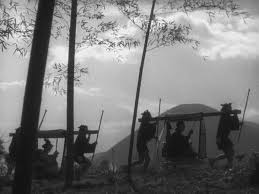
Lectures in this Seminar

square right_ol
square right_ol
square right_ol
square right_ol
square right_ol
square right_ol
square right_ol
square right_ol
square right_ol
square right_ol
square right_ol
square right_ol
square right_ol
square right_ol
square right_ol
square right_ol
square right_ol
square right_ol
square right_ol
square right_ol
square right_ol
square right_ol
square right_ol

February 22, 1983

See, I have my two types of action-images with the corresponding signs. … There is also a theme that we have already found, but that at the level of action, of the action-image, we find at its own level, namely the problem of spaces. It is obvious that space, the type of space which corresponds to the first action-image form, namely the one going from situation to action, from synsign to binomial, implies a certain type of space which is discovered piece by piece… and which is built, which not only is discovered but which is built piece by piece, and that the problem with this second type of space is going to be the connection of pieces, how I connect one piece to another piece of space. Fine. I’m saying that because it’s at the level of each of our types of image that we encounter problems of space.

Seminar Introduction

In the second year of Deleuze’s consideration of cinema and philosophy, he commences the year by explaining that whereas he usually changes topics from one year to the next, he feels compelled to continue with the current topic and, in fact, to undertake a process of “philosophy in the manner of cows, rumination… I want entirely and truly to repeat myself, to start over by repeating myself.” Hence, the 82-83 Seminar consists in once again taking up Bergson’s theses on perception, but now with greater emphasis on the aspects of classification of images and signs drawn from C.S. Peirce. This allows Deleuze to continue the shift from considering the movement-image, that dominated early 20th century cinema, toward a greater understanding of the post-World War II emphasis on the time-image.

For archival purposes, the English translations are based on the original transcripts from Paris 8, all of which have been revised with reference to the BNF recordings available thanks to Hidenobu Suzuki, and with the generous assistance of Marc Haas.

English Translation

Edited

Mizoguchi’s “The Life of Oharu”

Continuing the complex classification grid, Deleuze considers signs of the action-image (notably, the synsign, binomial and vector), and he compares two kinds of movement-image and space, the breath-space in Kurosawa and the vector-space in Mizoguchi. Needing to develop an additional column for the grid, Deleuze turns from Secondness in the action-image toward an intermediate image preceding the mental image of Thirdness. After an imaginary dialogue between Vertov and Eisenstein about their conceptual differences on the dialectic, Deleuze emphasizes Eisenstein’s development of a transformational form associated with a “montage of attractions”, to which Deleuze attributes the sign of “figure” in Eisenstein’s “third image”. Then, Deleuze focuses on the three representations in Kant’s Critique of Judgement, notably Ideas and the symbol, and particularly Kant’s concept of the “schema” as a way of understanding, first, the direct exposition of a concept and the indirect presentation. Deleuze argues that Kant’s “Ideas” (concepts without direct presentation within experience) are represented by the term “symbol”, for which Deleuze substitutes “figure” (for the table), to which he plans to join two other terms in the following session.

Gilles Deleuze

Seminar on Cinema: Classification of Signs and Time, 1982-1983

Lecture 11, 22 February 1983 (Cinema Course 32)

Transcription: La voix de Deleuze, Charles J. Stivale (Part 1), Maîka Etchecopar (Part 2), and Lucie Lembrez (Part 3); additional revisions to the transcription and time stamp, Charles J. Stivale

Translation, Charles J. Stivale


Part 1

… and at that time, I had given a reason; I no longer remember it at all, and I remember it even less because it seems obvious to me now that there is an intermediary. Does anyone by any chance remember why I didn’t want it at that time? [Pause]

A woman student: [Inaudible comment]

Deleuze: That perhaps there wouldn’t be one? Ah well, fine, so there is one. [Laughter] [Pause, noise of chairs]

So, I renew my call: is there no one here, are there no longer any students who aren’t needing to receive the UV [academic credit], who haven’t prepared a form? There’s no one, right? Because I have to go and return them later, and in order to deal with all these details, face all these matters, I will have to take a break. So, let’s start.

A student: [Inaudible comments, but he answers Deleuze’s earlier question]

Deleuze: Ah, that’s it; there is an intermediary in relation to that, that’s it. Well, yes, it’s true, isn’t it? It is simply the mental image; I will need three examples of it, so suddenly, it’s not, there is not an aspect of the mental image which would be an intermediary. We are going to add an intermediary, so one more column. Alright, that’s fine. And it was obvious that something was needed; it was obvious, and you will see why. Good. [Pause; Deleuze goes to the board]

So there, everyone can read, I assume. I’ve returned to where we were before the break [the February winter break]. See, I have my two types of action-image with the signs that correspond to them. I remind those who were here last year, or even those who were not here, that this would require some rather long analyses on what topic? There is also a topic that we have already discovered, but that at the level of action, of the action-image, we discover it at its own level, namely the problem of spaces. It is obvious that space, the type of space which corresponds to the first form of action-image, namely that which goes from the situation to the action, from the synsign to the binomial, implies a certain type of space, but the other [type of action-image] which proceeds via the index, which goes from the situation to the partially unveiled action, you already feel immediately that it is a kind of space which is discovered piece by piece, and which is constructed, which not only is discovered, but is constructed piece by piece, and that the problem of this second type of space is going to be the connection of the pieces, how do I connect one piece to another piece of space. Good. [Pause]

I am saying this because it’s at the level of each of our types of image that we encounter problems of space. If you remember for the affection-image, we had come up against the theme of any-space-whatever. And there would be all kinds of resonances because I had two types of any-space-whatever: empty space and disconnected space, space whose parts are in any connection whatever. Note that here [Deleuze points to the board], if I look for the space that corresponds to the first type of action-image, I would say that it is a large ambient space. It’s the ambience or, if you prefer, it’s a breath-space [espace-souffle], and that I had developed last year; I’m not returning to this point. It is a great breath-space, the breath-ambience; it is a space of respiration, the situation, the ambience which will arouse the action and the action which will modify the situation, it really proceeds like diastole-systole. It’s a respiratory space, it’s a space, there.[1]

That’s why I don’t believe in the possibility of opposing spaces like a film critic called [Henri] Agel;[2] I do not believe in the possibility of simply opposing spaces of expansion and spaces of contraction. It seems obvious to me that contraction and dilation are the two moments of the great breath-space, of the space of respiration. Good. [Pause]

But I would ask, what is the outer limit of the breath-space? It is empty space, and in fact, breathing occurs in a vacuum, contraction, dilation. So, any-space-whatever… if you like, the limit of this concrete space, breath-space would be any-space-whatever in the form of empty space. The other type of space is a space of progression [cheminement]; it is generated by progression, by connecting one piece with another. And what connects one piece of space with another? It is precisely… [Deleuze taps the chalk against the blackboard] a vector. And henceforth, how is this space constructed? It is not a breath-space; it’s a space, literally — last year, I tried to develop this theme — it’s a line-space [espace ligne] or fiber of the universe, a space of progression. It is a line of the universe. The line of the universe is made by what? By the vectors that connect one piece to another piece. [Pause] Fine. All that is fine; generally, it’s fine. And if I seek what is the limit of this space, I would say the limit of this space is any-space-whatever under its other aspect, namely the connective space [espace à connexion] whose pieces refer to any connections whatever, that is, to a disconnected space. [Pause]

So, what I was saying last year – here, I want to say this for both groups, for those who were here so you can make the connections and for those who weren’t here so you can see that all this is a program – I was saying, I was looking in the area, for the famous spaces, that is, mathematical spaces. About mathematical spaces, I would say generally, very generally, how is a Euclidean space defined? It is above all an ambience-space. What does this mean, concretely, mathematically, geometrically, an ambience-space? That means a space where figures can undergo certain displacements, certain transformations while remaining constant. It is the type of an ambience-space. And I would say, figures are, literally, immersed in Euclidean space or, if you prefer, I would say that figures are impressions [empreintes] in Euclidean space.

However little you might know about mathematics, I had tried to talk a bit about it last year.[3] Riemannian space, in the geometry of [Bernhard] Riemann, how does Riemannian space appear? At its simplest, really to say some things about… really at its simplest, Riemannian space looks exactly like this [Deleuze turns to the board]: an infinitesimal element, an infinitesimal element is grasped in its relationship with its immediate neighborhood. The element and its immediate neighborhood allow the definition of a piece of space. However little there… to say, there is no need to have done a word of mathematics to understand what I am saying here. Even… even if there are mathematicians here, I think they will not prove me wrong; they’ll just say that all I’m doing is just literature, but that’s not wrong. It is not mathematically wrong. This is how Riemann proceeds.

Fine, so the infinitesimal element joined to its neighborhood and related to it with its immediate neighborhood makes it possible to define a piece of space. But between the two pieces, no connection is possible; it is a disconnected space, [Pause] unless one can establish for each piece of space a tangent vector, and one can, under certain conditions fixed by Riemannian geometry. You determine a vector tangent to the piece of space you have just constructed… [Interruption of the recording] [11:04]

… small points in the space of progression. [Pause] And I was saying, well, an entirely different example to confirm that, well, yes, in the great histories of Chinese and Japanese painting – that’s why I had made my little [inaudible word] to be used by the Japanese – the two great principles of painting, I believe that they’re the only ones, you remember, we saw that last year,[4] it’s what is presented as the breath-space under the form, what sign, what sign? It is only a sign; it is almost a signature. You know, in the sense, in the Renaissance — in Western Renaissance theories, there’s a whole very special notion, a particular type of sign that we call the signature, things have signatures, but it doesn’t matter – the signature of this breath-space in Chinese painting is what they call the “single stroke”. The single stroke is a very, very complicated thing. Well, we’re just looking at that; for those who are interested, you’ll see, there’s a good French book on it by François Cheng, published by Éditions du Seuil, Le Vide et le Plein, with texts and lots of quotations.[5]

And then, there is another principle, and I already insist that this does not define, is it another space or not? No. These principles are combined, but can they be separated? Yes, they can be separated, that’s how they are separated. And this other principle is what they call – oh, it’s difficult, I don’t have the word for it – skeleton [ossature], it’s the skeleton, or the joint [jointure], the joint.[6] The joint is really the line of the universe, [Pause] and it is well known, the Japanese fragmented space, the fragmented aspect. What is known? There is in Critique, in the last issue of Critique,[7] there is an issue on Japan which seems very interesting to me in which there are a lot of things about Japanese space. [Deleuze goes to the board]

So, there is a first point which interested me a lot, it is when they say that almost at the level of the postal code – the postal code, it is the opposite of ours; I think it’s true, all that, but it’s probably true since that works fine; [Laughter] later, I’m going to say later what I expect from our Japanese friends who are here – You understand, ourselves, we start… it’s pitiful [Laughter; Deleuze writes on the blackboard the model of an address] Monsieur the individual, the street, the district, the city, the department, the country, and finally the world, right? There’s a famous letter from Joyce like that, right? Good. The Japanese decided it would be the other way around. [A Japanese student, possibly Hidenobu Suzuki responds: That’s right] That’s right? They start with the city, and then the big block, and then the neighborhood, and then an area, an area where the person they are looking for is. Really, this is breath-space. That’s the single stroke.

But in another way as well, if we bring in other givens, you have a space of progression where each time there is a horizon, you have a piece of space, and then how it will connect with another piece? There has to be a line of the universe [Pause] in order to go from one place to another. There, you have another type of space, a space of progression [Deleuze is inaudible as someone coughs] … and the joint, what is it? [Deleuze goes to the board, points to the drawing] Here, it was finally the big space where things reveal themselves by appearing; there, [Deleuze indicates another element on the board] it is a space piece by piece, a space of progression where things reveal themselves while disappearing. It is well known that in Chinese paintings, one aspect of this painting is to grasp the disappearance of the thing, what they call drawing a line, and you feel that here, we are in the second type of action-image.[8] Earlier, the postal code was typically the first type, the great synsign, the single stroke, or the great circle, the great respiratory circle. It’s — I don’t know what I wanted to say anymore — it’s the single stroke.

In the other case, it is a space of progression. To connect spaces, two pieces, it takes vectors at a tangent to each piece. [Pause] And there, things are in fact grasped in their disappearance. You never stop leaving them. As stated in a text quoted by François Cheng, the important thing in the tower is the base that you cannot see and the top that is lost in the clouds. And we see very clearly, the thing only reveals itself in its disappearance. [Pause] Okay. Here then, [Deleuze indicates the drawing] the line will no longer be the single stroke; this is what they will call the “wrinkled stroke” [le trait ridé] since, in François Cheng’s translation, there is what he calls the wrinkled stroke. See, the wrinkle here [Deleuze points to the drawing] is useful to me because it is indeed a kind of representation of vectors, vectors adjoining each piece of space. [Pause]

So, last year – I’m not going back to it, but at the same time, I’m extending too much, but I’m really interested in this – I said last year, take… yes, it’s not difficult. Imagine you want to paint a pike, and you are a Japanese painter; you want to paint a pike. Well, painting a pike, I don’t know, a pike, well, I think it’s one of the most beautiful fish. So, you have to paint it in two ways at the same time. It is like a part of the cosmic breath; a pike is a degree of cosmic respiration. [Pause] In a sense, it’s an impression [empreinte]; [Pause] in a sense, there’s a single stroke of the pike. [Pause] It’s the being-in-the-world of the pike; it’s the appearing [l’apparaître] of the pike, and if you miss the pike’s appearing, however beautiful your drawing, you’ve really got nothing.

But there is something else as well. How do you expect to paint the pike without establishing a line of the universe that will connect it, reconnect it to – I’m speaking nonsense — the stone at the bottom of the water that it brushes against in passing, [Pause] and also the tall grass on the shore where it hides, where it hides? The pike, [Deleuze draws on the board] flat stones at the bottom, tall grasses on the edge, these lines of the universe. There, it’s a wrinkled line, [Deleuze indicates the drawing] and it’s the pike’s “not-stopping-to-disappear” [ne-pas-cesser-de-disparaître]. [Pause]

Last year, I was saying – I’m going back to this because now I grasp it a lot more; I would still like to move forward – if you take, from the two Japanese filmmakers who are the most, who are the most familiar to us, or who we believe, rightly or wrongly, possibly wrongly, are closest to us, [Akira] Kurosawa and [Kenji] Mizoguchi, Kurosawa, it’s obvious to me that it’s a breath-space above all; it is the respiration-space, and furthermore, I can give you Kurosawa’s signature: it’s the single stroke. [Deleuze draws on the board] Kurosawa’s signature, and maybe that means something in Japanese; here, that would be, that would be too much. [Pause; Deleuze draws on the board] Imagine that thick, very thick, here. [Pause] There you go. That’s Kurosawa’s signature. — [Deleuze speaks to a Japanese student] Doesn’t that mean anything? [Laughter] No? In my opinion, it should mean “mountain forest”. Doesn’t that mean “mountain forest”? No? [Inaudible answer] But in Chinese, maybe, right? [Laughter] No? Alright, that’s failed.

In fact, I am saying that because… and that’s it, among Kurosawa’s splendid images, it starts in order, a vertical descent from top to bottom of the screen, something, anything that descends, a powerful descent from top to bottom, sometimes does… For example, the messenger who descends from the very top of the screen, who descends all the way to the bottom. And this movement is crossed [Deleuze draws on the board] by a lateral movement from right to left, and a lateral movement from left to right.

Hence the rain in Kurosawa’s work. He is one of the greatest filmmakers of rain, and there too, there’s no confusion; Kurosawa’s rain is not the rain of Antonioni. And we can see very well what Kurosawa’s rain is. Kurosawa’s rain is what serves as the great vertical movement. This is the single stroke component. If you take “The Seven Samurai” [1954], what do you see? A curtain of rain, [Deleuze draws on the board] and the brigands who are trapped in the village, with the two exits closed, and who do not stop acting in the rain… That’s Kurosawa’s signature. [Pause] Fine.

Because he has a great idea, which is what makes Kurosawa a metaphysician. How does he manage to give this scope to the ambience-space, to the respiration-space? It’s because he’s a guy who believes. If we are looking for metaphysics – here, I am digressing into metaphysics and cinema – obviously, what we could call the presence of a metaphysics in cinema is not the metaphysical depth of the thought of a filmmaker. Why? Because if you want to have metaphysical depth, suppose he could, well, he would do metaphysics; he wouldn’t make movies, that’s obvious. On the other hand, there can be a presence of metaphysics in cinema, but if you translate it in terms of metaphysics, it’s not worth much, and at the same time, it’s truly metaphysics.

What is Kurosawa’s idea? It’s… It seems to me very simple, very simple, but very beautiful. It is the idea that action presupposes a question, action presupposes a hidden question. [Pause] So if you don’t find the question or you don’t know the question, don’t even bother to act. You will tell me, I don’t know, what does that mean? Once again, attempt to live things. Understand? It’s a way of life, that. Myself, I don’t know, if there are many people who act, even at the level of daily life, and maybe it’s Japanese: not to act without having considered the question fully. That’s why Kurosawa’s films are often divided into two parts: a long part, considering the question fully, a second part where the action happens, and there’s no question of acting if you did not consider the question fully.

But, if someone asks me, “what time is it?”, you ask us, “what time is it?”, if there’s no answer, [Laughter] either I don’t have a watch, or else someone answer, “It’s time”. I imagine someone Japanese, no, to consider the question fully, [Laughter] — for you, it’s not true — let’s imagine a Japanese person like that, to consider the question fully, it means say what? That means knowing the givens [données], but what are the givens? This is how [Deleuze goes to the board], let’s widen the space to find out: the givens are not the givens of the action as in American action cinema, for example. The givens are the givens of a problem or question that is enveloped by the situation. Every situation envelops a question that must be discerned. So American cinema, if you will, was S-A-S, in fact, situation-action, but Kurosawa is also the S-A-S pattern. But in what way does he add a dimension? He brings it to metaphysics, that is, this kind of great respiration-space because, instead of the givens being the givens of the situation, the givens are the givens of an implied problem, enveloped in the situation.[9]

There is a film by Kurosawa which is also one of his masterpieces, which in French is translated as “Vivre” [“To Live”, 1952; “Ikiru”], which is exactly that: a guy who is condemned, who is condemned, knows that he is going to die, for him, it’s… his question is how, how to spend the last moments that remain to me and then what to do. There will be a whole first part which will be research into the givens of the question. It is not just by asking a question that I’ve ascertained the givens of the question; what are the givens of the question? For him, does it mean having as much fun as possible in the months he has left? Or else, does it mean something quite different, to do something useful? And what does it mean to do something useful for someone who is going to die in a few months? That’s it, the set of givens that are no longer the givens of the situation, which are the givens of a question hidden in the situation. There is something very, very curious here, and “To Live” is… I don’t have time to discuss “To Live”, but it seems to me a very, very extraordinary film in this respect because… well, well, no matter.

I’m moving on to another case. See, basically, I tried to say a bit on how Kurosawa’s was this type of large respiration-space under the sign of the single stroke. In Mizoguchi, you can clearly see how this proceeds, including in the sequence shots, that is, I don’t want to say that it proceeds through fragmented shots. On the contrary, he’s not… He’s a great author of sequence shots. And that’s not what matters; there is sometimes fragmentation, there is a very frequent fragmentation in Mizoguchi’s work. But even when it’s by sequence shots, it’s because he grasps the line of the universe. And the sequence shot in his work is the connection of the pieces with extremely skillful reframing in a sequence shot, and this time, it’s the operation of reframing which works exactly like the linkage of vectors. And the vectors connected to each other constitute a line of the universe.

But I would say that there is also metaphysics; he’s a metaphysician because… I just tried to state the idea, what is Kurosawa’s idea? So, well, that’s a metaphysical idea in cinema. There we are, that’s it, I think it’s truly a metaphysical idea. Someone who says to you, yes, you believe that the givens are exactly the givens of the situation? But not at all. The givens, that means something quite different. The givens, once again, are the givens of a question that you don’t know in advance and that is buried in a situation. And if you haven’t reached the question, well, you can only do stupid things, ultimately.

Mizoguchi has another idea, also metaphysical, but metaphysics is practice. He is known for his love for prostitutes, Mizoguchi. He loved them very much in his life, he adored them. Hey, fine. [Pause] Why? All life, life is metaphysics as well, right? I do think he had an idea: it is that the lines of the universe are something very precious because, for him, it was the essence of space. Once again, a space, his space is not a respiration-space; it is a progression-space; it is a line of the universe-space, with connection of vectors. But such a space, it must be traced, a line of the universe; that’s not easy, for everyone to find their own, just as Kurosawa would tell us that everyone finds the question that is buried in the situations in which they put themselves, or even where they find themselves caught, the obsessive question that we did not know. Anyway, these are methods; I mean, all that, it’s philosophy.

Well, there is no contradiction there; Mizoguchi tells us something else. He would tell us, but just like the pike traces its line of the universe, you will tell me, oh, there is a species of pike, ah yes, a species, okay; it’s not certain that the Japanese recognize the validity, the individual difference between species, not certain. And from the pike to the flat stone in the bottom that it grazes, and to the tall grass where it hides, are these specific characteristics of the pike? No, it’s a line of the universe. I can say at most that it is the world of the pike, but a vectorized world, not a world of ambience. It’s also a world of ambience, fine, and so Mizoguchi would tell us, let everyone make their own line of the universe. That’s metaphysics as well.

What would that mean? Well, we’re all pike! Let everyone discover, for example, what he’s going to slide on, what he’s going to bury himself in to hide himself, let everyone find his wrinkled stroke, his wrinkled strokes, let everyone find their way of disappearing, fine, [Pause] yes, their lines of the universe. There is no reason for two lines of the universe to be strictly similar. Only, there you go, Mizoguchi’s metaphysical development, one indeed has to understand metaphysics; he has a firm grasp not only on personal life, but on social life, all that. Rightly or wrongly, it’s because his excessive love of women resulted in Mizoguchi thinking that a line of the universe passes through women, at least as men are concerned, and that in a certain way, it is women who hold the lines of the universe. “Who hold”, what does that mean? Not that they command them, no, but in any case, there is no line of the universe at the level of the man that does not pass through women. And socially as well as in Mizoguchi’s historical films and in his modern films, what fascinates Mizoguchi? The situation of women’s oppression. [Pause] So here, this is Mizoguchi as sociologist. But Mizoguchi as sociologist and Mizoguchi as metaphysician are the same. The banal comment, “women are in a situation of oppression” only gains interest for Mizoguchi and for us if you complete it with the metaphysical proposition “lines of the universe [passing] through women”. Because if women are in a social situation of oppression and reduction to zero, it is all the lines of the universe that are threatened.

And the most solid lines of the universe, the most obvious according to Mizoguchi, are those that bind the man and woman lovers in an authentic love, and it’s the lines of the universe that, or that’s what binds the mother and her son, that will trace a line of the universe. But there we have it, because women are the object of this oppression, or else the lines of the universe will only be lines of flight that lead to death, the great love of the lovers of the “The Woman in the Rumor” (1954), for example, in the film “The Woman in the Rumor”, or much worse still in a sense — because there is nonetheless a line of the universe that the crucified lovers trace before being caught and condemned — or much worse still, a line of the universe will be completely severed as between mother and daughter, mother and son in the splendid image [in “The Life of O’Haru” (1952)] where the young prince is surrounded by his dignitaries, and his mother tries to reach him, she is perpetually rejected. There is a famous long sequence shot by Mizoguchi where we see, literally, this kind of dotted line of the universe that is broken, shattered. It is a completely different world; this is the world of the wrinkled stroke, of the line of the universe obtained by progression, by vectorization, with dangers that behave, just as there was a danger with Kurosawa, a masterly danger, that of ignoring the givens of the question, and it was “Throne of Blood” (1957), that is, it was Macbeth. At that moment, the respiration-space yielded a kind of cobweb which was locked around him. He didn’t understand anything about the givens of the question. He had assessed the situation based on the givens. He had assessed the givens of the question, and he did not know that the givens of the question are nothing, that if one does not discern the givens of the question hidden in the situation, one is defeated in advance. At that moment, it’s the spider-space, and you’re caught in this space like a fly, really. Fine.

Well, the Mizoguchi’s danger is how to draw the lines of the universe in a world where women are slaves. So, these are their very own problems, and I mean that throughout their cinema, they never stop reworking exactly, if you like, exactly as a philosopher reworks his problems and his questions. He gives them a philosophical development; here, there are properly speaking metaphysical questions which receive a development through images. As a result, in fact, if you try to translate them into metaphysical answers or discourse, it’s zero, and you’ll say that Kurosawa’s thought doesn’t go far. But obviously, no, it’s not his thought that is meant to go far, otherwise once again, he would be doing philosophy. What is meant to go far are the images because what is meant to go far are the questions that he asked, and that he asked in and through images. And commenting on cinema is like commenting on a text of another nature; it is knowing how to discern these questions. Fine.

So, all that I have just said for the moment, you see, is that kind of relationship between these two types [of space]. But you immediately feel the point we are reaching: it is that these two completely different spaces – the space of the synsign or of the single stroke, and the space of the vector… of the synsign or of the impression, if you will, and of the single stroke, and the space of the vector or of the wrinkled stroke, the respiration-space and the progression-space – these are the two forms of the action-image. Good. These are the two forms of the action-image. But I would say, fine, well then, you already have to admire that there are vocations. There are vocations, in what sense? In the sense that you have filmmakers who are obviously committed to one or the other of these two forms.[10] I have just given an example, yet with exceptions, yes; I have just given an example: the greater part of Mizoguchi’s work [Deleuze indicates what he had drawn on the board] seems to me to belong to the second type of space; the greater part of Kurosawa’s work seems to me to belong to the first type of space.

Last year, I chose an example, I believe. I was saying that, well yes, among the Russians, rather among the Soviets, in Soviet cinema, the Pudovkin space is of the second type, in a completely different way than… It’s a progressive space, with connection of the pieces of space or with, finally, pieces of space coinciding with moments of consciousness. It is a vectorized space; it is a vector space with Pudovkin, and with Dovzhenko, it is a large space in orientation, it is an impression-space [espace-empreinte]. So clearly, there is, we can, in this sense, and it seems to me legitimate to speak of a particular tendency or school, in cinema as elsewhere. I don’t mean at all that Dovzhenko’s space is the same as Mizoguchi’s. He goes in the directions [someone coughs] that we know. It’s the same structure of space between [them], going very far, very broadly. I mean, these are authors who are dedicated, who have a predilection for a particular [form] or another.[11]

But there you are, [Deleuze laughs] but there you are, I was already saying this last year, you have strange authors – but who are no better than the others; you mustn’t believe that… — who either are straddling – because categories are always, there are always passages; all that is divided, but it’s not “either, or” — either they are straddling, or else, that is, they seem to be indifferent; one must believe that their problem is elsewhere. They will sometimes create for you a film [Deleuze taps on the board] in the first manner action-image, sometimes a film in the second manner action-image. In my opinion, [Deleuze laughs] the film can be brilliant, yet it will be so for other reasons. It is because their problem is not fundamentally space; so, they can handle very different spaces, but they remain quite exterior to… it’s because their problem, their real problem is elsewhere.

But there are other cases than indifferent authors who pass very easily from one form to another. There are those who invent, which now create a transforming form [forme à transformation], or what is perhaps not the same thing, a deforming form, the transformable or deformable form. What does that mean, a transformable or deformable form?[12] This is a form in which a constant passage occurs from the first formula to the second formula, and from the second formula to the first formula. It is obvious that this space of transformations or deformations will be a space, even original, which will perpetually ensure the conversion of the first space into the second, and the second space into the first. They are “conversion spaces”. And that’s why conversion spaces, between the respiration-space or the progression-space, and that’s why, thank God, I’m adding a column [to the diagram drawn on the board]. — You see, I don’t want to go too far – I’m adding a column having as title, … or first-form action or second-form action, which will have as its main title, “transformation” or “conversion”, from one form to another.[13] [Pause]

This column will contain what I can call spaces of transformation or deformation, rather the transforming or deforming spaces. And for this column, we will need signs, and if I am already announcing why I place it here so that you understand better, it should not be surprising that in the spaces in which it doesn’t stop converting one into two and two into one, there is the emergence of a third, that is, there is already the emergence of what one can call a Thirdness. As a result, this column will be the passage from action, from the action-image, that is, from Secondness, to the mental image, which we have not yet seen, that is, Thirdness.

So, my conversion spaces which come after, right, [Deleuze indicates the diagram] which come here, here I’m marking, if you like, a transformation or passage from one form to another, from form one to form two, above, and I need signs in reserve [pour escompte]. I’m just saying that these signs will be the emergence of the birth of Thirdness such that this column — I haven’t drawn it but you understand very well — this column will be the transition from the action-image Secondness to Thirdness, the mental image. [Pause] Do you understand? It’s clear, right?

So, I mean, so, I mean there, to finish up these, these groupings, let’s search right away: well yes, what will that mean? So, how would a transforming space be original in itself while ensuring a perpetual conversion from one to the other? Last year, I gave an example: why did [Sergei] Eisenstein, rightly or wrongly… And he is wrong; sometimes he thinks he is the master; he ultimately thinks himself the best of all Soviet filmmakers, because, in a certain way, he thinks that, very naturally, he creates the synthesis, [Pause] that he brings together both the properties of [Vsevelod] Pudovkin space and the properties of [Alexander] Dovzhenko space. Dovzhenko came later; well, no matter. But when Dovzhenko emerges as an event, Eisenstein can tell himself, yes, he was one of my sons. [Pause] With [Dziga] Vertov, it’s a bloody settling of scores, precisely because Vertov won’t stop saying about Eisenstein: but don’t you see that this is syncretism, a mixture, a mixture? Fine. That’s because there are all kinds of nuances between a powerful synthesis and a mixture.

But in what way is… What is it? How does Eisenstein manage to unite the two spaces? [Pause] He never hid his predilection for the large form, that is, [Deleuze taps very hard on the board] the great synsign, the impression, the respiration-space, where we go from situation to action. There are all kinds of texts, even very concrete texts. There is a text, I remember, there is an interview with a secondary Soviet filmmaker called Mikhaïl Romm,[14] — I don’t know, R-O-M-M – which is – go look in Cahiers du cinema that is going to publish this interview with Romm –which is very interesting, interesting because Romm goes to see Eisenstein, and Romm wanted to adapt a short story by Maupassant, and the short story is made up of two parts. There’s one part — it’s [the story] “Boule de suif” — there’s a part that describes Rouen occupied by the Germans, and another part that is the story of a stagecoach or everything that happens in the stagecoach. Eisenstein says to him, that’s all very nice, but which part do you choose? What Eisenstein was doing was almost a challenge, he was the master, and Romm is a generation below. “Which part do you choose?” [Romm] says, “obviously, the stagecoach,” and Eisenstein says, “oh well, look, I can’t do much for you, because obviously I would have chosen the other one, the large part. You’re choosing the small story; I’d choose the large story.” The conversation begins like this, it goes forth like this, that is, for all appearances, Eisenstein did not harm himself regarding the action-situation, but notice already that Vertov, if we try to imagine that he’s standing there in the corner, saying, “No, but, what is he doing, Eisenstein?”, that he’s a bourgeois who is only re-adapting American cinema, and he is completely Americanized, he is rotten, this Eisenstein, and this is, this is, at the time, this settling of scores between Eisenstein and Vertov is very, very violent. He [Vertov] says, that’s not dialectics. What does that mean, action-situation? No, right?

Eisenstein’s supposed answer. You see here, Vertov is outside the frame, and he just spoke in voiceover [Laughter], “Can’t you see? This is a bourgeois formulation, that’s an American formulation, it’s American cinema”. What will Eisenstein answer, deeply stung, right? He’s going to insult Vertov, but that’s not our problem. To defend himself, he will say, “not at all, not at all! That’s not what I’m doing since” — we saw this, we saw it before the break [the February 1, 1983 session], “since I’m dialectizing this form. In fact, instead of subjecting it to alternate montage, to parallel montage,” as we saw concerning the history film, “I’m subjecting it to a dialectical law.” What does that mean? It means that, in fact, the large form, [Deleuze writes on the board] the kind of universe-circle which defines the great synsign in the American image, well, that’s how it is, [Deleuze writes] it is diametrically divided, as we have seen, hence the alternate montage: there is the world of the poor and there is the world of the rich, and that’s how it is.

To mix everything up, I would say that this intersects well with Kurosawa’s works; it’s the same. As we saw, he’s a great humanist; the Americans are also great humanists. [D.W.] Griffith’s work is from a great humanist, except when it concerns Blacks, [Laughter] and otherwise, that’s no humanism. Kurosawa is a great humanist because there’s the world of hell and the world or the rich, there’s the world of the poor people and the world of the rich.[15] And like the theme in “To Live”, no, not “To Live”, in what is translated precisely a “Between Heaven and Hell” [“High and Low/Heaven and Hell” (1963)], which literally in Japanese, I believe, is “the high and the low”…

Hidenobu Suzuki [beside the microphone]: No, it’s heaven and hell.

Deluze: No? Is it also “heaven and hell”? Well, heaven and hell, it’s the world of the rich and the world of the poor. And the question in this film by Kurosawa is: is there no way for the rich to understand the poor and for the poor to understand something about the rich? I’m not saying [that] this is the question because Kurosawa’s question is much deeper, but it’s one of the themes that comes up in the film. It is a theme that is typically humanist, liberal humanist, similarly for Griffith; well, there are the rich and there are the poor.[16]

Alternate montage, you remember what Eisenstein said: American-style alternate montage presupposes a whole conception of society, and he [in the supposed interview with Vertov], he says, “not at all, not at all. I’m not remaining within the American image because I’m operating through a law of growth, a law of development, a dialectical law, the law of the One which becomes Two, that is, which shows why there are rich people and why there are poor [people].”[17] So, he will say, “I am a dialectician”, and that changes everything; it changes everything, especially in terms of montage. It’s called alternate montage.

So, he thinks it’s possible to keep [Deleuze taps on the board] the great space of the synsign by dialectizing, that is, by subjecting it to a law of production… [Interruption of the recording]

[Return to Vertov’s voice] “…dialectic, whether there is dialectic, whether there is dialectic or not, you’re associating with humanism, you’re associating with humanism, so that’s it”. Eisenstein is more and more annoyed here because, obviously, no, he gets out of this by saying, “but, the dialectic is that of man and nature united”. In other words, there is no dialectic of nature.[18] Vertov doubles over in laughter because if there is no dialectic of nature, there is no dialectic at all according to him, and moreover, everything is based on a dialectic of matter. An annoyed Eisenstein retaliates, and here, the riposte becomes beautiful, it seems to me: “The time has not yet come, the time has not yet come to assign ‘eye’ ” — the eye of matter — “We still have to make a cinema-fist [ciné ‘coup de poing’], a cinema-fist [Pause] that strikes man and deals with a nature united to man”. Alright, that’s getting complicated.[19]

Let’s get back to Eisenstein. What is his law of development? He explains it to us precisely; suddenly, it explains very well the title he gives to his project, his great historical project, The Non-indifferent Nature.[20] See what that indeed means, non-indifferent nature. It is not at all as has been said simply, it seems to me, in these histories of cinema, that Eisenstein was acutely aware that nature or the landscape participates in a cinematographic image and participates in the action. It is much more, it is much more important than that. It is the assertion that the dialectic [Pause] cannot be a dialectic of nature separated from man, that therefore there is no dialectical materialism. This question has never stopped… Once again, I believe I’ve already told you about it, [the question] being taken up around Sartre. In Sartre’s era, all this discussion was remade, reconstituted, is there a dialectic of nature or is there a dialectic of man in situation in the world? Sartre stated very strongly, there is no dialectic of matter, and it is not by chance that Sartre called himself a humanist. [Pause] But, in that respect, Sartre was very Eisensteinian about this problem. Good.

But his law, his law of production, of this space, what does that mean? He states it in Non-Indifferent Nature. It’s going to be the spiral, good.[21] That is typically the spiral; we saw it, [Deleuze writes on the board] we saw it last year, we saw it again this year, I believe: it’s typically respiration-space, it is large space, it is the synsign. The spiral is the equivalent of the single stroke. [Pause] Good. However, Eisenstein always tells us, be careful, do not confuse it with American cinema, whatever my complacency with American cinema may be. And in fact, Eisenstein has a great deal of admiration for American cinema, and he says, for me, if I distinguish myself from it, once again, it is at a level which is really not at all abstract, namely, I’ve submitted the large space to a law, a law of production and a law of growth.

What is this law of production of the spiral? It obeys a law borrowed from – this is dear to Eisenstein; he is so curious; this seems so idealistic, he’s strange, Eisenstein – in the “golden section” or “golden ratio”, well, let’s say, whatever, a certain proportion, to a certain proportion, to a certain geometric proportion, the golden section.[22] Hold on to this, you will see; that is very important in the teaching of painting, all that. And here we have Eisenstein who takes up this story of the golden section and the organization of images according to the golden section.

But the golden section, as he shows very well, allows him to assign caesuras to the twists of the spiral, [Deleuze writes on the board] [Pause] – here is the spiral – related to the laws of the golden section, that is, to the law of proportion. Then, he is able to assign remarkable points, privileged points on the spiral. [Pause] And he goes so far as to say — and this is scientific determination, while the Americans have remained purely empirical — and here he chants his verse: “Thanks to Marxism and in dialectics, I reach a scientific level”. Well, you see, he submits the spiral, and then as required, he’s going to slip out of the simple duality, the world of the rich and the world of the poor — it’s at least going to bring him that – this is going to engender the law of the spiral according to the proportional rules of the golden section.

Just remember, no matter, even if you don’t understand, you will understand about Eisenstein – but yes, there is nothing to understand – that the golden section allows him to assign caesuras, [65: 00] points as remarkable points. From one remarkable point to another, there will unfold a leap or a qualitative leap, [Pause] a qualitative change sustained by a quantitative continuity, and there too, he can say “I am a dialectician”. This is the famous second law of dialectics, how quantity turns into quality. Well, there is a quantitative continuity, and at some critical point, the quantitative change morphs into a new quality. I’m losing my hair one by one — it’s an example taken from Eisenstein, that’s why I’m quoting it, an old example from the Greeks because this has been a problem for philosophy from the beginning — I am losing my hair one by one, and there is a moment when someone says, “you are bald”. I am losing my hair one by one, quantitative continuity, but there is a moment when I am told, “ah, but you are bald”, a new quality. So, it is the qualitative leap underpinned by a quantitative continuity.

So, you see, what is Eisenstein’s transforming space? I would say, the spiral and its engendering are completely [Deleuze taps on the board] the first form action-image. This is the respiration-space… [Interruption of the recording] [1 :06 :54]

Part 2

… This is the great spiral. This is the respiratory spiral. This is the single stroke. What is Eisenstein’s originality from this point of view? Not to present it as a fact of the universe but to subject it to a law of production, a law of dialectical production. So, he already gains his full originality.

Second point but be careful: this law of dialectical production allows him at the same time to graft onto this first form the second form. Because what will the second form be? As the law of production of the spiral, namely the golden ratio, allows him to assign remarkable points on the spiral, there will be vectors which will jump — and he himself uses the word “vector” — there will be vectors that will jump from one remarkable point to another remarkable point, and we will be completely in the second form, the space of indices, the space of indices and vectors. One moment, with ellipse, jump to another moment: change of quality. These are Eisenstein’s famous qualitative changes, jumps, qualitative leaps. He will have grafted form two onto form one, and he will have really grafted it in a completely coherent way.

So, needless to say that, always here, you understand the opposition here. A guy like Vertov can’t stand such a thing. He finds, well, that it’s the worst thing that could happen, that it’s a betrayal, really. I don’t know if he would have had Eisenstein shot if he had been able to, but for him, this is to deny completely every innovation that Soviet cinema was to bring forth. It was simply offering a dialectical version of American cinema. For Eisenstein, on the contrary, this meant making true dialectical cinema, whereas Vertov, according to Eisenstein, will only create mannerism; with its dialectic of matter, it will be mannerism, it will be Marxism at the level of electrons. But here, there is something in which… it’s no longer even a question of saying which one is right; it’s a question of seeing where something irreducible passes from one to the other.

So, here, this is a relatively clear example. I mean, you see, we have passed… I am saying, Eisenstein’s space is a transforming space. Why? Because he operates a conversion from the large form one to the small form two, and vice versa. He operates a transformation of the S-A-S space into the A-S-A space, of the respiration-space into the progression-space, [Pause] the qualitative leap being the progression of which we only grasp, here, two privileged moments, it’s the vector. But then, then it’s a graft. That’s all there would be! That’s all there would be! Is that all there would be? That’s not all there is!

I mean, you will tell me, well, if it stopped there, I would say: this is still a synthesis of two spaces. He synthesized the two forms of action-images. That would already be beautiful, that would already be very beautiful. But he doesn’t just do that. There’s something that seems to me, it’s really difficult, I don’t know, very difficult where we’d have to place… Here’s what he’s telling us… I’m returning to the topic of montage. He told us a first thing, Eisenstein, he told us: be careful, I don’t conceive of montage like the Americans since, since Griffith, the Americans conceive of montage as parallel montage. But if they conceive of montage as parallel montage, it is because they have a liberal humanist conception of society. There are the rich, there are the poor, and then there you go. That, as we have seen, is very interesting.

But there is a second point, and whatever people say, in my opinion, he never abandoned it. Eisenstein says: I am bringing something radically new to montage. It’s not only subjecting it to a cause, subjecting the so-called parallel phenomena to a cause, which would already be a great difference. There is a second point; it’s this, he says: I am the inventor of a very special montage that I call the “montage of attraction”. And montage of attraction is one of his notions… When we look at Eisenstein’s texts, we come out of them feeling completely dazed, we feel that there is a great idea in there; to summarize this seems to me abominably difficult. In the histories of cinema, I don’t see… in any case, in the ones that I know, I don’t see, I don’t see that they get this story straight. Surely there are people who have written about it, but I don’t know. So, myself, I would like to say, because I greatly need it here, I would like to choose two very simple examples because I am struck by “montage of attraction” in Eisenstein, that “attraction” has indeed two meanings.[23]

We will see little by little what montage of attraction is for him: it is the second original aspect of his montage. In my opinion, it is attraction in the sense of the park, in the sense of a music hall, in the sense of a circus, and he says it all the time, that he claims a link to the circus, he claims a link the theater of agitation. Even more, what he calls “montage of attraction”, he began to create it in theater productions. It means inserting an attraction, a number, really. There is an attraction suddenly that arrives to cut the action. [Pause] And you can conceive of a film almost like a sequence of attractions, I don’t know. So there it is: let’s say, following Eisenstein, I call first, it seems to me — all that is “it seems to me” because, for once, these texts appear very, very difficult — I would say the first meaning of “attraction” for Eisenstein is a scene in the sense of a music-hall scene, a circus scene or act, which comes to interrupt the action, which occurs in the action-image to interrupt, apparently, the action, to suspend it.

But for montage of attraction, attraction has another meaning according to Eisenstein’s text. And he gives both meanings, it’s not his job, he’s not interested in looking for the relationship between the two. He speaks at one point of an “attractional calculation”, at least according to the French translation. Attractional calculation: there then is attraction in the sense of a law of attraction. It’s no longer, it’s no longer the circus, it’s [Isaac] Newton. Images attract each other. There would be laws of attraction between images just as there are laws of attraction between bodies. To my knowledge, there is not the slightest analysis in Eisenstein to link these two possible meanings of the word “attraction”. Why is there the same word? Basically, it’s because “attraction” is what is supposed to attract the public. That does not prevent there from being a “circus” meaning and a scientific meaning. I claim a unity of both meanings.

For Eisenstein, the montage of so-called “attraction” is both. It is therefore, on the one hand, a scene which is valid for itself, a scene which is valid for itself, and which interrupts the action of the action-image, and secondly it is an image in an attractional relationship with other pictures. And any attraction in the sense of Eisenstein has to — let’s go one step further before we take a break since I have to go to the secretariat for this UV [academic credit] bullshit stuff, all that — so let’s start from scratch; I can’t because the texts themselves, Eisenstein’s texts, we’ll see at the end if this works. I am saying, let’s consider some examples right away.

I see two obvious cases of attraction in Eisenstein, even if it does not correspond to what he says; I mean, you trust me for a little while, and then we’ll see if this lands us on our feet, or on the feet of the text, of Eisenstein’s text. I obviously see two types of images that can be called “attraction” in his work. Sometimes these are images, scenes, which one could call…, or representations, these are called representations to indicate that they apparently interrupt the course of the action-image, they are theatrical representations, [Pause] sometimes they are plastic representations. There you go.

An example of theatrical performance: in “Ivan the Terrible”, second part, [Pause] Tsar Ivan has just had the boyars beheaded, and the surviving boyars engage in a veritable comedic sketch in which they portray their beheaded companions as angels being tortured by demons, [Pause] and angels who are obviously protected by heaven and who are tormented by demons. A very strange little scene, very beautiful, where in my memory, there are three, the three boyars, there are three angels, the three, like that, there are demons dancing, all that… It’s a veritable theatrical representation of an action that has just happened, namely the beheading of the boyars, and which allows the surviving boyars, as it were, to mime what has just happened to reinforce their hatred against Ivan the Terrible. There you are, a little representation, it’s an attraction that comes, like that, in the midst of the action-image.

Second example, even more beautiful and more terrible: this time, it is on Ivan’s side. Ivan decided that it was necessary to finish with the boyars, that it was necessary for him to do this, there, always following the law, he made a qualitative leap, that is, what for him was sacred until then, namely his aunt, although the leader of the boyars, his aunt who was sacred to him through family ties, finished all that; we’ll see what we’ll see! So, he made a qualitative leap, a new situation and, as his aunt wants to put a weakling son in his place on the throne, her own weakling son, hers, the aunt’s, he has decided to assassinate the weakling son and put an end to the aunt. And in fact, the aunt will go mad, well, in an admirable scene. But he invites the weakling son to a big lunch-dinner-gala, [Pause] and we know that at the end of the dinner, the son will be taken care of, will be murdered. Right in the middle of this action-situation structure, he inserts a splendid, splendorous theatrical performance which is the spectacle that he, Ivan the Terrible — see how, all the same, he melts this into the action, but no one is fooled; it’s an attraction — [Pause] the spectacle of the dancers. And at that moment appear the big red scenes, the big red-colored scenes, with all kinds of red, different reds, from saturated to washed out, from saturated to washed out, there is everything that you want there, all those reds from the great stage in which there are all sorts of gesticulating, leaping clowns, etc. It’s another theatrical performance. I am saying, here are two cases in “Ivan le Terrible” of theatrical representation which seem to interrupt the course of the action-image, of the action-form. You see why this interests me, because we are in the process of discovering the third, we are on the way to the third.

The second example, I was saying, there are not only theatrical performances; there are plastic representations. And it would be fascinating [84:00] to inquire into which case Eisenstein chooses a theatrical representation and in which case he chooses a plastic representation because, at least, once to my knowledge, he posed the problem: how to choose, when you want to create an attraction? Is he the only one who created attractions? Already you should feel that it is perhaps not just him, that there are perhaps others but that it is no longer visible, or else others who, then, have adopted the theme of attractions in Eisenstein, but in a completely different way. This is going to launch us into a very curious story, it seems to me.

What is a plastic representation? At its simplest, this time, it’s a series of statues, of sculptures, I mean, some series of statues which prolong an action-image by dragging it out of its natural course, acting like a detour. Instead of an action-image continuing, we see it linked with a series of plastic representations. The plastic representation can be reduced to an image. In this case, one hardly sees it, it hardly distracts. But we notice something unusual when it includes — and in my opinion, it always includes at least virtually — several successive images. [Pause] Example: in “October” [1928], frequently, a character at one point in the action is as if replaced by a statue. Very often we understand right away, it’s almost an association of ideas. Kerensky who takes himself for Napoleon: a bust of Napoleon is projected. Up to that point, it’s nothing. If that’s all there were, we could not speak about an attraction.

It gets more complicated when, for example, at one point in the action, a counterrevolutionary invokes the fatherland and religion, always [word not clear], he invokes the fatherland and religion, and at that moment, a series of statues of gods gets linked to the image. I don’t remember very well, but let’s say there are — I’m saying anything but it’s possible — in any case I’m sure there are Buddhas; let’s say there is one or more crucifixes, or even fetish gods from Africa, well, all that, fine. There is a series of plastic representations of gods that is inserted. I would say: it’s a beautiful case of performances, this time no longer theatrical, grant me that, this is different; these are sculptural representations. I prefer “plastic representation” because it is broader. Fine.

I’m choosing another film: [Pause] it’s “The General Line” [1929], the famous story in which psychoanalysis has wreaked disasters, havoc. The creamer [l’écrémeuse], the creamer… You know, the problem is: there is the creamer that has arrived in the village, it is the innovation of the Soviet revolution; these guys are there standing around: is it going to produce cream or not? A creamer produces cream, I don’t know. Is the machine going to work? And there’s the wait for the first drop. And then there’s the first drop that falls, [Pause] the drop that falls, and then there’s going to be the stream of… what comes out of the creamer? Milk? Anyway, you see, it’s milk. What comes out of the creamer? Milk, the stream of milk, the ever more powerful stream of milk. Here we are. We’re within the perspective of an action-image.

Eisenstein explicitly poses the question: in order to introduce the pathetic — I didn’t say it but it doesn’t matter, “the pathetic” is the name that Eisenstein gives to the second form, the name of the first being for him “the organic”, organic and pathetic, and we have seen that he linked the organic to the pathetic — “How to obtain the pathetic?” he says, in “The Battleship [Potemkin]” there the pages are very beautiful, very concrete, he says, you understand in “The Battleship Potemkin”, I had no problem because the subject itself was pathetic. So, introducing pathos into the organic representation was not difficult. The subject was so pathetic, namely: are the sailors going to shoot? Will the squadron fire? That’s pathetic, that’s pathetic; no problem. Everyone feels it as pathetic unless they don’t have a revolutionary heart. But here, all the same, will the drop fall from the creamer? [Laughter] He says, even though we are revolutionary – the pages by Eisenstein are very beautiful – it’s still not pathetic. So, what could I do — he says it himself – to patheticize [pathétiser]? That is very interesting. Notice what he is telling us in “The Battleship Potemkin”. I could be satisfied with what I — here I am speaking on my own behalf – so far, I have just related to you: the great spiral, the assignment of remarkable points, the qualitative leap from one remarkable point to another.

But in other cases, that’s not possible. To create a montage of attraction — that’s where this connects to us, via attraction – to create montage of attraction then, how does he render this wait for the first drop pathetic? He says, I had a solution: to have a kind of peasant dance to break out as soon as it starts to flow. What does that mean? To insert a theatrical performance, to create a theatrical attraction. [Pause] So that’s good, because he says, it’s all about taste. If I was asked, what is taste in cinema? Well, that’s also the taste of an author in cinema. And he tells himself, no, this is going to be grotesque. He tells himself two things. He tells himself, my peasant dance around the creamer, no; everyone, that’s going to make everyone laugh, so that won’t work, that won’t work. He saw them there, holding hands around the creamer because of the milk… He told himself, no, there’s something that shocks me; he tells himself, that’s not going to work, no way. In other cases, yes, we could do that, but he feels that here, no, here, that’s not possible. He excludes the possibility of theatricalizing, of introducing an attraction, that I’ve called “theatrical representation”, into the action-image. And then, he tells himself, another reason: shortly before, during general struggle, I used theatrical performances, so I can’t do it twice. In fact, when the peasants, under the leadership of the pope, in the pre-revolutionary period, followed the pope’s procession to demand that the rain fall, that was already a theatrical attraction, so I cannot toss two of them in.

I have my other recourse: I’m going to create a plastic representation, and he provides details of the plastic representation; this time, it’s not a series of statues, not a series of sculptures. The stream of milk flowing from the creamer will be diverted. There will be a series of plastic images of extraordinary beauty: first, a jet of water and more and more powerful jets of water which, according to him, should awaken the metaphor [Pause] of rivers of milk, with milk. And the jets of water are in turn replaced by, literally, bursts of fire. So, streams of milk; jets of water; bursts of fire. There, you have a plastic line, you have a series of plastic representations which constitute the attraction. I’ve just said: this is of the metaphor type. Here we are in the process of grasping something, I’m summarizing the point we’ve reached.

Here we have my question: attractions are theatrical or plastic representations that seem to interrupt the action-image. In fact, you already have the outcome. These are thirds that allow an increasingly perfect conversion from one form of action to another. [Pause] These thirds, henceforth — and then we will have to justify it, all that — what are these thirds? We will call them “figures”, in the sense of “rhetorical figures”. But these are not words, these are images. We will call “figure” a certain type of image which plays the role of attraction. For now, this is vague. You will have to work this through. But I mean: I already know what I am going to call the sign of these transforming forms, the signs of these transforming forms or these deforming forms which constitute the third column. I will call them “figures”. And I am saying: Eisenstein’s theatrical representations, Eisenstein’s plastic representations function like so many figures. By this very fact, the figures are thirds, third images which ensure the conversion from one form of action to the other.

Suddenly, that reminds me of something. The need arises for a double detour: if these are figures, you have to compare that with a conception of figures in the sense of “rhetorical figures”. And above all, and above all, on the other hand, you have to compare that with a philosophical text which seems fundamental to me, a text by Kant in which Kant asks more or less exactly: “how to conceive the relationship no longer between two concepts, but between three concepts?” Or rather, I’m wrong to say three… “no longer between two representations, but between three representations”. The relationship between two representations is quite easy to conceive, but is there an expression to designate the relationship between three representations? He calls it “symbol”. We won’t call that symbol because we need the word symbol for something else, as I’ve already said. We will call that “figure”, we have the right, we have the right.

So, we are faced with three tasks: to perceive more clearly here these third images from Eisenstein which he calls attractions; to confront — second task – to confront the figures of discourse; third task: to confront the relationship of the three representations in Kant. You’ll take a break, and I will go complete my tasks. [Interruption of the recording] [1:38:49]

… [Noises from the students] Are you listening to me? [Pause] Hey! [Laughter; one hears Deleuze make a rather painful whine] I have no interest in knowing who that is because if I could learn it, I’d kill him. No, but what is… Well, you are evil [maléfique], you really are doing that on purpose, it’s… [Pause] it’s something, right? [Pause; it’s entirely unclear from the context to what or to whom Deleuze is reacting]

I am summarizing because, as we have more for the next time, you just have to see the point we’ve reached, otherwise you’ll have the impression that this is going from bad to worse. We’ve reached the following point: there would be, providing us with this unexpected third column, there would be specific transformative or deformative forms which would ensure the conversion of one type of action-image into another type of action-image. Initially, these conversions, these transformations seemed relatively simple to us. These were Eisenstein’s first theses. In a second moment, they seemed to create a more complex problem for us since I am saying, there was born confusedly in us the impression that to operate such transformations, an image had to function as a third.

You remember that there were always two action-images: action-situation or situation-action. So it seemed to us — this was within a kind of fog, and that it was well confirmed by this bizarre notion that Eisenstein introduced of “attraction” — and that attractions were either theatrical or plastic representations functioning as thirds, and therefore, ensuring or being able to ensure — but we are far from having shown all that – being able to ensure the conversion of one type of action-image into another type of image-action. That’s where we’ve reached.

However, we saw concretely what, it seemed to us, Eisenstein called “attractions”, and that, nonetheless, it was strange, especially with the importance he attaches to it. And once again, to me it seems completely wrong to claim that at a certain moment, Eisenstein would have renounced these “attractional” images which he made an essential aspect of montage in his works. Do you understand why this is linked to montage? To throw some series of statues, plastic representations or theatrical scenes into the course of an action, this montage, it’s the business of montage in its purest form. Here, we’re touching on something that is specific to montage. That’s the point we’ve reached.

I am saying: to try to understand this whole story a little bit, we need to look elsewhere. For the moment, we’re no longer speaking about Eisenstein; we’ll come back to him, I promise you. But we are thinking for ourselves, at the point we’ve reached, we say, good, I would like you to understand, when you are doing research, this is how you have to do it, and that’s no doubt what you do: you attack through one point and then the truth comes to you from a completely different point. So, we are temporarily forgetting Eisenstein. And I tell myself: just like in physics, there is a very famous problem which is the problem of the three bodies which is different from the problem of the two bodies: why, on the level of the images, would there not be the problem of three images which would be quite different from the problem of two images? If I call it the problem of two images, it is the problem of the action-image. And wouldn’t there be the problem of three images? And it’s here that I say: we don’t care about cinema more than anything else. So finally, we saw that even filmmakers interest us because, in their own way, they are also [philosophers]; in their own way, they ask questions, they are not philosophers, but they ask philosophical questions… [Interruption of the recording]

… it is in the Critique of Judgment or the Critique of the Faculty of Judgment that is Kant’s greatest and most difficult book. But also, according to the method that I invite you to follow and given that many of you are not trained philosophers, I am not asking you to read the Critique of Judgment. That would be admirable, but it’s not nothing, it’s… — I’m asking you to read it casually, then even if you don’t understand anything, it doesn’t matter, it doesn’t matter — paragraph 59 of the Critique of Judgment which is entitled “On beauty as a symbol of morality”, where Kant develops his conception of what he calls “symbol”. There we are. So, we take this text by separating it, by separating it, and we are going to learn, I believe, some very beautiful things. Will they suit us or not? So, you see, we are starting again from zero on Kant.

And it seems to me that in one part of the text, Kant tells us this: [Pause] there are two possible ways to present a concept… not to present, no, because I’m going to need the word “present” for other things. We must carefully situate our vocabulary. There are two ways to “expose” a concept. Even Kant has a marvelous word which is “hypotyposis”. An exposition is a hypotyposis, but for a question, that would take us too far, but, say, there are two ways of exposing a concept. You can expose a concept by providing the intuition that directly corresponds to it in terms of content. There we are: this will be the exposition of the concept; you provide an intuition that corresponds directly to the concept in terms of content. What does that mean? It means a very simple thing. You say the word “lion”, and someone says to you, “what are you saying there, what is ‘lion’?” and I make a gesture, and a lion is pushed into the room. I created an exposition of the concept, right? Okay. It seems like nothing, an exposition of the concept.

What does “intuition” mean? I have provided an intuition that corresponds directly to the concept. Here, you have to situate the words because this is very interesting, this Kantian terminology. What Kant calls “intuition” is any presentation, it is any presence or any presentation of a “something = x”, it will be an intuition. Everything that comes up is an intuition. He has the right to call it “intuition”, and he has good reason since “intuition” means “direct grasp”, that is, implies “the immediate”. What is immediate is pure presence, so any presentation is intuition. We, we add: we will call intuition or presentation, we will say that it is an image. Why? Well, we’ve justified it at great length: since the image is for us “the appearance” [l’apparaître], from the beginning of all our stories, since we left Bergson, it’s an image, there we are.

What is a concept? A concept is not a presentation, so here is another very famous word. Why is a concept not a presentation? This is because a concept does indeed have an object, but it does not immediately relate to the object. The image of the lion relates immediately to its object, it is the “appearance” of the lion, it is therefore an intuition. But the concept of “lion”, when I say: the lion is a roaring mammal whose male has a mane and whose… – anyway, imagine a more naturalistic definition of the lion, ok? — who has so many teeth, etc., this is a representation that relates to its object through other representations. It is a representation that relates mediately to its object, and not immediately. And Kant will call “concept” any representation that relates to its object through other representations. In this sense, I am saying: the concept is not a presentation, it is not a presentation of its object; the concept is a “re-presentation”. The prefix “re-” here indicates the operation of mediation by which the concept relates to its object only through the intermediary of other representations. See? Okay?

So, I am saying: the concept is the object of a “direct exposition” insofar as I can provide the image that corresponds directly to it in terms of content. Is this still OK? Is this OK? I choosing my example again… no, I’m choosing an example more… The triangle, the concept of triangle: three straight lines enclosing a space. It is indeed a concept, that is, a re-presentation. In fact, it is a re-presentation since it only has an object through the intermediary of other representations: straight, three, to close, to enclose. It is a representation since it is a notion that refers to other notions, three straight lines enclosing a space. I show you a triangle, no, I exhibit a triangle, no, I expose a triangle, whatever… I expose a triangle, I draw it on the board. You will tell me that I am repeating myself, even — you will perhaps tell me that it is too easy, even — because we are already going to have a hell of a problem.

I draw a triangle on the board, and you immediately see that there are indeed three straight lines enclosing a space. So, I directly provided the image of the concept. I have provided you with an image corresponding directly to the concept of a triangle. Okay? But finally admire, admire, admire, I beg you, because it is not self-evident, how is this possible? “Image” and “concept” are two completely heterogeneous terms since there, it is a representation which refers to other representations, three straight lines enclosing a space; the other is a pure presentation given in intuition, immediately given in intuition. And you say “ah yes! It’s a triangle.” Easy. What is it in you that makes you say: “ah yes! Is it a triangle?” [Pause] You could spend your life asking yourself that, it’s as good as any other question, it’s your business, to each his own questions.

Kant did not spend his life there because he answered it quite quickly in a previous book, in another book called Critique of Pure Reason. But finally, he attached a lot of importance to this question which, before him, did not exist, it is curious. Once he has made it emerge — it’s just that this story is curious — well, his answer is going to be this: for an image to correspond to a concept, to correspond directly to a concept, what is needed? For a pure presentation to fill — one could say it as well in Husserlian terms — for a pure presentation to come fill a representation, this unheard-of operation implies what Kant himself calls “a hidden art”, a hidden art which is what? He will give it a name: this implies a “schema”, what he calls a “schema”. [Pause]

A schema, s-c-h-e-m-a — I do believe that he creates the word which will then have an adventure; he takes it from the Greek, but he creates it, I believe — a schema, well, what is it? We immediately understand for a triangle. What makes a particular triangle, an image, correspond to the concept of a triangle? Answer — I was hoping ten voices would give it to me — answer: a rule of construction. I need to have a rule of construction in space and time that allows me to produce here and now the image that corresponds to the concept. And in fact, three straight lines enclosing a space, this conceptual definition which gives me the concept of a triangle, does not give me any means of constructing a triangle in space. I am told: a triangle is three straight lines enclosing a space, fine, okay, but how to do it? You all know, if you remember your grade school, that there is a rule of construction allowing you to construct triangles on a plane, a method of construction which involves an instrument, the compass, and the ruler. There is a rule for construction of the triangle. We will call that “schema”: the rule of construction which makes an image correspond to the concept.

You will tell me: you gave yourself an easy case since the example was mathematical and these were mathematical concepts. There are also, but Kant is not interested in it, there are also empirical schemas. The concept of a triangle… The same for a circle: what is the concept of a circle? [Pause] The concept of circle is the locus of points equidistant from a common point called a center. You’re clever with that, you have no way to produce a circle with that! You can examine all the aspects of this mediate representation which defines the circle, and that gives you no means of making a circle. Generally, in geometry, this is how we even define definitions and postulates. The definitions state the concepts, the postulates are schemas, that is, rules of construction. [Pause] To produce a circle in experience, that is, a circle that is a presentation, an image corresponding to the concept of a circle, you need a rule of construction. There you are, that’s the point he reaches.

I am saying: for empirical concepts, it is the same. You have a lion concept, let’s suppose, or a mammal concept. You have images of mammals, you see a cow passing in a meadow, and you say, “hey, a mammal!”, right? Okay, what makes the presentation, cow in her meadow, match the concept, mammal? [Pause] In my opinion, these too are schemas. This time, the schemas, as we are no longer in the domain of mathematics which proceeds by construction of figures, by construction of the image, we are in a domain which proceeds by what we will call “re-cognition” of the image. They are not the same schemas, but they are schemas. Let’s say there is a bearing [allure]; what will we call a schema? It’s not a picture. We often do experiments like that for fun: you have, you see, the concept of a lion, a particular image of a lion, you make it for yourself.

And then there’s something else: try to do — in the old psychology, we did, that was exciting, that, very interesting, we did “thought intentions”, what we called “directions of thought”, schemas — So this consists in making an attempt: you put yourself in a very special mental attitude, and you try to focus on a word, not at the level of a particular image, not at the level of the concept. What does that produce? At the level of a kind of “region”. So, I would say: what is the schema of the eagle? The schema of the eagle, the schema of the lion, let us compare, to try to understand what a schema is. The schema of the lion, so for me, everyone’s can vary, this answers the question: what does everyone place under a word? It’s not the concept, it’s not the image either. So, for me, if someone says “lion” to me, I ask for something that… which is neither what I understand… What I understand is the concept; what I see, what I remember, what I see through the visual eye or the mind’s eye, is a lion. But what, if I dare say, what “I intend” [j’intentionne], what I focus on, what I recognize, which is going to be the schema, for me, what is the eagle? For me, it is a spatio-temporal dynamism. It is not a form, it is not in the realm of form. It is like an act by which the lion is produced or affirmed as a lion.

For example, I don’t see… I’m sitting there quietly, and then something crosses the wall and “zebra” — zebra, that’s not the right word — and creates stripes in space, and I have the confused impression that it’s a clawed paw that clobbers me. But with everything in dynamic movement, I can’t even say: it’s a paw, it’s not a “something”. It is “a something” only in the sense that, I would say that there is a lion which is over there, there is a lion which is over there. It’s a lion’s gesture. Lion is the best form, or the only form by which such a gesture can be performed. But what I am focusing on is the pure act. A lion’s pace, a lion’s bearing, that will be the schema.

We can do exercises, exercises as attempts to think in terms of schemas. So, for example, were I to throw out an abstract term, you have both the concept and the intuition, for example: justice, proletariat, and so on. You would have to focus on something in your thoughts. See, if I say eagle, it will be quite another thing. What I see is a “something” coming from above; for me, an eagle is not something that is on the ground and then takes flight. That exists, something which is on the ground, and which takes flight: it is the nocturnal bird, in my mind. Schemas are debated, when they’re not mathematical schemes; they’re debated. But for me, the nocturnal bird is… it only has the form it has because that form is the best possible for realizing this movement. But this pure movement is the dynamism of the nocturnal raptor. But the diurnal raptor comes from up above, it comes from up above, legs forward, onto the little sheep. [Laughter] There are other raptors. There are raptors who don’t do that, who aren’t caught up in that schema, in that movement. There are striking raptors, the most beautiful ones, perhaps even more beautiful than eagles, those that capture their prey, another bird in full flight: that is another schema.

I would say: in any case, schemas are spatio-temporal dynamisms that you can try to think of in the purest possible state. It’s a limit. You will never be able to think of them in their pure state, because you will always insert a bit of concept and a bit of image into them. But you can try as much as possible to think of them. Notice that we can distinguish two kinds of concepts: a priori concepts, to speak like Kant, namely mathematical concepts, and I would say that their schema is their rule of production in space and over time; and the empirical concepts, on the other hand, like the lion, the eagle, etc., and their schema is the spatio-temporal dynamism which corresponds to them… [Interruption of the recording] [2:09:39]

Part 3

… And if you recognize a lion in experience and if you distinguish it from a cow, even from a distance, it is via this vague thing [je-ne-sais-quoi], this spatio-temporal dynamism. From a distance, you say: oh, you can’t see if it has horns, or you tell yourself, this animal is odd; it has horns, but it looks like a lion, right? It walks like a lion. A lion with horns could occur. If you believe, if you think in terms of images, you’re screwed; you tell yourself, it has horns, I can go over there. But not at all, if it’s a lion, it’s a lion, right? [Laughter] You need the schema, you need the schema. If you haven’t been able to manage the schema, you’re lost, right?

Notice, that’s how life is. Beware of people! Ah people, they look very nice like that. [Laughter] And it’s true what I’m saying. It is true, it is profoundly true. See, that’s scientific psychology. They seem nice, people. Well, I’ll tell you, you stick to the image. It’s a question of image, and it’s true, they are very nice about image. They have a good image. Oh, how sweet he looks; I know some people like that. I know some, I know some. How sweet he looks or how sweet she looks. He looks sweet. [Pause] I’m saying, it’s true, it’s true, from the point of view of the image: the outline of the face, the expression, all that. And then, suddenly, he or she stands up. You say to yourself, this is weird, that doesn’t coincide, that’s not right. What is happening, what, what is this gesture? He or she made a gesture like a raptor. Wow. Ouch, ouch, ouch, you tell yourself, this is something else. There are kinds of sweetness, the great Nietzsche already said so, right: there are kinds of sweetness, there are kinds of shyness that hide an unbridled will to power, appalling wills to power, but catastrophic, which will smash everything, everything! [Pause]

So, what have you grasped? When you grasp, casually, something that seems insoluble to you in someone, you have grasped the schema. And I’m not saying the schema gives you the truth. Maybe there was a lot of truth to the image, maybe this someone is trying so hard to be sweet that maybe he’ll make it. We do not know, but beware. You watch people eat, and that’s good schematism because eating is a dynamism, it’s a spatio-temporal dynamism. And you’ll see how often it belies people at rest, the way they eat. So, these are schema-image relations. That’s all very complicated. But you see, at last I’m developing it, I’m developing it. You see what I mean, it’s very simple; in all cases, we could say: what makes an image correspond directly to a concept, that is, to the concept which corresponds to it as regards the content, is a “schema”.

There we are, I’ve finished with the first characteristic of Kantian thought, namely: what is the direct exposition of a concept? The direct exposition of the concept is the exposition of the image which corresponds to the concept through the intermediary of a schema, and which corresponds to it as regards the content, namely the image and the concept which, thanks to the schema, have the same content. This triangle that I drew thanks to the schema is, in fact, three straight lines enclosing a space.

There we are. I have little time left — you must be exhausted — to say that, according to Kant, concepts have another possible presentation. And this other presentation, he will call it an “indirect presentation”. And if there is an indirect presentation, it is no doubt because it is possible, but it is also because it is necessary in certain cases. So, to guide us, let’s start with the necessary. Why “necessary” in some cases? Well, for the moment, you see, I only considered “image”, “schema”, and “concept”.

According to Kant, the image refers to the image — ah, no, it doesn’t matter… no, that’s not right, I take that back; that’s useless — but there is still something else, there are special concepts. And why are they special? Because there is no object in experience that can correspond to them. And nonetheless, nothing can prevent me from forming them. You will tell me: oh, come on! Nothing can prevent me from forming them, and yet nothing in experience corresponds to such concepts. [Pause]

Generally, these concepts are distinguished by their purity. And they have a name to distinguish them from concepts that have an object in experience. We have just seen concepts which had their object in experience through schemas. Well, these concepts which have no object in experience, Kant gives them the splendid name, borrowed from Plato, of “Idea” with a capital “i”. An “Idea” according to Kant, he adopts Plato’s word, and he gives it another meaning, although it partly coincides with what Plato meant: an Idea is the concept of something that goes beyond all experience possible or a something which is not an object of possible experience. You’ll tell me, I can very well keep myself from doing so! Well, no, according to Kant, there, that can be debated. Can I prevent myself from forming such a concept? There are people who think so. For example, there are certain schools of English logic which think that one can, and that moreover, one must. Kant thinks that we cannot. The discussion is pointless, let’s delete it.

But it’s clear that when I say — or it seems clear that — when I say “God”, this is about an Idea, however strongly that I experience God. Because even mystical experience would not be an answer to that. God is the concept whose object is beyond all possible experience. Infinity is the concept whose object is beyond all possible experience. I have at the extreme an experience of the indefinite, not an experience of the infinite. Infinity cannot be produced in experience. What can be produced in experience thanks to schemas is the indefiniteness of number. What is the schema of number? How about we do some school exercises? In the Middle Ages, that’s what they did, you know? That’s what they did. In Germany, they do that too. The teacher has a big stick, and then he dictates who must answer. That’s a good method.

The schema of number, the concept of number, then, [Pause] the schema of number, after all… I don’t want to tell you everything, but the schema of number is n + 1. No, it’s not a definition, it is not the concept of number; n + 1, [it’s] the schema of number since it is the rule according to which I can always add to the previous number the unit which is not considered as a number. Good, so n + 1 is the schema of number, it is numeration. I can produce an indefinite series in experience. But the infinite is a concept which has no object in experience. It’s an Idea. So, let’s search! Kant would add: “duty”. Kant wrote a splendid book; he wrote three great books: Critique of Pure Reason, Critique of Reason — about knowledge [i.e., the first] — Critique of Practical Reason about morality, Critique of Judgment about aesthetics and life. With that, he could die, he had talked about everything. [Laughter]

Well then, duty. Do you know a man, in experience, who acted out of pure duty? I leave aside what Kant calls “duty” since he gives it an extremely rigorous definition. No, all the examples that history gives us, that is, the experience of man, of course, there are men who acted out of duty, no, who acted taking duty into account, and who acted in accordance with duty, men who act in accordance with duty, oh, there are some. Good. But men who act “out of” duty, with duty as their sole motive, that… that is, that excludes love, that excludes interest, that excludes any desire, such as the desire for glory, the expression of, etc. Maybe you won’t find any. It will be said that duty is an Idea: it has no object in experience. Or, if you prefer, its object goes beyond experience. It is a moral Idea.

The other cases, God, etc., were Ideas rather of knowing reason [raison connaissante]. Well, fine, there are many other things in this case that I can continue: all moral Ideas are Ideas. All moral concepts are Ideas. Innocence. Innocence. Is there anyone who is purely innocent? Yes, it can be said, but after all, it is doubtful! Pure innocence, there we have an Idea. Hey, it’s also a moral idea. So already, all Christians pass through this, right? They are not innocent, right? [Laughter] For Christians, everyone else is not innocent either! [Laughter] The others for themselves, innocent, either they will not have this notion, or else if they have it, they will agree that there is no one innocent, right, otherwise they wouldn’t do atonement ceremonies and all that, right? Finally, innocence, well it’s an Idea. There we are.

Here I have concepts which I call Ideas that cannot have a direct presentation in experience. That is, no image corresponds to them in terms of content. Admire, however, that I know perfectly well what I mean when I say “innocence”! For an English logician, I cannot know what I mean; it is a meaningless word. Well, for certain English logicians. Like God, like… etc… We’re moving forward, right?

And yet, there needs to be a presentation of such concepts which we call Ideas. See that these concepts, unlike my first class of concepts which were objects of a representation which was… no, which could have a direct presentation through the schemas, there, these Ideas or these concepts cannot have a direct presentation. They have no schemas. There is no rule of production or re-cognition that allows me to produce or recognize infinity, God, innocence, if they occur in nature. And in fact, admire that the son of God was not recognized. [Pause] All in all, all this works very well, it’s very clear, right?

And suppose someone completely innocent was innocent. Dostoyevsky’s The Idiot considers that, pure innocence, but it is not by chance that in Dostoyevsky, you will find a very deep theory of the Idea, with a capital “i”. I am not saying that he is a Platonist, nor that he is Kantian, but I am saying that, as if by chance, there is a whole theory of the Idea in Dostoyevsky, a theory which is developed in one of his novels, which is called The Adolescent [1875]. Well, Dostoyevsky’s idiot, this innocent, purely innocent being, he would pass it by or would say rather, he’s a bit simple, that one. From the point of view of experience and direct presentation, he will look like an idiot. [Pause] It’s crazy what passes us by. But it is not our fault since there is no schema of production… neither of recognition nor of production. It’s not our fault at all. There was no schema of Jesus, it’s his fault! Understand? We couldn’t help it. There is no schema of the innocent, there is no schema of duty. These are concepts which can present their object only indirectly.

What does it mean to represent their object indirectly? If the schema is the process by which the concept directly presents its object, we will call “symbol”, according to Kant, the process by which a concept, necessarily or not, presents its object indirectly. [Pause] I am saying what Kant calls “symbol”, for my own reasons I call it “figure”. For reasons that are my own, I have already spoken to you about it with regard to Peirce, since for my part, I reserve “symbol” for something quite different. But that doesn’t matter, it’s a pure question of terminology. So, but for the moment, I respect Kant’s text, and I’m saying “symbol”. “Symbol”, indirect presentation of a concept which, if necessary, could be, see, there are two cases: either the concept is an Idea, and it can only be presented indirectly, that is, symbolically, or else the concept is a concept, and it has a direct presentation, but it can also have an indirect presentation. [Pause]

So, let’s think about a “symbol”. Kant [Deleuze laughs], he is, he is wonderful because, the examples he gives… it’s like that, we are, we are a bit flabbergasted, really. We tell ourselves, oh well: we have to search very far! In this text, he gives an example. He says: I compare the despotic state to a hand-mill. Maybe you feel the attraction coming — I’m not mixing things; I would like for you to create these encounters yourselves, it is not mixtures that we’re creating. Perhaps, you feel Eisenstein’s attraction beginning to arise. – [Kant] says, it so happens they look alike, right? And there’s a resemblance, we will see, “the despotic state is a hand-mill”. On the contrary, the constitutional state resembles an organism. This is the only example that he [Kant] will give in this whole admirable paragraph, in these four, five admirable pages on the symbol.

So, we are still saying, good, the “hand-mill” is the symbol of the despotic state. Fortunately, if we have read everything, if we… we will have seen, but we will have seen, it is not certain, long before, a passage in which he does not yet speak of the symbol, since he has not discerned a notion of it, but where he says: “The white lily, the whiteness of the lily, signifies innocence” … [End of the recording in mid-sentence]

[With this break, coming no doubt close to the session’s end, Deleuze does not entirely complete his thought. By referring to the following session, one sees that Deleuze wishes here to emphasize the connection between three terms in Kant, the schema, the symbol, and a third term that Deleuze fully only in the next session.]


Notes

[1] Deleuze develops this concept at length in The Movement-Image; see pp. 141-147 and especially pp. 186-196, where he also talks about Kurosawa and Mizoguchi.

[2] Deleuze quotes Henri Agel’s L’Espace cinématographique (1977) in The Movement-Image, p. 236, footnote 5.

[3] See the session 16 of Cinema 1 seminar, April 27, 1982; see also The Movement-Image, pp. 186-187.

[4] See the session 16 of the Cinema 1 seminar, April 27, 1982.

[5] The precise reference is François Cheng, Vide et plein: Le langage pictural chinois [Empty and Full: Chinese Pictorial Language] (Paris: Seuil, 1979), Chinese Poetic Writing, transl. Donald Riggs and Jerome Seaton (New York: New York Review of Books, 2017); see The Movement-Image, pp. 187-188.

[6] See The MovementImage, p. 187.

[7] Critique 418, January 1983.

[8] On the Chinese and Japanese references to these spaces, see The Movement-Image, p. 187.

[9] On the respiration-space and aspects discussed here, see The Movement-Image, pp. 188-192.

[10] On these forms and commitments, see The Movement-Image, pp. 178-179.

[11] On these two Soviet filmmakers, see The Movement-Image, pp. 179-180.

[12] On these forms, see The Movement-Image, pp. 178-180.

[13] On these forms, see The Movement-Image, pp. 181-183.

[14] See The MovementImage, pp. 178-180.

[15] See The Movement-Image, pp. 188-189.

[16] See The Movement-Image, pp. 148-150.

[17] See The Movement-Image, pp. 37-38.

[18] See The Movement-Image, pp. 83-84 ad 180-181.

[19] On the “ciné-fist” versus “ciné-œil », see The Movement-Image, p. 223, note 11.

[20] Eisenstein, Non-Indifferent Nature (1945-47; Cambridge: Cambridge University Press, 1988); see also The Movement-Image, pp. 39-40 and 180-183.

[21] See The Movement-Image, pp. 33-38.

[22] See The Movement-Image, pp. 33-34.

[23] See The Movement-Image, pp. 35-38, 181-183.

French Transcript

Edited

Poursuivant le tableau de classification complexe, Deleuze considère les signes de l’image-action (notamment le synsigne, le binôme et le vecteur), et il compare deux types d’image-mouvement et d’espace, l’espace-souffle chez Kurosawa et l’espace-vecteur chez Mizoguchi. Ayant besoin de développer une colonne supplémentaire pour la grille, Deleuze se détourne de la Secondéïté dans l’image-action pour se tourner vers une image intermédiaire précédant l’image mentale de Tiercéïté. Après avoir présenté un dialogue imaginaire entre Vertov et Eisenstein sur leurs différences conceptuelles sur la dialectique, Deleuze souligne le développement par Eisenstein d’une forme transformationnelle associée à un « montage d’attractions », auquel Deleuze attribue le signe de « figure » dans la « troisième image » d’Eisenstein. Puis, Deleuze se concentre sur les trois représentations de la Critique du jugement de Kant, notamment les Idées et le symbole, et en particulier le concept kantien de « schème » comme moyen de comprendre, d’abord, l’exposition directe d’un concept et la présentation indirecte. Deleuze soutient que les « Idées » de Kant (concepts sans présentation directe dans l’expérience) sont représentées par le terme « symbole », auquel Deleuze substitue « figure » (pour le tableau), et  auquel il compte joindre deux autres termes lors de la séance suivante.

Gilles Deleuze

Sur le cinéma: une classification des signes et du temps

11ème séance, 22 février 1983 (Cours 32)

Transcription : La voix de Deleuze, Charles J. Stivale (1ère partie), Maîka Etchecopar (2ème partie) et Lucie Lembrez (3ème partie) ; révisions supplémentaires à la transcription et l’horodatage, Charles J. Stivale

Partie 1

… et j’avais donné à ce moment-là une raison ; je ne me le rappelle plus du tout, et je me le rappelle d’autant moins que ça me paraît évident maintenant qu’il y a un intermédiaire. Personne ne se rappelle par hasard pourquoi je n’en voulais pas à ce moment-là ? [Pause]

Une étudiante : [Inaudible]

Deleuze : Qu’il n’y aurait peut-être pas un ? Ah bon, eh ben, alors il y en a un. [Rires] [Pause ; bruits de chaises]

Alors je renouvelle mon appel : il n’y en a pas ici, il n’y en a plus qui ne soit pas dans le cas de vouloir l’UV, de ne pas avoir fait de fiche ? [1 :00] Il n’y en a pas, eh ? Parce que, moi, il faut que tout à l’heure j’aille les rendre et que je voie toutes ces histoires, donc il faudra que je fasse une interruption. Donc, commençons.

Un étudiant : [Inaudible, mais il fournit à Deleuze la réponse qu’il cherchait au départ]

Deleuze : Ah, c’est ça ; il y a un intermédiaire par rapport à ça, c’est ça. Eh ben, oui, c’est vrai, non ? C’est que simplement l’image mentale, il m’en faudra trois cas, donc du coup ce n’est pas, il n’y a pas un aspect de l’image mentale qui serait un intermédiaire. On va rajouter un intermédiaire, donc une colonne de plus. Bon, c’est bien. Et c’était évident qu’il fallait quelque chose ; c’était évident, et vous allez voir pourquoi. Bon. [2 :00] [Pause ; Deleuze va au tableau]

Alors là, tout le monde peut lire, je suppose. J’ai refait le point où nous en étions avant l’interruption [la pause d’hiver en février] Voyez, j’ai mes deux types d’image-action avec les signes qui y correspondent. Je rappelle pour ceux qui étaient là l’année dernière, ou même pour ceux qui n’y étaient pas, que ça nécessiterait d’assez longues analyses sur quel thème ? Il y a aussi sur un thème qu’on a déjà trouvé, mais qu’au niveau de l’action, de l’image-action, on retrouve à son niveau propre, à savoir le problème des espaces. Il est évident que l’espace, le type d’espace qui correspond à l’image-action première forme, à savoir celle qui va de la situation à l’action, [3 :00] du synsigne au binôme, implique un certain type d’espace, mais l’autre [type d’image-action] qui procède par indice, qui va de la situation à l’action partiellement dévoilée, vous sentez déjà tout de suite que c’est une espèce d’espace qui se découvre morceau, et qui se construit, qui non seulement se découvre, mais se construit morceau par morceau, et que le problème de ce second type d’espace, ça va être la connexion des morceaux, comment je connecte un morceau à un autre morceau d’espace. Bon. [Pause]

Je dis ça parce que c’est au niveau de chacun de nos types d’image que l’on rencontre des problèmes d’espace. Si vous vous rappelez pour l’image-affection, on avait buté sur le thème de l’espace quelconque. [4 :00] Or, il y aurait toutes sortes de résonances car j’avais deux types d’espaces quelconques : l’espace vide et l’espace déconnecté, l’espace dont les parties sont à connexion quelconque. Remarquez qu’ici [Deleuze indique le tableau], si je cherche l’espace qui correspond au premier type d’image-action, je dirais que c’est un grand espace d’ambiance. C’est l’ambiance ou, si vous préférez, c’est un espace-souffle, et ça, je l’avais développé l’année dernière ; je ne reprends pas ce point-là. C’est un grand espace-souffle, le souffle-ambiance ; c’est un espace de respiration, la situation, l’ambiance qui va susciter l’action et l’action qui modifier [5 :00] la situation, ça procède vraiment comme diastole-systole. C’est un espace respiratoire, c’est un espace, là. [Pause] [Deleuze développe ce concept longuement dans L’Image-Mouvement ; voir pp. 197, 202, et surtout pp. 254-261 où il parle aussi de Kurosawa et Mizoguchi]

C’est pour ça que je ne crois pas à la possibilité d’opposer des espaces comme le faisait un critique de cinéma qui s’appelle [Henri] Agel [Deleuze cite Agel dans L’Image-Mouvement, p. 202, note 4] ; je ne crois pas à la possibilité d’opposer simplement les espaces de dilatation et les espaces de contraction. Ça me paraît évident que contraction et dilatation sont les deux moments du grand espace-souffle, de l’espace de respiration. Bon. [Pause]

Mais je dirais, quelle est la limite extrême de l’espace-souffle ? C’est l’espace vide, et en effet, la respiration, ça se fait dans un vide, la contraction, la dilatation. Donc, l’espace quelconque… [6 :00] si vous voulez, la limite de cet espace concret, l’espace-souffle, ça serait l’espace quelconque sous la forme d’espace vide. L’autre type d’espace, c’est un espace de cheminement ; il s’engendre par cheminement, par mise en connexion d’un morceau avec un autre. Et qu’est-ce qui met en connexion un morceau d’espace avec un autre ? C’est précisément… [Deleuze tape la craie contre le tableau] un vecteur. Et cet espace se construit dès lors comment ? Ce n’est pas un espace-souffle ; c’est un espace, à la lettre, — l’année dernière, j’avais essayé de développer ce thème – c’est un espace ligne ou fibre de l’univers, un espace de cheminement. C’est une ligne d’univers. La ligne d’univers est faite par quoi ? Par les vecteurs qui connectent un morceau à un autre morceau. [Pause] [7 :00] Bien. Ça va, tout ça ; ça va en gros. Et si je cherche quelle est la limite de cet espace, je dirais la limite de cet espace est l’espace quelconque sous son autre aspect, à savoir l’espace à connexion dont les morceaux renvoient à des connexions quelconques, c’est-à-dire à un espace déconnecté. [Pause]

Alors, ce que l’année dernière – là, je tiens à le dire à la fois pour les deux, et pour ceux qui étaient là pour qu’ils fassent les raccords et pour ceux qui n’étaient pas là pour qu’ils voient que c’est un programme, tout ça – je disais, je cherchais du côté de, des fameux espaces [8 :00] soit des espaces mathématiques. Les espaces mathématiques, moi, je dirais en gros, en très gros, un espace euclidien, ça se définit comment ? C’est avant tout un espace-ambiance. Qu’est-ce que ça veut dire, là, concrètement, mathématiquement, géométriquement, un espace-ambiance ? Ça veut dire un espace où des figures peuvent subir certains déplacements, certaines transformations en restant constantes. C’est le type d’un espace-ambiance. Et je dirais, les figures sont, à la lettre, plongées dans l’espace euclidien ou, si vous préférez, je dirais que les figures sont des empreintes dans l’espace euclidien.

Si peu [9 :00] qu’on sache en mathématiques, j’avais essayé de dire un peu l’année dernière [Voir la séance 16 du séminaire sur le Cinéma I, le 27 avril 1982 ; voir aussi L’Image-Mouvement, pp. 253-254]. L’espace riemannien, dans la géométrie de [Bernhard] Riemann, comment ça se présente, l’espace riemannien ? Au plus simple, pour dire des choses vraiment de… vraiment au plus simple, l’espace riemannien, ça se présente exactement comme ceci [Deleuze se tourne au tableau] : un élément infinitésimal, un élément infinitésimal est saisi dans son rapport avec son voisinage immédiat. L’élément et son voisinage immédiat permettent la définition d’un morceau d’espace. Si peu là… dire, il n’y a pas besoin d’avoir fait un mot de mathématiques pour comprendre ce que je dis là. Même… même s’il y a ici [10 :00] des mathématiciens, je pense qu’ils ne me donneront pas tort ; ils diront simplement que tout ce que je fais, c’est de la littérature, mais ce n’est pas faux. Ce n’est pas faux mathématiquement. C’est comme ça que Riemann procède.

Bon, donc l’élément infinitésimal joint avec son voisinage et y rapporté avec son voisinage immédiat permet de définir un morceau d’espace. Mais entre les deux morceaux, aucune connexion n’est possible ; c’est un espace déconnecté, [Pause] à moins que l’on puisse établir pour chaque morceau d’espace un vecteur tangent, et on peut à certaines conditions fixées par la géométrie riemannienne. Vous déterminez [11 :00] un vecteur tangent au morceau d’espace que vous venez de construire… [Interruption de l’enregistrement] [11 :04]

… des petits points de l’espace de cheminement. [Pause] Et je disais, bon, un tout autre exemple pour confirmer ça. Eh ben, oui, dans les grandes histoires de la peinture chinoise et japonaise – c’est pour ça que j’avais fait mon petit [mot inaudible] à l’usage des Japonais – les deux grands principes de la peinture, je crois que c’est les seuls, vous vous rappelez, on avait vu ça l’année dernière [Voir la séance du séminaire sur le Cinéma I, le 27 avril 1982], c’est ce qui est présenté comme l’espace-souffle sous la forme, quel signe-là, quel signe ? Ce n’est plus qu’un signe ; c’est une signature presque. Vous savez, au sens, à la Renaissance — dans les théories de la Renaissance occidentale, il y a toute une notion [12 :00] très spéciale, un type de signe particulier qu’on appelle la signature, les choses ont des signatures, mais peu importe – la signature de cet espace-souffle dans la peinture chinoise, c’est ce qu’ils appellent le « trait unique ». Le trait unique, c’est une chose très, très compliqué ; bon, on regarde juste ça, pour ceux que ça intéresse, vous allez voir, il y a un bon livre français là-dessus de François Cheng, aux Éditions du Seuil, Le Vide et le Plein, avec des textes et beaucoup de citations. [Le titre précis, Vide et Plein : Le langage pictural chinois (1979) ; voir L’Image-Mouvement, pp. 255-256]

Et puis, il y a un autre principe, et j’insiste déjà, ça ne définit pas, est-ce que c’est un autre espace ou pas, non. Ces principes se combinent, mais est-ce qu’ils peuvent se séparer ? Oui, ils peuvent [13 :00] se séparer, c’est tel qu’ils se séparent. Et cet autre principe, c’est ce qu’ils appellent – oh, c’est difficile, je n’ai pas le mot là – ossature, c’est l’ossature, ou la jointure, la jointure. [Voir L’Image-Mouvement, p. 254] La jointure, c’est vraiment la ligne d’univers, [Pause] et c’est bien connu, l’espace morcelé japonais, l’aspect morcelé. Qu’est-ce qui est connu ? Il y a dans Critique, dans le dernier numéro de Critique [numéro 418, janvier 1983], il y a un numéro qui me semble très intéressant sur le Japon où il y a pleines de choses sur l’espace japonais. [Deleuze va au tableau]

Alors, il y a un premier point, moi, qui m’a beaucoup intéressé, c’est lorsqu’ils disent que presque au niveau du code postal – le code postal, c’est le contraire de chez nous ; je pense que [14 :00] c’est vrai, tout ça, mais c’est surement vrai puisque ça tombe juste ; [Rires] tout à l’heure, je vais dire tout à l’heure ce que j’attends de nos amis japonais qui sont là – Vous comprenez, nous, on commence, nous, c’est pitoyable [Rires ; Deleuze écrit au tableau le modèle d’une adresse] Monsieur l’individu, la rue, le quartier, la ville, le département, le pays, et enfin le monde, eh ? Il y a une lettre fameuse de Joyce comme ça, eh ? Bon. Les Japonais ont dit que ça serait l’inverse. [Un étudiant japonais, peut-être Hidenobu Suzuki répond : C’est vrai] C’est vrai ? Ils commencent par la ville, [15 :00], et puis le grand bloc, et puis le quartier, et puis une aire, une aire où est la personne cherchée. Ça alors, c’est de l’espace-souffle. Ça, c’est le trait unique.

Mais d’une autre manière aussi, si l’on fait intervenir d’autres données, vous avez un espace de cheminement où chaque fois, il y a un horizon, vous avez un morceau d’espace, et puis comment il va se connecter avec un autre morceau ? Il faut qu’il y ait une ligne d’univers [Pause] pour aller d’un endroit à un autre. Là, vous avez un autre type d’espace, espace de cheminement [16 :00] [On tousse, Deleuze inaudible] … et la jointure, qu’est-ce que c’est ? [Deleuze va au tableau, indique le dessin] Là, c’était finalement le grand espace où les choses se montrent en apparaissant ; là, [Deleuze indique un autre élément au tableau] c’est un espace morceau par morceau, un espace de cheminement où les choses se montrent en disparaissant. [Voir L’Image-Mouvement, pp. 254-255 ; The Movement-Image, p. 187] Il est célèbre que dans les peintures chinoises, un aspect de cette peinture, c’est de saisir le disparaître de la chose, ce qu’ils appellent tracer une ligne, et vous sentez que là, on est dans le second type d’image-action. Tout à l’heure, le code postal, c’était typiquement le premier type, le grand synsigne, le trait unique, ou le grand cercle, le grand cercle respiratoire. [17 :00] C’est – je ne sais plus ce que je voulais dire – c’est le trait unique.

Dans l’autre cas, c’est un espace de cheminement. Pour raccorder des espaces, deux morceaux, il faut des vecteurs tangents à chaque morceau. [Pause] Et là, les choses sont saisies, en effet, dans leur disparaître. Vous ne cessez pas de les quitter. Comme dit un texte cité par François Cheng, l’important dans la tour, c’est la base qu’on ne voit pas et le sommet qui est perdu dans les nuages. Et on voit très bien, la chose ne se montre que dans son disparaître. [Pause] Bon. Là alors, [18 :00] [Deleuze indique le dessin] le trait, ça ne sera plus le trait unique ; c’est ce qu’ils appelleront le « trait ridé » puisque dans la traduction de François Cheng, il y a ce qu’il appelle le trait ridé. Voyez, le ride, là [Deleuze indique le dessin] ça me sert parce que c’est bien une espèce de représentation des vecteurs, des vecteurs attenant à chaque morceau d’espace. [Pause]

Alors, l’année dernière – je ne reviens pas, mais en même temps, je prolonge trop, mais ça m’intéresse bien – je disais l’année dernière, prenez… oui, ce n’est pas difficile. Imaginez que vous vouliez peindre un brochet, et que vous soyez un peintre japonais ; vous voulez peindre un brochet. [19 :00] Eh ben, peindre un brochet, je ne sais pas, un brochet, enfin, je trouve que c’est un poisson parmi les plus beaux, quoi. Alors, il faut le peindre de deux façons à la fois. C’est comme une partie du souffle cosmique ; un brochet, c’est un degré de la respiration cosmique. [Pause] En un sens, c’est une empreinte ; [Pause] en un sens, il y a un trait unique du brochet. [Pause] C’est l’être-au-monde du brochet ; c’est l’apparaître [20 :00] du brochet, et si vous ratez l’apparaître du brochet, si beau que soit votre dessin, de rien, quoi.

Mais il y a autre chose aussi. Comment voulez-vous peindre le brochet sans établir une ligne d’univers qui va le relier, le reconnecter à, je dis n’importe quoi, la pierre au fond de l’eau qu’il frôle en passant, [Pause] et aussi les hautes herbes du bord où il se cache, où il se dissimule ? Le brochet, [Deleuze dessine au tableau] pierres plates au fond, grandes herbes du bord, ces lignes d’univers. [21 :00] Là, c’est un trait ridé, [Deleuze indique le dessin] et c’est le « ne-pas-cesser-de-disparaître » du brochet. [Pause]

L’année dernière, je disais – je reprends ça parce que maintenant, je le tiens beaucoup plus ; je voudrais quand même avancer – si vous prenez, parmi les deux cinéastes japonais qui sont le plus, qui nous sont les plus familiers, ou que nous croyons, à tort ou à raison, plutôt à tort, nous sont les plus proches, Kurosawa et Mizoguchi, Kurosawa, c’est évident pour moi que c’est l’espace-souffle avant tout ; c’est l’espace-respiration, et bien plus, je peux vous faire la signature [22 :00] de Kurosawa : c’est le trait unique. [Deleuze dessine au tableau] La signature de Kurosawa, et peut-être ça veut dire quelque chose en japonais ; là, ça serait, ça serait trop. [Pause ; Deleuze dessine au tableau] Imaginez ça en épais, très épais, là. [Pause] Voilà. C’est ça la signature de Kurosawa. [Deleuze s’adresse à un étudiant japonais] Ça ne veut rien dire ? [Rire] Non ? A mon avis, ça devrait vouloir dire « montagne forêt ». Ça ne veut pas dire « montagne forêt » ? Non ? [Réponse inaudible] Mais en chinois, peut-être, non ? [Rires] [23 :00] Non ? Bon, c’est raté.

En effet, je dis ça parce que… et c’est ça, parmi les images splendides de Kurosawa, ça commence dans l’ordre, une descente verticale de haut en bas de l’écran, quelque chose, n’importe quoi qui descend, une descente puissante de haut en bas, fait parfois… Par exemple, le messager qui descend de tout à fait en haut de l’écran, qui descend jusqu’en bas. Et ce mouvement est comme croisé [Deleuze dessine au tableau] par un mouvement latéral de droite à gauche, et un mouvement latéral de gauche à droite.

D’où la pluie chez Kurosawa. C’est un des plus grands cinéastes de la pluie, et là aussi, on ne peut rien confondre ; la pluie [24 :00] de Kurosawa n’est pas la pluie d’Antonioni. Et on voit très bien ce que c’est, la pluie de Kurosawa. La pluie de Kurosawa, c’est ce qui tient lieu du grand mouvement vertical. C’est la composante du trait unique. Si vous prenez “Les Sept Samouraïs”, qu’est-ce que vous voyez ? Un rideau de pluie, [Deleuze dessine au tableau] et les brigands qui sont pris au piège du village, les deux issues fermées, et qui ne cessent pas sous la pluie de faire… Ça, c’est la signature de Kurosawa. [Pause] Bon.

Parce qu’il a une grande idée, c’est par là qu’il est métaphysicien, Kurosawa. Comment est-ce qu’il arrive à donner cette ampleur à l’espace-ambiance, à l’espace-respiration ? C’est parce que c’est un type qui croit. [25 :00] Si on cherche la métaphysique – là, je fais une parenthèse sur métaphysique et cinéma – évidemment, ce qu’on pourrait appeler la présence d’une métaphysique dans le cinéma n’est pas la profondeur métaphysique de la pensée d’un cinéaste. Pourquoi ? Parce que si vous voulez avoir de la profondeur métaphysique, supposons qu’il en soit capable, eh ben, il ferait de la métaphysique ; il ne ferait pas du cinéma, c’est évident. En revanche, il peut y avoir une présence de la métaphysique au cinéma, mais si on la traduit en termes de métaphysique, ça ne vaut pas cher, et en même temps, c’est vraiment de la métaphysique.

Qu’est-ce que c’est l’idée de Kurosawa ? C’est… Il me paraît très simple, très simple, mais très belle. C’est l’idée que [26 :00] l’action présuppose une question, l’action présuppose une question cachée. [Pause] Donc, si vous ne trouvez pas la question ou si vous ne savez pas la question, même pas la peine d’agir. Vous me direz, je ne sais pas, mais qu’est-ce que ça veut dire ? Encore une fois, essayez de vivre les choses. Comprenez ? C’est un mode de vie, ça. Moi, je ne sais pas, s’il y a beaucoup de gens qui agissent, même au niveau de la vie quotidienne, et peut-être c’est japonais : pas agir sans avoir fait le tour de la question. C’est pour ça que les films de Kurosawa son souvent divisés en deux parties : une longue partie, faire le tour de la question, [27 :00] une seconde partie où l’action arrive, et pas question d’agir si on n’a pas fait le tour de la question.

Mais, si on me dit, « quelle heure est-il ? », nous autres, vous nous dites « quelle heure est-il ? », si on ne répond pas, [Rires] ou bien je n’ai pas de montre, ou bien on répond, « Il est temps ». J’imagine un Japonais, non, pour faire le tour de la question, [Rires] — pour vous, ce n’est pas vrai –, imaginons un Japonais tel que ça, pour faire le tour de la question, ça veut dire quoi ? Ça veut dire savoir les données, mais les données, c’est quoi ? Voilà comment [Deleuze va au tableau], élargissons l’espace pour savoir : les données ne sont pas les données de l’action comme dans le cinéma d’action américain, par exemple. [28 :00] Les données sont les données d’un problème ou d’une question qui est enveloppée par la situation. Toute situation enveloppe une question qu’il faut dégager. Alors, le cinéma américain, si vous voulez, c’était S-A-S, en effet, situation-action, mais Kurosawa, c’est aussi la formule S-A-S. Mais en quoi est-ce qu’il apporte une dimension ? Il l’apporte à la métaphysique, c’est-à-dire cette espèce de grand espace-respiration parce qu’au lieu que les données soient les données de la situation, les données sont les données d’un problème impliqué, enveloppe dans la situation.

Il y a un film de Kurosawa qui est d’ailleurs un de ses chefs d’œuvres, qui en français, c’est traduit par “Vivre” [1952 ; “Ikiru”], qui est exactement ça : [29 :00] un type qui est condamné, qui est condamné, sait qu’il va mourir, il s’agit pour lui… sa question, c’est comment, comment passer les derniers moments qui me restent et puis que faire. Il va y avoir toute une première partie qui va être la recherche des données de la question. Ce n’est pas que j’ai posé une question que j’ai fixé les données de la question ; quelles sont les données de la question ? Est-ce qu’il s’agit pour lui, est-ce que ça veut dire avoir le plus de plaisir possible dans les mois qui lui restent ? Ou bien, est-ce que ça veut dire, qui est tout à fait autre chose, faire quelque chose d’utile ? Et qu’est-ce que ça veut dire, faire quelque chose d’utile pour quelqu’un qui va mourir dans quelques mois ? C’est ça, l’ensemble des données qui ne sont plus [30 :00] des données de la situation, qui sont les données d’une question cachée dans la situation. Là, il y a quelque chose de très, très curieux, et “Vivre” c’est… Je n’ai pas le temps de commenter “Vivre”, mais ça me paraît un film à cet égard très, très extraordinaire parce que… bon, ben, peu importe.

Je passe à un autre cas. Voyez, en gros, j’ai essayé un peu de dire en quoi Kurosawa, c’était bien ce type de grand espace-respiration sous le signe du trait unique. Mizoguchi, vous voyez bien comment ça procède, et y compris dans les plans-séquence, c’est-à-dire, je ne veux pas dire que ça procède par des plans morcelés. Au contraire, ce n’est pas… C’est un grand auteur de plans-séquence. Et ce n’est pas ça qui compte ; il y a parfois morcelage, il y a un morcelage très fréquent chez Mizoguchi. Mais même quand c’est par plans-séquence, c’est parce qu’il tient sa ligne d’univers. [31 :00] Et le plan-séquence chez lui, c’est le raccordement des morceaux avec des recadrages extrêmement savants dans un plan-séquence, et cette fois-ci, c’est l’opération du recadrage qui fonctionne exactement comme l’enchaînement des vecteurs. Et les vecteurs connectés les uns aux autres constituent une ligne d’univers.

Mais je dirais qu’il y a métaphysique aussi ; c’est un métaphysicien parce que… Je viens d’essayer de dire l’idée, quelle est l’idée de Kurosawa ? Alors, bon, c’est ça une idée métaphysique au cinéma. Voilà, c’est ça, je crois que c’est vraiment une idée métaphysique. Quelqu’un qui vous dit, ben oui, vous croyez que les données, c’est exactement les données de la situation ? Mais pas du tout. Données, ça veut dire tout à fait autre chose. Les données, encore une fois, c’est les données d’une question que vous ne connaissez pas d’avance et qui est enfouie dans une situation. Et si vous n’avez pas atteint la question, eh ben, [32 :00] vous ne pouvez faire que des bêtises, enfin.

Mizoguchi, lui, il a une autre idée, également métaphysique, mais la métaphysique, c’est la pratique. Il est connu pour son amour pour les prostitués, Mizoguchi. Il les aimait beaucoup dans sa vie, il les adorait. Eh, bon. [Pause] Pourquoi ? Toute vie, la vie aussi, c’est de la métaphysique, eh ? Moi, je crois qu’il avait une idée : c’est que les lignes d’univers, c’est quelque chose de très précieux parce que, pour lui, c’était l’essentiel de l’espace. Encore une fois, un espace, son espace n’est pas un espace-respiration ; c’est un espace-cheminement ; c’est un espace-ligne d’univers, avec connexion des vecteurs. [33 :00] Mais un tel espace, il faut la tracer, une ligne d’univers ; pas facile, que chacun trouve la sienne, tout comme Kurosawa nous dirait que chacun trouve la question qui est enfouie dans les situations où il se met, ou bien même où il se trouve pris, la question obsédante qu’on ne savait pas. De toute façon, c’est des méthodes ; je veux dire, c’est de la philosophie, tout ça.

Eh ben, là, il n’y a pas contradiction ; Mizoguchi, il nous dit autre chose. Il nous dirait, mais tout comme le brochet trace sa ligne d’univers, vous me direz, oh, il y a une espèce de brochet, ah oui, une espèce, d’accord ; pas sûr que les Japonais reconnaissent [34 :00] la validité, la différence individue entre espèces, pas sûr. Et du brochet à la pierre plate dans le fond qu’il frôle, et aux hautes herbes où il s’enfouit, est-ce que c’est des caractères spécifiques du brochet ? Non, c’est une ligne d’univers. Je peux dire tout au plus que c’est le monde du brochet, mais un monde vectorisé, pas un monde d’ambiance. C’est aussi un monde d’ambiance, d’accord, et alors Mizoguchi, lui, il nous dirait, mais que chacun fasse sa ligne d’univers. C’est de la métaphysique, ça aussi.

Ça voudrait dire quoi ? [35 :00] Bon, on est tous des brochets ! Que chacun découvre, par exemple, ce sur quoi il va glisser, ce dans quoi il va s’enfouir pour se dissimuler, que chacun trouve son trait ridé, ses traits ridés, que chacun trouve sa manière de disparaître, bon, [Pause] oui, ses lignes d’univers. Il n’y a pas raison que deux lignes d’univers soient strictement semblables. Seulement, voilà, le développement métaphysique de Mizoguchi, il faut bien comprendre la métaphysique, c’est en pleine prise non seulement sur la vie personnelle, mais sur la vie sociale, tout ça. C’est que, à tort ou à raison, son amour désordonné des femmes faisait que Mizoguchi pensait qu’une ligne d’univers passe par la femme, en tout cas, dans le cas de l’homme, [36 :00] et que d’une certaine manière, c’est des femmes qui tiennent les lignes d’univers. « Qui tiennent », ça veut dire quoi ? Pas qu’elles les commandent, non mais en tout cas, il n’y a pas de ligne d’univers au niveau de l’homme qui ne passe par les femmes. Et socialement aussi bien dans les films historiques de Mizoguchi que dans ses films modernes, qu’est-ce qui fascine Mizoguchi ? La situation d’oppression des femmes. [Pause] Alors là, c’est Mizoguchi sociologue. Mais Mizoguchi sociologue et Mizoguchi métaphysicien, c’est pareil. La remarque banale, « les femmes sont dans une situation d’oppression », ne prend intérêt pour Mizoguchi et pour nous [37 :00] que si vous la complétez de la proposition métaphysique « les lignes d’univers par les femmes ». Car si les femmes sont en situation sociale d’oppression et de réduction à zéro, c’est toutes les lignes d’univers qui sont menacées.

Et les lignes d’univers les plus solides, les plus évidents selon Mizoguchi, c’est celles qui lient l’amant et l’amante dans un amour authentique, et c’est les lignes d’univers, ça, ou c’est ce qui lie la mère et son fils, ça va tracer une ligne d’univers. Mais voilà, parce que les femmes sont l’objet de cette oppression, ou bien les lignes d’univers [38 :00] ne vont être que des lignes de fuite qui conduisent à la mort, le grand amour des amoureux des “Amants crucifiés” [1954 ; “The Woman in the Rumor”], par exemple, dans le film “Les Amants crucifiés”, ou bien pire encore en un sens — parce qu’il y a quand même une ligne d’univers que tracent les amants crucifiés avant d’être pris et condamnés — ou bien pire encore, une ligne d’univers va être complètement coupée comme entre la mère et la fille, la mère et le fils dans l’image splendide [dans “la Vie d’O’Haru femme galante”, 1952 ; “The Life of O’Haru”] où le jeune prince-là est entouré par ses dignitaires, et sa mère essaie de l’atteindre, elle est perpétuellement refoulée. Il y a un célèbre long plan-séquence de Mizoguchi où on voit, à la lettre, cette espèce de ligne d’univers en pointillé [39 :00] qui est cassée, brisée. C’est un monde complètement différent ; ça, c’est le monde du trait ridé, de la ligne d’univers obtenue par cheminement, par vectorisation, avec des dangers qui se comportent, tout comme il y avait un danger chez Kurosawa, un danger magistral, celui d’ignorer les données de la question, et c’était “Le Château de l’araignée” [1957 ; “Throne of Blood”], c’est-à-dire, c’était Macbeth. A ce moment-là, l’espace-respiration donnait une espèce de toile d’araignée qui s’enfermait sur lui. Il n’avait rien compris aux données de la question. Il avait évalué la situation d’après des données. Il avait évalué les données de la situation, et il ne savait pas que les données de la situation, ce n’est rien, que si on ne dégage pas les données de la question cachée dans la situation, on est vaincu d’avance. A ce moment-là, c’est l’espace-araignée, [40 :00] et on est pris dans cet espace comme une mouche, quoi. Bon.

Eh ben, le danger de Mizoguchi, c’est comment tracer les lignes d’univers dans un monde où les femmes sont des esclaves. Alors, c’est leurs problèmes à eux, et je veux dire qu’à travers tout leur cinéma, ils ne cessent pas de ressasser exactement, si vous voulez, exactement comme un philosophe ressasse ses problèmes et ses questions. Il leur donne un développement de philosophie ; là, il y a des questions à proprement parler métaphysiques qui reçoivent un développement par images. Si bien qu’en effet, si vous essayez de les traduire en réponses ou en discours métaphysiques, c’est nul, et vous direz que la pensée de Kurosawa, ça ne va pas loin. Mais évidemment non, ce n’est pas sa pensée qu’il y a à aller loin, sinon encore une fois, il ferait de la philosophie. Ce qu’il y a à aller loin, c’est les images [41 :00] parce que ce qu’il y a à aller loin, c’est les questions qu’il posait, et qu’il posait dans et à travers les images. Et commenter du cinéma, c’est comme commenter un texte d’une autre nature ; c’est savoir dégager ces questions. Bon.

Alors, tout ce que je viens de dire pour le moment, c’est, voyez, cette espèce de rapport-là entre ces deux types. Mais vous sentez tout de suite où on arrive : c’est que ces deux espaces complètement différentes – l’espace du synsigne ou du trait unique, et l’espace du vecteur, du synsigne ou de l’empreinte, si vous voulez, et du trait unique, et l’espace du vecteur ou du trait ridé ; l’espace-respiration et l’espace-cheminement – c’est les deux formes [42 :00] de l’image-action. Bon. C’est les deux formes de l’image-action. Mais, je dirais, très bien, eh ben, il faut déjà admirer qu’il y a des vocations. Il y a des vocations, en quel sens ? En le sens que vous avez des cinéastes qui sont manifestement attachés à l’une ou l’autre de ces deux formes. [Voir L’Image-Mouvement, p. 243] Je viens de donner un exemple, pourtant avec des exceptions, oui ; je viens de donner un exemple : la plus grande partie de l’œuvre de Mizoguchi [Deleuze indique ce qu’il avait dessiné au tableau] me paraît du second type d’espace ; la plus grande partie de l’œuvre de Kurosawa me paraît du premier type d’espace.

L’année dernière, j’avais pris un exemple, je crois. Je disais que, ben oui, chez les Russes, plutôt chez les Soviétiques, dans le cinéma soviétique, l’espace Poudovkine est du second type, [43 :00] d’une toute autre manière que… C’est un espace progressif, avec connexion des morceaux d’espace ou avec des, finalement, des morceaux d’espace coïncidant avec des moments de conscience. C’est un espace vectorisé ; c’est un espace vectoriel chez Poudovkine, et chez Dovjenko, c’est un grand espace en orientation, c’est un espace-empreinte. Il y a donc manifestement, on peut, en ce sens, et ça me paraît légitime de parler de telle tendance ou de telle école, au cinéma comme ailleurs. Je ne veux pas dire du tout que l’espace de Dovjenko, ce soit le même que celui de Mizoguchi. Lui, il y va, dans les directions [On tousse ] que l’on sait. C’est la même structure d’espace entre [eux], allant très loin, très largement. Je veux dire, ce sont des auteurs qui sont voués, qui ont une prédilection pour telle ou telle [forme]. [Sur ces deux cinéastes, voir L’Image-Mouvement, pp. 244-245] [44 :00]

Mais voilà, [Deleuze rit] mais voilà, je le disais déjà l’année dernière, vous avez d’étranges auteurs – mais qui ne valent pas mieux que les autres ; il ne faut pas croire que… — qui, eux, ou bien sont à cheval – parce que les catégories, c’est toujours, il y a toujours des passages ; tout ça, ça se divise, mais ce n’est pas « ou bien, ou bien » — ou bien ils sont à cheval, ou bien, c’est-à-dire ils sont comme indifférents ; il faut croire que leur problème est ailleurs. Ils vous feront tantôt un film [Deleuze tape au tableau] image-action première manière, tantôt un film image-action deuxième manière. A mon avis, [Deleuze rit] le film peut être génial, ce sera pour d’autres raisons. C’est parce que leur problème, ce n’est pas fondamentalement l’espace ; alors ils peuvent manier des espaces [45 :00] très différents, mais ils restent assez extérieurs à… c’est que leur problème, leur vrai problème est ailleurs.

Mais il y a d’autres cas que des auteurs indifférents qui passent très bien d’une forme à une autre. Il y a ceux qui inventent, ce qui fait maintenant une forme à transformation, ou ce qui n’est peut-être pas la même chose, une forme à déformation, la forme transformable ou déformable. Qu’est-ce que ça voudra dire, une forme transformable ou déformable ? [Voir L’Image-Mouvement, pp. 243-244] C’est une forme où l’on ne cessera de passer de la première formule à la seconde formule, et de la seconde formule à la première formule. [46 :00] Il est évident que ce sera, cet espace à transformations ou à déformations, sera un espace, même original, mais qui assurera perpétuellement la conversion du premier espace dans le second, et le second espace en le premier. Ce sont des espaces de conversion. Et c’est pour ça que « espaces de conversion », entre l’espace-respiration ou l’espace-cheminement, et c’est pour ça que, Dieu merci, j’ajoute une colonne [au schéma dessiné au tableau]. — Vous voyez, je ne veux pas que ça aille trop loin – J’ajoute une colonne qui aura comme titre, au lieu d’image-action 1 [47 :00] ou l’image-action 2, qui aura comme grand titre… ou d’action première forme ou d’action deuxième forme, qui aura comme grand titre, « transformation » ou « conversion », d’une forme à l’autre. [Pause] [Voir L’Image-Mouvement, pp. 247-248]

Cette colonne contiendra ce que je peux appeler les espaces de transformation ou de déformation, plutôt les espaces à transformation ou à déformation. Et pour cette colonne, il nous faudra des signes, et si j’annonce déjà pour que vous compreniez mieux pourquoi je la situe là, il ne faudra pas s’étonner que dans les espaces où l’on [48 :00] ne cesse de convertir un en deux et deux en un, il y a émergence d’un tiers, c’est-à-dire il y a déjà émergence de ce qu’on peut appeler une Tiercéité. Si bien que cette colonne-là sera le passage de l’action, de l’image-action, c’est-à-dire de la Secondéité, à l’image mentale, que l’on n’a pas encore vue, c’est-à-dire la Tiercéité.

Donc, mes espaces de conversion qui viennent après, hein [Deleuze indique le schéma] qui viennent là, là je marque, si vous voulez, transformation ou passage [49 :00] d’une forme à l’autre, de la forme 1 à la forme 2, en haut, et j’ai besoin de signes pour escompte. Je dis juste que ces signes seront l’émergence de la naissance de la Tiercéité si bien que cette colonne-là – je ne l’ai pas tracée mais que vous comprenez très bien – cette colonne-là sera la transition de la Secondéité d’image-action à la Tiercéité, l’image mentale. [Pause] Vous comprenez ? C’est clair, quoi.

Alors, je veux dire, alors, je veux dire là, pour en finir avec ces, avec les regroupements, cherchons tout de suite : ben oui, qu’est-ce que ça veut dira ? En quoi, alors, un espace à transformation qui serait par lui-même original tout en assurant une conversion perpétuelle de l’un à l’autre ? L’année dernière, j’avais donné un exemple : pourquoi est-ce que [Sergei] Eisenstein [50 :00], à tort ou à raison… Et il a tort ; parfois il se pense le maître ; il se pense finalement le meilleur de tous les cinéastes soviétiques, parce que, d’une certaine manière, il pense que, très naturellement, il fait la synthèse, [Pause] qu’il réunit et les propriétés de l’espace [Vsevelod] Poudovkine et les propriétés de l’espace [Alexandre] Dovjenko. Dovjenko est venu après ; bon, peu importe. Mais quand Dovjenko surgit comme un événement, Eisenstein peut se dire, ben oui, c’était un de mes fils. [Pause] [Dziga] Vertov, c’est un règlement de comptes sanglant, [51 :00] précisément parce que Vertov ne cessera pas de dire d’Eisenstein, mais vous ne voyez pas que c’est du syncrétisme, c’est un mélange, c’est un mélange. Bon. C’est qu’il y a toutes sortes de nuances entre une puissante synthèse et un mélange.

Mais en quoi est-ce que… Qu’est-ce que c’est ? Comment il arrive, Eisenstein, d’unir les deux espaces ? [Pause] Il ne s’est jamais caché d’avoir un goût pour la grande forme, c’est-à-dire [Deleuze tape très fort au tableau] le grand synsigne, l’empreinte, l’espace-respiration, où on va de la situation à l’action. Il y a toutes sortes de textes, même des textes très concrets. Il y a un texte, je me rappelle, il y a un interview d’un cinéaste soviétique secondaire qui s’appelle Mikhaïl Romm, [Voir L’Image-Mouvement, pp. 244-245] je ne sais pas, R-O-M-M, [52 :00] qui est — allez voir, les Cahiers du cinéma allant publier cet interview de Romm — qui est très intéressant, intéressant parce que Romm va voir Eisenstein, et Romm voulait adapter une nouvelle de Maupassant, et le nouvelle est faite de deux parties. Il y a une partie – c’est « Boule de suif » – il y a une partie qui décrit Rouen occupé par les Allemands, et une autre partie qui est l’histoire d’une diligence ou de tout ce qui se passe dans la diligence. Eisenstein lui dit, c’est très joli tout ça, mais quelle partie tu choisis ? C’est presque un enjeu ce que faisait Eisenstein, c’était le maître, et Romm est d’une génération en-dessous. « Quelle partie tu choisis ? » Il dit, « évidemment, la diligence », et Eisenstein dit, « oh ben, écoute, je ne peux pas grand-chose pour toi, parce que j’aurais évidemment choisi l’autre, la grande. Toi, tu choisis la petite histoire ; moi, j’avais choisi la grande histoire ». [53 :00] La conversation s’engage comme ça, ça part comme ça, c’est-à-dire Eisenstein ne s’est pas nui, en apparence, sur la situation-action, mais voyez déjà que Vertov, si on essaie d’imaginer qu’il est là dans le coin, en train de dire, « non, mais, qu’est-ce qu’il est en train de faire, Eisenstein ? », que c’est un bourgeois qui ne fait que reprendre le cinéma américain, et il est complètement américanisé, il est pourri, cet Eisenstein, et c’est, c’est qu’à l’époque, c’est très, très violent, le règlement de comptes Eisenstein-Vertov. Il [Vertov] dit, ce n’est pas de la dialectique, ça. Qu’est-ce que ça veut dire ça, situation-action ? Non, eh ?

Réponse supposée d’Eisenstein. Vous voyez là, Vertov est hors du tableau, et il vient de lancer en voix off [Rires], « vous ne voyez pas ? c’est une formule bourgeoise, ça, c’est une formule américaine, [54 :00] c’est le cinéma américain ». Qu’est-ce qu’il va répondre, Eisenstein, piqué au vif, eh ? Il va faire ses injures à Vertov, mais ce n’est pas notre problème. Pour se défendre, il va dire, « pas du tout, pas du tout ! Je ne fais pas ça puisque », on l’a vu, on l’a vu avant l’interruption [la séance du 1 février 1983], « puisque moi, je dialectise cette forme. En effet, au lieu de la soumettre au montage alterné, au montage parallèle, » on l’a vu à propos du film de l’histoire, « je la soumet à une loi dialectique. » Ça veut dire quoi, ça ? C’est que, en effet la grande forme, [Deleuze écrit au tableau] l’espèce de cercle-univers qui définit le grand synsigne dans l’image américaine, eh ben, c’est comme ça, [Deleuze écrit] il est diamétralement divisé, on l’a vu, d’où le montage alterné : [55 :00] il y a le monde des pauvres et il y a le monde des riches, et c’est comme ça.

Je dirais, pour tout mélanger, pour tout brouiller, ça se recoupe très bien chez Kurosawa ; c’est pareil. Comme on dit, c’est un grand humaniste ; les Américains aussi sont de grands humanistes. Griffith, c’est par un grand humaniste, sauf quand il s’agit des Noirs [Rires] et sinon, ce n’est pas l’humanisme. Kurosawa, c’est un grand humaniste parce qu’il y a le monde de l’enfer et le monde des riches, il y a le monde des pauvres et le monde des riches [Voir L’Image-Mouvement, p. 257]. Et comme c’est le thème dans “Vivre”, non, pas dans “Vivre”, dans ce qu’on a traduit justement par “Entre le ciel et l’enfer” [1963 ; “High and Low/Heaven and Hell”], qui est en japonais littéralement, je crois, c’est « le haut et le bas » [56 :00]…

Hidenobu Suzuki [à côté du microphone] : Non, c’est le ciel et l’enfer.

Deleuze : Non ? C’est aussi « le ciel et l’enfer » ? Ben, le ciel et l’enfer, c’est le monde des riches et le monde des pauvres. Et la question dans ce film de Kurosawa, c’est : est-ce qu’il n’y aurait pas moyen que les riches comprennent les pauvres et que les pauvres comprennent quelque chose des riches ? Je ne dis pas [que] c’est ça la question parce que la question de Kurosawa est beaucoup plus profonde, mais c’est un des thèmes qui apparaît dans le film. C’est un thème qui est typiquement humaniste, humaniste libéral, de même chez Griffith ; ben, il y a des riches et il y a des pauvres. [Voir L’Image-Mouvement, p. 208, 210]

Montage alterné, vous vous rappelez ce qu’Eisenstein disait : le montage alterné à l’américain suppose toute une conception de la société, et lui [dans l’entretien supposé avec Vertov], il dit, « pas du tout, pas du tout. Je n’en reste [57 :00] pas à l’image américaine parce que moi, je opère par une loi de croissance, une loi de développement, une loi dialectique, la loi du Un qui devient Deux, c’est-à-dire qui montre le pourquoi il y a des riches et pourquoi il y a des pauvres. » [Voir L’Image-Mouvement, p. 57] Donc, il va dire, « je suis dialecticien », et ça change tout ; ça change tout, notamment quant au montage. C’est appelé du montage alterné.

Donc il pense pouvoir garder [Deleuze tape au tableau] le grand espace du synsigne en le dialectisant, c’est-à-dire en le soumettant à une loi de production… [Interruption de l’enregistrement] [57 :47]

[Retour à la voix de Vertov] « … dialectique, il y a dialectique, il y a dialectique ou pas, tu traînes dans l’humanisme, tu traînes dans l’humanisme, puis c’est tout ». [58 :00] Là, Eisenstein est de plus en plus embêté parce que, évidemment, non, il s’en tire en disant, « mais, la dialectique est celle de l’homme et de la nature réunis ». En d’autres termes, il n’y a pas de dialectique de la nature. [Voir L’Image-Mouvement, pp, 120-121 et 245-246] Vertov redouble de rires car s’il n’y a pas de dialectique de la nature, il n’y a pas de dialectique du tout selon lui, et bien plus, tout repose sur une dialectique de la matière. Eisenstein embêté riposte, et là, le riposte devient beau, il me semble : « Le moment n’est pas encore venu, le moment n’est pas encore venu d’assigner ‘œil’ », l’œil de la matière. [59 :00] « Il faut faire encore un ciné ‘coup de poing’, un ciné ‘poing’ [Pause] qui frappe l’homme et porte sur une nature unie à l’homme ». Bon, ça se complique. [Sur le « ciné coup de poing » et le « ciné-œil », voir L’Image-Mouvement, p. 61, note 11]

Revenons à Eisenstein. Sa loi de développement, c’est quoi ? Il nous l’explique dans précisément, du coup, ça s’explique très bien le titre qu’il donne à son projet, son grand projet historiques, La non-indifférente Nature. [Voir L’Image-Mouvement, pp. 59 et 246-248] Voyez bien ce que ça veut dire, non-indifférente nature. Ça n’est pas du tout comme on dit simplement, il me semble, dans ces histoires du cinéma, qu’Eisenstein a une vive conscience que la nature ou le paysage participe à une image cinématographique et participe à l’action. C’est beaucoup plus, c’est beaucoup plus important que ça. C’est l’affirmation que la dialectique [Pause] ne peut pas être [60 :00] une dialectique de la nature séparée de l’homme, que donc il n’y a pas de matérialisme dialectique. Cette question, elle n’a pas cessé… Encore une fois, je crois vous l’avoir déjà dit, elle a été reprise autour de Sartre. A l’époque de Sartre s’est refait, s’est reconstitué toute cette discussion, est-ce qu’il y a une dialectique de la nature ou est-ce qu’il y a une dialectique de l’homme en situation dans le monde ? Sartre disait très fort, il n’y a aucune dialectique de la matière, et ce n’est pas par hasard que Sartre se disait lui-même humaniste. [Pause] Mais, à cet égard, il était très eisensteinien, Sartre, quant à ce problème. Bon.

Mais sa loi, sa loi de production-là, de cet espace, ça veut dire quoi ? Il le dit dans La non-indifférente Nature. [61 :00] Ça va être la spirale, bon. [Voir L’Image-Mouvement, pp. 51-55] Ça, c’est typiquement la spirale ; on l’a vue, [Deleuze écrit au tableau] on l’a vue l’année dernière, on l’a revue cette année, je crois : c’est typiquement l’espace-respiration, c’est le grand espace, c’est le synsigne. La spirale, c’est l’équivalent du trait unique. [Pause] Bon. Seulement, Eisenstein toujours nous dit, attention, ne le confondez pas avec le cinéma américain, quelles que soient mes complaisances avec le cinéma américain. Et en effet, Eisenstein a beaucoup d’admiration pour le cinéma américain, et il dit, moi, si je m’en distingue, encore une fois, c’est à un niveau qui n’est vraiment pas du tout abstrait, à savoir, j’ai soumis le grand espace à une loi, loi de production et loi de croissance.

Qu’est-ce que c’est, cette loi de production de la spirale ? Elle obéit à une loi empruntée à – c’est cher à Eisenstein ; il est tellement curieux ; ça paraît tellement idéaliste, c’est bizarre, Eisenstein – à la « section d’or » ou « nombre d’or », [Voir L’Image-Mouvement, p. 51-52] bon, mettons, peu importe, une certaine proportion, à une certaine proportion, à une certaine proportion géométrique, section d’or. Garde-le, vous verrez ; cela a beaucoup d’importance [63 :00] dans l’enseignement de la peinture, tout ça. Et voilà qu’Eisenstein reprend cette histoire de la section d’or et de l’organisation des images d’après la section d’or.

Mais la section d’or, comme il le montre très bien, lui permet d’assigner sur les spires de la spirale des césures, [Deleuze écrit au tableau] [Pause] – voilà la spirale – rapportées aux lois de la section d’or, c’est-à-dire à la loi de proportion. Alors, il est en mesure d’assigner des points remarquables, des points privilégiés sur la spirale. [Pause] Et il va jusqu’à dire, [64 :00] — et c’est la détermination scientifique, tandis que les Américains sont restés au simple empirique — et là, il entonne son couplet : « grâce au Marxisme et à la dialectique, j’atteins un niveau scientifique ». Bon, voyez, il soumet la spirale, et alors c’est forcé, il va sortir de la simple dualité, le monde des riches et le monde des pauvres — ça va au moins lui apporter ça — ça va être l’engendrement de la loi de la spirale en fonction des règles proportionnelles de la section d’or.

Retenez juste, peu importe, même si vous ne comprenez pas, vous comprendrez à propos d’Eisenstein – mais si, il n’y a rien à comprendre – que la section d’or lui permet d’assigner des césures, [65 :00] des points comme points remarquables. D’un point remarquable à l’autre va s’opérer un saut ou un bond qualitatif, [Pause] un changement qualitatif soutenu par une continuité quantitative, et là aussi, il peut dire « je suis dialecticien ». C’est la fameuse seconde loi de la dialectique, comment la quantité se transforme en qualité. Eh ben, il y a une continuité quantitative, et à un certain point critique, le changement quantitatif se mue en nouvelle qualité. Je perds mes cheveux un à un — c’est un exemple repris par Eisenstein, c’est pourquoi je le cite, un vieil exemple des Grecs parce que [66 :00] c’est un problème pour la philosophie depuis le début — je perds me cheveux un à un, et il y a un moment où on me dit, « tu es chauve ». Je perds mes cheveux un à un, continuité quantitative, mais il y a un moment où on me dit, « ah, mais tu es chauve », qualité nouvelle. Donc, c’est le saut qualitatif sous-tendu par une continuité quantitative.

Alors, vous voyez, l’espace à transformation d’Eisenstein, c’est quoi ? Je dirais, la spirale et son engendrement, c’est complètement [Deleuze tape au tableau] l’image-action première forme. C’est l’espace-respiration… [Interruption de l’enregistrement] [1 :06 :54]

Partie 2

… C’est la grande spirale. C’est la spirale respiratoire. C’est le trait unique. [67:00] Quelle est l’originalité de Eisenstein de ce point de vue ? Non pas se le donner comme un fait de l’univers mais la soumettre à une loi de production ; loi de production dialectique. Donc, il a déjà sa pleine originalité.

Deuxième point, mais attention : cette loi de production dialectique lui permet en même temps de greffer sur cette première forme la seconde forme. Car la seconde forme, ça va être quoi ? Comme la loi de production de la spirale, à savoir le nombre d’or, lui permet d’assigner sur la spirale des points remarquables, il y aura des vecteurs qui sauteront [68 :00] — et il emploie lui-même le mot vecteur — il y aura des vecteurs qui sauteront d’un point remarquable à un autre point remarquable, et on sera complètement dans la deuxième forme, l’espace des indices, l’espace des indices et des vecteurs. Un moment, avec ellipse, saut à un autre moment : changement de qualité. Ce sont les fameux changements qualitatifs, les sauts, les bonds qualitatifs de Eisenstein. Il aura greffé la forme 2 sur la forme 1, et il l’aura vraiment greffée de manière complètement cohérente.

Inutile de vous dire que, toujours, là alors, vous comprenez l’opposition-là. Un type comme Vertov ne peut pas supporter un tel truc. [69 :00] Il trouve, mais, que c’est la pire chose qui pouvait arriver, que c’est une trahison, quoi. Je ne sais pas s’il aurait fait fusiller Eisenstein s’il avait pu mais, pour lui, c’est nier tout ce que le cinéma soviétique devait apporter de nouveau, complètement. C’est simplement donner une version dialectique du cinéma américain. Pour Eisenstein, au contraire, c’est faire le véritable cinéma dialectique, alors que Vertov selon Eisenstein ne fera que du maniérisme ; avec sa dialectique de la matière, ce sera du maniérisme, ce sera du Marxisme au niveau des électrons. Mais là, il y a quelque chose où — il ne s’agit même plus de dire lequel a raison — il s’agit de voir où passe quelque chose d’irréductible de l’un à l’autre.

Alors, là c’est un [70 :00] exemple relativement clair. Je veux dire, vous voyez, on est passé… Je dis, l’espace de Eisenstein est un espace à transformation. Pourquoi ? Parce qu’il opère une conversion de la grande forme 1 dans la petite forme 2, et inversement. Il opère une transformation de l’espace S-A-S en espace A-S-A, de l’espace-respiration en espace-cheminement, [Pause] le saut qualitatif étant le cheminement dont on ne saisit que, là, deux moments privilégiés, [71 :00] c’est le vecteur. Mais alors, alors c’est une greffe. Ce ne serait que ça ! Ce ne serait que ça ! Est-ce qu’il n’y a pas que ça. Il n’y a pas que ça !

Je veux dire, vous me direz, bon, si ça en restait là, je dirais : c’est encore une synthèse des deux espaces. Il a fait la synthèse des deux formes d’images-action. Ce serait déjà beau, ce serait déjà très beau. Mais il ne fait pas que ça. Voilà qu’il y a une chose qui me paraît, c’est vraiment difficile, je ne sais pas, très difficile où il faudrait mettre… Voilà qu’il nous dit… Je reviens à [72 :00] l’histoire du montage ; il nous a dit une première chose, Eisenstein, il nous a dit : faîtes attention : je ne conçois pas le montage comme les Américains puisque, depuis Griffith, les Américains conçoivent le montage comme montage parallèle. Or s’ils conçoivent le montage comme montage parallèle, c’est parce qu’ils se font de la société une conception libérale humaniste. Il y a des riches, il y a des pauvres, et puis voilà. Ça, on l’a vu, c’est très intéressant.

Mais il y a un second point, et quoi qu’on en dise, à mon avis, il ne l’a jamais abandonné. Eisenstein dit : j’apporte quelque chose de radicalement nouveau dans le montage. Ce n’est pas seulement le soumettre à une cause, soumettre les phénomènes dits parallèles à une cause, [73 :00] ce qui serait déjà une grande différence. Il y a un second point ; c’est, dit-il : moi, je suis l’inventeur d’un montage très spécial que j’appelle le « montage d’attraction ». Or, le montage d’attraction, c’est une de ses notions… Quand on regarde les textes de Eisenstein, on en sort la tête complètement étourdie, on sent qu’il y a une grande idée là-dedans ; la mettre au point, ça me paraît abominablement difficile. Je ne vois pas dans les histoires du cinéma, en tout cas dans ce que je connais, je ne vois pas, je ne vois pas qu’ils tirent bien au clair cette histoire. Il y a sûrement des gens qui ont écrit là-dessus, mais je ne connais pas. Alors et je voudrais dire, moi, parce que j’en ai là très besoin, je voudrais prendre deux exemples très simples parce que je suis frappé que « montage d’attraction » chez Eisenstein, « attraction » a bien deux sens. [74 :00] [Voir L’Image-Mouvement, pp. 55-57, 247-249]

Montage d’attraction, on va voir petit à petit ce que c’est pour lui : c’est le second aspect original de son montage. A mon avis c’est attraction au sens du parc, au sens de music-hall, au sens de cirque, et il le dit tout le temps, qu’il se réclame du cirque, il se réclame du théâtre d’agitation. Bien plus, ce qu’il appelle montage d’attraction, il a commencé à le faire dans des mises en scène de théâtre. C’est placer une attraction, un numéro, quoi. Il y a une attraction tout d’un coup qui vient couper l’action. [Pause] Et on peut concevoir un film presque comme une séquence d’attractions, je ne sais pas, moi. Voilà, c’est donc : mettons, j’appelle premièrement [75 :00] d’après Eisenstein, il me semble — tout ça c’est des « il me semble » parce que, pour une fois, ces textes m’apparaissent très, très difficiles — je dirais le premier sens de « attraction » pour Eisenstein, c’est une scène au sens de scène de music-hall, une scène ou numéro de cirque, qui vient interrompre l’action, qui survient dans l’image-action pour interrompre, en apparence, l’action, pour la suspendre.

Mais montage d’attraction, attraction a un autre sens d’après le texte de Eisenstein. Or il donne les deux sens, ce n’est pas son métier à lui, ça ne l’intéresse pas de chercher le rapport entre les deux. Il parle à un moment d’un « calcul attractionnel », du moins d’après la traduction française. [76 :00] Calcul attractionnel : là alors, c’est l’attraction au sens d’une loi d’attraction. Ce n’est plus, ce n’est plus du cirque, c’est du Newton. Les images s’attirent. Il y aurait des lois d’attraction entre images, tout comme il y a des lois d’attraction entre corps. A ma connaissance il n’y a pas dans Eisenstein la moindre analyse pour lier ces deux sens possibles du mot attraction. Pourquoi est-ce qu’il y a le même mot ? Grossièrement c’est parce que l’attraction, c’est ce qui est censé attirer du public. Ça n’empêche pas qu’il y ait un sens « cirque » et un sens scientifique. [77 :00] Je réclame une unité des deux sens.

Pour Eisenstein, le montage dit « d’attraction », c’est les deux. C’est donc, d’une part, une scène qui vaut pour elle-même, une scène valant pour elle-même et qui vient interrompre l’action de l’image-action, et deuxièmement c’est une image en rapport attractionnel avec d’autres images. Et toute attraction au sens d’Eisenstein doit — faisons un pas de plus avant de prendre une récréation puisqu’il faut que j’aille au secrétariat pour ces histoires d’UV de crétinerie, tout ça — alors, partons à zéro ; je ne peux pas parce que les textes mêmes, les textes d’Eisenstein, on verra à la fin si ça colle. Je dis, prenons tout de suite des exemples. [78 :00]

Moi je vois deux cas évidents d’attraction chez Eisenstein, même si ça ne correspond pas à ce qu’il dit ; je veux dire, vous me faites confiance pendant un petit moment, puis on verra si ça retombe sur les pieds, les nôtres, ou sur les pieds du texte, les pieds du texte d’Eisenstein. Je vois évidemment deux types d’images qui peuvent être dites « attraction » chez lui. Tantôt ce sont des images, des scènes, qu’on pourrait appeler, ou des représentations ; on appelle ça des représentations pour indiquer que ça interrompt en apparence le cours de l’image-action, ce sont des représentations théâtrales, [Pause] tantôt ce sont des représentations plastiques. [79 :00] Voilà.

Exemple de représentation théâtrale : dans “Ivan le terrible”, seconde partie. [Pause] Le tsar Ivan vient de faire décapiter les boyards, et les boyards survivants se livrent à une véritable saynète où ils représentent leurs compagnons décapités comme des anges en proie aux tortures de démons, [Pause] et anges [80 :00] qui sont évidemment protégés par le ciel et qui sont tourmentés par les démons. Une très étrange petite scène, très belle, où dans mon souvenir ils sont trois, les trois boyard, il y a trois anges, les trois, comme ça, il y a les démons qui dansent, tout ça… C’est une véritable représentation théâtrale d’une action qui vient de se passer, à savoir la décapitation des boyards, et qui permet aux boyards survivants, comme en quelque sorte, de mimer ce qui vient de se passer pour conforter leur haine contre Ivan le terrible. Voilà, une petite représentation, c’est une attraction qui vient, comme ça, dans le courant de l’image-action.

Deuxième exemple encore plus beau et plus terrible : cette [81 :00] fois-ci c’est du côté d’Ivan. Ivan a décidé qu’il fallait en finir avec les boyards, qu’il fallait passer, là, suivant toujours la loi, il a fait un bond qualitatif, c’est-à-dire ce qui pour lui était sacré jusque-là, à savoir sa tante, pourtant la chef des boyards, sa tante qui lui était sacrée par liens de famille, fini tout ça ; on va voir ce qu’on va voir ! Donc, il a fait un saut qualitatif. Nouvelle situation et, comme sa tante veut mettre à sa place sur le trône le fils débile, son propre fils débile, à elle la tante, il a décidé d’assassiner le fils débile et d’en finir avec la tante. Et en effet, la tante deviendra folle, bien, dans une scène admirable. [82 :00] Mais il invite le fils débile à un grand déjeuner-dîner-gala, [Pause] et on sait qu’à la fin du dîner, le fils va y passer, va être assassiné. En plein dans cette structure situation-action, il intercale une splendide, splendie représentation théâtrale qui est le spectacle que lui, Ivan le terrible — voyez comment quand même, il le fond dans l’action, mais personne ne s’y trompe ; c’est une attraction — [Pause] le spectacle des danseurs. Et à ce moment-là [83 :00] apparaît les grandes scènes rouges, les grandes scènes de couleur rouge, avec toute sorte de rouge, de rouges différents, du saturé au lavé, du saturé au lavé, il y a tout ce que vous voulez là, tous ces rouges de la grande scène où il y a toutes sortes de clowns gesticulants, bondissants, etc… C’est une autre représentation théâtrale. Je dis, voilà deux cas dans “Ivan le terrible” de représentation théâtrale qui semblent interrompre le cours de l’image-action, de la forme-action. Vous voyez pourquoi ça m’intéresse, parce qu’on est en train de découvrir le tiers, on est sur la voie du tiers.

Deuxième exemple, je disais, il n’y a pas seulement des représentations théâtrales, il y a des représentations plastiques. Et ce serait passionnant [84 :00] de se demander dans quel cas Eisenstein choisit une représentation théâtrale et dans quel cas il choisit une représentation plastique car, au moins, une fois à ma connaissance, il a posé le problème. Comment choisir, quand on veut faire une attraction ? Est-ce qu’il n’y a que lui qui a fait des attractions ? Déjà vous devriez sentir qu’il n’y a peut-être pas que lui, qu’il y en a peut-être d’autres mais que ça ne se voit plus, ou alors d’autres qui, alors, ont repris le thème des attractions chez Eisenstein, mais d’une toute autre manière encore. Ca va nous lancer dans une très curieuse histoire, il me semble.

Une représentation plastique, c’est quoi ? Au plus simple, c’est cette fois-ci des séries de statues, de sculptures, quoi, des séries de statues qui prolongent une image-action en l’entraînant [85 :00] hors de son cours naturel, qui fait comme un détour. Au lieu qu’une image-action se poursuive, voilà qu’elle s’enchaîne avec une série de représentations plastiques. La représentation plastique peut être réduite à une image. Dans ce cas-là, on la voit à peine, elle ne détourne guère. Mais on s’aperçoit de quelque chose d’insolite lorsqu’elle implique — et à mon avis, elle implique toujours au moins virtuellement — plusieurs images successives. [Pause] Exemple : dans “Octobre” [1928], [86 :00] fréquemment, un personnage à un moment de l’action est comme relayé par une statue. Très souvent on comprend tout de suite, c’est presque une association d’idées. Kerenski qui se prend pour Napoléon : un buste de Napoléon est projeté. Jusque-là ce n’est rien. S’il n’y avait que ça, on ne pourrait pas parler d’une attraction.

Ça se complique lorsque, par exemple, à un moment de l’action, un contre-révolutionnaire invoque la patrie et la religion, toujours [mot pas clair], il invoque la patrie et la religion, et à ce moment-là, une série de statues de dieux [87 :00] s’enchaînent avec l’image. Je ne me souviens plus très bien, mais mettons qu’il y ait, je dis n’importe quoi mais c’est possible, en tout cas je suis sûr qu’il y a des bouddhas ; mettons qu’il y ait un ou des crucifix, ou même des dieux fétiches d’Afrique, enfin, tout ça, bon. Il y a une série de représentations plastiques de dieux qui vient s’insérer. Je dirais : c’est un beau cas de représentations, cette fois-ci non plus théâtrales, accordez-moi, c’est différent ; c’est des représentations sculpturales. Je préfère « représentation plastique » parce que c’est plus vaste. Bon.

Je prends un autre film : [Pause] c’est “La [88 :00] Ligne générale” [1929], la fameuse histoire-là où la psychanalyse a fait des catastrophes, des ravages. L’écrémeuse, l’écrémeuse… Vous savez, le problème, c’est : il y a l’écrémeuse qui est arrivée dans le village, c’est la nouveauté de la révolution soviétique ; les types sont là autour : est-ce que ça va donner la crème, non ? Une écrémeuse, ça donne de la crème, je ne sais pas. Est-ce qu’elle va marcher, la machine ? Et il y a l’attente de la goutte. Et puis, il y a la première goutte qui tombe, [Pause] la goutte qui tombe, et puis il va y avoir le jet de … ce qui sort de l’écrémeuse ? Le lait ? [89 :00] Enfin, vous voyez, le lait. Qu’est-ce qui sort de l’écrémeuse ? Le lait, le jet de lait, le jet de lait de plus en plus puissant. Voilà. On est dans la perspective d’une image-action.

Eisenstein pose explicitement la question : pour introduire le pathétique — je ne l’ai pas dit mais peu importe, le pathétique, c’est le nom que Eisenstein donne à la seconde forme, le nom de la première étant chez lui l’organique, organique et pathétique, et on a vu qu’il joignait l’organique au pathétique — « Comment obtenir le pathétique ? » dit-il dans “Le cuirassé [Potemkine]” là les pages sont très belles, très concrètes, il dit « vous comprenez dans “Le cuirassé Potemkine”, je n’avais pas de problème parce que le sujet lui-même était pathétique. Alors introduire le pathétique dans la représentation organique, ce n’était pas difficile. [90 :00] Le sujet était tellement pathétique, à savoir : est-ce que les marins vont tirer ? Est-ce que l’escadre va tirer ? C’est pathétique, ça, pathétique ; pas de problème. Tout le monde le sent comme pathétique, à moins de ne pas avoir de cœur révolutionnaire. Mais là, quand même, est-ce que la goutte va tomber de l’écrémeuse ? [Rires] Il dit « on a beau être révolutionnaire » — les pages sont très belles de Eisenstein – « ce n’est quand même pas pathétique. Alors qu’est-ce que je pouvais faire » — il le dit lui-même – « pour pathétiser ? » Ça, c’est très intéressant. Voyez ce qu’il est en train de nous dire dans “Le cuirassé Potemkine”. Je pourrais me contenter de ce que moi — moi, là, je parle en mon nom — je viens de vous raconter jusqu’à maintenant : la grande spirale, assignation des points remarquables, bond qualitatif d’un point remarquable à un autre.

Mais dans d’autres cas, [91 :00] pas possible. Pour faire du montage d’attraction — c’est là que ça nous touche, l’attraction — pour faire du montage d’attraction alors, comment rendre pathétique cette attente de la première goutte ? Il dit : « j’avais une solution : faire éclater une espèce de danse des paysans dès que ça commence à couler. » Qu’est-ce que ça veut dire ? Mettre une représentation théâtrale, faire une attraction théâtrale. [Pause] Alors, c’est bien, parce qu’il dit : « tout est question de goût ». Si on me demandait : qu’est-ce que c’est le goût au cinéma ? Eh bien, c’est ça aussi, le gout d’un auteur au cinéma. Et il se dit « non, [92 :00] ça va être grotesque. » Il se dit deux choses. Il se dit « ma danse des paysans autour de l’écrémeuse, non ; tout le monde, ça va faire rigoler tout le monde, ça ne va pas, ça ne va pas. » Il les voyait, là, se tenant par la main autour de l’écrémeuse parce que du lait… Il se dit, « Non, il y a quelque chose qui me choque » ; il se dit, « ça ne va pas aller, ça, pas moyen. » Dans d’autres cas oui, on pourrait, mais il sent que là non, là, on ne peut pas. Il exclut la possibilité de théâtraliser, d’introduire une attraction que j’appelais représentation théâtrale dans l’image-action. Et puis, il se dit, raison de plus, « peu avant, dans la lutte générale, j’ai employé des représentations théâtrales, alors je ne peux pas le faire deux fois ». En effet, quand les paysans, [93 :00] sous la conduite du pape, à la période prérévolutionnaire, suivaient le cortège du pape pour réclamer que la pluie tombe, c’était déjà une attraction théâtrale « donc je ne peux pas en flanquer deux ».

J’ai mon autre issue : je vais faire une représentation plastique, et la représentation plastique, il la détaille, cette-fois-ci ce n’est pas une série de statues, pas une série de sculptures. Le jet de lait qui coule de l’écrémeuse va être détourné. Il y aura une série d’images plastiques d’une extraordinaire beauté : d’abord, jet d’eau et des jets d’eau de plus en plus puissants qui selon lui doivent éveiller la métaphore [Pause] [94 :00] des rivières de lait, au lait. Et les jets d’eau sont à leur tour relayés par, à la lettre, des jets de feu. Donc jets de lait ; jets d’eau ; jets de feu. Là, vous avez une ligne plastique, vous avez une série de représentations plastiques qui constitue l’attraction. Je viens de dire : c’est du type métaphore. Là on est en train de tenir quelque chose, je résume le point où on en est.

Voilà ma question : les attractions sont des représentations théâtrales ou plastiques qui semblent interrompre l’image-action. En fait, vous avez déjà [95 :00] l’issue. Ce sont des tiers qui permettent une conversion de plus en plus parfaite d’une forme à l’autre de l’action. [Pause] Ces tiers, dès lors — et puis il va falloir le justifier, tout ça — ces tiers, c’est quoi ? Nous les appellerons des « figures », au sens de « figures de rhétoriques ». Mais là ce ne sont pas des mots, c’est des images. On appellera « figure » un certain type d’image qui joue le rôle [96 :00] d’attraction. Pour le moment, c’est vague. Il va falloir s’en tirer. Mais je veux dire : je sais déjà comment je vais appeler le signe de ces formes à transformation, les signes de ces formes à transformation ou de ces formes à déformation qui constituent la troisième colonne. Je les appellerai « figures ». Et je dis : les représentations théâtrales de Eisenstein, les représentations plastiques de Eisenstein jouent comme autant de figures. Par là-même, les figures sont des tiers, des images tiers qui assurent la conversion d’une forme de l’action à l’autre.

Du coup, ça me rappelle quelque chose. [97 :00] Nécessité d’un double détour : si c’est des figures, il faut comparer ça avec une conception des figures au sens de “figures de rhétorique”. Et surtout, et surtout, d’autre part, il faut comparer ça avec un texte philosophique qui me paraît fondamental, un texte de Kant où Kant demande à peu près exactement : « comment concevoir le rapport non plus entre deux concepts, mais entre trois concepts ? » Ou plutôt, j’ai tort de dire trois… « non plus entre deux représentations, mais entre trois représentations ». Le rapport entre deux représentations est assez facile à concevoir, mais y-a-t-il une formule pour désigner le rapport entre trois représentations ? Lui, il appelle ça « symbole ». [98 :00] Nous, nous n’appellerons pas ça symbole parce qu’on a besoin du mot symbole pour une autre chose, j’ai déjà dit. On appellera ça « figure », on a le droit, on a le droit.

Donc on se trouve devant trois tâches : y voir plus clair dans ces images tiers de Eisenstein qu’il appelle des attractions ; confronter — deuxième tâche — confronter avec les figures du discours ; troisième tâche : confronter avec le rapport des trois représentations chez Kant. Vous vous reposez, et je vais remplir mes tâches. [Interruption de l’enregistrement] [1 :38 :49]

… [Bruits des étudiants] Vous m’écoutez ? [Pause] Ho! [Rires ; il s’agit d’un gémissement assez pénible de Deleuze] [99 :00] Je n’ai pas intérêt à savoir qui c’est parce que si je pouvais, je le tuerais. Non, mais qu’est-ce qui… mais vous êtes maléfiques, vous le faites exprès quoi, c’est… [Pause] c’est quelque chose, hein ? [Pause ; il n’est pas du tout clair du contexte à quoi ou à qui Deleuze se réfère]

Je résume parce comme on en a pour la prochaine fois, il faut juste que vous voyiez bien où on en est, sinon vous avez l’impression que ça va de pire en pire. On en est à ceci : il [100 :00] y aurait, fournissant pour nous cette troisième colonne inespérée, il y aurait des formes à transformation ou à déformation spécifiques qui assureraient la conversion d’un type d’image-action en un autre type d’image-action. Dans un premier temps, ces conversions, ces transformations nous ont paru relativement simples. C’était les premières thèses de Eisenstein. En un second temps, elles nous ont paru poser un problème plus complexe puisque naissait, je dis bien [101 :00] confusément en nous, l’impression que pour opérer de pareilles transformations, il fallait qu’une image fonctionne comme un tiers.

Vous vous rappelez que les images-actions, c’était toujours deux : situation-action ou action-situation. Donc il nous a semblé — c’était dans une espèce de brouillard — et que c’était bien confirmé par cette notion bizarre que Eisenstein introduisait : « l’attraction », et que les attractions étaient des représentations soit théâtrales, soit plastiques fonctionnant comme des tiers, et dès lors, assurant ou pouvant assurer — mais on est loin d’avoir montré tout ça – pouvant assurer la conversion [102 :00] d’un type d’image-action dans un autre type d’image-action. On en est là.

Juste, on a vu concrètement ce que, nous semblait-il, Eisenstein appelait des « attractions », et que c’était quand même bizarre, surtout avec l’importance qu’il y attache. Et encore une fois, moi il me paraît tout à fait faux de prétendre qu’à un certain moment, Eisenstein aurait renoncé à ces images « attractionnelles » dont il faisait un aspect essentiel du montage chez lui. Vous comprenez pourquoi c’est lié au montage ? Pour foutre des séries de statues, de représentations plastiques ou de scènes théâtrales dans le cours d’une action, c’est du montage, c’est l’affaire du montage [103 :00] à l’état pur. Là, on touche bien quelque chose qui est spécifique au montage. On en est là.

Je dis : pour essayer de comprendre un peu toute cette histoire, on a besoin de chercher ailleurs. Pour le moment, on ne parle plus de Eisenstein ; on le retrouvera, je vous le promets. Mais on réfléchit pour nous, au point où on en est, on se dit bon, je voudrais que vous compreniez, quand vous cherchez, c’est comme ça qu’il faut faire, et vous le faites sans doute : vous attaquez par un point et puis la vérité, elle vous vient d’un tout autre point. Donc on oublie provisoirement Eisenstein. Et je me dis : tout comme en physique, il y a un problème très célèbre qui est le problème des trois corps qui est différent du problème des deux corps, pourquoi est-ce qu’au niveau des images, il n’y aurait pas le problème des trois images qui serait tout à fait différent du problème des deux images ? Si j’appelle problème des [104 :00] deux images, c’est le problème de l’image-action. Et, est-ce qu’il n’y aurait pas le problèmes des trois images ? Et c’est là que je dis : le cinéma, on n’y tient pas plus qu’autre chose. Alors enfin, on a vu que mêmes les cinéastes, ils nous intéressent parce qu’à leur manière, c’est aussi des [philosophes], à leur manière, ils posent des questions, ils ne sont pas philosophes, mais ils posent des questions philosophiques… [Interruption de la bande] [1 :44 :29]

… c’est dans la Critique du jugement ou la Critique de la faculté de juger qui est le plus grand livre et le plus difficile livre de Kant. Mais aussi, suivant la méthode que je vous convie de faire, et où beaucoup d’entre vous ne sont pas philosophes de formation, je ne vous demande pas de lire la Critique du jugement. Ce serait admirable, mais ce n’est pas rien, c’est… je vous demande de lire comme ça, [105 :00] puis même si vous n’y comprenez rien, ça ne fait rien, ça ne fait rien, le paragraphe 59 de la Critique du jugement qui est intitulé « De la beauté comme symbole de la moralité », où Kant développe sa conception de ce qu’il appelle « symbole ». Voilà. Alors on prend ce texte en le séparant, en le séparant et on va apprendre, je crois, de très belles choses. Est-ce qu’elles vont nous convenir ou pas ? Alors vous voyez, on repart à zéro sur Kant.

Et il me semble que dans une partie du texte, Kant nous dit ceci : [Pause] [106 :00] il y a deux manières possibles de présenter un concept… pas de présenter, non, parce que je vais avoir besoin du mot « présenter » pour d’autres choses. Il faut bien fixer notre vocabulaire. Il y a deux manières d’ « exposer » un concept. Même lui, il a un mot merveilleux qui est « hypotypose ». Une exposition, c’est une hypotypose, mais pour une question, ça nous entraînerait trop loin, mais, mettons, il y a deux manières d’exposer un concept. Vous pouvez exposer un concept en fournissant l’intuition qui lui correspond directement quant au contenu. [107 :00] Voilà : ce sera l’exposition du concept, vous fournissez une intuition qui correspond directement au concept quant au contenu. Ça veut dire quoi, ça ? Ça veut dire une chose très simple. Vous dites le mot « lion » et quelqu’un vous dit « qu’est-ce que tu dis, là, lion c’est quoi ? », et je fais un signe, et on pousse dans la salle un lion. J’ai fait une exposition du concept, hein ? D’accord. Ça a l’air de rien, une exposition du concept.

Qu’est-ce que ça veut dire « intuition » ? J’ai fourni une intuition qui correspond directement [108 :00] au concept. Là, il faut fixer les mots parce que c’est très intéressant, cette terminologie kantienne. Ce que Kant appelle « intuition », c’est toute présentation, c’est toute présence ou toute présentation d’un « quelque chose = x », ça sera une intuition. Tout ce qui se présente est une intuition. Il a le droit d’appeler ça « intuition », et il a des raisons puisque « intuition » signifie « saisie directe », c’est-à-dire implique « l’immédiat ». Ce qui est immédiat, c’est la pure présence, [109 :00] donc toute présentation est une intuition. Nous, nous ajoutons : nous appellerons intuition ou présentation, nous dirons que c’est une image. Pourquoi ? Eh ben, on le justifiait depuis longtemps : puisque l’image c’est pour nous « l’apparaître ». Depuis le début de toutes nos histoires, depuis qu’on était partis de Bergson, c’est une image, voilà.

Un concept, c’est quoi ? Un concept ce n’est pas une présentation, aussi y a-t-il un autre mot, très célèbre. Pourquoi un concept, ce n’est pas une présentation ? C’est [110 :00] parce qu’un concept a bien un objet, mais il ne se rapporte pas immédiatement à l’objet. L’image du lion se rapporte immédiatement à son objet, c’est « l’apparaître » du lion, c’est donc une intuition. Mais le concept de « lion », lorsque je dis : le lion est un mammifère rugissant dont le mâle a une crinière et dont … — enfin imaginez une définition plus naturaliste du lion, hein ? — qui a tant de dents, etc. C’est une représentation qui se rapporte à son objet par l’intermédiaire d’autres représentations. C’est une représentation qui se rapporte médiatement à son objet, et non pas immédiatement. Et Kant appellera concept [111 :00] toute représentation qui se rapporte à son objet par l’intermédiaire d’autres représentations. En ce sens, je dis : le concept n’est pas une présentation, ce n’est pas une présentation de son objet ; le concept est une « re-présentation ». Le préfixe “re-” indique ici l’opération de la médiation par laquelle le concept ne se rapporte à son objet que par l’intermédiaire d’autres représentations. Voyez. D’accord ?

Je dis donc : le concept est l’objet d’une « exposition directe » dans la mesure où je peux fournir [112 :00] l’image qui lui correspond directement quant au contenu. Ça va encore ? Ça va ? Je reprends mon exemple… non, je prends un exemple plus… Le triangle, concept de triangle : trois droites enfermant un espace. C’est bien un concept, c’est-à-dire une re-présentation. En effet, c’est une re-présentation puisque ça n’a d’objet  [113 :00] que par l’intermédiaire de d’autres représentations : droites, trois, clore, enfermer. C’est une représentation puisque c’est une notion qui renvoie à d’autres notions. Trois droites enfermant un espace. Je vous présente un triangle, non, j’exhibe un triangle, non, j’expose un triangle, peu importe… J’expose un triangle, je le trace au tableau. Vous me direz que je me répète, voire — vous me direz peut-être que c’est trop facile, voire — parce que déjà on va avoir un sacré problème. [114 :00]

Je trace un triangle au tableau, et vous voyez immédiatement qu’il y a en effet trois droites enfermant un espace. J’ai donc fourni directement l’image du concept. Je vous ai fourni une image correspondant directement au concept de triangle. D’accord ? Mais admirez enfin, admirez, admirez, je vous en supplie, parce que ça ne va pas de soi, comment est-ce possible ? « Image » et « concept » sont deux termes tout à fait hétérogènes puisque là, c’est une représentation qui renvoie à d’autres [115 :00] représentations — trois droites enfermant un espace — ; l’autre, c’est une pure présentation donnée dans l’intuition, immédiatement donnée dans l’intuition. Et vous dites « ah mais oui ! C’est un triangle ». Facile. Qu’est-ce qui, en vous, fait dire : « ah mais oui ! C’est un triangle » ? [Pause] Vous pourrez passer votre vie à vous demander ça, c’est aussi bien qu’une autre question, c’est votre affaire, à chacun ses questions.

Kant n’y a pas passé sa vie parce qu’il y a répondu assez vite dans un livre précédent, dans un autre livre qui s’appelait Critique de la raison pure. Mais enfin il a attaché beaucoup d’importance à cette question qui avant lui n’existait pas, c’est curieux. Une fois qu’il l’a fait surgir [116 :00] — c’est que c’est curieux cette histoire-là — eh ben, sa réponse va être celle-ci : pour qu’une image corresponde à un concept, corresponde directement à un concept, qu’est-ce qu’il faut ? Pour qu’une pure présentation remplisse — on pourrait dire aussi bien en terme husserlien — pour qu’une pure présentation vienne remplir une représentation, cette opération inouïe implique ce que Kant lui-même appelle « un art caché », un art caché qui est quoi ? Il lui donnera un nom : cela implique un « schème », ce qu’il appelle un « schème ». [Pause] [117 :00]

Un schème, s-c-h-è-m-e — je crois bien qu’il crée le mot qui ensuite aura une aventure, il le tire du grec, mais il le crée, je crois — un schème, bon, c’est quoi ? On comprend tout de suite pour triangle. Qu’est-ce qui fait correspondre un triangle particulier, une image, au concept de triangle ? Réponse — j’espérais que dix voix me l’auraient donnée — réponse : une règle de construction. Il faut que j’aie une règle de construction [118 :00] dans l’espace et dans le temps qui me permette de produire ici et maintenant l’image qui correspond au concept. Et en effet, trois droites enfermant un espace, cette définition conceptuelle qui me donne le concept de triangle, ne me donne aucun moyen de construire un triangle dans l’espace. On me dit : un triangle, c’est trois droites renfermant un espace, bon ben, d’accord, mais comment faire ? Vous savez tous, si vous vous rappelez votre école maternelle, qu’il y a une règle de construction vous permettant de construire des triangles sur un plan, méthode de construction qui fait intervenir un instrument, le compas et la règle. [119 :00] Il y a une règle de construction du triangle. On appellera schème : la règle de construction qui fait correspondre une image au concept.

Vous me direz : tu t’es donné beau jeu puisque l’exemple était mathématique et que c’était des concepts mathématiques. Il y a aussi, mais Kant ne s’y intéresse pas, il y a également aussi des schèmes empiriques. Le concept de triangle… La même chose pour un cercle : le concept de cercle, c’est quoi ? [Pause] Le concept de cercle c’est le lieu des points équidistants à un point commun nommé [120 :00] centre. Vous êtes malins avec ça, vous n’avez aucun moyen de produire un cercle, avec ça ! Vous pourrez retourner sous toutes ses faces cette représentation médiate qui définit le cercle, ça ne vous donne aucun moyen de faire un cercle. Généralement dans la géométrie, c’est comme ça qu’on définit même les définitions et les postulats. Les définitions énoncent les concepts, les postulats sont des schèmes, c’est-à-dire des règles de construction. [Pause] Pour produire un cercle dans l’expérience, c’est-à-dire un cercle qui soit une présentation, une image [121 :00] correspondant au concept de cercle, il faut une règle de construction. Voilà, il en est là.

Je dis : pour les concepts empiriques, c’est pareil. Vous avez un concept de lion, supposons, ou un concept de mammifère. Vous avez des images de mammifères, vous voyez passer une vache dans un pré et vous dites « tiens, un mammifère ! », hein ? D’accord, qu’est-ce qui fait correspondre la présentation, la vache dans son pré, au concept, mammifère ? [Pause] À mon avis, là aussi, c’est des schèmes. Cette fois-ci les schèmes, comme on n’est plus dans le domaine des mathématiques qui procèdent par construction [122 :00] des figures, par construction de l’image, on est dans un domaine qui procède par ce qu’on appellera : « re-cognition » de l’image. Ce n’est pas les même schèmes mais c’est des schèmes. Mettons qu’il y ait une allure — qu’est-ce qu’on appellera un schème ? Ce n’est pas une image. On fait souvent des expériences comme ça pour s’amuser : vous avez, vous voyez, le concept de lion, une image particulière de lion, vous vous la faites.

Et puis il y a autre chose : essayez de faire — dans la vieille psychologie on faisait, c’était passionnant, ça, très intéressant – on faisait des « intentions de pensée », [123 :00] ce qu’on appelait des « directions de pensée », des schèmes. Alors cela consiste à essayer : vous vous mettez dans une attitude mentale très particulière, et vous essayez de viser un mot, pas au niveau d’une image particulière, ni au niveau du concept. Ça donne quoi ? Au niveau d’une espèce de « région ». Alors, je dirais : le schème de l’aigle, c’est quoi ? Le schème de l’aigle, le schème du lion, comparons, pour essayer de comprendre ce que c’est qu’un schème. Le schème du lion, moi alors, chacun peut varier, cela répond à la question : qu’est-ce chacun met sous un mot ? [124 :00] Ce n’est pas le concept, ce n’est pas l’image non plus. Alors moi, si on me dit lion, je demande quelque chose que… qui n’est ni ce que je comprends… Ce que je comprends, c’est le concept ; ce que je vois, ce dont je me souviens, ce que je vois par l’œil visuel ou l’œil de l’esprit, c’est un lion. Mais ce que, si j’ose dire, ce que « j’intentionne », ce que je vise, ce à quoi je reconnais, qui va être le schème, pour moi, l’aigle, c’est quoi ? Pour moi, c’est un dynamisme spatio-temporel. Ce n’est pas une forme, [125 :00] ce n’est pas du domaine de la forme. C’est comme un acte par lequel le lion se produit ou s’affirme comme lion.

Par exemple, je ne vois pas… je suis là tranquille, et puis quelque chose traverse le mur et « zèbre »… zèbre, ce n’est pas le bon mot, et raie l’espace, et j’ai l’impression confuse que c’est une patte griffue qui s’abat sur moi. Mais tout en dynamisme, je ne peux même pas dire : c’est une patte, ce n’est pas un « quelque chose ». C’est « un quelque chose » uniquement en ce sens que, je dirais, ça, [126 :00] il y a un lion qui est par là, il y a un lion qui est par là. C’est un geste de lion. Lion, c’est la meilleure forme, ou la seule forme sous laquelle un tel geste puisse être effectué. Mais ce que je vise, c’est l’acte pur. Un pas de lion, une allure de lion, ce sera ça le schème.

On peut faire des exercices, des exercices de tentatives de penser en termes de schèmes. Alors par exemple, je lancerais un terme abstrait, vous avez à la fois le concept et l’intuition, par exemple : justice, prolétariat, et comme ça. Il faudrait que vous fassiez des visées de pensée. Voyez, si je dis aigle, [127 :00] ce sera tout à fait autre chose. Moi ce que je vois, c’est « un quelque chose » qui arrive d’en haut, pour moi un aigle ce n’est pas quelqu’un qui est par terre et puis qui prend son vol. Ça existe, quelque chose qui est par terre et qui prend son vol : c’est l’oiseau nocturne, dans mon esprit. Ça se discute les schèmes, quand ce n’est pas des schèmes mathématiques, ça se discute. Mais pour moi l’oiseau de nuit, c’est… il n’a la forme qu’il a que parce que cette forme est la meilleure possible pour effectuer ce mouvement. Mais ce mouvement pur, c’est le dynamisme du rapace nocturne. Mais le rapace diurne, il vient de là-haut, il vient de là-haut, pattes en avant, [128 :00] sur le petit mouton. [Rires] Il y a d’autres rapaces. Il y a des rapaces qui ne font pas, qui ne sont pas pris dans ce schème-là, dans ce mouvement. Il y a les rapaces percutants, les plus beaux, peut-être encore plus beaux que les aigles, ceux qui captent leur proie, un autre oiseau en plein vol : ça c’est un autre schème.

Je dirais : de toute manière, les schèmes, c’est des dynamismes spatio-temporels que vous pouvez essayer de penser à l’état le plus pur possible. C’est une limite. Vous ne pourrez jamais les penser à l’état pur, parce que vous y mettrez toujours un peu de concept et un peu d’image. Mais vous pouvez essayer au maximum de les penser. [129 :00] Voyez qu’on pourra distinguer deux sortes de concepts : les concepts a priori, pour parler comme Kant, à savoir les concepts mathématiques, et je dirais que leur schème, c’est leur règle de production dans l’espace et dans le temps ; et les concepts empiriques, d’autre part, comme le lion, l’aigle etc…. et leur schème c’est le dynamisme spatio-temporel qui leur correspond. [Interruption de l’enregistrement] [2 :09 :39]

Partie 3

… Or, si vous reconnaissez un lion dans l’expérience et si vous le distinguez d’une vache, même de loin, c’est bien ce je-ne-sais-quoi, ce dynamisme spatio-temporel. De loin, vous [130 :00] dites : oh vous ne voyez pas si elle a des cornes, ou bien, vous vous dites : c’est curieux cette bête ; elle a des cornes, mais on dirait un lion. Hein ? Elle marche comme un lion. Ça pourrait arriver un lion qui aurait des cornes. Si vous croyez, si vous pensez en termes d’images, vous êtes foutus, vous vous dites, ça a des cornes, je peux y aller. Mais pas du tout, si c’est un lion, c’est un lion hein ? [Rires] Il faut le schème, il faut le schème. Si vous n’avez pas su manier le schème, vous êtes perdus, hein ?

Remarquez que c’est comme ça, la vie. Méfiez-vous des gens ! Ah les gens, ils ont l’air très gentils comme ça. [Rires] Et c’est vrai ce que je dis. C’est vrai, c’est profondément vrai. Voyez, c’est de la psychologie scientifique. Ils ont l’air gentils, les gens. Ben, je vais vous dire, [131 :00] vous en restez à l’image. C’est une question d’image, et c’est vrai, ils sont très gentils quant à l’image. Ils ont une bonne image. Oh comme il a l’air doux ; j’en connais des comme ça. J’en connais, j’en connais. Comme il a l’air doux ou comme elle a l’air doux. Il a l’air doux. [Pause] Je dis, c’est vrai, c’est vrai, du point de vue de l’image : le contour du visage, l’expression, tout ça. Et puis tout d’un coup, il ou elle se lève. Vous vous dites, c’est bizarre, ça ne va pas avec, ça ne va pas. Qu’est-ce qui se passe, qu’est-ce que, qu’est-ce que c’est ce geste ? Il ou elle a [132 :00] eu un geste de rapace. Tiens. Ouille, ouille, ouille, vous vous dites, c’est autre chose. Il y a des douceurs, le grand Nietzsche le disait déjà, hein : il y a des douceurs, il y a des timidités qui cachent une volonté de puissance effrénée. Effarantes les volontés de puissance, mais catastrophiques, qui briseront tout, tout ! [Pause]

Alors qu’est-ce que vous avez saisi ? Quand vous saisissez, comme ça, quelque chose qui vous paraît insoluble chez quelqu’un, vous avez saisi le schème. [133 :00] Et je ne dis pas que le schème vous donne la vérité. Peut-être qu’il y avait beaucoup de vérité dans l’image, peut-être que ce quelqu’un s’efforce tellement d’être doux qu’il va peut-être y arriver. On ne sait pas. Mais méfiez-vous. Vous regardez manger les gens, ça c’est du bon schématisme parce que manger, c’est un dynamisme, c’est un dynamisme spatio-temporel. Et vous verrez à quel point, souvent, ça dément les gens au repos la manière dont ils mangent. Alors c’est des rapports schème-image. C’est très compliqué tout ça. Mais vous voyez, enfin je m’étends, je m’étends. Vous voyez ce que je veux dire, c’est très simple, dans tous les cas, on pourrait dire : ce qui fait correspondre directement une image à un concept, [134 :00] c’est-à-dire au concept qui lui correspond quant au contenu, c’est un « schème ».

Voilà, j’en ai fini avec le premier caractère de la pensée kantienne, à savoir : « Qu’est-ce que l’exposition directe d’un concept ? » L’exposition directe du concept, c’est l’exposition de l’image qui correspond au concept par l’intermédiaire d’un schème et qui lui correspond quant au contenu, à savoir l’image et le concept qui grâce au schème ont le même contenu. Ce triangle que j’ai tracé grâce au schème, c’est en effet, trois droites enfermant un espace. [135 :00]

Voilà. Il me reste peu de temps, vous devez être épuisés, pour dire que selon Kant, les concepts ont une autre présentation possible. Et cette autre présentation, il va l’appeler « présentation indirecte ». Et s’il y a une présentation indirecte, c’est sans doute parce que c’est possible, mais c’est aussi parce que c’est nécessaire dans certains cas. Alors pour nous guider, commençons par le nécessaire. Pourquoi nécessaire dans certains cas ? Eh ben, pour le moment, vous voyez, je n’ai tenu compte que de « image », « schème », et « concept ».

Selon Kant, l’image renvoie à l’image… ah, non, [136 :00] peu importe… non, ça ne va pas ça, je retire ça ; ça c’est inutile. Mais il y a encore autre chose, il y a des concepts spéciaux. Et pourquoi ils sont spéciaux ? Parce qu’il n’y a aucun objet dans l’expérience qui puisse leur correspondre. Et pourtant, rien ne peut m’empêcher de les former. Vous me direz : oh là là ! Rien ne peut m’empêcher de les former, et pourtant, rien dans l’expérience ne correspond à de tels concepts. [Pause]

Généralement, ces concepts se distinguent par leur pureté. Et ils ont un nom pour les distinguer [137 :00] des concepts qui ont à un objet dans l’expérience. On vient de voir des concepts qui avaient leur objet dans l’expérience par l’intermédiaire des schèmes. Eh ben, ces concepts qui n’ont pas d’objet dans l’expérience, Kant leur donne le nom splendide emprunté à Platon, de « Idée » avec un grand « i ». Une « Idée » selon Kant, il reprend le mot de Platon, et il lui donne un autre sens, bien que ça coïncide en partie avec ce que Platon voulait dire, une Idée, c’est le concept de quelque chose qui déborde toute expérience possible ou d’un quelque chose qui n’est pas objet d’expérience possible. Vous me direz, je peux très bien m’empêcher ! Ben non, selon Kant, là, ça peut se discuter. Est-ce que je peux m’empêcher de former de tel concept ? Il y a des gens qui le pensent. Par exemple, il y a certaines écoles de logique anglaises [138 :00] qui pensent qu’on peut, et que bien plus, on doit. Kant, lui, il pense qu’on ne peut pas. La discussion n’a aucun intérêt, supprimons-la.

Mais il est clair que quand je dis — ou il semble clair que — lorsque je dis « Dieu », il s’agisse d’une Idée, si fort que je vive Dieu. Car même l’expérience mystique ne serait pas une réponse à ça. Dieu est le concept dont l’objet dépasse toute expérience possible. L’infini est le concept dont l’objet dépasse toute expérience possible. J’ai à la rigueur une expérience de l’indéfini, [139 :00] pas une expérience de l’infini. L’infini ne peut pas être produit dans l’expérience. Ce qui peut être produit dans l’expérience grâce à des schèmes, c’est l’indéfini du nombre. Le schème du nombre, c’est quoi ? Si on faisait des exercices d’école ? Au Moyen-Age, ils faisaient comme ça, vous savez ? Ils faisaient comme ça. En Allemagne, ils font comme ça aussi. Le prof, il a un grand bâton, et puis il dit celui qui doit répondre. C’est une bonne méthode ça.

Le schème du nombre, le concept de nombre, alors, [Pause] le schème du nombre, enfin… je ne veux pas tout vous dire mais le schème du nombre, c’est n + 1. Non, ce n’est pas une définition, ce n’est pas le concept du nombre ; [140 :00] n + 1, [c’est] le schème du nombre puisque c’est la règle d’après laquelle je peux toujours rajouter l’unité qui, elle, n’est pas considérée comme un nombre, au nombre précédent. Bon, alors n + 1, c’est le schème du nombre, c’est la numération. Je peux produire une série indéfinie dans l’expérience. Mais l’infini, c’est un concept qui n’a pas son objet dans l’expérience. C’est une Idée. Alors, cherchons ! Kant ajouterait : « le devoir ». Kant a écrit un livre splendide ; il a fait trois grands livres : Critique de la raison pure, Critique de la raison — à propos de la connaissance [c’est-à-dire le premier] — Critique de la raison pratique à propos de la morale, Critique du jugement à propos de l’esthétique [141 :00] et de la vie. Avec ça, il pouvait mourir, il avait parlé de tout. [Rires]

Eh ben, le devoir. Connaissez-vous un homme, dans l’expérience, qui ait agi par pur devoir ? Je laisse de côté ce que Kant appelle le « devoir » puisqu’il en donne une définition extrêmement rigoureuse. Non, tous les exemples que nous donne l’Histoire, c’est-à-dire, l’expérience de l’homme, bien sûr, il y a des hommes qui ont agi par devoir, non, qui ont agi compte-tenu du devoir, et qui ont agi conformément au devoir, des hommes qui agissent conformément au devoir, ah ça, il y en a. Bon. Mais des hommes qui agissent « par » devoir, avec comme seul mobile le devoir, [142 :00] ça… c’est-à-dire que ça exclut l’amour, que ça exclut l’intérêt, que ça exclut tout désir, comme le désir de gloire, le dire de, etc. Peut-être, n’en trouverez-vous pas. On dira que le devoir est une Idée : elle n’a pas son objet dans l’expérience. Ou, à votre préférence, son objet déborde de l’expérience. C’est une Idée morale.

Les autres cas, Dieu, etc., c’étaient plutôt des Idées de la raison connaissante. Bon, ben, il y a bien d’autres choses dans ce cas-là je peux continuer : toutes les Idées morales sont des Idées. Tous les concepts moraux sont des Idées. [143 :00] L’innocence. L’innocence. Y a-t-il quelqu’un qui soit purement innocent ? Oui, ça peut se dire, mais enfin, c’est douteux ! Une pure innocence, voilà une Idée. Hein, c’est aussi une Idée morale. Alors déjà, tous les chrétiens y passent, hein. Ils ne sont pas innocents, hein. [Rires] Tous les autres, pour les Chrétiens, ils ne sont pas innocents non plus ! [Rires] Les autres pour eux-mêmes, innocents, ou bien ils n’auront pas cette notion, ou bien s’ils l’ont, ils conviendront qu’il n’y a pas d’innocent, hein, sinon ils ne feraient pas de cérémonies d’expiation, et tout ça, hein ? Enfin [144 :00] l’innocence, ben c’est une Idée. Voilà.

Voilà que j’ai des concepts que j’appelle Idées qui ne peuvent pas avoir de présentation directe dans l’expérience. C’est-à-dire, aucune image ne leur correspond quant au contenu. Admirez pourtant que je sais parfaitement ce que je veux dire lorsque je dis « innocence » ! Pour un logicien anglais, je ne peux pas savoir ce que je veux dire ; c’est un mot vide de sens. Enfin, pour certains logiciens anglais. Comme Dieu, comme etc… On avance, hein ?

Et pourtant, il faut une présentation de tels concepts qu’on appelle Idées. Voyez que ces concepts, contrairement à ma première classe de concepts, [145 :00] qui étaient objets d’une représentation qui était… non, qui pouvait avoir une présentation directe par l’intermédiaire des schèmes, là, ces Idées ou ces concepts ne peuvent pas avoir de présentation directe. Ils n’ont pas de schèmes. Il n’y a aucune règle de production ou de re-cognition qui me permette de produire ou de reconnaître l’infini, Dieu, l’innocence, si elles se présentaient dans la nature. Et en effet, admirez que le fils de Dieu ne fut pas reconnu. [Pause] En tout, ça marche très bien tout ça, c’est très clair, hein ?

Et supposez un innocent complètement innocent. [146 :00] L’Idiot de Dostoïevski touche à ça, l’innocence pure, mais, ce n’est pas par hasard que chez Dostoïevski vous trouverez une théorie très profonde de l’Idée, avec un grand i. Je ne dis pas qu’il est un platonicien, ni qu’il est kantien, mais je dis que, comme par hasard, il y a toute une théorie de l’Idée chez Dostoïevski, une théorie qui est développée dans un de ses roman qui s’appelle L’Adolescent [1875]. Bon, l’idiot de Dostoïevski, cet être innocent, purement innocent, il passerait à côté ou dirait plutôt, il est un peu simple, celui-là. Du point de vue de l’expérience et de la présentation directe, il aura l’air d’un idiot. [Pause] [147 :00] C’est fou à côté de quoi on passe. Mais ce n’est pas notre faute puisqu’il n’y a pas de schème de production… de recognition ni de production. Ce n’est pas notre faute du tout. Il n’y avait pas de schème de Jésus, c’est sa faute ! Comprenez ? On n’y pouvait rien, nous. Il n’y a pas de schème de l’innocent, il n’y a pas de schème du devoir. Ce sont des concepts qui ne peuvent présenter leur objet qu’indirectement.

Qu’est-ce que ça veut dire que représenter leur objet indirectement ? Si le schème est le procédé par lequel le concept présente directement son objet, on appellera, selon Kant, « symbole » : le procédé par lequel un concept, [148 :00] nécessairement ou non, présente son objet indirectement. [Pause] Je dis ce que Kant appelle symbole, pour des raisons qui sont les miennes, je l’appelle « figure ». Pour des raisons qui sont les miennes, je vous en ai déjà parlé à propos de Peirce, puisque pour mon compte, je réserve « symbole » à quelque chose de tout à fait différent. Mais ça, ça n’a aucune importance, c’est une pure question de terminologie. Donc,  mais je respecte pour le moment le texte de Kant, et je dis « symbole ». « Symbole », présentation indirecte d’un concept, qui au besoin pourrait être, voyez, il y a deux cas : ou bien le concept est une Idée, et il ne peut être présenté [149 :00] qu’indirectement, c’est-à-dire symboliquement, ou bien le concept est un concept, et il a une présentation directe, mais il peut aussi avoir une présentation indirecte. [Pause]

Alors réfléchissons à un « symbole ». Kant [Deleuze rigole], il est, il est formidable parce que, les exemples qu’il donne… c’est, comme ça, on est, on est un peu éberlués, quoi. On se dit, ah bon : il faut aller chercher très loin ! Dans ce texte, il donne un exemple. Il dit : Je compare l’État despotique à un moulin à bras. Peut-être est-ce que vous sentez venir l’attraction — je ne mélange pas ; je voudrais que vous fassiez [150 :00] vous-mêmes les rencontres, ce n’est pas des mélanges qu’on fait. Peut-être, vous sentez l’attraction d’Eisenstein qui commence à naître. — Il dit, il se trouve que ça se ressemble, hein ? Et ça se ressemble, on va voir, « l’État despotique est un moulin à bras ». Au contraire, l’État constitutionnel ressemble à un organisme. C’est le seul exemple qu’il [Kant] donnera dans tout ce paragraphe admirable, dans ces quatre, cinq pages admirables sur le symbole.

Alors on est quand même à se dire bon, le « moulin à bras » est le symbole de l’État despotique. Heureusement, si on a tout lu, si on… on aura vu, mais on aura vu, ce n’est pas sûr, bien avant, un passage où il ne parle pas encore du symbole, puisqu’il n’en a pas dégagé la notion, mais où il dit : [151 :00] « Le lys blanc, la blancheur du lys, signifie l’innocence… [Fin de l’enregistrement en mi-phrase] [2 :31 :10]

[Avec cette coupure, qui vient sans doute peu avant la fin de la séance, Deleuze ne termine pas entièrement sa pensée. On doit alors se référer à la séance suivante qui montre que Deleuze veut souligner ici le lien entre trois termes chez Kant, le schème, le symbole, et un troisième terme que Deleuze ne développe pleinement que lors de la séance suivante.]


Notes

For archival purposes, the transcriptions 2 and 3 were completed for Paris 8 (prepared, respectively, by Maika Etchecopar and Lucie Lembrez), whereas the transcription 1 (missing both at Paris 8 and Web Deleuze) was completed for The Deleuze Seminars in May 2020. The augmented and new time-stamped version of the transcription was completed in April 2021. Additional revisions to the transcription and the translation were completed in February 2022, as well as in February 2024. [NB: The transcript time stamp is in synch with the WebDeleuze recording link provided here.]
Lectures in this Seminar

square right_ol
square right_ol
square right_ol
square right_ol
square right_ol
square right_ol
square right_ol
square right_ol
square right_ol
square right_ol
square right_ol
square right_ol
square right_ol
square right_ol
square right_ol
square right_ol
square right_ol
square right_ol
square right_ol
square right_ol
square right_ol
square right_ol
square right_ol

February 1, 1983

The famous image in one Charlie Chaplin film: we see him from behind with a portrait of a woman: the camera views him from behind, and we see a portrait of a woman. And quite evidently, his back is shaken by what can only be a deep sob, that is, this is an option. You conclude that with the portrait of a woman, his wife is gone. S’ is therefore the action or action element “being shaken” or “having your back shaken”, which refers to the situation of despair, “She’s gone, the woman I love.” And then Charlie turns around, and we realize that he is preparing a cocktail rhythmically. He was shaking his arm: S ’’, namely, “What a joy, finally free.” Situations S ’and S’’ are strictly opposable. The same action, the same action element: the contorted back, led to the conclusion of the two situations as opposable, based on what condition? Based on there being a small crack in the gesture that allowed one like the other.

Seminar Introduction

In the second year of Deleuze’s consideration of cinema and philosophy, he commences the year by explaining that whereas he usually changes topics from one year to the next, he feels compelled to continue with the current topic and, in fact, to undertake a process of “philosophy in the manner of cows, rumination… I want entirely and truly to repeat myself, to start over by repeating myself.” Hence, the 82-83 Seminar consists in once again taking up Bergson’s theses on perception, but now with greater emphasis on the aspects of classification of images and signs drawn from C.S. Peirce. This allows Deleuze to continue the shift from considering the movement-image, that dominated early 20th century cinema, toward a greater understanding of the post-World War II emphasis on the time-image.

For archival purposes, the English translations are based on the original transcripts from Paris 8, all of which have been revised with reference to the BNF recordings available thanks to Hidenobu Suzuki, and with the generous assistance of Marc Haas.

English Translation

Edited

Werner Herzog’s “Stroszek”

Remaining with the first version of the action-image “large form”, Deleuze to defines this action-image’s signs of composition (synsign and binomial) and the sign of genesis (the impression) Deleuze examines how the gap between the composition signs is bridged to provide the satisfactory mutation corresponding to the impregnation (or impression) of power within the hero who then detonates that energy into action. Deleuze then approaches the second form of the action-image, characterized as an action that unveils a situation not yet revealed, with signs of composition (the two kinds of index) and the sign of genesis (the vector). Deleuze derives examples of different manifestations of this “small form” from Lubitsch (“Design for Living”), Chaplin (the Charlot series), Howard Hawks, Anthony Mann, with Werner Herzog’s revealing the connection of both types of action-image forms. Deleuze will complete the classification following winter break.

Gilles Deleuze

Seminar on Cinema: Classification of Signs and Time, 1982-1983

Lecture 10, 1 February 1983 (Cinema Course 31)

Transcription: La voix de Deleuze,  Sandra Tomassi (Part 1) and Hélène Buhry (Part 2); additional revisions to the transcription and time stamp, Charles J. Stivale

Translation, Charles J. Stivale

Part 1

… [I’ll remind you] that we’ll no longer see each other, unfortunately for me, until the 22nd. I’ll also remind you that I must have at the very latest when you return on the 22nd, I must have the little green sheets, the little cards for those who want this UV [academic credit]. Having recalled these two things — I have the adventure of my week, then, which really brings me down — I’m missing a word, and I’m sure that word is very, very easy. I need a word — so yesterday I searched constantly, constantly, I swear — and then I thought, it’s okay, I was sure that I was certainly going to find it this morning, given how easy it was.

And then this morning, nothing. I’m sure — I’m not fussy — that if one of you had an immediate idea, and then if not, we’ll search. I need a word to designate a very special type of sign that we haven’t talked about yet but that you will recognize right away. Each of us lives under these signs. I am saying it could just as well be something vague so that our field might be vast, as well as to designate the signs of God in theology, for example, the signs by which God manifests himself to the prophets. Or else, I’m not fussy, if there weren’t a very clear word for that, “the signs of the sublime”, when facing a vast storm, you say: Ohhh! This “ohhh!” is a way of recognizing a sign, “the signs of the sublime”. Or else I’ll settle — so here, I’m really looking in all directions — for signs of clairvoyance.

Anne Querrien : Mmm, and?

Deleuze: If some among you happen to visit clairvoyants. [Laughter] You’ll go see the clairvoyant, then the signs that will allow your past, present or future to emerge.

Querrien: The crystal ball!

Deleuze: Either the crystal ball, or something else, a brand of coffee, all that. You see, these would be sights that indicate something beyond me, in which I recognize… perhaps that – hey, where is he? [Deleuze seems to be looking for someone in the room] – perhaps that — I was telling myself, but I didn’t have the time to verify — perhaps that in Artaud’s stories and tales of power, when he talked about stones, all that, stones, is there… because Artaud was greatly fascinated with signs. He was involved in these spells and these enchantments. Perhaps it’s Artaud who has a word for…

Querrien: Asymptote!

Deleuze: You even see signs of infinity in math; that would work for me, if necessary. But is there a word for signs of infinity in math?

Querrien: The asymptote’s functioning is exactly that, it tends toward infinity.

Deleuze: Fine, but the asymptote, I was also thinking of things with hyberbole.

Querrien: Well, no, asymptote.

Deleuze: No, I am not going to say that asymptote is a sign. I can’t say that, hey, the storm is an asymptote.

Querrien: Well, it’s an asymptote, but…

Deleuze: Isn’t there anyone… signs of God, I mean really!

Querrien: There’s infinity, alpha and omega.

Deleuze: Not the oracles! The oracles are not a sign. The oracle occurs following certain signs… You’d say asymptotes, it’s an asymptote.

Querrien: No, it’s the asymptote as structure. Because the asymptote is both what tends toward… well, it’s a tending toward infinity, toward… or wait, there’s a thing, exponential.

Deleuze: Yeah, exponential. [He seems very doubtful] One gets the sense that…

Querrien: … that is, it’s the… It’s not commercial, mathematical signs are not commercial.

Deleuze: God guarantees, God guarantees his communication with the prophet by offering a sign.

Querrien: That’s right!

Deleuze: It’s the sign of God.

Querrien: Well, it’s a triangle. [Let us note that Querrien is sitting so close to the microphone that all her comments, even side comments, are audible on the recording]

Deleuze: You recall, for those who know the Old Testament, God said to Moses, “and here is a first sign, and if this first sign isn’t enough, here’s a second one,” it’s the stick turning into a snake, and if the second sign isn’t enough, here’s a third one, it’s the leper’s white hand. So, what would we call this group of signs? [Querrien’s voice is audible, “Oh I don’t have… that’s not right”] You understand, if I don’t have my… anyway, it’s fine, we’ll leave that. So, you see, this is indeed a domain in which I can place different things and where I need a term.

Querrien: Well, it’s a chiasmus?

Deleuze: Here, I still repeat my question, in which case do we need to create a word? Why do we create words in philosophy? Well, here I am forced to do it. I mean, either you find a common word borrowed either from the Bible, or from clairvoyants, I don’t care, I have no preference, or from mathematics. But if we’re not finding one, so we have to make one up.

A student: [Inaudible comment]

Deleuze: To say… ?

The student: [Inaudible comment]

Deleuze: … theosophical… no, because I will be very annoyed; there are indeed signs of God, but there are also signs of pure nature, unleashed Nature, a storm or the firmament. So, of course, we can say that it’s in connection with God, these are signs, if you like, either signs to designate, contrarily… — so you see why that interests me; we talked a lot about quality and potency [puissance] — In this type of signs that I am looking for, there is something that is properly unqualifiable or something that reduces me to impotence. The unnamable, what is the sign of the unnamable? This has a pejorative sense; it can just as well be the unnamable of what’s dreadful as the unnamable of what’s grandiose.

Querrien: But the two examples you gave are not what is called a chiasmus. That is, in the leper’s white hand or else the staff of the snake, well, where there is tension between two contrary forces, which cancel each other out, something like that…

Deleuze: We can call that a chiasmus.

Querrien: There is a figure called that, the chiasmus.

Deleuze: Yeh, yeh, yeh.

Querrien: I don’t know, it’s pretty.

Deleuze: Yeh, yeh, it’s not very exciting. So, if you get an idea… yes, yes, yes, yes, yes?

Another woman student: [Inaudible comments]

Deleuze: … the ?…

Querrien: [She repeats what the student said] The terrible.

Deleuze: The terrible is not a sign; there are signs of the terrible. The terrible is an image. In our distinction of images and signs, there are terrible images, yes indeed. The terrible, terror, can qualify a type of image. But there are signs of the terrible which would make, which would return to this category of sign.

Querrien: Chaos?

Deleuze: Chaos… [Deleuze seems increasingly puzzled and doubtful] … yeh [Querrien laughs] … Well, there you are, you see, we have to search, otherwise we’ll wait to find the word, but…

Another woman student: I was thinking of the abyss.

Deleuze: Of the abyss… it’s the same thing… [Interruption of the recording]

Deleuze: … Yes, but it’s not a sign. Okay then, let’s continue. So, I’m not starting over again, because it’s all too exhausting. You remember where I was, in the slot [referring to the graph on the board], and I was done the last time. The slot: action-image, first type. And in fact, we had three signs, two signs of composition, a sign that we could call of genesis. And that’s because last year, I spent a lot of time on that because it interested me considerably. It allowed me to define the great representation. And we called that representation the great organic representation. And indeed, it was the great representation which presented itself in the form of a spiral: situation, action, modified situation. This was what was also called, last year, the great S-A-S’ form. We go from the situation to an action that modifies the situation.

But to give a breadth [Pause] to this organic representation, S-A-S’, from the situation to the action and from the action to the modified situation, to give some breadth, we had to calculate all the necessary stages between the situation and the action. I would not say the necessary steps between the action and the modified situation because generally, in a story, the action that will modify the situation is quite close to the end. If there is a caesura, if the action represents a caesura between the two situations, the situation from which we start and the situation we arrive at, the modifying action is necessarily very close to S’, to the modified situation. On the other hand… So, the caesura is close to the end in this first figure of the action-image.

And on the other hand, there are long, long steps to go from S to A, that is, from the situation from which we start to the action that will modify it. Why? Because, as we have seen, in order to modify a situation with all the atmosphere it entails, the situation engages literally first the whole milieu, namely all powers and qualities insofar as it is embodied in a state of things. To stir up all that, to modify all that, the hero will need an immense effort, and it will be an immense duel since his action ultimately, the modifying action, as we have seen, will be a duel, must be a huge duel. So, the hero must reach the level that the situation requires to be equal to the situation to be modified.

And that doesn’t happen by itself, and I’m just saying: isn’t this something that we find fundamentally in tragic representation? The action that modifies the situation must have at least as much power as the situation to be modified. It is a grandiose action; the hero must become capable of such an action. And the long path and the stages, which are like so many turns in the spiral, will mark the moments through which the hero passes, sometimes moving away [Pause] from the action to be undertaken, sometimes [14:00] approaching the action to be undertaken, and the tragic representation will be precisely all these organic stages by which the hero gradually becomes capable of action.

Once again, it’s not that he’s mediocre. The mediocre hero will be part of another set of images. He is great, he is already great by nature, in this type of action-image, but he is only potentially great. What does not surprise us, since this action-image of the first type, is the problem of actualization, namely how the milieu itself actualizes qualities and potencies [puissances]. We no longer consider the qualities and the potencies in themselves; we consider them as actualized in a state of things, therefore how the state of things actualizes the qualities and the potencies. This is what defines the great situation. But the hero too, he is potentially capable of action, but he must become so actually. He must actualize the qualities and potencies that will make him capable of modifying the situation.

Hence this kind of long ordeal of the hero. And it is perhaps by moving away from the possibility of achieving the action that he will approach it in a kind of progression that we will call destiny or the hero’s destiny. And he will go through moments of doubt, however great they may be, and he will need assistants, why assistants? He will need allies to become capable actually since in himself and at the time, as a hero, he was only potentially capable of action.

And the last time, I was trying to say quickly what kind of intermediaries these were. An American by the name of Harold Rosenberg, in a book translated into French under the title La tradition du nouveau [The Tradition of the New][1] gave, it seems to me, one of the best interpretations, anyway, among those that I have read, one of the best practical interpretations of Hamlet. And that was like saying, well yes, why does Hamlet… He is in a position to modify a situation by a grandiose action. The grandiose tragic action is murder, the murder of the usurping king and the queen, his mother. “This action is too big for me.” And what are called Hamlet’s hesitations are not hesitations; these are all the ebbs and flows he goes through before he becomes capable of action, and that will take a very long time.

And I mean, if you apply that, for example, to cinema, you find the same structure in the Western. Before being capable of grandiose action, so many, so many, so many things are needed. And I was even telling you that in a structure like “Ivan the Terrible” by [Sergei] Eisenstein, you see the — like caesuras, there too — once we’ve said that Ivan the Terrible is supposed to accomplish the grandiose action to change the situation of Russia, that is, to tear it away from the feudal state; in order to establish a state, he passes, he passes through — and that is why Eisenstein insists so much on what he himself calls “the caesuras” in these films and which he defines and which define for him the rhythm of cinema — he passes through two moments of doubt which obviously are not placed at all by chance in the whole, and from which he will emerge each time, becoming closer and closer to the grandiose action, which there too, as in any tragic performance, will consist of a murder. Well, then I said, he needs a lot of help, that’s obvious.

In fact, the hero can only become capable if he relies on a people. And not only if he relies on, or if he relies, if you like, on what can be called a “fundamental group”. And not only must he rely on a fundamental group, but he must also rely in a completely different way on what was called a “an encounter group”. You always have that as well in Westerns, the fundamental group, which is relatively homogeneous, which is, for example, the small town, and then the encounter group which is completely heterogeneous, a very young man, an old man, an alcoholic, and then the hero, and this encounter group will take action, it will be functional.

Okay, so all that gives us what system? I would say that the law of this action-image is, it really is, hence the law of this action-image S-A-S’ is really a large gap, a large gap between the situation and the action that will modify it. Why a large gap? All these intermediaries need to be passed through, passing through all these moments of doubt, through all that, a large gap that only exists to be completed. And that’s what organic representation is. It’s the representation of a large gap, a big difference between the situation and the action to come, the action to be taken, a gap that exists only to be completed. [Pause]

Okay, so what system did that give us? It only exists to be completed, it is completed when the hero becomes equal to the action. When, instead of saying: “this action is still too great for me”, he says: “I am ready for this action”. The prophet always begins by saying, the prophet always responds to God: “What you are asking of me is too great for me, I cannot do that, it is too great for me”. It seems to me that this is the formula, there, of this type of action-image as we are seeking it. That’s the large gap, “this action is too big for me”. And if we go back to Hamlet, what happens? Hamlet makes his sea voyage — we are already very late in the play — his sea voyage where the king, his father-in-law, actually sends him to be assassinated. And he foils, he foils the Machiavellian plan of the king, and he comes back changed, he made the mutation, that is, he actualized the potency. The action which consisted in avenging his father, avenging the deceased king, by killing the current king and punishing his own mother, here for a long time he felt that it was the only action to be taken, but he couldn’t do so. He returns from the sea voyage and there he has changed, he no longer speaks in the same way, he has become capable of action. There we have a structure, it is an image structure.

And then, I was saying, you see, everything links together very well because our signs are exactly these, you recall: the situation, I would say that it refers to a sign which is and which we called, borrowing a term from Peirce but distorting it a little, which was called the sinsign, the sinsign that we wrote, contrary to Peirce, s-y-n-sign. The synsign is the qualities and potencies as actualized in a state of things, that is, constituting a situation. That’s a synsign. This was the first sign of composition of the action-image. A situation was required. The sign of the situation was the synsign. And then, at the other pole according to our law of the bipolar sign, we called the second sign of composition, we called it “the binomial”, and the binomial was the sign of the action. It was the sign of the action since, in fact, we had seen the action, and there we could follow Peirce who brought us so many things; the action, it is always under a visible or less visible form, it is always a duel.

Henceforth, we had our two signs of composition. And since there was a large gap between the starting situation, i.e., the synsign, and the action to be accomplished, i.e., the binomial, this gap had to continue to be completed, to be completed by all the caesuras, by all the episodes, by all the instances — I wouldn’t even say anymore… they weren’t even potencies anymore — by all the instances which are also the feelings through which the hero passes, including doubt, but which are also the allies, the fundamental group, the encounter group, all that, well, all that was distributed in a particular way.

Well then, so if I was looking, I needed a genetic sign to hold it all together, a genetic sign that does not stop working in such a way that, the moment comes when the action, having become mature, would be welded to the situation in such a way, that a new situation would arise from the action. And it is this welding which would be the genetic sign, which itself would not stop, if you like — and we have seen this, all our genetic signs are extremely mobile — which would not stop traversing the path which goes from the synsign to the binomial and from the binomial to the new synsign, that is, to the modified situation. And each time, it would not cease ensuring the passage between the situation and the action, and in this sense, it would indeed be the genetic element of the situation-action relationship.

And the last time, I ended on that by saying, well yes, that’s it. This genetic sign, how will it manifest itself? A perpetual but always variable “immersion” [imprégnation]. The hero immerses himself in the situation, [Pause] and thereby he is vegetal and vegetative. What is immersed in the milieu, what is immersed in the milieu, and borrows energies from it, is what is called the plant, and the hero is vegetal. He behaves like a plant imbibing the situation. Otherwise, he would not manage to become capable of action. And having imbibed the situation, that is, having stored up the energy, which is the role of the vegetal or the plant, he bursts or causes the action to burst. [Pause] And that is the hero’s animal pole.

And I said, well yes, I don’t know if you remember, consider this, it’s very interesting, take any embryology manual at all, an elementary one, for all beginners in medicine or anything. Learn about the egg which is such an exciting thing. Why do embryologists distinguish and how do they distinguish a vegetal pole and an animal pole in the egg? And what is this complementarity of the two poles? And how does that establish an entire “potential”? We would discover an embryological level. I’m not at all going to do or say, it’s all the same; I am saying there, you would have a set of notions that would confirm the attempt at analysis that we are pursuing at a whole other level, namely, the differentiation of the egg from these two poles being exactly, corresponding exactly to what we call ourselves an actualization process.

And once again, I know concerning life, I know few texts as beautiful as Bergson’s in Creative Evolution where he says, see, the “life force” [élan vital] is differentiated in two directions. And one yields the plant, and each has a disadvantage and an advantage: a direction, the plant that stores energy, this is a huge advantage, but the disadvantage, is that to store energy, it had to sacrifice mobility. It is immobile. And the other pole, the animal, its immense advantage is it’s mobile, it acts, that is, it detonates the explosive. [Pause] But the huge disadvantage is it’s unable to store energy. It lacks the equivalent of a chlorophyll function. And it can only manage this one way: by eating, by eating the plants that have stored up energy; through its incapacity, it’s the parasite, it is the parasite of the plant. But notice that this was at the cost of a very considerable advantage that it conquered action, that it conquered mobility and action.

Well, I would say there, this action-image we are discussing is like that, and we call our genetic sign “the impression” [l’empreinte]. And the impression is the process continued through all the stages of the image. Since my two bipolar signs — I would like you to understand that this is relatively meticulous — my two bipolar signs are very far apart, like really two poles — my two polar composition signs: the synsign, the binomial — and therefore the sign of genesis is going to be the much more flexible sign that keeps moving from one pole to the other. So, it will really have a genetic function in relation to the signs of composition, that is, which will make possible the co-adaptation of the synsign to the binomial and of the binomial to the synsign. The character has to be immersed in the situation, and if you take the great moments in Hamlet — you would have to take a literary text to follow it step by step, but here you can do it — the great moments of Hamlet’s immersion, notably the texts, in my opinion, many of Hamlet’s monologues are a kind of type of cosmic immersion, a cosmic immersion which is precisely going to make him capable of the detonating action.

Okay, so there you go, so I had my three signs, you see, synsign, binomial, impression. And I was saying — and here, I’m going to move on very quickly, since these are things that have been analyzed, that I tried to analyze last year — well, it’s normal, if the action-image is dual, that’s why I was forced to add a slot. So, notice in the graph, we had to make a new slot. If the action-image is dual, well, it is necessary that, for the affection-image which referred to Firstness, which is “one by itself”, there was only one slot. And for the action-image that refers to Secondness, it is quite normal that there are two slots.[2]

So that, next to it, it’s like, in a supreme effort [Pause, Deleuze stands up to write on the board], just so that you remember, there’s everything we’ve seen before, here, I’m not starting over again. This starts very small, I have here, the action-image first form with my three signs, synsign, binomial, impression, action-image first form, and we therefore need to insert the new slot for an action-image second form.

And this action-image second form, for those who were here last year, it does not create a problem since we analyzed it at length; at first glance, it is just the opposite.[3] Concerning the first form, I am adding, what is it, all that I said? I will need this notion later. It is the determination of what can be called a “sensorimotor schema”. Only you see how far we are from psychology, from a too rudimentary psychology. I mean the sensorimotor schema is not the reflex arc. It is not simply the circuit that goes from an excitation to a response. What have we developed a little? Well, we romanticized, we dramatized the sensorimotor schema. And why? Well, because that’s how this occurs. I mean, we are the realists; you never find yourself in life in the situation of an excitation to which you give a response. You’re there, maybe at the doctor’s or in the lab, at the doctor’s when he taps on your knees and supposedly, if you’re not deeply organically impaired, you’re supposed to kick your leg! Fine, that’s good, that’s simple.

Well, in life, it’s never like that. I mean, we shouldn’t say in life, “we don’t function along sensorimotor schemas”; I would prefer to say the opposite: but in life, we don’t stop functioning along sensorimotor schemas. Only, the sensorimotor schema is exactly the link of a synsign to a binomial through the interplay of impressions. And we don’t stop living like that, we don’t stop living like that. [Pause] Anywhere! Imagine, imagine, you walk into a room, you’ve been invited, you are invited, you’ve been invited, at the home of people who invited you, people you don’t know. And you’re going to tell yourself, “Hey, I have to be sharp. My career depends on it”. [Laughter] So, well, first off, you got dressed and all that. But you have no idea of ​​the atmosphere where these people live. You don’t know them well enough. So, hey, so, you take, if you are… then you take your chewing gum like an actor from the Actors Studio. You do everything the same, you do everything the same. Finally, you act quite simply like [Marlon] Brando.

A student: [Inaudible comment]

Deleuze [laughing]: So there, in fact, at that moment, your career is broken, in the end, you adapt it a little. What does this consist of? Or take this, it’s pathetic: I arrived too late this morning, I was in traffic, so that rattled me. I arrive, I enter, I enter. There is an atmosphere in a room. There’s an atmosphere. So, I start by immersing myself. And there are days when the signs are good. These are good synsigns. [Laughter] I tell myself: The synsign is good! There are days when the synsign is suffocating, rarefied, all that. Either your attitude appears, or you appear particularly mean and deceitful. [Laughter] There are days when you seem smiling, generous, all that. So, the character, me, I breathe in this atmosphere, really; I immerse myself, good. Why? Because for me, it’s the moment of my weekly binomial. [Laughter]

Teaching a course is a duel. It’s a duel; it’s obvious that it’s a duel, so a duel that will take on several figures. First, it’s a duel with the milieu; it has all the figures of the duel, everything I am saying about the large gap. I enter, I immerse myself, and I say, “oh là, là, this task is too big for me”. Already, it’s too hard for me already to get from here to the door! You are there, it starts off badly, so I have my moment of doubt. [Laughter] I tell myself, well, am I going to manage this? Am I not going to manage this? So, I get pushed. [Laughter] So I tell myself, well, then, that’s it; we cannot change. And then, as soon as I start — well, put yourself in a place, not mine, I’m providing an example — as soon as I start, it’s a duel, it’s a binomial, really, so a binomial that will acquire extremely varied figures, because everything is there. Let’s assume it’s all there. That’s indeed how we live. So, fine.

I find myself in a fundamental group, your fundamental group. So, in this fundamental group, well, there is a relative homogeneity, quite relative, namely that it’s more or less the same people who find themselves here; it’s the audience [le public], it’s the same audience spanning one year and sometimes two years. But I also have my encounter groups, and this is very important, my encounter groups which are much more heterogeneous. There may be one over there, another over there; I tell myself, well, and they’re useful to me, and to anyone who is in the situation; they serve as reference points. And in this encounter group, I have like two kinds of allies. In the encounter group, these are necessarily allies who will enable me, in their own way, toward grandiose action [Laughter] which consists in teaching a course in this room. Well, well, yes, I have hostile allies, I have treacherous allies, benevolent allies, but which ones and in which cases are some more useful to me than others? I have silent allies and talkative allies, I have all of that. And that helps me, and sometimes it doesn’t help me, ok, because an ally is never certain. He is always a possible traitor, an ally. So, fine, that’s a whole series of binomials. I mean, I’m in a binomial relationship with the group’s aggregate.

And then someone speaks up. Let’s assume that, to make it painful, he offers me an objection; well, that becomes a kind of duel. All friendly, all affectionate, it’s all a duel. He offers me an objection, what can you do! Or he asks me a question, which is a different type of duel. All that’s fine, all that’s fine, etc. And then, you see; I mean, the sensorimotor schema, it really has to be, it is constituted by these three fundamental instances and their respective relative interplay: synsign, binomial, impression. And if I’m in good shape… Sorry, right now, I’m just adding… at times when I’m in good shape, there that means I’ve reached the animal stage, that is, a detonating action, a detonating action. So, you say, you, you leave class saying, “Ah, he was in good shape for two minutes”. [Laughter] Lacan was prodigious, good, Lacan.

A student: Ah, yes indeed!

Deleuze: So, he developed the vegetal pole to a point… to an intense point, but he drew from it a kind of fundamental intensity. He never stopped… I never heard him, so I’m speaking… Yes, I heard him once in Lyon, but it was not in the circumstances of his seminar. I never heard him in his seminar, but those who heard him… I was told that there were endless silences in which an atmosphere was created and where all of a sudden, a detonation – “detonation” in the sense of detonator, not in the sense of… — in the sense of detonator, detonating an expression for which Lacan had the secret, etc., and then he became vegetal again. Anyway, there you are… Yes, do you want to say something?

Georges Comtesse: Concerning the S-A-S’ spiral, when you say that this spiral, this initial inequality of a hero with a situation who needs time to measure up to the action in order to act and when you say that this tragic hero is the one who both moves away from and approaches the action in an almost oscillating movement…

Deleuze: or in spirals that move away, yes, yes…

Comtesse: Isn’t that ultimately, and especially when you talk about tragic representation, isn’t it already a, not a tragic representation, but an interpretation representative of tragedy, because it seems to me that what you are developing there for the action-image is nothing other than what the hero defines as moving away from or approaching an action to be performed, of his act. It is the Sartrean interpretation of tragedy, that is, something which already supposes an almost hysterical dramatization of the tragic which has already begun, for example, with the well-known hysteric who invented philosophy, who gave birth to philosophy, that is, Socrates. Socrates hysterically dramatizes Greek tragedy, he provokes the invention of philosophy, and perhaps in philosophy, a certain interpretation that Sartre will give at the end of the tragedy, namely that the tragic hero, in, for example, the play where he applied this theory which is remarkable, it’s The Flies [Les Mouches, 1943], which is the one who has his act to accomplish, and it seems that he is polarized from the start by this act which is glorified finally, a kind of triumph of equality with the situation.

And that, it seems to me, has nothing to do with tragedy, but it is simply a philosophy, a philosophical, dramatic, hysterical, or transhysterical interpretation of tragedy because in tragedy, precisely finally, the hero does not act, the hero. In tragedy, even if he acts, even if he acts, even if he acts, and we feel that’s what the tragic is, that he is acted on by a necessity or an undefinable [insignifiable] fatality, it is the undefinable [l’insignifiable] that whatever he does, he is determined by something he cannot mean [signifier] and even the viewer him- or herself cannot mean [signifier]. Apart from all fear and pity, it is the undefinable of all that he does. He is therefore acted upon. For example, in the past, even someone who had an echo of this dimension of tragedy and who was Roland Barthes, when he wrote a book which caused a bit of a scandal, vis-à-vis some people completely, some completely narrow-minded academics from the Sorbonne, that is, when he wrote, when he wrote On Racine [1964], when he said that even at that level, the tragic hero was in fact locked into a scene where he remained on the threshold of a room, the two poles of the scene being a room and the external action, there but he did not act. He was nothing more than the receptacle of the tales of the action that was done to him, and he did not pass either into the action or into the room, he was stuck. So, he was in a state of immobility where precisely he was not really acting; he was in this immobility and in silence about what causes this immobility, and which is precisely the undefinable [a few words inaudible]. So, when you say, for example, that the action-image, you said that at the end of your last statement, the action-image, if we want to find an equivalent for it in psychopathology, that would be hysteria, and it would be interpreted today starting from hysteria. So, that fits well with what you’re saying, but it’s not so much a matter of tragedy.

Deleuze: You say so many things. Yes, for me, that’s fine because I wasn’t invested in tragedy. I mean, if I said the word, it’s because I wanted to try to show that there was also another pole of tragedy that is going to come and that, no doubt moreover, there are not just two poles. When you say: it’s not tragedy, I would be more modest. I would say: it is one of the many tragic structures or like tragedy. Because your main argument, that the tragic hero does not act, from a certain point of view, it can be very important. For example, I suppose that your invocation of Barthes’s pages, I suppose that for you, this is very important because it helps you, but in completely different schemas than mine. I would like to say why it doesn’t matter to me. Because if you agree, and it’s no coincidence that you only remembered from my schema the interval in which the hero approaches, moves away, and you didn’t take into account — although you understood it perfectly — of what for me, what I defined as the tragic moment par excellence, namely: the hero has become capable of action.

Now, when the hero has become capable of action, for me, that absolutely means as well that he is  on or that he acts since he becomes capable of action, as when a potency which was in him only potentially — here, I could return to all the terms you have just used –, a potency which was only potentially in him, now becomes actualized in him, at that moment, he is capable of action. Is it he who acts, is it not he who acts? For me, I would say the problem does not even arise. It does not arise. I understand that in other schemes, you can attach a lot of importance to the difference. But me, if I provided a hero whose whole structure was not yet to be capable immediately of action and to become so, at the moment that he becomes capable of action, once again, there is no longer any difference between the potency which acts on the hero and the hero who has become equal to the action. It’s the same thing. The hero is the potency itself that has become, that has become actual, that has become actualized. It wasn’t so at the start; at that point, he was a hero.

But when he is capable of action, whatever you want, whatever you want, then I could say exactly the same thing as you. No, but I understand that you can… fine, very well. But I insist on this because I don’t want to reduce the tragedy to that at all. Since I don’t even know, I would very well accept being told…, I am much more attached to the idea that this is what could be called organic representation. So, I added that this organic representation has a tragic structure under such and such an aspect. So fine, very good.

And I insisted even more on that, some examples where there is no tragedy. I was saying: we don’t live in simple sensorimotor schemas; the sensorimotor schema that we keep living is of this type. As a result, I was moving on to my action-image second type, and for those who were here last year, you remember, it was very simple. It was the A-S-A’ formula. But that changed everything, because it was about this: suppose this time the situation isn’t…, I would say almost there as well, it’s a sensorimotor schema, but it’s a reversed sensorimotor schema. This is the reverse of the previous sensorimotor schema, but still, it will not be a question only of turning it backwards.

I’m saying, the situation — I can’t even say the situation; this time, I would say the process — the action-situation-new action process is completely different from our earlier formulation. It is not the same action-image. It is an action-image of a completely different type. And especially in cinema where you distinguish, once again, you are not mistaken, these are very different types of action-images, but also in literature. What is happening? Well, this is an action that will reveal a situation that is not given. [Pause] It’s going to reveal a piece of the situation. You are in the dark, a blind action that will force a dark situation [Pause] to reveal itself, to show one of its aspects. And sometimes you are in this process. You are, at all costs, at all costs, I must do something. I don’t even understand what point I’ve reached. This is no longer immersion at all. The situation, to you it’s … [Interruption in the recording] [55:47]

… You see, this is the A-S formulation, situation revealed by action, and according to what is revealed of the situation, you complete a second action A-S-A’. It is also a sensorimotor schema. But for convenience, I call it “inverted sensorimotor schema”.[4] It is no longer at all the great organic representation. You feel that it is an action-image of a completely different type. And then we would find ourselves, if I’m right, we would find ourselves — which I couldn’t do well last year — faced with the same necessity — it would be better, all these are attempts; if they work, we should have, in a relatively simple way, some signs of composition which would indicate a bipolarity and then a sign of genesis. — [Pause]

You remember the expression for the great action from earlier, a gap, a large gap that only exists to be completed. It is clear that the second action-image refers to something quite different. When I say: an action in the dark that will force the situation to come to light, this A-S-A’ process, to agree with Comtesse, I would say: well, yes, but after all, I was quite wrong to have seemed to be saying, regarding the first action-image, that’s what the tragic representation is. For there are tragic representations that function much more closely to an A-S-A’ model. And there are novels that function sometimes on the first type of action-image, sometimes on the other type of action-image.

You understand nothing about a situation, I tell myself, well, this very strange, very familiar tragedy, Oedipus, it’s not at all of the S-A-S’ type, so we have that. It’s much more of the A-S-A’ type. Oedipus completed an action, he at least knows what he did. He killed someone at the crossroads, of two roads or four roads, I don’t recall. At a crossroads, he killed someone, there we have action. He is completely in the dark, he has a vague feeling. There is the diviner, the man of signs. Well, what are the signs going to be? There are the people, okay, there is the epidemic, there is a very, very obscure situation. How does it relate to the action? At first glance, not at all. And still and all, it’s going to have to sort itself out somewhat, little by little – in a kind, as is often said of Oedipus, in a kind of investigation — the situation, but it occurs very gradually, reveals a particular aspect, then another to then burst forth: what you did was kill your father, he was the one who was at the crossroads.

There, it is a great tragedy typically, that’s why it is even so bizarre. I would perhaps maintain a difference with Comtesse in this regard. For me, Greek tragedy would be very much of the S-A-S’ form, and Oedipus would already be a very, very curious paradoxical structure. That is, I take it literally, and it is a very profound statement on Oedipus when Nietzsche says: “Oedipus is the only Semitic tragedy of the Greeks”. The only Semitic tragedy of the Greeks, that seems like a big statement to me. No, it is not a movement, it is not a Greek process. Anyway, we can say that; I mean, it’s already on the side of a completely different atmosphere. It is a so-called tragedy of the Old Testament. It’s not a tragedy… well, it doesn’t matter. But I would say in any case Oedipus is a very, very different structure. We go from action to situation, then from situation to action.

Well yes, what is it called as a sign? You remember, at least for those who…, it’s not difficult. This is what is called — and here I can both borrow a word from Peirce and give it a completely different meaning than Peirce did — obviously for us, it is what we will call it an “index”. The action insofar as it brings a piece bit of situation to light or else the process in time that we go from an action to a revealed aspect of the situation, I would say of the action that it was an “index”. The index is, this time, what in the action-image will cause the unveiling or understanding of a situation that was not given by itself, while in my first great formulation of the organic representation S-A-S’, the situation was presented splendidly for itself. It was the ambiance, it was the spiral, it was everything you want, it stood for herself, it was the great circus that surrounded us. While here, I go forward blindly. At that point, it was a synsign. But here, the situation is not given. It’s what I do that forces it to emerge.

So, I would call the index in quite a different way from Peirce; I would say, an index is an element of action or an “equivalent” of action. I insist on “equivalent”, but you already remember for the affection-image, I had taken into account not only faces, but also what should be called “equivalents of faces”. It is an action or an equivalent of action insofar as it unveils an aspect of the situation, an aspect of a situation. That’s an index. I am saying an action, an equivalent of action to anticipate the objection, which is obviously immediate, and that there are indices which are things. Yes, there are indices which are things, but in any case, indices, even when they are things, they are only things insofar as they are things which allow an action to be reconstituted, and this is the action which, even through its thingification, it’s the action which reveals the situation, which unveils something of the situation. So, I would say the index is what goes from the action to a situation which is not given, which is not given for someone, whether it’s for the person completing the action, or whether it’s for the viewer, it doesn’t matter.

And such an index, that is, an element of action or an equivalent of action, which reveals a situation which is not given, what shall we call it? Well, it’s a polar index, it’s an index of the polar composition of the second action-image — and I emphasize that the situation is not given — so we’ll call it — and it’s given only through the intermediary of the index, it is concluded from the index, it is implied from the index — we therefore call it “index of lack”; we call it an index of lack since the situation is not given, the situation is not there, either because everything is dark, or because it has already passed, or… For whatever reasons this may be, it is not given. Either for reasons of decency, or, in short, for everything… whatever the reason. There is always a point of view in relation to which the situation is not given. Therefore, you will say that this index is “elliptical” in the first sense of the word “ellipse”. The first meaning of the word “ellipse” is “lack”, and I can speak of an “elliptical index” insofar as I go from an action to a situation which is not given. [Pause] And I could even say that all of my second form action-image is elliptical while my first form action-image was spiral… [Interruption of the recording] [1:06:16]


Part 2

… Fine, so there you are, some examples, I am thinking of examples. I did not think about it last year but… yes, I did, I already gave examples. It is constant in a cinema which, precisely, makes enormous use of the process of the ellipse.[5] And there, it’s easy to oppose the two types of action-images in cinema. It is obvious that you have action-images, and it is only through the action-image that you learn something from the situation. You see it a lot in detective films, and once again, whereas in crime films, it isn’t evident. Crime films are the exposition of a milieu. This is the great S-A-S formulation. But in the detective film, the situation is particularly confused; we go from actions to partial disclosures of the situation. Well yes, that’s how it is. But more interestingly, I thought that when there was that amazing [Ernst] Lubitsch movie that was shown again on TV not long ago, “Design for Living” [1933], I will choose an example. Lubitsch was known for precisely his handling of images that could be called “indexical”.

So, what is an index-image in this sense, an action-image referring to a sign of the index type, and an index of lack? I will take an example that particularly struck me, because “Design for Living” is still quite a film. We have never seen a film in which a young woman demanded — and this is from 1930 or 1933, I don’t know – demanded her right, with so much innocence and faith, the right to live with two men without any pretense. And it’s very odd because even today, this still seems like a very odd film, very… she’s so natural. There is no drama, no guilt or even demands; it goes without saying, it goes so much without saying that it’s a very fine success; I can say it’s a film, I can say, ahead of its time, even ahead of now, I believe.

Well, there is an image that seemed to me entirely satisfactory. Obviously, the two lovers are two friends themselves, they are very close to each other, and there is one who has finally just conquered the young woman, the day before. I call that one A. And then the next day, he comes, and he finds his friend, his best buddy B, in the early morning, and he finds him in a tuxedo. Nothing is said. That’s pure Lubitsch, right? He finds him in a tuxedo. I would say, it is interesting because it is a type of image if I wanted to explain what an image is, which includes, as an image, an implicit reasoning. Very odd, it is already a reasoning-image. Imagine yourself in that case, there; your thought is immediate: either you don’t understand anything, it can happen, either you don’t understand anything, or you suddenly understand, the reasoning is in the image itself. Namely: to be so well dressed in the morning in evening clothes, he must have spent the night there. And there, the reasoning is absolutely immediate; the reasoning is in the image. And friend A says to friend B: “Well, say, what is happening?” and the other looks up modestly, etc., and we understand that in two days, the young woman had both men. Well, that’s very interesting.

Here is an index-image, here is an index that we can call an index of lack.[6] The situation is not given. Moreover, Lubitsch can play with absolute modesty. His hero is overdressed; it is precisely because the hero is overdressed in a special outfit that we conclude that he was in extremely intimate contact with the young woman during the night. So, you conclude, this time, the outfit is equivalent to an action; the outfit is a habitus, that is, a behavior. And in Lubitsch’s films, clothes are always behaviors. They are experienced and presented as behaviors in action. This is his “great tailoring” side. Well then, the action is equivalent to a situation that is not given. You have an index of lack functioning fully, functioning admirably. It can make splendid images.

Note that already, at the level of creation, understand, it looks very simple. But to achieve an image like that, I think it’s not bad, because, think of, in bad films, what is shown to signal that the man and the woman have just slept together? It’s heavy, right? [Laughter] I don’t think it’s an exaggeration indeed to speak of Lubitsch’s genius. He will never show that, he will never do it like that; he’ll show an overdressed guy to show and so we might immediately infer from this that earlier, they were naked. It’s a marvel, it’s a very beautiful image, a very beautiful image. So, we can see very well, well… There, this is a process, we’re in the midst of an A-S-A’ process. See, there’s A, the guy in the tuxedo; that reveals a situation — so he was there — an elliptical situation, a situation that wasn’t shown — so he spent the night there — and that will generate action A’, that is, a new type of relationship between the two friends. And then, it’s going to move forward like that in a multiplied, developed A-S-A’ process.

Only, it’s not just that. I almost tell myself that this is very important, but it is too simple, too simple. I see another case. Needless to say, I was quoting Lubitsch’s images, but that’s constant too; all comedy is full of that. It’s also constant in [the film series of] Charlot, and even more so in Chaplin’s films, constant. These ellipses, the art of the ellipse, has a very important origin in comedy and burlesque. But I tell myself, wouldn’t there be a case all the same, another type of index? There I feel… we infer this less than in the previous case, but precisely, it is good that it varies. I had a synsign, and then I needed… The synsign, it was the organization of the periphery, of the surrounding world, and then the binomial, the duel, it happened at the center. So there, I had my two poles given in advance.

There I find myself a little blocked; I tell myself, oh well, what else could we find as an index? What else is there? Is there another type of index? I am imagining a type of index that cannot be reduced to this first one that I call for convenience “index of lack”. You see, we conclude by direct inference or even by very rapid reasoning; I prefer it when there is very rapid reasoning in the image, it’s very, very good, it makes the best images. Well, then you conclude from a partially disclosed situation, from action to partially disclosed action, are there no other indices?

I’ll choose a very simple example, an idiotic example: you enter a room, someone has a knife, and there is a corpse off to one side. Okay, he’s holding the knife. You recognize here a constant image in films noirs. I would say: it is an index, OK, but an index of what? We know the problem; this is the famous problem: is he holding the knife because he is the assassin or is he holding the knife because he has just unwisely pulled it out of the wound upon discovering the corpse? And the innocent person assumed to be guilty will fully fit into this type of index. This time, it’s another structure, it’s not… If I try to do my first index, the index of lack, I can do it exactly like this [Pause; Deleuze writes on the blackboard]. I go from action, from an action equivalent to the partial disclosure of a situation. This is why I put S in parentheses, to indicate that S is not given for itself, that S is only given, but as concluded, is not even given, but is presented, not even presented, but is concluded, is inferred from the action. So, the index of lack would have this pattern, if that’s suits you.

I say, the other index is… [Pause] my story, there, I’m holding the knife… [Pause, Deleuze writes on the board] I would say, that’s it… it doesn’t look very clear but… [Long pause while Deleuze writes on the board] … Right? See, it’s very clear. [Pause] I mean, you find yourself faced with an action or an equivalent of action from which you simultaneously infer two situations very different from each other, which I could have marked with this sign between S’ and S”, from which you simultaneously infer two situations very distant from each other. [Pause] What is that? About that, it doesn’t matter. It can be revealed, or it can even be immediate; there are all kinds of variations if you follow me in this pattern. That’s why I made both a solid line and a dotted line. One of the two situations can be revealed as immediately illusory, only one being real. [Pause] That is, one of the two situations was simply possible, but immediately denied. I am saying, it doesn’t matter; even if it is very quickly denied, it had time to produce its full effect. It doesn’t matter, it doesn’t change anything, these are small variations in this pattern: either it’s both situations that are illusory, or it’s the two situations that are real, or even, and it’s the best case, they are exchanged. Under the index, the situation that was illusory becomes real and the one that was real becomes illusory. This is a particularly complicated case, but it is obviously the most beautiful.

You see that this type of index, if it exists, is of a completely different nature than my first index which I called “the index of lack”. Let’s quote, I cited examples last year, there I… let’s quote very quickly. So, for Lubitsch as well, you constantly have the situation, certain indices which, which leave you in a sort of — no problem, because nothing is troubling in Lubitsch’s films — but that interests you. You ask yourself, well after all, does the young woman love the guy or is she after his money? You understand that if Lubitsch likes these situations so much, it’s because according to him, there is no answer, it’s a stupid question. But despite being a stupid question, as Kant would say, it’s an unavoidable illusion, it’s an unavoidable question. It has no answer. Is it all about the money? First, does the question make any sense? But anyway, it gets asked naturally. Is it this or is it that? You see that here, the situation changes completely depending on whether she loves him for his money, for the comfort he gives her, for the luxury, etc., or else depending on whether she loves him, as one says, for himself. These are two completely different situations, but what causes this perpetually to be sent back from one to the other? I would say in this case, sometimes even, one must choose, sometimes one says, oh yes, that image shows that she really loves him. With the next image, one says: ah, that image shows instead that she’s after his money.

And there are the most beautiful cases where, in the course of the image, the two distant situations, I’d even say opposable ones, will be switched. The distant situations always being opposable at this level in this action-image to any degree at all, the two opposable situations can be switched, and Lubitsch made a great film on this, about opposable situations which are switched; it is his best known film and one of his most beautiful, it is “To Be or Not To Be” [1942] in which, there, the switch of situations is really a question of life or death. But that doesn’t matter in the end, whatever the variations.

For what makes us perpetually vary? And what even causes situations to keep changing, the real and the illusory, all that? Well, it’s because the action, I come back to A, my question concerns S and S’: what happens in A, there, in this type of indices which were not in the first A, in the first type of indices? It’s because, in fact, to distinguish the two types of indices, it’s not at all, it’s not quite the same kind of actions. Follow me closely, these are rather special actions or equivalents of actions, namely that they are somewhat cracked, which I would say, are as if crossed by, or straddling, a small difference. They are astride a small difference. I mean, the action shown to us, A, envelops in itself a small difference, like a phase shift. And this happens all the time, but very lightly. That’s why I use a term that implies like a differential — a difference, I’m speaking literarily, not in strict mathematics — an infinitely small difference.

Or else, which amounts to the same thing, it’s not A, it is two extremely similar actions, almost identical, two actions that are so alike – it amounts to the same thing, what I am saying – or else two actions that resemble each other so much that they are only one, or else a single action which is traversed by a very small difference which makes it almost seem to be split, split in an infinitely small way. A famous image in a [film in the series of] Charlot: we see him from behind with a portrait of a woman, the camera films him from behind, and we see a portrait of a woman. And from what we can judge, his back is shaking with what can only be deep sobbing, his back shaking with what can only be deep sobbing, that is, this is an action. You infer from this that the woman’s portrait — there’s everything you need in the image, I don’t know, or we know it in advance, I can’t remember — his wife is gone. So, S’ is therefore that the action or element of action “being shaken” or “having one’s back shaken” referring to the situation of despair: she’s gone, the woman I love is gone. And then, Charlot turns, and we realize that he was rhythmically preparing a cocktail. [Laughter] He was shaking his arm: S”, namely: what joy, I’m finally free. [Laughter] The situations S’ and S” are strictly opposable. The same action, the same element of action, the contorted back, implied the two situations as opposable, on what condition? Provided that there was a small crack in the gesture that allowed one as well as the other.[7]

And indeed, that might be a criterion. We could have, [if] the same scene were played by bad actors or non-actors, I’m sure they wouldn’t realize and they wouldn’t be able to leave it vague, is it this or is it that? I call leaving it vague, not that we guess in advance, but when we realize that it’s a cocktail he’s preparing, we don’t at all tell ourselves that the movements, that the back convulsions we’ve just seen are the least exaggerated. They are funny, of course, it was necessary, I would say your choice, these two actions so similar that the actor was able to render them in the same way, or it is the same action imbued with a difference so small that was not immediately noticeable.

And here is my second type of index. So, I would say that what I call a second type of index is an action or an equivalent of action that – you see, here I’m trying to give a strict definition even if that makes too complicated a sentence — that, insofar as it envelops an infinitely small difference, implies two very distant or even opposable situations. This is my second kind of index. [Pause] I would say this time, so much the better for me, that this second kind of index is elliptical, but in the second sense of the word “ellipse”, the geometric figure. In fact, S’, then S form a bifocal [double foyer], ellipse being described by A. [Pause] And I will call this index, so as not to confuse it with the indices of lack, index – it’s a choice – “of distance”, since the situations it implies are opposable or very distant. It will therefore be an “index of distance” if I insist on the opposability of the situations, that is, the distance between the bifocal. Or else, if I insist, on the contrary, on A insofar as traversed by an infinitely small difference, an “index of equivocity”. [Pause]

So, you see that my formula A-S-A’ has an expression which is opposed point by point to the earlier great formula of S-A-S. Earlier I said that the S-A-S formula is a big gap that only exists to be completed, and now I can say that A-S-A’ is a small difference that only exists to imply very distant situations. [Pause] From this I can say, [Pause] from this I can say, well here we are, we have them, our two clues. The two signs of composition of the action-image are the index of lack and the index of distance. So does that exhaust all of that? No, we feel the answer is no, it does not exhaust it. Fortunately, it’s not exhausted because I tell myself that there is still something else. There is something else. It is that I only considered a sequence. In any case, in my two examples, I indeed said, but it was half-hearted, that it was prolonged subsequently, A-S-A’, S’, etc., S” in the first formulation, in my first index, and in the second index, it will also be prolonged, in the switch of situations which once again seems to me the most beautiful case, the switch of situations.

Because you notice that in this formulation, what is interesting is that nothing is ever guaranteed, it is pure danger. It’s not at all like that in S-A-S, where the hero becomes capable of the action, and if he succeeds in the action, that’s it. Here, it is questioned at every moment, it will never be over. In other words, there are no more heroes. In other words, what is this about? Although we can laugh, whether it’s Lubitsch or it’s Charlot, these are exercises of survival, it’s case by case, case by case with a hope: that the situation turns out well. What do I call “that the situation turns out well”? Whether it is S” and not S’, or the reverse, and one moves forward blindly, and it will work out. Well, it’ll work out twice, three times, will it work out the fourth time? That’s not certain. We’re like on a tightrope, indeed, a tightrope, it’s like we’re on a rope.

So, this rope refers to the element which I did not hold. It’s because I was freezing a sequence, but the real sequence is — I could write it like this, I have no more space, [Deleuze points to the board] here it is — A, how I could write it, ah! S1, S2, fine, A’, A’1, S’2, etc., each time, it can stop. If I call S2 the mortal situation, S1 the survival situation; every time I take a risk, every time I place a bet, I risk falling into S2. If it is not “mortal” or “about survival”, it is “an unfortunate situation”, for example, for the man, to be loved only for his money, and “a good situation”, finally to be loved for himself, etc., always, you understand? Each time, I will never have proof of something like that; one has to start over each time, so all that is tiring, all that wears you out. One has nothing more to admit [avouer], every time, every time like that. What’s it going amount to? One must continue. And then what are you going to get?

So, a rope that unites, on which each knot, if you will, each knot of the rope will be formed by, first node: A-S1-S2; second knot: A’-S’1-S’2; third knot, this this time in a temporal process, third knot: A”-S”1-S”2, etc. And each knot of the rope [Pause] will be valid for itself, will be a kind of present brought to its maximum intensity. It will be a present, an event valid in itself, brought to its maximum intensity. Why? Because, at each knot occurs the possible reversal. Is this the time it’s going to happen to me? You find that constantly in the neo-Western.[8] There is no longer a grandiose action at all; there is a guy who constantly wonders if this might be the time that he meets his end. And if it’s not this time, it will be the next, and he knows it. The situation can turn around at each level. Fine. And you have a knotted rope, like that, which is extended, which is extended, or else which is abruptly interrupted, and this knotted rope can be defined like this: it directly unites heterogeneous instants to one another, A, A’, A”, each time with the possibility that the situation might be reversed. [Pause]

And last year, I came up with a word to designate this kind of… it’s like a broken line, it’s not a straight line.[9] It is a broken line which goes from one event to another, and which nevertheless is the only possible line. That is, it is the line of a destiny — in another sense of the word “destiny” –, there is no other possible line. So, in a sense, it is straighter than a straight line, there is no one other possible. It was the only way to go from one such event to another such event, each of these events being independent, each being brought to the maximum of its intensity, in such a way that at the level of each, the situation was reversible, reversible. It’s like a line of adventure, it’s like a “line of wandering”, says Anne Querrien — e-r-r-e [wandering] –, and last year, I proposed to you to call it, because it was convenient and it would be greatly useful to us, a “line of the universe” or a “fiber of the universe”. Well, it’s the same, the fiber of the universe is a knotted rope. And all of you have it, I mean, I would like to persuade you that you have your preferences, you have your privileges in our table of images and signs. But what are you? Every one of you and every one of us, and everything? Well, I’m dreaming now; I’m thinking that we are all, each one of us, is a little bundle of images, a little bundle of images with signs, with signs planted in them.

There we are, which is a big step forward in English philosophy because I remember a text that was very, very beautiful, a text by Thomas Hardy, which says “the bundles of sensations, beings are a bundle of sensations”. So, we can say more, yes: “You are a bundle of images with signs planted in them”. Very good. There’s enough to live for, it’s not sad news at all, right? This is what defines everything that is, everything that is deep and great in you; if you were not that, you would be nothing. Simply, then the images… No one can ever say to themselves: I am only one image. I am only one image, and I am only one sign, that would be silly. It would be impossible. That wouldn’t just be silly, it would be contradictory… [Interruption of the recording]

… spending your future, I mean, it’s very interesting for life, because it happens to us all the time; I’m saying here, we are all crossed by a knotted rope. I’m calling the knotted rope that crosses us, it’s when we become aware of this: oh my god, I would never have believed it, I had to go through that to get here. While the straight line seemed possible, there is never a straight line, there is never a straight line. In life, there is absolutely never a straight line. But there are lines that never cease being lines straighter than straight. I mean that there is never a line that would go from “doing scales” to “playing the piano”, even though this line has to exist, even though you have to do scales to manage to play the piano. But the lines of life, the kind of knotted rope, there, which crosses us, it goes from one event to a heterogeneous event, it connects them directly, head-on.

And we are amazed when we say to ourselves, in fact, it was when I was back there, when I was in a particular place and where I was absolutely not thinking, that is what was decisive for an event that happened twenty years later. It’s more amusing than the search for unconsciousness, to make a graph with knotted ropes that cross us, these are lines of the universe. And the lines of the universe can abort, can get stuck in the sand, can fall into a black hole.

Anne Querrien: It’s the rhizome.

Deleuze: Yes, it’s very much a rhizome, all the lines of the universe. From which we can add, because the line of the universe therefore indeed belongs to a type of image, but at the same time, it entails them all. What we are, then, are packets of images where signs are planted and through which lines of the universe cross. With all the little flags that are planted on us, we follow the lines of the universe, we encounter each other, or we collide with each other, or… etc. There we are.

So, I have my third sign. What is this knotted rope, this fiber of the universe? It’s [the rope] that obviously holds the secret of the signs that I called indices or signs of composition. It’s [the rope] that constantly engenders or constantly puts us in the presence of returnable, reversible situations. It’s [the rope] that ensures our survival or, on the contrary, ensures there’s no longer a problem, that is, we throw ourselves into, into the end, right? It’s [the rope]. As a result, it is necessary to hold it well, this rope. This rope is the only concrete image that I place under the name of psychic health. So, if you let it go, you understand… So, let’s give it a word then. What is the sign of this fiber of the universe, of this rope? It is quite simple; we shall call signs of this nature “vectors.” It rests because it is a simple word; these are vectors; these are vectors that go from A to A’ to A”, etc. And they are the one that will indeed be the genetic sign. I would say that the vector is the genetic sign, [Pause] right, of the second form of action-image whose composition signs were the index of lack and the index of distance. So, I have my three signs, everything is fine, phew: index of lack, index of distance, vector, for the second form of action-image. [Pause] And here, I’d almost like, so that we could relax… what time is it?

A student: 10 past noon.

Deleuze: So, we might relax; I’d like to, I’m thinking of a kind of cinema I admire a lot, and last year, I couldn’t talk about it because it didn’t come naturally. I tell myself, and by the way, you understand, if I develop a little bit on cinema, what fascinates me is… Suppose that we are faced with the two forms of image-action, S-A-S and A-S-A. It’s complicated, because…? What?

Claire Parnet: On one hand, there’s the A-S-A’ situation and the S-A-S’ situation…

Deleuze: They’re intermixed.

Claire Parnet: Yes, they’re completely intermixed since, moreover, that corresponds historically

to the turning point in the Western, the old and the new Western. That is, that there is, from the beginning in an awful tale, Robert Redford who kills someone on the road, but in fact, he’s not the one who killed him. And he goes from knot to knot, and he knows from the beginning that it will go badly for him, with the two poles: “Is he going to out of it? and “Won’t he get out of it?” At the end, he doesn’t get out of it. And intertwined with that is the tale of a sheriff, an updated version, but finally who is exactly the copy of the old sheriffs, which is Marlon Brando [This film is “The Chase” (1966)] who understands that, from the start, the situation is rotten, who is immersed in it, who gradually understands that the whole town of fascist Texans takes him for a guy bought by the rich landowner, who is preparing to act throughout the film, immersed in it, immersed in it, immersed in it, getting ready to act, but he can never act, he will get beaten up first. And everyone will be dead in the end, and he will leave because that life is no longer possible.

Deleuze: One of the very interesting things in what you are saying, it seems to me, is if we were to create a theory of the actor then, it’s that you have two generations of American actors…

Parnet: And the new actor, who is Redford, is no longer at all, from the start is an animal, that is…

Deleuze: The Actors Studio, which is really the great form “ah I’m immersed in it and then I explode, ah I’m immersed in it and then I explode”, [Laughter] and then which never happens, that has produced great, great actors. Brando, in fact, when he’s shown in a close-up on his mouth, he’s chewing, he’s really immersed in it. And then, it will explode, we know it in advance, and then we wait for the next immersion. [Paul] Newman, Newman, when Hitchcock said, “I could never get a neutral gaze from Newman.” And yet, he’s a very great actor, but as for behaving like everyone else, no, he always has to seem to be drawing something out of the situation. So, you understand, for Hitchcock, it’s difficult, when the actor involves himself in attempting to draw something out of the situation. For Hitchcock, it’s ruined; all he can do is… he can’t use actors like that.

So, in fact, what is very interesting is that Redford is typically an actor of the generation, or else you choose what to call it, an actor of the second-generation Actors Studio or even completely outside of the Actors Studio, this is the new generation.

Parnet: [Inaudible comment; Parnet attempts to comment while Deleuze keeps talking]

Deleuze: Where here, they live, in fact, on fibers of the universe in the pure state, they live on a vector, they are actors as vectors, really. And you really have both there… Yes, so I was saying, which completely confirms what Claire just said, because you see, what interests me greatly is that, on one hand, you have many possible cases. You have great filmmakers who obviously have a marked predilection for this or that form, [while Deleuze speaks, we hear Parnet’s voice discussing with someone not far from Deleuze] the large form or the small form, the first or the second. And that does not prevent them, however, as sometimes to take a break or from budgetary needs or due to the producers’ demands, to create a masterpiece of the other form, but they still have a preference. And then you have strange ones, which seem to have no preference. I think of a guy like [Howard] Hawks who can just as well switch forms, and he mixes, mixes very, very cleverly, very, very curiously, and I’m not saying he does it consciously. It’s because, in my opinion, he has access to a form which is open to transformation, that is, he has access to a transforming form [forme à transformation]. In Hawks’ work, it’s very, very odd, a sort of transforming form that will allow him to be constantly… and that can be very interesting. It is not necessarily, they are not necessarily better than others.[10]

And then, what determines the choice, large form or small form, the choice of one action-image or the other? We could state it, but this would be only very partially true, the money that’s available, the small A-S-A form is less expensive. That might be true, and in fact, we talked about it not long ago. The series B, what’s called series B, has obviously been one of the great constitutive elements of the second action-image.

Parnet: The knotted rope is less expensive than the spiral.

Deleuze: Surely, surely, and [less expensive] than the large sets. A situation that we hardly see is cheaper. But that does not prevent the second type of action-image from requiring the big screen and manifesting itself on the big screen and needing the big screen, and needing quite sumptuous decors and colors, but this is not the same treatment of color, which would be even more complicated. It’s not the same treatment of the big screen. As we have sometimes said, it is a horizontal staging [mise en scène], the big screen being used for a horizontal staging, which is not always the case.

But think of Anthony Mann who is typically of the second form of action-image with the constantly reversible situation, the knotted rope, the fiber of the universe. Anthony Mann would be a typical exponent of this action-image genre in his use of the big screen, and besides, his movies didn’t cost less. But he started with a long period of series B films, but ultimately, his films did not cost less than the others.[11] So it’s not at all an economic difference, it’s, what causes a guy to tell himself… or else he’s very good at it, there’s a mystery, exactly as there are styles. His style goes in that direction, he sees in a particular way. It’s two ways of seeing, these two types of action-images; I insist on this, it’s two ways of seeing. It is not only two forms of images, that is, two processes for constituting an image. It is more profoundly two ways of seeing, with the possibility, once again, for a transformative form.

And I would like to talk about what I hadn’t talked about at all. There is a case that seems extraordinary to me, it is not only a way of seeing things. It is more deeply, I would say, an idea or an essence, that is, it’s about philosophy. Finally, as is fitting, there is a Greek word: “eidos”. “Eidos” means three things: the form, the sight or way of seeing — we have just seen these two –and third, it also means essence. How do these two types of images refer to essences? [Pause] Essences, I would say, are not persons, nor are they abstract things; they are what I would call themes, kinds of intuitions that penetrate someone, who become defined as the task to which he is called.[12] You remember Proust’s pages on the yellow, the little wall, Vermeer’s famous little wall that is like an essence, but this essence is but one with the task for which Vermeer seems to have been incarnated, namely, to place the paint stroke on this little piece of yellow wall.

Okay, so I’m thinking of a guy, I’m thinking of [Werner] Herzog, which doesn’t mean at all that he’s greater than the other authors we’re talking about; I’m not making any value judgment here. I tell myself, here is a very odd person because he has always been… imagine someone who is faced with two tasks. I’m no longer saying it’s like it was for Hawks. For Hawks, I was saying that he is someone who has access and who is a master, who invented a transformative form such that he can easily pass from S-A-S to A-S-A. He is elsewhere, he has his own approach. No matter, this approach would take too much time for us. But Herzog is a whole different case because this occurs at the level of what’s in his head. See, I am creating a gradation: the technical form, once again, the way of seeing and what someone has in his head, that is, the idea.

Herzog only has two ideas, but these two ideas are huge, do you realize? If only we had that many! He has two ideas which come back to him in the most varied forms. And the problem for me is: do these two ideas intermix? Is it the same somewhere, even deeper, is it the same? He is haunted; it’s the idea that haunts you. Well, Herzog is haunted by two things. He is haunted by the idea of ​​someone conceiving of an insane and grandiose task, and because it would be insane and grandiose, he would succeed at it, or even failing at it, he would still succeed at it. [Pause] That’s a crazy idea, really. Why? What does that mean? You see that he is on the side, to translate into my terms, he is on the S-A-S side, but under very specific conditions. This is not the situation that requires a grandiose action. No; he could care less. He has to present us with a madman who is crazy enough to have a grandiose project. Henceforth, he is fundamentally equal to the action; he does not even have to become equal to the action, he is already there. He’s already there, and he is there in his absolute certainty. This is the cogito of madness, really. And in one sense, the more this act, or the more this task is disproportionate, the more he will be equal to it. This is one path, and then there’s another path.

Suppose the same man… suppose you are interested in this question. Suppose, this is what I call… suppose that interests you, here we are not in the area of “is he wrong or is he right?”. He’s going to create a work from this; either he’s going to create a good work from this or he’s going to create get a mediocre work from it, fine. But we’re not going to argue; we are not going to tell him, “you are wrong”. What would that mean? It’s his problem. If someone says to me: “Well, for me, you see, my problem…” — that’s what happens to me sometimes when I criticize students when they want to do a specific research project: it’s because they haven’t found their problem, so they have no reason to start the project, and they ask the teacher, they ask the teacher to invent the problem for them. But they cannot. I cannot make up someone else’s problems. You must above all have your own. Otherwise, while there’s nothing wrong, otherwise, the time has not yet come to work for yourself, that is obvious. – So, Herzog has that, fine. He considers that while it’s a bit twisted, it’s an interesting idea. Let’s imagine characters who are equal to the grandiose action. One condition: the grandiose action must not be presented as ready-made, it must germinate from their brains, from their enlightened brains. These are visionary people [illuminés]. He will push the S-A-S formulation all the way to the visionaries. In this way, he will transform it greatly, greatly, greatly.

And then, he has the other problem at the same time. He could just stop there, it would be possible. But no, at the same time, he has the other problem which is: how to imagine some poor guys, such poor guys that they follow weaklings, idiots who cling to a line of the universe — we are in the ASA formulation –, but in conditions such that they will never grasp how a knot can join another knot, might connect to another knot. And they will be completely lost because, faced with any action, however small it may be to accomplish, and faced with any reversible situation, they will be radically defenseless, the defenseless idiot, the radically defenseless idiot, the radically defenseless creature, on one hand. And on the other hand, the visionary who by nature is equal to the most disproportionate action imaginable.

Suppose this is his double problem, he doesn’t reason it through, that’s what interests him. He is going to create for us sometimes a work of one type and sometimes a work of the other type. And still, he will have to divulge some secrets. And himself then? This is where the relationship of someone’s life and work are interesting. Himself, he once had a very strange idea, he learns that an elderly lady to whom he believes he owes a lot, and for whom he has a lot of respect, namely Lotte Eisner, is very ill in Paris.[13] And he himself is, I don’t know where, in the depths of the Black Forest or in Prussia, well he’s very far away. [Querrien whispers to him: In Munich] In Munich? In Munich, he is? Anyway, and he feels a line of the universe, and he says: “I have to go there, I have to go there; I must go see her, otherwise she will die. If I don’t go, she’ll die. I have to go there on foot, if I don’t go there on foot…” Why does he want to go there on foot? He keeps his logbook — which I don’t find very good and which came out in French, translated into French — the diary of his trip, there, and there is… — proving that you should never be in too much of a hurry to close a book, you have to try to go to the end — on the last page, there is a sentence that affected me so much that I told myself… But here, I forgot to bring it, so I won’t read the sentence to you. But especially since it’s in a subordinate clause, he says it as a matter of course, whereas he hasn’t said a word about it before, he says: “Like those [people] who walk …” — but it is in a subordinate clause of the type “Since … like those [people] who walk”, during this whole journey, I had been “defenseless”.[14]

I tell myself, well shit, there’s an idea indeed! That’s an idea, it’s still something you live through. An idea is to say, “there I have an idea”, you don’t know what it means, this idea. Someone walking is radically defenseless. So, we see right away that there are levels of the idea that are rather flat. I can understand the idea by saying, “ah well, yes, in our age of automobiles, the pedestrian is defenseless”. And I can’t say, you shouldn’t laugh too quickly either, because I can’t say that this zone doesn’t belong to the idea; it is too obvious that this zone belongs to the idea. This does not prevent the idea, “The walking man is fundamentally defenseless”, the question is not whether it is true or false; the question is: what does it open to us? What does it bring us?

So, I’ll choose a good example. If [the ideas] do not echo in you, if it does not echo in you, you leave it aside, it is not for you, no matter; if it echoes a little on you, in you, you make it your own. You make it your own, you’ll have to find it. You will have to find within yourself what that means. If you stick to external associations, the pedestrian and the car, it is because it is not for you, although these associations are correct.

And so, what will happen in Herzog’s cinema? He will make both ends meet; he’s going to take, you see, those two edges. He holds on by the S-A-S edge and by the A-S-A edge. And the edge, it’s going to be the enlightened guy who has an idea so crazy [Pause] that even failing, he will execute it. And what does that produce? If I suggest indisputable characters, in indisputable films — we will see that there will be ambiguities, fortunately — this is obviously “Aguirre, [The Wrath of God]” [1972]. The insane idea [is], not about betraying the king, that’s nothing, but betraying everything, managing to betray everything, everything. How to betray everything at once? — That’s not easy; that’s really a clear idea — how to betray everything at once? And the idea is not really finished: how to betray everything in order to establish or reestablish an original empire of pure race formed by the incestuous union of himself and his daughter? That’s what you can call a grand undertaking, [Laughter] but see, it’s not at all a grand S-A-S-type undertaking anymore, it’s on the edge of S-A-S, it has become the grandiose action of the visionary. Another film unquestionably in this direction, what is it? “Heart of Glass” [1976], no… what? Yes, “Heart of Glass” where there is, that I find a very, very beautiful film which is a big, big undertaking, a big undertaking of this type.

Let’s go to the other side. All these kind of idiots, such moving genius idiots and so incredible that Herzog creates, so, it’s “[Kaspar] Hauser” [1974], the man who walks, it’s the defenseless creatures. He is the one who imposes on cinema a type of people, of such defenseless characters, so radically deprived of defense that one would cry, and at the same time, they walk, they are characters who walk. So, he was able to convey in some very beautiful images, in my opinion, the idea, the mysterious idea that he had earlier: you really have to be an idiot to walk, and to walk, that means being defenseless. But I’ll be that idiot, fine; Hauser, the painful march, is, well, his character deprived of all defenses.

And in what for me is Herzog’s masterpiece, “La Balade de Bruno” [1977; “Stroszek”], there we are introduced to the character who by nature, he says it all the time himself: “I am defenseless. My illness is to be defenseless. The illness from which I suffer, is to be defenseless”. And when he asks the splendid question, in front of his piano, there, and in front of his friend’s musical instrument, the little one, the little dwarf, when he asks the splendid question: “and who will tell me where objects go when they no longer have any use? And who will tell me…” Again, the easy answer is to say that it goes into the garbage. But no doubt, does he want a metaphysical answer to this metaphysical question? Just like when he said, or Herzog said, “he who walks is defenseless,” it wasn’t just about saying defenseless against cars. It concerned a lack of defense that was not only physical, but metaphysical. So, so here, “La Balade de Bruno”, and he will follow a fiber of the universe that will take him from Germany to America in his discovery, in this kind of discovery of America, this is really the stroll [balade] in the sense of both a chanted poem and a stroll.

Fine, but there are much more ambiguous films. I would say the third in which there is the great weakling who is absolutely defenseless, it is that it’s complicated, and yet he is the assassin. That doesn’t prevent him from being the defenseless creature par excellence, it’s “Woyzeck” [1979], it’s “Woyzeck”. It even makes up the trilogy of the defenseless ones whose character I believe Herzog understood very, very well, conforming both to the play and to the opera: that it is the weakling who precisely, because he is arrived at this state of radical nudity of defenses, of a radical collapse of defenses, henceforth was joined in a certain way to the very powers of the earth. And there, in this union of the weakling, of the idiot with the powers of the earth, the idiot is going to commit what could, in appearance, send us back to the other pole, that is, a kind of grandiose, insane action, namely blood, blood, blood, namely the assassination of Marie which mobilizes the whole earth exactly like the story of Cain and Abel mobilized the whole earth.

Fine, so your choice, I mean something like “Nosferatu” [1979], what is “Nosferatu”, which pole is it? I don’t know, I don’t care; in the end, I don’t care. But what is interesting is that there is evidently in Herzog’s mind, and in his work, a virtual point which perhaps he will never achieve or perhaps he will not manage to make the necessary image. Perhaps he will not be able to find the set of images that would account for this virtual point where the two edges of the action-image reveal a kind of fundamental identity.

Comtesse: But precisely [a few unclear words due Querrien speaking to someone] one of Herzog’s films where all the singularities of the edge, whether it’s the creation of an empire or whether it’s the kind of wandering of Kaspar Hauser or Bruno’s stroll, there is a film in which an image that joins and that can be the secret of these specific singularities, it is the end of “Heart of Glass”.

Deleuze: Yes!

Comtesse: … where we are no longer in singularities of the edge, but we are suspended on the verge of the abyss…

Deleuze: I believe you are right.

Comtesse: … no longer the edge, no longer the singularity of the edge, but the verge [bord]. And precisely, whether the impulsion is murderous or suicidal, for Herzog, it still belongs to a verge, an event on the verge…

Deleuze: Yes, yes, yes, I think that would prove you right, I’m like you, I tell myself that it’s “Heart of Glass” which is… surely not, necessarily, Herzog’s best film, but that doesn’t keep it which is perhaps the film where he came closest to a kind of reunion, not at all thought through, but a lived reunion of these themes, yeah, yeah, yeah.

Comtesse: At the end, all the characters are suspended on the rock, and there is an extraordinary circular traveling shot in several takes, and they are immobilized at the edge.

Deleuze: Quite right, quite right. Yeah, yeah, yeah.

A woman student: [Inaudible comment]

Deleuze: Yes, but there, I can’t talk about it, I haven’t seen it, I haven’t seen it, I’d like to see it, yes. But that’s yours, in my opinion, the dwarves, that must be… the dwarves, the dwarf character, he’s also a defenseless being.[15]

The student: [Inaudible comment]

Deleuze: That’s it, the defenseless being has a fundamental contact with nature, obviously, which means that perhaps, precisely, he will tip over to the other side insofar as the power of nature suddenly takes hold of him. In the case of “Woyzeck”, it is still striking. The murder, Marie’s assassination is, in this respect, is so much to be discussed, that is, brings together both the radically defenseless being and the power of the earth which will put a weapon in his hand, finally, all that is part of, of images that I’m no longer talking about at the cinema level, but theatrical and musical images so strong that we can talk about it endlessly.

So then, you see, I wanted to say, these forms, of course, however much I do my classifications, they will be overwhelmed at every moment. That is, here, there is a new one, then a type of sign in Herzog’s work, however much I want to say that it is a compound of all that. In fact, it’s not a compound of all that; these are still special signs, the sign of the idiot, it’s a special sign, all that. This is to say that I am proceeding, I’m doing the minimum, otherwise we can go on to infinity, which is extremely joyful.

And so, if I have time, what time is it? Twenty to. We’ll stop, you’ve had enough, I can’t go on anymore. So, I’ve almost finished, I’ve almost finished this classification of signs, and I’ll explain when we return after break what we’re going to do along this line, as a result of that. [End of the recording] [2:18:05]


Notes

[1] Harold Rosenberg, The Tradition of the New (New York: Da Capo, 1959).

[2] Consult the glossary that Deleuze adds after Chapter 12 in The Movement-Image, pp. 217-218; most of these signs are there but certain ones are missing, other are added.

[3] See sessions 16 and 17 of Cinema seminar 1, April 27 and May 4, 1982.

[4] On this inversion and what Deleuze calls the small form action-image, see chapter 10 in The Movement-Image, especially pp. 160-161.

[5] See especially session 16 in the Cinema 1 seminar, April 27, 1982.

[6] On indices in Lubitsch, see The Movement-Image, pp. 161-163.

[7] For examples from the “Charlot” series, see The Movement-Image, pp. 169-171; see also especially session 18 of the Cinema 1 seminar, May 11, 1982.

[8] On the neo-Western, see The Movement-Image, pp. 164-168.

[9] See session 15 of Cinema seminar 1, April 20, 1982.

[10] On the choice of forms in Hawks, see session 16 of Cinema seminar 1, April 27, 1982, and also The Movement-Image, p. 178.

[11] On Mann, see The Movement-Image, pp. 167-168.

[12] On the “eidos”, see the seminar on Spinoza, sessions 8 and 11, January 27 and February 17, 1981.

[13] Deleuze quotes her book, The Haunted Screen (1969), several times in The Movement-Image and The Time-Image (Berkeley: University of California Press, 2008).

[14] Deleuze quotes Herzog’s diary, Sur le chemin des glaces (Vom Gehen im Eis, 1978, Of Walking in Ice) in The Movement-Image, p. 239, footnote 8; the sentence quoted is: “and as she knew that I was one of those who walk, and, therefore, helpless, she understood me”.

[15] The reference no doubt is to Herzog’s second film, “Even Dwarves Start Small” (1970).


French Transcript

Edited

Deleuze, qui reste sur la première version de la « grande forme » de l’image-action, définit les signes de composition de cette image-action (le synsigne et le binôme) et le signe de genèse (l’empreinte). Deleuze examine comment l’écart entre les signes de composition est comblé pour fournir la mutation satisfaisante qui correspond à l’imprégnation (ou ‘empreinte) de pouvoir chez le héros qui fait ensuite exploser cette énergie en action. Deleuze aborde ensuite la deuxième forme de l’image-action, caractérisée comme une action qui dévoile une situation non encore révélée, avec des signes de composition (les deux types d’indices) et le signe de genèse (le vecteur). Deleuze tire des exemples de différentes manifestations de cette « petite forme » de Lubitsch (« Design for Living »), Chaplin (la série Charlot), Howard Hawks, Anthony Mann, tandis que Werner Herzog révèle le lien entre les deux types de formes d’images-action. Deleuze reviendra sur la classification après les vacances d’hiver afin de la terminer.

Gilles Deleuze

Sur le cinéma: une classification des signes et du temps

10ème séance, 1 février 1983 (Cours 31)

Transcription : La voix de Deleuze, Sandra Tomassi (1ère partie) et Hélène Buhry (2ème partie) ; révisions supplémentaires à la transcription et l’horodatage, Charles J. Stivale

Partie 1

Deleuze : [Je vous rappelle] que nous ne nous voyons plus, hélas pour moi, jusqu’au 22. Je vous rappelle également qu’il me faut au plus tard pour la rentrée du 22, il me faut les petits papiers verts, les petits cartons pour ceux qui veulent cette U.V. Ayant rappelé ces deux choses — j’ai l’aventure de ma semaine, alors, qui m’abat extrêmement — il me manque un mot, et je suis sûr que ce mot est très, très facile. Il me faut un mot — alors hier, j’ai cherché tout le temps, tout le temps, je vous jure [1 :00] — et puis je me suis dit, ce n’est pas grave, j’étais sûr que j’allais surement le trouver ce matin, tellement c’était facile.

Et puis ce matin, rien. Je suis sûr, je ne suis pas exigeant ; c’est si l’un de vous avait une idée immédiate, et puis sinon, on cherchera. Il me faut un mot pour désigner un type de signe très particulier dont on n’a pas encore parlé mais que vous allez tout de suite reconnaître. Chacun de nous vit sous ces signes-là. Je dis ça pourrait être aussi bien quelque chose de vague pour que notre champs soit vaste, aussi bien pour désigner les signes de Dieu en théologie, par exemple, les signes par lesquels Dieu se manifeste aux prophètes. Ou bien, je ne suis pas exigeant, si il n’y avait pas de mot [2 :00] bien clair pour ça, « les signes du sublime », lorsque devant une vaste tempête, vous dites : Ohhh ! Ce « ohhh ! » est une manière de reconnaître un signe, « les signes du sublime ». Ou bien je me contenterai — alors là, je cherche vraiment dans toutes les directions — de signes de voyance.

Anne Querrien : Mmm, et ?

Deleuze : Si certains d’entre vous fréquente des voyantes. [Rires]

Deleuze : Vous allez voir la voyante, alors les signes à partir desquels va surgir votre passé, votre présent ou votre avenir.

Anne Querrien  : Le cristal !

Deleuze : Soit dans le cristal, soit dans autre chose, marque de café, [3 :00] tout ça. Voyez, ça serait des signes qui indiqueraient quelque chose qui me dépasse, où je reconnais… peut-être que — tiens où il est ? [Deleuze semble chercher quelqu’un dans la salle] — peut-être que, je me disais, mais je n’ai pas eu le temps de vérifier, peut-être que dans les histoires de Artaud et de la puissance, lorsqu’il parlait des pierres, tout ça, les pierres, est-ce qu’il y a… car Artaud, c’était un grand amateur de signes. Là, il faisait là avec tous ces maléfices et ces envoutements. Il y a peut-être chez Artaud un mot pour…

Anne Querrien : Asymptote !

Deleuze : Vous voyez même des signes de l’infini en mathématiques, ça m’irait à la rigueur. Mais est-ce qu’il y a un mot pour les signes de l’infini en mathématique ?

Anne Querrien : Le fonctionnement de l’asymptote, c’est exactement ça, il tend vers l’infini.

Deleuze : D’accord, mais l’asymptote, je pensais aussi à des trucs avec hyperbole.

Anne Querrien : Ben non, asymptote.

Deleuze : Non, asymptote, [4 :00] je ne vais pas dire que c’est un signe. Je ne peux pas dire de la tempête, tiens, c’est une asymptote

Anne Querrien : Ben, c’est une asymptote, mais…

Deleuze : Il n’y a pas quelqu’un, des signes de Dieu, enfin quoi !

Anne Querrien: Il y a l’infini, l’alpha et l’oméga.

Deleuze : Les oracles, non ! Les oracles, ce n’est pas un signe. L’oracle, il se fait d’après certains signes. Toi, tu dirais des asymptotes, tiens une asymptote.

Anne Querrien : Non, c’est l’asymptote, comme structure. Parce que l’asymptote, c’est à la fois, c’est ce qui tend vers… enfin, c’est une tension à l’infini vers… ou attends, il y a l’autre machin, exponentiel.

Deleuze : Ouais, exponentiel. [5 :00] [Il a l’air douteux] On sent que…

Anne Querrien : … c’est-à-dire c’est la…. Ce n’est pas commercial, les signes mathématiques ne sont pas commerciaux !

Deleuze : Dieu garantit, Dieu garantit sa communication avec le prophète en donnant un signe.

Anne Querrien  : Eh oui !

Deleuze : C’est le signe de Dieu

Anne Querrien : Ben, c’est un triangle ! [Il faut signaler que Querrien est assise si près du micro que presque tous ses commentaires, même des à-côtés, sont audible sur l’enregistrement]

Deleuze : Rappelez-vous, pour ceux qui connaissent l’Ancien Testament, Dieu dit à Moïse, « et voilà un premier signe », et si ce premier signe ne suffit pas, en voilà un second », c’est le bâton-serpent, et si ce second signe ne suffit pas, en voilà un troisième, c’est la main blanche du lépreux. Alors comment on appellerait ces groupes de signes ? [On entend Querrien murmurer, Oh, je n’ai pas… ça ne va pas…] Vous comprenez, si je n’ai pas mon… enfin, c’est bien, [6 :00] on laissera. Alors voyez, c’est bien un domaine où je peux mettre des choses différentes et où j’ai besoin d’un terme.

Anne Querrien : Mais, c’est un chiasme ?

Deleuze : Là, je reprends toujours ma question, en quel cas on a besoin de créer un mot ? Pourquoi est-ce que en philosophie on crée des mots ? Ben, là je suis forcé. Je veux dire ou bien on trouve un mot courant emprunté soit à la Bible, soit aux voyantes, ça m’est égal, moi je n’ai pas de préférence, soit aux mathématiques. Mais si on n’en trouve pas, il faut bien en fabriquer un.

Un étudiant : [Inaudible]

Deleuze : De dire… ?

L’étudiant : [Inaudible]

Deleuze : théosophique… non, parce que je serai très embêté ; il y a bien des signes de Dieu, mais il y a aussi des signes de la pure nature, la Nature déchainée, une tempête ou le firmament. Alors, bien sûr, on peut dire que c’est en liaison avec Dieu, c’est des signes, si vous voulez… ou bien des signes pour désigner, contrairement — alors vous voyez pourquoi ça m’intéresse ça, [7 :00] on a beaucoup parlé de la qualité et de la puissance — Là, dans ce type de signes que je cherche, il y a quelque chose qui est proprement l’inqualifiable ou quelque chose qui me réduit à l’impuissance. L’innommable, qu’est-ce que c’est que le signe de l’innommable ? C’est au sens péjoratif ; ça peut être aussi bien l’innommable de l’affreux que l’innommable du grandiose.

Anne Querrien: Mais les deux exemples que tu as donnés, ce n’est pas ce que l’on appelle un chiasme. C’est-à-dire dans la main blanche du lépreux ou bien le bâton du serpent, enfin, où il y a tension entre deux forces contraires, qui s’annulent, quelque chose comme ça…

Deleuze : On peut appeler ça les chiasmes.

Anne Querrien: Il y a une figure qui s’appelle comme ça, le chiasme…

Deleuze : Ouais, ouais, ouais.

Anne Querrien : Je ne sais pas, c’est beau.

Deleuze : Ouais, ouais, ce n’est pas enthousiasmant. Alors, si une idée vous vient…. oui, oui, oui, oui, oui ? [8 :00]

Une autre étudiante : [Inaudible]

Deleuze : Le… ?

Anne Querrien : [Elle répète ce que dit l’autre étudiante] Le terrible.

Deleuze : Le terrible, ce n’est pas un signe, il y a des signes du terrible. Le terrible, c’est une image. Dans notre distinction des images et des signes, il y a des images terribles. Ça oui, le terrible, la terreur, peuvent qualifier un type d’image. Mais il y a des signes du terrible qui rendraient, qui rentreraient dans cette catégorie de signe.

Anne Querrien : Le chaos ?

Deleuze : Le chaos… [Deleuze semble de plus en plus perplexe, et douteux]… ouais [Querrien rigole] … Eh bien voilà, vous voyez, il faudra chercher, sinon on attendra de trouver le mot, mais…

Une étudiante: Je pensais à l’abîme.

Deleuze : De l’abîme… la même chose… [Interruption de l’enregistrement] [8 :55]

Deleuze : … Oui, mais ce n’est pas un signe. [9 :00] Bon alors, on continue. Alors je ne recommence pas, parce que tout ça est trop épuisant. Vous vous rappelez où j’en étais, à la case, et j’avais fini la dernière fois. La case : image-action, premier type. Et en effet, on avait trois signes, deux signes de composition, un signe que l’on pouvait appeler de genèse. Or ça c’est que l’année dernière, j’étais resté très longtemps là-dessus parce que ça m’intéressait assez. Ça me permettait de définir la grande représentation. Et on appelait ça la représentation, la grande représentation organique. Et en effet, c’était la grande représentation [10 :00] qui se présentait sous forme d’une spirale : situation, action, situation modifiée. C’était ce que l’on appelait aussi bien, l’année dernière, la grande forme S-A-S’. On va de la situation à une action qui modifie la situation.

Mais pour donner une ampleur [Pause] de cette représentation organique, S-A-S’, de la situation à l’action et de l’action à la situation modifiée, pour donner une ampleur, il fallait mesurer toutes les étapes nécessaires entre la situation et l’action. Je ne dirais pas les étapes nécessaires entre l’action et la situation modifiée car généralement, dans un récit, l’action qui va [11 :00] modifier la situation est tout à fait proche de la fin. S’il y a césure, si l’action représente une césure entre les deux situations, la situation dont on part et la situation à laquelle on arrive, l’action modificatrice est nécessairement très proche de S’, de la situation modifiée. En revanche… Donc la césure, elle est proche de la fin dans cette première figure de l’image-action.

Et en revanche, il y a de longues, longues étapes pour aller de S à A, c’est-à-dire de la situation dont on part à l’action qui va la modifier. Pourquoi ? Parce que, on l’a vu : pour modifier une situation [12 :00] avec tout ce qu’elle comporte d’ambiance, la situation, c’est à la lettre, elle engage d’abord tout le milieu, à savoir toutes les puissances et les qualités en tant qu’elles étaient incarnées dans un état de choses. Pour remuer tout ça, pour modifier tout ça, il va falloir un effort immense de la part du héros, et ça va être un duel immense puisque son action finalement, l’action modificatrice, on l’a vu, sera un duel, il va falloir un duel immense. Donc il faut que le héros accède au niveau que la situation exige pour être égal à la situation à modifier. [13 :00]

Et ça ne se fait pas tout seul, et je dis juste : est-ce que ce n’est pas une chose que l’on trouve fondamentalement dans la représentation tragique ? L’action qui modifie la situation doit avoir au moins autant de puissance que la situation à modifier. C’est une action grandiose, il faut que le héros devienne capable d’une telle action. Et le long chemin et les étapes, qui sont comme autant de spires dans la spirale, vont marquer les moments par lesquels passe le héros, tantôt s’éloignant [Pause] de l’action à entreprendre, tantôt [14 :00] se rapprochant de l’action à entreprendre, et la représentation tragique va être précisément toutes ces étapes organiques par lesquels le héros devient progressivement capable de l’action.

Encore une fois, ce n’est pas qu’il soit médiocre. Le héros médiocre, ça fera partie d’un autre ensemble d’images. Il est grand, il est grand déjà comme par nature, dans ce type d’image-action, mais il ne l’est que potentiellement. Ce qui ne nous étonne pas puisque cette image-action du premier type, c’est le problème de l’actualisation, à savoir comment le milieu lui-même actualise des qualités et des puissances. [15 :00] On ne considère plus les qualités et les puissances en elles-mêmes, on les considère comme actualisées dans un état de chose, donc comment l’état de chose actualise les qualités et les puissances. C’est ça qui définit la grande situation. Mais le héros aussi, il est potentiellement capable de l’action, mais il faut qu’il le devienne actuellement. Il faut qu’il actualise les qualités et les puissances qui vont le rendre capable de modifier la situation.

D’où cette espèce de longue épreuve du héros. Et c’est peut-être en s’éloignant de la possibilité de faire l’action qu’il va s’en rapprocher dans un espèce de cheminement que l’on appellera le destin ou la destinée du héros. Et il va passer par des moments de doutes, si grand soient-ils, et il lui faudra des aides, [16 :00] des aides, pourquoi ? Il lui faudra des alliés pour devenir actuellement capable puisque en lui-même et en temps, que héros, il n’était que potentiellement capable de l’action.

Et la dernière fois, j’essayais de dire rapidement de quel genre était tous ces intermédiaires. Un Américain du nom de Harold Rosenberg dans un livre traduit en français sous le titre La tradition du nouveau [1959 ; The Tradition of the New] donnait, il me semble, une des meilleures interprétations, enfin pour celles que j’ai lues, une des meilleures interprétations pratiques de Hamlet. Et ça revenait à dire, ben oui, pourquoi est-ce que Hamlet… Il est dans la situation de modifier une situation par une action grandiose. L’action grandiose tragique, [17 :00] c’est le meurtre, le meurtre du roi usurpateur et de la reine, sa mère. « Cette action est trop grande pour moi ». Et ce que l’on appelle les hésitations d’Hamlet, ce n’est pas des hésitations, c’est tous les flux et reflux par lesquels il passe, avant d’être devenu capable de l’action, et ça prendra très longtemps.

Or je veux dire, si vous appliquez cela, par exemple, au cinéma, vous trouvez la même structure dans le western. Avant d’être capable de l’action grandiose, il faut tant, tant, tant, tant de choses. Et je vous disais même dans une structure comme “Ivan le terrible” de Eisenstein, [18 :00] voyez les — comme des césures, là aussi, — une fois dit que Ivan le terrible est supposé se proposer l’action grandiose de modifier la situation de la Russie, c’est-à-dire de l’arracher à l’état féodal ; pour instaurer un état, il passe, il passe par — et c’est pourquoi Eisenstein tient tellement à ce qu’il appelle lui-même « les césures » dans ces films et qu’il définit et qui définissent pour lui le rythme du cinéma — il passe par deux moments de doute qui évidemment ne sont pas placés du tout par hasard dans l’ensemble, et dont chaque fois, il va sortir, devenant de plus en plus proche de l’action grandiose, qui là aussi comme dans toute représentation tragique va consister dans un meurtre. Bon, puis je disais, ben, [19 :00] il faut beaucoup d’aide, c’est évident.

En effet, le héros ne peut devenir actuellement capable que s’il s’appuie sur un peuple.  Et non seulement, s’il s’appuie sur, ou s’il s’appuie, si vous voulez, sur ce que l’on peut appeler un « groupe fondamental ». Et non seulement il doit s’appuyer sur un groupe fondamental, mais il doit aussi s’appuyer d’une toute autre manière, sur ce que l’on appelait un « groupe de rencontre ». Vous avez toujours ça aussi dans les westerns, le groupe fondamental, qui est relativement homogène, qui est par exemple la petite ville, et puis le groupe de rencontre qui, lui, est tout à fait hétéroclite, un tout jeune homme, un vieillard, un alcoolique, et puis le héros, et ce groupe de rencontre [20 :00] va agir, lui, va être fonctionnel.

Bon, alors tout ça, ça nous donne quel système ? Je dirais que la loi de cette image-action, c’est, c’est vraiment, la loi de cette image-action donc S-A-S’, c’est vraiment un grand écart, un grand écart entre la situation et l’action qui va la modifier. Pourquoi un grand écart ? Il faut passer par tous ces intermédiaires, par tous ces moments de doutes, par tout ça, un grand écart qui n’existe que pour être comblé. Et la représentation organique, c’est ça. C’est la représentation d’un grand écart, d’une grande [21 :00] différence entre la situation et l’action à venir, l’action à entreprendre, écart qui n’existe que pour être comblé. [Pause]

Bon, alors ça nous donnait quel système ça ? Il n’existe que pour être comblé, il est comblé quand le héros devient égal à l’action. Quand, au lieu de dire : « cette action est encore trop grande pour moi », il dit : « je suis mûr pour cette action ». Le prophète, il commence toujours par dire, le prophète, il répond toujours à Dieu : « Ce que tu me demandes est trop grand pour moi, [22 :00] je ne peux pas faire ça, c’est trop grand pour moi. » Il me semble que c’est la formule, là, de ce type de l’image-action telle qu’on la recherche. C’est ça le grand écart, « cette action est trop grande pour moi ». Et si l’on revient à Hamlet, qu’est-ce qui se passe ? Hamlet fait son voyage en mer, on est déjà très tard dans la pièce, son voyage en mer où le roi, son beau-père, l’envoie en fait se faire assassiner. Et il déjoue, il déjoue le plan machiavélique du roi, et il revient changé, il a fait la mutation, c’est-à-dire il a actualisé la puissance. L’action [23 :00] qui consistait à venger son père, à venger le roi défunt, en tuant le roi actuel et en punissant sa propre mère, voilà que pendant longtemps il sentait que c’était la seule action à faire, mais il n’en était pas capable. Il revient du voyage en mer et là, il a changé, il ne parle plus de la même manière, il est devenu capable de l’action. Voilà, ça c’est une structure, c’est une structure d’image.

Et alors, je disais vous voyez tout s’enchaîne très bien parce que nos signes sont exactement ceux-ci, vous vous rappelez : la situation, je dirais qu’elle renvoie à un signe qui est et que l’on appelait, en empruntant mais en le déformant un peu, un mot de Peirce, que l’on appelait le sinsigne, le sinsigne que nous, nous [24 :00] écrivions, contrairement à Peirce, s-y-n-signe. Le synsigne, c’est les qualités et les puissances en tant qu’actualisées dans un état de chose, c’est-à-dire constituant une situation. C’est ça un synsigne. C’était le premier signe de composition de l’image-action. Il fallait une situation. Le signe de la situation, c’était le synsigne. Et puis, à l’autre pôle suivant notre loi du signe bipolaire, le second signe de composition nous l’appelions « le binôme », et le binôme, c’était le signe de l’action. C’était le signe de l’action puisqu’en effet, [25 :00] l’action, nous l’avions vu et là on pouvait suivre Peirce qui nous apportait tant de chose, l’action, c’est toujours sous une forme visible ou moins visible, c’est toujours un duel.

Dès lors, nous avions bien nos deux signes de composition. Et comme il y avait un grand écart entre la situation de départ, c’est-à-dire le synsigne, et l’action à faire, c’est-à-dire le binôme, il fallait que cet écart ne cesse pas d’être comblé, comblé par toutes les césures, par toutes les épisodes, par toutes les instances — je ne dirais même plus, que ce n’était même plus des puissances — par toutes les instances qui sont [26 :00] aussi bien les sentiments par lesquels le héros passe, y compris le doute, mais qui sont aussi les alliés, le groupe fondamental, le groupe de rencontre, tout ça, bon, tout ça se distribuait de telle manière.

Eh ben, si je cherchais alors, il me fallait un signe génétique pour faire tenir tout ça ensemble, un signe génétique qui ne cesse pas de travailler de telle manière qu’arrive le moment où l’action, devenue mûre, serait soudée à la situation de telle manière qu’une nouvelle situation surgirait de l’action. Et c’est cette soudure qui serait le signe génétique, qui ne cesserait, si vous voulez, [27 :00] lui — et on l’a vu, tous nos signes génétiques sont extrêmement mobiles — qui ne cesserait de parcourir le chemin qui va du synsigne au binôme et du binôme au nouveau synsigne, c’est-à-dire à la situation modifiée. Et il ne cesserait chaque fois d’assurer le passage entre la situation et l’action, et en ce sens, il serait bien l’élément génétique de la relation situation-action.

Et la dernière fois, je terminais là-dessus en disant, ben oui, c’est ça. Ce signe génétique, il va se manifester comment ? Une perpétuelle, mais toujours variable, « imprégnation ». Le héros s’imprègne de la situation, [Pause] [28 :00] et par-là, il est végétal et végétatif. Ce qui s’imprègne du milieu, ce qui s’imprègne du milieu et lui emprunte des énergies, c’est ce que l’on appelle la plante, et le héros est végétal. Il se conduit comme une plante qui s’imbibe de la situation. Sinon, il n’arriverait pas à devenir capable de l’action. Et s’étant imbibé de la situation, c’est-à-dire ayant emmagasiné l’énergie, ce qui est le rôle du végétal ou de la plante, il éclate ou il fait éclater l’action. [Pause] [29 :00] Et ça c’est le pôle animal du héros.

Et je disais, ben oui, je ne sais pas si vous vous rappelez, prenez là, c’est très intéressant, prenez un manuel d’embryologie quelconque, élémentaire, pour tous débuts de médecine ou de n’importe quoi. Apprenez des choses sur l’œuf qui est une chose si passionnante. Pourquoi les embryologistes distinguent et comment ils distinguent un pôle végétal et un pôle animal dans l’œuf ? Et qu’est-ce que c’est que cette complémentarité des deux pôles ? Et comment cela établit tout un « potentiel » ? On retrouverait un niveau embryologique. Je ne vais pas du tout faire ou dire, tout ça c’est pareil ; [30 :00] je dis là, vous auriez un ensemble de notions qui viendraient confirmer la tentative d’analyse que l’on fait à un tout autre niveau, à savoir, le différenciation de l’œuf à partir de ces deux pôles étant exactement, correspondant exactement à ce que nous nous appelons processus d’actualisation.

Et encore une fois, je connais sur la vie, je connais peu de textes aussi beaux que celui de Bergson dans L’Évolution créatrice où il dit, voyez, l’élan vital se différencie dans deux directions. Et l’une donne la plante, et chacune a un inconvénient et un avantage : une direction, la plante qui emmagasine l’énergie, c’est un énorme avantage, mais le désavantage, [31 :00] c’est que pour emmagasiner l’énergie, elle a dû sacrifier la mobilité. Elle est immobile. Et l’autre pôle, l’animal, immense avantage, lui est mobile, il agit, c’est-à-dire il fait détonner l’explosif. [Pause] Mais immense inconvénient, il ne sait pas emmagasiner l’énergie. Il lui manque l’équivalent d’une fonction chlorophyllienne. Et il ne peut s’en tirer que d’une manière : en mangeant, en mangeant des plantes qui ont emmagasiné de l’énergie, elles ; incapable, incapable, il est le parasite, il est le parasite de la plante. [32 :00] Mais voyez que c’est au prix d’un avantage très considérable qu’il a conquis l’action, qu’il a conquis la mobilité et l’action.

Ben, je dirais là, cette image-action dont on parle, elle est comme ça, et notre signe génétique, on l’appelait « l’empreinte ». Et l’empreinte, c’est le processus continué à travers tous les stades de l’image. Puisque mes deux signes bipolaires — je voudrais que vous compreniez que c’est relativement minutieux — mes deux signes bipolaires sont très écartés, comme vraiment deux pôles — mes deux signes de composition polaires : le synsigne, le binôme — et donc le signe de genèse, ça va être le signe beaucoup plus souple qui ne cesse de passer d’un pôle à l’autre. [33 :00] Donc il va avoir vraiment une fonction génétique par rapport aux signes de composition, c’est-à-dire qui va rendre possible la coadaptation du synsigne au binôme et du binôme au synsigne. Il faut que le personnage s’imprègne de la situation, et si vous prenez les grands moments dans Hamlet — il faudrait prendre un texte littéraire pour le suivre pas à pas, mais là vous pouvez le faire — les grands moments d’imprégnations de Hamlet, notamment les textes, à mon avis, beaucoup de monologues d’Hamlet, sont du type d’une espèce d’imprégnation cosmique, imprégnation cosmique qui va le rendre précisément capable de l’action détonante.

Bon alors voilà, j’avais donc mes trois signes, voyez, synsigne, binôme, empreinte. Et je disais, [34 :00] — et là, j’enchaîne très vite, puisque c’est des choses, là, qui ont été analysées, que j’avais essayé d’analyser l’année dernière — ben, c’est normal, si l’image-action est duelle, c’est pour ça que j’étais forcé de rajouter une case. Donc voyez dans le schéma, il fallait faire une nouvelle case. Si l’image-action est duelle, ben c’est forcé que pour l’image-affection qui renvoyait à la Priméité, ce qui est « un par soi-même », qu’il n’y ait eu qu’une case. Et pour l’image-action qui renvoie à la Secondéité, c’est très normal qu’il y ait deux cases. [Voir le glossaire que Deleuze ajoute après le chapitre 12 de L’Image-Mouvement, pp. 291-293 ; on y trouve la plupart de ces signes, mais certains qui manquent et d’autres sont ajoutés.]

Donc que, à côté, c’est comme, dans un effort suprême [Pause, Deleuze se lève pour écrire au tableau], juste pour que vous vous rappeliez, [35 :00] il y a tout ce qu’on a vu avant, là, je ne recommence pas. Ça commence tout petit, j’ai là, image-action première forme avec mes trois signes, synsigne, binôme, empreinte, image-action première forme, et nous avons besoin donc d’insérer la nouvelle case d’une image-action deuxième forme.

Et cette image-action deuxième forme, pour ceux qui étaient là l’année dernière, elle ne fait pas problème puisqu’on l’avait longuement analysée ; à première vue, c’est juste l’inverse. [Voir les séances 16 et 17 du séminaire sur le Cinéma I, le 27 avril et le 4 mai 1982] J’ajoute quant à la première forme, c’est quoi, tout ce que j’ai dit ? [36 :00] Ça, j’aurais besoin de cette notion plus tard. C’est la détermination de ce que l’on peut appeler, une « schéma sensorimoteur ». Seulement vous voyez à quel point nous sommes loin de la, de la psychologie, d’une psychologie trop rudimentaire. Je veux dire le schéma sensorimoteur, ce n’est pas l’arc réflexe. Ce n’est pas simplement le circuit qui va d’une excitation à une réponse. Nous, nous avons un peu fait quoi ? Et ben, on a romantisé, on a dramatisé le schéma sensorimoteur. Et pourquoi ? Mais parce que c’est comme ça que ça se passe. Je veux dire, c’était nous, les réalistes ; jamais vous ne vous trouvez dans la vie dans la situation d’une excitation à laquelle vous donnez une réponse. Vous vous y trouvez [37 :00] à la rigueur chez le médecin ou en laboratoire, chez le médecin quand il tape sur votre genoux et que vous êtes sensé, si vous n’êtes pas corrompu organiquement jusqu’au fond, [Rires] vous êtes censé lancer votre jambe ! Bon, c’est bien, c’est simple.

Bon, dans la vie, ce n’est jamais comme ça. Je veux dire, il ne faudrait pas dire dans la vie, « on ne fonctionne pas sur des schémas sensorimoteurs » ; moi, je préférerais dire le contraire : mais dans la vie, on ne se cesse pas de fonctionner sur des schèmes sensorimoteurs. Seulement, le schéma sensorimoteur, c’est exactement le lien d’un synsigne à un binôme par l’intermédiaire du jeu des empreintes. Et on ne cesse pas de vivre comme ça, on ne cesse pas de vivre comme ça. [Pause] [38 :00] N’importe où ! Imaginez, imaginez, vous entrez dans une pièce, vous êtes invités, vous êtes invités, vous êtes invités, chez des gens vous êtes invités, et chez des gens que vous ne connaissez pas. Et vous allez vous dire, « Ho, il faudrait que je sois brillant. Ma carrière en dépend. » [Rires] Alors, bon d’abord, vous vous êtes habillés et tout ça. Mais vous ne vous doutez pas bien de l’atmosphère qu’il y a chez ces gens-là. Vous ne les connaissez pas assez. Alors, bon, alors, vous prenez, si vous êtes, alors vous prenez votre chewing-gum comme un acteur de l’Actors Studio. Vous faites tout pareil, vous faites tout pareil. Enfin, vous faites comme [Marlon] Brando, tout simple.

Un étudiant : [Inaudible] [39 :00]

Deleuze : [Il rigole] Alors là en effet, à ce moment-là votre carrière est brisée, enfin là vous l’adaptez, un peu. Ça consiste en quoi ? Ou bien prenez, c’est pathétique, moi, je suis arrivé trop tard ce matin, j’étais dans les embouteillages, alors ça, ça m’a énervé. J’arrive, j’entre, j’entre. Il y a une atmosphère dans une salle. Il y a une atmosphère. Alors je commence par m’imbiber. Et il y a des jours où les signes sont bons. C’est des bons synsignes. [Rires] Je me dis : Le synsigne est bon ! Il y a des jours où le synsigne est étouffant, raréfié, tout ça. Ou vous avez l’air, ou vous avez l’air particulièrement méchants et fourbes. [Rires] Il y a des jours où vous avez l’air souriants, généreux, tout ça. Alors, le personnage, [40 :00] moi, je hume cette atmosphère, quoi ; je m’imprègne, bon. Pourquoi ? Parce que c’est pour moi le moment de mon binôme hebdomadaire. [Rires]

Faire un cours, c’est un duel. C’est un duel, c’est évident que c’est un duel, alors un duel qui va prendre plusieurs figures. C’est d’abord un duel avec le milieu, ça a toutes les figures du duel, tout ce que je dis sur le grand écart. J’entre, je m’imbibe, et je dis « ouh là là, cette tâche est trop grande pour moi ». Déjà, c’est trop dur pour moi déjà d’arriver de là à la porte ! Vous êtes là, ça part mal, donc j’ai donc mon moment de doute. [Rires] Je me dis, bon, est-ce que je vais me tirer, est-ce que je ne me tire pas ? Alors, on me pousse. [Rires] Je me dis, bon, ben ça y est ; on ne peut pas changer. Et puis, dès que je commence — enfin, mettez-vous à la place, pas moi, [41 :00] je prends un exemple — dès que je commence, c’est un duel, c’est un binôme, quoi, alors un binôme qui va prendre des figures extrêmement variées, parce que tout y est. Supposons que tout y est. C’est bien comme ça qu’on vit. Bon, bien.

Je me trouve dans un groupe fondamental, le vôtre. Alors dans ce groupe fondamental, tiens, il a une homogénéité relative, toute relative, à savoir que c’est à peu près les mêmes qui se retrouvent ici, c’est le public, c’est le même public sur l’échelle d’un an et parfois de deux ans. Mais j’ai aussi mes groupes de rencontre, et c’est très important ça, mes groupes de rencontre qui sont beaucoup plus hétéroclites. Il peut y en avoir un là-bas, [42 :00] un autre là-bas, je me dis tiens, et ils me servent, et ils servent à n’importe qui qui est dans la situation ; ils servent de points de repères. Et dans ce groupe de rencontre, j’y ai comme deux sortes d’alliés. Dans le groupe de rencontre, c’est forcément des alliés qui vont me rendre capable, à leur manière, de l’action grandiose [Rires] qui consiste à faire un cours dans cette salle. Eh ben, eh ben, oui, j’ai des alliés hostiles, j’ai des alliés perfides, des alliés bienveillants, mais lesquels et dans quels cas les uns me servent plus que les autres ? J’ai des alliés muets et des alliés bavards, j’ai tout ça. Et ça m’aide, et parfois ça ne m’aide pas, hein, parce qu’un allié n’est jamais sûr. C’est toujours un traître possible, un allié. [43 :00] Alors, bon, ça fait toute une série de binômes. Je veux dire, je suis dans une relation de binôme avec l’ensemble du groupe.

Et puis quelqu’un intervient. Supposons, que pour ma douleur, il me fasse une objection ; eh bien, ça devient une espèce de duel. Tout amical, tout affectueux, tout ça, c’est un duel. Il m’envoie une objection, qu’est-ce que vous voulez ! Ou bien il m’envoie une question, c’est un autre type de duel. Tout ça, bon, tout ça, bon, etc. Et puis, vous voyez ; je veux dire, le schéma sensorimoteur, il faut vraiment, il est constitué par ces trois instances fondamentales et leurs jeux respectifs relatifs : synsigne, binôme, empreinte. Et si je suis en forme… Pardon, tout de suite, j’ajoute juste… les moments où je suis en forme, [44 :00] c’est que là, j’ai atteint le stade animal, c’est-à-dire, une action détonante, une action détonante. Alors vous dites, vous, vous en sortez en disant : « Ah tiens, il était en forme pendant deux minutes. » [Rires] Lacan c’était prodigieux, bon, Lacan.

Une étudiante : Ah, oui ça !

Deleuze : Alors lui il développait le pôle végétal à un point… à un point intense, mais il en tirait une espèce d’intensité fondamentale. Il ne cessait… Je ne l’ai jamais entendu, alors je parle… Si, je l’ai entendu une fois à Lyon, mais ce n’était pas dans les circonstances de son séminaire. Je ne l’ai jamais entendu dans son séminaire, mais ceux qu’ils l’ont entendu… moi, on m’a raconté qu’il y avait d’interminables silences où se créait une atmosphère et où tout d’un coup détonnait – « détonnait » au sens de détonateur, pas au sens de… — au sens de détonateur, détonner, une formule dont Lacan avait le secret, etc., et puis, [45 :00] ça redevenait végétal. Enfin, voilà… Oui, tu veux dire quelque chose ?

Georges Comtesse : Concernant la spirale S-A-S’, est-ce que lorsque tu dis que cette spirale, cette inégalité initiale d’un héros avec une situation qui met du temps à être à la hauteur de l’action pour agir et lorsque tu dis que ce héros tragique est celui qui à la fois s’éloigne et se rapproche de l’action dans un mouvement d’oscillation presque…

Deleuze : …ou de spirales qui s’éloignent, oui, oui…

Comtesse : Est-ce que ça, ce n’est pas finalement, et surtout lorsque tu parles de représentation tragique, est-ce que ce n’est pas déjà une, non pas une représentation tragique, mais une interprétation [46 :00] représentative du tragique, parce qu’il me semble que ce que tu développes là pour l’image-action, ce n’est rien d’autre que ce que définit le héros comme s’éloignant ou se rapprochant d’une action à faire, de son acte. C’est l’interprétation sartrienne de la tragédie, c’est-à-dire quelque chose qui suppose déjà une dramatisation presque hystérique du tragique qui a commencé déjà, par exemple, avec l’hystérique bien connu qui a inventé la philosophie, a fait naître la philosophie, c’est-à-dire Socrate. Socrate, il dramatise hystériquement la tragédie grecque, il provoque l’invention de la philosophie, et peut-être dans la philosophie, d’une certaine interprétation que donnera Sartre à la fin de la tragédie, à savoir que le héros tragique, dans, par [47 :00] exemple, la pièce où il a appliqué cette théorie qui est remarquable, c’est Les Mouches, qui est celui qui a son acte à faire et on dirait qu’il est polarisé par devant par cet acte qui se glorifie à la fin, une sorte de triomphe de l’égalité avec la situation.

Et ça, il me semble que c’est, que ça n’a rien à voir avec la tragédie, mais c’est simplement une philosophie, une interprétation philosophique, dramatique, hystérique, ou transhystérique de la tragédie parce que dans la tragédie précisément le héros finalement, il n’agit pas, le héros. Dans la tragédie, même s’il agit, même s’il agit, même s’il agit, et on sent que c’est cela le tragique, qu’il est agi par une nécessité ou une fatalité insignifiable, c’est l’insignifiable que, quel que soit ce qu’il fait, il est déterminé [48 :00] par quelque chose qu’il ne peut pas signifier et que même le spectateur ne peut pas signifier lui-même. En dehors de toute crainte et de pitié, c’est l’insignifiable de tout ce qu’il fait. Il est donc agi. Par exemple, jadis, même quelqu’un qui avait un écho de cette dimension du tragédie et qui était Roland Barthes, lorsqu’il a écrit un livre qui a fait un peu scandale, vis-à-vis des gens complètement, des universitaires complètement bornés de la Sorbonne, c’est-à-dire lorsqu’il a écrit, lorsqu’il a écrit Sur Racine, lorsqu’il disait que même à ce niveau-là, le héros tragique, il était en fait enfermé dans une scène où il restait au seuil d’une chambre, les deux pôles de la scène étant une chambre et l’action extérieure, là mais lui n’agissait pas. Il n’était rien d’autre que le réceptacle des récits de l’action qu’on lui faisait, et il ne passait ni dans l’action ni dans la chambre, il était coincé. [49 :00] Donc, il était dans un état d’immobilité où précisément il n’agissait vraiment pas ; il était dans cette immobilité et dans le silence sur ce qui provoque cette immobilité et qui est précisément l’insignifiable [quelques mots inaudibles]. Alors quand tu dis, par exemple, que l’image-action, tu as dit ça à la fin de ton dernier discours, l’image-action, si on veut lui trouver un équivalent en psychopathologie, ça serait l’hystérie, et ça serait interprété aujourd’hui à partir de l’hystérie. Donc ça colle bien avec ce que tu dis, mais ce n’est pas tellement de la tragédie dont il s’agit.

Deleuze : Tu dis tant de choses. Oui, moi, je veux bien parce que je ne tenais pas à la tragédie. Je veux dire, si j’ai dit le mot, c’est parce que je voulais essayer de montrer qu’il y avait un autre pôle aussi de la tragédie qui va venir et que, sans doute d’ailleurs, il n’y a [50 :00] pas seulement deux pôles. Quand tu dis : ce n’est pas de la tragédie, moi je serais plus modeste. Je dirais : c’est une des nombreuses structures tragiques ou de la tragédie. Parce que ton argument principal, que le héros tragique n’agit pas, d’un certain point de vue, ça peut être très important. Par exemple, je suppose que ton invocation des pages de Barthes, je suppose que pour toi, c’est très important parce que ça t’aide, mais dans de tout autres schémas que les miens. Moi, je voudrais dire pourquoi ça n’a pas d’importance pour moi. Parce que si tu consens, et ce n’est pas par hasard que tu n’as retenu de mon schéma à moi que l’intervalle où le héros s’approche, s’éloigne, et tu n’as pas tenu compte, bien que tu l’aies compris parfaitement, de ce que [51 :00] pour moi je définissais comme le moment tragique par excellence, à savoir : le héros est devenu capable de l’action.

Or, quand le héros est devenu capable de l’action, pour moi, ça veut absolument dire aussi bien qu’il est agi ou qu’il agit puisqu’il devient capable de l’action, que quand une puissance qui n’était en lui que potentiellement — là, je pourrais reprendre tous les termes que tu viens d’employer –, une puissance qui n’était en lui que potentiellement, maintenant s’actualise en lui, à ce moment-là, il est capable de l’action. Est-ce que c’est lui qui agit, est-ce que ce n’est pas lui qui agit ? Je dirais pour moi, le problème ne se pose même pas. Il ne se pose pas. Je comprends que dans d’autres schémas, toi, tu puisses attacher beaucoup d’importance à la différence. Mais moi, si je me suis donné un héros dont toute la structure était [52 :00] de ne pas être encore capable en acte de l’action et de le devenir, au moment où il devient capable de l’action, encore une fois, il n’y a plus aucune différence entre la puissance qui agit le héros et le héros qui est devenu égal à l’action. C’est la même chose. Le héros, c’est la puissance même devenue, devenue actuelle quoi, devenue actualisée. Elle ne l’était pas au début ; à ce moment-là, il était héros.

Mais quand il est capable de l’action, tout ce que tu veux, tout ce que tu veux, là je pourrais dire exactement la même chose que toi. Non, mais je comprends que tu puisses, bon, très bien. Mais j’y tiens parce que je ne tiens pas du tout à réduire la tragédie à ça. Puisque je ne sais même pas, j’accepterais très bien qu’on me dit…, je tiens beaucoup plus [53 :00] à l’idée que c’est ce que l’on pourrait appeler la représentation organique. Alors, j’ajoutais que cette représentation organique, elle a une structure tragique sous tel et tel aspect. Mais bon, très bien.

Et j’insistais encore plus là-dessus, des exemples où il n’y a pas de tragédie. Je disais : nous ne vivons pas dans des schémas sensorimoteur simples ; le schéma sensorimoteur que nous ne cessons de vivre est de ce type-là. Si bien que je passais à mon image-action deuxième type, et pour ceux qui étaient là l’année dernière, vous vous rappelez, c’était très simple. C’était la formule A-S-A’. Mais ça changeait tout, car il s’agissait de ceci : supposez cette fois-ci la situation n’est…, je dirais [54 :00] presque là aussi, c’est un schéma sensorimoteur, mais c’est un schéma sensorimoteur inversé. C’est l’envers du schéma sensorimoteur précèdent, mais pourtant il ne va pas s’agir seulement de retourner.

Je dis la situation — je ne peux même pas dire la situation ; cette fois-ci, je dirais le processus — le processus action-situation-nouvelle action, c’est tout à fait différent que notre formule de tout à l’heure. Ce n’est pas la même image-action. C’est une image-action d’un tout autre type. Et notamment au cinéma où vous distinguez, encore une fois, vous ne vous trompez pas, c’est des types d’images-action très différents, mais dans la littérature aussi. Qu’est-ce qui se passe ? [55 :00] Eh bien, là, c’est une action qui va dévoiler une situation qui n’est pas donnée. [Pause] Elle va dévoiler un morceau de situation. Vous êtes dans le noir, une action à l’aveugle qui va forcer une situation noire [Pause] à se dévoiler, à montrer un de ses aspects. Et parfois vous êtes dans ce processus. Vous êtes à tout prix, à tout prix, il faut que je fasse quelque chose. Je ne comprends même pas où j’en suis. Ce n’est plus du tout de l’imprégnation, ça. La situation elle vous est… [Interruption de l’enregistrement] [55 :47]

… Voyez, c’est la formule A-S, situation dévoilée par l’action et d’après ce qui est dévoilé de la situation, [56 :00] vous faites une seconde action A-S-A’. C’est aussi un schéma sensorimoteur. Mais je l’appelle par commodité, « schéma sensorimoteur inversé ». [Sur cette inversion et ce que Deleuze appelle l’image-action petite forme, voir le chapitre 10 dans L’Image-Mouvement, surtout pp. 220-221] Ce n’est plus du tout la grande représentation organique. Vous sentez que c’est une image-action d’un type complètement différent. Et alors on se trouverait, si j’ai raison, on se trouverait — ce que je n’avais pas pu bien faire l’année dernière — devant la même nécessité — ça vaudrait mieux, tout ça, c’est des épreuves ; si ça marche, on devrait avoir d’une manière relativement simple des signes de composition qui indiqueraient une bipolarité et puis un signe de genèse. [Pause] [57 :00]

Vous vous rappelez la formule de la grande action de tout à l’heure, un écart, un grand écart qui n’existe que pour être comblé. Il est clair que la seconde image-action renvoie à tout à fait autre chose. Quand je dis : une action dans le noir qui va forcer la situation à se dévoiler, ce processus A-S-A’, pour donner raison à Comtesse, je dirais : eh ben oui, mais après tout, j’avais bien tort d’avoir l’air de dire c’est ça la représentation tragique à propos de la première image-action. Car il y a des représentations tragiques qui fonctionnent beaucoup plus proches d’un modèle A-S-A’. [58 :00] Et il y a des romans qui fonctionnent tantôt sur le premier type d’image-action, tantôt l’autre type d’image-action.

Vous ne comprenez rien à une situation, je me dis, bien cette tragédie très bizarre, très connue, “Œdipe”, ce n’est pas du tout du type S-A-S’, alors ça. C’est beaucoup plus du type A-S-A’. Œdipe a fait une action, il sait au moins ce qu’il a fait. Il a tué quelqu’un au croisement de deux routes ou de quatre routes, je ne sais plus. À un croisement de routes, il a tué quelqu’un, voilà, action. Il est complètement dans le noir, [59 :00] il sent vaguement. Il y a le devin, l’homme des signes. Tiens, mais quels vont être les signes ? Il y a le peuple, d’accord, il y a l’épidémie, il y a une situation très, très obscure. En quoi elle se relie à l’action ? À première vue, rien. Et il va falloir quand même que ça se débrouille un peu, que peu à peu – dans une espèce, comme on dit d’Œdipe souvent, dans une espèce d’enquête — la situation, mais ça se fait très progressivement, montre tel aspect, puis tel autre pour éclater. Ce que tu as fait, c’était tuer ton père, c’était lui qui était au croisement des routes. [60 :00]

Là, c’est une grande tragédie typiquement, c’est pour ça qu’elle est même si bizarre. Je maintiendrais peut-être une différence avec Comtesse, à cet égard. Pour moi, la tragédie grecque serait très de la forme S-A-S’, et “Œdipe” serait déjà une structure paradoxale très, très curieuse. C’est-à-dire que je prends à la lettre, et c’est un mot très profond sur Œdipe lorsque Nietzsche dit : « Œdipe, c’est la seule tragédie sémite des Grecs ». La seule tragédie sémite des Grecs, ça me paraît un grand mot, ça. Non, ce n’est pas un mouvement, ce n’est pas un processus grec. Enfin, on peut dire ça ; je veux dire, c’est du côté déjà d’une toute autre atmosphère. C’est une tragédie dite de l’Ancien Testament. Ce n’est pas une tragédie…, enfin peu importe. Mais je dirais en tout cas “Œdipe”, c’est une structure très, très [61 :00] différente. On va de l’action à la situation, puis de la situation à l’action.

Eh bien oui, comment ça s’appelle ça, comme signe ? Vous vous rappelez au moins pour ceux que…, ce n’est pas difficile. C’est ce que l’on appelle — et là, je peux à la fois emprunter un mot à Peirce et lui donner un tout autre sens que Peirce le faisait — c’est de toute évidence pour nous ce que l’on appellera un « indice ». L’action en tant qu’elle amène un bout de situation à s’éclairer ou bien le processus en temps que l’on va d’une action à un aspect dévoilé de la situation, je dirais de l’action qu’elle était un « indice ». L’indice, c’est, cette fois-ci, ce qui dans [62 :00] l’image-action va provoquer le dévoilement ou la compréhension d’une situation qui n’était pas donnée par elle-même, tandis que dans ma première grande formule de la représentation organique S-A-S’, la situation était exposée splendidement pour elle-même. Elle était l’ambiance, elle était la spirale, elle était tout ce que vous voulez, elle valait pour elle-même, elle était le grand cirque qui nous entourait. Tandis que là, je vais à l’aveugle. À ce moment-là, c’était un synsigne. Mais là, la situation, elle n’est pas donnée. C’est ce que je fais qui la force à surgir.

Donc l’indice, je l’appellerais d’une manière tout à fait différente de Peirce, je dirais, un indice, c’est un élément d’action [63 :00] ou un « équivalent » d’action. J’insiste sur équivalent, mais déjà vous vous rappelez pour l’image-affection, j’avais tenu compte non seulement des visages, mais aussi de ce qu’il fallait appeler des « équivalents de visages ». C’est une action ou un équivalent d’action en tant qu’elle dévoile un aspect de la situation, un aspect d’une situation. Voilà un indice. Je dis une action, un équivalent d’action pour prévoir l’objection qui est évidemment immédiate, et qu’il y a des indices qui sont des choses. Oui, il y a des indices qui sont des choses, mais les indices de toute manière, même quand c’est des choses, ce ne sont des choses que dans la mesure où ce sont des choses qui permettent de reconstituer une action, et c’est l’action qui, même à travers sa choséification, c’est l’action qui dévoile la situation, qui dévoile quelque chose de la situation. Donc [64 :00] l’indice, je dirais, l’indice, c’est ce qui va de l’action à une situation qui n’est pas donnée, qui n’est pas donnée pour quelqu’un. Que ce soit pour celui qui fait l’action, que ce soit pour le spectateur, peu importe.

Et un tel indice, c’est-à-dire un élément d’action ou un équivalent d’action, qui dévoile une situation qui n’est pas donnée, comment allons-nous l’appeler ? Eh bien, c’est un indice polaire, c’est un indice de composition polaire de la seconde image-action — et j’insiste sur la situation n’est pas donnée — on l’appellera donc — et elle n’est donnée que par l’intermédiaire de l’indice, elle est conclue de l’indice, elle est induite de l’indice — nous l’appelons donc [65 :00] « indice de manque » ; nous l’appelons indice de manque puisque la situation n’est pas donnée, la situation n’est pas là, soit parce que tout est noir, soit parce qu’elle est déjà passée, soit…. Pour quelques raisons que ce soient, elle n’est pas donnée. Soit pour des raisons de décence, soit, enfin bref pour tout… peu importe la raison. Il y a toujours un point de vue par rapport auquel la situation n’est pas donnée. Dès lors, vous direz que cet indice est « elliptique » au premier sens du mot ellipse. Le premier sens du mot ellipse, c’est le « manque », et je peux parler d’un « indice elliptique » dans la mesure où je vais d’une action à une situation qui n’est pas donnée. [Pause] [66 :00] Et je pourrais dire même que toute mon image-action seconde forme est elliptique tandis que mon image-action première forme était spiralique… [Interruption de l’enregistrement] [1 :06 :16]

Partie 2

… Bon, alors voilà, des exemples, je pense à des exemples. Je n’y pensais pas l’année dernière mais, si, j’avais donné déjà des exemples. C’est constant dans un cinéma qui, précisément, se sert énormément du procédé de l’ellipse. [Voir surtout la séance 16 dans le séminaire Cinéma I, le 27 avril 1982] Et là, c’est facile à opposer, les deux types d’images-action au cinéma. C’est évident que vous avez des images-action, et c’est seulement par l’image-action que vous apprenez quelque chose de la situation. Ça se voit beaucoup dans les films policiers. [67 :00] Et encore une fois, tandis que dans les films criminels, ça ne se voit pas. Les films criminels, c’est l’exposition d’un milieu. C’est la grande formule S-A-S. Mais dans le film policier, la situation est particulièrement embrouillée ; on va d’actions à des dévoilements partiels de situation. Ben oui, c’est comme ça. Mais d’une manière plus intéressante, je pensais ça quand il y a eu ce film étonnant de Lubitsch qui a été redonné à la télévision il n’y a pas longtemps, « Sérénade à trois ». Je prends un exemple, Lubitsch était connu pour précisément, son maniement d’images qu’on pourrait appeler « indicielles ».

Alors qu’est-ce que c’est une image-indice en ce sens, une image-action renvoyant à un signe du type indice, et indice de manque ? Je prends un exemple qui m’a particulièrement frappé, parce que “Sérénade à trois” [1933 ; “Design for Living”], c’est quand même quelque chose comme film. On n’a jamais vu un [68 :00] film où une jeune femme réclamait — or il est de 1930 ou 1933, je ne sais pas — réclamait avec autant d’innocence et de foi en son droit, le droit de vivre avec deux hommes en toute connaissance de cause. Et c’est très curieux parce que même aujourd’hui, ça paraît quand même un film très curieux, très… elle est tellement naturelle. Là il n’y a pas de drame, pas de culpabilité ni même de revendication ; ça va de soi, ça va tellement de soi que c’est une très belle réussite, je peux dire c’est un film, je peux dire, en avance, même en avance par rapport à maintenant, je crois.

Bon, il y a une image qui m’a paru tout à fait satisfaisante. Évidemment, les deux amants sont deux amis eux-mêmes, ils sont très liés l’un à l’autre, et il y en a un qui vient enfin de conquérir [69 :00] la jeune femme, la veille. Je l’appelle A, celui-là. Et puis le lendemain, il arrive, et il trouve son ami, son grand copain B, au petit matin, et il le trouve en smoking. Rien n’est dit. Ça, c’est du Lubitsch à l’état pur, hein ? Il le trouve en smoking. Je dirais, c’est intéressant parce que c’est un type d’image si je voulais expliquer ce que c’est qu’une image, qui comprend, en tant qu’image, un raisonnement implicite. Très curieux, c’est déjà une image-raisonnement. Imaginez-vous dans ce cas-là, là, votre pensée est immédiate [70 :00] : ou bien vous ne comprenez rien, ça peut se passer, ou bien vous ne comprenez rien, ou bien vous comprenez tout d’un coup, le raisonnement est dans l’image même. À savoir : pour être si bien habillé le matin d’un vêtement de soirée, il faut qu’il y ait passé la nuit. Et là, le raisonnement est absolument immédiat ; le raisonnement est dans l’image. Et l’ami A dit à l’ami B : « Et comment, qu’est-ce qui se passe ? » et l’autre prend l’air modeste, etc., et on comprend qu’en deux jours, la jeune femme a eu les deux hommes. Bon, c’est très intéressant.

Voilà une image-indice, voilà un indice qu’on peut appeler un indice de manque. [71 :00] [Sur les indices chez Lubitsch, voir L’Image-Mouvement, pp. 221-223] La situation n’est pas donnée. Bien plus, Lubitsch peut jouer d’une pudeur absolue. Son héros est trop habillé ; c’est précisément parce que le héros est trop habillé d’un habit spécial qu’on en conclut qu’il fut en rapport, pendant la nuit, extrêmement intime avec la jeune femme. Donc vous concluez cette fois-ci, l’habit vaut pour un équivalent d’action ; l’habit, c’est un habitus, c’est-à-dire un comportement. Et chez Lubitsch, les habits sont toujours des comportements. Ils sont vécus et présentés comme des comportements en actes. C’est son côté « grande confection ». Eh ben, l’action donc vaut pour une situation qui n’est pas donnée. Vous avez un indice de manque [72 :00] fonctionnant pleinement, fonctionnant admirablement. Ça peut faire des images splendides.

Remarquez que déjà, au niveau de la création, comprenez, ça a l’air tout simple, mais réussir une image comme ça, moi je trouve ce n’est pas mal. Parce que, pensez à, dans les mauvais films, qu’est-ce qui se donne pour signaler que l’homme et la femme viennent de coucher ensemble ? C’est lourd, hein ? [Rires] Je trouve que ça n’est pas exagéré de parler en effet d’un génie de Lubitsch. Lui, il ne montrera jamais ça, il ne fera jamais comme ça ; lui, il montrera un type trop habillé pour monter et pour qu’on en induise immédiatement que tout à l’heure, ils étaient tous nus. C’est une merveille, c’est une très belle image, très belle image. Alors on voit très bien, bon… [73 :00] Là, ça, c’est un processus, on est en plein dans un processus A-S-A’. Voyez, il y a A, le type en smoking, ça dévoile une situation — il était donc là — une situation elliptique, une situation qu’on n’a pas montrée — il a donc passé la nuit-là — et ça va engendrer l’action A’, c’est-à-dire un nouveau type de rapports entre les deux amis. Et puis, ça va avancer comme ça dans un processus A-S-A’ multiplié, développé.

Seulement, il n’y a pas que ça. Je me dis presque que ça, c’est très important, mais c’est trop simple, trop simple. Je vois un autre cas. Inutile de dire que je citais des images de Lubitsch, mais c’est constant aussi ; toute la comédie est pleine de ça. [74 :00] C’est constant aussi dans [la série de] Charlot, et à plus forte raison dans les films de Chaplin, constant. Ces ellipses, l’art de l’ellipse, ça a une origine très importante dans la comédie et dans le burlesque. Mais je me dis, est-ce qu’il n’y aurait pas un cas quand même, un autre type d’indices ? Là je me sens… ça se déduit moins que dans le cas précédent, mais justement, c’est bien que ça varie. J’avais synsigne, et puis il me fallait bien… Le synsigne, c’était l’organisation de la périphérie, du monde ambiant, et puis le binôme, le duel, ça se passait au centre. Donc là, j’avais mes deux pôles donnés d’avance.

Là je me trouve un peu bloqué, je me dis, ah bon, qu’est-ce qu’on pourrait trouver d’autre comme indice ? Qu’est-ce qu’il y a d’autre ? Est-ce qu’il y a un autre type d’indice ? J’imagine un type d’indice qui ne se ramène pas à ce premier [75 :00] que j’appelle par commodité « indice de manque ». Voyez, on conclut par inférence directe ou même par raisonnement très rapide, moi je préfère quand il y a raisonnement très rapide dans l’image, c’est très, très bien, ça fait les meilleures images. Eh bien, vous concluez donc d’une situation partiellement dévoilée, de l’action à une action partiellement dévoilée. Est-ce qu’il n’y a pas d’autres indices ?

Je prends un exemple tout simple, un exemple idiot : vous entrez dans une pièce, quelqu’un a un couteau, et il y a un cadavre à côté. Bon, il tient le couteau. Vous reconnaissez là une image constante dans les films noirs. Je dirais : c’est un indice. Bon, mais un indice de quoi ? On sait le problème ; c’est [76 :00] le problème célèbre : est-ce qu’il tient le couteau parce qu’il est l’assassin ou est-ce qu’il tient le couteau parce qu’il vient imprudemment de le retirer de la plaie en découvrant le cadavre ? Et l’innocent pris pour coupable rentrera pleinement dans ce type d’indice. Cette fois-ci, c’est une autre structure, ce n’est pas… Si j’essaie de faire mon premier indice, indice de manque, je peux le faire exactement comme ceci [Pause ; Deleuze écrit au tableau]. Je vais de l’action, d’un équivalent d’action au dévoilement partiel d’une situation. C’est pour cela que je mets S entre parenthèses, [77 :00] pour indiquer que S n’est pas donné pour soi, que S n’est donné que, mais comme conclu, n’est même pas donné, mais est présenté, même pas présenté, mais se conclut, s’infère de l’action. Donc l’indice de manque aurait comme schéma ceci, si cela vous convient.

Je dis, l’autre indice, c’est… [Pause] mon histoire, là, je tiens le couteau… [Pause, Deleuze écrit au tableau] Je dirais, c’est ça… ça n’a pas l’air très clair mais… [Longue pause pendant que Deleuze écrit au tableau] [78 :00]… Hein ? Voyez, c’est très clair. [Pause] Je veux dire, vous vous trouvez devant une action ou un équivalent d’action dont vous inférez simultanément deux situations très distantes l’une de l’autre, ce que j’aurais pu marquer par ce signe entre S’ et S’’, dont vous inférez simultanément deux situations très distantes l’une de l’autre. [Pause] [79 :00] Qu’est-ce que c’est ? Là-dessus, peu importe. Il peut se révéler ou ça peut même être immédiat ; il y a toutes sortes de variations si vous me suivez dans ce schéma. C’est pour ça que j’ai fait à la fois un trait plein et à la fois un pointillé. Une des deux situations peut se révéler comme immédiatement illusoire, une seule étant réelle. [Pause] C’est-à-dire, une des deux situations était simplement possible, mais immédiatement démentie. [80 :00] Je dis, ça n’a aucune importance ; même si elle est très vite démentie, elle a eu le temps de produire tout son effet. Aucune importance, ça ne change rien, c’est des petites variations dans ce schéma : ou bien c’est les deux situations qui sont illusoires, ou bien c’est les deux situations qui sont réelles, ou bien encore, et c’est le plus beau cas, elles s’échangent. Sous l’indice, la situation qui était illusoire devient réelle et celle qui était réelle devient illusoire. Ça c’est un cas particulièrement compliqué, mais c’est évidemment le plus beau.

Voyez que ce type d’indice, s’il existe, est d’une toute autre nature que mon premier indice que j’appelais « indice de [81 :00] manque ». Citons, j’avais cité l’année dernière des exemples, là j’ai… citons très vite. Alors chez Lubitsch aussi, vous avez constamment la situation, certains indices qui, qui vous laissent dans une sorte — pas de gêne, parce que rien ne gêne chez Lubitsch — mais ça vous intéresse. Vous vous dites, mais enfin, la jeune femme, est-ce qu’elle aime le type ou bien est-ce qu’elle y tient pour son argent ? Vous comprenez que si Lubitsch aime tellement ces situations, c’est parce que selon lui, il n’y a pas de réponse, c’est une question stupide. Mais n’empêche, c’est une question stupide, mais comme dirait Kant, c’est une illusion inévitable, c’est une question inévitable. Elle n’a pas de réponse. Est-ce que c’est pour son argent ? D’abord est-ce que la question a un grand sens ? [82 :00] Mais enfin, on la pose comme ça. Est-ce que c’est ceci ou est-ce que c’est cela ? Voyez que là, la situation change du tout au tout suivant qu’elle l’aime pour son argent, pour le confort qu’il lui donne, pour le luxe, etc., ou bien suivant qu’elle l’aime, comme on dit, pour lui-même. C’est deux situations tout à fait différentes, mais qu’est-ce qui va faire que perpétuellement, on est renvoyé de l’une à l’autre ? Je dirais dans ce cas, tantôt même, on choisit, on dit tantôt, ah ben oui, cette image-là, elle montre qu’elle l’aime vraiment. L’image d’après, on se dit : ah, ça, cette image-là, elle montre plutôt qu’elle y tient pour son argent.

Et il y a les cas les plus beaux où, en cours d’image, ça va s’échanger, les deux situations distantes, je dirais même opposables. [83 :00] Les situations distantes étant toujours opposables à ce niveau dans cette image-action à un degré quelconque, les deux situations opposables peuvent s’échanger, et Lubitsch a fait un grand film là-dessus, sur les situations opposables qui s’échangeaient ; c’est son plus connu et un de ses plus beaux, c’est “To Be or Not To Be” [1942] où là alors, l’échange des situations est réellement une question de vie ou de mort. Mais ça importe peu finalement, quelles que soient les variations.

Car qu’est-ce qui nous fait perpétuellement varier ? Et qu’est-ce qui fait même que les situations ne cessent pas de s’échanger, la réelle et l’illusoire, tout ça ? Eh bien c’est que l’action, je reviens à A, ma question porte sur S et S’ : qu’est-ce qui se passe dans A, là, dans ce type d’indices qui n’étaient pas dans le premier A, dans le premier type d’indices ? [84 :00] C’est qu’en effet, pour distinguer les deux types d’indices, ce n’est pas du tout, ce n’est pas tout à fait le même genre d’actions. Suivez-moi bien, c’est des actions ou des équivalents d’actions assez particuliers, à savoir qu’ils sont comme un peu fêlés, qui sont comme, je dirais, traversés par, ou à cheval sur, une petite différence. Ils sont à cheval sur une petite différence. Je veux dire, l’action qui nous est montrée, A, enveloppe en soi-même une petite différence, comme un déphasage. Or ça arrive tout le temps, ça, mais très léger. C’est pour ça que j’emploie un terme qui implique comme une différentielle [85 :00] — une différence, je parle littéraire, pas mathématiques strictes — une différence infiniment petite.

Ou bien, ce qui revient au même, ce n’est pas A, c’est deux actions extrêmement semblables, presque identiques, deux actions qui se ressemblent tellement – ça revient au même, ce que je dis — ou bien deux actions qui se ressemblent tellement qu’elles n’en font qu’un, ou bien une seule action qui est parcourue d’une différence toute petite qui fait qu’elle est presque comme dédoublée, dédoublée d’une manière [86 :00] infiniment petite. Image célèbre dans un [film dans la série des] Charlot : on le voit de dos avec un portrait de femme, la caméra le prend de dos et on voit un portrait de femme. Et de toute évidence, son dos est secoué de ce qui ne peut être qu’un profond sanglot, son dos est secoué de ce qui ne peut être qu’un profond sanglot, c’est-à-dire que ça, c’est une action. Vous en induisez que le portrait de femme — il y a tout ce qu’il faut dans l’image, je ne sais pas, ou on le sait d’avance, je ne me souviens plus — sa femme [87 :00] est partie. S’, c’est donc que l’action ou l’élément d’action « être secoué » ou « avoir le dos secoué », renvoie à la situation de désespoir : elle est partie, la femme que j’aime est partie.  Et puis, Charlot se tourne, et on s’aperçoit qu’il se préparait rythmiquement un cocktail. [Rires] Il secouait son bras : S’’, à savoir : quelle joie, enfin libre. [Rires] Les situations S’ et S’’ sont strictement opposables. La même action, [88 :00] le même élément d’action, le dos qui se contorsionnait, induisait les deux situations comme opposables, à quelle condition ? À condition qu’il y ait dans le geste une petite fêlure qui permettait l’un comme l’autre. [Pour les exemples de la série « Charlot », voir L’Image-Mouvement, pp. 231-232 ; voir aussi surtout la séance 18 du séminaire Cinéma I, le 11 mai 1982]

Et en effet, ce serait un critère. On pourrait faire jouer la même scène par de mauvais acteurs ou des non-acteurs, je suis sûr qu’ils ne rendraient pas compte et qu’ils n’arriveraient pas à laisser dans le vague, est-ce ceci ou est-ce cela ? J’appelle laisser dans le vague, [89 :00] non pas qu’on devine d’avance, mais quand on s’aperçoit que c’est un cocktail qu’il prépare, on ne se dit pas du tout que les mouvements, que les convulsions du dos qu’on vient de voir sont le moins du monde exagérées. Elles sont drôles, bien sûr, il fallait bien, je dirais à votre choix, ces deux actions tellement semblables que l’acteur a pu les rendre de la même façon, ou c’est une même action pénétrée d’une différence si petite qu’elle n’était pas perceptible immédiatement.

Et voilà mon deuxième type d’indice. Je dirais donc que j’appelle second type d’indice, une action ou un équivalent d’action qui – voyez, là j’essaie de donner une définition stricte même si ça [90 :00] fait une phrase trop compliquée — qui, en tant qu’elle enveloppe une différence infiniment petite, induit deux situations très distantes ou même opposables. Voilà mon second genre d’indice. [Pause] Je dirais cette fois-ci, tant mieux pour moi, que ce second genre d’indices est elliptique, mais au second sens du mot ellipse, la figure géométrique. En effet, S’, puis S forment un double foyer, l’ellipse étant décrite par A. [Pause] [91 :00] Et j’appellerai cet indice, pour ne pas le confondre avec les indices de manque, indice — au choix – « de distance », puisque les situations qu’il induit sont opposables ou très distantes. Ce sera donc un « indice de distance » si j’insiste sur l’opposabilité des situations, c’est-à-dire la distance entre les deux foyers. Ou bien, si j’insiste au contraire sur A en tant que traversé par une différence infiniment petite, « indice d’équivocité ». [Pause] [92 :00]

Vous voyez qu’alors, ma formule A-S-A’ a une expression qui s’oppose point par point avec la grande formule de tout à l’heure, S-A-S. Tout à l’heure je disais que la formule S-A-S, c’est un grand écart qui n’existe que pour être comblé, et maintenant je peux dire que A-S-A’, c’est une petite différence qui n’existe que pour induire des situations très distantes. [Pause] D’où je peux dire, [Pause] [93 :00] d’où je peux dire, eh bien voilà, on les tient, nos deux indices. Les deux signes de composition de l’image-action, c’est l’indice de manque et l’indice de distance. Alors, est-ce que ça épuise tout ça ? Non, on sent bien que non, ça n’épuise pas. Heureusement ça n’épuise pas parce que je me dis qu’il y a autre chose encore. Il y a autre chose. C’est que je n’ai tenu compte que d’une séquence. De toute manière, dans mes deux exemples, j’ai bien dit, mais c’était du bout des lèvres, que ça se prolonge ensuite, A-S-A’, S’, [94 :00] etc., S’’ dans la première formule, dans mon premier indice, et dans le deuxième indice, ça va se prolonger aussi, dans l’échange des situations qui me paraissent encore une fois le plus beau cas, l’échange des situations.

Car vous remarquez que dans cette formule, ce qui est intéressant, c’est que jamais rien n’est garanti, c’est le danger à l’état pur. Là, ça n’est pas du tout comme dans S-A-S, où le héros devient capable de l’action, et s’il réussit l’action, ça y est. Là, c’est remis en question à chaque instant, on n’en finira jamais. En d’autres termes, il n’y a plus de héros. En d’autres termes, il s’agit de quoi ? On a beau rigoler, ça a beau être du Lubitsch, ça a beau être du Charlot, c’est des entreprises de survie, [95 :00] c’est au coup par coup, au coup par coup avec un espoir : que la situation tourne bien. Qu’est-ce que j’appelle « que la situation tourne bien » ? Que ce soit S’’ et pas S’, ou l’inverse. Et on y va à l’aveugle, et ça marchera. Bon, ça va marcher deux fois, trois fois, est-ce que ça va marcher la quatrième ? Pas sûr. On est comme sur une corde raide, tiens une corde raide, on est comme sur une corde.

Cette corde donc, elle renvoie à l’élément dont je n’ai pas tenu. C’est que je figeais une séquence mais que la vraie séquence, c’est — je pourrais l’écrire comme ceci, je n’ai plus de place, [Deleuze indique le tableau] voilà — A, [96 :00] comment je pourrais l’écrire, ah ! S1, S2, très bien, A’, A’1, S’2, etc., à chaque fois, ça peut s’arrêter. Si j’appelle S2 la situation mortelle, S1 la situation de survie ; à chaque fois, je risque, à chaque fois je parie, je risque de tomber sur S2. Si ce n’est pas « mortel » ou « de survie », c’est « situation malheureuse », par exemple, pour l’homme, n’être aimé que pour son argent, et bonne situation, être enfin aimé pour soi-même, etc., toujours, vous comprenez ? À chaque fois, [97 :00] je n’aurai jamais de preuve d’un truc comme ça ; il faudra recommencer à chaque coup, alors c’est fatigant tout ça, ça use, ça. On n’a plus rien à avouer, à chaque fois, chaque fois comme ça. Qu’est-ce que ça va faire ça ? Il faut continuer. Et là, vous allez avoir quoi ?

Donc une corde qui unit, où chaque nœud, si vous voulez, chaque nœud de la corde sera formé par, premier nœud : A-S1-S2, deuxième nœud : A’-S’1-S’2, troisième nœud, cette fois-ci dans un processus temporel, troisième nœud : A’’-S’’1-S’’2, etc. Et chaque nœud [98 :00] de la corde [Pause] vaudra pour soi-même, sera une espèce de présent porté à son maximum d’intensité. Ce sera un présent, un événement valant pour lui-même, porté à son maximum d’intensité. Pourquoi ? Parce que, à chaque nœud se fait le renversement possible. Est-ce que c’est ce coup-ci que ça va m’arriver ? Vous trouvez ça constamment dans le néo-western. [Sur le néo-western, voir L’Image-Mouvement, pp. 228-229] Là il n’y a plus du tout une action grandiose ; il y a un type qui à chaque instant se demande si ce n’est pas ce coup-ci qu’il va y passer. Et si ce n’est pas ce coup-ci, ce sera le prochain, et il le sait bien. La situation, elle peut se retourner à chaque niveau. Bon. Et vous avez une corde à nœuds, [99 :00] comme ça, qui se prolonge, qui se prolonge, ou bien qui est brusquement interrompue, et cette corde à nœuds, elle peut se définir comme ceci : elle unit de plein fouet des instants hétérogènes les uns aux autres, A, A’, A’’, avec chaque fois la possibilité que la situation se retourne. [Pause]

Et l’année dernière, j’avais proposé un mot pour désigner cette espèce de… c’est comme une ligne brisée, ce n’est pas une ligne droite. [Voir la séance 15 du séminaire sur le Cinéma I, le 20 avril 1982] C’est une ligne brisée qui va d’un événement à un autre et qui pourtant est la seule ligne possible. C’est-à-dire que c’est la ligne d’un destin [100 :00] — en un autre sens du mot destin –, il n’y en a pas d’autre possible. Donc en un sens, elle est plus droite qu’une ligne droite, il n’y en a pas d’autre possible. C’était la seule possible pour aller de tel événement à tel événement, chacun de ces événement étant indépendant, chacun étant porté au maximum de son intensité, de telle manière qu’au niveau de chacun, la situation était réversible, retournable. C’est comme une ligne d’aventure, c’est comme une « ligne d’erre », dit Anne Querrien – e-r-r-e. Et l’année dernière, je vous proposais d’appeler ça, parce que c’était commode et que ça nous servirait beaucoup, une ligne d’univers ou une fibre d’univers. Bon, c’est pareil, la fibre d’univers, c’est une corde à nœuds. Et tous, vous l’avez, [101 :00] je veux dire, je voudrais vous persuader que vous avez vos préférences, vous avez vos privilèges dans notre tableau des images et des signes. Mais qu’est-ce que vous êtes, vous ? Chacun de vous et chacun de nous, et tout ? Ben, je rêve maintenant ; je pense que nous sommes tous, chacun de nous, c’est un petit paquet d’images, un petit paquet d’images avec des signes, avec des signes plantés dedans.

Voilà. Ce qui est un gros progrès sur la philosophie anglaise parce que je me souviens d’un texte qui était très, très beau, un texte de Thomas Hardy qui dit « les paquets de sensations, les êtres sont un paquet de sensations. » Alors nous, on peut dire plus, oui : « Vous êtes un paquet d’images avec des signes plantés dedans ». Très bien. Il y a de quoi vivre, ce n’est pas triste du tout comme nouvelle, hein ? [102 :00] C’est ça qui définit tout ce qu’il y a de, tout ce qu’il y a de profond et de grand en vous ; si vous n’étiez pas ça, vous ne seriez rien. Simplement, puis les images… Jamais personne ne peut se dire : je ne suis qu’une seule image. Je ne suis qu’une seule image et je ne suis qu’un seul signe, ça serait idiot. Ça serait impossible. Ça ne serait pas seulement idiot, ce serait contradictoire… [Interruption de l’enregistrement] [1 :42 :32]

… passer votre futur, je veux dire, c’est très intéressant pour la vie, car ça nous arrive tout le temps, je dis là, on est tous traversés par une corde à nœuds. J’appelle la corde à nœuds qui nous traverse, c’est lorsque l’on prend conscience de ceci : ah mon dieu, je ne l’aurais jamais cru, il a fallu que je passe par là pour arriver là. [103 :00] Alors que la ligne droite semblait possible ; il n’y a jamais de ligne droite, il n’y a jamais de ligne droite. Dans une vie, il n’y a absolument jamais de ligne droite. Mais il y a des lignes qui ne cessent d’être des lignes plus droites que des droites. Je veux dire qu’il n’y a jamais une ligne qui irait de « faire des gammes » à « jouer du piano », encore qu’il faille qu’il y ait cette ligne, encore qu’il faille faire des gammes pour arriver à jouer du piano. Mais les lignes de vie, l’espèce de corde à nœuds, là, qui nous traverse, elle passe d’un événement à un événement hétérogène, elle connecte ça de plein fouet. [104 :00]

Et on est stupéfait quand on se dit en effet, c’est quand j’étais là-bas, quand j’étais à tel endroit et où je ne pensais absolument pas, c’est ça qui a été déterminant pour un événement qui m’est survenu vingt ans plus tard. C’est plus rigolo que la recherche d’inconscience, de faire un tableau avec des cordes à nœuds qui nous traversent, c’est des lignes d’univers. Et les lignes d’univers, ça peut avorter, ça s’ensable, ça tombe dans un trou noir.

Anne Querrien : C’est le rhizome.

Deleuze : Oui, c’est très rhizome, l’ensemble des lignes d’univers. D’où nous pouvons ajouter, parce que la ligne d’univers, elle fait donc bien partie d’un type d’images, mais en même temps, elle les entraîne toutes. Ce que nous sommes, alors, ce sont des paquets [105 :00] d’images où sont plantés des signes et que traversent des lignes d’univers. Avec tous les petits drapeaux qui sont plantés sur nous, on suit des lignes d’univers, on se rencontre ou bien on se heurte ou bien… etc. Voilà.

Alors j’ai mon troisième signe. Qu’est-ce que c’est que cette corde à nœuds, cette fibre d’univers ? C’est évidemment elle qui tient le secret des signes que j’appelais indices ou signes de composition. C’est elle qui engendre sans cesse ou qui nous met en présence sans cesse de situations retournables, réversibles. C’est elle qui assure notre survie ou, au contraire, fait il n’y a plus de problème, c’est-à-dire, on se jette dans, [106 :00] dans la fin, hein ? C’est elle. Si bien qu’il faut bien la tenir, cette corde. Cette corde, c’est la seule image concrète que je mette sous le nom de santé psychique. Alors si vous la lâchez, vous comprenez… Appelons ça alors d’un mot. Quel est le signe de cette fibre d’univers, de cette corde ? C’est tout simple ; nous appellerons les signes de cette nature des « vecteurs ». Ça repose parce que c’est un mot simple ; ce sont des vecteurs ; c’est des vecteurs qui vont de A à A’ à A’’, etc. Et c’est bien eux qui vont être le signe génétique. Je dirais que le vecteur, c’est le signe génétique, [Pause] [107 :00] hein, de la seconde forme d’image-action dont les signes de composition étaient l’indice de manque et l’indice de distance. Donc j’ai mes trois signes, tout va bien, ouf : indice de manque, indice de distance, vecteur, pour la seconde forme d’image-action. [Pause]

Et là je voudrais, presque, pour qu’on se détende… quelle heure il est ?

Un étudiant : Midi dix.

Deleuze : Pour qu’on se détende je voudrais, je pense à un type de cinéma que j’admire beaucoup, et l’année dernière, je n’ai pas pu en parler parce que ce n’est pas venu comme ça. Je me dis, et à propos, vous comprenez, si je développe un tout petit peu pour le cinéma, [108 :00] moi ce qui me fascine, c’est… Supposez qu’on se trouve devant les deux formes d’image-action, S-A-S et A-S-A. C’est compliqué ça, parce que… ? Quoi ?

Claire Parnet : Il y a d’une part la situation A-S-A’, et la situation S-A-S’…

Deleuze : Elles sont mêlées.

Claire Parnet : Oui, elles sont complètement mêlées puisque en plus, ça correspond historiquement à la charnière du western, de l’ancien et du nouveau western. C’est-à-dire qu’il y a dès le début, Robert Redford dans une sale histoire, et qui tue quelqu’un sur la route, mais en fait, ce n’est pas lui qui l’a tué. Et il va de nœud en nœud, et il sait depuis le début que ça se passera mal pour lui, avec les deux pôles : « Est-ce qu’il va s’en tirer ? » et « Est-ce qu’il ne s’en tirera pas ? ». A la fin, il ne s’en tire pas. Et mêlé à ça, il y a l’histoire d’un shérif, nouvelle manière, enfin qui est exactement la copie des anciens shérif, qui est Marlon Brando, [109 :00] [Il s’agit de “The Chase” (1966)] qui comprend que, dès le début, la situation est pourrie, qui s’en imprègne, qui comprend peu à peu que toute la ville de Texans fascistes le prend pour un mec acheté par le propriétaire riche, qui se prépare à agir pendant tout le film, qui s’imprègne, qui s’imprègne, qui s’imprègne, qui se prépare à agir, mais il ne pourra jamais agir, il se fera passer à tabac avant. Et tout le monde sera mort à la fin, et lui s’en ira parce que la vie n’est plus possible.

Deleuze : Une des choses très intéressantes, il me semble, dans ce que tu dis, c’est si on faisait une théorie de l’acteur alors, c’est que vous avez les deux générations de l’acteur américain…

Claire Parnet : Et le nouvel acteur, qui est Redford, qui n’est plus du tout… qui est animal dès le début, c’est-à-dire… ?

Deleuze : L’Actors Studio, qui est vraiment la grande forme « ah je m’imprègne et puis j’éclate, ah je m’imprègne et puis j’éclate », [Rires] et puis qui n’arrive jamais, ça a produit de grands, grands acteurs. Brando, en effet, quand il se fait [110 :00] faire un gros plan sur la bouche, il mâchonne, il s’imprègne vraiment. Et puis, ça va éclater, on le sait d’avance, et puis on attend la prochaine imprégnation. [Paul] Newman, Newman, quand Hitchcock disait : « Je n’ai jamais pu obtenir un regard neutre de Newman ». Et pourtant, c’est un très grand acteur. Mais qu’il se tienne comme tout le monde, non, il faut toujours qu’il ait l’air de saisir quelque chose de la situation. Alors vous pensez, pour Hitchcock, c’est le drame, quand l’acteur se mêle de vouloir saisir quelque chose de la situation. Pour Hitchcock, c’est foutu ; il n’a plus qu’à… il ne peut pas utiliser des acteurs comme ça.

Alors en effet, ce qu’il y a de très intéressant c’est que Redford, c’est typiquement un acteur de la génération, ou bien on l’appelle à votre choix, acteur de la seconde génération Actors Studio ou même tout à fait en dehors de l’Actors Studio, c’est la nouvelle génération.

Claire Parnet : [Propos inaudibles ; Parnet essaie de commenter, mais Deleuze parle en même temps]

Deleuze : Où là, ils vivent en effet [111 :00] sur fibres d’univers à l’état pur, ils vivent sur vecteur, c’est des acteurs vecteurs, quoi. Et vous avez vraiment les deux là… Oui, alors je disais, ce qui confirme tout à fait ce que vient de dire, Claire, parce que vous voyez, moi ce qui m’intéresse beaucoup, c’est que, d’une part, vous avez beaucoup de cas possibles. Vous avez des grands auteurs de cinéma qui manifestement ont une prédilection marquée pour telle ou telle forme, [Pendant que Deleuze parle, on entend la voix de Parnet qui discute avec quelqu’un pas loin de Deleuze] la grande forme ou la petite forme, la première ou la seconde. Et ça ne les empêche pas pourtant, comme parfois pour se reposer ou bien par nécessité budgétaire ou bien par ordre des producteurs, de faire un chef d’œuvre de l’autre forme, mais ils ont quand même une préférence. Et puis vous en avez des bizarres, qui semblent n’avoir aucune préférence. Je pense à un type comme [Howard] Hawks qui peut aussi bien [112 :00] sauter, et il fait des mélanges, des mélanges très, très savants, très, très curieux, et je ne dis pas qu’il le fasse consciemment. C’est qu’à mon avis, il dispose d’une forme qui est capable de transformation, c’est-à-dire il dispose d’une forme à transformation. Chez Hawks, c’est très, très curieux, une espèce de forme à transformation qui va lui permettre d’être tout le temps… et ça, ça peut être très intéressant. Ce n’est pas forcément, ils ne sont pas forcément meilleurs que d’autres. [Sur le choix de formes chez Hawks, voir la séance 16 du séminaire sur le Cinéma I, le 27 avril 1982, et aussi L’Image-Mouvement, pp. 243-244]

Et puis, qu’est-ce qui détermine le choix, grande forme ou petite forme, choix d’une image-action ou de l’autre ? On pourrait le dire, mais ce ne serait vrai que très partiellement, l’argent dont on dispose, la petite forme A-S-A, c’est moins cher. Ça peut être vrai, et en effet, on en parlait il n’y a pas longtemps. La série B, ce qu’on appelle [113 :00] la série B, a évidemment été un des grands éléments de constitution de la seconde image-action.

Claire Parnet : La corde à nœuds est moins chère que la spirale.

Deleuze : Sûrement, sûrement, et que les grands ensembles. Une situation qu’on voit à peine, c’est moins cher. Mais ça n’empêche pas que le second type d’image-action a exigé le grand écran et se manifeste sur grand écran et a besoin du grand écran, et a besoin de décors tout à fait somptueux et de couleurs, mais ce n’est pas le même traitement de la couleur, là ça serait encore plus compliqué. Ce n’est pas le même traitement du grand écran. Comme on a dit parfois, c’est une mise en scène horizontale, le grand écran sert à une mise en scène horizontale, ce qui n’est pas toujours le cas.

Mais pensez à Anthony Mann qui est typiquement de la seconde forme d’image-action [114 :00] avec la situation constamment réversible, la corde à nœuds, la fibre d’univers. Anthony Mann serait un représentant typique de ce genre d’image-action dans son utilisation du grand écran, et en plus, ses films ne coûtaient pas moins cher. Mais il a commencé par une longue période de série B, mais enfin, ses films ne coûtaient pas moins cher que les autres. [Sur Mann, voir L’Image-Mouvement, pp. 229-231] Donc ce n’est pas du tout une différence économique, c’est, qu’est-ce qui fait qu’un type se dit… ou bien il est très doué pour lui, il y a un mystère, exactement comme il y a des styles. Son style va dans ce sens-là, il voit de telle manière. C’est deux manières de voir, ces deux types d’image-action, j’insiste là-dessus, c’est deux manières de voir. Ce n’est pas seulement deux formes d’images, c’est-à-dire deux procédés de constitution d’image, c’est plus profondément deux manières de voir, avec la possibilité, encore une fois, d’une forme à transformation. [115 :00]

Et je voudrais parler de ce dont je n’avais pas du tout parlé. Il y a un cas qui me paraît extraordinaire, ce n’est pas seulement une manière de voir. C’est plus profondément, je dirais, une idée ou une essence, c’est-à-dire que c’est de la philosophie. Conformément, finalement, il y a un mot grec : « eidos ». « Eidos » veut dire trois choses : la forme, la vue ou la manière de voir — on vient de voir ces deux –, et troisièmement, cela veut dire aussi l’essence. En quoi ces deux types d’images renvoient à des essences ? [Pause] Les essences, je [116 :00] dirais que ce n’est pas des personnes, ce n’est pas non plus des abstraits, c’est ce que j’appellerais des thèmes, des espèces d’intuitions qui pénètrent quelqu’un, qui définissent comme la tâche à laquelle il est appelé. [Sur l’ « eidos », voir le séminaire sur Spinoza, séances 8 et 11, le 27 janvier et le 17 février 1981] Vous vous rappelez les pages de Proust sur le jaune, le petit pan, le fameux petit mur de Vermeer qui est comme une essence, mais cette essence ne fait qu’un avec la tâche pour laquelle Vermeer semble avoir été incarné, à savoir, poser la touche de ce petit pan de mur jaune.

Bon, alors je pense à un type, je pense à [Werner] Herzog, ce qui ne veut pas dire du tout qu’il soit plus grand que les autres auteurs dont on parle ; je ne fais aucun [117 :00] jugement de valeur là. Je me dis, voilà quelqu’un de bien curieux parce qu’il a toujours été… supposez quelqu’un qui se trouve devant deux tâches. Je ne dis plus comme pour Hawks. Je disais pour Hawks que c’est quelqu’un qui dispose et qui est maître, qui a inventé d’une forme à transformation tel qu’il peut aisément passer de S-A-S à A-S-A. Il est ailleurs, il a sa formule à lui. Peu importe, cette formule, ça nous prendrait trop de temps. Mais Herzog est un tout autre cas parce que ça se passe au niveau de ce qu’il a dans la tête. Voyez, je fais une graduation : la forme technique, encore une fois, la manière de voir et ce que quelqu’un a dans la tête, c’est-à-dire l’idée.

Il n’a que deux idées, Herzog, mais c’est énorme, deux idées, vous vous rendez compte ? Si on en avait autant ! Il a deux idées qui lui reviennent [118 :00] sous les formes les plus variées. Et le problème pour moi, c’est : est-ce qu’elles se mélangent les deux idées ? Est-ce que c’est la même quelque part, encore plus profond, est-ce que c’est la même ? Il est hanté ; l’idée, c’est ce qui vous hante. Eh ben, Herzog est hanté par deux choses. Il est hanté par l’idée de quelqu’un qui concevrait une tâche démente et grandiose, et parce qu’elle serait démente et grandiose, il la réussirait, ou même la ratant, il la réussirait quand même. [Pause] C’est une drôle d’idée, [119 :00] ça. Pourquoi ? Qu’est-ce que ça veut dire, ça ? Vous voyez qu’il se met du côté, pour traduire dans mes termes, il se met du côté S-A-S, mais dans des conditions très particulières. Ce n’est pas la situation qui impose une action grandiose. Non ; ça il s’en fout. Il faut qu’il nous présente un fou suffisamment fou pour avoir un projet grandiose. Dès lors, il est fondamentalement égal à l’action, il n’a même pas à devenir égal à l’action, il l’est. Il l’est, et il l’est dans sa certitude absolue. C’est le cogito de la folie, quoi. Et en un sens, plus cet acte, ou plus cette tâche sera démesurée, plus il [120 :00] lui sera égal. C’est une voie, puis il y a une autre voie.

Supposez que le même homme… supposez que cette question vous intéresse. Supposez, c’est ça que j’appelle… supposez ça vous intéresse, là on n’est pas dans le domaine : « est-ce qu’il a tort ou est-ce qu’il a raison ? ». Il va en tirer une œuvre, ou il va en tirer une œuvre bonne ou il va en tirer une œuvre médiocre, bon. Mais on ne va pas discuter ; on ne va pas lui dire « tu as tort ». Qu’est-ce que ça voudrait dire ? C’est son problème à lui. Si quelqu’un me dit : « Eh ben, moi tu vois, mon problème… » — c’est ça parfois qu’il m’arrive de reprocher à des étudiants quand ils veulent faire un travail précis : c’est qu’ils n’ont pas leur problème, donc ils n’ont aucune raison de commencer le travail, et ils demandent au prof, ils demandent au prof de le leur inventer, [121 :00] le problème. Mais ils ne peuvent pas. Moi, je ne peux pas inventer les problèmes de quelqu’un d’autre. Il faut avant tout que vous ayez les vôtres. Sinon, il n’y a rien de mal. Sinon, votre heure n’est pas encore venue de travailler pour vous-même, c’est évident. – Alors, il a ça, bon, Herzog. Il se dit que c’est une idée un peu tordue mais intéressante. Imaginons des personnages qui soient égaux à l’action grandiose. Condition : il ne faut pas que l’action grandiose soit donnée comme à faire, il faut qu’elle germe de leurs cerveaux, de leurs cerveaux illuminés. Ce sont des illuminés. Il va pousser la formule S-A-S jusqu’à l’illuminé. Par-là, il va la transformer, beaucoup, beaucoup, beaucoup.

Et puis alors, il a en même temps l’autre problème. Il [122 :00] pourrait s’en tenir là, ce serait possible. Mais non, il a en même temps l’autre problème qui est : comment imaginer des pauvres types, tellement pauvres types qu’ils suivent des débiles, des idiots qui s’accrochent à une ligne d’univers — on est dans la formule A-S-A –, mais dans de telles conditions que jamais ils ne saisiront comment un nœud peut s’unir à un autre nœud, peut se connecter à un autre nœud. Et ils seront complètement perdus car devant toute action, si minuscule à faire [123 :00] qu’elle soit, et devant toute situation réversible, ils seront radicalement sans défense, l’idiot sans défense, l’idiot radicalement sans défense, la créature radicalement sans défense, d’une part. Et d’autre part, l’illuminé par nature égal à l’action la plus démesurée qu’on puisse imaginer.

Supposez que ce soit son double problème, il ne le raisonne pas, c’est ça qui l’intéresse. Il va nous faire tantôt une œuvre d’un type et tantôt une œuvre de l’autre type. Et quand même, il faudra bien qu’il lâche des secrets. Et lui-même alors ? C’est là que c’est intéressant les rapports de la vie et de l’œuvre de quelqu’un. Lui-même, il lui arrive une [124 :00] fois une idée très bizarre, il apprend qu’une vieille dame à laquelle il doit beaucoup, estime-t-il, et pour laquelle il a beaucoup de respect, à savoir Lotte Eisner, est très malade, à Paris. [Deleuze cite son livre L’écran démoniaque plusieurs fois dans L’Image-Mouvement et L’Image-Temps] Et lui-même, il est dans le fond, je ne sais plus quoi, de la Forêt Noire ou en Prusse, je ne sais pas où il est, enfin il est très loin. [Querrien lui souffle : À Munich] A Munich ? A Munich, il est ? Enfin, et il sent une ligne d’univers, et il dit : « Il faut que j’y aille, il faut que j’y aille ; il faut que j’aille la voir, sinon elle va mourir. Si je n’y vais pas, elle meurt. Il faut que j’y aille à pied, si je n’y vais pas à pied… » Pourquoi il veut y aller à pied ? Il tient son journal de bord — moi que je ne trouve pas très bon et qui est paru en français, traduit en français — le journal de son voyage, là, et il y a — comme quoi il ne faut jamais trop se [125 :00] hâter de fermer un livre, il faut essayer d’aller jusqu’au bout — à la dernière page, il y a une phrase qui m’a tellement touché que je me suis dit… Mais là, j’ai oublié de l’amener alors je ne vais pas vous la lire la phrase. Mais surtout que c’est dans une subordonnée, il le dit comme une chose allant de soi, alors qu’il n’en a pas dit un mot avant, il dit : « Comme tous les êtres marchants… » — mais c’est dans une subordonnée du type « Parce que comme tous les êtres marchants, durant tout ce voyage, j’avais été sans défense. » [Deleuze cite le journal de Herzog, Sur le chemin des glaces (Vom Gehen im Eis, 1978, Of Walking in Ice) dans L’Image-Mouvement, p. 252, note 8 ; la phrase citée est : « et comme elle savait que j’étais de ceux qui marchent, et, partant, sans défense, elle m’a compris ».]

Je me dis, merde alors, en voilà une idée. C’est ça une idée, c’est quand même quelque chose que vous vivez. Une idée, c’est dire « là j’ai une idée », vous ne savez pas ce qu’elle veut dire, cette idée. Quelqu’un qui marche [126 :00] est radicalement sans défense. Alors, on voit tout de suite qu’il y a des niveaux de l’idée qui sont plutôt plats. Je peux comprendre l’idée en disant « ah ben oui, dans notre époque d’automobiles, le piéton est sans défense ». Or je ne peux pas dire, il ne faut pas non plus rire trop vite, car je ne peux pas dire que cette zone n’appartienne pas à l’idée ; il est trop évident que cette zone appartient à l’idée. Ça n’empêche pas que l’idée : « L’homme qui marche est fondamentalement sans défense », la question n’est pas de savoir si elle est vraie ou fausse ; la question est de savoir : qu’est-ce qu’elle nous ouvre ? Qu’est-ce qu’elle nous apporte ?

Alors, je prends un bon exemple. Si elles ne retentissent pas en vous, si elle ne retentit pas en vous, vous la laissez de côté, elle n’est pas pour vous, aucune importance ; si elle retentit un peu sur vous, en vous, vous la faites vôtre. [127 :00] Vous la faites vôtre, il faudra que vous trouviez. Il faudra que vous trouviez en vous ce que ça veut dire. Si vous vous en tenez à des associations extérieures, le piéton et l’auto, c’est qu’elle n’est pas pour vous, encore que ces associations soient justes.

Et alors qu’est-ce qui va se passer dans le cinéma d’Herzog ? Il va prendre les deux bouts ; il va prendre, vous voyez, ces deux bords. Il prend par la bordure S-A-S et par la bordure A-S-A. Et la bordure, ça va être l’illuminé qui a une idée tellement folle [Pause] que même échouant, il va l’exécuter. Et ça donne quoi ? Si je donne les personnages incontestables, dans les films incontestables — on va voir qu’il va y avoir des ambiguïtés, heureusement — c’est évidemment “Aguirre, [la colère de Dieu]” [1972]. L’idée démente, [128 :00] non pas de trahir le roi, ça ce n’est rien, mais de tout trahir, arriver à tout trahir, tout. Comment tout trahir à la fois ? — Ce n’est pas facile ça ; ça c’est vraiment une idée claire — Comment tout trahir à la fois ?  Et l’idée n’est pas vraiment terminée : comment tout trahir pour fonder ou refonder un empire originel de race pure constitué par l’union incestueuse de lui-même et de sa fille ? Voilà ce qu’on peut appeler une grande entreprise, [Rires] mais voyez, ce n’est plus du tout une grande entreprise du type S-A-S, c’est à la bordure de S-A-S, c’est devenu l’action [129 :00] grandiose de l’illuminé. Autre film incontestablement dans cette voie, c’est quoi ? « Cœur de verre » [1976], non… quoi ? Oui, « Cœur de verre » où il y a, que je trouve un très, très beau film qui est une grande, grande entreprise, une grande entreprise de ce type.

Passons de l’autre côté. Tous ces espèces d’idiots, d’idiots de génies tellement émouvants, et tellement incroyables que Herzog crée, alors, c’est “[Kaspar] Hauser” [1974], l’homme qui marche, c’est les créatures sans défense. C’est lui qui impose au cinéma un type de personnes, de personnages [130 :00] tellement sans défense, tellement radicalement privés de défense qu’on en pleurerait, et en même temps ils marchent, ce sont des personnages qui marchent. Voilà qu’il a su faire passer dans de images très belles, à mon avis, l’idée, l’idée mystérieuse qu’il avait tout à l’heure : il faut vraiment être un idiot pour marcher, et marcher, c’est être sans défense. Mais je serai cet idiot-là, bon ; Hauser, la pénible marche, c’est, bon, son caractère privé de toute défense.

Et dans ce qui pour moi est le chef-d’œuvre de Herzog, “La balade de Bruno” [1977 ; “Stroszeck”], là nous est présenté le personnage qui par nature, il le dit tout le temps lui-même : « je suis sans défense. Mon mal, c’est d’être sans défense. Le mal dont je souffre, [131 :00] c’est d’être sans défense ». Et quand il lance la question splendide, devant son piano, là, et devant l’instrument de musique de son copain, le petit, le petit nain, quand il lance la question splendide : « et qui me dira où vont les objets qui n’ont plus d’usage ? Et qui me dira… » Là aussi, la réponse facile, c’est de répondre que ça va aux ordures. Mais sans doute, est-ce qu’il veut une réponse métaphysique à cette question métaphysique ? Tout comme lorsqu’il disait, ou Herzog disait, « celui qui marche est sans défense », il ne s’agissait seulement pas de dire sans défense contre les voitures. Il s’agissait d’une absence de défense qui était non seulement physique, mais métaphysique. Alors, alors là, “La balade de Bruno”, et il suivra une fibre d’univers qui l’amènera de l’Allemagne en Amérique dans sa découverte, dans cette espèce de découverte [132 :00] de l’Amérique, c’est réellement la balade au sens, à la fois, de poème chanté et de la balade, quoi.

Bon, mais il y a des films beaucoup plus équivoques. Je dirais le troisième où il y a le grand débile qui est absolument sans défense, c’est que c’est compliqué, et pourtant, il est l’assassin. Ça ne l’empêche pas d’être la créature sans défense par excellence, c’est “Woyzeck”, c’est “Woyzeck”. Ça fait même la trilogie des sans-défenses dont, je crois, Herzog a très, très bien compris le caractère conforme à la fois à la pièce et à l’opéra : que c’est le débile qui précisément, parce qu’il est arrivé à cet état de nudité radicale des défenses, d’un écroulement radical des défenses, dès lors, s’est [133 :00] uni d’une certaine manière aux puissances mêmes de la terre. Et voilà que dans cette union du débile, de l’idiot avec les puissances de la terre, l’idiot va commettre ce qui pourrait, en apparence, nous renvoyer à l’autre pôle, c’est-à-dire une espèce d’action grandiose, démente, à savoir le sang, le sang, le sang, à savoir l’assassinat de Marie qui mobilise la terre entière exactement comme l’histoire de Caïn et d’Abel mobilisait la terre entière.

Bon, alors à votre choix, je veux dire un truc comme “Nosferatu”, c’est quoi “Nosferatu”, c’est quel pôle ? Je ne sais pas, je m’en fous ; finalement ça m’est égal. Mais ce qui est intéressant, c’est qu’il y a évidemment dans l’esprit de Herzog, et dans son œuvre, un point virtuel que peut-être il n’atteindra jamais ou peut-être il n’arrivera pas [134 :00] à faire l’image nécessaire. Peut-être qu’il n’arrivera pas à trouver l’ensemble des images qui rendraient compte de ce point virtuel où les deux bordures de l’image-action révèlent une espèce d’identité fondamentale.

Comtesse : Mais justement [quelques mots pas clairs à cause de Querrien qui parle à quelqu’un] un des films de Herzog où toutes les singularités de bordure, que ça soit la création d’empire ou que ça soit l’espèce d’errement de Kaspar Hauser ou de la balade de Bruno, il y a un film où une image qui conjoint et qui peut être le secret de ces singularités propres, c’est la fin de « Cœur de verre »…

Deleuze : Oui !

Comtesse : … où on n’est plus dans des singularités de bordure, [135 :00] mais on est suspendu au bord du gouffre…

Deleuze : Je crois que tu as raison.

Comtesse : …non plus la bordure, non plus la singularité de bordure, mais le bord. Et justement l’impulsion, l’impulsion soit meurtrière soit suicidaire, pour Herzog, ça appartient encore au bord, c’est un événement au bord…

Deleuze : Oui, oui, oui, je crois que ça te donnerait raison, je suis comme toi, je me dis que c’est « Cœur de verre » qui est… sûrement pas, au besoin, le meilleur film d’Herzog, mais ça n’empêche pas, qui est peut-être le film où il a le plus approché de, d’une espèce de réunion, pas du tout réfléchie, mais de réunion vécue de ces thèmes, ouais, ouais, ouais.

Comtesse : Tous les personnages à la fin sont suspendus sur le rocher, et il y a un extraordinaire travelling circulaire à plusieurs reprises et ils sont immobilisés au bord.

Deleuze : Très juste, très juste. Ouais, ouais, ouais. [136 :00]

Une étudiante : [Inaudible]

Deleuze : Oui, mais là je ne peux pas en parler, je ne l’ai jamais vu, je ne l’ai jamais vu, j’aimerais bien le voir, oui. Mais c’est à toi, à mon avis, les nains, ça doit être… les nains, le personnage du nain, c’est aussi l’être sans défense. [Il s’agit sans doute du second film de Herzog, “Les nains aussi ont commencé petits”, 1970]

L’étudiante : [Inaudible]

Deleuze : C’est ça, l’être sans défense a un contact fondamental avec la nature, évidemment, qui fait que peut-être, justement, il va basculer de l’autre côté dans la mesure où la puissance de la nature se saisit de lui tout d’un coup. Dans le cas de “Woyzeck”, c’est quand même frappant. Le meurtre, l’assassinat de Marie est, à cet égard, est tellement à commenter, c’est-à-dire réunit à la fois l’être radicalement sans défense et la puissance de la terre qui va armer son bras, enfin, tout ça, ça fait partie des, des [137 :00] images dont je ne parle plus au niveau du cinéma, mais des images théâtrales et musicales si fortes qu’on peut parler infiniment là-dessus.

Alors donc, vous voyez, je voulais dire, ces formes, bien sûr, j’ai beau faire mes classifications, elles seront à chaque instant débordées. C’est-à-dire là, il y a un nouveau, alors un type de signe dans l’œuvre d’Herzog, j’aurais beau dire que c’est un composé de tout ça. En fait, ce n’est pas un composé de tout ça, c’est encore des signes spéciaux, le signe de l’idiot, c’est un signe spécial, tout ça. C’est pour dire que je procède, je fais le minimum, sinon on peut aller à l’infini, ce qui est extrêmement gai.

Et alors, si j’ai le temps, quelle heure il est ? Moins vingt. On arrête, vous en avez assez, moi je n’en peux plus d’ailleurs. Donc, j’ai presque fini, j’ai presque fini cette classification des signes, et j’expliquerai à la rentrée ce qu’on va faire [138 :00] dans la lignée, dans la suite de ça. [Fin de l’enregistrement] [2 :18 :05]


Notes

For archival purposes, the augmented and new time stamped version of the transcription was completed in April 2021. Additional revisions to the transcription and the translation were completed in January 2022. Additional revisions occurred in February 2024. [NB: The transcript time stamp is in synch with the WebDeleuze recording link provided here.]

Lectures in this Seminar

square right_ol
square right_ol
square right_ol
square right_ol
square right_ol
square right_ol
square right_ol
square right_ol
square right_ol
square right_ol
square right_ol
square right_ol
square right_ol
square right_ol
square right_ol
square right_ol
square right_ol
square right_ol
square right_ol
square right_ol
square right_ol
square right_ol
square right_ol

January 25, 1983

Okay, the American dream is just a dream. But that’s how it’s powerful. What would it risk in the days of [John] Ford? Hence Ford’s formulations: “I believe in the American dream.” But “I believe in the American dream” does not mean at all I believe that the dream is a reality; it means exactly the opposite. I believe in the effectiveness of the American dream as a dream, that is, that we are still a community capable of deluding ourselves, and that there is something good thing in this nation.

Seminar Introduction

In the second year of Deleuze’s consideration of cinema and philosophy, he commences the year by explaining that whereas he usually changes topics from one year to the next, he feels compelled to continue with the current topic and, in fact, to undertake a process of “philosophy in the manner of cows, rumination… I want entirely and truly to repeat myself, to start over by repeating myself.” Hence, the 82-83 Seminar consists in once again taking up Bergson’s theses on perception, but now with greater emphasis on the aspects of classification of images and signs drawn from C.S. Peirce. This allows Deleuze to continue the shift from considering the movement-image, that dominated early 20th century cinema, toward a greater understanding of the post-World War II emphasis on the time-image.

For archival purposes, the English translations are based on the original transcripts from Paris 8, all of which have been revised with reference to the BNF recordings available thanks to Hidenobu Suzuki, and with the generous assistance of Marc Haas.

English Translation

Edited

Cecil B. DeMille’s “Samson and Delilah”

Deleuze continues with the classification table, and after a brief review, he indicates the need for a separate entry for the action-image, that is, dividing it into two different aspects, devoting the entire session to deriving the sign of genesis (the impression, or empreinte) for the large (1st) action-image. He thus reviews the conception of history revealed in American pre-World War II cinema (e.g., D.W. Griffith, John Ford, Howard Hawks) as well as Sergei Eisenstein. Deleuze develops at length two of three aspects of his conception of history, drawing from Nietzsche’s Untimely Meditations, the monumental conception, antique conception, and ethical conception. Providing cinematic exemplars for the first two (e.g., Griffith’s “Intolerance”, DeMille’s “Samson and Delilah”, Eisenstein’s understanding of Griffith’s use of montage), Deleuze then considers other historical conceptions, considering how the Soviet model of dialectical montage, was reflected by the American-influenced Eisenstein. The American historical conception concerns the “American dream” in pre-World War II cinema and its collapse post-World War II. With the impression (empreinte) filling another square of table, Deleuze proposes to complete it at the next session.


Gilles Deleuze

Seminar on Cinema: Classification of Signs and Time, 1982-1983

Lecture 9, 25 January 1983 (Cinema Course 30)

Transcription: La voix de Deleuze,  Eugène Bitende Ntotila (Part 1) and Guy-Parfait Assassa; revised by Fabienne Kabou (Part 2); additional revisions to the transcription and time stamp, Charles J. Stivale

Translation: Charles J. Stivale


Part 1

… I’m reminding you for the second time that the time has come for those who want the university credit to turn in to me the corresponding form and that you should take them to the main office, right? Because afterwards, it will be too late. There we are, the first thing. Anyway, you have two or three weeks, ok? Don’t forget.

A second thing: there is, not a vacation, but a break, a break that I sincerely want, — I can’t take it anymore, and it’s this blackboard that’s killing me, you know — and the break between the two semesters is from the 5th to the 21st, from 5 February to the 21st, which is for us, I don’t know what. Does anyone have a small calendar? [Various answers] The 5th is a… So, we have today, and one more session. That’s good; that would allow me to finish our first part, maybe, unless something happens… And the 21st is a…?

A student: Monday.

Deleuze: So, we would start again the 22. So, there is still the next time, for those who want, and then the 22, right? Here. It’s quite clear. There we are.

Finally, I have some very good news for you. This has been the subject of my week: I have one more slot [for the graph]. [Laughter] Luckily it doesn’t, it doesn’t force us to go back, to go backwards. But I thought this would really please you. [Laughter] Yeah. So, you understand, I have a great interest in this because I am experiencing this graph of images and signs as my legacy. So, the more I, the more I lengthen it, the more my life is secure, [Laughter] which is not bad; as a result, I have to add some slots at all costs without stop, for personal reasons, right?

But after all, I have one more slot because I made a mistake. It’s not difficult to understand; everything works fine up to that point. Everything works fine up to that point. You remember the perception-image zero, with its three signs: dicisign, reume, engramme. Why does this take up only one slot? We saw it. Normally it should not occupy any of them, for two reasons: since it is degree zero, and so it passes from the movement-image to what prepares the different types of movement-images, and on the other hand, that extends under all the other columns. So, if we isolate it there, [Deleuze indicates the graph on the board] this is a relatively abstract isolation. For the affection-image with its three signs: icon of contour, icon of feature, qualisign of disconnection or [qualisign of] emptiness, these four signs, even there, the affection-image is Firstness which is “one by oneself”. So, it’s normal that it only has one slot. The impulse-image, as we saw the last time, the two types of fetishes, the fetish of good or the fetish of evil, and the symptom; this is an intermediary, it’s the passage from affection to action. It’s normal that here too, there is only one slot.

The action-image, which is two, which is two by nature, and at all its levels, it is two by nature. We saw that it was always two. In all senses, in all directions, in all ways of dividing it up, they were always dualisms or rather dyads, duels. Henceforth, it is very normal that there are two types of action-image. So, I’m going to need two slots. And last year, I hadn’t seen that because I had put everything in one slot. Very annoying, that. So here, I can say that this retreats a bit, because I would say, here, this is the action-image second version [Deleuze speaks while writing on the board]. That was the large action-image 1; here, this is the large action-image 2, and both are Secondness. So, here I need another slot. And then finally, this gives me … this gives us a shift. And here I will have: the mental image. But the mental image is Thirdness. If everything ought to connect well, then we should find three mental image columns. So, is this ok? That’s a lot more columns. [Laughter] That’s good.

So, for now, I have my three signs of the perception-image: dicisign, reume, engramme; my four signs of the affection-image, icon and qualisign; my three signs of the impulse-image: fetishes-symptoms; and we were in the action-image last time, and we made some developments possible, one of the additional developments because it corresponded to some things that I had not done last year, that I hadn’t thought about. And the last time, we had just established fully the two signs of composition of the action-image in its first form, of the large action-image 1, and these two large signs, I reminded you, were the synsign and the binomial.

And you see, after all, this is what we tried to call last year the “organic representation”, the “great organic representation”.[1] The great organic representation is presented like this: [Deleuze writes on the board] an encompasser [englobant], an encompasser which will be the synsign since the encompasser “actualizes”, it’s the milieu insofar as it actualizes several different potencies [puissances], for example, a milieu which actualizes both the earth and the wind, and a particular social group, and another particular social group and particular animals, etc. Therefore, the milieu insofar as it actualizes several potencies, we saw here for several reasons, we saw it previously, it curves around a center of which it is indeed the encompasser, with all the potencies which actualize it, and in another way, it tends towards what? Well, this encompasser, first sign of the action-image, defines a situation in relation to a center, that is, in relation to a character located in the center or in a region close to the center even if it’s on one side, whatever. It curves around an animated center, occupied by a character, a character which, in its own way, experiences the encompasser, traverses the encompasser, and reacts to the encompasser. So, in the duel, in the Secondness of this action-image, which is two by itself, I have the encompasser which embodies potencies, and on the other hand, I have the character who acts, and who acts in a particular way, he acts in response to a situation coming from the encompasser to modify this situation, to modify the milieu.

Hence, I was saying this is the structure we were discussing last year in the S-A-S’ form. S: first state of the milieu which acts on the character; A: the character’s action; S’: a changed situation, new situation. [Pause] In A, what is there? Since in S, there is the sign that we have qualified and called synsign, in fact, since the synsign is once again the situation or the milieu insofar as they actualize a plurality of potencies. And in A, what is this? I said in A, it’s another sign, it’s the binomial because in the action-image, the action is fundamentally conceived as a duel, either a duel with the milieu, or a duel with another character, and it’s a duel with the milieu or with another character and generally both at the same time. The duel with the milieu passes through the intermediary of a duel with the other character. So, it is through the duel that the character will act on the situation and that a modified situation will emerge from this.

And so, I was looking for what the sign was of any duel since the duels are quite varied – once again, the duel with the milieu, the duel with the woman who always finds herself in, in the role of the action-image, the duel between man and woman, the duel with the enemy, the duel with the group enemy, the duel with the personal enemy — there are many duels. So, we needed a word to specify what was a sign of any duel whatsoever, which is… [binomial][2] [Interruption of the recording] [11: 51]

… asking of philosophy what we’re doing here. But it turns out that of all our reference points, it seems to me the simplest, and the most obvious, is in cinema, but you can do it in the literature. Think, for example, of what we did last time on the impulse-image. We chose some cinema examples, for example, [Joseph] Losey, the last time. Well, it wasn’t hard to find examples from literature. We could also have chosen examples from painting, and all that, but in the end, we’d never get done.

If we maintain cinema as reference point, in this story of S-A-S’, there is already something that interests me, because I can say S-A-S’, or synsign-binomial in complicated terms, this is a certain conception of the action-image. But it technically implies some very specific things. I mean, this goes together, a conception of the image, the technical means of composing the image, all that goes together. And what I mean here is that if one reflects upon one of the most important points in the history of cinema, namely, the different types and the different ways in which montage was conceived, well, there’s an American montage, to the extent that, quite often, credit is given to the Americans, and to [D.W.] Griffith, not strictly for inventing montage — you can always find something previously- – but to have brought montage along and to have been the first great cinema author to have brought montage to a certain state of reflected perfection, of deliberated perfection [perfection pensée].[3]

Well then, how does, if I try to state this, how does American montage differ from what you might call Soviet montage? Since the Soviets very quickly will come up with an idea about montage such that montage for them is really the essence of cinema, or French montage, which will quickly acquire a very powerful figure with [Abel] Gance, well, we can feel … Or German montage which will kick in with Expressionism. We indeed feel that there is, there is something there. How would you define American montage without getting into some very, very complicated things?

Griffith earns praise for having really, not systematized, it’s not…, to have used, to have constructed into the stage of cinematographic principle what we could call… Here, the vocabularies vary. So, I am using a precise vocabulary; as I express myself on this, this will be or won’t be justified for you. He earns our praise for having imposed or having known how to construct a so-called “alternate” montage.[4] But the alternate montage, at the extreme, I almost end up by defining a montage that we will call American montage, even if others use it. And if others use it, it will be in another context.

How could I define alternate editing? Is it possible to define it precisely at this level we’ve reached? Yes, it seems to me we can. If you understand what a synsign is – once again, it’s the milieu, the milieu insofar as it actualizes various potencies — these various potencies are of two great kinds. They can be potencies of nature and they can be potencies of man. They can be natural potencies or social potencies. Furthermore, it’s always both, at the same time. And the synsign, the encompasser already includes a whole interweaving of natural potencies and social potencies, for example, the wind, the wind on the plain, on the bare plain, on the desert plain, and the hardness of the group that inhabits this milieu, the violence of the group that inhabits this milieu. We clearly see that a potency as potency of nature and a potency as the collective potency of man are constantly intertwined.

I would say that, already in this sense, the encompasser or synsign is deeply marked with “caesuras”. There are caesuras.[5] From then on, there is an object of montage since it is in a succession of images which have relations, and which must have rhythmic relations with each other. that you are going to show a particular aspect of the milieu, that is, the milieu under a particular potency that it actualizes. And for example, I was saying, in the large images of organic representation, this type of image, at the point we’ve reached, already you have very important caesuras that mark the separation of milieus, earth and sky, earth and sky in [John] Ford’s images in which the sky fills two thirds or three quarters [of the screen]. Very important, this is a case of caesuras, this time of space caesuras, so with two potencies, potency of the earth and potency of the sky.

But when Ford feels the need, and you see that particular image, a particular image already calls into question a montage, that goes without saying, and Eisenstein will say this beautifully later. You can’t think an image in itself already independently of montage because it is no coincidence that in a particular location, Ford needs an image, according to him; in his creation, he needs an image in which the sky is really going to devour the earth. And which sky? I mean, a sky with clouds, and which clouds? All of that, fine. I would say, there is a caesura within the image between two natural potencies, but from one frame to another, another frame on the other hand, will reduce the sky to a minimum. There will be a caesura this time not within the image, but a caesura from one image to another.

And then there will be, if I think at the group level, I can say at the group level, of potencies of the group in which I have an image of a rich interior, of a rich house, I am among the rich people. And then not immediately after, sometimes immediately after, I’m in a poor house of a poor man. You recognize that quite often, the elements that we see all the time in Griffith. I would say that here too, I have a caesura that may be inside the image. If you assume, which is rare, that the poor house is nearby and filmed in the same image as the palace of the rich, or alternatively from frame to frame, so you have caesuras between independent images. The rhythmic organization of these “caesuraed” images will define an “alternate” montage. You see why we will call “alternate” the passage or the rule according to which we pass from one image to another. For me, alternating montage is exactly — I say this for me because the definitions vary a lot — but I would say this is exactly the rhythmic rule by which one passes from an image embodying a particular potency to an image embodying another potency. I can say these images are “parallel”. An image of the rich house, an image of the house… — I, sorry, I’m stammering — an image of the rich house and an image of the poor house. In this sense, we will speak of an “alternate parallel” montage. I specify this because sometimes one gives to “parallel montage” a, a completely different sense, but anyway, that’s why I’m saying, myself, I am dealing with the one that I’m proposing to you. There we are.

And on the other hand, if I am not interested as well in the organization of the encompasser or the milieu, but if I am interested in the passage from situation to action, from the milieu to the duel, in order to pass from the milieu to the duel, you need a lot of intermediaries. [Deleuze writes on the board] I symbolize them in this way; several lines are needed, each in its own way, starting from a particular place or a particular aspect of the milieu, tending towards the center A, towards the character. And I could say that on these lines, there are also caesuras, caesuras of a slightly different kind. I can’t say that one kind is temporal, the others spatial. They are all spatio-temporal. But this not quite the same type of caesura.

Why are there these caesuras? It’s because the character, the main heroic character whose duel is going to react onto the situation, does not occur by himself, since by virtue of the action-image — it is not that he is weak; on the contrary, he is very strong; by definition, the hero is strong, right? — but that does not change anything. He is potentially strong. You remember that the action-image problem is a problem of actualization. In fact, there is an action-image only when the qualities and potencies are grasped in their process of actualization. So, the hero is potentially strong. What does “strong” mean? It means equal to the situation. I am a hero when I am equal to the situation, of course, to the grandiose situation.

Why am I introducing grandiose, and how do I define grandiose? By the encompasser. The action is grandiose when it has to restore or transform the encompasser. When it no longer has a bearing on the encompasser, it is not heroism. But an action which bears on the encompasser is by nature a grandiose action, a heroic action. The hero is potentially capable of it; he is not inferior. This would be a different type of image, the inferior hero, that is, here we would have other signs, but anyway, this way works fine. It’s not, it’s not that he’s inferior, the hero. He is potentially equal to the situation. But, in order to actualize his own greatness, just as the milieu had to actualize particular potencies and qualities, the hero has to actualize potencies and qualities which will enable him to transform the milieu. So, the hero is also caught up in a process of actualization. It is even through this that he belongs to the action-image.

And this actualization process, well, it’s caesuraed; it has moments, it has spatio-temporal moments. I mean, it has personal caesuras, it has collective caesuras, it has plenty of other caesuras. Collective caesuras: what does the hero need? And who doesn’t have such need? The hero needs a people. When I say, “who doesn’t have such need?”, that’s because I think of Paul Klee’s very beautiful and famous phrases, in his role as painter, who says, “what are we missing? We lack a people”.[6] Fine, he lacks a people, he is not the only one. Above all, that’s what is missing, the people; this is almost its definition, really. But that’s, that’s … yeah, that’s why psychoanalysis is wrong, but it believes that it is something other than the people that is missing. But there was always only one thing missing, and that was the people, right? Sometimes it is there; well, I don’t know, sometimes we say it’s there. Fine. A people is missing, but a people is not missing, maybe, after all, maybe, well, maybe it’s not missing, fine. A people is necessary.

But we don’t just need a people; a team is necessary, it’s not the same thing. A team is necessary. The Western gets its best moments from this, right? There’s the people, that is, the basic collectivity which sometimes is a completely stupid collectivity, but here we cannot go into details; it does not matter. There is the basic collectivity, and then there is the makeshift group [groupe de rencontre], the accidental group which is generally made up of a sheriff, a crippled old man, and an alcoholic, [Laughter] but an alcoholic on the way to recovery. You’ve discovered this [Howard] Hawks trio. This is the occasional group, but the team is necessary.[7]

And as a Soviet filmmaker, Eisenstein says, it’s not as clear as all that; it’s not that clear. He did everything to identify with Soviet cinema, but he remained marked with an indelible stain in the eyes, in Stalin’s eyes, but perhaps also in the eyes of another kind, namely his very deep bond with American cinema. I mean, in eyes purer than Stalin’s, when [Dziga] Vertov considered Eisenstein a bourgeois author, it’s very interesting to try to discover why. This is a crazy thing, a long story, it seems to me.

But anyway, fine, I’m saying, you can see how Eisenstein also fits in there. In any case, he seems to fit in there. Consider, consider a masterpiece like “Ivan the Terrible” [1944]. It is entirely, it is entirely this structure that I am trying to discuss concerning the action-image, synsign, icon. In “Ivan the Terrible”, there is Ivan, a magnificent prodigious character. You can’t say he’s inferior to the action. He is potentially equal to the action. What does the action consist of? It’s the same as with us, Louis XIV, really, it’s, this is the large action. It is the act of making Russia a state. And a state does not happen with just nothing. So, it’s a matter of creating a state, that is, in the case of “Ivan the Terrible”, breaking the boyars. So, there we see that Eisenstein is Soviet, that the boyars are one class, an idea that never enters the mind of an American. But anyway, that’s a detail for now. It’s a detail. It’s about breaking the boyars. But I can say then that the synsign here is developed with all its caesuras, the boyars, the people, the parallel between the boyars and the people, etc.

There are the other caesuras, namely, Ivan will go through two moments of doubt, two moments of terrible doubt on the mode: am I really capable of this heroic action, of breaking the world of the boyars, of breaking down the boyar community to create a Russian state? He has two moments of doubt which are very, very beautiful, which are, which form some sublime images there. A first moment of doubt, when he walks alongside the coffin of the Empress, of his wife who has just been poisoned by the great boyar chief, and where he has a moment of doubt, asking: I am I really right? And then a second moment of doubt when he recalls his old friend who has become a monk, and the monk behaves in an odious manner, saying: but, you have no right to touch the boyars, and so, we then see a great Ivan the terrible who walks forth trying to grab a piece of the monk’s long robe, a very, very beautiful scene too, and going through a moment of doubt.

As a result, Soviet critics at the time coldly said: But this is not our great Ivan the Terrible, that is, our great Stalin. [Laughter] Eisenstein has tricked us, and this is a kind of Hamlet, Hamlet being known for the moments of doubt he goes through. And if this is entirely true, it seems to me, despite what sometimes been said, that Hamlet goes through moment of doubt, then why is this? It’s because Hamlet lives the question that seems to me the question of the hero, the question of the hero when he reflects at night alongside the coffin of the loved one since he indeed must be the hero alone. Alongside the loved one’s coffin, the hero asks himself, or near the fiancée, near poor Ophelia, the hero asks himself: am I capable of this action? And there, Ivan like Hamlet asks himself: am I capable of this action? And something is required that, which renews his certitude that he is going to be capable of this action, and that proceeds through caesuras, these lines that go from the situation to the action that must be caesuraed, which must proceed through moments.

And that’s not all. Even when you’re Ivan the Terrible, you have to find groups. So, he confronts the boyars. This is not, they are not nothing, the boyars. They’re powerful, you know, the boyars. Well then, what is he going to rely on? He’s not going to liquidate them all his own. So, there is obviously an answer, and here too Soviet criticism will not be happy with Eisenstein. This is the immediate answer: against the boyars, one gains support from the people. Well yes, one is supported by the people. But there are many ways to be supported by the people. Does Eisenstein — because he’s really a historian here, I don’t know – does he know how to make a Stalin-style film? That is, in which Ivan would have discovered the people, and would have identified with the people and that the people, and Ivan, they would have been only the same thing, one, a one and same potency, as was said to be that of the Soviet people and Stalin.

So, all the same, Eisenstein, no, it’s, since he had a good enough sense of history, it’s not that he didn’t want to please Stalin. He did so in other ways, but in this, there was something he couldn’t do: it was to present Ivan the Terrible in his era as, as having even that conception. As a result, Ivan the Terrible is terrible. He treats the people like a dog, like a dog. And he tells them exactly, and he tells the representative of the people who back him up, he says, but hey, no familiarity, right? No, but there are some very, very beautiful scenes where he says, no, but that’s enough, ok? When the people’s men, the people’s representatives start criticizing the boyars, Ivan the Terrible wants the people’s men to cut off the boyars’ heads; he is even very, very… here, he even finds quite extraordinary arrangements to cut off their heads, they work perfectly. But when the people’s men start criticizing the boyars: stop there, he says, go no further, you are forgetting, you are forgetting who you are: you are not on my side — and there is a little young man of the people who is madly in love with Ivan, that is, who is admiring, who obviously gave his life to Ivan and Ivan is a god for him, and Ivan puts his hand on his head, a very beautiful scene obviously — he puts his hand on his head and says: no, you know that you are only my instrument — the young man is greatly taken aback [Laughter] — don’t take yourself, don’t take yourself for one of my friends. For me, my true race is the boyars. And that doesn’t keep me from chopping off their heads, whatever you want, etc.

But, in other words, the people are just a makeshift group. It has the same value as Hawks’s alcoholic, it’s the same as a makeshift group. The fundamental group, that remains, that remains for Ivan the Terrible the group of boyars. Fine, this is all very, very… You understand, this constitutes a very important kind of dramatic progression of the historical film. But what I mean is that in these lines then, the line of the people, the line of the boyars, etc. which will tend towards the fundamental action, towards the duel, there is also an alternate montage. For example, I shift from a line which shows the boyars’ action against Ivan to a line which shows the people’s action to help Ivan. [Deleuze indicates the diagram on the board] But this is a different figure than the previous one. And why? Because this time, see — that’s why my diagram explains it — it’s a montage this time in which the lines seem to converge. They are no longer parallel. What is going to converge? What will converge is the boyar’s attempt, for example, to poison Ivan’s wife, and the surveillance by the people’s man, the muzhik’s surveillance, trying to protect Ivan’s wife.[8]

And there, you are going to have a montage which is still an alternate montage, but which is no longer a parallel montage, which is what we will call a “convergent” montage or what one could call a convergent montage or, if you prefer, “concurrent”. This is well known, and that’s even why, in this regard, fine, that the other aspect was already entirely in Griffith’s work. Griffith is famous for certain concurrent montages, most notably in “Birth of a Nation” [1915], where you no longer alternate between two parallel segments, but between two concurrent lines of action. For example, [Deleuze writes on the board] there is a fight in a house, and from a completely different direction, the horsemen come to help the besieged. And you alternate between the image of the house’s defense and the image of the riders arriving to help, these images succeeding in speeding up more and more in the form of an accelerated montage. But you see that there, this is typically an example – not even typically, it is not typically — but this is a montage, this is an example of an alternate montage, but no longer parallel, concurrent, convergent. There is convergence towards the same point that I can call point A, which is the point of the duel, the point of the binomial or the duel. Good. In “M” by [Fritz] Lang [1931], there you have a much more exemplary convergent montage. If you call A, M himself, the criminal, you have two concurrent lines of action presented as concurrent which converge towards the capture of M: it is the line of the underworld and the line of the police, and in Lang’s montage, there is constantly a passage from one line to another, and they will converge upon M’s capture.

So, you see that I can say: action-image implies a real montage, and undoubtedly I could have done it there, I’m doing it now, but it goes without saying that affection-image involves montage as well. Here I’ll make a quick digression: think about what it might be, what I would say is an affective montage. There is only one famous case in a film of total affective montage, it is obviously the “[Passion of] Joan of Arc” [1928] by [Carl Theodor] Dreyer. There is indeed montage since this is not nothing, to present the close-ups of figures, once it’s said that the close-ups are cut where faces are always cut and well placed at a particular location on the screen, etc. The question of montage will be what rhythm is the set of images going to have. I would say that there is not only a montage, but there is an affective framing in Dreyer. Good. We could have found, for the impulse-image, there are also some very special kinds of montage. Fine, here we are developing this example further. This is so that you feel that we could pursue some developments each time and that you see what I mean.

This is not, we’re going to find this problem, so I’m just saying for the moment, in the action-image because the image always refers to a plurality of images. So, it refers to problem of montage. You cannot think of any of these images as isolated, or even as able to be isolated.

Georges Comtesse: Concerning “Ivan the Terrible”, you can’t say that the point of convergence, as the film progresses, it seems that at the start of the duel with the boyars, can’t we say that as it progresses, that the point of convergence becomes more and more precise in “Ivan the Terrible” to the extent that in the end, he is someone who is neither Hamlet nor Oedipus since what he fundamentally wants to break, his point of convergence, what he really wants to break at the end, in the scene of the cathedral, for example, is the desire of the mother who fetishizes, who totemizes, who enfeebles her child who has been kept like a stuck fly and who wants to use the child, her child, as the instrument of her political ambition? Perhaps that is the point of convergence, [Deleuze: Yes! Yes!] Eisenstein’s fantastic rupture, and that doesn’t quite connect to the people.

Deleuze: Yes, um, yes. In fact, you are right. What you are saying would explain why, according to Eisenstein, the people have perhaps, can only have a role as instrument and why the duel, in fact, what you are saying, it seems to me that comes down to saying: be careful, it would be necessary to determine what is Ivan the Terrible’s duel, with whom, and what is the real binomial of Ivan the Terrible. You are even going so far as to suggest that it is something other than the duel with the boyars after all. Yes, I think you’re right! Yeah, yeah, it’s possible, absolutely, yes. [Pause]

So, the last time I was saying, you understand, let’s continue to develop this a bit. I was saying, don’t laugh. You have to, you have to see, the conception of Hollywood history has been discussed in too rapid a fashion. The great Hollywood historical film, I find this very interesting when you ponder what conception of history they have. And you will see why I am pursuing this long development since it is completely linked. For me, in the same way that one asks, once again, it is very legitimate to ask, to undertake a history of history, that is, to ask, well come on, what conception of history was there for [Jules] Michelet? Especially since Michelet gives us a lot of information about that. What conception of history is there among Marxists? They also give us a lot of guidance. There are some who give us less information about their conception of history, but they do so. And it seems to me, it is not enough to say, oh yeah, this is bourgeois history or not bourgeois history. This is something else, it’s not in itself unfair to say bourgeois or not bourgeois, but you have to go further, really. So, I tell myself, I’m very struck that in Hollywood, there was, in Hollywood’s heyday, they had one of those very odd conceptions of history. And you’re going to see once again how this connects directly into that.[9]

And I was saying okay, fine, let’s try to see, since … let’s try to use, and I asked you to read two texts, one of which I’m not going to talk about — I’ve already gotten too far behind, the text by Hegel — and then, I would like to talk about Nietzsche’s text. And so, it’s this text in the Untimely Meditations which are themselves divided into four meditations, and I believe it is the second one, regardless, I am talking about the meditation entitled “On the uses and disadvantages of history for life”.[10] And, Nietzsche’s idea, in himself, he has an idea that interests us a lot, which is why I’m saying this. And the general thesis and why he starts talking about history is because he doesn’t like history. He doesn’t like history, not at all that he likes the eternal. He is a man, he is a thinker who loves neither the eternal nor history, nor the temporal nor the eternal, but what he loves is something else and which he himself calls the “untimely”, because he thinks that great things, that great and beautiful things are never eternal, temporal or historical, but that great things are always untimely, and that life, or what he calls life, is the process of the untimely. So, in return for which he says that history is useful, but that history is useful only if, far from setting itself up as a science, it submits to the demands of life and to what life expects from it. And based on that, he will write, in my opinion, one of the most beautiful texts in history. And he does not even cite, he does not cite a particular historian, and I believe that those that he does cite are very precise historians of his time and of his German milieu, that this refers rather to the German history of the 19th century.

But if I say this, it’s to the extent that I am going to develop and indicate here roughly Nietzsche’s thesis and what he tells us. I’m asking you to keep in mind, it’s not a question of me using — how shall I put it? — of distorting a text. But by really respecting Nietzsche’s text, to what an extent it is a great text, he goes beyond the purpose for which he wrote it, and to what an extent he gives us a very acute vision of what the Americans perhaps were looking for. And there would be enough to make historical connections; maybe it’s not all by accident. Because if there were people to develop a kind of bastard Nietzscheanism, of which it hardly matters to know if it was well understood or poorly understood Nietzscheanism, but to experience a kind of Nietzscheanism, even after having read Nietzsche, but not much, that goes through American or English literature. In this regard, I see two great names of the construction of a very curious neo-Nietzscheanism, they are [D.H.] Lawrence and [Jack] London. And London interests me precisely for reasons that we will see.

So, what is Nietzsche telling us? Accept it as a story; he says: well yes, there are three conceptions. We are translating, we are changing it a little bit, we are saying that it is not three conceptions; in fact, it’s three aspects of the same conception. This is not a change; he would surely like to say this as well. These are three aspects of the same conception. And he says: first there is monumental history, or the monumental conception of history. What does this mean? I would already like to take it literally. And he adds for us, and he says: the monumental conception of history, he tells us first in a rather mysterious way, that is a little mysterious to us, it’s a conception of “active” men, active. We are fully within the action-image. These are men who, from a life point of view, are the highly active ones who will need a monumental conception of history. Good. So, let’s take it… I’ll point out when I come back to Nietzsche’s literal text. Here I am talking about the word: the monumental conception of history.

Obviously, this is indeed, this is Hollywood. This is indeed Hollywood when you think about what they did. I’m taking two examples: the city of Babylon in “Intolerance” [1916], and what for me is one of the peaks of cinema: the temple, the temple of the Philistines in “Samson and Delilah” [1949] by Cecil B. DeMille, the temple, the temple of the Philistines which is, at the same time, it’s the impression it gives us of the monumental and of wild laughter; this was, this was really the time for them to have fun, right? It’s a kind of joke. Except here, as Nietzsche would say, of course, the temple of the Philistines makes us laugh. But it’s an Olympian laughter. Cecil B. DeMille knew about this, and one might think he is being ridiculed, but not at all. But some people believe they are laughing at him and the fake aspect of the construction. Not at all. Instead, through the monumental image, what is sparked, what is born in us, is a laughter that is the laughter of the gods. It is the laughter of the gods who inhabit the temple, it is laughter, it is Olympian laughter. Fine. Necessarily so, necessarily. But when you grasp that, you immediately see what it means… It’s the very image; it is not just what is photographed reproduced by the image. It is the very image that can be said to be monumental. It is a monumental image.

Fine, the monumental image can be natural or the work of men; here too, this is potency. See, and I would almost say the monumental image is indeed obviously, it’s the milieu, it’s the great synsign, the monumental image. It’s the encompasser, the temple is the encompasser. It is the milieu insofar as it actualizes potencies that are inseparably those of man and those of nature. Light, but also piety, the harshness of the milieu, but also decadence. Here I am speaking for Babylon. This is all great. These are images that, well … These are monumental images. Good. [Pause]

So, you indeed understand that this is why, this is why there is a problem with cinema-literature. When people in Hollywood had gotten involved in this kind of thing, what interested them, I guess, was really to create monumental images. They didn’t need the screenwriters. They needed technicians much more, that is, scholars. Because they were going very far at that time; they paid, they paid dearly. What I believe, what must have been done there again for this film and which comes a bit late, because after all, there are formulas there through which cinema no longer moves; the cinema went there, but it’s all been done, there you are. But for “The War of Fire” [1981], well, what did they do? It’s the old method, the great Hollywood method, at least. It’s not a screenplay they need, it’s not a screenwriter they need, it’s not even a dialogue writer. Faulkner was in pain, and I’ll explain; it’s normal that the great writers who were employed by Hollywood were treated worse than dogs, really. But it was … they were told: go out and get a drink, leave us alone. You’ll get your salary, but above all, leave us alone. Obviously, they were going to ask Faulkner, [Deleuze chuckles] they were going to ask Faulkner for a dialogue about the Pharaohs. [Laughter] So Faulkner said okay, but me, you know right… He had drunk quite a bit, first, he arrived, he said: my problem is how would a servant address the Pharaoh? What is he telling him? Did he talk to Pharaoh? So, Faulkner was told, go off and drink in your corner; leave us alone, of course. So, for Fitzgerald, you understand, this was all suicide, it was suicide because he had no need of this.

This is recounted anecdotally, but it is important in the cinema-literature relationship. It is obvious that, on the other hand, they badly needed great architects, archaeologists. They needed archaeologists to do the maximum properly. They needed, they needed archeology because archeology is the monumental image, and they weren’t going to go into … Although they might have laughed, Cecil B DeMille made the most sublime, the most sublime and the most grotesque temple there is at the same time. If you’ve got the image of the temple of the Philistines in mind, that Samson is going to cause to collapse, it’s, it’s such a beautiful image and so comical at the same time. The god, the god of the Philistines who is the caricature, I suppose, of B. DeMille himself, or of one of his buddies, who is a kind of, of a grotesque god, it’s one that’s a beauty at the same time. There we are.

But that’s not all for the monumental image. Nietzsche tells us, the monumental image is ultimately less the image of the milieu. That doesn’t interest Nietzsche much, this archaeological aspect. I’m still say, it’s fully within a monumental conception of history, this archaeological theme, once again, which can be natural. The Hebrews and the desert and the famous image of, again, by Cecil B. DeMille of the opening sea, this is literally a monumental success. Here, I am not saying monumental as metaphor. It is literally a monumental success. I mean the monumental can be natural. The opening of the sea to let the Hebrews pass is typically a monumental image. Fine.

So, what interests Nietzsche is not that. It is that he says: well, here it is, you understand, in a monumental conception of history, what we remember then as well as in architecture, it’s the grandiose. And that’s why the man of action needs a monumental conception. This is the grandiose, this is the sublime, [Pause] as much the sublime of nature as the sublime of man. This is really the greatness of milieus and actions; [Pause] as a result, what does the monumental conception do? It tends to discern … [Interruption of the recording] [58: 32]

… So, Nietzsche winks and says, that doesn’t fool me. That doesn’t fool me. This is all … This whole thing is the tale of the Oedipus complex; that doesn’t fool me. So, fine, he winks, that doesn’t fool them. So, well, are they ashamed? They might be ashamed. If there’s one thing they don’t know how to do, it’s to find something beautiful; they have to diminish everything. These are dregs, these are really the dregs. That doesn’t fool me. I’m thinking, for example, of a critic — I’m saying this so that you understand better — a critic, oh many years ago so I can quote him, as I can’t remember his name, an article on Lewis Carroll, so to show well — it’s a fairly general tone in today’s criticism “that doesn’t fool me”, and to show at the same time — and it is full of goodwill — to show that everyone is buddies, really, while it is not true that everyone is buddies. He talks about Lewis Carroll, and he says: ah yes, so to explain to people, he says, ah yes, he had odd relations with little girls, and in parentheses, no doubt he put his hand up their panties. A normal reader vomits upon hearing this. There is something sickening there. And what does this guy who dare to write that believe?

I mean, the question isn’t whether it’s true or not. The question is, how can anyone think it is interesting, or intelligent, or clever, to write such garbage? It’s “that doesn’t fool me”, you understand. “Lewis Carroll, he’s a genius, of course, but between you and me, he had his little quirks”, that makes me vomit. I shouldn’t have given this example because I really want to throw up. But, in a lot of articles, you find that sort of thing, a way of buddying up to the ones they’re talking about. So, they buddy up to Joyce, they buddy up to Proust, we buddy up, well, no but about what? Since they are obviously dead. This is odd; these are the dregs, really. So, really the dregs, there are so many dregs, you know.

Nietzsche says, obviously it is the opposite; it’s the idea that the men of monumental history are great active people who think that ultimately all the moments of humanity, whatever they are, including milieus as well, I would say, communicate. But how do they communicate? They communicate through peaks. That is, it is at the peak of their greatness that all events communicate. This is what will be called the monumental view of history according to Nietzsche. It’s very interesting because we’re not dealing with very scholarly matters. I mean, these are ways of living history. Each of us has a way of living history. For example, I ask myself, how do I live history? Well, I read Nietzsche’s text with passion, and I tell myself, ha well no, I don’t live it like that. Fortunately, I don’t live it like the dregs; no, no, I don’t live it like that. I don’t identify with what he is saying there. I find that very beautiful, and I see people who surely understand history like that. All the great moments of humanity… So, he’s not pretending to do science; you see that Nietzsche is not considering: what are the scientific conceptions of history? He seeks “vital intuitions” that guide conceptions of history. He says there we are, the men of monumental history think that all great moments communicate from on high, from the peaks.

Okay, I’m saying, why is this interesting? It’s because, henceforth, he makes connections. Here he goes further; he is going to tell us something important. Suppose there’s someone who truly believes, who lives like this: all great moments communicate through peaks, that is, the city of Babylon, it can be peak of horror. It will never be a low and suspicious interpretation, but these can be peaks of horror as well as peaks of heroism. Suppose someone is telling themselves, [Pause] the immense loss of fallen Babylon, this is a peak that speaks to me, the collapse of Babylon. And then he says, a second peak that I think about all the time is Jesus, Jesus and the Pharisees. And he says, hey, why does one bring up the other? Well obviously, it’s because Babylon was betrayed, it had its caste of traitors, fine, no doubt the priests. It had its priests who betrayed. And no doubt it was able to be betrayed because it was already a softened civilization, the great civilization of Babylon. Second peak: Jesus was betrayed as well. What a peak Jesus is, and what a betrayal, this time as well, here, by the caste of priests. Let’s suppose. Aaah! What a peak that must have been! What a peak that must have been, the persecution. Worse, the holocaust of the Protestants. [Pause] That must have been truly something, in the Saint Bartholomew massacre.[11] And then he says: and here, under my windows, what is this, this immense event which is occurring now, namely, cops and even regular people who are shooting at striking workers?

Ah, and there you are with these four peaks that start communicating from on high, four peaks of horror, which are going to be what? Which will be four images of what that guy [D.W. Griffith], inspired one day toward this, will call intolerance. Okay, and here he is going to toss this movie at us, “Intolerance”, which is a crazy movie in some ways since what is going to happen? What parallels are going to be there? In parallel there will be, in some unforgettable images — I insist: in parallel – in parallel, what will there be, in some unforgettable ways if you’ve seen the movie? And in brief parallels, not at length, in immediate parallels, there are the following two scenes: the little Babylonian girl who tries to warn the Babylonians in time that the barbarians are going to attack, and who is about a hundred yards ahead in a frantic chariot race, and this other image, of a car, of an automobile pursuing a train at full speed, since in the train, there is the governor who alone is able to sign the reprieve for a worker who otherwise will be executed.

And you have what’s called time-lapse montage which here is also comical. I think that’s great because that laughter, this is really funny, but again, it’s monumental laughter, it’s monumental laughter. You have an accelerated montage, abrupt transitions from one scene to another, of this kind of chariot trying to get ahead of the barbarian chariots, and then the situation, which is plastically the same, of the car which tries to catch up with and even get ahead of the train. Fine, and there you have … what is it? This is typically a parallel montage. This is an alternate parallel montage. [Pause] Good. That’s it.

And so, if I believe, in fact, why is this? It’s because monumental history, insofar as it rests, according to Nietzsche, on this belief: great things communicate by their peaks, this peak, the aspect through which they are lost, it is as if to infinity, it is as if to the infinity of their grandeur. In other words, this monumental conception of history, as Nietzsche says, will fundamentally nourish and favor parallels and analogies. And you see, this is necessary. As soon as you have a monumental conception of history, you launch yourself into the parallels and analogies from one civilization to another, since all civilizations communicate through their high points, either in grandeur or in horror… [Interruption of the recording] [1:09:47]


Part 2

… So it’s going to be a story by analogy, and Griffith’s vitality makes him introduce to cinema this kind of monumental analogical conception in which he is going — and I find that here, the commentators have it all quite wrong when they talk about the construction of “Intolerance” – in which he is going to do this amazing thing which will mark American cinema strongly since many people will try to repeat this, but without succeeding his initial masterpiece. Here, from this, from this thing, from this comparison which to us, insofar as we do not participate in a monumental conception of history, seems completely arbitrary, but, if you accept this monumental conception of the story, then it seems absolutely necessary to you, justified from start to finish, and nothing more bothers you in the film, which does not prevent you from laughing, but to laugh about what is powerful in monumental history.

So, what do these parallels, these analogies mean? There are parallels and analogies between events which communicate only at their peak, whatever civilization they are part of. As a result, if you can do universal history, it is at the level of monumental history. What is very interesting in what Nietzsche says, and that is a conception of a man of action, it is not for him a conception of a visionary or at least it is the kind of vision needed by the man of action. How beautiful this text is! He adds, as the last point of his analysis of monumental history, he adds what seems very important to me: if you consider that monumental history will make parallels, analogies, between events which are taken to their maximum of grandeur, that is, which communicate to infinity, it is precisely because monumental history retains only the effects. Moreover, if it was able to carry out its entire operation, this monumental history, “it carries out its effects in itself”. This is Nietzsche’s very expression when he says, yeah, monumental history can only act through this operation: the events that it presents to us, it gives them the status of effects taken in themselves, effects in themselves, henceforth as he says, with a little play on words, “facts which have an effect on all eras”, and on ourselves as modern people.[12] The effect in itself is what makes an effect anywhere, anytime. Monumental history, understand, is a series of very simple ideas. Monumental history has retained the event only in its grandeur. Hence, monumental history draws parallels and analogies since all events considered in their grandeur are comparable.

Third, such events are effects; their cause is not addressed. These are effects in themselves that are shown to you. These are effects in and of themselves, and monumental history is not at all interested in the connection of cause and effect. In fact, what it wants is to detach the sublime effect of the series from its causes in order to brandish the effect as it is in itself and put it in parallel with another effect, as it is in itself, also separate from its causes. If we took into account the causal series, we could no longer detach the effects. We could no longer take the effects in themselves, and we could no longer draw parallels and analogies. [Pause] So fine, let’s keep that. But I am adding, I am adding apparently on my own behalf, let’s accept this Nietzschean definition of monumental history. Okay. We have abstracted the effects from their causes, we have reached a consideration of the effects taken in themselves. And henceforth, these effects taken in themselves become the subject of parallels and analogies. See, this point, I hope this is clear.

But it is not only from one civilization to another that we will do this extraction of effects taken in themselves. It is within a same civilization, a same society. I am stating that; Nietzsche does not specify that! But we have only to continue, we have only to continue his presentation; there is no reason for it to be from one civilization to another. This is particularly evident from the point of view of universal history. But we can take a very precise local history, the history of the society at a particular period, of a homogeneous society at a particular time. We will also identify the effects in themselves; that will be a monumental conception of the period. Simply, one will just consider the effects in themselves as independent phenomena, which communicate in their greatness or their abomination through the peak.

And we will be told in this story — this is no longer Nietzsche here, but you will see what we fall back on — and we will be told: yes, there are rich people, and do not exaggerate their grandeur, and there are the poor people with their grandeur. There are the rich people with the grandeur of their splendor, there are the poor with the grandeur of their misery. Fine. This will be a monumental conception in what sense? We only retain the effects in themselves. That way, we can compare them; we can compare the rich and the poor, even if it means finding that the rich have a good heart too, even if it means finding that the poor are sometimes wicked too. We’ll create a comparison between effects in themselves.

What are these, the rich and the poor? Two independent series, two parallels, two events as events in themselves, as separate from their causes, these are effects in themselves. Effects of what? These only communicate through the peaks. Let’s say: effects of divine distribution, we cannot go further. There are rich people, there are poor people. And the man of monumental history at this level can have compassion and say: what a pity that there are poor people, and ask, and why are there poor people? And obviously, the answer being God, there are poor people. Or the answer being human nature, human nature is made in such a way that, yes, there are poor people and there are rich people. These are two effects in themselves.

And such a conception, there are poor, there are rich, Dickens had a witty expression for it, but he himself had this conception. It was what he called, “the striped pork belly,” one stripe and another stripe, two parallel lines. But the pork belly, the “pork belly” conception, is the monumental conception. Two parallel effects, right? Two parallel effects, there are the poor, there are the rich, just like before, there was decadent Babylon, and then in another civilization there was an analog or a parallel. Here, the poor and the rich have two effects in themselves which run a parallel course. So, you’ll have a parallel montage, one blow for the rich, one blow for the poor, [Pause] just like you had the great parallel montage of “Intolerance”, one blow for Babylon, one blow for the Modern America. [Pause]

This is what Eisenstein will say brilliantly, and here we then find the Marxist explanation, but when it is carried out with Eisenstein’s brilliance, when he says, Griffith’s technique depends directly on his conception of society. What, in fact, is this conception of history and of society that was called monumental? You can add, well, this is the great liberal conception, [Pause] this is the great liberal conception. [Pause] And in fact, the liberal knows how to admire; the liberal knows how to see the event in all its splendor; the liberal knows how to draw parallels, and he draws parallels between civilizations, and within a civilization, he draws parallels as well. He considers the effects taken in themselves. Well yes, this is a fact, there are rich people and there are poor people. And if I am asked why, I would say, for such is human nature that must be viewed with a liberal eye, or else I would say, God willed it thus, and it is necessary to consider God’s decree with a liberal eye. This is the American conception. Fine.

So, here Eisenstein reminds us, he insists a lot, he says, it’s no wonder Griffith is the inventor of this thing which he himself declares wonderful, a technique of alternate parallel montage, that is, the first form of Griffith’s montage we were discussing earlier. It’s not surprising: his whole conception of history and society implies this. In vulgar terms, I would say: this is a Marxist explanation, but it does not explain an ideological phenomenon by infrastructure. It is also a Marxist conception which explains a technical phenomenon by an ideological structure. It was by virtue of his conception of society and of history that Griffith introduced the technical process of alternate parallel montage. That’s a very brilliant text by Eisenstein in Film Form, in the famous chapter, “Dickens, Griffith and Us”. Fine.[13]

But that’s not all. So, understand? Understand? A collection of effects in themselves, here are you following this? — Is this ok? Is this ok? So, are we going to take a break? — Collection of effects in themselves, that’s quite lovely but then the causes haven’t been dealt with. Causes, like that, causes, we said, well, it’s God, it’s human nature, it’s not serious. The causes, what are we going to do with them? Ah yes, we have a place for causes, we have a place for causes. We’re going to say this: [Pause] yeah, imagine saying this, yeah. [Deleuze goes to the board] Well, the series of rich and poor, two parallel lines, two effects in themselves, objects of a parallel montage, but all the same, they encounter each other. Yes, first of all, they meet each other at infinity, at the infinity of human nature or at the infinity of God. But anyway, they meet each other, we keep saying, yes, they meet each other. How are they going to meet each other since this is parallel montage? You feel that we are passing from parallel montage to convergent montage very imperceptibly; there are even a thousand cases. We don’t know which one we are in.

In any case, it’s alternate montage. And yes, and yes, and yes, they will meet each other, but in what form? In the simplest form in the world: a representative of the rich who will have particular individual characteristics and a representative of the poor who will have particular individual characteristics will individually fall from his parallel line and grasp each other and fight against one another. A representative of the poor and a representative of the rich will drop there, each like a grape, like a fruit, will each drop from his line, each from his effect, and they will enter into the struggle which will cause a drama, which will introduce drama into the story. And this drama may be resolved by God or by the justice of men. It will have to be resolved. In the liberal conception, the poor must not lose too much, the poor must be saved, but not too saved, because, etc., whatever you want. Here the domain of the duel is located. A representative of the poor and a representative of the rich have collapsed against each other, grasped each other in a struggle; this is the binomial’s moment, this is the moment of the duel.

And here then, you have the second form of Griffith’s montage. The montage is no longer, and you see that the two forms of montage are strictly corresponding. This is still alternate montage, but it’s no longer parallel montage, but concurrent montage. Since this time, it is the poor one who stands out from his line of poor people, the rich one who stands out from his line of rich people and who will enter a duel face to face. I would say that from one to the other, we went from synsign to binomial, ready to go back from binomial to synsign, and it doesn’t stop being like that.

Okay, but then I am adding, the duel, when it grasps … it’s the one that collects the causes! The causes that we did not want to consider in order not to disturb the splendor of the effects, something had to be done with them. So, the causes will be rejected in the status of individual causes or dual causes, the causes of the duel between a rich man and a poor man. And this is the liberal vision, this is the liberal vision of history and of society. So, the liberal will be quite able to say: “don’t take me for an idiot, I know very well that the struggle exists!” But whenever he talks about the struggle, it will ultimately not be the individual struggle between a representative on one side and a representative on the other. It will not be the collective struggle on both sides. [Pause]

And if the causes have passed to the side of the duel, have been referred to the side of the individual duel, perhaps we might better understand the second aspect of history, and here I am not following Nietzsche; read the text, those who haven’t read it, who haven’t had the time, I am not following him, but I am borrowing the term from him: at the level of the duel, it is extremely important that history no longer be monumental history, since monumental history is to reserve the effects in themselves. At the level of the causes that are rejected in individual action, in the duel between individuals, etc., what will guarantee historicity, what is it? This is the antiquarian conception. The duel will have to be exact. It will have to be the duel as it exists at that era. And it will have to be either the duel of the knights, or the duel of the gladiators in the circus, or the duel of the first Christians, or the duel of the martyrs and the lion, etc., etc. It will literally be necessary to make the duel sparkle. And this is the antiquarian conception of history.

And it is enormously stupid to reproach Cecil B. DeMille for having created effects and costumes which were fake, which made, which produced a fake effect. Obviously, he dresses them all in new clothes, but he’s not stupid, after all. The rule is when you repeat such an enormous reproach, you have to tell yourself: the other guy must have nonetheless considered this. Why does he dress them all in new costumes? It wasn’t hard to make all that appear worn out. In fact, I believe that it is really in the name of this design, that this is a convenient symbol to mark the topicality of the use itself. The breastplates must sparkle, the chariots must be brand new, all that, all that is necessary. And each time, this is a kind of antiquarian conception of history, which then, there too, does not need writers to be created, but which really needs historians, guys who say: ah well yes, at that time, they used chariots with this many horses. Be careful, don’t use more horses. As for the other stories, the psychology of the duel itself, here they don’t give a damn, they don’t give a damn at all. They can make a Delilah who is a modern vamp. They can do all of that, you understand? That’s of great importance, of enormous importance.

On the other hand, what matters is… Think about the role of fabrics, for example, in cinema. And when this cinema conquers color, different fabrics will take on a role… I think of “Samson and Delilah” [1949] in which there are two great fabric episodes: there is the fabric merchant who produces all his fabrics. They are masterpieces of color-images. But here, this is a truly antiquarian conception, it must be fabrics and not objects. This truly is the perfect antiquarian conception of history. And then in Samson’s story itself, remember the Old Testament, one of the famous episodes of history is that Samson is going to steal 30 tunics, and Samson’s theft of the thirty tunics is a great moment as well of the color-image since the colors of the stolen tunics are precisely chosen by Cecil B. DeMille. And then, he’s going to throw them there into the crowd of the thirty men for whom he stole them, and all this cinema of fabric, where we can speak of a cinema of fabric that takes [this] into account, and when we speak about Hollywood’s bad taste, I am really floored. People who talk about Hollywood’s bad taste are really tasteless people; this is very weird because if you think of men like [Ernst] Lubitsch, like Cecil B. DeMille, etc., like [Josef von] Sternberg, [there is] a taste for fabrics in all forms, a kind of extraordinary, extraordinary aesthetic taste. Besides, they had an experience, they had an intense and personal experience of all of this. They knew the difference, they knew exactly what kind of fabric they wanted; they weren’t leaving that, they weren’t leaving that for their assistant, to find the fabric they wanted. They knew very well what they wanted, they wanted everything but writers. We understand in this tale that a writer had no place and so much the better, so much the better, so much the better. But fine, you see.

So, I’m adding the third conception. No matter, it follows from that, it’s going to be an ethical conception of history. Good and bad will be judged. History will be made to pass forward in the name of a tribunal. As Cecil B. DeMille also says, you have to know well, you have to know what is good and what is bad in this.

Can you continue a bit more? I can continue a bit, rather than stopping? Can we continue a while? Is that ok? Fine. A break for a minute? Without you moving around, because if you leave, you… A minute’s break. … [Interruption of the recording] [1:34:40]

I just want, in order to finish, here I tell myself, for those who are interested in this point. We should be able to do the same thing, not the same thing, in the sense, if necessary, of doing much better, for the different great conceptions of history in cinema. For example, it is obvious that in Gance, there is a conception of history. In my opinion, it is not at all the same as the one I just mentioned. It is obvious that elsewhere, that among the Italians, they had a conception… it seems to me that what is called the “antiquity [peplum] cinema”, that is, the… it participates fully in the monumental and antiquarian conception of history. That’s even what the Americans inherited, the “peplum”, from Italian antiquity. It was the Italians who invented, I believe, the monumental antiquarian conception. But anyway, we would have to do that with all other authors, on all other currents. And I would just like to add two points.

The first one, I won’t develop at all. But you see how stuck Eisenstein is, and from his own point of view. There is something well known, but not that I think should be taken seriously, because it is not abstract. If I tried to define American montage, well, Russian montage, the more Soviet montage, what is it? It’s a dialectical montage. For them, dialectics is not a word, especially at that period, it’s not a word that’s easy to accommodate. Dialects is really a process of genesis of movement that does not merge, therefore, which essentially concerns cinema for them. They don’t apply dialectics to cinema; they think that the cinema is going to be a location par excellence for the exercise of dialectics.

So, if you wanted to define all Soviet filmmakers, insofar as being Soviets, you’d say: obviously this very different from Americans. This is dialectical montage. I’m saying, it’s very different. If I try to say, there, there, that’s very insufficient, I just hold onto a small point: in terms of what I discussed about for Americans, if I tried to ask, what would that dialectical montage be? Undoubtedly, it calls for a connection of cause and effect. Moreover, the dialectic according to it [montage] is the only connection of causes and effects. Dialectic is the real connection, both natural and human, of causes and effects. So, they are not going to accept a conception of history which, on the one hand, considers effects in themselves abstract from their causes, and on the other hand, refers the causes to individual actions. That’s out, they won’t accept it. This is how you recognize a Marxist as opposed to a liberal. Let it be said: there are rich people, there are poor people. For them, whether there are rich and whether there are poor is not a matter of human nature, nor of divine distribution. This is the matter of the class struggle. And what does the class struggle mean? Well, in accordance with the genesis of movement in the dialectic, it means how 1, how 1 yields 2, which will yield back a modified 1. How does 1 yield 2 which will yield back 1, which will yield 1… — ah no, I no longer know what there is [Laughter] — which will yield a modified 1, you recognize the very rhythm of the dialectic and the rhythm to which Eisenstein adheres.

But at the same time, feel it — there, I don’t want at all to… because for that, I’d have to take another session then — I just want to indicate: but, he is oddly stuck. Because Eisenstein tells you and it’s obvious: he likes American cinema very much, he likes it very much. He knows that they saw something profound, and Eisenstein wants, because he finds that to be their great success, he wants at all costs to keep what we have called, ourselves, the great organic representation. He cares about that, he cares about that. Only there we are, he wants to keep the great organic representation, but he cannot keep either its parallel segments of it or the concurrent individual actions, because he is a dialectician. [Pause]

So, he’s very, very stuck! Obviously, he gets out of it, he’s brilliant, he gets out of it. He gets out of it by keeping the S-A-S’ spiral shape, in my opinion, but he’s going to change geometry. He’s going to do some genetic geometry, well, no matter. He will set the spiral in motion in such a way that there is a principle of generating turns, [Pause] and when there are two, and in parallel series, he will substitute the opposition, on the one hand, in the image, and the opposition, on the other hand, from one image to another. That will save him. He will dialectize the organic representation.

Okay, but the others, we have to relive Eisenstein, he was never the great respected god; at that time, they were fighting hard, right? The others spotted something, right? They were clever. They said: “But all that, Eisenstein, what you are giving us as cinema, it’s a bit bourgeois!” And Vertov, he was quietly laughing. He said: “You call that dialectic? No, that’s not the dialectic”. And being completely anti-Eisenstein, Vertov went on to say: If you really want to really do dialectics, you have to insert it already where Eisenstein can never risk going himself, namely “into the matter itself “.

Remember Eisenstein’s title, The Nonindifferent Nature, that is, the dialectic does not happen — in a way, he is forgiven; it’s idiotic, what I’m saying — he is Sartrean.[14] I mean, in the great discussion that occurred at one time, in which Sartre took a position, in which Sartre took a position, namely: is the dialectic necessarily a joint dialectic of nature and man? Or is there a dialectic of matter in itself, of nature without man? Sartre had violently staked a position by saying that there would only be the joint dialectic.[15] “Nonindifferent nature” means nature in man, and man in nature, and that’s the dialectic. But there is a whole other current of Marxism which thought that, on the contrary, the dialectic derives its true foundation in nature without man, so they insisted on the idea of ​​a materialist dialectic, against dialectics, and they reproached the others for being liberal humanists.

Eisenstein will go through that; he will be criticized for his liberal humanism, his complicity with American cinema. And in my opinion, that’s false, that’s false, and it’s true, all that. We no longer know; this is false and true. It is true that, but all this just to say that no matter how great Eisenstein was, he could not be taken as a representative of Soviet cinema at that time. Because ultimately, when we speak of “dialectical montage”, this is indeed a common point of all Soviet cinema, but since everyone has their own way of conceiving dialectics, and once again, Eisenstein’s dialectic is not is not at all the same as Vertov’s dialectic, and I think it is not even the same as the dialectic of, obviously I lost the name, of that guy of the earth there, of [Alexander] Dovzhenko, it’s very complicated.

And finally, another point to be done with this, but last year I had talked about it a bit. You see why I was saying at the beginning, by virtue of their conception of history, the Americans, monumental and antiquarian history, what are they going to do? Well, what they’re going to do is quite simple. They will consider everything as, once again I said it the last time, just as once again for the Russians, for the Soviets rather, the end of history is the proletariat, and we understand why, from a dialectical point of view. But from a liberal humanist point of view, that is, in a parallelist vision of history in which effects in themselves are compared from one civilization to another, regardless of their causes … [Interruption of the recording] [1:45:14]

… liberal, [Pause] hence, ah yes, everything is a dream, all American cinema is ultimately historical. All of American cinema is eternally the birth of a nation, America being the most original birth of a nation such that it alone recapitulates all the births of all other nations. And that is part, not all, part of the American dream.

And as we have seen, the American dream has two groups: synsign, binomial. Synsign: our nation is the great encompasser that will found the most diverse peoples, the first aspect of the dream. The second aspect of the dream: our nation will produce men, real Americans, who will always win in the duel. Fine, well, that’s the American dream! But hey, when did the American dream end? The American dream, I mean… you have to distinguish two things. The American dream, we must distinguish the doubts about this dream. You have to distinguish when it collapses. The moment it collapses is in the postwar years. And it collapses, one of the main reasons it collapses, in my opinion, it collapses for other reasons as well, but one of the main reasons is the explosion of minorities. This is the moment when the awareness and the action of minorities begin to say: melting pot, we’ll see about that. We are not sufficient for the melting pot. And that supposes new emigrants, that supposes, on the one hand, the awakening of the black movement; that obviously supposes the Black Panthers, but that supposes the rise of new minorities.

So here, these are guys who, we can’t even … this is a whole, this is a whole, there’s a whole story of emigration, you know. The great melting pot dream, you’ll find it in [John] Ford, well, he’s an Irishman. Yeah, for the Irish, that works. They will finally have a nation. Okay, that works well for the Irish. But for blacks, for Griffith, when it came to blacks, liberalism is done, right? Is the American nation a melting pot for all minorities? Ah yes, but careful, not for the blacks. Why? It’s going to be interesting because what is Griffith going to reproach black people for? Why this shame of “Birth of a nation”, however beautiful the film, this shame which marked him, which created his torment and the sadness of his life etc., why? Why? We’ll see, it’s not hard to understand, I think. But therefore, I am saying: the American dream collapses after the war. Now we must be honest: even for an American, all there is that’s American, one has to be a little, I don’t know, a little strange to keep talking about the American dream. We sense that this is not working any more. There are other things, there are other things, but … And in cinema, that did indeed stop after the war.

But, but, but, but, I am saying, there is quite another thing, the doubts about the dream, because the doubts about the American dream, that’s what I wanted to explain very quickly. It has always been an integral part of the American dream. That’s why you can’t say: there are guys who believed in the American Dream, and then there are guys who already doubted it. Doubts about the American dream have always been an integral part of this American dream. And it’s quite a Machiavellian but an historically very interesting operation. Because I would also like to relate it to the Marxist dialectic in a completely different way. I am saying doubts are part of the dream. Why? Because the American dream has always presented itself as a dream that derives its strength from being a dream. [Pause] Yes, it’s a dream. The proponents of the American dream have always told us: I am not in danger of being contradicted by the facts. Whatever facts you present to me, I will tell you, well, and it’s even worse, it’s even worse what you are telling me, but the American dream lives precisely from this: that it is only a dream. And that’s its potency, being a dream. That’s a strange idea. What does that mean, then? So, the more you tell me, no, but you’ve seen your corrupt judges, have you seen all that? I would say, yes! The other responds: I’m not an idiot, I’ve seen it all. And I am telling you my dream is but a dream, and that is how it is powerful. Ah that’s funny. Why? I say, why?

This is their idea, I imagine, I imagine. Here’s their idea, I guess: America is the rebirth of all nations in the mode of rebirth of a new nation, because fundamentally America is a “healthy” community. Why is it a healthy community? Precisely because of the two characteristics of the dream — you are going to tell me, we are going in circles… well no, we are not going in circles — because of the two characteristics of the dream, namely: melting pot of a minority, and then production men who know how to dominate the situation, ah, well, [Pause] this is a healthy community.

But what is a healthy community? Rather, let’s ask: what is an unhealthy community? To, to move forward: what is an unhealthy community? One would say in sociology, a morbid community or a pathogenic community, what is a pathogenic community? Well, some would ask, what is there that’s pathogenic in a community of criminals? Let me choose two examples: a community of criminals, a community of alcoholics, the bar world, the world of crime. What is there that’s pathogenic? What is there that’s unhealthy? What’s so morbid about that? Here, you can feel it. A simple answer is: in one killing occurs, and in the other, too much drinking occurs. That’s it, that’s it, but that’s not it, that’s not it. Here’s the reason why it is pathogenic. But if, following the monumental method, we seek the effect according to which it’s pathogenic, we are not dealing with the causes. They drink too much, okay, but after all, fine, and so what if they drink too much. They kill, ok, [a few unclear words] and how is this pathogenic, how is this morbid? It’s because these are societies or communities or groups that can no longer remain deluded about themselves. This is what defines the pathogenic milieu for the pre-war American. These are communities that cannot remain deluded about themselves.

Oh, hey, so, this is a community that… Oh, it’s very, very sad, a community that cannot remain deluded, according to the American nation, and then I’m not sure that corresponds to anything in Europe. And then, I’m not sure that corresponds to Americans either, because I don’t know, but I see them like that. People from before the war say that. If by any chance there was an American here, as he would necessarily be post-war, I am saying that his disagreement, his objections don’t matter. He would have to send to me his father, his grandfather, so I have time. [Laughter] Well, if they can’t remain deluded about themselves, how do you expect criminals to delude themselves about their own society? The law of the underworld, after all, the law of the underworld, everyone knows that … In the end, everyone knows what? I don’t know. But everyone suspects that this is a joke. They betray each other whenever they can, whenever they have an interest; they denounce each other, it’s the world of denunciation, of betrayal, well, all that. The law of the underworld is for the… I guess it’s for tour buses, I was going to say Japanese; no, the Japanese don’t get fooled by anything, it’s for the tour buses in Pigalle. We tell them, this is the law of the underworld. No, there is no law of the underworld. These are communities which, when they enter into an alliance, they know very well, and here, American crime cinema has shown very well how pathogenic these communities are.[16] In this respect, they cannot remain deluded. No matter how many blood oaths they swear, the sworn promises, all that, as soon as they leave the room, one guy makes a call to turn everyone over to the police. [Laughter] They are not deluding themselves.

What about the alcoholic? What about the alcoholic? I am going to tell you because here, I am certain – no personal experience [Laughter] –, because everyone knows, who hasn’t known these alcoholics, and who doesn’t even have their favorite alcoholics, because they are charming, they are charming? And what is it about an alcoholic, deep down? When he’s not deeply alcoholic, an alcoholic dreams, right? He dreams a bit. He believes himself, he believes himself to be strong, he believes himself, etc., he believes himself… But a real alcoholic, a real alcoholic? And that’s where I encounter the Americans — [Jack] London, who was a real alcoholic, a realest of the real alcoholic — they had so many great, great alcoholics. Without great alcoholics, I don’t know what American literature would be like [Laughter]; there wouldn’t be any. We have to be fair to it. There was no literature, no American literature. If I immediately remove the ones I identify immediately, eh, Edgar Poe, [F. Scott] Fitzgerald, [William] Faulkner, that’s quite a load. Jack London, he doesn’t stay with it heavily, right? Plus all those who were alcoholics that I don’t know about, who were drinking in secret, [Laughter] well, why alcoholics? It’s not that they’re phonies like criminals, no, it’s not that.

When they’re really alcoholics, do you know what they’re doing? Do you know what their desperation is? It’s that they’ve figured out the secret of things. That’s what alcoholism is! I’m saying that a man who claims to have figured out the secrets of things is an alcoholic and nothing but an alcoholic, even though he has never had a drink in his life. He has his alcohol, he has his own alcohol, one just has to discover what; he has seen the depth of things. And what is the depth of things? The depth of things is the masquerade, it is the universal masquerade. The depth of things is that we are all ripe for death; the depth of things is that we are puppets, and behind our way of being puppets, there is nothingness.

And the alcoholic has seen this nothingness that existed through people and within people, and that’s what makes the alcoholic basically someone desperate. That is, at the point of a possible treatment for alcoholism, each of us can each imagine one’s own, I will be a doctor — I am not saying that at all about drug addicts; drug addicts are not at all the same — but the alcoholic, it’s in this that the thing must be attacked, this kind of absolute nihilism, this absolute nihilism of the alcoholic. And London, who knew this from experience, has some splendid expressions. He tells us: “Alcohol does not allow a dreamer to dream.” I consider this to be one of the most beautiful ways to define alcohol. That’s it, alcohol, that’s what alcohol is, it’s what does not allow a dreamer to dream. Ah, ah, understand why at first, so it’s trap is that at the beginning, it instead allows dreams and some very pleasant daydreams. But as soon as you’re within the thing, that’s over. It doesn’t allow you that.

I know an alcoholic who I prefer and that… and he’s a village alcoholic: he’s a grocer, a grocer. He’s really, he’s really dead drunk at 8 AM when he opens, when he opens his store. Can you imagine? That’s not nothing, living with a guy like that, oh it’s not nothing! It happens. He’s there. And so, when I see him, it’s shameful. Because I have real compassion and very great esteem for him, and you know what it is, things are very different. I can’t help laughing at the same time since, ah, it’s disgusting that I can laugh because it shows that I’m participating in his alcoholism from an angle that I too am claiming to have seen the depth of things, which is really vile; ah I hadn’t seen that in this story, I got off on the wrong foot.

But it wasn’t only with him that I’ve seen this. But I think it connects. There is something analogous to this state of perfection, I only saw it in this man. Whatever you say to him, he responds with a laugh, but a laugh that no longer has anything human, a laugh that is a kind of snicker, not at all hostile, not at all aggressive. It’s not aggression. A laugh so strange, so strange which is: ah yes, behind what you are saying, behind what you are talking about, I see, I see something, I see. And what is that something he sees? Basically, a bad potency [une puissance mauvaise]. It’s not at all that he’s nasty. Not at all. I tell him: “the weather is nice”, he has this laugh: “ah ah ah ah” — I can’t imitate him [Laughter] — and that doesn’t at all mean: “you poor asshole. You think the weather is nice, it’s not nice.” That’s not what I mean. It’s, “okay, the weather’s nice, and then so what, and so what? What do I see behind this what does ‘the weather’s nice’ mean? What is this masquerade?” I ask him: “How are you, your daughters?” Well, there! [Laughter] There he reaches the peak of a snicker [Laughter] that isn’t even about the daughters’ ingratitude toward their father, if that was it; it’s a cosmic snicker. “How’s it going… My daughters… I’ve seen, I’ve completely reaching the end of this, completely reached the end of everything.”

So, I would say the alcoholic like the criminal, for very different reasons, these are communities. That’s why they get along with each other. There are alcoholic communities, then criminal communities, I forget, there are others. That’s why; they cannot delude themselves about themselves. They are smart, they are not deluding themselves. They know, they know something very profound. London, more and more inspired, said: “Alcohol is pure reason”. That, I find that sublime as an expression. [Laughter] “Alcohol is pure reason,” which is, in fact, the opposite of dreams, the opposite of imagination. This is all in a very beautiful book by London in which there is the worst and the best. The best part is when he talks about what alcohol is, which is called John Barleycorn [1913], which was his manifesto, which had enormous significance in the United States, which was his manifesto against alcohol. Now, it’s pure reason, it’s cold reason. In other words, these are communities, like crime, like alcohol. You have communities that we can call pathogens according to the Americans, because they can no longer have any illusions about themselves.

So, I am returning to my topic, understand: I can very well say a community is healthy as long as it can still maintain illusions about itself. You can tell me, this is wrong, this is not true, but I am trying to reconstruct American thinking about the American dream. A community is healthy. It is basically good and sane and liberal, whatever it does, when it can still maintain delusions about itself. Okay, the American dream is just a dream, but that’s how it gains its potency. What would it risk in [John] Ford’s day? Hence Ford’s words: “I believe in the American dream”. But “I believe in the American dream” doesn’t mean at all “I believe the American dream is a reality”; it means exactly the opposite. “I believe in the effectiveness of the American dream as a dream”, that is, I believe that we are still a community capable of deluding ourselves about ourselves, and that in this way, in that way, and that there is something good in this nation.

But that didn’t last. They can no longer delude themselves quite as much — we can find some who do, of course, we always find everything — they can no longer delude themselves so much about…, they have passed into a state much more similar to that of aging Europe which, for a very long time, could not maintain any illusions about itself. We were specialists, so we really were the perfect alcoholic civilization. As for illusion, this was not our forte. You understand? But then here, there is something very, very important because next this will go very far. For Ford and for everyone, there is a limit; you step out of the healthy community, that is, the American dream, when you fall into a state in which you can no longer delude yourself or your community. So, this is the criminal’s case, it’s the alcoholic’s, who else is it? It’s the traitor’s case, it’s the informer’s, it’s the snitch’s.

When you’ve done something like that, when you’ve done something like that, when you’ve indeed turned someone in, you can’t have many illusions about yourself. The American dream is driven away. And one of Ford’s finest films is “The Informer”, “The Informer” [1935] which presents an Irishman who is driven to denounce his group and who falls into a kind of abjection, it is degradation. American degradation, you see, is very special. This is the man who falls into a community that can no longer maintain delusions about itself. It is either the degradation of crime, or the degradation of alcohol, or the degradation of betrayal or denunciation. Hence the importance of the traitor in all of American cinema.

But a further step was needed, a further step was needed. Someone had to arrive for whom denunciation had been a problem — here I am speaking without joking — both a metaphysical and personal problem sufficiently serious for him to say, well, yes in fact! Denunciation does not rule out the American dream. There is something moving about this attempt. Because there are always times when you will be called upon to denounce someone. For if you do not betray others, you will betray yourself, and you will betray justice. And this guy who made this very, very bizarre attempt, this obsessive attempt, this sickly attempt, and which marked, in my opinion, the end of this type of image in the cinema, the first manner action-image, is obviously [Elia] Kazan.[17]

Yeah, denunciation is part of the American dream itself. So, what if the American dream included denunciation? Okay, fine. But how was he saying that? He was saying that just as the American dream was collapsing everywhere and in all sorts of ways. We could still go along with it, that didn’t help. And above all, he found himself with his personal problem, etc., etc. Okay, you understand, so anyway, to finish this, since I just alluded to Kazan, here I would still like to fill in a slot today. We haven’t been very… here, I had left … So, I have the synsign and the binomial with all that. This whole tale about the American dream, about montage, we’ve still seen a lot of things that we hadn’t seen last year.

But I am saying, a genetic sign. You remember, these are the two signs of composition for the action-image. At one pole: the synsign, at another pole, the binomial. At one pole, the situation, at another pole, the action. But we need, we need a genetic sign. What is the genetic sign? Here I am on the trail of something. I need a sign that is going to be able to weld action to situation and situation to action. If I find … And, moreover, welded from within, because after all, situation-action is behavior observable from the outside. I need an internal weld within the character itself, a weld of the situation and the action. You understand? If I obtain an inner weld that establishes the link between the milieu and the outer behavior, and which keeps reactivating this link, I will have my genetic sign. So luckily, last year we saw that. But I was entirely unaware that, in fact, it had to be made a special sign, since it was going to shift my whole story of the action-image. Because for those who weren’t here, I’ll sum it up really in two minutes. I’m giving myself four more minutes because we can’t take anymore. You understand?

How do you get this inner connection? It would suffice for the character caught in a situation to keep soaking himself in the situation. Like a breath, he soaks up the situation from one side. In other words, the situation passes inside by permeation. The situation becomes, it is internalized in the character through permeation. And the action, once he has soaked in the situation, the action will explode. You see that this is a very big reinforcement of that action-image. I have: permeating situation, detonating action, explosive action. This must link together, and that true reason and that link really have to be inside the guy, and I was saying last year, remember, these are the two aspects of life according to Bergson in the admirable pages of Creative Evolution. Go back and look at them.[18]

When Bergson tells us: life is differentiated in two directions, there are, on one side, plants which store the explosive, that is, the energy, which store the energy, but which are motionless; on the other hand, animals which are mobile, therefore detonate the energy, detonate the explosive. They don’t know how to store it, but they know how to detonate it. Plants store energy, they do not know how to detonate it; animals know how to detonate the explosive, but they do not know how to store it. Hence the necessity, in divine wisdom, for beasts to eat plants; they have to eat the plants, or they have to eat other beasts that have eaten the plants themselves. Otherwise, it wouldn’t work. There you have the outline of life itself, which is the succession of vegetable permeations and animal actions. The permeating situation is the vegetative pole of behavior, the vegetative interior pole. Explosive action is the animal inner pole.

And remember this time, however little you may know about the biology of the egg, what are the opening chapters of biology of the egg, or of embryology? It’s this: the egg has two poles, a pole which is called the plant pole and a pole which is called the animal pole. And to this is added that this is the interior structure of the egg, which is revealed only in the moments of structuring, that is, in movement, in action, that is, when the egg enters the processes of divisions, cell divisions, magnificent, the vegetative pole and the active animal pole. [19]

Now what is it, there, I was saying, Kazan, what is this — I talked about it last year, so I’m going really fast — what is the Actors’ Studio? The Actors’ Studio is the actors’ method of saying or doing: you will never remain quiet. This is the way in which they are exhausting. You will never remain quiet. Sometimes you will soak up the situation and sometimes you will explode by “acting out”. And one will succeed the other. And that will be all you see in Kazan’s cinema. But in everything, in all American cinema marked by the Actors’ Studio, this is insane. You just see guys behaving like plants soaking up the atmosphere and then like animals exploding into each other, into each other.

So, there is one guy who broke everything. It’s [Samuel] Fuller, it’s Fuller. He said: not that way, I’ll show you. And instead of doing a Kazan-style linkage, he blew it all up. He said, it’s as if he said, do you want plants? I’ll make some real plants for you. And that’s the crazy people of “Shock Corridor” [1963] and then, he says, you want acting out? Well then, I’m going to make some real animals for you, and this is “White Dog” [1982], his last film where he has this splendid phrase: “I explained to the dog that he was an actor”. I explained to the dog that he was an actor, there is no better critique, if there is any place to critique the Actors’ Studio. The flip side of the proposition is: I explained to the plants that they were actresses. Obviously.

Okay, but then the permeating situation, explosive action, the inner knot, what is this? The more I soak up, the more I will explode, etc. Well yes, well yes, there is a gimmick. It’s here that Kazan is very interesting. He says, “I don’t like close-ups that much”. Yet he knows how to take close-ups. There are wonderful close-ups in Kazan’s work. But he said, “I don’t like close-ups that much.” I find that from the point of view of behavior, that is, of the action-image, there is something that works much better, and that is the importance that an object can have as, even from a behavioral point of view, it arouses an emotion. We see the actor or character handling an object. So, this is not organized behavior. He handles it, even if only chewing gum. This is also a manner in which the Actors’ Studio, the Actors’ Studio actor, cannot sit still. He always has to be doing something. He has to soak up when he isn’t in action, he permeates himself. So, chewing gum is a very effective method of permeation, and then he will explode into action. But then the internal link between the two is an object, I handle it the entire time that I’m soaking up the situation.

But careful, this is very complicated. The object must be more or less improvised. It’s not going to be determined by the director in advance. The actor must invent his object, take it at random. This is going to be a very big factor of permeation. I’m feeling a strange atmosphere, I’ll take that, [Here, Deleuze imitates the actor with his random object] or else I’ll mess with someone. This is odd. The permeating situation is accompanied by handling objects with no apparent purpose. And what effect is this seemingly endless manipulation of an object supposed to have on the actor, and therefore on the character as well? Arousing an emotion, not producing a current emotion, but arousing a past emotion, and that’s the famous couple of the Actors’ Studio: contact-affective memory. You see that the link, there is not only … — what I want to say gets complicated; I’ll end with that — it’s not just, first layer, situation-action; second layer: permeating situation-explosive action, this is already more interior; and a third layer: object attached to the situation and handled without purpose, emotion corresponding to the situation and aroused in the actor.

You have three layers here. Handling an object, you’ll find this constantly in Kazan’s work. The guy handles something there; before exploding, he handles it. This is very odd, that’s how the guys from the Actors’ Studio act, or well, they used to act, because there aren’t many of them now. Fine. So, all the same, the Americans have all gone through this in that era. It really was eminently realist acting. I will call this, this coexistence of plant and animal, of permeation and detonation, it has a famous name in psychiatry, it is what we will call, to pay homage to psychiatry, “neurosis of hysteria”. So, we could do… we could do, you know? This is so that you do it yourself. We could do the pathology of each of the images, right? The affection-image is very strong, it’s the great expressionist madness, it is the great expressionist madness with hallucination. I would say, it’s hallucinatory delirium. The impulse-image, then, its cruelty, its cruelty, is the psychosis of perversion. It is the perversion that reaches its psychotic depth. The action-image, I would say, well you see, it’s very simple: it’s the neurosis of hysteria, it’s the neurosis of hysteria. That’s good, it’s nothing… well, “it’s good”, no it’s not, because this has a very strong psychotic base, this type of vegetable pole, animal pole, this is not nothing, right?

But so here are my three layers. Henceforth, I no longer have any problems. What is my sign? You have my three layers in mind. At the bottom of the third most interior layer which will ensure the link of the permeating situation to the explosive action, this genetic sign which merges with the way in which I handle any object whatsoever, awakening in me an emotion, an affective content, this must be called an “imprint”. An imprint, therefore, I’m putting “imprint” here. And we’ve earned a little square today. But alas, for the next time, we will not find ourselves confronting the mental age, as we had hoped, since another slot has been imposed on us that must be filled, for us, for us. So, that’s the point I’ve reached now. [He taps the board, on the empty slots in the graph] [End of the recording] [2: 22: 57]


Notes

[1] See sessions 14 and 15 of Cinema seminar I, March 23 and April 20, 1982; see also The Movement-Image, p. 141-144 (L’Image-Mouvement, pp. 197-198).

[2] Deleuze had already proposed the term “binomial” for the duel.

[3] On montage in the works D.W. Griffith and Sergei Eisenstein, see chapter 3 in The Movement-Image.

[4] Besides chapter 3 in The Movement-Image, Deleuze discusses montage in session 14 of Cinema seminar I, March 23, 1982.

[5] See also The Movement-Image, pp. 13-14, 33-34, 180-181 (L’Image-Mouvement, pp. 25, 51-52, 246).

[6] The reference is Uber die Moderne Kunst (Berne: Verlag Benteli, 1945); On Modern Art, trans. Paul Findlay (London: Faber & Faber 1949), p. 55. On the “people missing”, see also The Time-Image, pp. 216-217 & p. 320, note 41 (L’Image-Temps, pp. 282-283).

[7] On these groups in Hawks, see The Movement-Image, pp. 166-167 (L’Image-Mouvement, pp. 228-229).

[8] On Eisenstein’s “Ivan the Terrible” from this perspective, see The Movement-Image, p. 34 (L’Image-Mouvement, pp. 52-53).

[9] On this topic, see The Movement-Image, chapter 9, L’Image-Mouvement, especially pp. 147-158.

[10] Deleuze renders the chapter title as “De l’inconvénient et des avantages des études historiques”, On the disadvantage and advantages of historical studies. On these historical perspectives in Nietzsche, see The Movement-Image, pp. 149-151.

[11] This event occurred in Paris during the Thirty-Years War in the sixteenth century, on August 24, 1572.

[12] The expression that Deleuze cites as a play on words, « des faits qui font de l’effet sur toutes les époques », does not seem to be an exact transcription of what Nietzsche says in the French edition of Untimely Meditations, monumental history described “as a collections of ‘effects in themselves’, that is, of events that, in all eras, will be able to make an impression” [comme une collection d’ « effets en soi », c’est-à-dire d’événements qui, en tout temps, pourront faire de l’effet], Considérations intempestives, part II, “Second considération inactuelle”,  http://philosophie.cegeptr.qc.ca/Second-considération-inactuelle-1874.pdf , p. 14.

[13] See note 2 on Griffith’s montage in The Movement-Image, p. 222 (L’ImageMouvement, p. 51), where Deleuze provides a different essay title, “Dickens, Griffith, and Film Today”.

[14] On Eisenstein’s title, see The Movement-Image, pp. 35-40 and 180-182 (L’Image-Mouvement, pp. 55-59 et 246-248).

[15] On this debate, and Sartre’s position stated in Critique de la raison dialectique, see The Movement-Image, p. 223, note 10 (L’Image-Mouvement, p. 59, note 10).

[16] Deleuze says “le cinéma noir américain” in contrast to “le film noir américain”, a genre that he recognizes specifically. So, the translation would normally reflect this distinction, American Black cinema, and not America film noir. However, in the context of what Deleuze says in the lines following this cinema characterization, the logical translation choice makes very little sense, hence rendering this as American crime cinema, a cousin as it were to film noir.

[17] On Kazan and these aspects of American cinema, see The Movement-Image, pp. 156-159 (L’Image-Mouvement, pp. 215-217).

[18] On these points, see session 15 of the Cinema seminar I, April 20, 1982.

[19] A brief discussion of the egg and the outline of the poles precedes discussion of Kazan, Fuller, and the Actors’ Studio, in The Movement-Image, p. 155-156 (L’Image-Mouvement, pp. 214-215).

French Transcript

Edited

Deleuze développe le tableau de classification et, après une brève récapitulation, il indique la nécessité d’une entrée séparée pour l’image-action, c’est-à-dire de la diviser en deux aspects différents, consacrant toute la séance à la dérivation du signe de genèse (l’empreinte) pour la grande (première) image-action. Il passe ainsi en revue la conception de l’histoire révélée dans le cinéma américain d’avant la Seconde Guerre mondiale (par exemple, D.W. Griffith, John Ford, Howard Hawks) ainsi que chez Sergei Eisenstein. Deleuze développe longuement deux des trois aspects de sa conception de l’histoire, en s’inspirant des Méditations intempestives de Nietzsche, la conception monumentale, la conception antique, et la conception éthique. Après avoir fourni des exemples cinématographiques pour les deux premiers films (par exemple, « Intolérance » de Griffith, « Samson et Delilah » de DeMille, et la compréhension par Eisenstein de l’utilisation du montage par Griffith), Deleuze aborde ensuite d’autres conceptions historiques, considérant comment le modèle soviétique de montage dialectique a été repris par Eisenstein, influencé par les États-Unis. La conception historique américaine concerne le « rêve américain » dans le cinéma d’avant la Seconde Guerre mondiale et son effondrement après la Seconde Guerre mondiale. Avec l’empreinte remplissant un autre carré du tableau, Deleuze propose de le finir lors de la prochaine séance.

Gilles Deleuze

Sur le cinéma: une classification des signes et du temps

9ème séance, 25 janvier 1983 (Cours 30)

Transcription : La voix de Deleuze, Eugène Bitende Ntotila (1ère partie) et Guy-Parfait Assassa ; relu et corrigé : Fabienne Kabou (2ème partie) ; révisions supplémentaires à la transcription et l’horodatage, Charles J. Stivale

Partie 1

Je rappelle pour la seconde fois que, c’est le moment venu pour ceux qui veulent l’UV de me remettre le papier qui correspond et que vous devez prendre au secrétariat, hein ? Car après, ce sera trop tard. Voilà. Première chose. Enfin vous avez deux, trois semaines, quoi. N’oubliez pas.

Deuxième chose : il n’y a non pas vacances, mais interruption, interruption que je souhaite vivement, moi, je n’en peux plus, et c’est ce tableau qui me tue, vous comprenez. Et l’interruption entre les deux semestres va du 5 au 21, du 5 février au 21, ce qui représente pour nous, je ne sais pas quoi. [1 :00] Personne n’a un petit calendrier ? [Réponses] Le 5, c’est un… Donc nous avons aujourd’hui, et encore une séance. C’est bien ; ça me permettrait de finir notre première partie, peut-être à moins qu’il arrive des… Et le 21, c’est un ? [Lundi] Donc on reprendrait, nous, le 22. Donc il y a encore la prochaine fois, et puis, pour ceux qui veulent, et puis le 22, hein ? Voilà. C’est bien clair. Voilà.

Enfin j’ai une très bonne nouvelle pour vous. Ça a fait l’objet de ma semaine : j’ai une case de plus. [Rires] Heureusement, elle ne, [2 :00] elle ne nous oblige pas de revenir, à revenir en arrière. Mais je pensais bien que ça vous ferait un très grand plaisir. [Rires] Ouais. Alors vous comprenez, moi, j’y ai un grand intérêt parce que je vis ce tableau d’images et de signes comme mon testament. Alors, plus je le, plus je l’allonge, plus mes jours sont assurés, [Rires] ce qui n’est pas mal, si bien qu’il faut à tout prix, pour des questions personnelles, que j’ajoute des cases sans arrêt, n’est-ce pas ?

Mais enfin, j’ai une case de plus parce que j’ai fait une erreur. Ce n’est pas difficile à comprendre ; tout va jusque-là . Tout va jusque-là. Vous vous rappelez l’image-perception zéro, avec ses trois signes : dicisigne, reume, engramme. [3 :00] Pourquoi est-ce que ça occupe une seule case ? On l’a vu. Normalement ça ne devait en occuper aucune, pour deux raisons : puisque c’est le degré zéro et que donc ça passe de l’image-mouvement à ce qui prépare les différents types d’images-mouvement, et d’autre part, ça se prolonge sous toutes les autres colonnes. Donc si on l’isole, là, [Deleuze indique le schéma au tableau] c’est une isolation relativement abstraite. Pour l’image-affection avec ses trois signes : icône de contour, icône de trait, qualisigne, de déconnexion ou de vacuité, ces quatre signes, même là, image-affection, c’est la Priméité, ce qui est « un par soi-même ». [4 :00] Donc c’est normal que ça n’ait qu’une case. Image-pulsion, on a vu la dernière fois, les deux types de fétiches, fétiche du bien ou le fétiche du mal, et symptôme ; c’est un intermédiaire, c’est le passage de l’affection à l’action. C’est normal que là aussi, il n’y ait qu’une case.

L’image-action qui, elle, est deux, ce qui est deux par nature, et à tous ses niveaux, elle est deux par nature. On a vu que c’était toujours deux. Dans tous les sens, dans toutes les directions, dans toutes les manières de la découper, c’était toujours des dualismes ou plutôt des dyades, des duels. Dès lors, c’est très normal qu’il y ait deux types d’images-action. Donc il va me falloir deux cases. Et l’année dernière, je n’avais pas vu ça, [5 :00] parce que j’avais mis tout dans une même case. Très fâcheux, ça. Donc là, je peux dire que ça recule un peu, parce que je dirais, là c’est l’image-action, deuxième manière [Deleuze parle en écrivant au tableau]. C’était l’image-action grand 1 ; là, c’est l’image-action grand 2, et tous deux sont de la Secondéité. Donc là, il me faut une autre case. Et puis enfin, ça me fait donc… ça nous fait un déplacement. Et là, j’aurai : image mentale. Mais l’image mentale, c’est de la Tiercéité. Si tout devait coller bien, on doit trouver alors trois colonnes d’image mentale. Donc ça va ? Ça fait plein de colonnes en plus. [Rires] [6 :00] C’est bien.

Donc pour le moment, j’ai mes trois signes de l’image-perception : dicisigne, reume, engramme ; mes quatre signes de l’image-affection, icône et qualisigne ; mes trois signes de l’image-pulsion : fétiches-symptômes ; et on était dans l’image-action la dernière fois, et on s’était permis des développements, l’un des développements annexes parce que ça correspondait à des choses que je n’avais pas fait l’année dernière, donc à quoi je n’avais pas pensé. Et juste, la dernière fois, on avait bien fondé les deux signes de composition de l’image-action sous sa première forme, de l’image-action grand 1, [7 :00] et ces deux grands signes, je vous rappelais, c’étaient le synsigne et le binôme.

Et vous voyez, finalement, c’est ce que l’année dernière on avait essayé d’appeler la “représentation organique”, la “grande représentation organique”. [Voir les séances 14 et 15 du Cinéma I, du 23 mars et du 20 avril 1982 ; voir aussi L’Image-Mouvement, pp. 197-198 et les analyses qui suivent] La grande représentation organique se présente comme ceci : [Deleuze écrit au tableau] un englobant, un englobant qui va être le synsigne, puisque l’englobant « actualise », c’est le milieu en tant qu’il actualise plusieurs puissances différentes, par exemple, un milieu qui actualise et la terre et le vent, et tel groupe social, et tel autre groupe social et tels [8 :00] animaux, etc. Donc, le milieu en tant qu’il actualise plusieurs puissances, on a vu là pour des raisons, on l’a vu précédemment, il s’incurve autour d’un centre dont il est bien l’englobant, avec toutes les puissances qui l’actualisent, et d’une autre manière, il tend vers quoi ? Eh bien, cet englobant, premier signe de l’image-action, définit une situation par rapport à un centre, c’est-à-dire par rapport à un personnage situé au centre ou dans une région voisine du centre même si c’est d’un côté, peu importe. Il s’incurve autour d’un centre animé, occupé par un personnage, [9 :00] lequel personnage à sa manière subit l’englobant, parcourt l’englobant et réagit à l’englobant. Donc, dans le duel, dans la Secondéité de cette image-action qui est deux par elle-même, j’ai l’englobant qui incarne des puissances, et j’ai, d’autre part, le personnage qui agit, et qui agit de telle manière, il agit en réponse à une situation venue de l’englobant pour modifier cette situation, pour modifier le milieu.

D’où je disais, c’est la structure dont on parlait l’année dernière sous la forme S-A-S’. S : première état du milieu qui agit sur le personnage ; A : action du personnage ; [10 :00] S’ : situation modifiée, nouvelle situation. [Pause] En A, qu’est-ce qu’il y a ? Puisque en S, il y a le signe que nous avons qualifié et appelé synsigne, en effet, puisque le synsigne, c’est encore une fois la situation ou le milieu en tant que ils actualisent une pluralité de puissances. Et en A, c’est quoi ? Je disais en A, c’est un autre signe, c’est le binôme parce que dans l’image-action, l’action est conçue fondamentalement comme un duel, soit un duel avec le milieu, soit un duel avec un autre personnage, et c’est du duel avec le milieu ou avec un autre personnage et généralement les deux à la fois. Le duel avec le milieu [11 :00] passe par l’intermédiaire d’un duel avec l’autre personnage. C’est par, donc, le duel que le personnage agira sur la situation et qu’en sortira une situation modifiée.

Et donc, je cherchais quel était le signe de tout duel puisque les duels sont très variés — encore une fois, duel avec le milieu, duel avec la femme qui se retrouve toujours dans, dans le rôle de l’image-action, duel entre l’homme et la femme, duel avec l’ennemi, duel avec l’ennemi de groupe, duel avec l’ennemi personnel — les duels sont multiples. Donc, il nous fallait un mot pour désigner ce qui était comme le signe d’un duel quelconque, c’est… [Interruption de l’enregistrement ; Deleuze avait proposé le terme « binôme » pour le duel] [11 :51]

…demande à la philosophie ce qu’on fait là. Mais il se trouve que de tous nos points de référence, il me semble le plus simple, [12 :00] et le plus évident, c’est dans le cinéma, mais on peut le faire dans la littérature. Pensez, par exemple, à ce qu’on a fait la dernière fois sur l’image-pulsion. On a pris des exemples de cinéma, par exemple, Losey la dernière fois. Eh ben, ce n’était pas difficile de trouver des exemples de littérature. On aurait pu aussi choisir des exemples de peinture, et tout ça, mais enfin on n’en finirait pas.

Si on garde comme référence le cinéma, là, il y a déjà dans cette histoire de S-A-S’ quelque chose qui m’intéresse, parce que je peux dire S-A-S’, ou synsigne-binôme, en termes compliqués, c’est une certaine conception de l’image-action. Mais elle implique techniquement des choses très précises. Je veux dire, ça va ensemble, une conception de l’image, les moyens techniques de composer l’image, tout ça, ça va ensemble. Et ce que je [13 :00] veux dire là, c’est que, si l’on s’interroge sur un des points les plus importants de l’histoire du cinéma, à savoir, les différents types et les différentes manières dont le montage a été conçu, ben, il y a un montage américain, au point que très souvent on fait crédit même aux Américains, et à [D.W.] Griffith, non pas strictement d’avoir inventé le montage – on peut toujours trouver quelque chose avant — mais d’avoir porté le montage et d’avoir été le premier grand auteur du cinéma à avoir porté le montage à un certain état de perfection réfléchie, de perfection pensée. [Sur le montage chez Griffith et Eisenstein, voir le chapitre 3 dans L’Image-Mouvement]

Eh ben, en quoi, si j’essaie de dire, en quoi diffère le montage américain de ce qu’on pourra appeler le montage soviétique ? Puisque les Soviétiques très vite [14 :00] arriveront avec une idée sur le montage telle que le montage est pour eux vraiment l’essence du cinéma, ou le montage français, qui prendra très vite une figure très puissante avec [Abel] Gance. Bon, on sent bien… Ou bien le montage allemand qui prendra avec l’Expressionnisme. On sent bien que, il y a, il y a quelque chose là. Comment on définirait le montage américain sans se lancer dans des choses très, très compliquées ?

On fait gloire à Griffith d’avoir vraiment, pas systématisé, ce n’est pas…, de s’être servi, d’avoir érigé à l’étape de principe cinématographique ce qu’on pourrait appeler, là, les vocabulaires varient. J’emploie donc un vocabulaire précis, c’est à mesure que je m’exprimerai qu’il sera pour vous justifié ou pas. On lui fait gloire d’avoir imposé ou d’avoir su construire un montage dit « alterné ». [15 :00] [Deleuze s’adresse au sujet du montage au chapitre 3 dans L’Image-Mouvement, aussi bien que dans la séance 14 du Cinéma I, le 23 mars 1982] Mais le montage alterné, je finis presque à la limite par définir un montage qu’on appellera le montage américain, même si d’autres l’emploient. Et si les autres l’emploient, ce sera dans un autre contexte.

Le montage alterné, comment je pourrais le définir ? Est-ce que c’est possible de le définir à ce niveau-là où nous en sommes exactement ? Oui, il me semble. Si vous comprenez ce que c’est qu’un synsigne — encore une fois c’est le milieu, le milieu en tant qu’il actualise des puissances diverses — ces puissances diverses sont de deux grandes sortes. Ce peut être des puissances de la nature et ce peut être des puissances de l’homme. Ce peut être des puissances naturelles ou des puissances sociales. [16 :00] Bien plus, c’est toujours les deux à la fois. Et le synsigne, l’englobant comprend déjà tout un entrelacement de puissances naturelles et de puissances sociales, par exemple, le vent, le vent sur la plaine, sur la plaine maigre, sur la plaine désertique, et la dureté du groupe qui habite ce milieu, la violence du groupe qui habite ce milieu. On voit bien que s’entrelacent constamment une puissance comme puissance de la nature, et une puissance comme puissance collective de l’homme.

Je dirais que, déjà en ce sens, l’englobant ou le synsigne est profondément marqué de « césures ». Il y a des césures. [17 :00] [Voir aussi L’Image-Mouvement, pp. 52-53, p. 214 et p. 246] Dès lors, il y a objet de montage, puisque c’est dans une succession d’images qui ont des rapports, et qui doivent avoir des rapports rythmiques les unes avec les autres, que vous allez montrer tel aspect du milieu, c’est-à-dire, le milieu sous telle puissance qu’il actualise. Et par exemple, je disais, dans les grandes images de la représentation organique, ce type d’images où nous en sommes, déjà vous avez des césures très importantes qui marquent la séparation des milieux, la terre et le ciel, la terre et le ciel dans les images de [John] Ford, [18 :00] où le ciel qui a les deux tiers ou les trois quarts. Très important, c’est un cas de césures, cette fois-ci, de césures spatiales, donc avec deux puissances, puissance de la terre et puissance du ciel.

Mais quand Ford éprouve le besoin, et vous voyez que l’image particulière, une image particulière met déjà en question un montage, ça va de soi ça, et Eisenstein le dira admirablement plus tard. Vous ne pouvez pas penser une image en elle-même déjà indépendamment du montage parce que ce n’est pas par hasard qu’à tel endroit, Ford a besoin d’une image, selon lui ; dans sa création, il a besoin d’une image où le ciel va vraiment manger la terre. Et quel ciel ? Je veux dire, ciel avec des nuages, et quels nuages ? Tout ça, bon. Je dirais, il y a une césure à l’intérieur de l’image entre deux puissances naturelles, [19 :00] mais d’une image à l’autre, une autre image au contraire réduira le ciel au minimum. Il y aura césure cette fois-ci non pas à l’intérieur de l’image, mais césure d’une image à une autre.

Et puis il y aura, si je pense au niveau du groupe, je peux dire au niveau du groupe, des puissances du groupe où j’ai une image d’un intérieur riche, d’une maison riche, je suis chez les riches. Et puis pas tout de suite après, parfois tout de suite après, je suis dans une pauvre maison de pauvre. Vous reconnaissez ça très souvent, les éléments que l’on voit constamment chez Griffith. [20 :00] Je dirais que là aussi, j’ai une césure qui peut être intérieure à l’image. Si vous supposez que, ce qui est rare, la maison pauvre soit tout près et prise dans la même image que le palais des riches, ou sinon d’une image à l’autre, vous avez donc des césures entre images indépendantes. L’organisation rythmique de ces images « césurées » définira un montage « alterné ». Vous voyez pourquoi on appellera « alterné » le passage ou la règle sous laquelle on passe d’une image à une autre. Le montage alterné, pour moi, c’est exactement — je dis pour moi [21 :00] parce que les définitions varient beaucoup –, mais je dirais c’est exactement la règle rythmique par laquelle on passe d’une image incarnant telle puissance à une image incarnant une autre puissance. Ces images, je peux dire qu’elles sont « parallèles ». Une image de la maison riche, une image de la maison… – je, pardon, je bafouille – une image de la maison riche et une image de la maison pauvre. On parlera en ce sens d’un montage « alterné parallèle ». Je précise ça parce que parfois on donne à [22 :00] « montage parallèle » un, un tout autre sens, mais enfin, et c’est pour ça que je dis, moi, je m’occupe de celui que je vous propose. Voilà.

Et d’autre part, si je ne m’intéresse non plus à l’organisation de l’englobant ou du milieu, mais si je m’intéresse au passage de la situation à l’action, du milieu au duel, pour passer du milieu au duel, il faut beaucoup d’intermédiaires. [Deleuze écrit au tableau] Je les symbolise ainsi ; il faut plusieurs lignes qui, chacune à sa manière, à partir de tel endroit ou de tel aspect du milieu, [23 :00] tendent vers le centre A, vers le personnage. Et je pourrais dire que sur ces lignes, il y a aussi des césures, césures un peu d’une autre sorte. Je ne peux pas dire les unes sont temporelles, les secondes, et les autres sont spatiales. Elles sont toutes spatio-temporelles. Mais ce n’est pas tout à fait le même type de césure.

Pourquoi y a-t-il de ces césures ? C’est parce que le personnage, personnage héroïque principal dont le duel va réagir sur la situation, ça ne se fait pas tout seul, puisque en vertu de l’image-action — ce n’est pas qu’il soit faible ; au contraire, il est très fort ; [24 :00] par définition, le héros est fort, hein ? — Mais, ça ne change rien. Il est fort potentiellement. Vous vous rappelez que le problème de l’image-action, c’est un problème d’actualisation. En effet, il n’y a image-action que quand les qualités et les puissances sont saisies dans leur procès d’actualisation. Donc le héros est potentiellement fort. Fort, ça veut dire quoi ? Ça veut dire égal à la situation. Je suis un héros lorsque je suis égal à la situation, bien entendu, à la situation grandiose.

Pourquoi j’introduis grandiose, et comment je définis grandiose ? Par l’englobant. L’action est grandiose quand elle doit rétablir [25 :00] ou transformer l’englobant. Quand elle ne porte pas sur l’englobant, ce n’est pas de l’héroïsme. Mais une action qui porte sur l’englobant est par nature une action grandiose, une action héroïque. Le héros en est capable potentiellement ; il n’est pas inférieur. Ce serait un autre type d’image, le héros inférieur, c’est-à-dire là, on aurait d’autres signes, mais enfin, ça va comme ça. Ce n’est pas, ce n’est pas qu’il soit inférieur, le héros. Il est potentiellement égal à la situation. Mais, pour actualiser sa propre grandeur, de même que le milieu avait à actualiser telle ou telle puissance et qualités, le héros a à actualiser des puissances et des qualités qui vont lui permettre de transformer le milieu. Donc le héros aussi est pris dans un processus d’actualisation. C’est [26 :00] même par là qu’il appartient à l’image-action.

Et ce processus d’actualisation, ben, il est césuré ; il a des moments, il a des moments spatio-temporels. Je veux dire, il a des césures personnelles, il a des césures collectives, il a plein d’autres césures. Césures collectives : le héros a besoin de quoi ? Et qui n’en a pas besoin ? Le héros a besoin d’un peuple. Quand je dis : « qui n’a pas besoin ? », c’est parce que je pense aux phrases très belles et célèbres de Paul Klee, en tant que peintre, qui dit « qu’est-ce qui nous manque ? Il nous manque un peuple ». [La référence est Uber die Moderne Kunst (Berne : Verlag Benteli, 1945) ; On Modern Art, trans. Paul Findlay (London : Faber & Faber 1949), p.55 ; à ce propos, voir L’Image-Temps, pp. 282-283] Bon il lui manque un peuple, il n’est pas le seul. Le peuple, c’est avant tout ce qui manque, c’est presque sa définition, [27 :00] quoi. Mais c’est, c’est… ouais, c’est pour ça que la psychanalyse a tort, mais elle croit que c’est autre chose que le peuple qui manque. Mais, il n’y a jamais qu’une chose qui a manqué, c’est le peuple, hein ? Parfois il est là ; enfin je ne sais pas, parfois on dit qu’il est là. Bien. Un peuple manque, mais un peuple ne manque, peut-être, pas après tout, peut-être, bon, peut-être qu’il ne manque pas, bon. Il faut un peuple.

Mais il ne faut pas seulement un peuple ; il faut une équipe, ce n’est pas la même chose. Il faut une équipe. Le western en fait ses meilleurs moments, hein ? Il y a le peuple, c’est-à-dire la collectivité de fond, qui parfois est une collectivité complètement salope, mais là on ne peut pas entrer dans les détails ; ça ne fait rien. Il y a la collectivité de fond, et puis il y a le groupe de rencontre, le groupe accidentel qui est généralement composé par [28 :00] un shérif, un vieillard infirme, et un alcoolique, [Rires] mais un alcoolique en voie de redressement. On vous avait donné le trio de [Howard] Hawks. Ça c’est le groupe occasionnel, mais il faut l’équipe. [Sur ces groupes chez Hawks, voir L’Image-Mouvement, pp. 228-229]

Or Eisenstein, en tant que cinéaste soviétique, dit, ce n’est pas si clair que ça ; ce n’est pas si clair. Il a tout fait pour s’identifier au cinéma soviétique, mais il restait marqué d’une tare indélébile aux yeux, aux yeux de Staline, mais peut-être à des yeux d’une autre nature aussi, à savoir sa complicité très profonde avec le cinéma américain. Je veux dire, à des yeux plus purs que ceux de Staline, mais quand [Dziga] Vertov considérait Eisenstein comme un auteur bourgeois, c’est très intéressant d’essayer de chercher pourquoi. [29 :00] C’est un drôle de truc, une longue histoire, il me semble.

Mais enfin, bon, je dis Eisenstein, vous voyez bien en quel sens il rentre aussi là-dedans. Il a l’air en tout cas de rentrer là-dedans. Prenez, prenez un chef-d’œuvre comme d’ “Ivan le terrible” [1944]. C’est tout à fait, c’est tout à fait cette structure dont j’essaie de parler de l’image-action, synsigne, icône. Dans “Ivan le terrible”, il y a Ivan, personnage prodigieux. On ne peut pas dire qu’il est inférieur à l’action. Il est potentiellement égal à l’action. L’action, ça consiste en quoi ? C’est la même que chez nous, Louis XIV, quoi, c’est, c’est la grande action. C’est l’action de faire de la Russie un état. Et un état, ça ne se fait pas sans rien. Donc il s’agit de faire un état, c’est-à-dire dans le cas de [30 :00] “Ivan le terrible”, de briser les boyards. Alors là, on voit que Eisenstein est soviétique, c’est que les boyards sont une classe, idée qui n’entre jamais dans la tête d’un Américain. Mais enfin ça, ça c’est un détail pour le moment. C’est un détail. Il s’agit de briser les boyards. Mais je peux dire alors que le synsigne là se développe avec toutes ses césures, les boyards, le peuple, le parallèle entre les boyards et le peuple, etc.

Il y a les autres césures, à savoir, Ivan va passer par deux moments de doute, deux moments de doute terribles sur le mode : est-ce que je suis vraiment capable de cette action héroïque, briser le monde des boyards, [31 :00] briser le milieu des boyards pour faire un état russe ? Il a deux moments de doute qui sont très, très beaux, qui sont, qui forment là, des images sublimes. Un premier moment de doute, où il se traîne le long du cercueil de l’impératrice, de sa femme qui vient d’être empoisonnée par la grande boyarde chef, et où il a un moment de doute en disant : est-ce que j’ai raison, moi ? Et puis un second moment de doute quand il rappelle son vieil ami devenu moine, et que le moine se conduit d’une manière odieuse en disant : mais, tu n’as pas le droit de toucher aux boyards, et que, alors là on voit un grand Ivan le terrible qui se traîne en essayant d’attraper un bout de la longue robe du moine-là, une très, très belle scène aussi, et qui traverse un moment de doute.

Si bien que des critiques soviétiques [32 :00] à l’époque ont froidement dit : mais ce n’est pas notre grand Ivan le terrible, c’est-à-dire notre grand Staline. [Rires] Eisenstein nous a trompé, et c’est une espèce d’Hamlet, Hamlet étant connu pour les moments de doute par lesquels il passe. Et s’il est très vrai, moi il me semble, malgré ce qu’on a dit parfois que, Hamlet passe par des moments de doute, c’est pourquoi ? C’est parce que Hamlet vit la question qui me paraît la question du héros, la question du héros quand il réfléchit le soir le long du cercueil de l’être aimé puisque il faut bien qu’il soit seul le héros. Le long du cercueil de l’être aimé, le héros se dit, ou près de la fiancée, près de la pauvre Ophélie-là, le héros se dit : suis-je capable de cette action ? Et là, Ivan comme Hamlet se dit : suis-je capable de cette action ? Et il faut quelque chose que, qui lui donne la certitude à nouveau qu’il va être capable de cette [33 :00] action, et ça passe par des césures, ces lignes qui vont de la situation à l’action qui doit être césurée, qui doit passer par des moments.

Et ce n’est pas tout. Même quand on est Ivan le terrible, il faut trouver des groupes. Alors, il se trouve devant les boyards. Ce n’est pas, ce n’est pas rien, les boyards. C’est puissant, vous savez, les boyards. Hé ben, sur quoi il va s’appuyer ? Il ne va pas les liquider tout seul. Alors il y a évidemment une réponse, et là aussi la critique soviétique, elle ne sera pas contente d’Eisenstein. C’est la réponse immédiate : contre les boyards, on s’appuie sur le peuple. Eh ben oui, on s’appuie sur le peuple. [34 :00] Mais il y a plusieurs manières de s’appuyer sur le peuple. Est-ce que Eisenstein — parce qu’il est vraiment historien là, je ne sais pas — sait faire un film à la Staline ? C’est-à-dire, où Ivan aurait découvert le peuple, et se serait identifié au peuple et que le peuple et Ivan, ça n’aurait plus été que la même chose, une seule, une seule et même puissance, comme il était dit qu’étaient le peuple soviétique et Staline.

Alors quand même, Eisenstein, non, c’est, comme il avait assez le sens de l’ histoire, ce n’est pas qu’il ne voulait pas faire ce plaisir à Staline. Il en a fait d’autres, mais là, il y avait quelque chose qu’il ne pouvait pas faire : c’était présenter Ivan le terrible à son époque comme, comme ayant même cette conception. Si bien que Ivan le terrible est terrible. Il traite le peuple comme un chien, [35 :00] comme un chien. Et il lui dit exactement, et il dit au représentant du peuple qui le soutient, il dit, mais hein ? pas de familiarité, hein ? Non mais il y des scènes très, très belles où il dit, non mais ça va hein ? Quand des hommes du peuple, les représentants du peuple, se mettent à parler mal des boyards, Ivan le terrible veut bien que les hommes du peuple coupent la tête aux boyards ; il est même très, très… ça, il trouve même des combinaisons tout à fait extraordinaires, pour leur couper la tête, ça marche très fort. Mais quand les hommes du peuple se mettent à parler mal des boyards : halte-là, il dit, non mais, tu oublies, tu t’oublies : tu n’es pour moi — et il y a un petit jeune homme du peuple qui est éperdument amoureux de Ivan, c’est-à-dire qui est admiratif, qui manifestement a donné sa vie à Ivan et Ivan est un dieu pour lui, et Ivan lui pose la main sur la tête, très belle scène évidemment — il lui pose la main sur la tête et lui dit : non, [36 :00] tu sais que tu n’es que mon instrument — l’autre, il en prend un sacré coup [Rires] — ne va pas te prendre, ne va pas te prendre pour un ami. Moi, ma vraie race, c’est les boyards. Et ça n’empêche pas de leur couper la tête, tout ce qu’on veut, etc.

Mais, en d’autres termes, le peuple n’est qu’un groupe de rencontre. Il vaut l’alcoolique de Hawks, il vaut le groupe de rencontre. Le groupe fondamental, ça reste, ça reste pour Ivan le terrible le groupe des boyards. Bon, tout ça, c’est très, très… Vous comprenez, ça fait une espèce de progression dramatique du film d’histoire très importante. Mais ce que je veux dire c’est que dans ces lignes alors, ligne du peuple, ligne des boyards, etc. qui vont tendre vers l’action fondamentale, vers le duel, il y a là aussi un montage alterné. Je passe de, par exemple, une ligne qui [37 :00] montre l’action des boyards contre Ivan à une ligne qui montre l’action du peuple pour aider Ivan. [Deleuze indique le schéma au tableau] Mais c’est une autre figure que la précédente. Et pourquoi ? Parce que cette fois-ci, voyez — c’est pour ça que mon schéma l’explique — c’est un montage cette fois-ci où les lignes sont comme convergentes. Elles ne sont plus parallèles. Qu’est-ce qui va converger ? Ce qui va converger, c’est la tentative, par exemple, de la boyarde d’empoisonner la femme d’Ivan, et la surveillance de l’homme du peuple, la surveillance du moujik qui tente de protéger la femme d’Ivan. [Sur “Ivan the Terrible” d’Eisenstein de cette perspective, voir L’Image-Mouvement, pp. 52-53]

Et là, vous allez avoir un montage qui est encore un montage [38 :00] alterné, mais qui n’est plus un montage parallèle, qui est ce qu’on appellera un montage « convergent » ou ce qu’on peut appeler un montage convergent ou, si vous préférez, « concourant ». Il est bien connu, et c’est même pour ça, sous cet aspect, bien, que l’autre aspect était complètement déjà chez Griffith. Griffith est célèbre pour certains montages concourants, notamment dans “Naissance d’une nation” [1915], lorsque vous avez alternance non plus entre deux segments parallèles, mais entre deux lignes d’actions concourantes. Par exemple, [Deleuze écrit au tableau] on se bat dans une maison et d’une toute autre direction, les cavaliers arrivent au secours des assiégés. Et vous avez alternance entre image de la défense de la maison et image du cavalier qui arrive au secours, ces images pouvant se précipiter de plus en plus sous forme d’un montage accéléré. Mais vous voyez que là, c’est typiquement un exemple — typiquement même pas, ce n’est pas typiquement — mais c’est un montage, c’est un exemple de montage alterné, mais non plus parallèle, concourant, convergent. Il y a convergence vers un même point que je peux appeler le point A, qui est le point du duel, le point du binôme ou du duel. Bien. Dans “M le maudit” de [Fritz] Lang, [40 :00] là vous avez un montage convergent beaucoup plus exemplaire. Si vous appelez A, M le maudit, lui-même le criminel, vous avez deux lignes d’actions concourantes et présentées comme concourantes qui convergent vers la capture de M : c’est la ligne de la pègre et la ligne de la police, et il y a constamment, dans le montage de Lang, passage d’une ligne à l’autre, et elles vont converger sur la capture de M le maudit.

Donc vous voyez que je peux dire : l’image-action implique un véritable montage, et sans doute [41 :00] j’aurais pu le faire là, je le fais maintenant, mais il va de soi que l’image-affection implique un montage aussi. Là je fais une rapide parenthèse : pensez à ce que ça peut être, que je dirais c’est un montage affectif. Il n’y a qu’un cas célèbre de film, de montage affectif total, c’est évidemment la « [Passion de] Jeanne d’Arc” [1928] de [Carl Theodor] Dreyer. Il y a bien un montage puisque ce n’est pas rien, monter les gros plans de figures, une fois dit que ce sont des gros plans coupés où les visages sont toujours coupés et bien mis à tel endroit de l’écran, etc. La question du montage, ça va être quel rythme va avoir l’ensemble de ces images. Je dirais qu’il y a non seulement d’ailleurs un montage, mais il y a un cadrage affectif chez Dreyer. Bon. On aurait pu trouver pour l’image-pulsion, il y a aussi des montages très particuliers. [42 :00] Bon là, on en est à développer davantage cet exemple. C’est pour que vous sentiez qu’à chaque fois on pourrait faire des développements et vous voyiez ce que je veux dire.

Ce n’est pas, on va trouver ce problème, je dis donc juste pour le moment, à l’image-action-là parce que l’image, elle renvoie toujours à une pluralité d’images. Donc elle renvoie à un problème de montage. Vous ne pouvez pas considérer aucune de ces images comme isolées, ni même comme isolables.

Georges Comtesse : Vous ne pouvez pas dire que concernant “Ivan le terrible”, le point de convergence, au fur et à mesure que le film progresse, il semble qu’au début du duel avec les boyards, est-ce qu’on ne peut pas dire qu’au fur et à mesure qu’il progresse, [43 :00] que le point de convergence se précise de plus en plus chez Ivan le Terrible au point, qu’à la fin, c’est quelqu’un qui n’est ni Hamlet, ni Œdipe puisque ce qu’il veut briser fondamentalement, son point de convergence, ce qu’il veut vraiment casser à la fin, dans la scène de la cathédrale, par exemple, c’est le désir de la mère qui fétichise, qui totémise, qui débilise son enfant gardé mouche collée et qui veut l’utiliser, son enfant, comme l’instrument de son ambition politique. C’est peut-être ça le point de convergence, [Deleuze : Oui ! Oui !] la cassure fantastique d’Eisenstein, et ça ne colle pas beaucoup avec le peuple.

Deleuze : Oui, hum, oui. En effet, tu as raison. Ce que tu dis expliquerait pourquoi selon Eisenstein, le peuple n’a peut-être, ne peut avoir qu’un rôle d’instrument et pourquoi le [44 :00] duel, en effet, ce que tu dis, il me semble ça revient à dire : attention, il faudrait bien déterminer quel est le duel d’Ivan le terrible, avec qui, et qu’est-ce que ce que le véritable binôme d’Ivan le terrible. Toi tu vas même jusqu’à suggérer que c’est autre chose que le duel avec les boyards finalement. Oui, moi je crois que tu as raison ! Ouais, ouais, c’est possible, tout à fait, oui. [Pause]

Alors, la dernière fois je disais, vous comprenez, continuons à développer un peu ça. Je disais, il ne faut pas se moquer. Il faut, il faut voir, on a trop vite fait de parler de la conception de l’histoire de Hollywood. Le grand film d’histoire hollywoodien, je trouve que c’est très intéressant quand on se demande quelle [45 :00] conception de l’histoire ils ont. Et vous allez voir pourquoi je fais ce long développement puisque ça s’enchaîne complètement. Moi, de la même manière qu’on demande, encore une fois, c’est très légitime de demander, de faire une histoire de l’histoire, c’est-à-dire se demander, mais voyons, quelle conception de l’histoire il y a chez Michelet ? Surtout que Michelet nous donne beaucoup d’indications là-dessus. Quelle conception de l’histoire il y a chez les Marxistes ? Ils nous donnent aussi beaucoup d’indications. Il y en a qui nous donnent moins d’indications sur leur conception de l’histoire, mais ils en ont. Et il ne suffit pas, il me semble, de dire, ah ben oui, c’est de l’histoire bourgeoise ou pas bourgeoise. C’est autre chose, ce n’est pas de soi injuste de dire bourgeois ou pas bourgeois, mais il faut quand même aller plus loin, quoi. Alors moi, je me dis, je suis très frappé que Hollywood, il y avait, ils avaient à la belle époque [46 :00] de Hollywood une de ces conceptions de l’histoire très curieuse. Et vous allez voir encore une fois comment ça s’accroche tout droit à cela. [Sur ce sujet, voir le chapitre 9, L’Image-Mouvement, surtout pp. 205-217]

Et je disais bon, bien, essayons de voir, puisque… essayons de nous servir, et je vous demandais de lire deux textes dont l’un je ne vais pas en parler — j’ai déjà pris trop de retard, celui de Hegel — et puis, je voudrais parler de celui de Nietzsche. Et c’est donc ce texte dans les Considérations intempestives qui sont elles-mêmes divisées en quatre considérations, et je crois que c’est la seconde, peu importe, je parle de la considération intitulée « De l’inconvénient et des avantages des études historiques ». Et, l’idée de Nietzsche, en lui-même, il a une idée qui nous intéresse beaucoup, c’est pour ça que je le dis. Et la thèse générale et [47 :00] pourquoi il se met à parler de l’histoire, c’est parce qu’il n’aime pas l’histoire. Il n’aime pas l’histoire, pas du tout qu’il aime l’éternel. Lui, c’est un homme, c’est un penseur qui n’aime ni l’éternel ni l’histoire, ni le temporel ni l’éternel, mais ce qu’il aime c’est autre chose et qu’il appelle lui-même « l’intempestif », parce qu’il pense que les grandes choses, que les grandes et belles choses ne sont jamais ni de l’éternel ni du temporel ou de l’historique, mais que les grandes choses sont toujours intempestives, et que la vie, ou ce qu’il appelle la vie, c’est le processus de l’intempestif. Alors moyennant quoi il dit que l’histoire est utile, mais que l’histoire n’est utile que si, loin de s’ériger comme une science, elle se soumet aux exigences de la vie [48 :00] et à ce que la vie attend d’elle. Et là-dessus, il va faire, à mon avis, un des plus beaux textes qui soient sur l’histoire. Et il ne cite même pas, il ne cite pas tel ou tel historien, et je crois bien que ceux à qui il en a, c’est des historiens très précis de son époque et de son milieu allemand, que ça renvoie assez à l’histoire allemande du 19ème siècle. [Sur ces perspective historiques de Nietzsche, voir L’Image-Mouvement, pp. 206-209]

Mais si je le dis, c’est à mesure que je vais développer et indiquer là en gros la thèse de Nietzsche, et ce qu’il nous raconte. Je vous demande d’avoir dans l’esprit juste, il ne s’agit pas du tout pour moi de me servir de — comment dire ? — de fausser un texte. Mais en respectant vraiment le texte de Nietzsche, à quel point comme c’est un grand texte, il déborde ce pourquoi il a été fait, et à quel point il nous donne une vision très aigüe [49 :00] de ce que peut-être les Américains cherchaient. Et il y aurait de quoi faire des liaisons historiques ; peut-être que ce n’est pas tout à fait par hasard. Car s’il y a eu des gens pour élaborer une espèce de nietzschéisme bâtard, dont il est peu important de savoir si c’était du nietzschéisme bien compris ou mal compris, mais de vivre une espèce de nietzschéisme, même en ayant lu Nietzsche, mais pas beaucoup, ça passe par la littérature américaine ou anglaise. Je vois deux grands noms à cet égard de la construction d’un néo-nietzschéisme très curieux, c’est [D.H.] Lawrence et [Jack] London. Et London m’intéresse précisément pour des raisons qu’on va voir.

Alors qu’est-ce qu’il nous raconte, Nietzsche ? Prenez ça comme une histoire ; il dit : ben oui, il y a trois conceptions. Nous, on traduit, on change un petit peu, [50 :00] on dit que ce n’est pas trois conceptions ; en fait c’est trois aspects de la même conception. Ce n’est pas un changement ; il voudrait sûrement bien le dire aussi. C’est trois aspects de la même conception. Et il dit : il y a d’abord l’histoire monumentale, ou la conception monumentale de l’histoire. Qu’est-ce que ça veut dire ? Moi j’aimerais le prendre déjà à la lettre. Et il nous ajoute, et il dit : la conception monumentale de l’histoire, il dit d’abord d’une manière un peu mystérieuse pour nous, c’est celle des hommes « actifs », actifs. On est bien dans l’image-action. C’est les hommes qui du point de vue de la vie, c’est les grands actifs qui auront besoin d’une conception monumentale de l’histoire. Bon. Alors prenons le… je [51 :00] signalerai quand je reviens à la lettre de Nietzsche. Là je parle du mot : conception monumentale de l’histoire.

C’est ça évidemment, c’est bien, c’est bien Hollywood. C’est bien Hollywood quand on pense à ce qu’ils ont fait. Je prends deux exemples : la cité de Babylone dans “Intolérance” [1916]. Et ce qui pour moi est un des sommets du cinéma : le temple, le temple des Philistins dans “Samson et Dalila” [1949] de Cecil B. DeMille, le temple, le temple des Philistins qui est, à la fois, c’est l’impression qu’il nous donne de monumental et de rigolade éperdue ; c’est, c’était vraiment le moment où ils devaient s’amuser, hein ? C’est bien une espèce de [52 :00] rigolade. Seulement voilà, comme dirait Nietzsche, bien sûr, on rit devant le temple des Philistins. Mais c’est un rire olympien. Cecil B. DeMille l’a su, et on croit qu’on se moque de lui, mais pas du tout. Mais certains croient qu’ils se moquent de lui et du coté toc de la constitution. Rien du tout. C’est que, à travers l’image monumentale, ce qui s’est suscité, ce qui naît en nous, c’est un rire qui est le rire des dieux quoi. C’est le rire du dieux qui habite le temple, c’est le rire, c’est un rire olympien. Bon. Forcément, forcément. Mais quand vous prenez ça vous voyez tout de suite ce que veut dire… C’est l’image même ; ce n’est pas seulement ce qui est photographié reproduit par l’image. C’est l’image même qui peut être dite monumentale. C’est une image monumentale.

Bon, l’image monumentale, elle peut être naturelle ou œuvre des hommes ; là aussi elle est puissance. [53 :00] Voyez, et je dirais presque l’image monumentale est bien évidemment, c’est le milieu, c’est le grand synsigne, l’image monumentale. C’est l’englobant, le temple est l’englobant. C’est le milieu en tant qu’il actualise des puissances qui sont inséparablement, celles de l’homme et celles de la nature. La lumière, mais aussi la piété, la dureté du milieu, mais aussi la décadence. Là je parle pour Babylone. Tout ça est formidable. C’est des images qui, bon… Ce sont des images monumentales. Bon. [Pause]

Alors vous comprenez bien que c’est pour ça, c’est pour ça que, là, il y a [54 :00] un problème de littérature-cinéma. Quand les types étaient lancés à Hollywood dans ce genre de machins, ce qui les intéressait, je suppose, c’était vraiment de faire des images monumentales. Les scénaristes, ils n’en avaient pas besoin. Ils avaient beaucoup plus besoin de techniciens, c’est-à-dire d’érudits. Car ils allaient très loin, à ce moment-là ; ils payaient, ils payaient très cher. Ce que je crois, ce qui a dû être encore fait là pour ce film et qui vient un peu tard, parce que quand même des formules là par où ne passe plus le cinéma, le cinéma est passé par là, ben c’est fini, voilà. Mais pour “La Guerre du feu” [1981], bon, qu’est-ce qu’ils ont fait ? C’est la vieille méthode, la grande méthode de Hollywood, au moins. Ce n’est pas d’un scénario qu’ils ont besoin, ce n’est pas d’un scénariste qu’ils ont besoin, ce n’est même pas d’un dialoguiste. Faulkner, il souffrait, et je vais expliquer ; c’est normal que les grands écrivains qui ont été employés par Hollywood aient été traités pire que des chiens, [55 :00] quoi. Mais c’était… on leur disait : vas boire de ton côté, fous-nous la paix. Tu toucheras ton salaire, mais laisse-nous tranquilles surtout. Évidemment ils allaient demander à Faulkner, [Deleuze rigole] ils allaient demander à Faulkner un dialogue sur les Pharaons. [Rires] Alors Faulkner, il disait d’accord, mais moi, vous savez hein… Il avait bu beaucoup, d’abord, il arrivait, il disait : mon problème, c’est comment un serviteur s’adresse au Pharaon ? Qu’est-ce qu’il lui dit ? Est-ce qu’il lui dit, Pharaon ? Alors on disait, Faulkner, allez retourner boire dans ton coin ; fous-nous la paix, forcément. Alors Fitzgerald, vous comprenez, tout ça, c’était un suicide, c’était un suicide car il n’en avait pas besoin.

On dit ça anecdotiquement, mais c’est important sur les rapports cinéma-littérature. C’est évident que, en revanche, ils avaient énormément besoin de grands architectes, d’archéologues. Ils avaient besoin [56 :00] d’archéologues pour faire au maximum juste. Ils avaient besoin, ils avaient besoin d’archéologie parce que l’archéologie, c’est l’image monumentale et qu’ils ne se lançaient pas comme ça dans… Ils avaient beau rigoler. Et Cecil B DeMille a fait à la fois le temple le plus sublime, le plus sublime et le plus grotesque qui soit, quoi. Si vous avez l’image du temple des Philistins dans l’esprit, que Samson va faire s’écrouler, c’est, c’est une image tellement belle et tellement comique en même temps. Le dieu, le dieu des Philistins qui est la caricature, je suppose, de B. DeMille lui-même, ou d’un de ses copains, qui est une espèce de, de dieu grotesque, c’est d’une beauté en même temps. Voilà.

Mais ce n’est pas tout pour l’image monumentale. Nietzsche nous dit, l’image monumentale, c’est finalement moins celle du milieu. Ça, ça n’intéresse pas beaucoup Nietzsche, cet aspect archéologique. Je dis quand même, [57 :00] c’est en plein dans une conception monumentale de l’histoire, ce thème archéologique, encore une fois, qui peut être naturel. Les Hébreux et le désert et la fameuse image de, encore, de Cecil B. DeMille de la mer qui s’ouvre. C’est une réussite, à la lettre, monumentale. Là, je ne dis pas monumentale par métaphore. C’est une réussite monumentale à la lettre. Je veux dire le monumental peut être naturel. L’ouverture de la mer pour laisser passer les Hébreux est typiquement une image monumentale. Bon.

Alors, mais ce qui intéresse Nietzsche, ce n’est pas ça. C’est qu’il dit : bon voilà, vous comprenez, dans une conception monumentale de l’histoire, ce qu’on retient alors aussi bien en architecture, c’est le grandiose. Et c’est pour ça que l’homme d’action a besoin d’une conception monumentale. C’est le grandiose, c’est le sublime, [Pause] [58 :00] aussi bien le sublime de la nature que le sublime de l’homme. C’est vraiment la grandeur des milieux et des actions, [Pause] si bien que la conception monumentale, qu’est-ce qu’elle fait ? Elle tend à déga[ger]… [Interruption de l’enregistrement] [58 :32]

… Donc Nietzsche cligne de l’œil, il dit : on ne me la fait pas. On ne me la fait pas. Tout ça, c’est… Tout ça, c’est l’histoire du complexe d’Œdipe, on ne me la fait pas. Alors, alors bien, il cligne de l’œil, on ne la leur fait pas. Alors, [59 :00] bien, est-ce qu’ils ont honte ? Ils auraient honte. Si il y a une chose qu’ils ne savent pas, c’est trouver beau quelque chose, il faut qu’ils diminuent tout. C’est des canailles, c’est ça les canailles, quoi. On ne me la fait pas. Je pense par exemple à un critique — je dis ça pour que vous compreniez mieux — un critique, oh il y a plusieurs année alors, je peux le citer, comme je ne me rappelle pas son nom, un article sur Lewis Carroll, alors pour bien montrer — c’est un ton assez général dans la critique aujourd’hui « on ne me la fait pas », et pour montrer en même temps, et c’est plein de bonne volonté, c’est pour montrer que tout le monde est copain quoi, alors que ce n’est pas vrai que tout le monde soit copain. — Il parle de Lewis Carroll, il dit : ah oui, alors pour expliquer aux gens, il dit, ah oui il avait des drôles de rapports avec des petites filles, et entre parenthèses, pas de doute qu’il mettait sa main dans leurs culottes. [60 :00] Une âme normale vomit en entendant ça. Il y a quelque chose d’écœurant. Et il croit quoi ce type qui ose écrire ça ?

Je veux dire, la question n’est pas si c’est vrai ou si c’est faux. La question c’est : comment est-ce qu’on peut croire intéressant, ou intelligent, malin, d’écrire une pareil immondice ? C’est « on ne me la fait pas », vous comprenez. « Lewis Carroll, c’est un génie, bien sûr, mais entre nous, il avait ses petites manies », ça fait vomir quoi. Je n’aurais pas dû donner cet exemple parce que j’ai vraiment envie de vomir. Mais, dans beaucoup d’articles, vous trouvez ce genre de choses,  manière de faire copain avec ceux dont on parle. Alors on fait copain avec Joyce, on fait copain avec Proust, on fait copain, non mais de quoi ? Puisqu’ils sont morts évidemment. C’est curieux ça, c’est les canailles, quoi. Alors, [61 :00] les canailles quoi, il y a tant de canailles, vous comprenez.

Nietzsche dit évidemment, c’est le contraire ; c’est l’idée, les hommes de l’histoire monumentale, c’est de grands actifs qui, eux, pensent que finalement, tous les moments de l’humanité, quels qu’ils soient, sous-entendu aussi bien les milieux, je dirais, communiquent. Mais communiquent comment ? Communiquent par les sommets. C’est-à-dire c’est au sommet de leur grandeur que tous les événements communiquent. C’est ça qu’on appellera la vision monumentale de l’histoire selon Nietzsche. C’est très intéressant parce que on n’en est pas à des choses très savantes. Je veux dire, c’est des manières de vivre l’histoire. Chacun de nous a une manière de vivre l’histoire. Par exemple, je me dis, moi, comment je vis l’histoire ? Ben, je lis le texte de Nietzsche avec passion, [62 :00] et je me dis, ha ben non, je ne la vis pas comme ça. Heureusement je ne la vis pas comme une canaille, non, non, je ne la vis pas comme ça. Je ne me reconnais pas dans ce qu’il dit là. Je trouve ça très beau, et je vois des gens qui sûrement conçoivent l’histoire comme ça. Tous les grands moments de l’humanité… Alors il ne prétend pas faire de la science ; vous voyez que Nietzsche n’en est pas à : quelles sont les conceptions scientifiques de l’histoire ? Il cherche les « intuitions vitales » qui orientent des conceptions de l’histoire. Il dit voilà : les hommes de l’histoire monumentale, ils pensent que tous les grands moments communiquent par le haut, par les sommets.

Bon, je dis, pourquoi c’est intéressant ? C’est parce que, dès lors, il enchaîne. Là il va plus loin, il va nous dire quelque chose d’important. Supposez quelqu’un qui croit vraiment, qui vit comme ça : tous les grands moments communiquent [63 :00] par les sommets, c’est-à-dire, la cité de Babylone, ça peut être des sommets d’horreur. Ce ne sera jamais une interprétation basse et canaille, mais ça peut être des sommets d’horreur aussi bien que des sommets d’héroïsme. Supposez que quelqu’un se dise : [Pause] l’immense perte de Babylone déchue, voilà un sommet qui me parle, l’écroulement de Babylone. Et puis il dit : un second sommet auquel je pense tout le temps, c’est Jésus, Jésus et [64 :00] les Pharisiens. Et il dit, tiens, pourquoi l’un évoque l’autre ? Ben évidemment, c’est que Babylone a été trahie, elle avait sa caste de traîtres, bon, les prêtres sans doute. Elle avait ses prêtres qui ont trahi. Et sans doute, elle était trahissable parce que déjà c’était une civilisation amollie, la grande civilisation de Babylone. Second sommet : Jésus, il a été trahi aussi. Quel sommet, Jésus, et quelle trahison, cette fois aussi, tiens, par la caste des prêtres. Supposons. [65 :00] Aaah ! Quel sommet ça a dû être ! Quel sommet ça a dû être, la persécution. Pire, l’holocauste des Protestants. [Pause] Ça n’a pas dû être rien, dans la Saint-Barthélemy. Et puis il dit : et là, sous mes fenêtres, qu’est-ce que c’est, cet événement immense qui est en train de se passer, à savoir, des flics et même des gens en civil qui tirent sur des ouvriers en grève ?

Ah, et voilà que ces quatre sommets qui se mettent à communiquer par le haut, quatre sommets d’horreur, qui [66 :00] vont être quoi ? Qui vont être quatre images de ce que celui-là, un jour inspiré en ce sens, appellera l’intolérance. Bon, et voilà qu’il va nous foutre ce film, “Intolérance”, qui est un film fou par certains côtés puisque, qu’est-ce qui va se passer ? Vont être mis en parallèle, quoi ? Vont être mis en parallèle dans des images inoubliables – j’insiste : en parallèle – vont être mis en parallèle de manière inoubliable si vous avez vu le film, quoi ? Et en parallèle court, pas à longue distance, en parallèle immédiate, les deux scènes suivantes : la petite babylonienne [67 :00] qui essaye de prévenir à temps les babyloniens que les barbares vont attaquer, et qui a à peu près cent mètres d’avance dans une course de chars éperdue, et cette autre image, d’une voiture, d’une automobile poursuivant à fond d’entrain, un train, puisque dans le train, il y a le gouverneur qui seul est capable de signer la grâce d’un ouvrier qui sinon va y passer.

Et vous avez ce qu’on appelle un montage accéléré qui là aussi fait rire. Je trouve c’est très bien parce que ce rire, il est réellement comique, mais là aussi, c’est du rire monumental, c’est un rire monumental. Vous avez un montage accéléré, [68 :00] des transitions brusques d’une scène à l’autre, de cette espèce de char qui essaie de devancer les chars barbares, et puis la situation qui plastiquement est la même, de la voiture qui essaie de rejoindre le train et comme de devancer le train. Bon, et là, vous avez… qu’est-ce que c’est ? C’est typiquement un montage parallèle. C’est un montage alterné parallèle. [Pause] Bon. C’est ça.

Et alors si je crois, en effet, pourquoi ? C’est que l’histoire monumentale dans la mesure où elle repose, selon Nietzsche, sur cette croyance : les grandes choses communiquent par leur sommet, [69 :00] ce sommet, l’aspect par lequel elles se perdent, c’est comme à l’infini, c’est comme à l’infini de leur grandeur. En d’autres termes, cette conception monumentale de l’histoire, comme dit Nietzsche, va nourrir et favoriser fondamentalement les parallèles et les analogies. Et vous voyez, c’est nécessaire. Dès que vous avez une conception monumentale de l’histoire, vous vous lancez dans les parallèles et les analogies d’une civilisation à une autre, puisque toutes les civilisations communiquent par leurs sommets, soit de grandeur, soit d’horreur… [Interruption de l’enregistrement] [1:09:47]

Partie 2

Ça va donc être une histoire analogique, et l’élan vital de Griffith fait qu’il lance dans [70 :00] le cinéma cette espèce de conception monumentale analogique où il va — et je trouve que là, les commentateurs ont tout à fait tort quand ils parlent de la construction d’”Intolérance” — où il va faire ce truc étonnant qui va marquer fort le cinéma américain puisque beaucoup vont essayer de recommencer, mais sans réussir son chef d’œuvre la première fois. Là, de cette, de ce truc, de cette comparaison qui à nous, dans la mesure où nous ne participons pas à une conception monumentale de l’histoire, nous paraît complètement arbitraire, mais, si vous vous faites cette conception monumentale de l’histoire, ça vous paraît alors absolument nécessaire, justifié d’un bout à l’autre, et plus rien ne vous gêne dans le film, ce qui ne vous empêche pas de rire, mais de rire de ce qui est puissant de l’histoire monumentale.

Et alors ça veut dire quoi ces parallèles, ces analogies ? Il y a parallèles et analogies entre événements [71 :00] qui ne communiquent que par leur sommet, de quelle que civilisation qu’ils fassent partie. Si bien que si vous pouvez faire de l’histoire universelle, c’est au niveau de l’histoire monumentale. Ce qui est très intéressant dans ce que dit Nietzsche, et ça c’est une conception d’homme d’action, ce n’est pas pour lui une conception de visionnaire ou c’est du moins le genre de vision dont a besoin l’homme d’action. C’est beau, ce texte ! Il ajoute, dernier point de son analyse de l’histoire monumentale, il ajoute ce qui me paraît très important : si vous considérez que l’histoire monumentale va faire des parallèles, des analogies, entre évènements qui sont portés à leur maximum de grandeur, [72 :00] c’est-à-dire qui communiquent à l’infini, c’est que précisément, l’histoire monumentale ne retient que les effets. Bien plus, si elle a pu mener toute son opération, cette histoire monumentale, « elle exauce des effets en soi ». C’est l’expression même de Nietzsche lorsqu’il dit : ouais, l’histoire monumentale ne peut agir que par cette opération : les événements qu’elle nous présente, elle leur donne le statut d’effets pris en eux-mêmes, d’ « effets en soi », dès lors comme il dit, avec un petit jeu de mots, « des faits qui font de l’effet sur toutes les époques », et sur nous-mêmes modernes. [73 :00] L’effet en soi, c’est ce qui fait de l’effet partout, en tout temps. L’histoire monumentale, comprenez, c’est une suite d’idées toutes simples. L’histoire monumentale n’a retenu l’événement que dans sa grandeur. Dès lors, l’histoire monumentale fait des parallèles et des analogies, puisque sont comparables tous les événements considérés dans leur grandeur.

Troisièmement, de tels événements, ce sont des effets, on ne s’occupe pas de leur cause. C’est des effets en soi qu’on vous montre. C’est des effets en soi, et l’histoire monumentale ne s’intéresse pas du tout à la connexion des causes et des effets. En effet, ce qu’elle veut, c’est détacher l’effet sublime de [74 :00] la série de ses causes pour brandir l’effet tel qu’il est en soi et le mettre en parallèle avec un autre effet, tel qu’il est en soi, également séparé de ses causes. Si on tenait compte des séries causales, on ne pourrait plus détacher les effets. On ne pourrait plus prendre en soi les effets, et on ne pourrait plus, dès lors, faire les parallèles et les analogies. [Pause] Alors bon, gardons ça. Mais j’ajoute, j’ajoute en apparence pour mon compte, acceptons cette définition nietzschéenne de l’histoire monumentale. D’accord. On a abstrait les effets de leur causes, on a atteint une considération des effets pris [75 :00] en soi. Et dès lors, ces effets pris en soi font l’objet de parallèles et d’analogies. Voyez, c’est clair, j’espère, ce point.

Mais, ce n’est pas seulement d’une civilisation à une autre qu’on va faire cette extraction des effets pris en eux-mêmes. C’est à l’intérieur d’une même civilisation, d’une même société. Je dis ça ; ça, Nietzsche ne le précise pas ! Mais il n’y a qu’à continuer, il n’y a qu’à continuer sa présentation ; il n’y a aucune raison pour que ce soit d’une civilisation à une autre. Ça se voit particulièrement du point de vue de l’histoire universelle. Mais on peut prendre une histoire locale, très précise, l’histoire de la société à telle époque, d’une société homogène à telle époque. On dégagera aussi les effets en soi ; ça [76 :00] sera une conception monumentale de l’époque. Simplement, c’est qu’on considérera les effets en soi comme des phénomènes indépendants, qui communiquent dans leur grandeur ou leur abomination par le sommet.

Et on nous dira dans cette histoire — là, ce n’est plus Nietzsche, mais vous allez voir sur quoi on retombe — et on nous dira : eh oui, il y a les riches, et n’exagérez pas avec leur grandeur, et il y a les pauvres avec leur grandeur. Il y a les riches avec la grandeur de leur splendeur, il y a les pauvres avec la grandeur de leur misère. [77 :00] Bon. Ce sera une conception monumentale en quel sens ? On ne retient que les effets en soi. Comme ça, on pourra les comparer ; on pourra comparer les riches et les pauvres, quitte à trouver que des riches ont bon cœur aussi, quitte à trouver que des pauvres sont parfois méchants aussi. On fera une comparaison entre des effets en soi.

Les riches et les pauvres, qu’est-ce que c’est que ça ? Deux séries indépendantes, deux parallèles, deux événements en tant qu’événements en soi, en tant que séparés de ses causes, ce sont des effets en soi. Effets de quoi ? Ça ne communique que par les sommets. [78 :00] Disons : effets de la distribution divine, on ne peut pas aller plus loin. Il y a des riches, il y a des pauvres. Et l’homme de l’histoire monumentale à ce niveau peut éprouver de la compassion et dire : quel malheur qu’il y ait des pauvres, et dire, et pourquoi y a-t-il des pauvres ? Et évidemment la réponse étant Dieu, il y a des pauvres. Ou la réponse étant la nature humaine, la nature humaine est faite de telle manière que, oui, il y a des pauvres et il y a des riches. Ce sont deux effets en soi.

Et une telle conception, il y a des pauvres, il y a des riches, Dickens avait un mot spirituel pour la désigner, [79 :00] mais lui-même l’avait cette conception. C’était ce qu’il appelait : « la poitrine de porc rayée », une bande et une autre bande, deux lignes parallèles. Mais la poitrine de porc, la conception « poitrine de porc », c’est la conception monumentale. Deux effets parallèles, hein ? Deux effets parallèles, il y a des pauvres, il y a des riches, tout comme tout à l’heure, il y avait Babylone décadente, et puis il y avait dans une autre civilisation un analogue ou un parallèle. Là, les pauvres et les riches ont deux effets en soi qui poursuivent une course parallèle. Vous aurez donc un montage parallèle, un coup pour les riches, un coup pour les pauvres, [Pause] [80 :00] tout comme vous aviez le grand montage parallèle d’ “Intolérance”, un coup pour Babylone, un coup pour l’Amérique moderne. [Pause]

C’est ce que Eisenstein dira avec génie, et là, on retrouve alors l’explication marxiste, mais quand elle est menée avec le génie d’Eisenstein, lorsqu’il dit, « la technique de Griffith dépend directement de sa conception de la société ». Qu’est-ce que c’est, en effet, cette conception de l’histoire et de la société que l’on appelait monumental ? On peut ajouter, ben, c’est la grande conception libérale, [Pause] c’est la grande conception libérale. [Pause] Et en effet, le libéral sait admirer ; le libéral, il sait [81 :00] considérer l’événement dans ce qu’il y a de splendide ; le libéral, il sait faire des parallèles, et il fait des parallèles entre civilisations, et à l’intérieur d’une civilisation, il fait des parallèles aussi. Il considère les effets pris en soi. Eh bien oui, c’est un fait, il y a des riches et il y a des pauvres. Et si l’on me demande pourquoi, je dirais, car telle est la nature humaine qu’il faut considérer d’un œil libéral, ou bien je dirais, ainsi Dieu l’a voulu, et il faut considérer le décret de Dieu d’un œil libéral. C’est la conception américaine. Bon.

Donc là, Eisenstein nous relance : il insiste beaucoup, il dit, ce n’est pas étonnant que Griffith soit l’inventeur de cette chose qu’il déclare lui-même merveilleuse, [82 :00] une technique de montage alternée parallèle, c’est-à-dire la première forme du montage griffithien dont on parlait tout à l’heure. Pas étonnant : toute sa conception de l’histoire et de la société l’implique. En termes vulgaires, je dirais : c’est une explication marxiste mais qui n’explique pas un phénomène idéologique par de l’infrastructure. C’est une conception marxiste également qui explique un phénomène technique par une structure idéologique. C’est en vertu de la conception qu’il a de la société et de l’histoire que Griffith instaure le procédé technique du montage alterné parallèle. Ça c’est une page très brillante d’Eisenstein dans Film Form, dans [83 :00] le chapitre célèbre : « Dickens, Griffith et nous ». [Voir la note 2 à propos du montage de Griffith dans L’Image-Mouvement, p. 51, où il donne un autre titre du texte, « Dickens, Griffith, and the film to-day »] Bon.

Mais ce n’est pas tout. Alors comprenez ? Comprenez ? Collection d’effets en soi, là vous, vous suivez, hein ? — Ça va ? Ça va ? Alors on va se reposer ? — Collection d’effets en soi, c’est très joli, mais alors, on n’a pas tenu compte des causes. Les causes, comme ça, les causes, on a dit, eh ben, c’est Dieu, c’est la nature humaine, ce n’est pas sérieux. Les causes, qu’est-ce qu’on va en faire ? Ah oui, on a une place pour les causes, on a une place pour les causes. On va dire ceci : [Pause] ouais, [84 :00] imaginez qu’on dise ceci, ouais. [Deleuze va au tableau] Bien, la série des riches et des pauvres, deux lignes parallèles, deux effets en soi, objets d’un montage parallèle, mais quand même ils se rencontrent. Oui, d’abord, ils se rencontrent à l’infini, à l’infini de la nature humaine ou à l’infini de Dieu. Mais enfin, ils se rencontrent, on continue à dire, oui, ils se rencontrent. Comment ils vont se rencontrer puisque c’est du montage parallèle ? Vous sentez qu’on passe du montage parallèle au montage convergent, très insensiblement ; il y a même mille cas. On ne sait pas dans lequel on est.

De toute manière, c’est du montage alterné. Eh oui, et oui, et oui, ils vont [85 :00] se rencontrer, mais sous quelle forme ? Sous la forme la plus simple du monde : un représentant des riches qui aura tels caractères individuels et un représentant des pauvres qui aura tels caractères individuels vont comme chacun tomber de sa ligne parallèle et s’étreindre, et lutter l’un contre l’autre. Un représentant des pauvres et un représentant des riches vont tomber là, chacun comme un grain de raisin, comme un fruit, vont tomber chacun de sa ligne, chacun de son effet, et ils vont entrer dans la lutte qui va faire un drame, qui va introduire le drame dans l’histoire. Et ce drame, il sera peut être réglé par Dieu [86 :00] ou par la justice des hommes. Il faudra qu’il soit réglé. Dans la conception libérale, il faudra que le pauvre ne perde pas trop, il faudra que le pauvre soit sauvé, mais pas trop sauvé, parce que etc., tout ce que vous voulez. C’est le domaine du duel. Un représentant des pauvres et un représentant des riches sont tombés l’un contre l’autre, se sont étreints dans une lutte, c’est le moment du binôme, c’est le moment du duel.

Et là alors, vous avez la seconde forme du montage griffithien. Le montage n’est plus, et vous voyez que les deux formes de montage sont strictement correspondantes. C’est toujours du montage alterné, mais ce n’est plus du montage parallèle, mais le montage concourant. [87 :00] Puisque cette fois-ci, c’est le pauvre qui se détache de sa ligne des pauvres, le riche qui se détache de sa ligne de ses riches et qui vont entrer face à face dans un duel. Je dirais que de l’un à l’autre, on est passé du synsigne au binôme, quitte à remonter du binôme au synsigne, et ça ne cesse pas d’être comme ça.

Bon, mais alors j’ajoute, le duel, lui, quand il s’étreint… c’est lui qui recueille les causes ! Les causes qu’on ne voulait pas considérer pour ne pas troubler la splendeur des effets, il fallait bien en faire quelque chose. Alors les causes, elles vont être rejetées au statut de causes individuelles ou de causes [88 :00] duelles, les causes du duel entre un riche et un pauvre. Et c’est ça la vision libérale, c’est ça la vision libérale de l’histoire et de la société. Alors le libéral pourra très bien dire : « ne me prenez pas pour un idiot, je sais bien que la lutte existe » ! Mais chaque fois qu’il parlera de la lutte, ce ne sera finalement la lutte individuelle entre un représentant d’un côté et un représentant de l’autre. Ce ne sera pas la lutte collective des deux côtés. [Pause]

Or, si les causes sont passées du côté du duel, ont été renvoyées du côté du duel individuel, peut-être est-ce qu’on peut mieux comprendre le deuxième aspect [89 :00] de l’histoire, et là je ne suis pas Nietzsche ; lisez le texte, ceux qui ne l’ont pas lu, n’ont pas eu le temps. Je ne le suis pas, mais je lui emprunte le mot : au niveau du duel, il importe énormément que l’histoire ne soit plus l’histoire monumentale, puisque l’histoire monumentale, c’est réserver les effets en soi. Au niveau des causes qui sont rejetées dans l’action individuelle, dans le duel entre individus, etc., ce qui va garantir l’historicité, c’est quoi ? C’est la conception antiquaire. Il faudra que le duel soit bien exact. Il faudra que ce soit le duel tel qu’il existe en ce temps-là. Et il faudra que ce soit ou bien le duel des chevaliers, ou bien le duel des gladiateurs dans le cirque, [90 :00] ou bien le duel des premiers chrétiens, ou bien le duel des martyrs et du lion, etc., etc. Il faudra, à la lettre, astiquer le duel. Et c’est ça la conception antiquaire de l’histoire.

Et c’est d’une grande bêtise de reprocher à Cecil B. DeMille d’avoir fait des effets et des costumes qui étaient en toc, qui faisaient, qui donnaient un effet toc. Évidemment il les habille tout en neuf, mais il n’est pas idiot quand même. La règle, c’est quand on refait un reproche tellement énorme, on doit se dire : l’autre, il a dû y penser quand même. Pourquoi il les habille tout en neuf ? Ce n’était pas difficile de rendre un peu usagé, tout ça. En effet, je crois que c’est vraiment au nom de cette conception, c’est que c’est un symbole commode pour marquer l’actualité de l’usage même. Il faut que les cuirasses étincellent, [91 :00] il faut que les chars soient tout neufs, il faut, il faut tout ça. Et chaque fois, c’est une espèce de conception antiquaire de l’histoire, qui alors, là aussi, n’a pas besoin des écrivains pour se faire, mais a vraiment besoin des historiens, de types qui disent : ah ben oui, à ce moment-là, on se servait des chars avec tant de chevaux. Attention, n’allez pas mettre d’autres chevaux. Quant aux autres histoires, la psychologie du duel même, là ils s’en foutent, ils s’en foutent complètement. Ils peuvent faire une Dalila qui est une vamp moderne. Ils peuvent tout ça, vous comprenez ? Ça a beaucoup d’importance, énormément d’importance.

En revanche, ce qui compte, ce qui compte, c’est… Pensez au rôle des étoffes, par exemple, dans le cinéma. Et quand ce cinéma conquiert la couleur, les étoffes vont prendre un rôle … Je pense à “Samson et Dalila” [1949] où il y a deux grands épisodes d’étoffes [92 :00] : il y a le marchand d’étoffes qui développe toutes ses étoffes. C’est des chefs d’œuvres d’images-couleur. Mais là, c’est une conception vraiment antiquaire, ça doit être des étoffes et pas des objets. C’est vraiment la conception antiquaire de l’histoire parfaite. Et puis dans l’histoire de Samson même, rappelez-vous l’Ancien Testament, un des épisodes fameux de l’histoire, c’est que Samson va voler 30 tuniques, et le vol des trente tuniques par Samson est un grand moment aussi de l’image-couleur puisqu’elles sont rudement bien choisies par Cecil B. DeMille, les couleurs des tuniques volées. Et puis, il va les jeter, là, à la tête des trente hommes pour qui il les a prises, et tout ce cinéma de l’étoffe, où on peut parler d’un cinéma de l’étoffe qui tient compte, et quand on parle du mauvais goût de Hollywood, moi je suis frappé. Les gens qui parlent du mauvais goût de Hollywood, c’est vraiment des gens qui n’ont pas de goût, c’est très bizarre parce que [93 :00] si vous pensez à des hommes comme [Ernst] Lubitsch, comme Cecil B. DeMille, etc., comme [Josef von] Sternberg, [il y a] le goût des étoffes sous toutes les formes, une espèce de goût esthétique, mais prodigieux, prodigieux. D’ailleurs, ils avaient une expérience, ils avaient une expérience de tout ça intense et personnelle. Ils savaient la différence, ils savaient exactement quelle type d’étoffe ils voulaient; ils ne laissaient pas ça, ils ne laissaient pas ça à leur homme à tout faire, trouver l’étoffe qu’ils voulaient. Ils savaient très bien ce qu’ils voulaient, ils voulaient tout sauf des écrivains. On comprend dans cette histoire qu’un écrivain n’avait pas sa place et tant mieux, tant mieux, tant mieux. Mais bon vous voyez.

Alors j’ajoute la troisième conception. Peu importe, elle en découle, ça va être une conception éthique de l’histoire. On jugera du bien et du mal. On fera passer l’histoire au nom d’un tribunal. Comme dit Cecil B. DeMille aussi, [94 :00] il faut bien savoir, il faut bien savoir ce qui est le bien et ce qui est le mal là-dedans.

Vous pouvez encore ? Je peux continuer un peu plutôt que de faire un arrêt ? On peut continuer un peu ? Ça va ? Bon. Une minute d’arrêt ? Sans que vous bougiez alors, parce que si vous partez, vous… une minute d’arrêt. [Interruption de l’enregistrement] [1 :34 : 40]

Je veux juste, pour finir, voilà je me dis, pour ceux que ça intéresse, ce point. Il faudrait arriver à faire la même chose, pas la même chose, au sens, au besoin, faire bien mieux, [95 :00] pour les différentes grandes conceptions de l’histoire au cinéma. Par exemple, c’est évident que chez Gance, il y a une conception de l’histoire. À mon avis, ce n’est pas du tout la même que celle dont je viens de parler. C’est évident qu’ailleurs, que chez les Italiens, il y a eu une conception… il me semble que ce qu’on appelle le « cinéma péplum », c’est-à-dire le… lui, il participe tout à fait à la conception monumentale et antiquaire de l’histoire. C’est même lui, les Américains l’ont hérité du péplum, du péplum italien. C’est les Italiens qui ont inventé, je crois, la conception monumentale antiquaire. Mais enfin, il faudrait faire ça sur de tout autres auteurs, sur de tout autres courants. Et je voudrais juste ajouter deux remarques.

La première que je ne vais pas du tout développer. Mais vous voyez comme Eisenstein est coincé, et de son point de vue à lui. [96 :00] Il y a quelque chose de bien connu, mais pas qu’il faut prendre au sérieux, je crois, parce que ce n’est pas de l’abstrait. Si j’ai essayé de définir le montage américain, eh ben, le montage russe, le montage plutôt soviétique, c’est quoi ? C’est un montage dialectique. Pour eux, la dialectique, ce n’est pas un mot, surtout à cette époque-là, ce n’est pas du tout un mot avec lequel on s’arrange. C’est vraiment un procédé de genèse du mouvement qui ne se confond pas, donc, qui concerne essentiellement le cinéma pour eux, la dialectique. Ils n’appliquent pas la dialectique au cinéma ; ils pensent que le cinéma va être un lieu par excellence de l’exercice dialectique.

Donc si l’on voulait définir l’ensemble des cinéastes soviétiques, en tant que soviétiques, on dirait : c’est très différent évidemment des Américains. C’est du montage dialectique. Je dis, c’est très différent. Si j’essaie de dire, là, là, [97 :00] c’est très insuffisant : je retiens juste un petit point ; au niveau de ce dont j’ai parlé pour les Américains, si j’essaie de dire, qu’est-ce que ce serait un montage dialectique ? Assurément lui, il réclame une connexion des causes et des effets. Bien plus, la dialectique selon lui est la seule connexion des causes et des effets. La dialectique est la connexion réelle aussi bien naturelle qu’humaine des causes et des effets. Donc ils ne vont pas supporter une conception de l’histoire qui, d’une part, considère des effets en soi abstraits de leurs causes, et d’autre part, renvoie les causes à des actions individuelles. C’est exclu, ils ne vont pas supporter. [98 :00] C’est par là que vous reconnaissez un marxiste par opposition à un libéral. Qu’on dise : il y a des riches, il y a des pauvres. Pour eux, qu’il y ait des riches, et qu’il y ait des pauvres n’est pas l’affaire d’une nature humaine, ni d’une distribution divine. C’est l’affaire de la lutte des classes. Et la lutte des classes signifie quoi ? Eh bien, conformément à la genèse du mouvement dans la dialectique, elle signifie comment 1, comment 1 donne 2, qui va redonner 1 modifié. Comment 1 donne 2 qui va redonner 1, qui va donner 1… — ah non, je ne sais plus ce qu’il y a [Rires] – qui va donner un 1 modifié, vous reconnaissez le rythme même de la dialectique et celui dont Eisenstein se réclame. [99 :00]

Mais en même temps, pressentez-le – là, je ne veux pas du tout… parce que ça me prendrait alors encore une séance — je veux juste indiquer : mais, il est bizarrement coincé. Parce que Eisenstein, il vous dit et c’est évident : il aime beaucoup le cinéma américain, il l’aime beaucoup. Il sait qu’ils ont vu quelque chose de profond, et Eisenstein, il veut, parce qu’il trouve que c’est ça leur grande réussite, il veut à tout prix garder ce que nous avons appelé, nous, la grande représentation organique. Ça, il y tient, il y tient. Seulement voilà, il veut garder la grande représentation organique, mais il ne peut en garder ni les segments parallèles, [100 :00] ni les actions individuelles concourantes, parce qu’il est dialecticien. [Pause]

Alors il est très, très coincé ! Évidemment il s’en tire, il a du génie, il s’en tire. Il va s’en tirer en gardant la forme spiralique S-A-S’, à mon avis, mais il va changer de géométrie. Il va faire une géométrie génétique, enfin peu importe. Il va mettre la spirale en mouvement de telle manière qu’il y ait un principe d’engendrement des spires, [Pause] et quand il y a deux, et aux séries parallèles, il va substituer l’opposition, d’une part, dans l’image, [101 :00] et l’opposition, d’autre part, d’une image à une autre. Ça va le sauver. Il va dialectiser la représentation organique.

Bon, mais les autres, il faut revivre Eisenstein, il n’a jamais été le grand dieu respecté ; à ce moment-là, ça se battait fort, hein ! Les autres, ils repéraient quelque chose, hein, ils étaient malins. Ils disaient : « mais tout ça, Eisenstein, c’est un peu bourgeois ce que tu nous fais comme cinéma ! » Et Vertov, il se marrait en douce. Il disait : « ça, de la dialectique ? Non, ce n’est pas cela, la dialectique. » Et Vertov allait dire, étant complètement anti-Eisenstein : « si vous voulez vraiment faire vraiment de la dialectique », il faut l’inscrire déjà là où Eisenstein ne pourra jamais se risquer, à savoir [102 :00] « dans la matière elle-même ».

Rappelez-vous le titre d’Eisenstein, La non-indifférente nature, c’est-à-dire la dialectique ne se fait — d’une certaine manière, il est pardonné, c’est idiot ce que je dis — il est sartrien. [Sur ce titre, voir L’Image-Mouvement, pp. 55-59 et 246-248] Je veux dire, dans la grande discussion qu’il y a eu à un moment, à laquelle Sartre avait pris parti, à laquelle Sartre avait pris parti, à savoir : est-ce que la dialectique est forcément une dialectique conjointe de la nature et de l’homme ? Ou bien, est-ce qu’il y a une dialectique de la matière en elle-même, de la nature sans l’homme ? Sartre avait pris très violemment parti pour dire qu’il n’y aurait que la dialectique conjointe. [Sur ce débat, et la position de Sartre énoncé dans Critique de la raison dialectique, voir L’Image-Mouvement, p. 59, note 10] La nature non-indifférente, ça veut dire la nature dans l’homme, et l’homme dans la nature, et c’est ça la dialectique. Mais il y a tout un autre courant du Marxisme qui pensait que, au contraire, la dialectique prend son véritable fondement dans la nature sans l’homme, [103 :00] ils insistaient donc sur l’idée d’une dialectique matérialiste, contre la dialectique, et ils reprochaient aux autres d’être des humanistes libéraux.

Eisenstein y passera ; on lui reprochera son humanisme libéral, sa complicité avec le cinéma américain. Et à mon avis, c’est faux, c’est faux et c’est vrai tout ça. On ne sait plus ; c’est faux et c’est vrai. C’est vrai que, mais tout ceci juste pour dire que, on ne peut considérer, quelle que soit l’importance d’Eisenstein, on ne peut pas le considérer comme représentant du cinéma soviétique à cette époque-là. Parce que finalement quand on parle « montage dialectique », c’est bien un point commun de tout le cinéma soviétique, mais comme chacun a sa manière de concevoir la dialectique et que, encore une fois, la dialectique d’Eisenstein, ce n’est pas du tout la même [104 :00] que la dialectique de Vertov, et je pense que ce n’est même pas la même que la dialectique de, évidemment j’ai perdu le nom, du type de la terre là, de [Alexander] Dovjenko, c’est très compliqué.

Et enfin, autre remarque pour en finir aussi, mais l’année dernière j’en avais un peu parlé. Vous voyez pourquoi je disais au début, mais en vertu de leur conception de l’histoire, les Américains, l’histoire monumentale et antiquaire, qu’est-ce qu’ils vont faire ? Eh ben, ce qu’ils vont faire, c’est tout simple. Ils vont considérer tout comme, encore une fois je le disais la dernière fois, tout comme encore une fois pour les Russes, pour les Soviétiques plutôt, la fin de l’histoire, c’est le prolétariat, et on comprend pourquoi, d’un point de vue dialectique. Mais d’un point de vue [105 :00] humaniste libéral, c’est-à-dire dans une vision de l’histoire paralléliste où des effets en soi se comparent d’une civilisation à une autre, indépendamment de leur causes… [Interruption de l’enregistrement] [1 :45 :14]

… libéral, [Pause] d’où, ah oui, tout est rêve, tout le cinéma américain est finalement historique. Tout le cinéma américain, c’est éternellement naissance d’une nation, l’Amérique étant la naissance la plus originale d’une nation telle que, à elle seule, elle récapitule toutes les naissances de toutes les autres nations. Et c’est ça, une partie, pas tout, une partie du rêve américain.

Et on l’a vu, le rêve [106 :00] américain, il a deux groupes : synsigne, binôme. Synsigne : notre nation est le grand englobant qui fondera les peuples les plus divers, premier aspect du rêve. Deuxième aspect du rêve : notre nation formera des hommes, les vrais Américains, qui l’emporteront toujours dans le duel. Bon, eh ben, c’est ça le rêve américain ! Mais bon, quand est-ce qu’il a fini, le rêve américain ? Le rêve américain, je veux dire… il faut distinguer deux choses. Le rêve américain, il faut distinguer les doutes sur ce rêve. Il faut distinguer le moment où il s’écroule. Le moment où il s’écroule, [107 :00] c’est l’après-guerre. Et il s’écroule, une des raisons principales pour lesquelles il s’écroule, à mon avis, il s’écroule aussi pour d’autres raisons, mais une des raisons principales, c’est l’éclatement des minorités. C’est à ce moment-là, la prise de conscience et l’action des minorités qui commencent à dire : creuset, tu vas voir ça. Nous ne sommes pas bonnes pour le creuset. Et ça suppose des émigrés nouveaux, ça suppose, d’une part, l’éveil du mouvement noir ; ça suppose évidemment les Black Panthers, mais ça suppose la montée de nouvelles minorités.

Là, alors c’est des types qui, on ne peut même pas… c’est toute une, c’est tout un, il y a toute une histoire de l’émigration, vous comprenez. Le grand rêve-creuset, vous le trouverez chez Ford, bon, c’est un Irlandais. [108 :00] Ouais, chez les Irlandais, ça marche. Ils vont enfin avoir une nation. Bon, ça, ça marche bien pour les Irlandais. Mais pour les Noirs, Griffith, quand il s’agissait des Noirs, fini le libéralisme, hein ? La nation américaine est-elle creuset pour toutes les minorités ? Ah oui, mais attention, pas les Noirs. Pourquoi ? Ça va être intéressant parce que qu’est-ce qu’il va reprocher aux Noirs, Griffith ? Pourquoi cette honte de “Naissance d’une nation”, quelle que soit la beauté du film, cette honte qui l’a marqué, qui a fait son tourment et la tristesse de sa vie etc., pourquoi ? pourquoi ? On va voir, ce n’est pas difficile à comprendre je crois. Mais donc je dis : le rêve américain s’écroule après la guerre. Maintenant, il faut être honnête : même un Américain, tout ce qu’il y a d’Américain, il faut être un peu, je ne sais pas, [109 :00] un peu bizarre pour continuer à parler du rêve américain. On sent que ça ne va plus. Il y a d’autres choses, il y a d’autres choses, mais… Et au cinéma, ça s’est en effet arrêté après la guerre.

Mais, mais, mais, mais, je dis, il y a tout à fait autre chose. Les doutes sur le rêve, car les doutes sur le rêve américain, c’est ça que je voulais expliquer très vite. Ça a toujours fait partie intégrante du rêve américain. C’est pour ça qu’on ne peut pas dire : il y a des types qui croyaient au rêve américain, puis il y a déjà des types qui en doutaient. Les doutes sur le rêve américain ont toujours été partie intégrante de ce rêve américain. Et c’est une opération assez machiavélique mais historiquement très intéressante. Car je voudrais aussi la mettre en rapport avec la dialectique marxiste d’une toute autre manière. [110 :00] Je dis, les doutes font partie du rêve. Pourquoi ? Parce que le rêve américain s’est toujours présenté comme un rêve qui tire sa force d’être un rêve. [Pause] Oui, c’est un rêve. Les partisans du rêve américain nous ont toujours dit : je ne risque pas d’être contredit par les faits. Quels que faits que vous me donniez, je vous dirai, eh bien, et c’est encore pire, c’est encore pire ce que vous me dites, mais le rêve américain vit précisément de ceci : qu’il n’est qu’un rêve. Et c’est sa puissance, d’être un rêve. Bizarre idée, ça. Ça veut dire quoi, alors ? Alors plus vous me direz, non mais vous avez vu vos juges corrompus, vous avez vu tout ça ? je dirais, ben oui ! L’autre répond : je ne suis pas idiot, j’ai vu tout ça. [111 :00] Et je vous dis mon rêve n’est qu’un rêve, et que c’est par là qu’il est puissant. Ah c’est rigolo ça. Pourquoi ? Je dis, pourquoi ?

Voilà leur idée, j’imagine, j’imagine. Voilà leur idée, je suppose : c’est que l’Amérique est la renaissance de toutes les nations sous le mode de la nouvelle naissance d’une nouvelle nation, parce que fondamentalement, l’Amérique est une communauté « saine ». Pourquoi elle est une communauté saine ? Précisément en raison des deux caractères du rêve – vous allez me dire, on tourne en rond… ben non, on ne tourne pas en rond — en raison des deux caractères du rêve, à savoir : creuset d’une minorité, et puis production d’hommes qui savent dominer la situation, [112 :00] ah, bon, [Pause] c’est une communauté saine.

Mais qu’est-ce qu’une communauté saine ? Demandons plutôt : qu’est-ce qu’une communauté malsaine ? Pour, pour avancer : qu’est-ce qu’une communauté malsaine ? On dirait en sociologie, une communauté morbide ou une communauté pathogène ; une communauté pathogène, qu’est-ce que c’est ? Eh ben, certains diraient, qu’est-ce qu’il y a de pathogène dans une communauté de criminels ? Je prends deux exemples : une communauté de criminels, une communauté d’alcooliques, le monde des bars, le monde du crime. [113 :00] Qu’est-ce qu’il y a de pathogène ? Qu’est-ce qu’il y a de malsain ? Qu’est-ce qu’il y a de morbide là-dedans ? Là, vous le sentez bien. Une réponse simple, c’est : dans l’une, on tue, et dans l’autre, on boit trop. C’est ça, c’est ça, mais ce n’est pas ça, ce n’est pas ça. Ça c’est la raison pour laquelle c’est pathogène. Mais si, suivant la méthode monumentale, on cherche l’effet sous lequel c’est pathogène, les causes, on ne s’en occupe pas. Ils boivent trop d’accord, mais après tout, bon et puis après ils boivent trop. Ils tuent, bon, [quelques mots pas clairs] et en quoi c’est pathogène, en quoi c’est morbide ? C’est parce que ce sont des sociétés ou des communautés ou des groupes qui ne peuvent plus se faire d’illusion sur eux-mêmes. [114 :00] Voilà ce qui définit le milieu pathogène pour l’Américain d’avant-guerre. Ce sont des communautés qui ne peuvent pas se faire d’illusion sur elles-mêmes.

Oh dis donc, c’est une communauté qui… Oh, c’est très, très triste, une communauté qui ne peut pas se faire d’illusion, selon la nation américaine, et puis je ne suis pas sûr que ça réponde à quelque chose en Europe. Et puis, je ne suis pas sûr que ça répond non plus aux Américains, parce que je ne sais pas, mais je les vois comme ça. Ils disent ça, ceux d’avant-guerre. S’il y avait par hasard un Américain là, comme il sera forcément d’après-guerre, je dis que son désaccord, ses objections n’ont aucune importance. Il faudrait qu’il m’envoie son père, son grand-père, alors j’ai le temps. [Rires] Bon, ils ne peuvent pas se faire d’illusions, comment voulez-vous que les criminels se fassent des illusions sur leur propre société ? La loi du milieu, enfin la loi du milieu, [115 :00] tout le monde sait que… Enfin tout le monde sait quoi ? Moi, je n’en sais rien. Mais tout le monde soupçonne que c’est de la blague. Ils se trahissent entre eux dès qu’ils peuvent, dès qu’ils y ont intérêt ; ils se dénoncent, c’est le monde de la délation, de la trahison, bon, tout ça. La loi du milieu, c’est pour les… Je suppose c’est pour les cars, j’allais dire japonais ; non, les Japonais ne se laissent prendre à rien, c’est pour les cars à Pigalle. On leur dit, c’est la loi du milieu. Non, il n’y a pas de loi du milieu. C’est des communautés, qui quand ils passent une alliance, ils savent bien, et là le cinéma noir américain a très bien montré à quel point c’est des communautés pathogènes. Sous cet aspect, ils ne peuvent pas se faire d’illusions. Ils auront beau se faire l’échange de sang, la promesse juré-juré, tout ça, dès qu’ils seront sortis de la pièce, l’un va téléphoner pour donner tout le monde à la [116 :00] police [Rires]. Il ne se font pas d’illusions.

Et l’alcoolique ? Et l’alcoolique ? Moi je vais vous dire parce que là, j’en suis sûr — pas d’expérience personnelle [Rires] –, parce que tout le monde connaît, qui n’a connu ces alcooliques, et qui même n’a ses alcooliques préférés, parce qu’ils sont charmants, ils sont charmants ? Et qu’est-ce qu’il y a chez un alcoolique, au plus profond ? Quand il n’est pas très alcoolique, un alcoolique, ça rêve un peu, hein ? Ça rêve un peu. Il se croit, il se croit fort, il se croit, etc., il se croit… mais un vrai alcoolique, un vrai alcoolique ? Et c’est là que je retrouve les Américains — [Jack] London, qui était un vrai alcoolique, un vrai de vrai — ils ont eu tant de grands, grands alcooliques. Sans les grands alcooliques, je ne sais pas ce que serait la littérature américaine [Rires] ; il n’y en aurait pas. [117 :00] Ça, il faut lui rendre justice. Il n’y avait pas de littérature, pas de littérature américaine. Si j’ôte immédiatement ceux que je vois immédiatement, hein, Edgar Poe, Fitzgerald, Faulkner, ça fait lourd. Jack London, il ne reste pas lourd, hein ? Plus tous ceux qui l’étaient et que je ne sais pas, qui buvaient en cachette, [Rires] enfin bon, pourquoi les alcooliques ? Ce n’est pas que ce soient des faux-jetons comme des criminels, ce n’est pas ça, non.

Quand ils sont vraiment alcooliques, vous savez ce qu’ils font ? Vous savez ce qu’est leur désespoir ? C’est que, ils ont percé le secret des choses. C’est ça, l’alcoolisme ! Je dis qu’un homme qui prétend avoir percé le secret des choses, c’est un alcoolique et rien qu’un alcoolique, même s’il n’a jamais bu de sa vie. Il a son alcool, [118 :00] il a son alcool à lui, il suffit de découvrir ; il a vu le fond de choses. Et qu’est-ce que c’est, le fond des choses ? Le fond des choses, c’est la mascarade, c’est la mascarade universelle. Le fond des choses, c’est que nous sommes tous bons pour la mort ; le fond des choses, c’est que nous sommes des pantins, et que derrière notre manière d’être des pantins, il y a le néant.

Et l’alcoolique, il a vu ce néant qui était à travers les gens et dans les gens, et c’est ça qui fait que l’alcoolique est fondamentalement quelqu’un de désespéré. C’est-à-dire que, au point d’un traitement possible de l’alcoolisme, on peut chacun imaginer le sien, moi je serai médecin — je ne dis pas ça du tout des drogués : ce n’est pas du tout pareil, les drogués – mais l’alcoolique, [119 :00] c’est là-dessus qu’il faut attaquer le truc, cette espèce de nihilisme absolu, de nihilisme absolu de l’alcoolique. Or London, qui le savait par expérience, a des formules splendides. Il nous dit :  « l’alcool ne laisse pas rêver le rêveur. » Je trouve ça une des formules les plus belles pour définir l’alcool. C’est, l’alcool, c’est ça, l’alcool, c’est ce qui ne laisse pas rêver le rêveur. Ah ah, comprenez pourquoi au début, alors son piège, c’est que au début, il donne plutôt des rêves et des rêveries agréables. Mais dès que vous êtes dans le truc, c’est fini. Il ne vous donne pas ça.

Je connais un alcoolique qui a ma préférence et que… et c’est un alcoolique de village : c’est un épicier, un épicier. Il est vraiment, il est vraiment ivre mort à 8 heures quand il ouvre, quand il ouvre son magasin. Vous vous rendez compte ? Ce n’est [120 :00] pas rien, vivre avec un type comme ça, oh ce n’est pas rien ! Ça arrive. Il est là. Et alors quand je le vois, c’est une honte. Parce que j’ai une compassion réelle et une estime très grande, et vous savez ce que c’est, les choses sont très différentes. Je ne peux pas m’empêcher de rigoler en même temps puisque, ah, c’est dégueulasse que je puisse rigoler parce que ça montre que je participe à son alcoolisme par un biais que, moi aussi, je prétends avoir vu le fond des choses. Ce qui est proprement immonde, ah je n’avais pas vu que dans cette histoire, je me suis mal embarqué.

Mais il n’y a que chez lui que je l’ai vu. Mais je pense que ça correspond. Il y a quelque chose d’analogue à cet état de perfection, je ne l’ai vu que chez cet homme. Quoique vous lui disiez, il vous répond par un rire, mais un rire qui n’a plus rien d’humain, un rire qui est une espèce de [121 :00] ricanement, pas du tout hostile, pas du tout agressif. Ce n’est pas de l’agressivité. Un rire si étrange, tellement étrange qui est : eh oui, derrière ce que tu dis, derrière ce dont tu parles, je vois, je vois quelque chose, je vois. Et ce quelque chose qu’il voit, c’est quoi ? Fondamentalement une puissance mauvaise. Pas du tout qu’il soit hargneux. Pas du tout. Je lui dis : « il fait beau », il a ce rire : “ahah ahah” — je ne peux pas l’imiter [Rires] — et qui n’est pas du tout du ton : « pauvre con. Tu crois qu’il fait beau, il ne fait pas beau ». Ce n’est pas ça que je veux dire. C’est, « d’accord il fait beau, et puis après, et puis après ? Qu’est-ce que je vois derrière ce qu’est-ce que c’est que ce ‘faire beau’ ? Qu’est-ce que c’est que cette mascarade-là ? » [122 :00] Je lui dis : « comment ça va, vos filles ? » Alors là ! [Rires] Là, il atteint au sommet d’un ricanement [Rires] qui n’est même pas sur l’ingratitude des filles par rapport à leur père, si c’était ça ; c’est un ricanement cosmique. Comment ça va… Mes filles … J’ai vu, j’ai été jusqu’au bout de ça. Aller jusqu’au bout de tout.

Donc je dirais l’alcoolique comme le criminel, pour des raisons très différentes, c’est des communautés. C’est pour ça qu’ils s’entendent les uns avec les autres. Il y a des communautés alcooliques, puis des communautés criminelles, j’en oublie, il y en a d’autres. C’est pour ça ; ils ne peuvent pas se faire d’illusions ni sur eux-même. Ils font le malin, ils ne font pas d’illusions sur eux-mêmes. Ils savent, ils savent quelque chose de très profond. London, de plus en plus inspiré, disait : « l’alcool, [123 :00] c’est la raison pure ». Ça, je trouve ça sublime comme formule. [Rires] « L’alcool, c’est la raison pure », c’est-à-dire, en effet, le contraire du rêve, le contraire de l’imagination. Tout ça, c’est dans un très beau livre de London où il y a le pire et le meilleur. Le meilleur, c’est quand il parle de ce que c’est que l’alcool, qui s’appelle : Le cabaret de la dernière chance [1913 ; John Barleycorn], qui était son manifeste, qui a eu énormément d’importance aux États-Unis, qui était son manifeste contre l’alcool. Bon, c’est la raison pure, c’est la froide raison. En d’autres termes ce sont des communautés, comme le crime, comme l’alcool. Vous avez des communautés qu’on peut appeler pathogènes selon les Américains, car elles ne peuvent plus se faire d’illusions sur elles-mêmes.

Dès lors je reviens à mon thème, comprenez : je peux dire très bien une communauté [124 :00] est saine dès le moment où elle peut encore se faire des illusions sur elle-même. Vous pouvez me dire, c’est faux, ce n’est pas vrai, mais, j’essaye de reconstituer la pensée américaine du rêve américain. Une communauté est saine. Elle est fondamentalement bonne et saine et libérale, quoiqu’elle fasse, lorsqu’elle peut encore se faire des illusions sur elle-même. D’accord, le rêve américain, ce n’est qu’un rêve, mais c’est par là qu’il est puissant. Qu’est-ce qu’il risquerait à l’époque de [John] Ford ? D’où les formules de Ford : « je crois au rêve américain. » Mais « je crois au rêve américain », ça ne veut pas dire du tout « je crois que le rêve américain est une réalité » ; ça veut dire exactement le contraire. « Je crois à l’efficacité du rêve américain en tant que rêve », c’est-à-dire je crois que nous sommes encore une communauté capable de se faire des illusions sur nous-mêmes, et que par-là, [125 :00] et que par-là, il y a quelque chose de bon dans cette nation.

Mais ça n’a pas duré. Ils ne peuvent plus tellement se faire d’illusions – on en trouve, bien sûr, on trouve toujours tout – ils ne peuvent plus tellement se faire d’illusion sur…, ils sont passés à un état beaucoup plus semblable à celui de la vieille Europe, qui depuis très longtemps ne pouvait se faire d’illusion sur elle-même. Nous, on était des spécialistes, alors nous, on était vraiment la civilisation d’alcooliques parfaite. Pour l’illusion, ce n’était pas notre fort. Vous comprenez ? Mais, alors là, il y a quelque chose de très, de très important, parce que ensuite ça ira très loin. Pour Ford et pour chacun, il y a une limite ; vous sortez de la communauté saine, c’est-à-dire du rêve américain, lorsque vous tombez dans un état où vous ne pouvez plus vous faire d’illusion sur vous-même [126 :00] ou sur votre communauté. Alors c’est le cas du criminel, c’est le cas de l’alcoolique, c’est le cas de qui encore ? C’est le cas du traître, c’est le cas du délateur, c’est le cas du mouchard.

Quand on a fait un truc comme ça, quand on a fait un truc comme ça, quand on a bien dénoncé, on ne peut plus beaucoup se faire d’illusion sur soi-même. On est chassé du rêve américain. Et un des plus beaux films de Ford, c’est “Le Mouchard”, “Le Mouchard” [1935 ; “The Informer”], qui présente un Irlandais qui est amené à dénoncer son groupe et qui tombe dans une espèce d’abjection, c’est la dégradation. La dégradation américaine, vous voyez, elle est très spéciale. C’est l’homme qui tombe dans une communauté qui ne peut plus se faire d’ illusion sur elle-même. C’est soit la dégradation du crime, soit la dégradation de l’alcool, soit la dégradation [127 :00] de la trahison ou de la délation. D’où l’importance du traître dans tout le cinéma américain.

Mais il fallait un pas de plus, il fallait un pas de plus. Il fallait que vienne quelqu’un pour qui la délation avait été un problème — là je parle sans rire — à la fois métaphysique et personnel assez profond pour qu’il arrive jusqu’à dire : eh bien, si ! La délation n’exclut pas du rêve américain. Il y a quelque chose d’émouvant dans cette tentative. Car il y a toujours des moments où vous serez amené à être délateur. Car si vous ne trahissez pas les autres, vous vous trahirez vous-même, et vous trahirez la justice. Et ce type qui a fait cette tentative très, très bizarre, cette tentative obsessionnelle, cette tentative maladive, [128 :00] et qui a marqué, à mon avis, la fin de ce type d’images au cinéma, l’image-action première manière, c’est évidemment [Elia] Kazan. [Sur Kazan et ces aspects du cinéma américain, voir L’Image-Mouvement, pp. 215-217]

Ouais, la délation fait partie du rêve américain lui-même. Alors si le rêve américain comprenait la délation ? Bon d’accord. Mais comment il disait ça ? Il disait ça au moment même où le rêve américain s’écroulait de toutes parts et de toute façon. On pouvait toujours y aller, ça n’arrangeait rien. Et surtout il se retrouvait lui avec son problème personnel, etc., etc. Bon, vous comprenez, alors quand même, pour en finir, puisque je viens de faire allusion à Kazan, là je voudrais quand même remplir aujourd’hui une case. On n’a pas été très… là, j’avais laissé… j’ai donc le synsigne et le binôme avec tout ça. Toute cette histoire du rêve américain, du montage, on a quand même vu beaucoup de choses qu’on n’avait pas vu l’année dernière. [129 :00]

Mais je dis, signe génétique. Vous vous rappelez, ça c’est les deux signes de composition de l’image-action. À un pôle : le synsigne, à un autre pôle, le binôme. À un pôle, la situation, à un autre pôle, l’action. Mais il faut, il faut un signe génétique. Qu’est-ce que c’est le signe génétique ? Là je suis sur la piste de quelque chose. Il me faut un signe qui va être capable de souder l’action à la situation et la situation à l’action. Si je trouve… Et, bien plus, soudé du dedans, car après tout, situation-action, c’est du comportement observable de l’extérieur. Il me faut une soudure interne, [130 :00] dans le personnage même, une soudure de la situation et de l’action. Vous comprenez ? Si j’obtiens une soudure intérieure qui opère le lien entre le milieu et le comportement extérieur, et qui ne cesse de réactiver ce lien, j’aurai mon signe génétique. Alors heureusement, l’année dernière, on l’a vu, ça. Mais je n’avais aucune conscience que, en effet, il fallait en faire un signe particulier, dès lors qu’il allait décaler toute mon histoire de l’image-action. Car pour ceux qui n’étaient pas là, je résume là vraiment en deux minutes. Je me donne encore quatre minutes parce qu’on n’en peut plus. Vous comprenez ?

Comment obtenir ce lien intérieur ? Il suffirait que le personnage [131 :00] pris dans une situation ne cesse de s’imprégner de la situation. Comme une respiration, il s’imprègne de la situation par un côté. En d’autres termes, la situation passe à l’intérieur par imprégnation. La situation devient, elle est intériorisée dans le personnage par imprégnation. Et l’action, elle, une fois qu’il a imprégné la situation, l’action va exploser. Vous voyez que c’est un renforcement très grand de cette image-action. J’ai : situation imprégnante, [132 :00] action détonante, action explosive. Il faut que ça s’enchaîne et que la vraie raison et que le lien-là soient vraiment à l’intérieur du type, et je disais l’année dernière, rappelez-vous, c’est les deux aspects de la vie selon Bergson dans les pages admirables de L’évolution créatrice. Retournez les voir. [Voir la séance 15 du séminaire Cinéma I, le 20 avril 1982]

Lorsque Bergson nous dit : la vie se différencie en deux directions, il y a, d’un côté, les plantes qui emmagasinent l’explosif, c’est-à-dire l’énergie, qui emmagasinent l’énergie, mais qui sont immobiles ; d’un autre côté, les animaux qui eux sont mobiles, donc font détonner l’énergie, font exploser l’explosif. Ils ne savent pas l’emmagasiner, mais ils savent le faire détonner. Les plantes, elles emmagasinent l’énergie, elles ne savent pas [133 :00] la faire détonner ; les animaux, ils savent faire détonner l’explosif mais ils ne savent pas l’emmagasiner. D’où la nécessité, dans la sagesse divine, que les bêtes mangent les plantes ; il faut qu’elles mangent les plantes, ou il faut qu’elles mangent d’autres bêtes qui ont mangé des plantes elles-mêmes. Sinon ça ne marcherait pas. Là vous avez le schéma de la vie même, qui est la succession des imprégnations végétales et des actions animales. La situation imprégnante, c’est le pôle végétatif du comportement, le pôle intérieur végétatif. L’action explosive, c’est le pôle intérieur animal.

Et rappelez-vous cette fois-ci, si peu que vous sachiez de la biologie, de l’œuf, [134 :00] qu’est-ce que les premiers chapitres de la biologie de l’œuf, ou de l’embryologie ? C’est : l’œuf a deux pôles, un pôle qui est nommé le pôle végétal et un pôle qui est nommé le pôle animal. Et on ajoute que c’est cela la structure intérieure de l’œuf qui ne se dévoile que dans les moments de structuration, c’est-à-dire dans le mouvement, dans l’action, c’est-à-dire lorsque l’œuf entre dans les processus de divisions, de divisions cellulaires, formidable, le pôle végétatif et le pôle actif, animal. [Une brève discussion de l’œuf et le schéma des pôles précède la discussion de Kazan, de Fuller et de l’Actors Studio dans L’Image-Mouvement, p. 214-215]

Or qu’est-ce que c’est, là je disais Kazan, qu’est-ce que c’est — j’en ai parlé l’année dernière, donc je vais très vite. — Qu’est-ce que c’est que l’Actors Studio ? L’Actors Studio, c’est la méthode des acteurs qui consiste à dire ou à faire [135 :00] : vous ne resterez jamais tranquille. C’est par là qu’ils sont tuants. Vous ne resterez jamais tranquilles. Tantôt vous imprégnerez de la situation et tantôt vous exploserez en acting out. Et l’un succédera à l’autre. Et ce sera tout ce que vous voyez dans le cinéma de Kazan. Mais dans tout, dans tout le cinéma américain marqué par l’Actors Studio, c’est dément. Vous ne voyez que des types en train de se conduire comme des plantes qui s’imbibent de l’atmosphère et puis comme des animaux qui font explosion, l’un l’autre, l’un l’autre.

Alors il y en a un qui a tout cassé. C’est [Samuel] Fuller, c’est Fuller. Lui, il a dit : non pas ça, moi je vais vous montrer. Et au lieu de faire un enchaînement à la Kazan, il a tout fait sauter. Il a dit, c’est comme s’il avait dit, vous voulez des plantes ? Je vais vous [136 :00] faire des vraies plantes. Et c’est les fous de “Corridor Shock” [1963 : “Shock Corridor”] et puis, il dit, vous voulez des acting out ? Eh ben, moi, je vais vous faire des vrais animaux, et c’est “White Dog” [1982], son dernier film où il a cette formule splendide : « j’ai expliqué au chien qu’il était un acteur. » J’ai expliqué au chien qu’il était un acteur, il n’y a pas de meilleure critique, s’il y a lieu de critiquer l’Actors Studio. L’envers de la proposition, c’est : j’ai expliqué aux plantes qu’elles étaient des actrices. Évidemment.

Bon, mais alors situation imprégnante, action explosive, le nœud intérieur, c’est quoi ? Plus je m’imprègne, plus je vais exploser, etc. Eh ben oui, eh ben oui, il y a un truc. C’est là que Kazan est très intéressant. Il dit : « moi, je n’aime pas tellement les gros plans. » Pourtant il sait faire des gros plans. Il y a des gros plans merveilleux chez Kazan. Mais il dit : « je n’aime pas [137 :00] tellement les gros plans. » Moi je trouve que du point de vue du comportement, c’est-à-dire de l’image-action, il y a quelque chose qui marche beaucoup mieux, c’est l’importance que peut avoir un objet en tant que, même du point de vue du comportement, il suscite une émotion. On voit l’acteur ou le personnage qui manie un objet. Ce n’est donc pas du comportement organisé. Il le manie, ne serait-ce que du chewing-gum. C’est aussi une manière dont l’Actors Studio, l’acteur de l’Actors Studios, ne peut pas tenir en place. Il faut toujours qu’il fasse quelque chose. Il faut qu’il s’imprègne quand il n’agit pas, il s’imprègne. Alors le chewing-gum, c’est un mode d’imprégnation très efficace, et puis il va exploser en action. Mais alors le lien interne entre les deux, c’est un objet, je le manie pendant tout le temps où je m’imprègne de la situation. [138 :00]

Mais attention, c’est très compliqué. L’objet, il doit être plus ou moins improvisé. Il ne va pas être réglé par le metteur en scène d’avance. Il faut que l’acteur invente son objet, le prenne au hasard. Ça va être un facteur d’imprégnation très grand. Je sens une drôle d’atmosphère, je prends ça, [Ici, Deleuze imite l’acteur avec son objet pris au hasard] ou bien je tripote quelqu’un. Ça c’est curieux. La situation imprégnante s’accompagne de maniement d’objet sans finalité apparente. Et ce maniement d’objet sans finalité apparente est censé obtenir quel effet sur l’acteur, et donc sur le personnage aussi ? Réveiller une émotion, non pas produire une émotion actuelle, réveiller une [139 :00] émotion passée, et c’est le fameux couple de l’Actors Studio : contact-mémoire affective. Vous voyez que le lien, il n’y a pas seulement … — Ça se complique ce que je veux dire ; je termine là-dessus — il n’y a pas seulement, première couche, situation-action ; deuxième couche : situation imprégnante-action explosive, c’est déjà plus intérieur ; et troisième couche : objet attenant à la situation et manié sans finalité, émotion correspondant à la situation et réveillée chez [140 :00] l’acteur.

Vous avez trois couches, là. Maniement d’objet, vous trouverez tout le temps ça chez Kazan. Le type, il manie un truc là ; avant d’exploser, il manie. C’est très curieux, c’est comme ça qu’ils jouent les types de l’Actors Studio, enfin, qu’ils jouaient, parce qu’il n’y en a plus beaucoup maintenant. Bien. Alors n’empêche qu’ils y sont tous passés, les Américains, à une époque. C’était vraiment le jeu éminemment réaliste. J’appellerai ça, cette coexistence du végétal et de l’animal, de l’imprégnation et de la détonation, ça a un nom célèbre en psychiatrie, c’est ce qu’on appellera pour rendre hommage à la psychiatrie, « la névrose d’hystérie ». Alors on pourrait faire… on pourrait faire, vous comprenez ? C’est pour que vous le fassiez vous-même. On pourrait faire la pathologie de chacune des [141 :00] images, hein ? L’image-affection, c’est très fort, c’est la grande folie expressionniste, c’est la grande folie expressionniste avec hallucination. Je dirais, c’est le délire hallucinatoire. L’image-pulsion, alors, sa cruauté, sa cruauté, c’est la psychose de perversion. C’est la perversion qui rejoint son fond psychotique. Bon. L’image-action, je dirais, ben vous voyez, c’est très simple : c’est la névrose d’hystérie, c’est la névrose d’hystérie. C’est bien, ce n’est rien… enfin, « c’est bien », non, parce que ça a un fond psychotique très fort, hein, cette manière de, pôle végétal, pôle animal, ce n’est pas rien, hein ?

Mais donc voilà mes trois couches. Dès lors, je n’ai plus de problème. Quel est mon signe ? Vous avez bien dans l’esprit mes trois couches. Au fond de la troisième couche la plus [142 :00] intérieure qui va assurer le lien de la situation imprégnante à l’action explosive, ce signe génétique qui se confond avec la manière dont je manie un objet quelconque, en réveillant en moi une émotion, un contenu affectif, il faut l’appeler de toute nécessité une « empreinte ». Une empreinte, donc, je mets là « empreinte ». Et nous avons gagné un petit carré aujourd’hui. Mais hélas, pour la prochaine fois, nous ne nous trouverons pas avant l’âge mental, comme nous l’espérions, puisque s’est imposé à nous une autre case qu’il faudra remplir, à nous, à nous. Donc, j’en suis là, maintenant. [Il tape le tableau, aux cases non remplies] [Fin de l’enregistrement] [2 :22 :57]


Notes

For archival purposes, the augmented and new time stamped version of the transcription was completed in March 2021. Additional revisions were made in December 2021. The translation was completed in December 2021. Additional revision occurred in February 2024. [NB: The transcript time stamp is in synch with the WebDeleuze recording link provided here.]

Lectures in this Seminar

square right_ol
square right_ol
square right_ol
square right_ol
square right_ol
square right_ol
square right_ol
square right_ol
square right_ol
square right_ol
square right_ol
square right_ol
square right_ol
square right_ol
square right_ol
square right_ol
square right_ol
square right_ol
square right_ol
square right_ol
square right_ol
square right_ol
square right_ol

January 18, 1983

The action-image is inseparable from the situation, and what is a situation? A situation is a set of powers-qualities actualized in a social, historical, geographic environment, that is, in a space-time which is a particular space-time. So, it is clear, here I had powers-qualities exposed in any space whatsoever, and there I will have power-quality exposed in a well-determined space-time. I would say that action-image is the realm of realism; and realism can imply dreams, can imply disorder, can imply excess, can imply whatever you want; it’s realism only because and insofar as it presents us with qualities and powers whatever they may be. They can be cosmic qualities and powers: a hurricane, an earthquake, anything.

Seminar Introduction

In the second year of Deleuze’s consideration of cinema and philosophy, he commences the year by explaining that whereas he usually changes topics from one year to the next, he feels compelled to continue with the current topic and, in fact, to undertake a process of “philosophy in the manner of cows, rumination… I want entirely and truly to repeat myself, to start over by repeating myself.” Hence, the 82-83 Seminar consists in once again taking up Bergson’s theses on perception, but now with greater emphasis on the aspects of classification of images and signs drawn from C.S. Peirce. This allows Deleuze to continue the shift from considering the movement-image, that dominated early 20th century cinema, toward a greater understanding of the post-World War II emphasis on the time-image.

For archival purposes, the English translations are based on the original transcripts from Paris 8, all of which have been revised with reference to the BNF recordings available thanks to Hidenobu Suzuki, and with the generous assistance of Marc Haas.

English Translation

Edited

Howard Hawks’ “The Big Sky”

Continuing with another “blackboard session” and developing the table of images and signs, Deleuze starts a precise recap as possible of the five-fold organization table outlined so far. the perception-image as Zeroness; the affection-image as Firstness; the impulse-image as the intermediate passage from 1 to 2; the action-image as Secondness; the mental image as Thirdness, which creates a passage toward something else rather than closing off the aggregate. Then, distinguishing between action-image and impulse-image, Deleuze explores different facets of artistic Naturalism as distinct from Realism, insisting that the impulse is an energy that grasps hold of pieces as in forms of cinema of terror, but also in the literary Naturalism of Zola. After a lengthy development, Deleuze derives for the impulse-image the sign of composition (fetish) and sign of genesis (symptom), and then turns to the signs of the action-image, with its exemplary model in American film prior to World War II, designating the signs of composition (the synsign or englobing, and binomial), but holding off on the sign of genesis until the next session, as well as the action-image’s relation to historical films.

Gilles Deleuze

Seminar on Cinema: Classification of Signs and Time, 1982-1983

Lecture 8, 18 January 1983 (Cinema Course 29)

Transcription: La voix de Deleuze,  Farida Mazar (first part) and Kesraoui Drifa (second part); additional revisions to the transcription and time stamp, Charles J. Stivale

Translation: Charles J. Stivale


Part 1

…You’ve stuck me with all these tape recorders. Having said this, I’m making a graph; since everything is based on the graph, and it can only be captured by video, [Laughter] so, either you will make the necessary updates, [Laughter] or you have to go back to the old process of taking notes, or else you simply fall asleep. [Laughter] And then, I really care about this, because the more I think about it, this graph caused me some difficulty, you can’t imagine. Now I’m completely satisfied with it, so I just have to present it, draw it again, and then you’ll just contemplate it, [Laughter] and then there you go.

So here, today, I would really like to continue this, then the moment will come again when, I hope, I say it every time, but when it will really be up to you to talk a bit about whether this is useful for you, for you, if it’s useful in your life, really, or we’ll see. So, today I’m going to complete it fully, right? I guess you see the point we’ve reached; I’ll draw it over again, but fully, and then with question marks at points we haven’t done yet. And in redrawing it completely, it’s not going to change what we saw, but it will greatly… [Deleuze doesn’t finish the sentence] As a result, I brought my chalk. [Pause]

All these [the tape recorders] are useless, you can turn them off. [Pause] Shit… [Deleuze moves to the board] That’s going to bother me. I can continue it … [Laughter] There are too many boards. [Pause] Yes, we’ll put that there apparently… [The noise of chairs moving so that Deleuze can write on the board] Yes, that’s an idea, that, I need that, that’s right, that’s right. We’ll see if you remember. — You can’t see anything? Well then, obviously…

A student: No, but I’m fine.

Deleuze: It’s fine, it’s fine; this can get complicated because I must not get my thingies wrong; I need to have them, let’s see: one, two, [He counts] four, I need them, right? Five? Four? We will see. [The students tell him: Five] Zeroness, Firstness, intermediate, Secondness, Thirdness, it proceeds like that, fine, does that make five, that? So, there you have it, that’s good. [Pause] It’s a lot, it’s a lot prettier than Peirce’s.

Okay, [Pause] so here I have the perception-image: Zeroness. There I have the affection-image: Firstness. There I have the impulse-image, passage 1 to 2, 2 to 1. There, I have the action-image: Secondness. There I have the mental image: Thirdness. That makes five. I’m not revising this. The last time, our acquisitions were: two signs of composition, two signs of composition for the perception-image, one that we called “dicisign” – I’m emphasizing since it’s a borrowed term from Peirce, but I remind you, we need the term while understanding it in another sense — Second sign: the “reume”, sign of composition. Sign of genesis: “engramme”. Here as we have seen it, it’s done. As you wish, you do see, if there were already any urgent problems about this, we could talk about them now, or we could keep that for the end, when everything is finished, your comments, your … or problems, or the… [Pause]

We have also seen the affection-image: a sign of composition, the “icon”. I emphasize this since the term is in Peirce. We understand it in another way since “icon” for us was quality or potency [puissance] as expressed by a face or the equivalent of a face. We had two poles: “icon of contours”, “icon of features”. And then, we had a sign of genesis, much finer than the affections referring to the face, they were the qualities or potencies, that is, the affects exhibited in any-spaces-whatever, and there we used — I had not addressed it the last time, I had forgotten, but it was simple — we are using a term borrowed from Peirce, “qualisign”. But there as well, with our rule that we had allowed ourselves, always, of borrowing terms from Peirce by giving them another sense since for Peirce, a qualisign is a sign such that it is quality which yields a sign, whereas for us, a qualisign is quite another thing, that is, it is a quality or a potency insofar as exhibited, exhibited in an any-space-whatever. There we are! And we reached that point.

To complete what I can consider as established, I can add that this set is the movement-image, said movement-image therefore having two layers: if I consider it here, I consider it in its own consistency insofar as it refers to a plane which is its own and which is the plane of immanence of all the images acting and reacting upon one another. And on the other hand, when I consider the movement-image in its quadruple variety… no, in its … how to say it? fivefold variety, it’s simply because I have connected it to the center of indetermination which is present on the plane of immanence of movement-images. Here, I can do the same thing, but what are we going to put here? [Deleuze indicates the graph on the board] Question mark. Furthermore, I said, in Peirce, everything rests on Thirdness, ensures the closure of the set, and I said that for us probably, Thirdness will not have this role, and moreover that if there is a passage from one to two at this level, if there is no passage from two to three, this is because three is undoubtedly for us not a closure of the set, Thirdness is not a closure of the set, but is itself a passage to something else.

As a result, we find ourselves taken by surprise here, but the graph, the graph, the table, takes us away, and we are going to predict what it is we are going to do, so what we are going to do with that. But there is one thing for certain, which is that Peirce was right from a certain point of view: if Thirdness is a closure, it is indeed a closure of the movement-image. If we discover another slot, that’s how I was talking about a kind of slot within Mendeleev’s table, you know, in chemistry where there are empty slots, and then you have to, oh yes, there has to be, nature has to complete them. Here it’s the same;[1] nature is going to have to fill that in, nature, or cinema, or literature or painting, or whatever. I just know that if I have a slot on that side, it will be beyond the movement-image. So, that this slot, all alone, will have the right to this little thing, I no longer know what it is called in fact, all alone, it will no longer be movement-image, there, on the right, and so, that it might be much more complicated. You can always tell me there will be a sign of composition and a sign of genesis. Fine, but we’ll be outside the movement-image. As a result, even down there, I need for, which corresponded to the movement-image down there that I haven’t yet figured out, I need for it to end there. To make it stop, this is what I’m going to do. There we are. [Deleuze writes on the board, under the Thirdness] We will have to justify the length of this slot, we will have to justify what is located above.

You see what we have left to do, but not that much. After all, what we have left is this, this, this, this that shouldn’t be a problem; so here, this will go smoothly. Here, we have to be precise, and then there, so this will be, there we are. Look closely, we might say, we’re done for today. [Laughter] There you go. There you go. [Deleuze returns to his place] Okay, let’s get started then. We are continuing, but the best, for the next time if we are not finished by today, for the next time you’ll have to keep this graph. I’ll draw it again rapidly, if I … I mustn’t lose it.

I am saying, image-affection, let’s suppose, we are taking it at its extreme point: quality-potency exhibited in any-space-whatever. We have seen what it was, vaguely, that an any-space-whatever with, in fact, its double aspect: it’s a qualisign with two poles of the qualisign, qualisign of disconnection, qualisign of emptiness, the any-space-whatever being either a disconnected space, or an emptied space.

Once again, the action-image, if I have indeed to refer to it since one must in order to have a reference point, that would not create a problem. So, we might say the action-image starts from the moment that qualities and potencies are no longer exhibited in an any-space-whatever, that is, a space of disconnection, a space of emptiness, but are actualized in a determined space-time, that is, in a space-time which presents itself in a particular way or another, which presents itself in the form of a particular geographically and socially determined milieu. And in fact, an action-image, I’m not saying it boils down to that, but it is closely conditioned by a milieu. Why? Because an action is a retort, a response to a situation.

So, the action-image is inseparable from the situation, and what is a situation? A situation is a set of qualities-potencies actualized in a geographical, social, historical milieu, that is, in a space-time which is a particular space-time. So, this is clear here: I had qualities-potencies exhibited in an any-space-whatever [the affection-image], and here I will have: quality-potency exhibited in a well-defined space-time. I would say that the action-image is the domain of realism. And realism can involve dreaming, it can involve excess, it can involve excess, it can involve whatever you want. It is realism only because and insofar as it presents us with whatever might exist as qualities and potencies. It can be cosmic qualities and potencies: a hurricane, an earthquake, anything at all. So, it’s not just realism in the sense of something ordinary; it can be completely extraordinary. It is realism as soon as the qualities-potencies are presented as actualized in a milieu, which is this milieu.

So, what is my intermediary? Okay, well last year, for those that… and here I wouldn’t even want to go back, but I would like to add some things. I said, there is a funny thing which is… for me, that interested me greatly because even for literature, I find to have been a very great moment in the literature the moment of the creation of what’s known as naturalism. And what fascinated me was: what is the difference between naturalism and realism? And last year, I tried to state this, which I am just recalling:[2] naturalism in all areas, whether it’s… So, in all arts, there is naturalism. Well then, this is a very, very curious and very specific thing entirely linked to specific creators of naturalism. If you like, these are authors who consider determined milieus, they are even famous for having a great power of description of milieus.

In this sense, they’re realists, but what, what is the, what happens to make it something other than realist as well? This is what they present to us, but with great art, great skill, they present to us determined milieus, real milieus, as if there is an “as if” of naturalism. Naturalists do not get caught up in an “as if”; it’s an “as if”, “as if” real milieus were derived from something deeper that rumbles in their depths. And this something deeper that rumbles at the depths of real milieus, I am not required to consider it, I am not required to be a naturalist. If I am a naturalist, I believe it is always my purpose to tell you as well: find yourself, if possible, find yourself in something that has not been created. But you will only find yourself in something new that has not been created if you also discover your affinities with what has been created.[3]

Well then, you will feel naturalistic, in your heart, in your soul, if you think like this, if you think in the following way: if the real milieus that you frequent appear to you very strangely like milieus derived from something that rumbles below and that we will call what then? The word is justified, it is what I called last year: “originary worlds”.[4] You grasp derived milieus, but you grasp real milieus, but you grasp them as deriving from an originary world. What is this originary world from which the milieus, from which the real milieus are then supposed to be derived? Can I say, well, this is the animal world, this is the world of pure nature, hence naturalism? Yes and no, yes and no. I’m going to say yes, because from a naturalistic point of view, the rich in a real milieu will be like a beast of prey. The poor man for the naturalist may also be like a kind of beast of prey, but of another kind, this time a hyena. This is not how I think of it; you immediately feel that it is a very dark world. Does this mean that man is understood starting from the animal? Not at all. That means, and this is how naturalists live, follow them carefully: the distinction between man and animal only applies to derived milieus, it only applies to derived milieus… [Deleuze corrects himself] only to real milieus. Really yes, man is not an animal. But if we consider real milieus as deriving from originary worlds, at the level of the originary world, the difference is not that men are animals, it is that the man-animal difference does not occur. And as one might say, this is not a relevant distinction in originary worlds.

And why? Because it’s a formless world, it’s the world of the depth, or it’s the bottomless world. It is a world in which there are no actions, but in which there are something like acts, and acts without form, acts which do not refer to formed subjects. As in the cinema, you imagine a kind of “gimmick”: is it a hand or a claw that seizes? Fine, is it a hand or a claw? No answer. It will have the best shape to obtain the result; what result? To tear off the piece! Well, you will tell me: but these originary worlds, do they exist or do they not? Yes and no! There is only naturalism when you find yourself confronting creators, authors who roughly tell you or who roughly make you understand the two are inseparable; you cannot separate. There is no question of describing the originary world beside or above the derived milieu. It is deep in the real milieu that you find the originary world, and one is as inseparable from the other as the other way around.

Moreover, I would say an author who separates the two — suppose an author who divides a book in two: one part the originary world, another part the derived milieu and which would reveal to us all kinds of echoes between the two — I am saying, it can be fascinating, it can be very beautiful, it is not naturalistic. It doesn’t matter, it doesn’t matter; it is something else. In cinema, there will indeed be that; a very beautiful, violent, very, very violent film by Pasolini called “Pigsty” [1969] is divided into two parts: one part which is the originary anthropophagic world, another part which is the pig milieu, the milieu of pigs, according to Pasolini, which is society’s real milieu.

This is not naturalism; why? Because as a naturalist, I’m not saying it’s worse than naturalism, it’s another process; well finally, it’s a very poetic process peculiar to Pasolini, but hey, it doesn’t matter. The equivalent can be found in literature, but this is not naturalism; a naturalist would never proceed that way. For him, the originary world is never more than at the depth of the real milieu, just as the real milieu is never more than a derivative of the originary world. And that is understandable; why? Because the little I have said allows us to say what the originary world consists of from the point of view of our classification. The originary world is the world of raw impulses.

So, remember, I can’t assign them to humans any more than to animals. They do not refer to formed subjects. These are not actions; that would be the action-image. These are acts; these are dynamisms; these are pure energies; that’s what the impulses are. So, what is the originary world made of? Of impulses and fragments. Impulses and fragments.

In fact, what is the correlate of the impulse? All energy can be called impulse insofar as it takes hold of a fragment. The fragment has no object, or at least, the object of the impulse is the fragment. By fragment, what do I mean? A piece of something torn off. The impulse does not have a something, it can only be defined as the dynamism that takes hold of fragments. So, not only does it not refer to a formed subject, it is a terrible world that a great part of terror cinema is naturalistic — not all, not all, because there is terror cinema at the level of affection-image — but there would be another form of terror cinema at the level of the impulse-image. Only the impulse-image is very, very difficult. It takes genius, it takes genius. And then, there were not many, but I think that in terror cinema, there is, for example, an Italian [Mario] Bava, that is good cinema of the impulse-image.

But finally, impulses-fragments, but then you immediately understand why this is inseparable. If the originary world is the world of impulses and fragments, you immediately see why it is not separable from real milieus. And why isn’t it separable from real milieus? Because if it is true that this naturalistic world is defined by the couple impulses-fragments, the fact remains that fragments, where do you want them to come from, if not objects from a real milieu? The fragments are torn from what in the real milieu presented itself as a complete object, just as impulses are induced from behaviors. They are never grasped directly, or are they?

Well, on the one hand, they are not grasped directly because they are necessarily induced by behaviors. It is as a function of the couple in the real milieu, behavior-object, that I will have this kind of superposition or sub-position, since it is below — or else it can be above, we will see — but finally from a sub-position or superposition of the originary world, which is defined by impulses and objects, impulses extracted from real behaviors, fragments torn from objects of the real. And that creates one of these worlds, that creates one of these worlds.

When Zola says, you know, my process is to darken, so obviously that has a moral sense. Life is not joyful, life is sad, all that; that’s disgusting, okay, fine. But that has a pictorial sense in Zola’s writing. He does not make a secret of it. To darken is to thicken the features. It is a matter of thickening the features of the real world until their lines of convergence are discerned in a beyond or in a depth of the real world, of the real milieu, a depth beyond which is the originary world. And then at that point, if you have understood me, there is no question of saying: the originary world existed; this is not an archaic world, or that’s whatever you want it to be. It’s an archaic world, it’s also a futuristic world, and it’s finally a contemporary world. It never stops accompanying us.

[Joseph] Losey — and last year I didn’t mention it, so that’s good because I wasn’t thinking about it, and I’ll say why I’m bringing it up — and Losey says about his “Don Giovanni” [1979], he puts it under the heading of an expression from Gramsci — how do you pronounce it? Gram-chi? [Deleuze laughs] — a phrase from Gramsci which is very beautiful. And Losey says in “Don Giovanni”, I wanted to show, among other things, not only that, Gramsci’s phrase is, “When you’re between a world that never ceases dying and another world that doesn’t manage to be born, then all kinds of morbid symptoms develop.” And let’s translate it together, without changing Gramsci’s sentence, let’s translate it to place it in our classification: when we are between two milieus, a milieu which does not manage to finish ending, which just doesn’t end, the old milieu which never ends, and the new milieu which still does not manage being born, then the originary world arises. What is the originary world? This is the morbid symptom; what is it? It’s that kind of terrible relation to impulses and their fragments. You see, this is inseparable from real milieus.[5]

So, I can say, here we have what confirms my having left a slot for that: the originary world does not merge either with the any-space-whatever or with the real milieu.[6] It is quite another thing than an any-space-whatever since it is the depth of a real milieu which was not of the all the case for any-spaces-whatever. And it is not a real milieu since this is what real milieus move towards under certain conditions which are the conditions of the impulse and its fragments. It would at least be a strict definition of naturalism in its difference, in its radical difference from realism. As a result, I would say here — then I would need another board; I only have to go over there, it’s perfect, it’s perfect — if we stay with this problem of naturalism, I would say very quickly, I would say naturalism unfolds on four coordinates, right, four coordinates: [Pause; Deleuze writes on the board] impulses-fragments, originary world, behavior-object, derived milieu-real milieu, and it ensures the circulation between impulses and fragments, immediate circulation, since the impulse is the claw that grasps hold of a fragment. Impulse-behavior, immediate communication since the raw impulses are extracted from behavior. Fragment-object, immediate circulation since the fragments are torn from objects. And all of this is a whole circuit which is the naturalist circuit.

Fine, how do we explain that? Here some funny things will occur because what is the relation between the originary world and the derived milieu? Everything takes place in the derived milieu. The originary world has no independence. Why? Once again, because there aren’t ready-made fragments or ready-made impulses. These are not Platonic ideas; these aren’t gimmicks of the eternal. The originary world is important only through the way it works in the derived world, but precisely it will make the derived world regret it. For how does it work in the derived world? I would say it [the originary world] imposes a line on it; last year, I called that the line of the steepest slope. It exhausts it; the originary world exhausts the real derived world. Once the milieu is exhausted, it switches to another milieu. The impulse, the impulse is exhaustive; the impulse is a terrible thing, it crosses through the milieu. Everywhere it rips off fragments, all the fragments it can; and when the milieu is exhausted, it [the impulse] switches to another milieu.[7]

Fine, so this is a world of terror; yes, it’s inhuman; and then it’s the slope. Suddenly, under the pressure of the originary world, the milieu is derived and thrown down a slope along which it will exhaust itself, and afterwards the originary world will have to grasp hold of another milieu. Fine, just what will this be? I will choose an example because precisely last year, it was the one, I said, you understand that, there are two great naturalists in cinema, they are [Eric von] Stroheim and [Luis] Buñuel.[8] And in fact, the originary world, once again, it passed through a milieu; so what can that be? The originary world can be a swamp, but it can also be a palace. The difference between them is irrelevant: it can be a strange palace, it can be a swamp, it can be a virgin forest, but it can be such an artificial virgin forest, a virgin forest in a studio, that can be a living room.

Think of Buñuel’s “The Exterminating Angel” [1962] which is typically a film of the originary world, the derived milieu, and the way in which the originary world will exhaust the derived milieu. Or else there is a lesser-known film, perhaps not for some of you, “Susanna” by Buñuel [1951; “Susana the perverse”] in which a girl will exhaust, the originary girl will exhaust an entire milieu, the entire milieu of a family, namely everyone passes through this, the mother, the father, the son, the maid. She exhausts everything, which, in a certain way and in another context, Pasolini also did with “Theorem” [1968], and he precisely was not about naturalism, because he performed a huge trick. He did something wonderful, in my opinion; everything is wonderful therein, but in what way is it not naturalistic? This is because with Buñuel, the exhaustion of a milieu is really a physical exhaustion. Nothing will grow. Since with his diabolical cleverness, Pasolini wanted to be a mathematician, as a result the milieu’s exhaustion by “the special envoy” is a mathematical exhaustion in the sense in which a mathematician says: my demonstration has exhausted all possible cases. It is a logical-mathematical exhaustion, and not a physical one, which is why he will call this film: “Theorem”. Which Buñuel could never have done. Good.

But after all, you see this whole lovely game. I hadn’t thought of talking about [Joseph] Losey last year.[9] And about Losey, I came across a text, and I thought to myself, it’s obvious. First of all, if you see what Losey does, I find it, the more I think about it, the more I find it sublime. I already found his latest film “The Trout” [1982]; I found that, but it wasn’t successful so, it comes at a bad time; you know, that varies, but he’s fantastic, Losey. This is the third great name in naturalism; there are three very, very big [names] in terms of cinema. In literature, there aren’t many compared to cinema. Losey is the third with Stroheim and Buñuel. I’m selecting what he [Losey] himself says about a very nice Losey film, “The Damned” [1963]. He asks, what interested me in “The Damned”? He says, well there you go, he’s not drawing any consequences; he doesn’t theorize, he just gives the outline in an interview. He said, what interested me, [Deleuze starts to write on the board] is first the cliffs of Portland, the cliffs of Portland which are sublime landscapes with parts of mystery and birds, and helicopters, all that up there. And then it descends, and down below, there is what he himself calls “a pathetic Victorian style of the little holiday resort”, “a pathetic Victorian style of the little holiday resort”. Good.

You absolutely recognize the naturalistic coordinates. For those who have seen “The Damned”, on the cliff, a funny thing is happening, a kind of madman who wants to select and educate radioactive children. That means that the originary world is not an archaic one, it is archaic-futurism. There is some archaism and some futurism, there is some mutation; it is when the old world is not yet dead and the new one is not yet born, there are these mutant children, these radioactive children, they are prisoners, democratically raised however, on the cliff by this kind of madman, who works in conjunction with the military camps; there are helicopters, and the cliff is lined with large birds. Moreover, on the cliff, there’s a woman, because in Losey, salvation always comes through women, it is only the women who are not caught in this play of impulses. Besides, they show it; that’s why salvation comes from them, forces Losey for reasons of his own. [Laughter] Because, otherwise, Losey’s play of impulse is basically the male homosexual play.

So, we have to wait for something to be saved. Buñuel and Stroheim are also waiting for something to be saved.[10] These are authors who ask the question of salvation, naturalists necessarily, since they have made a world so … the least thing is that they answer readers who ask, “are we screwed?”; no, we’re not screwed, we don’t have much chance of escaping from this. The naturalist is someone for whom there is not much chance, but there are chances. So Losey’s answer is not the same as Buñuel’s; it’s not the same as Stroheim’s. It’s on the women’s side.

Well, in fact, on the cliff, but in this case, it will turn out badly, there is the woman as a creator, it is the woman sculptor who adds these sculptures onto the cliff, these very disturbing sculptures of life and death, the bird with the head of pins and gouged wings. That creates one hell of an aggregate; I call this the originary world. Down below is a pathetic Victorian holiday resort, and you will notice that in all of Losey’s films, there’s the Victorian house. And what is important in the Victorian house according to Losey? He says it a thousand times [Deleuze draws]: the staircase, it’s the staircase that constitutes the line of steepest slope. Good. There we are. So, the originary world only lives on raw impulses and fragments, for example, the radioactive children who have been taken from the derived milieu down below. Down below, what is there? Down below, well, there is the real derived milieu, the little resort town and behaviors, namely, the lower level is controlled by a motorcycle gang. Everything is full of echoes. The handlebars of motorcycles refer to the birds up above. The gang leader is a friend of the crazy trainer of the radioactive children … [Interruption of the recording] [46: 39]

… for systems of relays, sometimes words, sometimes concepts, sometimes images. But you understand the impulses, when we say impulses, we tell ourselves, fine, impulses, good, and then I add, the impulses are the relation with fragments, its forms of energy that take hold of fragments. Okay, but finally, we would like to know which fragments, which impulses.

And for the whole theory of impulses, that I find it very interesting to make a list of impulses, a classification of impulses. Well, in a way, no, there is no place; in another way, there is. But you have to expect to find some strange impulses. Because when we ask as usual for a list of originary impulses, what are we asking for? We are asking for something that would be common to humans and animals and that would be simple. So, above all, what we have is hunger, the impulse for self-preservation, and sexuality. Hunger and sexuality.

Notice that this is already going a long way. Not bad. That’s a lot. It’s not bad because that is about the good impulses-fragments relation, hunger and the way it tears the fragments, the way it tears an object. Think that, among the naturalists of cinema, this is Buñuel. The hunger impulse is Buñuel. Tearing fragments by and under the impulse of hunger, the virgin with the haunch of meat, in the whole series of Buñuel’s holy images, the virgin with the haunch of dripping meat, and the kid who approaches to bite into the haunch of raw meat, that’s a strong image, a strong image of impulses.[11]

[As for] sexuality, here, I am not discussing it because that topic, it’s been completely done, sexuality, obviously, impulse-fragment, perfect. What is needed, yeah, what is needed in order to have a fragment? A pair of shoes. Buñuel, Stroheim, the sex impulse, all that, one never asks for everything, right, because that’s really unimportant. Everything, a whole object, a whole being, these aren’t an impulse. We ask for a lock of hair, we ask for a foot, a shoe, a little something, really, [Laughter] that’s the raw impulse. Good… Yes?

A student: At the beginning of “Contempt” [1963], there’s a scene in which Brigitte Bardot asks, “do you love, for example, my breasts, my shoulders?”, etc., and then he says, “yes, yes…” And then at the end, she asks him, “So you love everything?” There are scenes like that everywhere.

Deleuze: Yeh, yes, yes, but in fact, in fact, but “Contempt” has nothing in it, in fact, of a naturalist film. But this, there is love, that’s not characteristic of naturalism. As soon as love’s there, there’s the choice of a fragment.

Georges Comtesse: What tells you… [several unclear words] …, what tells you that in, for example, Bunuel’s “Diary of a Chambermaid” [1964], what tells you that we can say that this is a world of impulses? For example, it’s the character of the father in “Diary of a Chambermaid”. More than a raw, so-called raw impulse, it’s rather an emotion of desires for a fetich object, is it possible? And then, the ice, precisely as it breaks, this is the emotion-desires-fetichism-ice relation, perverse icing over, and not raw impulse.

Deleuze: Yeh.

Comtesse: In most of Bunuel’s films, it’s much less a world of impulses, for example, especially in “Diary of a Chambermaid,” than a world of bells and fantasies, “Belle de Jour” [1967], for example, where are the raw impulses in that?

Deleuze: I wouldn’t cite “Belle de Jour” as part of Bunuel’s naturalist period.

Comtesse: [Several unclear words] … of desire, etc., etc., where are the raw impulses?

Deleuze: Look, I’m afraid you haven’t followed very well; I’m afraid you’re not considering what I’ve said, what I’ve tried to say, about the raw impulses-organized behavior relationship. Once again, for me, raw impulses are never abstract, nor separable from qualified behaviors in real milieus. So, if you take that into account, I don’t know if your remark is valid; I never said — you, you make me say plenty — in these naturalist authors, there would be raw impulses valid for themselves; I never said that.

And when you say “fetish” to me, I was going to come to this because you get ahead of me, but these are things that already go without saying. What do I call a fragment? This is exactly what you are calling a fetish. It goes without saying that a fragment does not exist, it does not exist independently of what it is ripped from or what it is supposed to be a part of. As a result, even as concerns the question of fantasy, here I am not introducing that at all because here I would perhaps be like you, I would say absolutely, fantasy, assuming that this thing exists, that belongs to a completely different type of image, it does not belong to that class. So, if you tell me it is still intervening here, I agree that this has been a rule since our beginning. There are action-images already in perception-images, etc., that…

Another student: I would like to make an intervention because the word “fetish” is absolutely not what is happening. It’s being used in this way as if it went without saying. Behind fetishism, in Freud, there is a whole theory of castration which means that, when one desires a fetish, it is a false desire, it is a negative desire, it is a perverse desire; I am absolutely not sure that to desire, what’s happening in Buñuel, to desire a shoe, that can be understood in the sphere of fetishism, that is, desire that is valid for another desire.

Deleuze: Or else we would agree by saying: we no longer have any reason, here it’s up to you, those for whom this matters, I would see it as you do. When I use it, I prefer to use the word “fetish”, but stripped of any Freudian connotation for the simple reason, and I have every right since it is not Freud who invented the word, which preexists him. Freud’s is a particularly original and interesting interpretation of the fetish, but the notion of fetish has a full meaning quite apart from psychoanalysis. So, it is in this sense that, for my own purposes, I would use it. But those among you who would like to add something psychoanalytic into it, I find that very good, you do it if it suits you, right?

So, I am still saying, understand, yeah, what I mean by — I’m trying to say it better — a raw impulse; I’m returning to my Losey story. Once again, this is obviously not an impulse that would be like a kind of animal impulse, which would be separated from qualified milieus. It is still extracted, but how do you recognize it? It happens that you grab it, so exactly just as you can grab — there are privileged moments – as you grab the originary world that points as if in a mist, between the milieu that never finishes dying and the future milieu which never ceases to arrive. And there, at times, as in a brief moment, you have the impression of a terrible originary world in which you say: this is our future.

Likewise, there are some people who give you the impression of raw impulses. And I don’t mean it’s because they’re animals; they’re very intelligent anyway, it’s an intelligence, it’s an implacable intelligence, necessarily. It keeps choosing its fragments; it’s all anticipation of the fragment that it’s going to get hold of. The impulse explores the derived milieu, it explores the derived milieu by asking itself: what fragment am I going to take? If it’s not this one, it will be that one. The vampire movie, this was a turning point in the vampire movie when the vampire ceased to be in a relationship of affective vocation with the victim, which was the earliest tradition of the vampire film. And when a more modern image of the vampire had emerged, then an image that I would call naturalistic, namely, he arrives in the milieu, of course, he chooses a fragment, by nature the most exquisite, but if this one slips away, it doesn’t matter, if this one slips away, there will be another. If it’s not that woman, particularly desirable for a vampire, well, he’ll take the neighbor. This is the second great period of the vampire film, it’s Terence Fisher. The impulse chooses, but ultimately it doesn’t care. In Stroheim… In any case, the milieu must be exhausted.

In Stroheim, well, it’s about exhausting the impulse, for example, in “Foolish Wives” [1921], she’ll be the woman of the world, alright, alright, but she’s also the maid, the maid has to go through that. And then, it’s the same, it’s the same, it’s not the same, but the impulse has to go all the way. You will find that too, you will find equivalents in Sade, very abundantly. And then in the end, this will be the film’s flow [débit]. You really have to go through all the degrees of the milieu, all the levels of the milieu; it is necessary to make an exploration, it is necessary that the impulse of the originary world explores the environment from top to bottom and leaves it exhausted.

So, I asked, how do you recognize raw impulses? Well, here, I come back to Losey because this impacts me enormously. I don’t recall if I’ve spoken about it this year, the way in which actors… — here I will not have time this year, but last year, I did not have time either – that would have meant really making a classification of the types of actors as a function of all that. For each, there are types of actors, for each slot. But, you understand, in Losey, there is something that strikes me as quite suspicious because, even in Stroheim or Buñuel, this isn’t there. This is what I manage to call, it’s not even internalized violence. The violence of the action-image is very great, but it is always a violence in the process of externalization. Moreover, from the point of view of the actors, the method to produce this violence in the process of externalization is the Actors Studio. The Actors Studio is the great formation of the actor who keeps being externalized by violent reaction. That’s why, in some ways, they’re so annoying when they’re not really great actors. They don’t stop moving; they never stop signaling that it’s going to get nasty, all that, that it’s going to explode, well, we can’t take it anymore, really.[12]

But for the naturalist actor, that’s not it. I would say, it’s not even inner violence; it is…, the only expression I can find is “static violence”. They have a kind of violence in them, and here I believe they cannot acquire it. It belongs to a race, a race of men. Everyone among us is familiar with it. It’s pretty rare that what strikes… What’s in them, like we talk about static electricity, you know. When we talk about static electricity, there are people, women or men, who have static violence within them. As a result, they walk into a room, they sit down, they don’t do anything, and there is a feeling of violence, as if a compression of violence was there. It’s weird. So, these are Losey’s actors, static violence. It’s very, very odd, I can’t say it better than that. So, it’s the opposite of an action-violence.[13]

I only see two equivalents in the arts of what Losey was able to do there, thanks … and it’s in this way that there was a kind of affinity between the actors. For those who know, an actor like Stanley Baker, [Deleuze writes on the board] is the type, in fact, he is the type of Losey actor, and that if you see, for those who see the face demeanor and the attitude and the way this guy behaves, he’s a compression of static violence. He doesn’t have to act violently; he is there, he is there, he comes in, we feel, we do not feel uncomfortable, they are charming, these are extremely charming men, but are they scary? In the end, we are not reassured, not reassured. I said one of the merits of [Alain] Delon, it’s not by chance that when Delon is employed by a great director, when Losey directed his acting, he acquired, it seems to me, that Delon also acquired some of that. When he doesn’t indulge himself in his films… when he’s employed by a great director, for example, when he’s acting for Losey, there it’s indeed a compression of static violence. Fine, but finally, I mean, what is it, so this is very different violence from action-violence.

But then, I come to my story of impulses. I am saying sexual impulses, food alimentary impulses, good all that, it’s good, it’s very useful, it’s all true, with all you want about the complications of the sex impulse, so your choice, understood in a Freudian or non-Freudian way, but what more is there? What interests me about these guys and their relationship to philosophy is that they uncover impulses for us which are good, which are very good, since once again, it is outside the human-animal duality. I am choosing the case, what is there… In Buñuel, there are lots of impulses, but there is one that is a personal matter for him. I mean, he diagnoses it. I am saying these naturalists are doctors; I am thinking of Nietzsche’s expression word, “the philosopher must be a doctor of civilization”. Well, it is the naturalist who is the doctor of civilization. Naturalists are the great doctors of civilization. So, they will diagnose impulses through and in real milieus. And if I choose Buñuel, there is, I am not saying that he is the only one nor the last one, there is an impulse that fascinates him. He sees the world like that, he sees real milieus like that. It’s worse; for him, it’s worse than violent people, there is something worse than violence, there is something worse than evil, what is it? It’s parasitism.[14]

The world is really… the originary world which not only has impulses of hunger and sexual impulses, but it only affirms them through an impulse of the impulses which, according to Buñuel, would be the impulse of the parasitism. More than a beast of prey, what the original world calls me to be is a parasite, and we are both at the same time. For Buñuel, we are basically both at the same time, a beast of prey and parasite. So, this is a very peculiar world. Why? Because that’s his way of saying, you know, between well-to-do men and poor men, not only between the rich and the poor, in the derived milieu, between the rich and the poor, of course, there are great differences, and then between the well-to-do men, this was again more Stroheim, rich-poor, it is a category shared by Buñuel and Stroheim.

To this, Buñuel adds another category, there is not only rich-poor; there is a well-to-do man, an evil man, the holy man and the demonic man. Well then, it’s all the same, parasites; all parasites. In what sense? They remain stuck to their fragments, each to his fragments, the devil’s fragments or holy fragments, namely relics. Bad fragments or good fragments, they stick to their fragments. They are parasites. And the good man, see “Nazarin” [1959]: an evil voice said to the holy man Nazarin, “you are as useless as I, you the holy man and me the devil”. In us, we are parasites, we hang small fragments, that’s it, it’s impulse-parasitism, that’s what leads us. Will there be salvation? And the poor are as much parasites as the rich. Obviously, this is not a very cheerful sight. Everyone takes the fragments they can and exhausts the milieu. Now, this vision is strange. Once again, I am reducing this a lot because salvation, we ask ourselves, really, but how to get out of this?

And finally, sexuality and hunger will be just two cases of parasitism. To eat is to be the parasite of someone or something. The cow is the parasite of the grass, the lion is the parasite of the antelope, the poor man is the parasite of the milieu, of the piece of raw meat that he has just found somewhere or that he has just stolen from somewhere; the rich man is the parasite of the chocolate he is choosing from a box etc., all of that, okay. There you have it, there you have a beautiful impulse, and that does not mean that it is natural since, you understand, it is originary in the sense that I have just stated.

So, if you want to feel and appreciate the kind of difference between two authors, Losey has his idea, and that is how he owes nothing to anyone, and that well, yes, he is still not far from Buñuel’s idea, and that’s quite another thing, and it’s a whole different style. And he says it formally, but it goes for all his work, he says it formally when he was giving interviews on “The Servant” [1963],[15] where there too you have fully the naturalistic outline, the originary world of impulses, the derived milieu which is still the Victorian house, the staircase, etc., and then the great circulation, and that it has obviously led into a male homosexual game with women as victims, well, anyway…

Losey has a very odd idea, it’s that the deep impulse, even deeper than hunger and sexuality, what is it? As the other [Buñuel] would say, he had parasitism, the impulse of parasitism. For Losey, it’s something else, it’s the impulse of servility. It is the impulse of servility. He explains it very well, saying: if we did not understand “The Servant”, it’s because we believed that it was concerning a servant and a master, and that it was the fascination that the servant exercises over the master. He says, in my mind, that’s not it, it’s not that. In my mind, what it is all about is showing that the servant is only an opportunity; it’s not because he’s a servant, because what he diagnoses, what Losey claims to diagnose in all milieus, is an impulse of servility. And he says, well of course, the servant is servile to the master. But there is a strange servility of the master, servility in relation to the servant.

And in fact, if you think about the way — it will be a good theme also for Buñuel — if you think about the way in which the bourgeois behave with their servants, there is an astonishing servility of the master in relation to the servant, that is stupendous. Okay, so that’s it. And then the servility of the lover to the loved one, and then the servility of the loved one, and then servility, servility, servility of the boss, servility, finally servility everywhere. Impulses of servility which bring along all milieus. And he says what I call servility, it’s not a situation, it’s the spirit of a milieu, and he says today, well, it’s the world of servility. It is his concern as the great physician of civilization; there was Buñuel who diagnosed its impulse for parasitism. For Losey, it’s not at all that, it’s not the same, it’s another world: he diagnoses its drive for servility.

So, I find, that becomes very interesting at this level because, in fact, we indeed see that at this level, it’s to create. Me, I call creation, and through this, it is too obvious that in cinema, there are so many creations. I see the equivalent in the static violence I was talking about earlier; I am saying I see equivalents in the other arts. Well, in literature, to account for static violence, a violence in actions, I seem to be saying, is easy; a violence in action, as you will find it in the action-image, is not easy either, but it is something else. In my opinion, a static violence is the great moments of success, especially since it doesn’t have to last long. In fact, it must arise between, it must be seen as… to the point that we tell ourselves: “Did I really see it?” I see one case in painting, but there are several, it’s [Francis] Bacon; in Bacon, the Bacon characters are seated, they are still, nothing occurs, nothing happens, they are compressions of static violence… [Interruption of recording] [1:11:43]

Part 2

… Oh, that’s just to say: a very special art is required. And once again, it’s not simply by thinking, hey, I’m going to do static violence, that you achieve any that day. It doesn’t work, it never works. It’s always a surplus, it’s by doing what you want to do, and you don’t know precisely what, that you get that kind of effect. And then, in literature, I see [Jean] Genet, Genet’s characters; there are pages in Genet, lyrical descriptions of a violence that is not the violence of action. It’s odd because there are similarities between the three, there, between Losey, Bacon and Genet.

I am thinking of a page, for example, at the beginning of Genet’s The Thief’s Journal where he describes for one of his little pals, a hand — in my recollection, I’m not sure it has all the fingers, perhaps he’s missing a finger, which helps a lot, [Laughter] but anyway –, the little guy, his hand was resting on the table and doing nothing, the immobile hand, just like the Bacon’s characters are motionless, just as Stanley Baker entering a room stands motionless, and Genet’s page is sublime. In just a few sentences, it’s not long, he describes, he describes the hand and violence, and the violence that emanates from that motionless hand, a much greater violence than if the guy was punching, hitting. Well, there you go, I would say, these are successes of this world.[16] There are people who see in a naturalistic way, I believe, but that does not mean that they apply a formula. Once again, they either create their coordinates or they recreate them completely. In Buñuel’s world and Losey’s world, there aren’t many, there aren’t many… So, if I had the opportunity, something that I dream about, to do some work on literature, I would get back into all of Zola, because I like Zola a lot. From that point, it is also evident that he worked with an extraordinary and extremely strong static violence.

Okay, so there you go, all that, this whole development, what was it all about? Well then, as we just saw, what is the impulse-image made of? On one hand, it’s about recognizing the impulses by its fragments; about impulses, I consider that I have justified the category of impulse-image as not being confused with either the affection-image or the action-image, and so I am just saying, henceforth, the impulse will be recognized by the fragments and the types of fragments that it tears in the derived milieu. [Pause] The fragments, types of fragments that the impulse tears into the derived milieu, we call them: fetishes. [Deleuze writes on the board] And we say, but this is anecdotal, there are, at your choice, there are several kinds of fetishes, the fetish is bipolar, the fetish of the rich, fetish of the poor, or better: fetish of the good and fetish of evil. But in the end, the two come together, it’s one and same denomination. The fetish of good is: relic; the fetish of evil, I looked for a name, but now you told me the name, but it’s, we’re not sure yet, so you have to verify it, right? I was telling myself, for the fetish of evil, we need a term no longer drawn from the Holy Relics this time, but from witchcraft. And wizards, what do they use? Just as there are pious and holy relics, there are clippings of nails, bits of hair, right? When you make the doll, right, that you’re going to riddle with pins, then you put into it a bit of the person you want to act against, right? A piece of fingernail, all that, or the little doll itself is an evil fetish, then with your blowpipe there, you project the pins where you want the person to be hit. You’ve all done that. [Laughter]

We were looking for the term for that, and there would be, there would be one, but it’s not sure, right, there would be a word that seems strange, that wizards use, no, I’m telling you that, because it’s delicate, can I even write it down… because… you’re not supposed to write it down? [Laughter] Which would be the word “vult”. All these bits and pieces, all these fetishes used by wizards would be vults. It’s beautiful, it’s a beautiful word. So, I would have a “fetish” with the two relic and vult poles. Hey, Peirce didn’t think about that. [Laughter] And what would a vult be? According to the dictionary, there is a vultus in Latin, but vultus means face; it can’t be that. Vult seemed to have come, if it is indeed a wizard’s word, if it is indeed a wizard’s word, in fact, it would come from “vault” or from the same root as vault, which works better with wizards, but I see why it ends up referring to witchcraft fetishes. So, the little statues were statues — vaulted, bewitched — so they would be necessary objects for bewitchments, right?

In the end, I offer that for your reflections, especially as there are among you who must know more already than me, so, but anyway, if something happens to me during the week, [Laughter] I probably have spoken a word I shouldn’t have. There you go, so I’m erasing it because it must not remain here because normally it must be an innocent person who dies from having seen the word, yeah. [Deleuze laughs; laughter among the students] [Pause] Fine, but I’m getting a funny feeling from this all of a sudden. [Laughter] I shouldn’t have said that. Can’t that be erased from …? There you go.

The sign of composition of the impulse-image, the bipolar sign of composition, is the “fetish.” So, add to it as much psychoanalysis as you want, I don’t care. That does not interest me. But the sign of genesis, you diagnose, you diagnose the impulses from the slope that brings forth the real derived milieu or milieus. In other words, the sign of genesis is the “symptom”, the symptom.[17] What happens in the real milieu will be a symptom of the originary world, a symptom of an impulse. As a result, you have your “fetish” sign of composition, your “symptom” sign of genesis, I am indeed emphasizing this; really, I’m afraid to emphasize this since it has no corresponding points in Peirce. Phew, good.

What time is it? [Pause] Should we take a five-minute break?

A student: We had better air out the room a bit.

Deleuze: Yes, let’s air the room out a bit, don’t go off too far, and then we’ll take a five-minute break… If you’d like to open up because… [Interruption of the recording; sounds of students] [1: 21: 22]

We’re moving forward. But I assure you that I’m feeling uneasy ever since I said that word. [Laughter; Deleuze is still referring to the word “vult”]

A student: [Inaudible comments]

Deleuze: What?…

The student: [Inaudible comments]

Deleuze: In [H.P.] Lovecraft, he’s much cleverer, it’s always about something that one must not name. [Pause] I should have said… yes. [Pause; laughter] Fine, right? Let’s forget all that.

So, now we are necessarily approaching more peaceful shores. The action-image, you understand, when we have left behind the impulse-image, I insist, once again, because here, I don’t at all develop anything, but what’s getting interesting is, in a world like the naturalist world, where can salvation come from? Ultimately, these are secular theologians, they are completely secular — not always secular anyway — but still they can be perfectly secular. There is salvation in their works since there’s such loss, there’s such drastic loss, how do you… where can it come from?

Well yes, but this fascinates me greatly, that in Losey, there is a type of woman who resists that. The business of these women, I am not saying all, the business of these women, it is completely elsewhere. So, this world slides completely over them, and the way Losey incorporates them in his films, it’s very curious. There is something, that’s what I liked so much about “La Truite” [1982], it was even, he went further than in the others, already in “Eva” [1962], right? For those who remember “Eva”, the woman who is played by Jeanne Moreau, she is not at all part of the game of…, she is free in relation to this world. It is like an exit path from the world of impulses. In her case, for her own business, she uses impulses, the men’s impulses, but she is not part of this game, she is not in this game. So, there’s a little breeze flowing thanks to that. The woman sculptor in “The Damned” [1963] … Anyway, let’s go to the next category which is so much more peaceful.

In fact, there isn’t much of a problem at first glance, although it is not always easy, all that. This time, what do I have? Well, it seems almost shameful after the detours we’ve had, but here at last are qualities-potencies that are actualized in real milieus. The milieu must be real. So, there we tell ourselves, well, this is not complicated: that’s it, qualities-potencies actualized in real milieus! This is the frame of the action-image.

A real milieu necessarily actualizes several qualities-potencies. Obviously it gets a bit complicated because if I try to say what the aggregate of the action-image is — we saw it last year, so here I’m not even summarizing; I’m re-quoting — I believe that there is, and it was confirmed by our analysis of Bergson, real space-time normally has a curvature since it tends towards a center, center of action, it curves around it. The real milieu is like a big crater, or else, I said last year, an “encompasser” [englobant], using here a philosophical concept which is very dear to [Karl] Jaspers who constantly spoke of the encompasser, rather than talk about a horizon or a being in the world. He created an entirely interesting theory of the encompasser.[18]

I would say the real milieu is like an encompasser, and an encompasser that has caesuras, sections, as you might imagine it in space, I was saying it’s more of a spiral, the real milieu, and this spiral has turns, there are space-time caesuras. An example: there is the earth, and then there is the sky, and there is the caesura of the earth and the sky, and then there is the earth, and then there is the water, and there is the caesura of earth and water. And in fact, this is how any milieu unites several qualities-potencies. And that is the milieu, it’s the geographic encompasser. The geographic encompasser itself encompasses a historical geographical-social milieu, a space-time, a particular space-time or another at a particular moment; this milieu in itself encompasses a situation, the milieu… [Deleuze writes on the board] not the encompasser, the large encompasser, the milieu, the situation, all these with caesuras, spatial and temporal caesuras, spatial ones in simultaneity, temporal ones in succession, according to the evolution of the milieu and the situation. If I start from the encompasser, encompasser, milieu, situation, what do I reach? I reach the center of action.

In fact, the situation is relative and tends towards a center which experiences it as a situation. This is the situation of this center; that’s why the encompasser is curved. And what is this center? Both at the same time. It is a group, a group determined in space and in time; at the limit, it can be a people, or a fraction of a people, a group, and it can be even more precisely the hero, the character. And the character acts, and what we call action is his “reaction” to the situation and to the milieu, and this action or this reaction, this reaction which is an action properly speaking, since you remember the Bergsonian diagram, it is no longer linked with the influence received, it improvises, it brings something new, this something new consisting in what? Well, to modify the situation, through the intermediary of the modified situation, to modify or restore the milieu which had been disturbed, etc. As a result, this entire aggregate, last year I called it, because it seemed convenient to me, “the organic representation”, the organic representation, or I could have said, but this is complicated, “organico-active”.[19]

And I said, if you’re looking for the formula for this action-image — I’m not going back over that, this has been acquired, even for those who weren’t here last year; it does not matter, you only need to keep the graph – that formula is S-A-S ‘, [Deleuze writes on the board] and S-A-S’ is the formula of this action-image, namely: situation exposed at length, action by the character, and this action modifies the situation, that is, gives rise to a new situation. Okay, so I obviously don’t need — I specifying this, but all that, we’ve looked at it thoroughly, well, in more detail last year — between S and A and between A and S’, all kinds of things happen, and that’s what establishes the famous action movie.

And I believe that despite many exceptions, American cinema has triumphed universally by bringing the action-image to perfection. You will notice that the other images, in fact, are not its strong suit. When you ask yourself, “where would American cinema be?”, it’s obvious that, once again, don’t tell me there is this guy, there is that guy, that goes without saying. They’ve had a few naturalists, but understand, and it’s not hard to see why Americans care about this so much, they’re so devoted to the action-image. Generally speaking, I’d ask, who was the affection-image? The great tradition is Expressionism, this is what I called lyrical abstraction last year, these are the two poles of the affection-image. The impulse-image is the naturalists, as we have seen; Hollywood never could stand them.

I think Losey’s break with Hollywood, in particular, is not just due to [Joseph] McCarthy; there is a deeper disagreement in the conception of cinema. Already, McCarthy wasn’t bad [as a reason]. The mental image, we can guess in advance, is not the business of American cinema either, but rather the action-image! To such an extent that it has often been done, the action-image, it has been brought to perfection by non-American authors. But as luck would have it, it was their passports to go to America. When they pulled off a great action-image film, they would find themselves in Hollywood right away, and that’s no small thing, an action-image film. I don’t mean to say that it’s lousy compared to the rest; I am saying, there’s a lot going on between S and A and between A and S’. It doesn’t matter, I won’t go back over that.

Henceforth, here this is going relatively quickly because if you follow me, apply that, for example, to a formula of, not of all of them, but of the [John] Ford Western, the Ford Western, right, or the great American psycho-social film.[20] Or else, in the American psycho-social film, there is an action situation, a modified situation, with variations, when the hero cannot change the situation. Fine, this is already a rather dark film, but not naturalist; it’s S-A-S, nothing has improved, it will continue as before, you have American realism turning dark… [Interruption of the recording] [1: 33: 20]

… realism has never excluded the dream. Moreover, that does not exclude excess, excess. The Western, everything by King Vidor, is full of excess, excess, dreams, all that.

But what is this? It’s the American dream. And what is the American dream? Here I am leaving cinema because it also affects literature, but that’s just what we need. The American dream is not difficult; it’s based on two propositions. First proposition: it means there will be an encompasser; it’s there, and there will be a great encompasser which will allow the most diverse fusion. That is, all the sections, all the caesuras come together in the encompasser. What is this? You recognized it, it’s the American nation; it is the melting pot of all minorities: we are a nation of a new type. We are the melting pot of minorities. We are the crucible, the encompasser which will bring about melting, which will bring together all the segments, while keeping their specificities. So that’s the first aspect of the American dream.

It was not until the postwar period that the American dream collapsed, and that involved serious changes of form in American cinema which gave up, in fact, but the action-image triumphed by and large until the war. This is the first aspect. And the second aspect… In other words, the first aspect is always the birth of a nation, of a new type of nation, but in the end, American cinema has only filmed, re-filmed variations of the birth of a nation, with great examples of originality.

The second aspect of the American dream, what is it? It’s this: a man of this nation who will always find the right answers to the difficulties of the situation. Otherwise, he won’t be a real American. There you are. The American dream is united to the action-image; it’s normal that the action-image is a dream. [Pause] As a result, you see, there is something very odd: when it goes wrong, when there is S-A-second S, that is, when there is an American-style degradation, I was saying last year, an American-style degradation is not the same thing as expressionist degradation or naturalist degradation. Naturalist degradation is the slope of the impulse. So, there they go, they necessarily encounter the American-style degradation of the action-image because this all-encompassing nation and its well-conditioned men have produced so many, so many alcoholics and gangsters, that they could nothing other than encounter the problem of degradation.[21]

And for me, what interests me greatly is the way they view American-style degradation which is no longer naturalist degradation of all, nor expressionist degradation. Think of the degradation in [F.W.] Murnau’s style, the “The Last Laugh” [1924], the degradation in Stroheim or Buñuel; well, no, that’s not it, and for them, it’s not that at all. Degradation is when there is both a pathological milieu opposing the first pole of the dream, it is no longer an encompasser; it is a pathological or pathogenic milieu. And on the other hand, men who in this milieu — we do not know who is the first of the pathogenic milieu or these men — no longer know how to invent appropriate behavior. [98: 00] That is, their behavior is flawed, their behavior leaks like a sieve in every direction.

So here we are, this gets very curious because, you see, Americans have a peculiar conception. I would almost say, you have to compare that, we’ll see why, with Soviet cinema. Because they at least have something in common: it’s the idea of an end to history. Among Soviets, it is obvious that the end of history is the triumph of the proletariat. They’ve all been there; that’s what it is in Eisenstein. I’m not saying that’s the only difference; on the contrary, it’s a resemblance to the Americans. In the end, there is a bond, Eisenstein and American cinema, which interests me greatly. I mean, he really admired what Americans were doing, and I think Eisenstein had some very strong reasons.

For Americans, the finality of history is obviously America, just as for others, it was the proletariat. Why is this comparable? Because for them, the finality of history is the formation of this nation of a new type, of this nation based on emigrants, which claims to be a melting pot of emigrants, to merge them into one and the same nation and produce men who know how to respond to situations, whatever they might be. So, what I’m saying is dated, because America after the war, its dream, you think, it shattered into a thousand pieces, its dream, along with the evolution of minorities with… and then many other reasons. The postwar period was the big blow, the big blow against the American dream. But until the end of the war, I believe you can understand American cinema poorly in its sometimes most distressing aspects for us if you don’t consider the action-image and the American dream as strictly one. If you take the great King Vidor films, of the American romances type, for example, American romance is typically the exposition of the American dream through water, fire, steel, wheat etc., etc., and that is an enormous S-A-S’ structure, you have that entirely. So, it’s very, this is explained in the end, it’s explained. At the extreme, I would say that, for them, everything is historical.

That’s why I don’t despise it at all; I want to talk about it a little bit — I didn’t talk about it at all last year — I want to talk about the Hollywood historical film. It’s been said that there are many historians who are interested in cinema; I am still astonished that there is not to my knowledge, even the best in my opinion, even Marc Ferro is not interested in the question, as if it were a little stupid question.[22] I don’t know, I don’t find the question stupid. Finally, in historical films, what is the conception of history? Just as I can ask myself about [Jules] Michelet, what conception of history there is in Michelet, and which is not the same in Marx, which is not the same in Augustin Thierry? I ask myself, I would like to get to ask: what is the conception of history in Hollywood films?

In my opinion, this is not a weak conception of history at all; it’s not a stupid conception of history at all, right, where they tell “stories”. They have a very strong conception of history: with Cecil B. De Mille, we must not exaggerate, right? It’s truly well-done work with a conception of history in which he knows very well where he is going as much as a Marxist. He does not mean the same thing as a Marxist, but he is very firm in his conception of history. And that depends on what? It’s because with them, everything is historical, everything is historical by nature. In France, this is not true; for example, an adventure film in France may be [unclear words], but with them, everything is historical. The adventure film finds its perfect expression in the Western. And the Western is literally a period in their history, it is the conquest of the West.

The film noir, the criminal film, for us, [it’s] not so historical, right? It can be traced anecdotally to criminals who have existed, but this is incidental, whereas for them, gangsterism and the evolution of gangsterism linked to Prohibition was fundamentally a historical period. And so how can they… In the end, all their cinema is historical. And how can they ensure this historicity of the action-image in their cinema? Well, it’s because just as the summary Marxists ultimately judge all periods of history in relation to the finality “triumph of the proletariat”, Americans will judge all the periods of universal history in relation to the finality “birth of an American-style nation”.

And after all, it gives extremely interesting results — we will see –, and that is why they invent the film containing periods, the film of universal history, with interspersed periods. Who invents it? It’s [D.W.] Griffith, when he films “Intolerance” [1916], with four intertwined historical periods, which will obviously found a truly fantastic mode of cinematographic editing, because he does not create one part, another part, another one, since according to some very complex laws of montage and rhythmicity, there, brilliant ones, he will interweave the periods, Babylon, Jesus, the Saint-Barthélemy massacre, America, modern America. And it will be repeated all the time. Cecil B. De Mille will do that again; he had less talent in montage. Moreover, the brilliant Buster Keaton will do it in a comedic manner with his version of the “four ages”, with the prehistoric age in which he has enormous shoes.[23]

Okay, fine, but you see, what allows them to do that? Ultimately, their way of judging universal history is: maintain surveillance over each symptom, and I am saying “symptom” like not just any, each sign of the emergence of a nation-civilization that would ultimately be like what? Which is defined by its proximity or its distance from the American dream. So, and conversely, the American dream, that is, the American nation as seen until the war, is going to be a recapitulation of universal history.

If you take the Ford film, “Young Mister Lincoln” [1939] is the famous biblical aspect of American cinema; it is biblical from one end to the other, obviously it is biblical. So Young Mr. Lincoln is presented as what? He is presented as the man of judgment and judging as firmly and as wisely as Solomon himself, Solomon with him, and then he is presented as the Moses of the American nation, that is, the one who passes from nomadic law to written law, the one who brandishes the Book. The American nation has been in a position to recapitulate and bring to perfection the determinant passage of universal history, from unwritten law to written law. It was the transition from Western law to industrial law, and Lincoln brandished the Book of the Law just as Moses brandished the Book of the Law. Moreover, a small addition so that people understand fully: he enters the city on his little donkey, right? He enters the city on his little donkey, saluting like that; he is not only Solomon and Moses, he is Christ.

Fine, but it was rather that the Hebrews in their flight into the desert were in search of a nation-civilization and were going to create with Moses their first nation-civilization, and then the Christians, the sign of the cross, Cecil B. De Mille, were going to create against the nation — it is always against a decadent nation that the American nation is created — so, an American nation was going to be created for the first time by the Hebrews, and then a second American nation-civilization was going to be created a second time by Christians, and then a third time by Protestants, by the Reformation, and then a fourth time, the best, by America itself. And it is this whole conception of universal history that is typically embodied in the action-image.

So obviously, here I can say, if I am searching for signs, it goes by itself at least for the beginning. I would say: I indeed have two signs — here I am not forcing matters — I have two signs of the composition of the action-image, they’ve been given to me, they’ve been given to me. I would say all that is the encompasser and its sections, the encompasser, the milieu and the situation, what is it? They are “some” qualities-potencies insofar as actualized in a determined space-time. “Some”, there are necessarily several. Once again, you see a Ford image, the vastness of the sky, or else the beginning, however he’s not part of that, but [Howard] Hawks in “The Big Sky” [1952], which is, in French, it must be “The Captive (with clear eyes)” [La Captive aux yeux clairs] or whatever. In “The Big Sky”, there is the famous expression: this country is large, “the Land”, it is the earth, it is the earth country, it is the earth of the nation, “The Land, this country is big, and only the sky is bigger”. Ah fine, that’s a Ford image, the sky, three-quarters of the screen or two-thirds; it had to have been calculated. There must be a rule. That’s what Eisenstein loves in it; he sees proof there of his story of the golden section, the golden ratio. The image is going to be composed, the action-image is composed with caesuras etc., which mark the different potencies that will confront each other in the milieu.[24]

So, what are we going to call this? It has a sign of the encompasser; the sign of the encompasser, we call it [Deleuze writes on the board] “synsign”. The first sign of the composition of the action-image is the synsign. Anecdotally, I am pointing this out, I am emphasizing it since I borrow it from Peirce who also spoke of the “sinsign”; only, here we are, I’m only borrowing half of it, though that doesn’t really matter. The main thing is that I am borrowing it since what Peirce calls a “sinsign” is exactly: quality or potency actualized in a real state of things.

So, I can’t say I’m even changing the sense; I’m giving it a development which is what I just did, and I’m keeping the same sense. But Peirce himself, he writes that “sinsigne”, S-I-N. You’ll ask me, what difference does that make? But it does, it does, I’ll tell you why very quickly. So, it’s not that hard to understand; it’s not the same prefix at all. The Peirce prefix “sin” is the same for singular or simple. He therefore insists on “the individuation of the state of things”, it is such a particular space-time, it is an individuated space-time. So, he will say sinsign, “sin”, to emphasize individuation. So, I tell myself: for me, I can’t do so. I can’t because okay, the state of things in the action-image is individuated. With that, he is completely right, Peirce, but I cannot use “sin”, I cannot use “sin”, because really needing this, I kept for myself the idea that, above individualities, there were singularities; for example, that affections were not individual but consisted of singularities. If you remember, I developed this topic a lot, even this year. So, it puts me in a jam; I cannot use “s-i-n”-sign. On the other hand, if I keep another characteristic of Peirce’s sign, the state of things always actualizes several qualities and potencies, I can use the prefix “syn”, because the prefix “syn” is in Greek what “cum” is in Latin, that is, meaning “with”, being together. So, I will say a “synsign”, this is a sign that always embodies and always actualizes several qualities and potencies. In this sense, I could therefore keep the term “synsign” which is a convenient and fortunate term.

But this is the first sign of composition of the action-image. We have seen that there is a second sign of composition of the action-image, namely, what is happening in A? Since the action-image, there, goes from the situation to the action, and action will bring about the changed situation, you have, literally, it’s a shape of an egg cup or an hourglass, a spiral with coils that narrow at A and then those coils widen again at B of this type, you see: [Deleuze writes on the board] here S, here A, here S ‘, it is exactly an egg cup or an hourglass. And time in the action-image is from S to S’ through the intermediary of A. That’s clear, right?

But what does A consist of? We have seen it, and there it will affect a lot of things even about the conception of history. S, the synsign, links to the first pole of the American dream: we are the nation of the encompasser, we bring together all minorities by respecting their caesuras. The second pole of the American dream: the men of our nation will be well-conditioned men, masters of behavior, that is, they will know how to respond to the difficulties in all situations: that is a true American. What does “to respond” mean? What is it? What does that pass through? We had seen it last year: A — and that justified so much the idea of ​​Secondness in Peirce – it is always, in the action-image, it is always a duel. It’s the character’s duel with the milieu, the character’s duel with the situation, the character’s duel with another character. And it is this decisive duel that will lead to the transformation of S into the human spirit. It is at the outcome of the duel that the situation will be restored or modified or, and its difficulty resolved: it will be necessary to pass through a duel, and the citizen of the American nation is the one who knows how to undertake the duel with the elements, with others, with the traitor since there are always traitors who drag civilization into softening, with, with, etc.

And you find the duel everywhere, everywhere in American action cinema, and you find its purest expression in the Western, where there the duel appears at the pure level, and if not in all the other films, there is also the duel, fine, sometimes therefore a duel with the women, the duel with whatever you want. So, the forms of duels are always formulas of decisive action, but they vary widely. The sign of the duel, the sign of action, just like the sign of the encompasser, in the action-image I called it synsign, we need a name to designate, once it’s said that the duels are very, very varied, what do they have in common? As Peirce would say, these are exemplary forms of Secondness, of duos. What is the perfect duel? It is when two forces clash, it’s a confrontation, it is the confrontation of two forces such that the state of one refers to the exercise of the other. There you have it if you want the formula of the duel in general, the relationship of two forces such that the state of one refers to the exercise of the other and vice versa; this is a duel.

More particularly, I would say a duel is the state of two forces, [Deleuze writes on the board] yes, there, that would work well, it is the state of — because American psychology spends its time to talking to us about this — it is the state of two forces such that one only operates and unfolds by involving a representation of what the other is going to do. [Pause] When two forces are in such a situation that at least one of them can only be exerted by encompassing a hypothesis about what the other is going to do, you will say that one of these forces at least is voluntary. Otherwise, according to the first definition, there could be duels between two elemental powers, for example, between wind and stone, but the duel in the human sense therefore involves something other than my first definition. It implies that at least one of the two forces exerts itself only by making an assumption about what the other is going to do, by encompassing within itself the representation of what the other force is supposed to do.

Obviously, I… a voluntary force which presupposes what the other force is going to do, for example, in which direction the wind will blow, I use it to make a “parry”. As a result, in the sign of the duel, I would have all kinds of subdivisions, “feints”, “dodges or parries”, “lures”… The feints: I make the other force believe that I am going to do this, and clever as anything, I do that, I’ve made a feint. The feint is a natural dimension of the balance of power in the duel. The parry, conversely, I guessed what the other was going to do, and I parry it; the exercise of my force is inseparable from my assumption of what the other force is going to do. The lure as well, good, all that, feint, parry, that will create sub-signs for us, but anyway we must not overcomplicate, that is, that in the classification, I am just asking for a formula to indicate all the signs of voluntary or involuntary duels. So, I searched well; there is only one that I like because it’s good, it’s good: I’ll call it binomials, binomials, right? Just as the binomial being a common expression in mathematics, they are binomials, duels are binomials. I can’t say duels because “duels” is not a sign by itself. But the binomial is a sign of a duel; I would say a feint is a binomial. [25]

I would say, the cowboy goes out into the street, right? You see, he goes out, he walks into the street. Once again, you don’t confuse him with the other times he’d went out, walked into the street like that. His looks, his eyes, his demeanor, the very way he opened the saloon door, makes you say: he’s a binomial. [Laughter] Even his way of walking is a binomial, that is, he is going to a duel. Okay, well there you go, very good. So, my two signs of composition of the action-image, it’s the synsign that refers to S, and it is the binomial that refers to A. [Pause]

So, at the point I’ve reached, what I would like to do, because last year I did not do it at all, is to return to this story, there at the point we’ve reached, so we are exactly there. [Deleuze writes on the board] What would be the sign of the genesis of action? We’ll keep that. I am saying the point I’ve reached to be able to take it there immediately the next time, namely, what would interest me would be to return to this story of the cinema historical film, in American cinema, to confirm the synsigns and binomials.

And here, I told myself, I know two great texts on conceptions of history. For those who are interested in this, as it’s my wish that we do philosophy completely through all this, the two great texts on the various conceptions of possible history, obviously they weren’t thinking about cinema, it is a text by Hegel that you find in The Introduction to the Philosophy of History. In the preface to this book, you will see that he distinguishes three types of history, which he calls original history, reflected or reflective history, and philosophical history.

If you look closely at the text, those who will want to read it, I hope there will be some, you will see, I am just giving you this guideline here, it is not complicated; as always with Hegel, he comes back to the distinction of the three faculties: sensibility, understanding, reason. And the so-called original history is the history of sensibility, that is, the history as it is made by a historian who tells what he has before his eyes, and Hegel has the audacity to put Herodotus and Thucydides there. What makes us laugh anyway, the story that Thucydides is reduced to that, well, that’s his business, it’s his business, we must not, we must not criticize. He said it, if he said it, then he believed it, unless he didn’t. No, anyhow, I’m being harsh, because this book is of int… in fact, it’s a course, it’s a course; it must have been for beginners at the time. He must have told himself, this is quite sufficient, because the Germans have a sense of the hierarchy of knowledge. So, fine, reflective history is the history of understanding, it is philosophical history, it is history from the point of view of reason with the great Hegelian expression: “all that is real is reasonable and anything that is reasonable is real”. An expression that is very, very profound and which obviously does not mean what has been, what people have made him say or what he was made to say. That doesn’t mean what’s happening is always justified, not at all, no.

And then there is the other text, there is a brilliant text, Hegel’s is great too, it is a brilliant text that you will find in Nietzsche’s Untimely Meditations. The Untimely Meditations have four divisions, four chapters, one of which is entitled: “On the uses and disadvantages of history for life”,[26] where Nietzsche makes a great attack on the history of the 19th century, the history that he knows, history as it is made in the 19th century. And in turn, he distinguishes three conceptions of history. But they have nothing to do with Hegel’s obviously. He got along very poorly with Hegel or with Hegel’s memory, so he’s not likely to repeat the same thing. And for his part, he distinguishes with words that give us pause for reflection, he says that there are three conceptions of history: there is monumental history, there is monumental history; there is ancient history; and there is critical or ethical history. And he says, the 19th century is divided between these three great conceptions: monumental history, ancient history, and critical or ethical history.

So, as I would like to start with the historical film in its relations with the action-image the next time, if you have read at least Nietzsche’s text, I would be greatly interested in that. There we are. So, we’ve reached this point, right, and there, we have all that to complete. [End of the recording] [2 :07 :51]


Notes

[1] Deleuze is addressing what might follow Thirdness.

[2] On this comparison, see especially Cinema seminar 1, session 13, March 16, 1982.

[3] On naturalism, see the first section of chapter 8 of The Mouvement-Image.

[4] See especially Cinema seminar 1, sessions 13 and 14, March 16 and 23, 1982; also, see The Movement-Image, chapter 8, part 1.

[5] On this Gramsci quote, see The Movement-Image, p. 139 (L’Image-Mouvement, pp. 194-195).

[6] This slot is located between the affection-image and the action-image.

[7] On these points, see Cinema seminar 1, sessions 14 and 15, March 23 and April 20, 1982; see also The Movement-Image, pp. 130-132 (L’Image-Mouvement, pp. 183-186).

[8] See especially Cinema seminar 1, sessions 13 and 14, March 16 and 23, 1982; see also The Movement-Image, pp. 125-133 (L’Image-Mouvement, pp. 176-186).

[9] On Losey, see The Movement-Image, pp. 136-140 (L’Image-Mouvement, pp. 190-195).

[10] On the salvation of the three filmmakers, see The Movement-Image, pp. 134-135 (L’Image-Mouvement, p. 194).

[11] This reference is to Buñuel’s “Los Olvidados” [1950]; see The Time-Image, p.59 (L’Image-Temps, p. 81).

[12] On the Actors Studio, see The Movement-Image, pp. 155-159 (L’Image-Mouvement, pp. 214-218).

[13] Deleuze discusses this kind of violence and the actors associated with it during session 5 of the current seminar, December 14, 1982; see also The Movement-Image, pp. 136-138 (L’Image-Mouvement, pp. 190-191).

[14] On naturalists as doctors of civilization, see The Movement-Image, pp. 124-126 (L’Image-Mouvement, pp. 175-176).

[15] Deleuze quotes one of these interviews in The Movement-Image, p. 236, note 14 (L’Image-Mouvement, p. 192, note 14).

[16] Deleuze gives references to the works of Bacon and Genet in The Movement-Image, p. 235, note 13 (L’Image-Mouvement, p. 191, note 13).

[17] Deleuze suggests these terms in The Movement-Image, pp. 129-130 (L’Image-Mouvement, pp. 182-183), and in The Time-Image, pp. 32-33 (L’Image-Temps, p. 49).

[18] On the “encompasser”, see The Movement-Image, pp. 141-142, 145-155 (L’Image-Mouvement, p. 196, 202-213).

[19] On the spiral and organic representation, see session 3 of Cinema seminar I, November 24, 1981; see also The Movement-Image, pp. 151-153 (L’Image-Mouvement, pp. 209-211).

[20] On Ford, see session 14 of Cinema seminar I, March 27, 1982; on the psycho-social film, see session 15, April 20, 1982; on the action-image in general, see chapters 8, 9 and 10 of The Movement-Image.

[21] On these forms of degradation, see especially session 15 of the Cinema seminar 1, April 20, 1982.

[22] See Cinéma et histoire (Paris: Denoël-Gonthier, 1976).

[23] Actually, the film is titled “The Three Age” [1923], as a parody of “Intolerance”, with prehistoric times, Ancient Rome, and the Roaring Twenties America.

[24] On Eisenstein’s golden section, see session 3 of Cinema seminar 1, November 24, 1981; see also The Movement-Image, pp. 13-14, 33-34, 180-181 (L’Image-Mouvement, pp. 25, 51-52, 246).

[25] On the sub-signs and main signs, see The Movement-Image, p. 142 (L’Image-Mouvement, p. 198).

[26] Deleuze renders the chapter title as “De l’utilité et des inconvénients des études historiques”, On the usefulness and the disadvantages of historical studies.

French Transcript

Edited

Poursuivant avec une autre « séance à la craie » et développant le tableau des images et des signes, Deleuze commence une récapitulation aussi précise que possible du tableau d’organisation en cinq volets esquissé jusqu’ici : l’image-perception comme Zéroité ; l’image-affection comme Priméïté ; l’image-pulsion comme passage intermédiaire de 1 à 2 ; l’image-action comme Secondéïté ; l’image mentale comme Tiercéïté, qui crée un passage vers quelque chose d’autre plutôt que de fermer l’agrégat. Puis, distinguant entre image-action et image-pulsion, Deleuze explore différentes facettes du naturalisme artistique par rapport au réalisme, insistant sur le fait que la pulsion est une énergie qui saisit des pièces comme dans les formes de cinéma de terreur, mais aussi dans le Naturalisme littéraire de Zola. Après un long développement, Deleuze dérive pour l’image-pulsion le signe de composition (fétiche) et le signe de genèse (symptôme), puis se tourne vers les signes de l’image-action, avec comme modèle exemplaire le cinéma américain d’avant la Seconde Guerre mondiale, désignant les signes de composition (le synsigne ou englobant, et le binôme), mais réservant le signe de genèse à la séance suivante, ainsi que la relation de l’image-action aux films historiques.

Gilles Deleuze

Sur le cinéma: une classification des signes et du temps

8ème séance, 18 janvier 1983 Cours 29)

Transcription : La voix de Deleuze, Farida Mazar (1ère partie) et Kesraoui Drifa (2ème partie) ; révisions supplémentaires à la transcription et l’horodatage, Charles J. Stivale

Partie 1

Vous m’avez flanqué des magnétophones. Là-dessus, je fais un schéma ; comme tout repose sur le schéma, et qu’il ne peut être saisi que par la vidéo, [Rires] donc, ou bien vous ferez le progrès nécessaire, [Rires] ou bien il faut que vous reveniez au vieux procédé des notes, ou bien que vous vous endormiez franchement. [Rires] Et puis, j’y tiens beaucoup, parce que plus j’y pense, il m’a donné une peine, ce schéma, vous ne pouvez pas vous douter. Maintenant il me satisfait complètement, alors je n’ai qu’à le faire, le refaire, et puis on le contemple, [Rires] et puis voilà.

Alors là, aujourd’hui, je voudrais vraiment le continuer, puis il viendra quand même le moment où, j’espère, [1:00] je le dis chaque fois, mais où ce sera vraiment à vous de dire un peu si ça vous sert, si ça vous sert dans la vie, quoi, ou bien on verra. Alors aujourd’hui je vais le faire complet, hein ? Je suppose que vous voyez le point où nous en sommes ; je vais le refaire, mais complet, et puis avec des points d’interrogation sur ce qu’on n’a pas fait encore. Et le refaire complet, ça ne va pas changer ce qu’on a vu, mais ça va beaucoup…, si bien que j’ai amené mes craies. [Pause]

Tout ça [les magnétophones] est inutile, vous pouvez l’arrêter. [Pause] [2 :00] Merde… [Deleuze se déplace vers le tableau] Ça, il va me gêner. Je pourrai le continuer… [Rires] Il y a trop de tableaux. [Pause] Oui, on met ça là apparemment… [Les bruits de chaises qui se déplacent pour que Deleuze écrit au tableau] Oui, c’est une idée, ça, j’ai besoin de ça, c’est juste, ça c’est juste. On va voir si vous vous rappelez. — Vous ne voyez rien ? Eh bien évidemment… [L’étudiant répond, Non, mais ça va] – [3 :00] Ça va, ça va, ça peut être compliqué parce qu’il ne faut pas que je me trompe dans mes bidules ; il m’en faut, voyons : un, deux, [Il compte] quatre, il m’en faut, hein ? Cinq ? Quatre ? On va voir. [Les étudiants lui disent : Cinq] Zéroité, Priméité, intermédiaire, Secondéité, Tiercéité, ça va alors comme ça, bon, ça fait cinq, ça ? Voilà, alors là, ça tombe bien. [Pause] [4 :00] Il est beaucoup plus, il est beaucoup plus joli que celui de Peirce.

Bon, [Pause] alors, là, j’ai l’image-perception : Zéroité. Là, j’ai l’image-affection : Priméité. Là j’ai l’image-pulsion, passage 1 à 2, 2 à 1. Là, j’ai [5 :00] l’image-action : Secondéité. Là, j’ai l’image mentale : Tiercéité. Ça fait cinq. Je ne reviens pas. L’acquis de la dernière fois, c’est : deux signes de composition, deux signes de composition pour l’image-perception : l’un que l’on appelait « dicisigne » — je souligne puisque c’est un terme emprunté à Peirce, mais je rappelle, nous avons besoin du terme tout en le prenant dans un autre sens. — Deuxième signe : [6 :00] le « reume », signe de composition. Signe de genèse : « engramme ». Voilà, ça, on là vu, c’est fait. À votre choix, vous voyez bien, s’il y avait des problèmes déjà urgents là-dessus, on pourrait en parler dès maintenant, ou bien on garde pour la fin, quand tout sera fini, vos remarques, vos… ou les problèmes, ou les…

L’image-affection, on l’a vu aussi : signe de composition, « icône ». Je souligne puisque le terme est dans Peirce. Nous le prenons en un autre sens puisque, icône, c’était pour nous : qualité ou puissance en tant qu’exprimée [7 :00] par un visage ou un équivalent de visage. Nous avions deux pôles : « icône de contours », « icône de traits ». Et puis, nous avions un signe de genèse, beaucoup plus fin que les affections renvoyant au visage, c’étaient les qualités ou puissances, c’est-à-dire les affects exhibés dans des espaces quelconques, et cela, nous nous servions — je ne l’avais pas vu la dernière fois, j’avais oublié, mais c’était simple — nous nous servons d’un terme emprunté à Peirce, « qualisigne ». Mais là aussi avec notre règle que nous nous étions permis, [8 :00] toujours, d’emprunter des termes à Peirce en leur donnant un autre sens puisque pour Peirce, un qualisigne c’est un signe tel que c’est la qualité qui fait signe, alors que pour nous, un qualisigne, c’est tout à fait autre chose, c’est-à-dire, c’est une qualité ou une puissance en tant qu’exposée, exhibée dans un espace quelconque. Voilà ! Et on en était là.

Je peux ajouter, pour compléter ce que je peux considérer comme acquis, que cet ensemble, c’est l’image-mouvement, laquelle image-mouvement a donc comme deux couches : [9 :00] si je la considère ici, je la considère dans sa consistance propre en tant qu’elle renvoie à un plan qui est le sien et qui est le plan d’immanence de toutes les images agissant et réagissant les unes sur les autres. Et quand je considère, au contraire, l’image-mouvement dans sa quadruple variété, non, dans sa… comment on dit ? quintuple variété, c’est simplement parce que je l’ai rapportée au centre d’indétermination qui est présent sur le plan d’immanence des images-mouvement. Là, je peux faire la même chose, mais, qu’est-ce qu’on va mettre [10 :00] là ? [Deleuze indique le schéma au tableau] Point d’interrogation. En plus, j’ai dit, tout repose sur, chez Peirce, la Tiercéité, assure la clôture de l’ensemble, et j’ai dit que pour nous vraisemblablement, la Tiercéité n’aura pas ce rôle, et que bien plus, s’il y a un passage de un à deux à ce niveau-ci, s’il n’y a pas de passage de deux à trois, c’est que trois est sans doute pour nous non pas une clôture de l’ensemble, la Tiercéité n’est pas une clôture de l’ensemble, mais est elle-même un passage à autre chose.

[18/01/83 10:42] Si bien que, là on se trouve comme pris de court, mais le graphique, le graphique, le tableau, nous emporte et, nous allons prévoir, [11 :00] c’est ce qu’on va faire, alors ce qu’on va faire de ça. Mais il y a une chose sûre, c’est que Peirce avait raison d’un certain point de vue : la Tiercéité, si c’est une clôture, c’est bien une clôture de l’image-mouvement. Si on découvre une autre case, c’est par-là que je parlais d’une espèce de case dans le tableau de Mendeleïev, vous savez, en chimie où il y a des cases vides, et puis il faut, ah oui, il faut, il faudra bien que la nature les remplisse. Là c’est pareil [il s’agissait de ce qui pourrait suivre la Tiercéité]; il va falloir que la nature remplisse ça, la nature, ou le cinéma, ou la littérature ou la peinture, ou n’importe quoi. Simplement, je sais que si j’ai une case de ce côté-là, ce sera au-delà de l’image-mouvement. [12 :00] Donc, que cette case, elle seule, aura droit à ce petit machin, je ne sais plus comment ça s’appelle d’ailleurs, elle seule, ce ne sera plus de l’image-mouvement, là, sur la droite, et donc, que ça risque d’être beaucoup plus compliqué. On peut toujours me dire, il y a aura signe de composition et signe de genèse ; d’accord, mais on sera en dehors de l’image-mouvement. Si bien que même en bas, j’ai besoin que, ce qui correspondait à l’image-mouvement en bas, là, que je n’ai pas encore déterminé, j’ai besoin que là ça s’arrête. Pour que ça s’arrête, je vais faire comme ça. Voilà. [13 :00] [Deleuze écrit au tableau, sous la Tiercéité] Il faudra justifier la longueur de cette case, il faudra justifier ce qu’il y a là-haut.

Vous voyez ce qu’il nous reste à faire, mais pas tellement. Après tout, il nous reste ça, ça, ça, ça qui ne devrait pas faire de difficulté ; donc là, on va être tranquille. Là, il faudrait être précis, et puis là, alors ça va être, voilà. Regardez bien, on pourrait dire, on a fini pour aujourd’hui. [Rires] Voilà. Voilà. [Deleuze revient à sa place] Bon, commençons alors. On poursuit, mais le mieux, pour la prochaine fois si on n’a pas tout fini aujourd’hui, [14 :00] pour la prochaine fois il faut que vous gardiez ce schéma. Je le referai à toute allure, si je… Il ne faut pas que je le perde.

Je dis, l’image-affection, supposons, on la prend à son extrême pointe : qualité-puissance exposée dans un espace quelconque. On a vu ce que c’était, vaguement, qu’un espace quelconque avec, en effet, son double aspect : c’est un qualisigne avec deux pôles du qualisigne : qualisigne de déconnexion, qualisigne de vacuité, l’espace quelconque étant soit un espace déconnecté, soit un espace vidé.

L’image-action, encore une fois, si je dois bien me référer à elle puisque il faut pour avoir un point de repère, ça ne ferait [15 :00] pas de difficulté. On dirait, ben, l’image-action, elle commence à partir du moment où les qualités et les puissances sont non plus exhibées dans un espace quelconque, c’est-à-dire un espace de déconnexion, un espace de vacuité, mais sont actualisées dans un espace-temps déterminé, c’est-à-dire dans un espace-temps qui se présente comme tel ou tel, qui se présente sous la forme de tel milieu géographiquement et socialement déterminé. Et en fait, une image-action, je ne dis pas qu’elle se réduise à cela, mais elle est étroitement conditionnée par un milieu. Pourquoi ? Parce qu’une action, c’est une riposte, une réponse à une situation.

Donc l’image-action est inséparable de la situation, et qu’est-ce que c’est qu’une situation ? Une situation, c’est un ensemble de qualités-puissances [16 :00] actualisées dans un milieu géographique, social, historique, c’est-à-dire dans un espace-temps qui est tel espace-temps. Alors, c’est clair, là : j’avais qualités-puissances exposées dans un espace quelconque [l’image-affection] et là j’aurai : qualité-puissance exposé dans un espace-temps bien déterminé. Je dirais que l’image-action, c’est le domaine du réalisme. Et le réalisme, ça peut impliquer le rêve, ça peut impliquer la démesure, ça peut impliquer l’outrance, ça peut impliquer tout ce que voulez. C’est du réalisme uniquement parce que et en tant que ça nous présente les qualités et les puissances quelles qu’elles soient. Ça peut être des qualités et des puissances cosmiques : un ouragan, un tremblement de terre, un n’importe quoi. [17 :00] Ce n’est donc pas seulement le réalisme au sens de quelque chose d’ordinaire ; ça peut être complètement extraordinaire. C’est du réalisme dès le moment où les qualités-puissances sont présentées comme actualisées dans un milieu, qui est ce milieu-ci.

Alors, qu’est-ce que c’est que mon intermédiaire ? Bon, eh bien l’année dernière, pour ceux que … et là je ne voudrais même pas reprendre, mais je voudrais ajouter des choses. Je disais, il y a un drôle de truc qui est… moi, ça m’intéressait beaucoup parce que même pour la littérature, je trouve qu’a été un très grand moment dans la littérature le moment de la création de ce qu’on a appelé le naturalisme. Et ce qui me fascinait, c’était : quelle différence y a-t-il entre le naturalisme et le réalisme ? Et l’année dernière, j’essayais de dire ceci, que je rappelle [18 :00] uniquement : [Voir surtout la séance 13, le 16 mars 1982] le naturalisme dans tous les domaines, que ce soit… Alors dans tous les arts, il y a du naturalisme. Eh bien, c’est une chose très, très curieuse et très spécifique, très signée par les créateurs du naturalisme. Si vous voulez, ce sont des auteurs qui considèrent des milieux déterminés, ils sont même célèbres pour avoir une grande puissance de description des milieux.

En ce sens, c’est des réalistes, mais quoi, qu’est-ce que c’est le, qu’est-ce qui fait que, c’est aussi autre chose que des réalistes ? C’est qu’ils nous présentent, mais avec beaucoup d’art, beaucoup d’habilité, ils nous présentent les milieux déterminés, les milieux réels, comme si il y a un « comme si » du [19 :00] naturalisme. Les naturalistes ne se laissent pas prendre au « comme si » ; c’est un « comme si », « comme si » les milieux réels dérivaient de quelque chose de plus profond qui gronde dans leur fonds. Et ce quelque chose de plus profond qui gronde au fond des milieux réels, je ne suis pas forcé de le considérer, je ne suis pas forcé d’être naturaliste. Si je suis naturaliste, je crois que c’est toujours aussi mon but de vous dire : trouvez-vous vous-même, si possible, trouvez-vous dans quelque chose qui n’a pas été fait. Mais vous ne vous trouverez dans quelque chose de nouveau qui n’a pas été fait que si vous vous, vous découvrez aussi vos affinités avec ce qui a été fait. [Sur le naturalisme, voir la première section du chapitre 8 de L’Image-Mouvement]

Eh bien, vous vous sentirez naturalistes, comme dans votre cœur, dans votre âme, si vous pensez comme ceci, [20 :00] si vous pensez de la manière suivante : si les milieux réels que vous fréquentez vous paraissent très bizarrement comme des milieux dérivés de quelque chose qui gronde en-dessous et qu’on appellera comment alors ? Le mot là se justifie, c’est ce j’appelais l’année dernière : des « mondes originaires ». [Voir surtout les séances 13 et 14, le 16 et le 23 mars 1982, et aussi L’Image-Mouvement, chapitre 8, première partie] Vous saisissez des milieux dérivés, mais vous saisissez des milieux réels, mais vous les saisissez comme dérivant d’un monde originaire. Qu’est-ce que c’est ce monde originaire dont les milieux, alors dont les milieux réels sont sensés dérivés ? Est-ce que je peux dire, eh bien, c’est le monde de l’animal, c’est le monde de la pure nature, d’où naturalisme ? Oui et non, oui et non. Je vais dire [21 :00] oui, parce que le riche dans un milieu réel sera, du point de vue naturaliste, comme une bête de proie. Le pauvre pour le naturaliste sera aussi peut-être comme une espèce de bête de proie, mais d’une autre sorte, cette fois-ci une hyène. Ce n’est pas à mon idée ; on sent tout de suite que c’est un monde très noir. Est-ce que ça veut dire que l’homme est compris à partir de l’animal ? Pas du tout. Ça veut dire, et c’est comme ça qu’ils vivent, les naturalistes, suivez-les bien : la distinction de l’homme et de l’animal ne vaut pour les milieux dérivés, elle ne vaut que dans les milieux dérivés… [22 :00] que dans les milieux réels. Réellement oui, l’homme n’est pas un animal. Mais si l’on considère les milieux réels comme dérivant de mondes originaires, au niveau du monde originaire, la différence, ce n’est pas que les hommes soient des animaux, c’est que la différence homme-animal n’a pas cours. Et comme on dirait, ce n’est pas une distinction pertinente dans les mondes originaires.

Et pourquoi ? Parce que c’est un monde sans forme, c’est le monde du fond, ou c’est le monde du sans fond. C’est un monde où il n’y a pas d’actions, mais où il y a comme des actes, et des actes sans forme, des actes qui ne renvoient pas à des sujets formés. Comme au cinéma, vous vous imaginez une espèce de « truc » : est-ce une main ou une griffe [23 :00] qui attrape ? Bon, est-ce une main ou une griffe ? Pas de réponse. Ça aura la forme la meilleure pour obtenir le résultat ; quel résultat ? Arracher le morceau ! Bon, vous me direz : mais ces mondes originaires, ils existent ou ils n’existent pas ? Oui et non ! Il n’y a d’un naturalisme que lorsque vous vous trouvez devant des créateurs, des auteurs qui vous disent à peu près ou qui vous font comprendre à peu près, les deux sont inséparables ; vous ne pouvez pas séparer. Pas question de décrire le monde originaire à côté ou au-dessus du milieu dérivé. C’est au fond du milieu réel que vous trouvez le monde originaire, et l’un est aussi inséparable de l’autre que [24 :00] l’inverse.

Bien plus, je dirais, un auteur qui sépare les deux — supposez un auteur qui divise un livre en deux : une partie le monde originaire, une autre partie le milieu dérivé, et qui nous montrerait entre les deux toutes sortes d’échos — je dis, ça peut être passionnant, ça peut être très beau, ce n’est pas naturaliste. Ça ne fait rien, ça ne fait rien ; il est autre chose. Dans le cinéma, il y a aura bien ça ; un très beau film avec violence, très, très violent de Pasolini qui s’appelle “Porcherie” [1969], est divisé en deux parties : une partie qui est le monde anthropophagique originaire, une autre partie qui est le milieu porcin, le milieu de cochons, selon Pasolini, [25 :00] qui est le milieu réel de la société.

Ce n’est pas du naturalisme ; pourquoi ? Parce qu’un naturaliste, je ne dis pas que ce soit moins bien que du naturalisme, c’est un autre procédé ; enfin, c’est un procédé très poétique propre à Pasolini, mais enfin, peu importe. On trouvera en littérature l’équivalent, mais ce n’est pas du naturalisme ; un naturaliste ne procéderait jamais comme ça. Pour lui, le monde originaire n’est jamais que au fond du milieu réel, de même que le milieu réel n’est jamais que dérivé du monde originaire. Et ça se comprend ; pourquoi ? Parce que le peu que j’ai dit permet de dire en quoi consiste le monde originaire du point de vue de notre classification. Le monde originaire, c’est le monde des pulsions brutes.

Donc, rappelez-vous, je ne peux pas plus les assigner à l’homme qu’à l’animal. Elles ne renvoient pas à des sujets formés. [26 :00] Ce n’est pas des actions ; ça, ce serait l’image-action. C’est des actes ; c’est des dynamismes ; c’est des énergies pures ; c’est ça les pulsions. Donc le monde originaire, il est fait de quoi ? De pulsions et de morceaux. Pulsions et morceaux.

En effet, quel est le corrélat de la pulsion ? On peut appeler pulsion toute énergie en tant qu’elle s’empare d’un morceau. La pulsion n’a pas d’objet, ou du moins, l’objet de la pulsion, c’est le morceau. Par morceau, j’entends quoi ? Un bout arraché de quelque chose. La pulsion n’a pas de quelque chose, [27 :00] elle ne peut se définir que comme le dynamisme qui s’empare de morceaux. Donc non seulement elle ne renvoie pas à un sujet formé, c’est un monde terrible que le cinéma de la terreur soit en grande partie naturaliste — pas tous, pas tous, parce qu’il y a un cinéma de la terreur au niveau de l’image-affection — mais il y aurait une autre forme du cinéma de la terreur au niveau de l’image-pulsion. Seulement, c’est très, très difficile, l’image-pulsion. Il faut du génie, il faut du génie. Et puis, il n’y en a pas eu beaucoup, mais je pense que dans le cinéma de la terreur, il y en a, par exemple, un Italien [Mario] Bava, ça c’est du bon cinéma de l’image-pulsion.

Mais enfin, pulsions-morceaux, mais alors vous comprenez tout de suite pourquoi c’est inséparable. Si [28 :00] le monde originaire, c’est le monde des pulsions et des morceaux, vous voyez tout de suite pourquoi il n’est pas séparable des milieux réels. Et pourquoi qu’il n’est pas séparable des milieux réels ? Parce que s’il est vrai que ce monde naturaliste se définit par le couple pulsions-morceaux, il n’en reste pas moins que les morceaux, d’où voulez-vous qu’ils viennent, sinon des objets d’un milieu réel ? Les morceaux sont arrachés à ce qui dans le milieu réel se présentait comme objet complet, tout comme les pulsions sont induites des comportements. Elles ne sont jamais saisies directement, ou le sont-elles ? [29 :00]

Enfin, d’une part, elles ne sont pas saisies directement, parce que elles sont nécessairement induites des comportements. C’est en fonction du couple dans le milieu réel, comportement-objet, que je vais avoir cette espèce de superposition ou de sous-position, puisque c’est en-dessous, — ou bien ça peut être au-dessus, on va voir — mais enfin de sous-position ou de superposition du monde originaire qui lui se définit par des pulsions et des objets, pulsions extraites des comportements réels, morceaux arrachés aux objets du réel. Et ça fait un de ces mondes, ça fait un de ces mondes.

Quand Zola dit, vous savez, moi mon procédé, c’est noircir, alors évidemment, ça [30 :00] a un sens moral. La vie n’est pas gaie, la vie est triste, tout ça ; c’est dégueulasse, bon, d’accord. Mais ça un sens pictural dans les phrases de Zola. Il ne s’en cache pas d’ailleurs. Noircir, c’est épaissir les traits. Il s’agit d’épaissir les traits du monde réel jusqu’à dégager leurs lignes de convergence dans un au-delà ou dans un fond du monde réel, du milieu réel, fond au-delà qui est le monde originaire. Et alors à ce moment-là, si vous m’avez compris, il n’est pas question de dire : le monde originaire a existé ; ce n’est pas un monde archaïque, ou c’est tout ce que vous voulez. C’est un monde archaïque, c’est aussi un monde futuriste, et c’est enfin un monde contemporain. Il ne cesse pas de nous accompagner.

[Joseph] Losey [31 :00] — et l’année dernière je n’en ai pas parlé, donc ça tombe bien parce que je n’y pensais pas, et je dirai pourquoi là je l’invoque — et Losey dit à propos de son “Don Giovanni” [1979], il le met sous l’exergue d’une phrase de Gramsci – comment prononce ? Gram-chi ? [Deleuze rigole] — une phrase de Gramsci qui est très belle. Et Losey dit dans “Don Giovanni”, j’ai voulu montrer ça, entre autres, pas seulement, la phrase de Gramsci, c’est : « Lorsque l’on est entre un monde qui n’en finit pas de mourir et un autre monde qui n’arrive pas à naître, alors se développent toutes sortes de symptômes morbides ». Or traduisons ensemble, sans changer la phrase de Gramsci, traduisons pour la mettre [32 :00] dans notre classification : lorsque nous sommes entre deux milieux, un milieu qui n’arrive pas à en finir, qui n’en finit pas, le vieux milieu qui n’en finit pas, et le nouveau milieu qui n’arrive pas encore à naître, alors surgit le monde originaire. Le monde originaire, c’est quoi ? C’est le symptôme morbide ; c’est quoi ? C’est cette espèce de rapport terrible à des pulsions et de leurs morceaux. Vous voyez, c’est inséparable des milieux réels. [Sur cette phrase de Gramsci, voir L’Image-Mouvement, pp. 194-195]

Donc je peux dire, voilà ce qui confirme que j’ai laissé une case pour ça : le monde originaire ne se confond ni avec l’espace quelconque ni avec le milieu [33 :00] réel. [La case se situe entre l’image-affection et l’image-action] C’est tout à fait autre chose qu’un espace quelconque puisque c’est le fond d’un milieu réel, ce qui n’était pas du tout le cas des espaces quelconques. Et ce n’est pas un milieu réel puisque c’est ce vers quoi les milieux réels se déplacent dans certaines conditions qui sont les conditions de la pulsion et de ses morceaux. Ce serait, au moins, une définition stricte du naturalisme dans sa différence, dans sa différence radicale avec le réalisme. Si bien que je dirais là — alors il me faudrait un autre tableau ; je n’ai qu’aller là-bas, c’est parfait, c’est parfait — je dirais, si on en reste à ce problème du naturalisme, très vite, je dirais le naturalisme, il joue sur quatre coordonnées, hein, quatre coordonnées : [Pause ; Deleuze écrit au tableau] [34 :00] pulsions-morceaux, monde originaire, comportement-objet, milieu dérivé-réel, et il assure la circulation entre pulsions et morceaux, circulation immédiate, puisque la pulsion, c’est la griffe qui s’empare d’un [35 :00] morceau. Pulsion-comportement, communication immédiate, puisque les pulsions brutes sont extraites du comportement. Morceau-objet, circulation immédiate, puisque les morceaux sont arrachés aux objets. Et tout ça, c’est tout un circuit qui est le circuit naturaliste.

Bon, comment expliquer ça? Là, il va se passer des drôles de choses parce que quel est le rapport entre monde originaire et milieu dérivé ? Tout se passe dans le milieu dérivé. Le monde originaire n’a pas d’indépendance. Pourquoi ? Encore une fois, parce qu’il n’y a pas des morceaux tout faits ni des pulsions toutes faites. [36 :00] Ce n’est pas des idées platoniciennes ; ce n’est pas des trucs de l’éternel. Le monde originaire ne vaut que par la manière dont il travaille dans le monde dérivé, mais justement il le fera regretter au monde dérivé. Car, comment il travaille dans le monde dérivé ? Je dirais, il lui impose une ligne ; l’année dernière, j’avais appelé ça, la ligne de la plus grande pente. Il l’épuise ; le monde originaire épuise le monde réel dérivé. Une fois que le milieu est épuisé, il passe à un autre milieu. La pulsion, la pulsion est exhaustive ; la pulsion est une chose terrible, elle traverse le milieu. Elle arrache partout des morceaux, tous les morceaux qu’elle peut ; [37 :00] et quand le milieu est épuisé, elle passe à un autre milieu. [Voir les séances 14 et 15, le 23 mars et le 20 avril 1982 ; sur ces concepts et le naturalisme, voir L’Image-Mouvement, pp. 183-186]

Bon, alors c’est un monde de terreur ; oui, c’est inhumain ; et puis c’est la pente. Du coup, sous la pression du monde originaire, le milieu est dérivé et jeté sur une pente suivant laquelle il va s’épuiser, et après le monde originaire devra s’emparer d’un autre milieu. Bon, simplement, qu’est-ce que ce sera ? Je prends un exemple parce que l’année dernière justement, c’est celui, j’avais dit, vous comprenez ça, il y a deux grands naturalistes dans le cinéma, c’est [Eric von] Stroheim et [Luis] Buñuel. [38 :00] [Voir surtout les séances 13 et 14, le 16 et le 23 mars 1982 ; voir aussi L’Image-Mouvement, pp. 183-186 ] Et en effet, le monde originaire, encore une fois, il est passé par un milieu ; alors ça peut être quoi ? Le monde originaire, ça peut être un marais, mais ça peut être également un palais. La différence [mots pas clairs] n’est pas pertinente : ça peut être un étrange palais, ça peut être un marais, ça peut être une forêt vierge, mais ça peut être une forêt vierge tellement artificielle, une forêt vierge de studio, ça peut être un salon.

Pensez à “L’Ange exterminateur” de Buñuel [1962] qui est typiquement un film du monde originaire, milieu dérivé, et la manière dont le monde originaire va épuiser le milieu dérivé. Ou bien il y a un film moins connu, peut-être pas de certaines d’entre vous, “Susanna” de Buñuel [1951 ; “Susana la perverse”] [39 :00] où une fille va épuiser, la fille originaire va épuiser tout un milieu, tout le milieu d’une famille, à savoir tout le monde y passe, la mère, le père, le fils, le domestique. Elle épuise tout, ce que, d’une certaine manière et dans un autre contexte, Pasolini l’a fait aussi avec “Théorème” [1968], et lui justement ce n’était pas du naturalisme, parce que lui a fait une grosse astuce. Il a fait quelque chose de merveilleux, à mon avis ; tout est merveilleux là-dedans, mais en quoi il n’est pas naturaliste ? C’est que chez Buñuel, l’épuisement d’un milieu est vraiment un épuisement physique. Plus rien ne poussera [40 :00]. Puisque Pasolini, avec sa coquetterie diabolique, il a voulu être mathématicien, si bien que épuisement du milieu par « l’envoyé spécial », c’est un épuisement mathématique au sens où un mathématicien dit : ma démonstration a épuisé l’ensemble des cas possibles. C’est un épuisement logico-mathématique, et pas physique, d’où il appellera ce film : “Théorème”. Ce que Buñuel n’aurait jamais pu faire. Bon.

Mais enfin, vous voyez tout ce jeu à l’air joli. Je n’avais pas pensé l’année dernière à parler de Losey. [Sur Losey, voir L’Image-Mouvement, pp. 190-195] Et sur Losey, je suis tombé sur un texte, et je me suis dit c’est évident. D’abord, si vous voyez un peu ce que fait Losey, moi, je trouve ça, plus j’y pense, plus je trouve ça sublime. J’ai [41 :00] trouvé déjà son dernier film la « Truite » [1982] ; j’ai trouvé ça, mais, il n’a pas eu de succès alors, c’est qu’il arrive à un mauvais moment ; vous savez, ça varie, mais c’est fantastique, Losey. C’est le troisième grand nom du naturalisme ; il y en a trois très, très grands au niveau du cinéma. Dans la littérature, il n’y en pas beaucoup par rapport au cinéma. Losey, c’est le troisième avec Stroheim et Buñuel. Je prends ce qu’il dit lui-même sur un très beau film de Losey, “Les Damnés” [1963 : “The Damned”]. Il dit, qu’est-ce qui m’a intéressé dans “Les Damnés” ? Il dit, eh bien voilà, il n’en tire pas de conséquences ; il ne fait pas de théorie, il donne juste le schéma dans une interview. Il dit, ce qui m’a intéressé, [Deleuze commence à écrire sur le tableau] c’est d’abord les falaises de Portland, les falaises de Portland qui sont des paysages sublimes [42 :00] avec des pans de mystère et des oiseaux, et des hélicoptères, tout ça là-haut. Et puis ça descend, et en bas, il y a ce qu’il appelle lui-même « une minable petite station victorienne », « une minable petite station balnéaire victorienne ». Bon.

Vous reconnaissez absolument les coordonnées naturalistes. Pour ceux qui ont vu “Les Damnés” sur la falaise se passe un drôle de truc, une espèce de fou qui veut sélectionner et éduquer les enfants radioactifs. [43 :00] C’est dire que le monde originaire, ce n’est pas de l’archaïque, c’est de l’archéo-futurisme. Il y a de l’archaïque et du futurisme, il y a de la mutation ; c’est lorsque l’ancien monde n’est pas encore mort et que le nouveau n’est pas encore né, il y a ces enfants mutants, ces enfants radioactifs, ils sont prisonniers, élevés démocratiquement pourtant, sur la falaise par cette espèce de fou, qui travaille en liaison avec les camps militaires ; il y a des hélicoptères, et la falaise est garnie de grands oiseaux. Plus, sur la falaise, une femme, car chez Losey le salut vient toujours par les femmes, il n’y a que les femmes qui ne sont prises dans ce jeu des pulsions. Elles le montrent d’ailleurs ; c’est pour ça que le salut vient d’elles, force Losey pour des raisons qui sont les siennes. [Rires] [44 :00] Parce que, sinon, le jeu des pulsions pour Losey, c’est en gros, le jeu homosexuel mâle.

Alors, il faut bien attendre le salut de quelque chose. Buñuel, Stroheim attendent aussi le salut de quelque chose. [Sur le salut chez les trois cinéastes, voir L’Image-Mouvement, p. 194] C’est des auteurs qui posent la question du salut, les naturalistes forcément, puisqu’ils ont fait un monde tellement… la moindre des choses, c’est qu’ils répondent aux lecteurs qui disent « on est foutu ? » ; non, on n’est pas foutu, on n’a pas beaucoup de chances de s’en tirer. Le naturaliste est quelqu’un pour qui il n’y a pas beaucoup de chances, mais il y a des chances. Alors Losey, lui, sa réponse, ce n’est pas la même que celle de Buñuel ; ce n’est pas la même que celle de Stroheim. C’est du côté des femmes.

Eh ben, en effet, sur la falaise mais là dans ce cas-là ça tournera mal, il y a la femme en tant que créatrice, c’est la femme sculpteur qui ajoute sur [45 :00] la falaise ces sculptures, ces sculptures très inquiétantes de vie et de mort, l’oiseau à tête d’épingle et aux ailes rognées. Ça vous fait un sacré ensemble ; j’appelle ça le monde originaire. En bas, une minable station victorienne et vous remarquerez que dans tous les films de Losey, il y a la maison victorienne. Et qu’est-ce qui est important dans la maison victorienne selon Losey ? Il le dit mille fois [Deleuze dessine] : l’escalier, c’est l’escalier qui constitue la ligne de plus grande pente. Bon. Voilà. Alors, le monde originaire, il ne vit que de pulsions brutes et de morceaux, par exemple, les enfants radioactifs qui ont été enlevés [46 :00] du milieu dérivé d’en bas. En bas, qu’est-ce qu’il y a ? En bas, eh ben, il y a le milieu dérivé réel, la petite station balnéaire et des comportements, à savoir, le bas est tenu par un gang à motocyclettes. Tout est en échos. Les guidons des motocyclettes renvoient aux oiseaux d’en haut. Le chef de gang est copain du fou dresseur des enfants radioactifs… [Interruption de l’enregistrement] [46 :39]

… pour des systèmes de relais, tantôt des mots, tantôt des concepts, tantôt des images. Mais vous comprenez les pulsions, quand on dit les pulsions, on se dit, d’accord les pulsions bon, et puis j’ajoute, les pulsions, c’est le rapport avec des morceaux, c’est des énergies qui s’emparent de morceaux. D’accord, mais enfin on aimerait bien savoir [47 :00] quels morceaux, quelles pulsions.

Et pour toute la théorie des pulsions, que je le trouve très intéressante de faire une liste des pulsions, une classification des pulsions. Eh bien, d’une certaine manière, non ; il n’y a pas lieu, d’une autre manière, il y a lieu. Mais il faut s’attendre à trouver des pulsions bizarres. Car lorsque l’on réclame d’habitude une liste de pulsions originaires, on réclame quoi ? On réclame quelque chose qui serait comme commun à l’homme et à l’animal et qui serait simple. Alors ce qu’on a avant tout, c’est la faim, pulsion de conservation de soi, et la sexualité. La faim et la sexualité.

Remarquez, ça va déjà loin. Pas mal. [48 :00] Beaucoup. Ce n’est pas mal parce que ça, c’est du bon rapport pulsions-morceaux, la faim et la manière dont elle déchire les morceaux, dont elle déchire un objet. Pensez que, parmi les naturalistes du cinéma, là c’est Buñuel. La pulsion de la faim, c’est Buñuel. L’arrachement des morceaux par et sous la pulsion de la faim, la vierge au quartier de viande, dans toute la série des images saintes de Buñuel, la vierge au quartier de viande qui ruisselle, et le gosse qui s’approche pour mordre dans le quartier de viande crue, ça c’est une forte image, une forte image des pulsions. [Cette référence est à “Los Olvidados” de Buñuel [1950]; voir L’Image-Temps, p. 81]

La sexualité, là, je n’en parle pas parce que là, c’est du tout fait, [49 :00] sexualité, évidemment, pulsion-morceau, parfait. Qu’est-ce qu’on demande, ben oui, qu’est-ce qu’on demande pour avoir un morceau ? Une paire de chaussures. Buñuel, Stroheim, pulsion sexuelle, tout ça, on ne demande jamais tout, hein, parce qu’on n’a rien à en faire. Tout, tout un objet, tout un être, ce n’est pas une pulsion. On demande une mèche de cheveux, on demande un pied, une chaussure, un petit quelque chose, quoi, [Rires] c’est la pulsion brute. Bon…. Oui ?

Un étudiant : Dans le début de “Le Mépris” [1963], il y a une scène où Brigitte Bardot demande : « est- ce que tu aimes par exemple mes seins, mes épaules » etc., et puis il dit « oui, oui… » Et puis à la fin elle lui dit « alors tu aimes tout ? » Il y a partout des scènes comme ça. [50 :00]

Deleuze : Ouais, oui, oui, mais en effet, en effet, mais “Le Mépris” n’a rien à voir, en effet, avec un film naturaliste. Mais, ça, c’est qu’il y a de l’amour, ça ce n’est pas propre au naturalisme. Dès qu’il y de l’amour, il y a élection d’un morceau.

Georges Comtesse : Qui te dit [quelques mots pas clairs]…, qui te dit que dans, par exemple, “Journal d’une femme de chambre” [1964] de Buñuel, qui te dit qu’on peut dire que c’est un monde de pulsions ? C’est le personnage, par exemple, du père dans “Journal d’une femme de chambre”. Plus qu’une pulsion brute, soi-disant brute, c’est plutôt un émoi de désirs pour un objet fétiche, est-il possible ? Et puis la glace, tant justement cette casse, c’est le rapport émoi-désirs-fétichisme-glace, glaciation [51 :00] perverse, et non pas pulsion brute. [Deleuze : Ouais] Dans la plupart des films de Buñuel, c’est beaucoup moins un monde de pulsions, par exemple, surtout après le “Journal d’une femme de chambre”, qu’il y a un monde de clochettes et de fantasmes, “Belle de jour”, par exemple ; où sont les pulsions brutes là-dedans ?

Deleuze : “Belle de jour”, je ne le citerais pas dans la période naturaliste de Buñuel.

Comtesse : [Quelques mots pas clairs] … de désir, etc., etc., où sont les pulsions brutes ?

Deleuze : Écoute, j’ai peur que tu n’aies pas très bien suivi ; j’ai peur que tu ne tiennes pas compte de ce que j’ai dit, de ce que j’ai essayé de dire, sur le rapport pulsions brutes-comportement organisé. Encore une fois, pour moi, les pulsions brutes ne sont jamais abstraites, ni séparables de comportements qualifiés dans les milieux réels. [52 :00] Alors si tu tiens compte de ça, je ne sais pas si ta remarque vaut, je n’ai jamais dit — toi, tu me fais assez dire — chez ces auteurs naturalistes, il y aurait des pulsions brutes valant pour elles-mêmes ; je n’ai jamais dit ça.

Et lorsque tu me dis « fétiche », moi, j’allais en venir là parce que tu précèdes, mais c’est des choses qui vont déjà de soi. Qu’est-ce que j’appelle un morceau ? C’est exactement ce que tu appelles un fétiche. Il va de soi qu’un morceau, il n’existe pas, il n’existe pas indépendamment de ce à quoi il est arraché ou de ce à quoi il est supposé faire partie. Si bien que même quant à la question du fantasme, là je n’introduis pas du tout parce que là je serais peut-être comme toi, je dirais absolument, le fantasme, à supposer que ça existe cette chose-là, ça fait partie d’un tout autre type d’images, ça ne fait pas partie de cette classe-là. Alors si tu me dis, ça intervient quand même déjà là, [53 :00] j’en conviens que ça, c’est une règle depuis notre début. Il y a des images-action déjà dans les images-perception etc., ça…

Un autre étudiant : Moi je voudrais faire une intervention parce que le mot « fétiche » n’est absolument pas ce qui se passe. Il est pris comme ça comme si ça allait de soi. Derrière le fétichisme, chez Freud, il y a toute une théorie de castration qui veut dire que, quand on désire un fétiche, c’est un faux désir, c’est un désir négatif, c’est un désir pervers ; moi, je ne suis absolument pas sûr que désirer, ce qui se passe dans Buñuel, désirer une chaussure, ça puisse être compris dans la sphère du fétichisme, c’est-à-dire du désir qui vaut pour un autre désir.

Deleuze : Ou alors on serait d’accord en disant : nous n’avons plus de raison, là c’est à votre choix, ceux qui y tiennent, moi je serais tout à fait comme toi. Quand j’emploie, moi, je préfère employer le mot « fétiche », mais débarrassé de toute connotation freudienne [54 :00] pour la simple raison, et j’ai parfaitement le droit puisque ce n’est pas Freud qui invente le mot, qui lui préexiste. Freud est une interprétation particulièrement originale et intéressante du fétiche, mais la notion de fétiche a un plein sens tout à fait indépendamment de la psychanalyse. Donc c’est en ce sens que, pour mon compte, je l’emploierais. Mais ceux parmi vous qui voudraient y mettre quelque chose de psychanalytique, moi je trouve ça très bien, vous le faites si ça vous convient, hein ?

Alors je dis quand même, comprenez, oui, ce que j’entends par — j’essaie de dire mieux — une pulsion brute, je reviens à mon histoire Losey. Encore une fois, ce n’est évidemment pas une pulsion qui serait comme une espèce de pulsion animale, qui serait séparée des milieux qualifiés. Elle est toujours extraite, mais à quoi vous la reconnaissez ? Il arrive que vous la saisissiez, alors exactement [55 :00] tout comme vous pouvez saisir — il y a des moments privilégiés — vous saisissez le monde originaire qui pointe mais comme dans une brume, entre le milieu qui n’en finit pas de mourir et le milieu futur qui n’en finit pas d’arriver. Et là, par moment, comme dans un court moment, vous avez l’impressions d’un terrible monde originaire où vous dites : c’est ça notre futur.

De la même manière, il y a certaines personnes qui vous donnent l’impression de pulsions brutes. Et je ne veux pas dire c’est parce qu’ils sont animaux ; c’est très intelligent en plus, c’est une intelligence, c’est une intelligence implacable, forcément. Elle ne cesse de choisir son morceau ; elle est tout [56 :00] prévision du morceau dont elle va s’emparer. La pulsion, elle explore le milieu dérivé, elle explore le milieu dérivé en se disant : quel morceau je vais prendre ? Si ce n’est pas celui-ci, ce sera celui-là. Le film de vampires, ça a été un tournant du film de vampires, quand le vampire a cessé d’être dans un rapport de vocation affective avec la victime, ce qui était la première tradition du film de vampires. Et quand s’est dessinée une image plus moderne du vampire, alors une image que j’appellerais naturaliste, à savoir, il arrive dans le milieu, bien sûr, il choisit un morceau, par nature le plus exquis, mais si celui-là se dérobe, aucune importance, si celui-là se dérobe, ce sera un autre. [57 :00] Si ce n’est pas cette femme-là, particulièrement désirable pour un vampire, ben il prendra la voisine. Là c’est la seconde grande période du film de vampires, c’est Terence Fisher. La pulsion choisit, mais elle s’en fout finalement. Chez Stroheim… Il faut de toute manière que le milieu soit épuisé.

Chez Stroheim, bon, il s’agit d’épuiser la pulsion, par exemple, dans “Folies de femmes” [1921 ; “Foolish Wives”], ce sera la femme du monde, d’accord, d’accord, mais c’est aussi la bonne, il faut que la bonne y passe. Et puis, c’est pareil, c’est pareil, ce n’est pas pareil, mais il faut que la pulsion aille jusqu’au bout. Ça aussi, vous trouverez ça, vous trouverez des équivalents chez Sade, très abondamment. Et puis ce sera à la fin [58 :00] le débit d’un film. Il faut vraiment passer par tous les degrés du milieu, tous les niveaux du milieu ; il faut faire une exploration, il faut que la pulsion du monde originaire explore de fond en comble le milieu et le laisse épuisé.

Alors, je dis à quoi vous reconnaissez les pulsions brutes ? Bien là, je reviens à Losey parce que ça me frappe énormément. Je ne sais plus si j’en avais parlé cette année, la manière dont des acteurs… — là je n’aurai pas le temps cette année, mais l’année dernière, je ne l’avais pas non plus – ça aurait été faire vraiment une classification des types d’acteurs en fonction de tout ça. Pour chacun, il y a des types d’acteurs, pour chaque case. Mais, vous comprenez, chez Losey, il y a quelque chose qui m’apparaît assez louche parce que, même chez Stroheim ou Buñuel, il n’y a pas ça. C’est ce que j’arrive à appeler, ce n’est même pas une violence intériorisée. La violence de l’image-action, elle est très grande, mais c’est une violence toujours [59 :00] en voie d’extériorisation. Bien plus, du point de vue des acteurs, la méthode pour produire cette violence en voie d’extériorisation, c’est l’Actors Studio. L’Actors Studio, c’est la grande formation de l’acteur qui n’arrête pas d’être en voie d’extériorisation de la réaction violente. C’est pour ça qu’à certains égards, ils sont tellement pénibles quand ils ne sont pas de très grands acteurs. Ils n’arrêtent pas de bouger ; ils n’arrêtent pas d’indiquer que ça va barder, tout ça, que ça va éclater, enfin on n’en peut plus, quoi. [Sur l’Actors Studio, voir L’Image-Mouvement, pp. 214-218]

Mais l’acteur naturaliste, ce n’est pas ça. Je dirais, ce n’est même pas une violence intérieure ; c’est, je ne trouve comme mot que: « violence statique ». Ils ont en eux une espèce de violence, et là je crois qu’ils ne peuvent pas l’acquérir. C’est à une race, une race d’hommes. [60 :00] Tout le monde parmi nous en connaît. C’est assez rare que ce qui frappe … Ce qu’il y a en eux, comme on parle d’une électricité statique, vous savez. Quand on parle d’une électricité statique, il y a des gens, des femmes ou des hommes, qui ont en eux une violence statique. Si bien qu’ils entrent dans une pièce, ils s’assoient, ils ne font rien, et on a le sentiment d’une violence, comme si un comprimé de violence était là. C’est bizarre. Alors ça, c’est des acteurs de Losey, la violence statique. C’est très, très curieux, je n’arrive pas à le dire mieux que ça. C’est donc l’opposé d’une violence-action. [Deleuze parle de ce genre de violence et des acteurs qui s’y associent pendant la séance 5 du même séminaire, le 14 décembre 1982 ; voir aussi L’Image-Mouvement, pp. 190-191]

Je ne vois que deux équivalents dans les arts, de ce que Losey a su faire là, grâce… et c’est par là qu’il y avait une espèce d’affinités entre acteurs. Pour ceux qui connaissent, un acteur comme Stanley Baker, [Deleuze écrit au tableau] c’est le type, en effet, c’est le type de l’acteur Losey, [61 :00] et que si vous voyez, pour ceux qui voient la tête et l’attitude et la manière dont se tient ce type, c’est un comprimé de violence statique. Il n’a pas besoin de taper ; il est là, il est là, il entre, on se sent, on ne se sent pas gênés, ils sont charmants, c’est des hommes extrêmement charmants, mais est-ce qu’ils font peur ? Enfin on n’est pas rassuré, pas rassuré. Je disais un des mérites de [Alain] Delon, ce n’est pas par hasard que lorsque Delon est pris par un grand metteur en scène, quand Losey l’a fait jouer, il a acquis, il me semble, que Delon a aussi un peu ça. Quand il ne se laisse pas aller à ses films… quand il est pris par un grand metteur en scène, par exemple, quand il joue pour Losey, là c’est bien un comprimé de violence statique. Bon, mais enfin, [62 :00] je veux dire, qu’est-ce que, c’est donc une violence très différente de la violence-action.

Mais alors, j’en viens à mon histoire de pulsions. Je dis pulsions sexuelles, pulsions d’alimentation, bon tout ça, c’est bien, c’est très utile, c’est vrai tout ça, avec tout ce que vous voulez sur les complications de la pulsion sexuelle, alors à votre choix, entendu d’une manière freudienne ou pas freudienne, mais qu’est-ce qu’il y a encore ? Moi, ce qui m’intéresse chez ces types-là, et le rapport à la philosophie, c’est qu’ils vous découvrent des pulsions qui sont bien, qui sont très bien, puisque encore une fois, c’est en dehors de la dualité homme-animal. Je prends le cas, qu’est-ce qu’il y a… Chez Buñuel, il y a beaucoup de pulsions, mais il y en a une qui est son affaire à lui. Je veux dire, il la diagnostique.  Je dis les naturalistes, c’est des médecins ; je pense au mot de Nietzsche, [63 :00] « le philosophe doit être médecin de la civilisation ». Eh bien, c’est le naturaliste qui est médecin de la civilisation. Les naturalistes, c’est les grands médecins de la civilisation. Alors ils vont diagnostiquer des pulsions à travers et dans les milieux réels. Et si je prends Buñuel, il y a, je ne dis pas que ce soit la seule ni la dernière, il y a une pulsion qui le fascine, lui. Il voit le monde comme ça, il voit les milieux réels comme ça. C’est pire ; pour lui, c’est pire que des gens violents, il y a pire que la violence, il y a pire que le mal, il y a quoi ? Il y a le parasitisme. [Sur les naturalistes comme médecins de la civilisation, voir L’Image-Mouvement, pp. 175-176]

Le monde est réellement, le monde originaire qui n’a pas seulement des pulsions de faim et des pulsions sexuelles, [64 :00] mais il ne les affirme qu’à travers une pulsion des pulsions qui, suivant Buñuel, serait la pulsion du parasitisme. Plus qu’une bête de proie, ce que le monde originaire m’appelle à être, c’est un parasite, et on est les deux à la fois. Pour Buñuel, on est fondamentalement les deux à la fois, bête de proie et parasite. Alors c’est un très drôle de monde. Pourquoi ? Parce que c’est sa manière de dire, moi vous savez, entre les hommes de bien et les hommes de pauvres, non seulement entre les riches et les pauvres, dans le milieu dérivé, entre les riches et les pauvres, bien sûr, il y a de grandes différences, et puis entre les hommes de bien, là c’était encore du Stroheim, riche-pauvre, c’est une catégorie aussi commune à Buñuel et Stroheim.

Buñuel y ajoute une autre catégorie, il n’y a pas seulement riche-pauvre ; il y a homme de bien, homme de mal, [65 :00] saint homme et homme démoniaque. Eh bien, ça revient au même, des parasites ; tous des parasites. En quel sens ? Ils restent collés à leurs morceaux, chacun à ses morceaux, morceaux du diable ou saints morceaux, à savoir reliques. Mauvais morceaux ou bons morceaux, ils restent collés à leurs morceaux. C’est des parasites. Et l’homme de bien, voir “Nazarin” [1959] : une voix diabolique dit au saint homme Nazarin : « tu es aussi inutile que moi, toi le saint homme et moi le diable ». En nous, on est des parasites, on accroche des petits [66 :00] morceaux, c’est ça, c’est la pulsion-parasitisme, c’est ça qui nous mène. Est-ce qu’il y aura un salut ? Et le pauvre, c’est un parasite autant que le riche. Évidemment, ce n’est pas une vision très gaie. Chacun prend les morceaux qu’il peut et épuise le milieu. Là, c’est bizarre, cette vision. Encore une fois, je réduis beaucoup parce que le salut, on se dit mais comment sortir de ça, quoi ?

Et finalement, la sexualité et la faim ne seront que deux cas de parasitisme. Se nourrir, c’est être le parasite de quelqu’un ou de quelque chose. La vache est le parasite de l’herbe, le lion est le parasite de l’antilope, le pauvre est le parasite du milieu, du morceau de viande crue qu’il vient de trouver quelque part ou qu’il vient de voler quelque part, le riche est le parasite du chocolat qu’il est en train de choisir dans une boîte etc., tout ça, bon d’accord. Voilà, voilà une belle pulsion, et ça ne veut pas dire qu’elle soit naturelle puisque, vous comprenez, elle est [67 :00] originaire au sens que je viens de dire.

Alors si vous voulez sentir et apprécier l’espèce de différence entre deux auteurs, Losey lui, il a son idée, et c’est par-là qu’il ne doit rien à personne, et que ben oui, lui, et ce n’est pas loin pourtant de l’idée de Buñuel, et c’est tout à fait autre chose, et c’est un tout autre style. Et il le dit formellement, mais ça vaut pour toute son œuvre, il le dit formellement quand il faisait des interviews sur “The Servant” [1963] [Deleuze cite une de ces interviews dans L’Image-Mouvement, p. 192, note 14], où là aussi vous avez pleinement le schéma naturaliste, monde originaire des pulsions, milieu dérivé qui est toujours la maison victorienne, l’escalier, etc., et puis la grande circulation, et qu’il a amené manifestement dans un jeu homosexuel mâle avec les femmes comme victimes, bon, enfin.

Losey, il a une très curieuse idée ; c’est que [68 :00] la pulsion de fond, encore plus profond que la faim et que la sexualité, il y a quoi ? Comme dirait l’autre, il avait le parasitisme, la pulsion du parasitisme. Pour Losey, c’est autre chose, c’est la pulsion de servilité. C’est la pulsion de servilité. Il l’explique très bien, il dit : si on n’a pas compris « The Servant », c’est qu’on a cru que c’était l’affaire entre un domestique et un maître, et que c’était la fascination que le domestique exerce sur le maître. Il dit, dans mon esprit, ce n’est pas ça, ce n’est pas ça. Dans mon esprit, ce dont il s’agit, c’est de montrer que le domestique est seulement une occasion ; ce n’est pas parce qu’il est domestique, parce que [69 :00] ce que il diagnostique, ce que Losey prétend diagnostiquer dans tous les milieux, c’est une pulsion de servilité. Et il dit, et bien sûr, le domestique est servile avec le maître. Mais il y a une étrange servilité du maître, servilité par rapport au domestique.

Et en effet, si vous pensez à la manière, ce sera un bon thème aussi pour Buñuel, si vous pensez à la manière dont les bourgeois se conduisent avec leurs domestiques, il y a une étonnante servilité du maître par rapport au domestique, c’est prodigieux. Bien, bon c’est ça. Et puis servilité de l’amant par rapport à l’aimée, et puis servilité de l’aimée, et puis servilité, servilité, servilité du patron, servilité, enfin servilité partout. Pulsions de servilité qui entraînent tous les milieux. Et il dit ce que j’appelle servilité, [70 :00] ce n’est pas une situation, c’est l’esprit d’un milieu, et il dit aujourd’hui, ben, c’est le monde de la servilité. C’est son affaire en tant que grand médecin de la civilisation ; il y avait Buñuel qui diagnostiquait sa pulsion de parasitisme. Losey, ce n’est pas du tout, ce n’est pas la même chose, c’est un autre monde : il diagnostique sa pulsion de servilité.

Alors je trouve, ça devient très intéressant à ce niveau parce que, en effet, on voit bien que à ce niveau, c’est créer. Moi, j’appelle création, et par-là c’est trop évident que dans le cinéma, il y a autant de créations. Je vois l’équivalent à la violence statique dont je parlais tout à l’heure, je dis je vois des équivalents dans les autres arts. Bon, en littérature, rendre compte d’une violence statique, une violence en [71 :00] actions, j’ai l’air de dire, c’est facile ; une violence en actions, telle qu’on la trouvera dans l’image-action, ce n’est pas facile non plus, mais c’est autre chose. Une violence statique, à mon avis, c’est les grands moments de réussite, surtout qu’il ne faut pas que ça dure longtemps. En effet, ça doit surgir entre, ça doit être vu comme… au point qu’on se dit : « est-ce que j’ai bien vu » ? Je vois un cas en peinture, mais il y en a plusieurs, c’est [Francis] Bacon ; chez Bacon, les personnages de Bacon, ils sont assis, ils sont immobiles, rien n’arrive, rien ne se passe, c’est des comprimés de violence statique… [Interruption de l’enregistrement] [1 :11 :43]

Partie 2

… Oh, c’est juste pour dire : il faut tout un art très spécial. Et encore une fois, ce n’est pas en se disant, tiens, je vais faire de la violence statique, qu’on y arrive ce jour-là. Ça ne marche pas, ça ne marche jamais. C’est toujours un surcroît, c’est en faisant ce qu’on veut faire, [72 :00] et qu’on ne sait pas ou juste quoi, qu’on obtient ce genre d’effet. Et puis, en littérature, je vois Genet, les personnages de Genet ; il y a des pages de Genet, des descriptions lyriques d’une violence qui n’est pas une violence d’action. C’est curieux parce qu’il y a des points communs entre les trois, là, entre Losey, Bacon et Genet.

Je pense à une page, par exemple, au début du Journal du voleur de Genet où il décrit chez un de ses petits gars, une main — dans mon souvenir, je ne suis pas sûr qu’elle ait tous les doigts, peut-être qu’il lui manque un doigt, ce qui aide beaucoup, [Rires] mais enfin –, le petit gars, sa main se posait sur la table [73 :00] et ne fait rien, la main immobile, tout comme les personnages de Bacon sont immobiles, tout comme Stanley Baker entrant dans une pièce se tient immobile, et la page de Genet est sublime. Il décrit, mais en quelques phrases, elle n’est pas longue, il décrit la main et la violence, et la violence qui émane de cette main immobile, une violence beaucoup plus grande que si le type cognait, frappait. Bon, voilà, je dirais, ça c’est des réussites de ce monde-là. [Deleuze donne des références aux œuvres de Bacon et Genet dans L’Image-Mouvement, p. 191, note 13] Il y a des gens qui voient naturaliste, je crois, mais ça ne veut pas dire qu’ils s’appliquent une formule. Encore une fois, ils créent leurs coordonnées ou ils les recréent complètement. Le monde de Buñuel et le monde de Losey, il n’y a pas beaucoup de, il n’y a pas beaucoup… Alors si j’avais l’occasion de ce qui serait mon rêve une fois de faire du travail sur la littérature, je reprendrais tout Zola, parce que j’aime beaucoup Zola. À partir de là, c’est évident aussi que lui alors, il a [74 :00] travaillé avec une violence statique extraordinaire, très, très, très, fort.

Bon, mais voilà, tout ça, tout ce développement, c’était pour dire quoi ? Eh bien, comme on vient de le voir, l’image-pulsion, elle est faite de quoi ? Il s’agit, d’une part, de reconnaître les pulsions aux morceaux ; pulsions, je considère avoir justifié la catégorie d’image-pulsion comme ne se confondant ni avec l’image-affection, ni avec l’image-action, et je dis juste dès lors, la pulsion va se reconnaître aux morceaux et aux types de morceaux qu’elle arrache dans le milieu dérivé. [Pause] [75 :00] Les morceaux, types de morceaux que la pulsion arrache dans le milieu dérivé, nous les appelons : fétiches. [Deleuze écrit au tableau] Et nous disons, mais c’est anecdotique, il y a, à votre choix, il y a plusieurs sortes de fétiches, le fétiche est bipolaire, fétiche du riche, fétiche du pauvre, ou mieux : fétiche du bien et fétiche du mal. Mais finalement, les deux se réunissent, c’est bien une même dénomination. Fétiche du bien, c’est : relique ; fétiche du mal, j’ai cherché un nom, mais voilà que tu m’as dit le nom, mais c’est, on n’est [76 :00] pas encore sûr, alors il faut vérifier, hein ? Je me disais, pour fétiche du mal, il faut un mot tiré non plus des Saintes Reliques cette fois-ci, mais de la sorcellerie. Et les sorciers, ils emploient quoi ? Tous comme il y a des reliques pieuses et saintes, il y a des rognures d’ongles, des bouts de cheveux, hein ? Quand vous faites la poupée, hein, que vous allez cribler d’épingles, là vous y mettez un bout de la personne contre laquelle vous voulez agir, hein ? Un morceau d’ongle, tout ça, ou bien la petite poupée elle-même, c’est un fétiche du mal, puis avec votre sarbacane, là, vous envoyez les épingles là où vous voulez que la personne soit atteinte. Vous avez tous fait ça. [Rires]

On cherchait le mot pour ça, et [77 :00] il y aurait, il y aurait, mais ce n’est pas sûr, hein, il y aurait un mot qui parait bizarre, que les sorciers emploient, non je vous dis ça, parce que c’est délicat, est-ce que je peux même l’écrire… parce que… il ne faut pas l’écrire ? [Rires] Qui serait le mot « vulte ». Tous ces bouts machins, tous ces fétiches employés par les sorciers seraient des vultes. C’est beau, c’est un beau mot. Alors, j’aurais « fétiche » avec les deux pôles relique et vulte. Ça alors, Peirce n’y a pas pensé. [Rires] Et vulte, qu’est-ce que ce serait ? D’après le dictionnaire, il y a un vultus en latin, mais vultus, ça veut dire visage ; ça ne peut pas être ça. Vulte, il semblait que ça vienne, si c’est bien un mot de sorcier, si c’est bien un mot de sorcier, [78 :00] ça viendrait, en effet, de « voûte » ou de la même racine que voûte, ce qui va mieux avec les sorciers, mais je vois pourquoi ça finit par désigner les fétiches de sorcellerie. Donc les petites statues, c’étaient des statues — avec voute, envoutées, envoutées alors — ce seraient des objets nécessaires à l’envoutement, hein ?

Enfin, je donne ça à vos réflexions, surtout qu’il y en qui doivent en savoir plus que moi parmi vous déjà, alors, mais enfin, si quelque chose m’arrive dans la semaine, [Rires] j’aurais dit le mot qu’il ne fallait pas. Voilà, alors je l’efface parce qu’il ne faut pas qu’il reste car normalement ça doit être plutôt un innocent qui meurt d’avoir vu le mot, ouais. [Deleuze rigole ; rires] [Pause] [79 :00] Bon, mais ça me fait une drôle d’impression tout d’un coup. [Rires] Je n’aurais pas dû dire ça. Ça ne peut pas s’effacer de… ? Voilà.

Le signe de composition de l’image-pulsion, le signe bipolaire de composition, c’est le « fétiche ». Alors mettez-y autant de psychanalyse que vous voulez, ça m’est égal. Ça ne m’intéresse pas. Mais le signe de genèse, vous diagnostiquez, vous diagnostiquez les pulsions à partir de la pente qui entraîne le ou les milieux dérivés réels. [80 :00] En d’autres termes, le signe de genèse, c’est le symptôme, le symptôme. [Deleuze propose ces termes dans L’Image-Mouvement, pp. 182-183, dans L’Image-Temps, p. 49] Ce qui se passe dans le milieu réel va être symptôme du monde originaire, symptôme d’une pulsion. Si bien que vous avez votre signe de composition « fétiche », votre signe de genèse « symptôme », là je le souligne bien, vraiment j’ai peur de souligner puisque ça n’a pas de correspondant chez Peirce. Ouf, bon.

Quelle heure il est ? [Pause] On se repose cinq minutes ?

Un étudiant : Il faut ouvrir un petit peu.

Deleuze : Oui, on ouvre [81 :00] un petit peu, vous ne partez pas trop loin, et puis on se repose cinq minutes… Si vous voulez ouvrir parce que… [Interruption de l’enregistrement ; bruits des étudiants] [1 :21 :22]

… On avance. Mais je vous assure que je me sens mal bien depuis que j’ai dit le mot. [Rires ; Il s’agir encore du mot « vulte »]

Un étudiant : [Propos inaudibles]

Deleuze : Quoi ? … Dans [H.P.] Lovecraft, il est bien plus malin, il est toujours question de la chose dont il ne faut pas dire le nom. [Pause] J’aurais dû dire, oui. [Pause ; rires] Bon, hein ? Oublions tout ça. [82 :00]

Alors maintenant on aborde forcément des rivages plus paisibles. L’image-action, vous comprenez, quand on est sorti de l’image-pulsion, j’insiste, encore une fois, parce que là, je ne veux pas développer du tout, mais ce qui devient intéressant, c’est, dans un monde tel que le monde naturaliste, d’où peut venir le salut ? Finalement c’est des théologiens laïques, ils sont complètement laïques — pas toujours laïques d’ailleurs — mais enfin ils peuvent être parfaitement laïques. Il y a un salut chez eux, puisqu’il y a une perte, il y a une perte tellement radicale, comment vous voulez… d’où il peut venir ?

Eh bien oui, mais ça me fascine beaucoup, que chez Losey il y a un type de femmes qui résiste à ça. L’affaire de ces femmes, je ne dis pas toutes, l’affaire de ces femmes, elle est complètement ailleurs. Alors ce monde, ça glisse complètement sur elles, et la manière dont Losey les intègre dans ses films, [83 :00] c’est très curieux ça. Il y a quelque chose, c’est ça qui m’a tellement plu dans “La Truite” [1982], c’était même, il allait plus loin que dans les autres, déjà dans “Eva” [1962], hein ? Pour ceux qui se rappellent “Eva”, la femme qui est jouée par Jeanne Moreau, elle n’est pas du tout dans le coup de…, elle est libre, elle, par rapport à ce monde. Elle est comme une ligne de sortie du monde des pulsions. Elle-même, sa propre affaire, elle les utilise, les pulsions, les pulsions des hommes, mais elle n’est pas dans ce coup-là, elle n’est pas dans ce coup-là. Alors il y a un peu d’air qui passe grâce à ça. La femme sculpteur, dans “Les Damnés”… Enfin, allons dans la catégorie suivante qui est tellement plus paisible.

En effet, il n’y a plus tellement de problème à première vue, quoique ce ne soit pas facile toujours, tout ça. Cette fois-ci, j’ai quoi ? Eh bien, ça paraît presque honteux après les détours qu’on a eus, mais voilà enfin, [84 :00] des qualités-puissances qui s’actualisent dans des milieux réels. Il faut que le milieu soit réel. Alors là, on se dit, enfin ça, ce n’est pas compliqué : qualités-puissances actualisées dans les milieux réels, c’est ça ! C’est ça le cadre de l’image-action.

Un milieu réel actualise nécessairement plusieurs qualités-puissances. Évidemment ça se complique un peu parce que si j’essaye de dire quel est l’ensemble de l’image-action — on l’a vu l’année dernière, donc là, je ne récapitule même pas ; je re-cite — je crois qu’il y a, et c’était confirmé par notre analyse de Bergson, l’espace-temps [85 :00] réel a normalement une incurvation puisqu’il tend vers un centre, centre d’action, il s’incurve autour. Le milieu réel est comme un grand cirque, ou bien, je disais l’année dernière, un « englobant », en me servant là d’un concept philosophique qui est très cher à [Karl] Jaspers qui parlait constamment de l’englobant, plutôt que de parler d’un horizon ou d’un être au monde. Lui, il faisait toute une théorie très intéressante de l’englobant.

Je dirais que le milieu réel est comme un englobant, et un englobant qui a des césures, des sections, comme si vous l’imaginez dans l’espace, je disais c’est plutôt une spirale, [86 :00] le milieu réel, et cette spirale a des spires, il y a des césures spatio-temporelles. Exemple : il y a la terre, et puis il y a le ciel, et il y a la césure de la terre et du ciel, et puis il y a la terre, et puis il y a l’eau, et il y a la césure de la terre et de l’eau. Et en effet, c’est par là que tout milieu réunit plusieurs qualités-puissances. Et ça, c’est le milieu, c’est l’englobant géographique. L’englobant géographique englobe lui-même un milieu géographico-social historique, l’espace-temps, tel espace-temps à tel moment ; ce milieu à lui-même englobe une [87 :00] situation, le milieu… [Deleuze écrit au tableau] non l’englobant, le grand englobant, le milieu, la situation, tout ça avec des césures, des césures spatiales et temporelles, spatiales en simultanéité, temporelles en succession, suivant l’évolution du milieu et de la situation. Si je pars de l’englobant, englobant, milieu, situation, j’arrive à quoi ? J’arrive au centre d’action.

En effet, la situation est relative et tend vers un centre qui l’éprouve comme situation. C’est la situation de ce centre ; c’est pour ça que l’englobant est incurvé. Et ce centre, c’est quoi ? [88 :00] Les deux à la fois. C’est un groupe, groupe déterminé dans l’espace et dans le temps, ça peut être à la limite un peuple, ou une fraction d’un peuple, un groupe, et ça peut être encore plus précisément le héros, le personnage. Et le personnage agit, et ce qu’on appelle action, c’est sa « réaction » à la situation et au milieu, et cette action ou cette réaction, cette réaction qui est une action à proprement parler, puisque vous vous rappelez le schéma bergsonien, elle ne s’enchaîne plus avec l’influence reçue, elle improvise, elle apporte quelque chose de nouveau, ce [89 :00] quelque chose de nouveau consiste en quoi ? Eh bien, modifier la situation, par l’intermédiaire de la situation modifiée, modifier ou restaurer le milieu qui avait été troublé, etc. Si bien que tout cet ensemble, je l’appelais l’année dernière, parce que ça me semblait commode, “la représentation organique”, la représentation organique, ou j’aurais pu dire, mais c’est compliqué, « organico-active ». [Sur le spirale et la représentation organique, voir la séance 3 du Cinéma I, le 24 novembre 1981]

Et je disais, si vous cherchez la formule de cette image-action — là je ne reviens pas là-dessus, tout ça c’est acquis, même pour ceux qui n’étaient pas là, l’année dernière ; ça n’a aucune importance, vous n’en retenez qu’un schéma — c’est, la formule c’est S-A-S’, [Deleuze écrit au tableau] et S-A-S’, c’est la formule de cette image-action, [90 :00] à savoir : situation exposée longuement, action par le personnage, et cette action modifie la situation, c’est-à-dire fait naître une nouvelle situation. Bon, alors je n’ai pas besoin évidemment — je précise, mais tout ça, on l’avait vu à fond, enfin plus en détail l’année dernière — entre S et A et entre A et S’ se passent toutes sortes de choses, et c’est ça qui fait le fameux film d’action.

Or je crois que malgré de nombreuses exceptions, le cinéma américain a fait son triomphe universel de ceci qu’il a porté à la perfection l’image-action. Vous remarquerez [91 :00] que les autres images, en effet, ce n’est pas son fort. Quand vous vous dites « où serait le cinéma américain ? », c’est évident que, encore une fois, ne me dites pas il y a un tel, il y a un tel, cela va de soi. Ils ont eu quelques naturalistes, mais comprenez, et ce n’est pas difficile de comprendre pourquoi les Américains y tiennent tellement, ils sont tellement dans l’image-action. L’image-affection, je dirais, en gros, c’était qui ? La grande tradition, c’est l’Expressionnisme, c’est ce que j’appelais l’année dernière l’abstraction lyrique, c’est les deux pôles de l’image-affection. L’image-pulsion, c’est les naturalistes, on l’a vu ; jamais Hollywood ne les a supportés.

Je crois que la rupture de Losey avec Hollywood notamment, ce n’est pas simplement [Joseph] McCarthy ; il y a un désaccord plus profond dans la conception du cinéma. McCarthy, ce n’est déjà pas mal [comme raison]. L’image mentale, on devine d’avance, ce n’est pas non plus l’affaire du cinéma américain, [92 :00] mais l’image-action, ça ! Au point que cela a été souvent fait, l’image-action, elle a été portée à perfection par les auteurs non américains. Mais comme par hasard, c’était leurs passeports pour aller en Amérique. Quand ils réussissaient un beau film d’image-action, ils se retrouvaient à Hollywood tout de suite, et ce n’est pas rien, le film d’image-action. Je ne veux pas dire que c’est minable par rapport au reste ; je dis, il se passe beaucoup de choses entre S et A et entre A et S’. Peu importe là, je ne reviens plus là-dessus.

Dès lors, là ça va relativement vite parce que si vous me suivez, appliquer ça, par exemple, à une formule du, pas de tous, mais du western [de John] Ford, western Ford, hein, ou bien le grand film psycho-social américain. [Sur Ford, voir la séance 14 du séminaire Cinéma I, le 27 mars 1982 ; sur le film psycho-social, voir, la séance 15, le 20 avril 1982 ; sur l’image-action en général, voir les chapitres 8, 9 et 10 de L’Image-Mouvement] Ou bien, dans le film psycho-social américain, il y a une situation action, situation modifiée, [93 :00] avec des variantes, lorsque le héros n’arrive pas à modifier la situation. Bon, c’est déjà un film un peu noir, mais pas naturaliste, c’est S-A-S, rien ne s’est amélioré, ça continuera comme avant, vous avez le réalisme américain qui tourne au noir… [Interruption de l’enregistrement] [1 :33 :20]

… le réalisme, ça n’a jamais exclu le rêve. Bien plus, ça n’exclue pas la démesure, l’outrance. Le western, tout King Vidor, c’est plein d’outrance, de démesure, de rêve, tout ça.

Mais qu’est-ce que c’est ? C’est le rêve américain. Or le rêve américain, qu’est-ce que c’est ? Là, je sors du cinéma parce que ça touche aussi la littérature, mais c’est justement ce qu’il nous faut.

Pas difficile, le rêve américain, ça tient en deux propositions, ça tient en deux propositions. [94 :00] Ça veut dire, première proposition : il y aura un englobant ; il y a, et il y aura un grand englobant qui permettra la fusion du plus divers. C’est-à-dire toutes les sections, toutes les césures se réunissent dans l’englobant. Qu’est-ce que c’est ? Vous avez reconnu, c’est la nation américaine ; c’est le creuset de toutes les minorités : nous sommes une nation d’un nouveau type. Nous sommes le creuset des minorités. Nous sommes le creuset, l’englobant qui fera fondre, qui réunira tous les segments, [95 :00] tout en gardant leurs spécificités. Donc c’est ça le premier aspect du rêve américain.

Il a fallu attendre finalement l’après-guerre pour que le rêve américain s’écroule, et ça a impliqué de sérieux changements de forme dans le cinéma américain, qui a abandonné, en effet, mais l’image-action a triomphé en gros jusqu’à la guerre. Ça c’est le premier aspect. Et le deuxième aspect… En d’autres termes, le premier aspect, c’est toujours naissance d’une nation, d’un nouveau type de nation, mais le cinéma américain finalement, il n’a fait que filmer, refilmer, avec de grandes originalités, des variantes de naissance d’une nation. Bon.

Deuxième aspect du rêve américain, c’est quoi ? C’est : un homme de cette nation saura toujours trouver les réponses adaptées aux difficultés [96 :00] de la situation. Sinon ce ne sera pas un vrai américain. Voilà. Le rêve américain ne fait qu’un avec l’image-action ; c’est normal que l’image-action soit un rêve. [Pause] Si bien que vous voyez, il y a quelques chose de très curieux : quand ça ne marche pas, quand il y a S-A-S second, c’est-à-dire quand il y a une dégradation à l’américaine, je disais l’année dernière, la dégradation à l’américaine, ce n’est pas de tout la même chose que la dégradation expressionniste ou la dégradation naturaliste. [Sur ces formes de dégradation, voir surtout la séance 15 du séminaire Cinéma 1, le 20 avril 1982] La dégradation naturaliste, c’est la pente de la pulsion. Alors là, ils y vont. La dégradation américaine de l’image-action, ils la rencontrent forcément parce que cette nation englobante et ses hommes bien conditionnés ont produit [97 :00] tellement, tellement d’alcooliques et de gangsters, qu’ils ne pouvaient pas ne pas rencontrer le problème de la dégradation.

Et moi, ce qui m’intéresse beaucoup, c’est la manière dont ils considèrent la dégradation à l’américaine, qui n’est plus de tout la dégradation naturaliste, ni la dégradation expressionniste. Pensez à la dégradation à la Murnau, le “Dernier des hommes” [1924], à la dégradation chez Stroheim ou chez Buñuel ; eh bien, non, ce n’est pas ça, et pour eux, ce n’est pas ça du tout. La dégradation, c’est lorsque il y a à la fois un milieu pathologique contre le premier pôle du rêve, ce n’est plus un englobant ; c’est un milieu pathologique, ou pathogène. Et d’autre part, des hommes qui dans ce milieu — on ne sait pas qui est le premier du milieu pathogène de ces hommes — ne savent plus inventer des comportement adaptés. [98 :00] C’est-à-dire leurs comportements sont fêlés, leurs comportements foutent le camp par tous les bouts.

Alors voilà que, ça devient très curieux parce que, vous voyez, les Américains, ils ont une drôle de conception. Je dirais presque, il faut comparer ça, on va voir pourquoi, avec le cinéma soviétique. Car ils ont au moins quelque chose de commun : c’est l’idée d’une fin de l’histoire. Chez les Soviétiques, c’est évident que la fin de l’histoire, c’est le triomphe du prolétariat. Ils sont tous passés par là ; Eisenstein, voilà c’est bien ça. Je ne dis pas que ce soit la seule différence, c’est au contraire une ressemblance avec les Américains. Finalement il y a une complicité, Eisenstein et le cinéma américain, qui m’intéresse beaucoup. [99 :00] Je veux dire, il admirait beaucoup ce que faisaient les Américains, et je crois qu’il avait des raisons très fortes, Eisenstein.

Chez les Américains, la finalité de l’histoire c’est évidemment l’Amérique, tout comme pour les autres, c’était le prolétariat. Pourquoi est-ce que ça se compare ? Parce que pour eux, la finalité de l’histoire, c’est la formation de cette nation d’un nouveau type, de cette nation à base d’émigrés, qui prétend être un creuset d’émigrés, les fondre dans une même nation et produire des hommes qui savent répondre aux situations quelles qu’elles soient. Alors ce que je dis date, parce que l’Amérique d’après la guerre, son rêve, vous pensez, il a volé en mille éclats, son rêve, avec l’évolution des minorités avec… et puis bien d’autres raisons. L’après-guerre a été le grand coup, le grand coup contre le rêve américain. Mais [100 :00] jusqu’à la fin de la guerre, je crois que vous pouvez mal comprendre le cinéma américain dans ses aspects parfois les plus pénibles pour nous si vous ne tenez pas compte de l’image-action et le rêve américain ne font strictement qu’un. Si vous prenez les grands King Vidor, du type romances américaines par exemple, la romance américaine est typiquement l’exposé du rêve américain à travers l’eau, le feu, l’acier, le blé etc., etc., et qui est une structure S-A-S’ très grandiose, vous avez tout à fait ça. Alors c’est très, ça s’explique finalement, ça s’explique. Je dirais à la limite que, pour eux, tout est historique.

C’est pour ça que moi, je ne méprise pas du tout, je voudrais en parler un petit peu — je n’en ai pas parlé du tout l’année dernière — je voudrais parler du film d’histoire Hollywood. On a dit qu’il y a beaucoup d’historiens qui s’intéressent au cinéma, je suis quand même étonné que il n’y ait pas à ma connaissance, même [101 :00] le meilleur à mon avis, même Marc Ferro [voir Cinéma et Histoire (Paris : Denoël-Gonthier, 1976)] ne s’intéresse pas à la question, comme si c’était une question un peu débile. Je ne sais pas, moi je ne trouve pas débile la question. Finalement, dans les films d’histoire, quelle est la conception de l’histoire ? Tout comme je peux me demander à propos de Michelet, quelle conception de l’histoire il y a dans Michelet, et qui n’est pas la même chez Marx, qui n’est pas la même chez Augustin Thierry ? Je me dis, je voudrais arriver à dire : quelle est la conception de l’histoire dans les films Hollywoodiens ?

À mon avis, ce n’est pas du tout une conception de l’histoire faible ; ce n’est pas de tout une conception débile de l’histoire, hein, où ils racontent « des histoires ». Ils ont une conception très forte de l’histoire : chez Cecil B. De Mille, il ne faut pas exagérer, hein ? C’est de travail rudement bien fait avec une conception de l’histoire où il sait très bien où il veut en venir autant qu’un marxiste. Il ne veut pas dire la même chose qu’un marxiste, mais c’est très ferme comme conception de l’histoire. [102:00] Et ça tient à quoi ? C’est que chez eux, tout est historique, tout est historique par nature. En France, ce n’est pas vrai ; par exemple, un film d’aventure en France peut être [mots pas clairs], mais chez eux, tout est historique. Le film d’aventure trouve son expression parfaite dans le western. Or le Western est littéralement une période de leur histoire, c’est la conquête de l’Ouest.

Le film noir, le film criminel, chez nous, pas tellement historique, hein ? On pourra anecdotiquement le rattacher à des criminels qui ont existé, mais c’est accessoire, tandis que chez eux, le gangstérisme et l’évolution du gangstérisme lié à la Prohibition a été fondamentalement une période historique. Et alors comment ils peuvent… Finalement tout leur cinéma est historique. [103 :00] Et comment ils peuvent assurer cette historicité de l’image-action dans leur cinéma ? Eh ben, c’est que tout comme finalement les Marxistes sommaires jugent toutes les périodes de l’histoire par rapport à la finalité « triomphe du prolétariat », les Américains vont juger toutes les périodes de l’histoire universelle par rapport à la finalité : naissance d’une nation à l’américaine.

Et après tout, ça donne des résultats — on va le voir — extrêmement intéressants, et c’est pour ça qu’ils inventent le film à périodes, le film d’histoire universelle, à périodes entremêlées. Qui est-ce qui l’invente ? C’est Griffith, quand il fait “Intolérance” [1916], [104 :00] avec quatre périodes historiques entremêlées, ce qui va évidemment fonder un mode de montage cinématographique proprement fantastique, parce qu’il ne fait pas une partie, une autre partie, une autre, puisque il, d’après des lois de montage très complexes et de rythmicité, là, géniales, il va entremêler les périodes, Babylone, Jésus, la Saint-Barthélemy, l’Amérique, l’Amérique moderne. Et ce sera repris tout le temps. Cecil B. De Mille refera ça ; il avait moins de talent dans le montage. Bien plus, le génial Buster Keaton fera ça en comique avec sa version des « quatre âges », avec l’âge préhistorique où il a des chaussures immenses. [105 :00]

Bon, très bien, mais vous voyez que : qu’est-ce qui leur permet ça ? Finalement leur manière de juger l’histoire universelle c’est : surveiller chaque symptôme, et je dis symptôme là comme pas n’importe lequel, chaque signe de l’apparition d’une nation-civilisation qui serait comme finalement quoi ? Qui se définit par sur proximité ou son éloignement par rapport au rêve américain. Alors, et inversement, le rêve américain, c’est-à-dire la nation américaine telle qu’elle est vue jusqu’à la guerre, va être une récapitulation de l’histoire universelle.

Si vous prenez le film de Ford, “Lincoln Jeune” [1939 ; “Young Mister Lincoln”], c’est le fameux biblisme du cinéma américain ; d’un bout à l’autre, [106 :00] il est biblique, évidemment, il est biblique. Alors “Lincoln Jeune”, il est présenté comme quoi ? Il est présenté comme l’homme du jugement, et jugeant aussi fermement et aussi sagement que Salomon lui-même, Salomon avec lui, et puis il est présenté comme le Moïse de la nation américaine, c’est-à-dire celui qui passe de la loi nomade à la loi écrite, celui qui brandit le Livre. La nation américaine a été dans la condition de récapituler et porter à la perfection le passage déterminant de l’histoire universelle, de la loi non écrite à la loi écrite. Ça a été le passage de la loi de l’Ouest à la loi industrielle, et Lincoln brandit le livre de la Loi exactement comme Moïse [107 :00] brandissait le livre de la Loi. Bien plus, petite addition pour que les gens comprennent bien : il entre dans la cité sur son petit âne, hein ? Il entre dans la cité sur son petit âne en saluant comme ça ; il n’est pas seulement le Salomon et le Moïse, il est le Christ.

Bon, mais c’était plutôt que les Hébreux dans leur fuite dans le désert étaient à la recherche d’une nation-civilisation et allaient créer avec Moïse leurs première nation-civilisation, et puis que les Chrétiens, le signe de la croix, Cecil B. De Mille, allaient créer contre la nation — c’est toujours contre une nation décadente qu’on crée la nation américaine — donc une nation américaine allait être créée une première fois par les Hébreux. Et puis, une seconde nation-civilisation américaine allait être créée une seconde fois par les Chrétiens et puis une troisième fois par les Protestants, par la Réforme, et puis une quatrième fois, [108 :00] la meilleure, par l’Amérique elle-même. Et c’est toute cette conception de l’histoire universelle qui s’incarne typiquement dans l’image-action.

Alors évidemment, là je peux dire, si je cherche des signes, ça va tout seul au moins pour le début. Je dirais : j’ai bien deux signes — là je ne force pas les choses — j’ai deux signes de composition de l’image-action, ils me sont donnés, ils me sont donnés. Je dirais tout ce qui est l’englobant et ses sections, l’englobant, le milieu et la situation, c’est quoi ? C’est « des » qualités-puissances en tant qu’actualisées dans un espace-temps déterminé. « Des », il y a nécessairement plusieurs. [109 :00] Vous voyez encore une fois une image Ford, l’immensité du ciel, ou bien le début, pourtant il ne fait pas partie de ça, mais [Howard] Hawks dans le “Le Grand ciel” [1952 ; “The Big Sky”] qui est, en français, ça doit être “La Captive (aux yeux clairs)” ou je ne sais plus quoi. “Le Grand ciel”, il y a la formule fameuse : ce pays est grand, « le Land », c’est la terre, c’est le pays terre, c’est la terre de la nation, « Le Land, ce pays est grand, et seul le ciel est plus grand ». Ah bon, ça, c’est bien une image Ford, le ciel, les trois-quarts de l’écran ou les deux tiers ; ça a dû être calculé. Il doit y avoir une règle. C’est ce que Eisenstein, il adore ça ; il y voit des preuves de son histoire de la section d’or, du nombre d’or. [110 :00] L’image va être composée, l’image-action est composée avec des césures etc., qui marquent les différentes puissances qui vont s’affronter dans le milieu. [Sur la section d’or d’Eisenstein, voir la séance 3 du séminaire Cinéma 1, le 24 novembre 1981 ; voir aussi L’Image-Mouvement, pp. 25, 51-52, 246]

Alors on va appeler ça quoi ? Il a un signe de l’englobant ; le signe de l’englobant, nous l’appelons [Deleuze écrit au tableau] « synsigne ». Le premier signe de composition de l’image-action, c’est le synsigne. Anecdotiquement, je le signale, je le souligne puisque je l’emprunte à Peirce qui parlait aussi de sinsigne ; seulement voilà, je ne l’emprunte qu’à moitié, en quoi que ça n’a strictement aucune importance. L’essentiel, c’est que je l’emprunte, puisque ce que Peirce appelle sinsigne, c’est exactement : qualité ou puissance actualisée dans un état de choses [111 :00] réelles.

Donc je ne peux pas dire que je change même le sens ; je lui donne un développement qui est ce que je viens de faire, et je garde le même sens. Mais Peirce lui, il écrit ça, sinsigne, S-I-N. Vous me direz, qu’est-ce que ça peut faire ? Mais ça fait, ça fait, je vais vous raconter pourquoi très vite. Alors ce n’est pas compliqué à comprendre ; ce n’est pas du tout le même préfixe. Le préfixe à la Peirce « sin », c’est le même pour singulier ou simple. Il insiste donc sur « l’individuation de l’état de chose », c’est tel espace-temps, c’est un espace-temps individué. Donc il dira sinsigne, « sin », pour mettre l’accent sur individuation. Alors moi je me dis : pour moi, je ne peux pas. [112 :00] Je ne peux pas parce que d’accord, l’état de choses dans l’image action est individué. Ça, il a complètement raison, Peirce, mais moi, je ne peux pas employer « s-i-n », je ne peux pas employer « s-i-n », parce que je me suis gardé, en ayant très besoin, l’idée que, au-dessus des individualités, il y avait des singularités ; par exemple, que les affections n’étaient pas individuelles mais comportaient des singularités. Si vous vous rappelez, j’ai beaucoup développé ce thème, même cette année. Alors ça me coince ; je ne peux pas employer « s-i-n »-signe. En revanche, si je retiens un autre caractère du sinsigne de Peirce, l’état de choses actualise toujours plusieurs qualités et puissances, je peux employer le préfixe « s-y-n », parce que préfixe « s-y-n » [113 :00] est en grec ce que en latin est le « cum », c’est-à-dire signifie « avec », l’être ensemble. Donc je dirai un synsigne, c’est un signe qui incarne toujours et qui actualise toujours plusieurs qualités et puissances. En ce sens, je pourrais donc conserver le terme synsigne qui est un terme commode et heureux.

Mais ça c’est le premier signe de composition de l’image-action. On a vu qu’il y a un second signe de composition de l’image-action, à savoir, qu’est-ce qui se passe en A ? Puisque l’image-action, là, va de la situation à l’action, et l’action va entraîner la situation modifiée. Donc vous avez, [114 :00] à la lettre, c’est une forme de coquetier ou de sablier, une spirale dont les spires se rétrécissent en A et puis dont les spires s’élargissent à nouveau en B de ce type-là, vous voyez : [Deleuze écrit au tableau] ici S, ici A, ici S’, c’est exactement un coquetier ou un sablier. Et le temps dans l’image-action, c’est de S à S’ par l’intermédiaire de A. C’est clair, hein ?

Mais A consiste en quoi ? On l’a vu, et là ça va engager beaucoup de choses même sur la conception de l’histoire. S, le synsigne, répond au premier pôle du rêve américain : nous sommes la nation de l’englobant, [115 :00] nous réunissons toutes les minorités en respectant leurs césures. Second pôle du rêve américain : les hommes de notre nation seront des hommes bien conditionnés, des maîtres du comportement, c’est-à-dire ils sauront répondre aux difficultés de toutes situations : c’est ça un vrai américain. Qu’est-ce que c’est répondre, qu’est-ce que c’est ? Ça passe par quoi ? On l’avait vu l’année dernière : A — et ça donnait à quel point raison à l’idée de Secondéité chez Peirce — c’est toujours, dans l’image-action, c’est toujours un duel. C’est le duel du personnage avec le milieu, le duel du personnage avec la situation, le duel du personnage avec un autre personnage. Et c’est ce duel [116 :00] décisif qui va entraîner la transformation de S en esprit humain. C’est à l’issue du duel que la situation va être restaurée ou modifiée ou, et sa difficulté résolue : il faudra passer par un duel, et le citoyen de la nation américaine est celui qui sait mener le duel avec les éléments, avec les autres, avec le traître puisqu’il y a toujours des traîtres qui entraînent la civilisation dans l’amollissement, avec, avec, etc.

Et le duel, vous le trouvez partout, partout dans le cinéma d’action américain, et vous en trouvez l’expression la plus pure dans le western, où là, le duel apparaît au niveau pur, et sinon dans tous les autres films, il y a aussi le duel, bon, parfois donc un duel avec les femmes, le duel avec tout ce que vous voulez. Donc les formes de duels sont toujours [117 :00] formules de l’ action décisive, mais varient énormément. Le signe du duel, le signe de l’action, tout comme le signe de l’englobant, dans l’image action je l’appelais synsigne, il nous faut un nom pour désigner, une fois dit que les duels sont très, très variés, qu’est-ce qu’ils ont en commun ? Comme dirait Peirce, c’est des formes exemplaires de Secondéité, de duos. Le duel parfait, c’est quoi ? C’est lorsque deux forces s’affrontent, c’est l’affrontement, c’est l’affrontement de deux forces telles que l’état de l’une renvoie à l’exercice de l’autre. Voilà si vous voulez la formule du duel en général, le rapport de deux forces telles que l’état de l’une renvoie à l’exercice de l’autre et inversement ; [118 :00] c’est un duel.

Plus particulièrement, je dirais, un duel c’est l’état de deux forces, [Deleuze écrit au tableau] — oui là ça, ça irait bien, c’est l’état de, parce que la psychologie américaine passe son temps à nous parler de ça — c’est l’état de deux forces telles que l’une ne s’exerce et ne se déroule qu’en impliquant une représentation de ce que l’autre va faire. [Pause] Lorsque deux forces sont en telle situation que l’une des deux au moins ne s’exerce qu’en comprenant une hypothèse sur ce que l’autre va faire, vous direz [119 :00] que l’une de ces forces au moins est volontaire. Sinon, d’après la première définition, il pourrait y avoir des duels entre deux puissances élémentaires, par exemple, entre le vent et la pierre, mais le duel au sens humain implique donc autre chose que ma première définition. Il implique que l’une des deux forces au moins ne s’exerce qu’en faisant une hypothèse sur ce que l’autre va faire, en comprenant en soi la représentation de ce que l’autre force est censée faire.

Évidemment moi, force volontaire qui présuppose ce que l’autre force va faire, par exemple, dans quelle direction le vent va souffler, je m’en sers pour faire une « parade ». Si bien que dans le signe du duel, j’aurais toutes sortes de subdivisions, [120 :00] les « feintes », les « esquives ou parades », les « leurres »… Les feintes : je fais croire à l’autre force que je vais faire ceci, et malin comme tout, je fais cela, j’ai fait une feinte. La feinte est une dimension naturelle du rapport de forces dans le duel. La parade, inversement, j’ai deviné ce que l’autre allait faire, et j’y pare ; l’exercice de ma force est inséparable de mon hypothèse sur ce que l’autre force va faire. Le leurre aussi, bon tout ça ; feinte ; parade, ça nous fera des soussignes, mais enfin il ne faut pas trop [121 :00] compliquer, c’est pour dire que la classification, je réclame juste une formule pour indiquer tous les signes de duels volontaires ou involontaires. Alors j’ai bien cherché ; il n’y en a qu’une qui me plaît parce que c’est bien, c’est bien : j’appellerai ça des binômes, des binômes, hein ? De même que le binôme étant une expression courante en mathématiques, c’est des binômes, les duels, c’est des binômes. Je ne peux pas dire les duels parce que duels, ce n’est pas un signe par soi-même. Mais le binôme, c’est un signe de duel ; je dirai une feinte, c’est un binôme. [Sur les soussignes et les signes principaux, voir L’Image-Mouvement, p. 198]

Je dirais, le cow-boy sort dans la rue, hein ? Vous voyez, il sort, il marche dans la rue. Encore une fois, vous ne le confondez pas avec les autres fois où il sortait, où il marchait dans la rue comme ça. [122 :00] Son allure, ses yeux, sa démarche, la manière même dont il a ouvert la porte du saloon, vous fait dire : c’est un binôme. [Rires] Même sa manière de marcher est un binôme, c’est-à-dire, il va au duel. Bon, eh bien voilà, très bien. Donc mes deux signes de composition de l’image-action, c’est synsigne qui renvoie à S, et c’est le binôme qui renvoie à A. [Pause]

Alors au point où j’en suis, ce que je voudrais faire, parce que l’année dernière je ne l’ai pas du tout fait, ça, c’est revenir sur cette histoire, là on en est là, donc on en est exactement là. [123 :00] [Deleuze écrit au tableau] Quel serait le signe de genèse de l’action ? On garde ça. Je dis où j’en suis pour pouvoir prendre là, immédiatement la prochaine fois, à savoir ce qui m’intéresserait, ce serait de revenir sur cette histoire du film d’histoire de cinéma-là, dans le cinéma américain, pour confirmer les synsignes et les binômes.

Et là, je me suis dit, moi je connais deux grands textes sur les conceptions de l’histoire. Ceux que ça intéresse, comme mon vœu que l’on fasse complètement de la philosophie à travers tout ça, les deux grands textes sur les diverse conceptions de l’histoire possible, évidement ils ne pensaient pas au cinéma, c’est un texte de Hegel que vous trouvez dans « L’introduction à la philosophie de l’histoire ». Dans la préface de ce livre, vous verrez qu’il distingue trois types d’histoire, [124 :00] qu’il appelle : histoire originale, histoire réfléchie ou réfléchissante, et histoire philosophique.

Si vous regardez de près le texte, ceux qui voudront bien le lire, j’espère qu’il y en aura, vous verrez, je vous donne juste ici cette ligne conductrice, ce n’est pas compliqué ; il reprend, comme toujours chez Hegel, la distinction des trois facultés : sensibilité, entendement, raison. Et l’histoire dite originale est l’histoire de la sensibilité, c’est-à-dire l’histoire telle qu’elle est faite par un historien qui raconte ce qu’il a sous les yeux, et Hegel a l’audace d’y mettre Hérodote et Thucydide. Ce qui fait quand même marrer, l’histoire que Thucydide se ramène à ça, bon, c’est son affaire, c’est son affaire, il ne faut pas, [125 :00] il ne faut pas critiquer. Il l’a dit, s’il l’a dit c’est qu’il l’a cru, à moins qu’il ne l’ait pas cru. Non d’ailleurs, je suis sévère, parce que c’est un livre d’int…, c’est un cours en fait, c’est un cours ; ça doit être pour les débutants de l’époque. Il a dû se dire, c’est très suffisant, car les Allemands ont le sens de la hiérarchie du savoir. Alors bon, l’histoire réfléchissante, c’est l’histoire de l’entendement, c’est l’histoire philosophique, c’est l’histoire du point de vue de la raison avec la grande formule hégélienne : « tout ce qui est réel est raisonnable et tout ce qui est raisonnable est réel ». Formule qui est très, très profonde et qui ne veut évidemment pas dire ce qu’on aurait, ce qu’on lui fait dire ou ce qu’on lui a fait dire. Ça ne veut pas dire ce qui se passe est toujours justifié, pas de tout, non.

Et puis il y a l’autre texte, il y a un texte [126 :00] génial, celui de Hegel aussi est génial, c’est un texte génial que vous trouverez dans les « Considérations intempestives » de Nietzsche. Les « Considérations intempestives » ont quatre divisions, quatre chapitres, dont l’un s’intitule : « De l’utilité et des inconvénients des études historiques », où Nietzsche fait une grande attaque contre l’histoire du 19ème siècle, l’histoire qu’il connaît, l’histoire telle qu’elle est faite au 19ème siècle. Et à son tour, il distingue trois conceptions de l’histoire. Mais elles n’ont rien à voir avec celles de Hegel évidemment. Il s’entendait très mal avec Hegel ou avec la mémoire de Hegel, alors il ne risque pas de répéter la même chose. Et lui, pour son compte, il distingue avec des mots qui nous font rêver, il dit qu’il y a trois conceptions de l’histoire : il y a l’histoire [127 :00] monumentale, il y a l’histoire monumentale ; il y a l’histoire antiquaire ; et il y a l’histoire critique ou éthique. Et il dit, le 19ème siècle s’est partagé entre ces trois grandes conceptions : histoire monumentale, histoire antiquaire, et histoire critique ou éthique.

Alors comme je voudrais partir sur le film d’histoire dans ses rapports avec l’image-action la prochaine fois, si vous avez lu au moins le texte de Nietzsche, j’en serais très, très intéressé. Voilà. Donc nous en sommes là, hein, et ça, tout ça reste encore à remplir. [Fin de l’enregistrement] [2 :07 :51]


Notes

For archival purposes, the augmented and new time stamped version of the transcription was completed in March 2021. Additional revisions were made in December 2021. The translation was completed in December 2021. Additional revisions occurred in February 2024. [NB: The transcript time stamp is in synch with the WebDeleuze recording link provided here.]

Lectures in this Seminar

square right_ol
square right_ol
square right_ol
square right_ol
square right_ol
square right_ol
square right_ol
square right_ol
square right_ol
square right_ol
square right_ol
square right_ol
square right_ol
square right_ol
square right_ol
square right_ol
square right_ol
square right_ol
square right_ol
square right_ol
square right_ol
square right_ol
square right_ol

January 11, 1983

There we are! So, for each type of image, I have: on one hand, signs of bipolar composition, on the other hand, signs of genesis or extinction, at least, by type of image I will then have. But far from organizing them, it is not a rule, but I will have a minimum, I do not know what the maximum will be, it will be to your taste, we can always make others, above all, we can always create other types as well. No, it’s not quite an organization table; it’s an open-choice table of  categories. You can create as many as you want.

Seminar Introduction

In the second year of Deleuze’s consideration of cinema and philosophy, he commences the year by explaining that whereas he usually changes topics from one year to the next, he feels compelled to continue with the current topic and, in fact, to undertake a process of “philosophy in the manner of cows, rumination… I want entirely and truly to repeat myself, to start over by repeating myself.” Hence, the 82-83 Seminar consists in once again taking up Bergson’s theses on perception, but now with greater emphasis on the aspects of classification of images and signs drawn from C.S. Peirce. This allows Deleuze to continue the shift from considering the movement-image, that dominated early 20th century cinema, toward a greater understanding of the post-World War II emphasis on the time-image.

For archival purposes, the English translations are based on the original transcripts from Paris 8, all of which have been revised with reference to the BNF recordings available thanks to Hidenobu Suzuki, and with the generous assistance of Marc Haas.

English Translation

Edited

Buster Keaton in Beckett’s “Film”

Calling this return to his analysis of Peirce’s three categories and the nine classes of signs a “blackboard session” (hence, numerous gaps in the recording), Deleuze lays out the links between the categories and previously identified images. With at least two signs of composition (with two poles) per image, this proliferation of four signs per image type serves to expand an open list of approximately twenty types of signs. Referring to Beckett’s “Film” and Pasolini’s cinema theory, Deleuze proposes signs for the perception-image (as the category of Zeroness); then for the affection-image (as the category of Firstness, of the face and faciality). With this image’s sign of composition defined, the recording stops before Deleuze can address the sign of genesis (although in the previous session, Deleuze ad proposed two kinds of “qualisign”). While the session ends, in fact, with a one-minute fragment that actually corresponds to the first part of session 6, listeners and readers of session 8  must rely on Deleuze’s usual recap in the next session for any lost final details.

Gilles Deleuze

Seminar on Cinema: Classification of Signs and Time, 1982-1983

Lecture 07, 11 January 1983 (Cinema Course 28)

Transcription : La voix de Deleuze, Farida Mazar, rereading : C. O (Part 1); no transcriber indicated for Part 2; additional revisions to the transcription and time stamp, Charles J. Stivale

Translation, Charles J. Stivale


Part 1

So, can I, can I, can I assume that you have in mind Peirce’s classification graph, the graph that joins together both the classes of images and the classes of signs? Can I assume that? [Pause] Let’s assume that! [Pause] You remember? [Pause; several students reply and Deleuze laughs] Have you reviewed your Peirce graph over the vacation?

So, since we saw that this graph excited us in the end, but greatly caused us problems, and that we were looking for an “other” graph, now we move on to an attempt which we can outline then, according to everything we have seen here during this first trimester, and then today we will set up this graph, with the rules that I proposed, that we will sometimes need — being so rich in the creation of terms – we’ll have need of a term from Peirce. But it will also happen that we will have to use this term from Peirce in another sense. Of course, we are making no pretense of being right. In that way, it’s for specific reasons, for the reasons that we were attempting to outline another graph.

So, this other graph, I would like to present it both in its entirety and then gradually fill it in today. As a result, this lesson is a chalk session, because [Pause; Deleuze moves towards the board] let’s see that, up there, up there, I have [Pause; Deleuze writes on the board] what I can call as I please, since I have justified it during the first trimester, the movement-image, matter-image, light-image. We know in advance that these are not necessarily the only types of images; but we start off from this first great type. And for some reasons that we have seen and others that we have not seen, it will be our task today to proceed like that, by going in reverse, by going forward, all that, we are discerning a certain number of kinds of movement-images. [Pause]

The first kind of movement-image is the perception-image [Pause] This fits the category of “thing”, and to give it a number, we are calling it — I already tried to say why, but we will see it more precisely today — we are calling it: Zero, there you go. [Pause]

A second category, a second type of movement-image, the affection-image, which this time no longer corresponds to the thing, but to the quality or to potency [puissance], to the quality-potency. And there we come across something that we have seen thanks to Peirce, it is as a mode of existence, Firstness, which is “one by itself”. [Pause] I leave a blank here based on a kind of intuition.

And a third kind of movement-image, we have, we have the action-image which therefore corresponds to actions, no longer to things, nor to qualities-potency, to actions or to forces, to forces in action and which corresponds to Peirce’s Secondness. You remember, whatever is real or whatever is active is ultimately a duel and is understood as effort and resistance.

And then we have yet another type of image which we called the “mental image”, and which corresponds no longer to the thing, nor to quality-potency, nor to action, but to the relation. And our previous sessions had been devoted to analyzing this notion in relation to the problem it posed in the domain of images. And this mental image corresponds, roughly for the moment, to what Peirce calls Thirdness, the mental of the relation. Once again, why is the relation the mental? It’s because the relation is the mode in which the mind sees fit to compare two things or the circumstance that causes the mind to compare two things. But the comparison here is as the irreducible act of the mind.

Why is there a hole here? [Deleuze indicates the graph, probably between Firstness and Secondness] Because I have the feeling that between affection and action, there is a kind of passage. You will tell me, ok, let’s accept that! But if you put a passage there, if you put a passage there, we’ll have to put one everywhere. Fine. What might show I’m right is that in Peirce — but you will see a difference right away — he takes into account what he calls “degenerated forms”. He tells us: there is a degenerated Secondness, or there is a degenerated Thirdness. But in Peirce, “degenerated” has an odd meaning, in any case, not a physical meaning; it’s not a transition. What proves this? He tells us, for example, an example of Secondness: Peter dines at Paul’s, this is a couple, it’s a Secondness, an example of Secondness, Peter dines at Paul’s. But as in the Latin phrase, “Lucullus dines at Lucullus’s,” it is a degenerated Secondness, Peirce tells us.[1] Likewise, when a pin binds two pieces of paper together, I take two pieces of paper, I pin them, he tells us: this is not a real Thirdness because these are two duos: the first piece of paper plus the pin, the second piece of paper plus the pins, to the point that I can subtract one of the two papers without anything changing from the other pair, from the other pair that remains as pinned paper. He will tell us, this was a degenerated Thirdness.

We don’t really need such a conception which is solely a logic of degeneration. We need a real transition, I am saying, that is, almost the opposite of degenerated, what will be called “the embryonic”. Between affection and action, there is a degenerated affection which is at the same time an embryonic action. What would that be? Even if it means justifying this later, and then also depending on those who were here, on what I did last year, this is what I would like to call the “impulse-image”, between the affection-image and the action-image, and which would not refer to things, nor to qualities-potency, nor to actions, nort to relations, but which would refer to “energies”, as if there is a special domain of ​​energy between potencies and defenses. And so here, this would be the embryonic Secondness. [Pause; Deleuze writes on the board] Here we have the beginning.

Does it stop there? There’s no reason, no reason for it to stop there. I am just commenting that here I am proceeding like this because I am trying to do it in small steps. I am saying, for Peirce, it stops there. There is nothing, he repeats it a thousand times, there is nothing beyond Thirdness. Why? Because when there are more than three, in fact, it’s combinations of triads and duels. For Peirce, Thirdness, the mental image, is a real “closure” of the image system. For us, maybe, maybe, but there are a thousand things that have already indicated to us, which have already indicated to us without doubt it’s not. In any case, we leave it open, perhaps it’s not at all, it is not the end, the mental image, it is not at all the end, there are many other things. [Pause]

But, we saw, and here according to Peirce, that every kind of image corresponded — I seem to have forgotten this, I have not forgotten it, I’m holding it in reserve; why did I put in there an intermediary, a transition between this and that, whereas between this and that, there is no transition, and between this and that there is no transition? This is a problem that remains for us. — I am saying, in the other direction of my graph, I have corresponding signs, signs corresponding to each type of image. And here I am not going back into that because these were acquisitions of our previous sessions. We were led to look for a completely different conception of the sign from Peirce’s… [Interruption of the recording] [15:33]

… which as such, referred to a type of image; that is, it is an image such that I can say it’s the case of, it is an image such that I can say it is the case of a perception-image, it is the case of an affection-image, it is the case of an impulse-image, it is the case of an action-image, it is the case of a mental image. So, a sign was necessarily a particular image, but insofar as it referred to a type of image or represented a type of image. In order to be a sign, it is still necessary for it to represent a determinable point of view. Okay, fine! What is this determinable point of view? A sign would first be a particular image that represents a type of image from a point of view of composition, from a point of view of that type’s composition. [Pause; Deleuze writes on the board]

And without being able to fully justify it at the time, I added the composition of one type of image is its bipolar nature, as if all these types of images were bipolar. And undoubtedly, the relation between the two poles varies in the types of images, but whether by an abstract distinction or by a real distinction, there is always a way or there may always be a way to distinguish two poles for each type of image, two poles at least, so that I would have bipolar signs of composition. [Pause] Or [Pause] a particular image may refer to one type of image in terms of the genesis of that type or the extinction of that type. [Pause] There you go! For each type of image, therefore, on the one hand, I have signs of bipolar composition, and on the other hand, signs of genesis or extinction. [Pause]

At a minimum, by type of image, I will therefore have — but far from closing any off, this is not a rule — but I would have a minimum — I do not know what the maximum will be, it will be as you like, we can always make others, especially since we can always create other types too; no, it’s not a graph of categories entirely; this is an open graph of categories, at your choice, you construct as many as you want — I am saying, I would have in the signs of composition, I would have at least two of them, depending on whether one of the two poles dominates. Each sign of composition will be bipolar, but there will be a prevalence of one of the two poles. It will give me two signs of composition. [Pause] And then I’d have a sign of genesis and a sign of extinction, and sometimes they’ll be the same, sometimes they’ll merge or will tend to merge; at other times, they will stand out very firmly.

Let’s set an average; on average, I would have four signs per image type, at least, those four signs being just the start of an open list, you can look for it; four signs per type of image would already be enough for us; four signs per type of image makes us four, eight, twelve, sixteen, twenty, twenty, a very considerable advantage over the Peirce classification which has much less. [Laughter] So obviously this one is better. [Laughter] So, well, there you go, we know what… Our goal today is gradually to fill it all in.

So, I’m coming back, and going in reverse. I come back to the problem: but after all, why have we introduced an intermediary here when we already had enough? [Deleuze indicates on the board successively] and between here and here, and then between there and there. The answer seems simple to me. It’s because the types of images are not at all equivalent to each other. The perception-image has a privilege, not a privilege, it has a characteristic, it has a property: it’s that it continues through all the others. In fact, the affection-image must be perceived, the action-image must be perceived, the mental image must be perceived. The perception-image is not valid for itself, it accompanies [others]; as soon as it is presented, it accompanies all other types. From then on, I have an answer: if the perception-image — that’s even why the perception-image is a degree zero, we’ll see it better later, the one that Peirce completely ignored — and in any case, if we manage to present the perception-image, there is no place for seeking a transition from perception to affection since the perception-image accompanies, extends itself — here, it would be necessary to have several dimensions for my graph — it extends itself under the other types of images.

Okay, that’s taken care of; it’s normal that there is no intermediary there. And here, why is there no intermediary either?[2] The answer becomes starkly obvious; you don’t have to search long. It’s because, contrary to what Peirce thinks, we were led to think that the mental image is not at all a closure but that the mental image is quite another thing, that it has a completely different function, namely that it’s the place where the set of movement-images are placed into crisis, that is, it is itself the passage of the movement-image to another type of image. This is only the graph of images subsumed by the movement-image. We will therefore need another graph when we are more secure in our analyses, another graph about kinds of images that may be “other” than the movement-image. But if this hypothesis is confirmed, we would understand that there is no intermediary since it is the mental image which is intermediary between the action-image and not only the action-image, but the set of movement-images and another type of image. So, when I say transitions are needed between one type of image and another, this statement can only make sense between the affection-image and the action-image. So, it was proper for me to reserve one more column here. This is the first point; this is the first remark.

A second, completely different remark: we are making a kind of grouping which will lead us — an error, you’ll correct all that, I am speaking for convenience, since it is not a question of error, obviously not — what one might regret about Peirce is that he starts from the image or from Appearing [l’apparaître], what he calls — you may remember — the “phaneron”, that is, the Appearing, the appearance, the image. But he doesn’t do any analysis, and probably if he doesn’t, that’s because, for him, he doesn’t need it. He does not provide any analysis of the image as such. What he will analyze is the tripartition of the image. It immediately divides the “phaneron”, the Appearing is immediately divided into three kinds: Firstness, Secondness, Thirdness. This all occurs as if the “phaneron”, the Appearing, the image was for him an abstract term that needs no explanation.

For us, however, we have spent a very long time saying that the movement-image will no doubt be divided into types of images, but that does not prevent it from having its consistency, that the movement-image has its consistency perfectly in itself. And we found this consistency in the identity of the movement-image with matter and with light, and we gave it a status with this consistency: it is universal variation, calling “universal variation” the system in which all the images vary at once as a function of the others on all their facets and in all their parts. Henceforth, you must grant me that the movement-image considered in itself has many characteristics of its own but has no sign of its own.

In the state of universal variation, images are their own signs; that goes without saying. So, at this level, there are none of the conditions that allow the birth of a special image that we would call signs and types of images, since there are no types of images; there are no signs either. On the other hand, it was necessary — unlike Peirce — from the moment we gave consistency to the movement-image for itself, to the Appearing for itself, to light for itself, we had to show that we could not offer ourselves a tripartition, a division of the movement-image. We had to show why and how it is divided. So, we had to give, we had to follow the path of the division. We could no longer be in the situation that Peirce sets for himself in noting the kinds of logical facts, namely that there are facts of Firstness, facts of Secondness, facts of Thirdness, and then there you go, and then if you’re not happy, that’s just how it is.

For us, starting from the movement-image, we had to show by what process it gets divided. And you remember, we had insisted a lot on this, the movement-image gets divided from the moment when, instead of the images referring and varying in relation to one another on all their facets and in all their parts, they vary in relation to a special and privileged image. This is the constitution of a center in the world of the movement-image. Movement-images start to vary not just in relation to one another, but they vary in relation to a special image which we will call “center”. Yet this center for the moment contains nothing that goes beyond the domain of the movement-image.

And I was saying, there – it’s in this way that Bergson was so useful to us — I was saying in agreement with Bergson, when the movement-images are referred to a center with relation to which they vary — you see, they no longer vary in relation to one another, they vary in relation to a center – well then, I have a perception-image. [Pause] The center in relation to which the movement-images vary or are expected to vary will be a center of perception. And then I jump, so I can add “center” here, this center is not otherwise determined. Hence Bergson’s expression which, in a way, is very useful to me since it confirms the hypothesis of Zeroness, “center of indetermination”; it is any center whatsoever. Its only property is to produce this curvature of images, such that images will vary in relation to it. Otherwise, it has no internal property; it has a situational property, we might say, a positional property, not an intrinsic property. It has the function of center.

But why? What gives it this function of center? As we saw, you remember, and why is it a center of indetermination? This time, for the image of center, something else has already been substituted, this is very coherent. It’s that this center, in fact, is also something other than a center: it is an interval. It is a “center-interval”. What is at center is an interval. Fine, and it’s still not the same idea, an interval between what and what? Because it was not visible before within the movement-image, an interval between a received movement and an executed movement. As soon as there is a center, there is an interval. As soon as there is an interval, there is a center; the two notions are correlative, center of indetermination-interval.

So where do I place the interval? We do not have a choice. I can only put it in Secondness; this is the action-image. This is the action-image, why? All this is abstract; I mean it’s abstract, I want it to have the same effect on you; this seems to me both completely abstract and completely concrete. That is, these are moments that I like a lot, that is, you have no choice. If we say where I’m going to place the interval, where do you want to place it? By definition, it’s even a form of duel. It’s even the matrix of the duel. There is duality between a received movement and an executed movement. That’s what the interval means. In fact, the executed movement no longer prolongs the received movement, there is an interval between the two. So, this is typically Secondness. When the movement-image is related to a center, I would say it becomes perception-image, and when the movement-image is related to the interval, it becomes action-image. And we have seen that the center is naturally an interval, and the interval is naturally a center. Fine, but it’s not in the same aspect.

So already, I have the justification for distinguishing between perception-images, a type of image, and action-images. Let’s go on. If there is an interval, there is something that comes to occupy the interval. What is in between the two, when there are two? There has to be something in between them. What occupies the interval, [Pause; Deleuze writes on the board] be careful: what occupies the interval, but leaving it as interval, here words fail us. At the extreme, it was necessary to say, if we could manage to express a concrete idea about this, what occupies it, but does not fill it, that leaves the interval, that is, that leaves the interval completely between the action received and the action executed, between the movement received and the movement executed, completely, it simply occupies the interval, as they say, it takes up the time. We could say, I occupy time, but I do not fill it. Affection-image is what comes to occupy this in-between of the interval, but what does not fill it. We’ve seen it, then, I mean, all of our more concrete analyses of the affection-image, well, they have their place here, that which occupies the interval without filling it.

And in the end, we have no choice here either, even if we still don’t know what that means. Here, what is it? I insisted, the relation is the act of the mind.[3] You will tell me: but there is already mind; in action, there is mind; in affection, there is mind; in an impulse, there is mind. Obviously, there is mind. But it is not grasped or considered for itself. It is considered, for example, in the action-image, insofar as the mind is considered as it assembles some means [moyens], that is, insofar as it ensures the originality of the action executed in relation to the received movement. So, it intervenes fully, but not insofar as mind. It intervenes under the auspices of Secondness. The same in all other cases.

Whereas there, [Deleuze indicates on the board, Thirdness or the mental image] with the relation, this is the fundamental act of the mind. Only the mind takes action, so this concerns it. So, does that mean there is a mind? I do not know; I mean, the mind is called the agency of comparison. I’m not taking any position. And what are relation, the mental, mind? Let’s assume that it is not satisfied — and it would be very Bergsonian to say that — it is not satisfied with occupying the interval without filling it. It comes to insert itself into the interval, it comes to fill the interval. In what form will Bergson say it? In a famous thesis according to which, for example, memories, which are for him a spiritual reality, come to fill the sensorimotor interval. They come to insert themselves into the sensorimotor interval, that is, into the interval between a received movement and an executed movement. On the other hand, affection did not come to fill, it occupied the interval. So, let us suppose, suppose it works, that you grant me all this again, but you have no reason to grant it to me unless, in the end, we land on our feet.

I can say, well, there you have it, what was lacking in Peirce was a real genesis, already starting from which the types of images are generated as a function of the movement-image. And if he did not reserve a category for the perception-image, it’s because he did not see the need for this genesis, because he would not have seen that. Is it possible that he didn’t see that? Fine, but if we situate ourselves within the point of view of a generation of types of images starting from the movement-image, I am saying that the perception-image is the movement-image related to an image functioning as a center. So, there you have it, henceforth, all the images vary in relation to this center.

Second: the affection-image is… — no, the logical order is not the same as the earlier one — second point, the action-image is movement-images related to an “interval” implied by the special image, by the center-image. The affection-image is the movement-image related to what fills the interval of the center-image — no, sorry — to what comes to occupy the interval, occupying the interval. The mental image is the movement-image related to what fills the interval. There we are, we are making a bit of progress.

A student: [He indicates he wants to ask a question]

Deleuze: If it’s absolutely necessary… You can ask me afterwards because here, I feel that I am flapping about so much, that I’m slogging so much, that if there are questions as well, I’ll lose it.

So, there is only one thing that is difficult to understand, it is ultimately this story of the perception-image and Zeroness. This is what will be decisive. If it is true that the perception-image continues, it will have a fundamental role. But why? So, it’s because the perception-image, you remember, is the movement-image related to a special image working as such. Okay, but I mean, if we understand that, we understand why all signs from then on will necessarily be, on one hand, of bipolar composition, and on the other hand, of genesis-extinction. It is at the level of the perception-image that this will be decided, the nature of signs. And why? Because the system of perception is therefore a system in which the images have finished varying in relation to each other on all their facets and only vary in relation to a center, a center of indetermination. But that doesn’t stop the two systems from getting caught up in each other.

The two systems of variation — the universal variation of images in themselves and the relative variation of images in relation to a special image — keep getting caught up in each other. Why? Because first, the more the center sets itself in motion, the more it will tend to restore the system of universal variation. And on the other hand, the system of universal variation was already a system of perception, and we have seen it. In fact, in the universal variation, there was a perception as exhaustive, equal to everything, I mean a perception in which one could not distinguish the perceived object and the perceiving subject since there was no center. But the movement-image, for example an atom, perceived everything and was said to perceive everything about the movements that it received, about the movements by which it was influenced, and about the movements that it exerted over other atoms. So, each atom was already perception, and its perception went as far as the influences it received and the influences it caused. As we have seen, this was a “universal perception” system.

As a result, what I can say is that this system of perception is bipolar. The system of perception is bipolar, in what form? It will have an objective pole and a subjective pole. Let’s explain ourselves. We will call — for the moment, we will see that this will vary — from the point of view we’ve reached at the moment, we will call the system of universal variation an objective system; this is the system of matter, an objective system of perception. All the images vary for each other on all their facets and in all their parts. It’s here, it’s really here, the universal lapping, this is matter. Matter is perception. Here we have the first pole of the system of perception.

And a second pole of the system of perception normally called “subjective” occurs when, it is the aspect under which images, in addition or at the same time, vary in relation to a privileged image which is said to be the center or the subject. So, this is the subjective pole. So, the idea of a bipolar composition is formed, is imposed on us by perception [Pause] just as the notion of genesis is also imposed on us by perception. Why? Genesis is the very formation of the center of indetermination on the plane of movement-images, with the correlate that this center is no longer eternal; it will fade away. By virtue of the communication of the two systems, it will fade away, it will return to universal variation, while other centers may be formed on the plane of matter. This comes down to saying that we are all mortal. I am obligated; there is a necessity of death just as of birth.

As a result, what we then found to be the nature of the sign, namely, to be necessarily a sign of bipolar composition or necessarily to be a sign of genesis-extinction, was imposed by the perception-image which will continue over all other types of images. As a result, always, you will always find the double aspect of the sign: bipolar composition, genesis-extinction. This is the hardest part, because now there is nothing left to do but the concrete aspect. What will the concrete be? If you understood all that, it means we have to fill in our “thingies” [machins], our slots. There you have it. So, we start like this. Sometimes this will be so obvious that we will need three or four sentences; sometimes it will be much more of a problem.

I ask myself, what will the sign of perception be? A sign of perception, from what point of view? What will the “sign of composition” of perception be? From what we just said, the sign of composition of perception has to be bipolar, but in what way? When do I perceive? What must I perceive? What … I mean, all perception is ultimately twofold. All perception is twofold, but only it is twofold in many ways.

To perceive, to come back to a text by Bergson which intrigued me a lot here, which I’ve read to you several times,[4] in the first chapter of Matter and Memory, he says, to pass from the movement-image to perception, to pass from matter to the perception of matter, what is needed? Obviously — that is, to go from the system of universal variation to the system of centered variation — what is needed? First, he says, a region of the movement-image must be isolated. And he uses the word “picture” [tableau], like a picture, fine. Interesting, because it wouldn’t take much for him to say: as in or through a frame. What he isolates is not the picture; it’s the picture encompassed as a frame. So, there has to be a division [découpage], a framing. This framing is like — I wouldn’t say it exists on its own — but it’s an element of perception. No framing, no perception.

Okay, so according to philosophies, we could name this in a thousand ways, but if I say it, for example in the manner of phenomenologists, that all perception implies a horizon, a horizon, fine, very good, why not? The frame will be a horizon, I don’t mind, maybe it’s not good, maybe it’s not that, a frame. For the cinema image, it is obvious that the frame is not a horizon; it’s something else. There is indeed a horizon; there is perhaps no horizon in the cinema image, I don’t know. In any case, the frame is not the horizon. Whatever it is, it doesn’t matter, you can fill it in however you want.

I am saying the first element of perception is a frame, a frame that will isolate a region of images in such a way that this group of isolated images can vary in relation to a center. In order for movement-images to vary only in relation to a center, at the limit, they have to be in some way separated from the universal variation. They need to be “framed”. The frame is like the condition of “relative perception”. I am calling “relative perception” the perception which is defined by the relation of movement-images to a center. So, there we have the first element: I have a frame. There are all kinds of frames. No doubt, here I am talking about a frame which preexists the perceiving subject and which will make it possible. If there is no frame, there cannot be the formation of a center. A region of images must be detached, must create the connection with the others.

Then, when the subject is born within the frame, it [the subject] will have its own frames, depending on where it looks at them, on what it looks at, on how carefully it looks, all of that. But here I am talking about a frame that exists before the subjective frames. This is really a question of a frame of frames here. And once I have the frame, then, in fact, it is normal that the center arises by itself, such that the framed images — and nothing other than them — the framed images will vary in relation to the center’s position. What is this type of image? I am saying this is a double image.

If I make the connection with what I was doing last year, that is, I could create that with, for example, by taking literary or painting examples or…, but if I again consider this, that is, if I choose cinema examples, it’s cinema that we’ll use as a reference. Well then, it’s well known in cinema: it’s what, if you remember when I tried to comment on Beckett’s “Film”,[5] what Beckett called the double perception, in saying – this is embarrassing because I might be making a big deal out of it, because I’m not a film technician — but he said, for me this is very delicate, I don’t quite see how to get out of it, and he felt that, in fact, all the people in cinema would feel, but he had to, this came down to saying: in the image — you notice, I am not talking about perception, we are not there, it is the perception-image — in the perception-image, perception is necessarily double. Why?

There is, for example, and simultaneously or successively, the perception of the room and of a character in the room. This is what Beckett called the “Oe” perception, eye or camera. The camera captures the bedroom and someone in the room. But it also captures someone insofar as he sees the room and what he sees in the room. If we call the character who is in the room “O”, in accordance with Beckett’s sign, we will say: there is necessarily coexistence of a perception “Oe” and a perception “O “. The “Oe” perception is defined by the frame; the “O” perception is defined by what is happening in the frame. The two must indeed coexist. All perception at this level is bipolar. What coexists is the “Oe” perception and the “O” perception.[6]

And Beckett said: how do we account for this coexistence? So, he asked, am I going create superimpositions? — hey, he provided a technical process; the superimposition could account for this double coexistence — one would superimpose the perception “O” onto the perception “Oe”. He said no, that’s not going to work. You might well tell me, a pole can always be accentuated, a privilege given to a pole; okay, it can, but that does not remove the problem. What interests me is the coexistence of the two poles. What can we do to unite, in the same perception, the “Oe” perception, that is, the perception of the room, and the character in the room, and the “O” perception, that is, the perception of the room by the character? You will tell me: the cinema image never stops; this is even one of its bases, I imagine. At least, that’s one of the bases of perception-image in cinema. At the same time, we see the room, and we see what the character sees in the room, at the same time, back and forth. Yes, in what relation? The filmmakers – here, I’m offering examples — those who have the greatest [interest] or those who are most interested in this problem, there are so many problems only if you do not care; they are well known, they are obviously …. [Interruption of the recording] [1: 02: 25]

Part 2

… pure “Oe” perception, this empty frame is waiting, which can be prolonged, which is not without causing affections in us if I take all this into account: “Oe” frame, “Oe” perception.

And then a character comes in, comes into the frame – so usually, you have a fixed shot there — the character comes in, he comes into the frame, and if only through the direction of gazes, what he perceives is given to you, either by the simple direction of glances, or by the movements he makes, or again by the movements of the camera which can follow the character, in the end, a thousand, a thousand possible varieties. So, you have – I am thinking, for example… — and then, the character goes out, and the frame remains empty again. I’m not saying it’s in the same way at all; if I look for examples, you constantly find this situation with filmmakers like [Michelangelo] Antonioni and like [Yasujiro] Ozu in a very, very different way, good. You have a coexistence of the perception “Oe” and the perception “O”.

What relationship should they be in? In what relationship should the camera-image and the character-image be? In what relations must be — for it to work well, for it to create beautiful images from the point of view of cinema — in what relation must the frame image be, that is, the perception of the room by the camera and the character’s perception of the room? Yes, that’s it for the moment, my double composition. My double composition of perception is the simultaneity of camera perception and character perception, the room seen by the camera and the room seen by the character. In what relationship should they be? Surely in a certain relationship of harmony, which does not exclude conflict, which does not exclude dissonance, which does not exclude a thousand ways.

But the one who thought about this question the most, at least theoretically, was [Pier Paolo] Pasolini. And Pasolini told us, rightly or wrongly, it doesn’t matter, there has to be some communication between the “Oe” perception — he didn’t speak like that, but I am keeping this more convenient language — between the “Oe” perception and the “O” perception. There must be some kind of sympathy, that is, there must be a certain resonance between the perception of the room by the camera and the perception of the room by the character, the beginning of a certain resonance. And at the same time, there has to be a transformation from one to the other, yes, since the perception of the room by the camera will raise it to a certain poetic level, among others; in Antonioni’s work, this is obvious. In Ozu’s work, this is obvious.

And this is where Pasolini forged his idea that if perception in this way has a double for composition, well, there is in language — without prejudging cinema-language relations — there is something in language which is able to make us understand that. And the form of language which, according to him, was capable of making us understand this, I analyzed it last year, it’s what is called “free indirect discourse” which is a very particular stylistic expression: when you make someone speak without saying it. This is neither direct nor indirect speech, that is why it is called a “free indirect discourse”.[7]

Example: she gathers all her strength; she gathers all her strength, she would brave death rather than surrender; she gathers all her strength – I’m the one speaking, I speak; I see someone, and I say, “oh, oh, she’s gathering all her strength,” she’d rather succumb than surrender. She’s the one talking. This is a strange form because it must be said that there is free indirect discourse when you have a subject of enunciation, the one which gathers all her force, but this subject of enunciation is caught in a statement which depends on another enunciation, my own.

It’s complicated. I presented it poorly; “she gathers all her strength” is a bit… “She turned pale”, that’s better; “She turned quite pale”, she would rather die than surrender, “she became quite pale”, this is a “Oe” perception or enunciation; I see her turn pale: “Oe” enunciation. She would rather die than surrender, that’s an “O” enunciation; she’s the one talking; she’s the one who said, “I’d rather die than surrender.” The “O” enunciation caught a statement which depends on another “Oe” enunciation.

Hence Pasolini’s importance when he discerned the idea of a free indirect image. So you see, by comparison with the structure of free indirect speech, he said: well yes, in the cinema, all the time you have free indirect images, namely we will call free indirect image the coexistence, by whatever means possible, obtained from an “Oe” perception and an “O” perception.

But then I am very happy. Why am I so happy? Because this is my first bipolar sign. Here it is fundamentally bipolar: “Oe” perception – “O” perception. And here, after all, I remain Pasolinian; let’s call this: free indirect image, yes, but it is already a “sign”, it is a sign of composition. What sign is that? Let’s use Peirce; since we obtained it with reference to the proposition of free indirect discourse, we will call it a term used by Peirce, [Deleuze writes on the board] a “dicisign” — but the word is good since it reminds us of the reference to free indirect discourse — “dicisign”.[8]

But to be precise, while I am indeed taking the word from Peirce, we will give it another meaning because, for Peirce, the dicisign was the “proposition”, it was the proposition in general. For us, the “dicisign” is the equivalent of an exclusively free indirect proposition. It is by nature a bipolar sign, the dicisign, “Oe” perception – “O” perception; that would bring into play a whole theory of the frame, and this is the sign of bipolar composition of what? This is the bipolar sign of composition of “solid perception.” In fact, the first pole of this sign, the first pole of the dicisign constituted the “frame”, and the frame performed a solidification of the movement-images, if only because it isolated a region of images of the universal variation. It is therefore the sign of “things”, since we are in the category of the thing, of the thing insofar as a solid. [Pause]

So, fine, we just have to let go, but however strong the isolation may be, we have seen that perception is bipolar in yet another sense. Because although by the frame, by framing, you have obtained an almost perfect isolation, that does not prevent the other images, all the movement-images from counting around the frame; they go beneath it. Moreover, the more the subject within the frame is itself in motion, the more it will join the regime of universal variation under the frame.

In other words, perception is bipolar in a second way, because while it reflects the variation of a group of images in relation to a center, the first pole, it continues to be worked on by another pole, that is, the pole of universal variation where all the images vary with respect to each other. Fine. I need a word for this new bipolar image. All I can say already is that, well, — we let ourselves go on our own, and for those who were here last year, this may remind you of something — this new image is no longer a sign of the solid. [Deleuze writes on the board] This time, it’s going to be something liquid, it’ll be the liquid thing. Why the liquid thing? Because the liquid is precisely the thing’s tendency, or it expresses the thing’s tendency to join the universal variation. [Pause]

In the liquid, the parts vary with respect to each other, [Pause] and if it is true that all human perception is solid, it is a solid perception, okay, but which is worked by “the dream” of joining a liquid perception that would be fairer, more equitable, more truthful because we know well that the solid only exists at our scale. [Pause] As a result, the second sign of composition of the perception-image will be the liquid sign, namely “the flow”, the flow of the river or the rhythm of the sea. And we saw — if I am still looking for an example of confirmation — to the extent to which in the French pre-war school of cinema, it seems to me, everyone experienced this bipolarity of perception which is no longer that of the frame and of what happens in the frame, but which is that of a liquid state and a solid state of perception, and that it was a haunting theme in the cinema of [Jean] Grémillon, in the cinema of [Jean] Vigo, and all the more so in the cinema of [Jean] Renoir, but in his work, in a way in which he’s going to use it for other purposes.[9]

But in Grémillon and Vigo, the idea of ​​a double system constantly appears which engages perception, and which also engages action, etc., since this is prolonged, perception on land and perception on water and in water. And the perception on water and in water is endowed with a power of “truth” of which the perception on earth is stripped. And on land, there are the “ties”, that is, the limited variations, that is, there is always the center, a privileged center that tends to be immobile or immobilized. Whereas water is the place where the center becomes mobile, ultimately is canceled out, comes undone and remakes itself elsewhere, etc., etc., where the ties break. Good. You find that constantly. For Grémillon, as a Communist, he lived only one sentence of Marx, namely that the proletariat is fundamentally separated from the land. For him, for Grémillon, every profession plunges into the sea — this is very odd — every profession plunges into the sea, even when it is not maritime, because it’s the status of the proletariat, it’s the status of the proletariat to be off the land. Which does not mean in the sky for him, and that is why the proletarian’s work participates in a justice which is not that of the land which is fundamentally unjust. The land is basically the thing of the ruling classes, etc., but the prol’s business is water. Even on land, work reconstitutes… for Grémillon, it is very striking, work fundamentally reconstitutes an aquatic element on land.

And in Vigo, that appears even more, true perception, precise perception, because on water, you are always close to your center of gravity. It is the idea that there is an aquatic movement which opposes the terrestrial movement: on land, we are constantly in imbalance because we are always far from our center of gravity: it’s the newsvendor, it is the artifices, it is the newsvendor of “L’Atalante” [1934], etc. But, on the water, it may not be graceful; when it’s the barge, you walk like a crab, but you are always close to your center of gravity: it’s justice, it’s the truth. And whatever their differences, in Vigo, Grémillon, Renoir, there is this idea of ​​a superior justice of the waters, and French cinema, this French cinema stood out above all not because it framed well – it frames very well, but that matters little — but because it always knows how to ensure that water is crossing through the frame. So, this is a very different bipolarity.

So, [for] the sign, here, a word is needed; well, yes, it pours in, it is no longer the solid. A sign is needed which immediately refers to this liquid pole of perception; let’s call it… I need a word; so, I searched, and then this one, I find it perfect because it’s so ambiguous. I can’t say “rheume” because you see, I would have used a “rheume” because according to the Greek, according to the Greek etymology, the “rheume” is exactly what is flowing, this is the flow, really. But in the end, usage has stripped down the word. But fortunately, “rhume”, in Greek, derives from the ordinary verb which means to flow, rheo, and which gave the word from which “rheume” derives, “rheuma”. So, fine, let’s call this second sign of composition a “reume”.[10]

I would say, well yes, there are “reumes”. For example, if I still choose my references from cinema, it’s not just when you see water flowing. Of course, when you see water flowing, it’s a “reume” obviously, but there are all kinds of other “reumes”. An example: when you see a sailor walking on land, for example, the unforgettable gait of Michel Simon in “L’Atalante”, when he walks on land and he seems to walk absolutely like a crab, that’s a “reume”. The superimposition — these are very simple things — the superimposition of the head of the beloved woman in the water, a process that you find in [Jean] Epstein, that you find in Vigo, etc. all this is stuff that haunts the French school. It’s curious because it’s not that much marine. Their cinema is a cinema that is deeply fluvial, maritime, and for unrelated reasons, for reasons related to their leftist consciousness, their proletarian consciousness, very, very strange! Even the profession of a woman, when Grémillon speaks of the profession of a woman, as if by chance she is a woman doctor and whose doctor? The fishermen’s doctor. There must always be a horizon, that is the origin of the work. Ultimately, one might almost think that [Paul] Virilio and Grémillon understand each other quite well, I don’t know if … When Virilio, Virilio has some very good pages in Speed ​​and Politics in which he explains that the origin of proletariat is marine, that it is in the sea industry, in the maritime industry, and in the warships that the first organization of the proletariat took place…[11] What?

Anne Querrien: It’s in England… [Inaudible comments]

Deleuze: Yes, the proletariat, the first proletariat, is a people of the sea. They are slaves of the sea. [Querrien continues to speak] Yes, yes, that’s it, yes. Well, then, I have the feeling that in his own way, if you will, Grémillon finds this again.

We call them reumes. Immediately this is a way, you see, you might remember, if you’ve memorized your Peirce classification correctly, that Peirce speaks at one point, he has a sign he calls the “rheme “, but, but, I insist that there be no confusion, the “rheme” has nothing to do with a reume, absolutely nothing.[12] Because “rheme”, I am saying that because Pasolini creates a confusion which seems to me very, very odd. Pasolini says — unless it is in the translation, you will have to look; I will have to look at that, in the Italian text — in the translation, if it is because the translator, there is an astonishing misinterpretation, because Pasolini, who knows Peirce well, titles one of his chapters of Heretical Empiricism, “the rheme,” as Peirce writes it. And the translator gives the correct definition of Peirce’s “rheme” — so far that’s okay — and adds that the etymology is “flow”. In fact, this is a very unfortunate misunderstanding because it has absolutely nothing to do with it. “Rheme” derives from an irregular Greek verb meaning “to say”. And rhema is “the word”, and Peirce takes it exactly like that. “Reume” derives from a completely different verb which has no link, and which means to flow, and the reuma is flowing, so there is absolutely no link.

And in the French text of Pasolini, there is a moment when he says: “the shot in cinema necessarily gives the illusion of flowing, that is why I call it a rhême”, see, my comment has no importance, if — so we’ll have to … do you have Heretical Empiricism in Italian? Look, right, this is the penultimate chapter, I think, look because … either he made an error on purpose; it is not impossible that Pasolini … or else he did it involuntarily because he was writing quickly, then that would be very unfortunate, but I have to know this. So, or else the Italian text is different, and this is a misinterpretation by the translator. — In any case therefore, this is not at all a “rheme” in the sense of “a word”; it is therefore a sign of flow which can very well appear on an absolutely solid background like, once again, Simon’s gait on land in “L’Atalante”. This is a “reume”. Therefore, the two signs link to some solid-liquid thing, and both are bipolar, since it goes without saying that the “reume”, the liquid sign, is only valid in its complementarity with the solid that it escapes. So, there is as much bipolarity in the “reume” as there was in the “dicisign”. So here are my first two signs, “dicisign” and “reume”.

And in the end, you see that it is the perception-image which imposes on us through its analysis the idea that all signs will be bipolar since, as follows, to the extent that it is continued — all signs of composition will be bipolar – to the extent that it is continued under the other images, a bipolarity must indeed be located. So suddenly, a sign of genesis, since we have shown it sufficiently, a sign of composition is not enough for us, we need a sign of genesis. Genesis of what? Well, the genesis of the perception-image in its double composition. A sign must show us, must give us the genesis of the perception-image as it is subject to the rules of previous signs of composition, bipolar signs of composition. Therefore, a sign of genesis is required that is deeper than the sign of composition.

Here I’m sure of having at least a third sign; what is it? The “genetic” sign of the perception-image, and what is it going to be called? We will call it: a genetic sign of the perception-image, what condition should it meet? It seems to me the following condition: it would be artificially immobilized, but why? Not by any immobility whatsoever, by an immobility that one could call at the limit “a differential immobility”, that is, by an immobility understood as an infinitely small movement or rather immobility understood as a variable of all possible movements. Immobility understood as a variable of all possible movements, what would that mean? That would mean equally movements of universal variation and movements of limited variation. In other words, this sign would be, it would be a genetic sign, it would be a differential of movement.

So, it would be as a function of this that movement could vary, that is, move from one of its poles to the other. First type of variation: to move from the universal variation pole to the limited variation pole and vice versa; second type of variation: picking up speed or reducing speed, accelerating, slowing down. — [Pause] Earlier, I had the idea of ​​a third variation, but no matter, you can only add as much as you have; it has slipped away from me. Fine. — What is that? Such a differential of movement, that is, a matrix of movement, makes it possible to understand the variation of movements, the qualitative variation of movements, universal variation or unlimited variation, just as their quantitative variation, acceleration, retardation, etc., we call it “a gramme” or “an engramme”, “a gramme” or “an engramme”.[13] [Pause] Okay, fine, and in fact, the application to cinema is immediate. If I am still making, or if I am still taking cinema as a reference system, this is what we will call in cinema — which is not the same as a photo — it is what we will call a photogramme. The photogramme is the cinematic gramme or engramme.

And in fact, what is a photogramme? It is indeed a differential from which the movement can take on a particular nature and particular speed, and the apprehension of the photogramme as such, will not occur through the photo, but through what will it occur? Through a famous method in experimental cinema: we call it “flickering”.[14] And flickering will give us the difference, the differential of movement. And the famous flickering montage of experimental cinema, you sometimes find it used by others, for example, by [Hans-Jürgen] Syberberg or by [Jean-Luc] Godard, but in the end, I believe that it was constituted and particularly developed in experimental cinema. Finally, this flickering montage, this flickering, this flickering photogramme is “the engramme” or the “gramme”, that is, it is the sign of the genesis of the perception-image, and I could say: the perception-image is not composed, it is not composed of photogrammes; it is “generated” by the flickering photogramme. [Pause]

And so obviously, here we are very close: genesis or extinction? Will there be any particular sign of extinction? Maybe, I don’t know about this, so I don’t know. Maybe, what is this? The gramme, the photogramme, etc., as we saw last year, would be what we should call, a state … the genesis of perception. What would that be? It would be the gaseous state. It’s the thing insofar as being gas this time around. And all, well a part of experimental cinema fundamentally has a gaseous model.[15]

How does this link to the movement-image? Consider what you learned when you were younger. Kinetic theory of gases, kinetic theory of gases since the gaseous state will be defined by the path of a molecule between two shocks. We are fully within the movement-image, only it is precisely gaseous perception that has generated the perception that we enjoy. And we could go back down the climb we’ve made, that is, from gas to liquid, from liquid to solid.

Is there a sign of extinction? If I stick with experimental cinema: burn a photogramme, you will have a sign of extinction, but is it an original sign by itself? Many experimental films have us witness this kind of supreme sacrifice, the burning of the photogramme. [Ingmar] Bergman took it up again in a famous scene, the photogramme that burns, but perhaps there is no need to look for a particular sign of extinction, given that genesis has reached a differential level such that its disappearance or its appearance merges, right? And in flickering, it seems to me that there is an identity of appearing and disappearing.[16] In that case, I would have three signs. I would say that the signs of perception that refer to Zeroness — now I believe I’ve justified everything regarding the sign of perception — include the dicisign, the reume, the gramme or the engramme.

Can you still manage a bit more? I’m still doing the next one because the next one works by itself, given that you know part of it, since I had tried, it seems to me, before the holidays … Here, this will be much easier. I’m no longer justifying the passage; once again, I have already explained everything about it.

In the affection-image, I am no longer in the domain of the thing, I am in the domain of quality or potency, and there, well, well, quality-potency, fine, but what will be the sign of the affection-image? That is, how do I grasp pure quality or pure potency? Understand the problem: since there is affection-image when the quality or potency is not yet considered actualized in a state of things. In fact, as soon as quality or potency is considered as actualized in a state of things, I am in the domain of the action-image, that is, I am in a real milieu, in a determined space-time, in which characters act and react. So, I can speak of pure quality-potency only if I consider them independently of their actualization in determined milieus or in states of things. But then where am I going to find this? We saw it, we saw it. We must say I find it when I confront a quality-potency expressed by a face and which I only consider as expressed by a face.

In fact, why a face? I tried to explain it last year: it’s because that’s exactly what the face is; the sense of face is that it converts movements of translation into movements of expression. So, by that very fact, it becomes an expression of a quality-potency regardless of whether that quality-potency is realized in a state of things. This is where the face can be a lie, otherwise there is no possible lie. You only lie through your head, really; there would be no possible lies if it weren’t for this capacity of the face to express qualities-potencies in a pure state.

So, I am saying: quality-potency expressed by a face, or what comes to the same thing, a face equivalent, anything can serve as a face. When I wave my fist, I make my fist a face. When I hit someone, I don’t make my fist a face, but when I wave my fist and say, “Hey! Ha! Hey”, I’m making a face with my fist. Or else a proposition, one could say that any proposition in the sense of Peirce’s “dicisign”, this time not of another, any proposition whatsoever, is a face, an equivalent of a face, not in all respects, in relation to what it expresses, not in relation to what it means or not in relation to what it designates, but in relation to what it expresses, it is a face if it expresses something. Okay, in any case, there you go.

I am saying, a quality-potency as expressed by a face or a face equivalent or a proposition, what is it? Let’s call it: “icon”. The sign is icon, the affection-image sign is an [un] icon [masculine] — an [une] icon [feminine]? I don’t know anymore. Une ? Une ? Une icon, eh? Is an icon. [Some students say: Un] I don’t know, I check the dictionary every time, in the Larousse, and I’m wrong every time, because I forget. Are you sure? [A student near Deleuze says: An [une] icon is religious.] And otherwise, is it an [un] icon? Come on, un or une? You will check. So, it’s: icon, eh? It is [une] icon.

You notice that this is a term that you find in Peirce’s classification. You also notice that we use it in a completely different sense, because for Peirce, “icon” is a sign which is caught in a relation of resemblance to its object; it is a sign which therefore has a qualitative relation with its object. For us, we absolutely do not say that; we define “icon”, it seems to me, in a more precise way — not better, but much more precise — for the needs of the cause, namely, we exclusively call “icon” a quality-potency insofar as apprehended in the pure state, that is, insofar as expressed by a face or an equivalent of the face since that seems to me to be the only manifestation of the quality-potency in the pure state.[17]

Oh well, so how is this bipolar? There are in fact two poles of the icon: either the expressive face is captured as a “reflecting contour” — I will not come back to this — and we will speak of the “icon of contour”, or else the face is grasped, the expressive face is grasped as a set of features which follow one another, as a set of features which are as though carried away from the contour, carried away by the affect, by the affection that they express, carried away, torn from the contours.

Notice that this is a bit like saying, that pretty much links to the distinction I made earlier between dicisign and reume. The reume was the liquid state that carried the thing through the frame. Here now, I have icons of features that carry the facial features out of the contour, and then I have, on the contrary, icons of contours — the most tender perhaps, but not necessarily, there are forms of wickedness, then there are cold forms of wickedness, terrible forms of wickedness, which are terrible, terrible forms of wickedness of contours, terrible, terrible … wickedness of reflection. Fine. – So, I have icons of contour and icons of features.

Well, there, if we were looking for reference examples, well yes, we dealt with this last year, it’s the close-up in cinema, the face-close-up, and the face-close-up clearly shows this duality of poles, and in particular, the difference and the way in which a same great filmmaker passes from one to the other, but at the same time, always has his privilege, his preference. It’s obvious that [D.W.] Griffith has a strong preference for the contour. The face with him is reflective, even when it goes through the most fundamental emotions. These are always in the women, in Griffith’s unhappy women; there is always an air of: but why all this happening, why? For what reasons? A kind of astonishment, why, why me? Why is all of this happening? This is what makes their charm when they are beaten, martyred, etc.

I am saying that because I just saw “Le Lys brisé” [1919; “Broken Blossoms”] not long ago, “Broken Blossoms”, in which there’s, you know, the famous girl who couldn’t smile, so when her dad beats her up, her alcoholic dad, obviously [Laughter], rains blows on her, and at the same time orders her to smile: “Mouse, you tart, bitch, etc.”, and she can’t smile since she’s never had a chance to smile, so she can’t smile. She is, her face is pure reflective contour, “but why, why does he do this to me, my father whom I love”, and then with her clumsy fingers, she forms a smile, and wonder of wonders, it remains, because … [Laughter] Either someone applied some kind of potion on her, or else she learned it, she learned it, but then she draws herself a smile which is a kind of reflective mortuary smile. In the end, I… every well-adjusted person cries at that point. [Laughter]

On the other hand, [Sergei] Eisenstein’s close-ups are famous for stringing together, as he himself says, sorrow rises, sorrow rises and turns into revolt. Then there are successive facial features, none of which belongs to a contour. These are successive, different faces, in which each feature in general links with a feature and rises along a scale of intensity. There you typically have, with Eisenstein, icons of features. But all of this we saw last year.[18]

But, but here we are, so I have my bipolarity here too. I have both: icon of feature, icon of contour, and that vaguely corresponds to my distinction here, so it’s okay. But, a genetic sign of the affection-image, we need a genetic sign. A genetic sign of the affection-image, well here too I’m going faster because we also saw that last year. There is a lot that we saw in this, but I am doing this reorganizing because it is very necessary for me; it’s to convince myself that this works.

Once again, you understand I tried to restate it here, before the holidays. The face is still a big process, it’s big. It’s very big, a face; it’s not fine, it’s not molecular, a face. Even the features, the features, are finer than the contour. The contour does not go very far, all that. This is enormous emotion, that is, it’s emotion that you have to spot immediately as soon as it is a little ambiguous. The face leaves you unsatisfied; you do not know. What’s wrong with this guy? What does he want to tell me? Besides enormous anger, enormous kindness, these are some big units. The face is a huge unit of expression. It is not a molecular unit of expression, so it is not a genetic unit … [Interruption of the recording][19] [1 :49 :08]

[Fragment of session 6, minutes 44-45, which ends session 7] … there are a lot of problems because all the concrete signs that I could analyze, don’t they have several aspects? There is one aspect through which the green light is a “qualisign”. This is not surprising, since ultimately any sign is a Thirdness. And also in the green light, the green does not just have value for its quality; the green has value insofar as realized in a state of things, the hole in a pole with another light which will be red. Finally, this is a legisign. With a given sign, you may always ask yourself, what is it in the first place? But also, in what other types of signs do they participate?… [End of the recording] [1 :50 :10]

Notes


[1] The phrase in question, from Plutarch, means one dines better at home than anywhere else.

[2] This is undoubtedly about Thirdness, that is, about the relation or the mental image.

[3] This is about Thirdness, the mental image.

[4] Deleuze refers to this first chapter in Matter and Memory in sessions 1 through 4 of the current seminar.

[5] See sessions 1, 2, and 3 of the current seminar.

[6] See the diagrams of these relations and angles in The Movement-Image, p. 228 (L’Image-Mouvement, pp. 99-100).

[7] On the topic of free indirect discourse, see sessions 6 and 7 of the Cinema seminar I, January 12 and 19, 1982. On this term in Pasolini, see The Movement-Image, pp. 71-76 (L’Image-Mouvement, pp. 104-110).

[8] On the derivation of “dicisign”, see The Movement-Image, p. 76 (L’Image-Mouvement, pp. 110-111).

[9] See session 7 of the Cinema seminar I, January 19, 1982; on the liquid versus the solid, see The Movement-Image, pp. 76-80 (L’Image-Mouvement, pp. 111-115).

[10] On these first signs and the derivation of “reume”, see The Movement-Image, p. 80 and note 13 (L’Image-Mouvement, p. 116 and note 13); see also The Time-Image, p. 32 (L’Image-Temps, p. 48).

[11] Speed and Politics, trans. Mark Polizzotti (New York: Semiotext(e), 1986; 2006); Vitesse et politique (Paris: Galilée, 1977).

[12] For Peirce’s nine signs, see The Time-Image, p. 287, note 10 (L’Image-Temps, p. 46, note 10).

[13] Deleuze introduces these terms in The Time-Image, p. 84 (L’Image-Mouvement, p. 121).

[14] On the flickering-photogramme see sessions 7 and 8 of the Cinema seminar I seminar, January 19 and 26, 1982; see also The Time-Image, pp. 214-215 (L’Image-Temps, p. 280).

[15] On the gaseous state, see The Movement-Image, p. 58, 83-85 (L’Image-Mouvement, pp. 86, 121-123).

[16] For the example of burning the photogram, see The Movement-Image, pp. 86, 100 (L’Image-Mouvement, pp. 124, 142).

[17] On “icon” and “qualisign”, see The Movement-Image, pp. 109-110 (L’Image-Mouvement, pp. 155-156).

[18] On the face and the close-up in Griffith and Eisenstein, see Cinema seminar I, session 8 (January 26, 1982), 9 (February 2, 1982) and 10 (February 23, 1982), as well as The Movement-Image, chapters 5 and 6.

[19] This cut before the formal end of the session indicates the possible loss of a cassette and therefore of the development of this typology of signs, although Deleuze here seems to be ending the session. However, this ending is followed by another minute of text in both the recording and the transcriptions of Paris 8 and WebDeleuze. This text is actually a short repetition from the session 6 recording, between minutes 44-45, a repetition which gives no indication about what is missing at the end of the current session. I leave this fragment in the translation as it nevertheless corresponds to the session timestamp. In any case, the summary of these signs can be found in the glossary of The Movement-Image, pp. 217-218 (L’Image-Mouvement, pp. 291-293), and in The Time-Image, p. 335 (L’Image-Temps, pp. 48-49).


French Transcript

Edited

En qualifiant de « séance à la craie » ce retour à son analyse des trois catégories de Peirce et des neuf classes de signes (d’où les nombreuses lacunes de l’enregistrement), Deleuze expose les liens entre les catégories et les images précédemment identifiées. Avec au moins deux signes de composition (avec deux pôles) par image, cette prolifération de quatre signes par type d’image sert à étendre une liste ouverte d’une vingtaine de types de signes. Se référant au « Film » de Beckett et à la théorie du cinéma de Pasolini, Deleuze propose des signes pour l’image-perception (comme catégorie de la Zéroité) ; puis pour l’image-affection (comme catégorie de la Priméïté, du visage et de la visagéité). Le signe de composition de cette image étant défini, l’enregistrement s’arrête avant que Deleuze puisse aborder le signe de la genèse (bien que dans la séance précédente, Deleuze ait proposé deux sortes de « qualisignes »). Alors que la séance se termine, en fait, par un fragment d’une minute qui correspond en réalité à la première partie de la séance 6, les auditeurs et lecteurs de la séance 8 doivent se fier au récapitulatif habituel de Deleuze pour les détails perdus à la fin de la séance 7.

Gilles Deleuze

Sur le cinema: une classification des signes et du temps

7ème séance, 11 janvier 1983 (cours 28)

Transcription : La voix de Deleuze, Farida Mazar, relecture : C. O (1ère partie), aucun transcripteur crédité (2ème partie) ; révisions supplémentaires à la transcription et l’horodatage, Charles J. Stivale

Partie 1

Alors, puis-je, puis-je, puis-je supposer que vous avez dans l’esprit le tableau et la classification de Peirce, tableau qui réunit à la fois les classes d’images et les classes de signes ? Puis-je supposer ? [Pause] Supposons-le ! [Pause] Vous vous le rappelez ? [Pause ; quelques étudiants répondent ; Deleuze rigole] [1 :00] Est-ce que vous avez bien révisé votre tableau de Peirce pendant les vacances ?

Alors maintenant nous passons à un essai qui, puisque nous avons vu que ce tableau à la fin nous enthousiasmait, mais nous troublait beaucoup, et que nous étions à la recherche d’un « autre » tableau. Or, d’après tout ce qu’on a vu là pendant ce premier trimestre, on peut esquisser et puis aujourd’hui on va mettre en place ce tableau, avec les règles que je proposais, qu’il nous arrivera parfois d’avoir besoin, tant il est riche en création de mots, d’avoir besoin d’un mot de Peirce. Mais il arrivera également [2 :00] que ce mot de Peirce, nous serons amenés à nous en servir dans un autre sens. Bien entendu qu’il n’y a aucune prétention à avoir raison. Comme ça, c’est pour des raisons précises, pour des raisons que nous étions à la recherche d’un autre tableau.

Alors cet autre tableau, je voudrais à la fois le présenter dans son ensemble, et puis le combler progressivement aujourd’hui. Si bien que c’est un cours, une séance à la craie, parce que, [Pause ; Deleuze se déplace vers le tableau] voyons ça, là-haut, tout là-haut, j’ai [Pause ; Deleuze écrit au tableau] [3 :00] ce que je peux appeler à mon choix, puisque je l’ai justifié dans tout le premier trimestre, image-mouvement, image-matière, image-lumière. Nous savons d’avance que ce n’est pas forcément le seul type d’images ; mais nous partons de ce premier grand type. Et pour des raisons, dont nous avons vu certaines et dont les autres nous ne les avons pas vues, mais ce sera notre tâche aujourd’hui, procéder comme ça, en revenant en arrière, en allant en avant, tout ça, nous distinguons un certain nombre d’espèces d’images-mouvement. [Pause] [4 :00]

Première espèce d’image-mouvement, c’est l’image-perception. [Pause] Cela correspond à la catégorie de « chose », et pour lui donner un numéro, nous l’appelons — j’avais essayé de dire pourquoi déjà, mais on va le voir plus précisément aujourd’hui — nous l’appelons : Zéroité, [5 :00] voilà. [Pause]

Deuxième catégorie, deuxième type d’image mouvement : image-affection, qui correspond cette fois-ci non plus à la chose, mais à la qualité ou à la puissance, à la qualité-puissance. Et là, nous retombons sur quelque chose que nous avons vu grâce à Peirce, c’est comme mode d’existence : la Priméité, ce qui est « un par soi-même ». [Pause] [6 :00] Je laisse un blanc là par une espèce d’intuition.

Et nous avons, troisième espèce de l’image-mouvement, nous avons l’image-action, qui correspond donc aux actions, non plus aux choses, ni aux qualités-puissance, aux actions ou aux forces, aux forces en action et qui correspond à la Secondéité de Peirce. [7 :00] Vous vous rappelez, tout ce qui est réel ou tout ce qui est actif est finalement un duel, et se comprend sous les espèces de l’effort et de la résistance.

Et puis, nous avons encore un autre type d’image que nous appelions « l’image mentale », et qui correspond non plus à la chose, non plus à la qualité-puissance, non plus l’action, mais à la relation. Et nos dernières séances avaient été consacrées à l’analyse de cette notion par rapport au problème qu’elle posait dans le domaine [8 :00] des images. Et cette image mentale correspond, en gros pour le moment, à ce que Peirce appelle la Tiercéité, le mental de la relation. Pourquoi, encore une fois, la relation, c’est le mental ? C’est parce que la relation, c’est le mode sous lequel l’esprit juge bon de comparer deux choses ou la circonstance qui fait que l’esprit compare deux choses. Mais la comparaison ici est comme l’acte irréductible de l’esprit.

Pourquoi un trou là ? [Deleuze indique le tableau, sans doute entre la Priméité et la Secondéité] Parce que j’ai le sentiment [9 :00] que entre l’affection et l’action, il y a comme une espèce de passage. Vous me direz, bon admettons ! Mais si vous mettez un passage là, si tu mets un passage là, il faudra en mettre partout. Bon, ce qui me confirmerait, c’est que chez Peirce — mais vous allez voir tout de suite déjà une différence — il tient compte de ce qu’il appelle des « formes dégénérées ». Il nous le dit : il y a une Secondéité dégénérée, ou il y a une Tiercéité dégénérée. Mais chez Peirce, « dégénérée » a un drôle de sens, en tout cas, n’a pas un sens physique ; ce n’est pas une transition. [10 :00] Qu’est-ce qui le prouve ? Il nous dit, par exemple, exemple de Secondéité : Pierre dîne chez Paul, c’est un couple, c’est une Secondéité, un exemple de Secondéité, Pierre dîne chez Paul. Mais comme dans la formule latine « Lucullus dîne chez Lucullus », c’est une Secondéité dégénérée, nous dit Peirce. De même, lorsqu’une épingle lie ensemble deux papiers, je prends deux papiers, je les épingle, il nous dit : ce n’est pas une vraie Tiercéité car c’est deux duos : premier papier plus l’épingle, second papier plus l’épingle, [11 :00] au point que je peux soustraire un des deux papiers sans que rien ne change de l’autre paire, de l’autre couple qui subsiste comme papier épingle. Il nous dira, c’était une Tiercéité dégénérée.

Nous, on n’a pas tellement besoin d’une pareille conception qui est uniquement logique de la dégénérescence. On a besoin de véritable transition, je dis, c’est-à-dire, presque le contraire du dégénéré, ce qu’il faudra appeler « l’embryonné ». Entre l’affection et l’action, il y a une affection dégénérée qui est en même temps une action embryonnée. Qu’est-ce que ce serait, ça ? Quitte à le justifier plus tard, et puis en fonction aussi de ceux qui étaient [12 :00] là, de ce que j’ai fait l’année dernière, c’est ce que je voudrais appeler, entre l’image-affection et l’image-action, « l’image-pulsion », et qui renverrait non pas à des choses, non pas à des qualités-puissances, non pas à des actions, non pas à des relations, mais qui renverrait à des « énergies », comme s’il y avait un domaine spécial de l’énergie entre les puissances et les défenses. Et donc là ce serait de la Secondéité embryonnée. [Pause ; Deleuze écrit au tableau] [13 :00] Voilà, voilà le début.

Est-ce que ça s’arrête là ? Aucune raison, aucune raison que ça s’arrête là. Je remarque juste que, là, je procède comme ça parce que j’essaye de procéder par petites touches. Je dis pour Peirce, ça s’arrête là. Il n’y a rien, il le répète mille fois, il n’y a rien au-delà de la Tiercéité. Pourquoi ? Parce que quand il y a plus que trois, en fait, c’est des combinaisons de triades et de duels. Pour Peirce, la Tiercéité, l’image mentale, est une véritable « clôture » du système de l’image. Nous, peut-être, peut-être, mais il y a mille choses qui nous ont déjà [14 :00] indiqués, qui nous ont déjà indiqué sans doute pas. En tout cas, on laisse ça ouvert, ce n’est peut-être pas du tout, ce n’est pas la fin, l’image mentale, ce n’est pas du tout la fin, il y a bien d’autres choses. [Pause]

Mais, nous avons vu, et là conformément à Peirce, qu’à chaque espèce d’image correspondait — j’ai l’air de l’avoir oublié, je ne l’ai pas oublié, je le réserve ; pourquoi j’ai posé là un intermédiaire, une transition entre ceci et cela, alors que entre ceci et cela, il n’y a pas de transition, et entre ceci et cela, il n’y a pas de transition ? C’est un problème qui nous reste. [15 :00] — Je dis, dans l’autre sens de mon tableau, j’ai les signes correspondant, signes correspondant à chaque type d’image. Et là, je ne reviens pas là-dessus, parce que c’étaient les acquis de nos dernières séances. Nous étions amenés à chercher du signe une conception tout à fait différente de celle de Peirce… [Interruption de l’enregistrement] [15 :33]

… qui en tant tel, renvoyait à un type d’image ; c’est-à-dire c’est une image telle que je puisse dire c’est le cas de, c’est une image telle que je puisse dire c’est le cas d’une image-perception, c’est le cas d’une image-affection, c’est le cas d’une [16 :00] image-pulsion, c’est le cas d’une image-action, c’est le cas d’une image mentale. Donc un signe était nécessairement une image particulière, mais en tant qu’elle renvoyait à un type d’image ou qu’elle représentait un type d’image. Encore faut-il que, pour être un signe, elle représente un point de vue déterminable. Bon d’accord ! Quel est ce point de vue déterminable ? Un signe, ce serait d’abord une image particulière qui représente un type d’image du point de vue de la composition, du point de vue de la composition de ce type-là. [Pause ; Deleuze écrit au tableau]

Et j’ajoutais, sans pouvoir à ce moment-là le justifier pleinement, la composition d’un type d’image, [17 :00] c’est son caractère bipolaire, comme si tous ces types d’images étaient bipolaires. Et sans doute, le rapport entre les deux pôles varie dans les types d’images, mais que soit par une distinction abstraite ou par une distinction réelle, il y a toujours moyen ou il y aurait toujours moyen de distinguer deux pôles pour chaque type d’image, deux pôles au moins, si bien que j’aurais des signes de composition bipolaires. [Pause] [18 :00] Ou bien [Pause] une image particulière peut renvoyer à un type d’image du point de vue de la genèse de ce type ou de l’extinction de ce type. [Pause] Voilà ! Pour chaque type d’image, j’ai donc, d’une part, des signes de composition bipolaire, d’autre part, des signes de genèse ou d’extinction. [Pause] [19 :00]

Au minimum, par type d’image, j’aurai donc — mais loin d’en fermer, ce n’est pas une règle — mais j’aurais un minimum — je ne sais pas quel sera le maximum, ce sera à votre goût, on peut toujours en faire d’autres, surtout qu’on peut toujours faire d’autre types aussi, non ce n’est pas une table de catégories tout à fait, c’est une table de catégories au choix, ouverte, vous en fabriquez autant que vous voulez — je dis, j’aurais dans les signes de composition, j’en aurais au moins deux, suivant que l’un des deux pôles domine. Chaque signe de composition sera bipolaire, mais il y aura une prévalence d’un des deux pôles. [20 :00] Ça me fera deux signes de composition. [Pause] Et puis, j’aurais un signe de genèse et un signe d’extinction, et parfois ce seront les mêmes, parfois ils se confondront ou tendront à se confondre ; d’autres fois, ils se distingueront très fermement.

Mettons une moyenne ; en moyenne, j’aurais quatre signes par type d’image, au moins, ces quatre signes n’étant que le départ d’une liste ouverte, vous pourrez chercher ; quatre signes par type d’image, ça nous suffirait déjà ; quatre signes par type d’image, ça nous fait [21 :00] quatre, huit, douze, seize, vingt, vingt, avantage très considérable sur la classification de Peirce qui en comporte beaucoup moins. [Rires] Donc c’est évident que celle-ci est meilleure. [Rires] Alors, bien, voilà, on sait ce à quoi… Notre but aujourd’hui, c’est progressivement remplir tout ça.

Alors j’en reviens, et fais marche arrière. J’en reviens au problème : mais enfin pourquoi en avoir introduit, alors que on en avait déjà bien assez, un intermédiaire là, [Deleuze indique au tableau successivement] et par entre là et là, et puis entre là et là. La réponse, [22 :00] elle me paraît simple. C’est que les types d’images ne sont pas du tout équivalent les uns les autres. L’image-perception, elle a un privilège, pas un privilège, elle a caractère, elle a une propriété : c’est qu’elle se continue à travers tous les autres. En effet, l’image-affection doit être perçue, l’image-action doit être perçue, l’image-mentale doit être perçue. L’image perception ne vaut pas pour elle-même, elle accompagne ; dès qu’elle est posée, elle accompagne tous les autres types. Dès lors, j’ai une réponse : si l’image-perception — c’est même pour ça que l’image-perception, c’est le degré zéro, on va le voir mieux tout à l’heure, celui que Peirce a tout à fait ignoré — [23 :00] et en tout cas, si on arrive à la poser l’image-perception, il n’y a aucun lieu de chercher une transition de la perception à l’affection puisque l’image-perception accompagne, se prolonge — là, il faudrait avoir plusieurs dimensions pour mon tableau — elle se prolonge sous les autres types d’images.

Bon, ça c’est réglé ; qu’il n’y ait pas d’intermédiaire là, c’est normal. Et là, pourquoi il n’y a pas d’intermédiaire non plus ? [Il s’agit sans doute de la Tiercéité, c’est-à-dire de la relation ou l’image mentale] La réponse, elle devient éclatante ; il n’y pas besoin de chercher longtemps. C’est parce que, contrairement à ce que pense Peirce, nous étions amenés à penser que l’image mentale n’est nullement une clôture, [24 :00] mais que l’image mentale est tout à fait autre chose, qu’elle a une toute autre fonction, à savoir que : elle est le lieu où l’ensemble des images-mouvements va être mis en crise, c’est-à-dire, elle est elle-même le passage de l’image-mouvement à un autre type d’image. Ça, ce n’est que le tableau des images subsumées par l’image-mouvement. Il nous faudra donc un autre tableau quand nous serons plus assurés dans nos analyses, un autre tableau sur des espèces d’images éventuellement « autres » que l’image-mouvement. Mais si cette hypothèse se confirmait, on comprendrait qu’il [25 :00] n’y ait pas d’intermédiaire puisque c’est l’image mentale qui est intermédiaire entre l’image-action et non seulement l’image-action, mais l’ensemble des images-mouvements et un autre type d’image. Donc lorsque je dis, il faut des transitions entre un type d’image et un autre, cette formule ne peut avoir de sens que entre l’image-affection et l’image-action. Donc il était juste de me réserver une colonne de plus ici. Ça c’est le premier point ; c’est la première remarque.

Deuxième remarque, tout à fait autre, mais on fait un espèce de groupement qui va nous mener [26 :00] — un tort, vous corrigez tout ça, je parle par facilité, puisqu’il ne s’agit pas de tort, évidemment non — ce qu’on pourrait regretter chez Peirce, c’est qu’il part de l’image ou de l’apparaître, ce qu’il appelle — vous vous rappelez peut-être — le « phanéron », c’est-à-dire l’apparaître, l’apparition, l’image. Mais il ne fait aucune analyse, et sans doute s’il ne le fait pas, c’est parce que lui, il n’en a pas besoin. Il ne fait aucune analyse de l’image en tant que telle. Ce qu’il va analyser, c’est la tripartition de l’image. Elle se divise [27 :00] immédiatement, le « phaneron », l’apparaître se divise immédiatement en trois espèces : Priméité, Secondéité, Tiercéité. Tout se passe comme si le « phaneron », l’apparaître, l’image, chez lui, était un terme abstrait qui n’avait besoin d’aucune explication.

Nous, au contraire, nous avons passé très longtemps à dire, mais l’image-mouvement sans doute va se diviser en des types d’image, mais ça n’empêche pas qu’elle a sa consistance, que l’image-mouvement a parfaitement sa consistance en elle-même. Et cette consistance, nous l’avons trouvée dans l’identité de l’image-mouvement avec la matière et avec la lumière, et nous lui avons donné [28 :00] un statut à cette consistance : c’est la variation universelle, en appelant “variation universelle” le système dans lequel toutes les images varient à la fois les unes en fonction des autres sur toutes leurs faces et dans toutes leurs parties. Dès lors, il faut m’accorder que l’image-mouvement considérée en elle-même a bien des caractères qui lui sont propres, mais n’a pas de signe propre.

Dans l’état de la variation universelle, les images sont à elle mêmes leurs propres signes ; ça va de soi. [29 :00] Donc à ce niveau-là, il n’y a aucune des conditions qui permettent la naissance d’image spéciale qu’on appellerait des signes et des types d’images, puisqu’il n’y a pas de types d’images ; il n’y a pas de signes non plus. En revanche, il a fallu — contrairement à Peirce — dès le moment où nous donnions une consistance à l’image-mouvement pour elle-même, à l’apparaître pour lui-même, à la lumière pour elle-même, il a fallu montrer qu’on ne pouvait pas se donner une tripartition, une division de l’image-mouvement. Il fallait montrer pourquoi et comment elle se divise. Donc il fallait donner, il fallait suivre le chemin de la division. Nous ne pouvions plus être dans la situation que se donne Peirce [30 :00] qui constate les espèces de faits logiques, à savoir qu’il y a des faits de Priméité, des faits de Secondéité, des faits de Tiercéité, et puis voilà, et puis si vous n’êtes pas contents, c’est comme ça.

Pour nous, il fallait montrer, à partir de l’image-mouvement, par quel processus elle se divise. Et vous vous rappelez, on avait beaucoup insisté là-dessus, l’image-mouvement se divise à partir du moment où, au lieu que les images se rapportent et varient les unes par rapport aux autres sur toutes leurs faces et dans toutes leurs parties, elles varient par rapport à une image spéciale et privilégiée. C’est la constitution de centre dans le monde de l’image-mouvement. Les [31 :00] images-mouvements se mettent à varier non plus simplement les unes par rapport aux autres, mais elles varient par rapport à une image spéciale qu’on appellera « centre ». Pourtant ce centre pour le moment n’a rien qui excède le domaine de l’image-mouvement.

Et je disais, là — c’est par là que Bergson nous était tellement utile — je disais conformément à Bergson, lorsque les images-mouvement sont rapportées à un centre par rapport auquel elles varient — vous voyez, elles ne varient plus les unes par rapport aux autres, elles varient par rapport à un centre — eh bien, j’ai une image-perception. [Pause] [32 :00] Le centre par rapport auquel les images-mouvements varient ou sont supposées varier sera un centre de perception. Et puis, je saute, je peux donc ajouter ici « centre », ce centre n’est pas autrement déterminé. D’où la formule de Bergson qui, en quelque sorte là, m’est très utile puisqu’elle vient confirmer l’hypothèse d’une Zéroité, « centre d’indétermination » ; c’est un centre quelconque. Sa seule propriété est de produire cette incurvation des images, telles que les images vont varier par rapport à lui. Sinon il n’a aucune propriété interne ; [33 :00] il a une propriété de situation, on dirait, une propriété de position, pas une propriété intrinsèque. Il a la fonction de centre.

Mais pourquoi? Qu’est-ce qui lui donne cette fonction de centre ? On l’a vu, vous vous le rappelez, et pourquoi est-ce que c’est un centre d’indétermination ? Cette fois-ci, à l’image de centre, s’est déjà substitué quelque chose d’autre, c’est très cohérent. C’est que ce centre, en fait, c’est aussi autre chose qu’un centre : c’est un intervalle . C’est un « centre-intervalle ». Ce qui est centre, c’est un intervalle. Bon, et ce n’est quand même pas la même idée, un intervalle entre quoi et quoi ? Parce qu’il ne se voyait pas avant dans l’image-mouvement, [34 :00] un intervalle entre un mouvement reçu et un mouvement exécuté. Dès qu’il y a un centre, il y a un intervalle. Dès qu’il y a un intervalle, il y a un centre, les deux notions sont corrélatives, centre d’indétermination-intervalle.

Et l’intervalle, donc, je le mets où ? On n’a pas le choix. Je ne peux le mettre que dans la Secondéité ; c’est l’image-action. C’est l’image-action, pourquoi ? C’est abstrait tout ça ; je veux dire c’est abstrait, je voudrais que ça vous fasse le même effet ; ça me paraît à la fois complètement abstrait et complètement concret. C’est-à-dire, c‘est des, c’est des [35 :00] moments que, pour moi, j’aime beaucoup, c’est-à-dire, on n’a plus le choix. Si on dit où je vais mettre l’intervalle, où vous voulez le mettre ? C’est par définition même une forme de duel. C’est même la matrice du duel. Il y a dualité entre un mouvement reçu et un mouvement exécuté. C’est ça que veut dire l’intervalle. En effet, le mouvement exécuté ne prolonge plus le mouvement reçu, il y a un intervalle entre les deux. C’est donc typiquement de la Secondéité. Je dirais, lorsque l’image-mouvement est rapportée à un centre, elle devient image-perception, et lorsque l’image-mouvement est rapportée à l’intervalle, elle devient image-action. [36 :00] Or, on a vu que le centre est naturellement intervalle, et l’intervalle est naturellement centre. Bon, mais ce n’est pas le même aspect.

Donc déjà, j’ai la justification de la distinction des images-perception, d’un type d’images, et des images-action. Continuons. S’il y a un intervalle, il y a quelque chose qui vient occuper l’intervalle. Qu’est-ce qui est entre les deux, quand il y a deux ? Il faut bien qu’il y ait quelque chose entre les deux. Ce qui occupe l’intervalle, [Pause ; Deleuze écrit au tableau] attention : ce qui occupe l’intervalle mais en le laissant intervalle, là les mots nous manquent. [37 :00] Il fallait dire à la limite, si on arriverait à mettre une idée concrète la dessus, ce qui occupe, mais ce qui ne remplit pas, ça laisse l’intervalle, c’est-à-dire, ça laisse complètement l’intervalle entre l’action reçue et l’action exécutée, entre le mouvement reçu et le mouvement exécuté, complètement, simplement ça occupe l’intervalle, comme on dit, ça occupe le temps. On peut dire, j’occupe le temps, mais je ne le remplis pas. L’image-affection, c’est ce qui vient occuper cet entre-deux de l’intervalle, mais ce qui ne le remplit pas. On a vu, alors, je veux dire, toutes nos analyses plus concrètes de l’image-affection, eh bien, elles ont leur place là, [38 :00] ce qui occupe l’intervalle sans le remplir.

Et enfin là, on n’a plus le choix non plus, même si on ne sait pas encore ce que cela veut dire. Là, qu’est-ce que c’est ? J’ai insisté, la relation, c’est l’acte de l’esprit. [Il s’agit de la Tiercéité, l’image mentale] Vous me direz : mais il y a de l’esprit déjà ; dans une action, il y a de l’esprit ; dans une affection, il y a de l’esprit ; dans une pulsion, il y a de l’esprit. Évidemment il y a de l’esprit. Mais il n’est pas pris ni considéré pour lui-même. Il est considéré en tant que, par exemple, dans l’image-action, l’esprit est considéré en tant qu’il agence des moyens, c’est-à-dire en tant qu’il assure l’originalité de l’action exécutée par rapport au mouvement reçu. Donc il [39 :00] intervient pleinement, mais pas en tant qu’esprit. Il intervient sous les espèces de la Secondéité. Pareil dans tous les autres cas.

Tandis que là, [Deleuze indique le tableau, la Tiercéité ou l’image mentale] avec la relation, c’est l’acte fondamental de l’esprit. Seul l’esprit prend acte, donc, c’est son affaire à lui. Alors est-ce que cela veut dire qu’il y a un esprit ? Je n’en sais rien ; je veux dire, on appelle l’esprit l’instance de comparaison. Je ne m’engage pas. Et c’est quoi, les relations, le mental, l’esprit ? [40 :00] Supposons que lui, il ne se contente pas — et ce serait très bergsonien de dire ça — il ne se contente pas d’occuper l’intervalle sans le remplir. Lui, il vient s’insérer dans l’intervalle, il vient remplir l’intervalle. Bergson le dira sous quelle forme ? Dans une thèse célèbre d’après laquelle, par exemple, les souvenirs, qui sont pour lui une réalité spirituelle, viennent remplir l’intervalle sensori-moteur. Ils viennent s’insérer dans l’intervalle sensori-moteur, c’est-à-dire dans l’intervalle entre un mouvement reçu et un mouvement exécuté. En revanche, l’affection ne venait pas remplir, elle occupait l’intervalle. [41 :00] Alors supposons, supposons que ça marche, que vous m’accordiez encore tout ça, mais vous n’avez de raison de me l’accorder que si à la fin on retombe sur nos pieds.

Je peux dire, eh bien, voilà, ce qui manquait chez Peirce, c’est une véritable genèse, déjà à partir de laquelle les types d’images sont engendrées en fonction de l’image-mouvement. Et s’il n’a pas réservé une catégorie pour l’image-perception, c’est parce qu’il n’a pas vu la nécessité de cette genèse, parce qu’il n’aurait pas vu ça. Est-ce possible qu’il n’ait pas vu ça ? Bon, mais si on se place du point de vue d’un engendrement des types d’images à partir de l’image-mouvement, je dis que l’image-perception, c’est l’image-mouvement rapportée [42 :00] à une image fonctionnant comme centre. Voilà, dès lors, toutes les images varient par rapport à ce centre.

Deuxièmement : l’image-affection, c’est… — non, l’ordre logique n’est pas le même que celui de tout à l’heure — deuxième point, l’image-action, c’est des images-mouvement rapportées à un « intervalle » impliqué par l’image spéciale, par l’image-centre. L’image-affection, c’est l’image-mouvement rapportée à ce qui vient remplir l’intervalle de l’image-centre — non, pardon — à ce qui [43 :00] vient occuper l’intervalle, occuper l’intervalle. L’image mentale, c’est l’image-mouvement rapportée à ce qui vient remplir l’intervalle. Voilà, on progresse un peu.

[Un étudiant veut poser une question]

Deleuze : Si elle est absolument indispensable… Tu me le dis après, parce que là, je sens que je clapote tellement, que je patauge tellement, que s’il y a des questions en plus, je craque.

Alors, il n’y a qu’un truc difficile à comprendre, c’est finalement cette histoire de l’image-perception et de la Zéroité. C’est elle qui va être décisive. S’il est vrai que l’image-perception se poursuit, elle va avoir un rôle fondamental. Mais pourquoi ? [44 :00] C’est que l’image-perception, vous vous rappelez, c’est donc l’image-mouvement rapportée à une image spéciale fonctionnant comme ça. D’accord, mais je veux dire : si on comprend ça, on comprend pourquoi tous les signes dès lors seront nécessairement, d’une part, de composition bipolaire, d’autre part, de genèse-extinction. C’est au niveau de l’image-perception que ça va se décider, ça, la nature des signes. Et pourquoi ? Parce que le système de la perception, c’est donc un système où les images ont comme fini de varier les unes par rapport aux autres sur toutes leurs faces, [45 :00] et ne varient plus que par rapport à un centre, centre d’indétermination. Mais ça n’empêche pas que les deux systèmes ne cessent pas d’être pris l’un dans l’autre.

Les deux systèmes de variation — la variation universelle des images en elles-mêmes et la variation relative des images par rapport à une image spéciale — ne cessent d’être pris l’un dans l’autre. Pourquoi ? Parce que d’abord, plus le centre se mettra lui-même en mouvement, plus il tendra à restituer le système de variation universelle. [46 :00] Et d’autre part, le système de variation universelle, c’était déjà un système de perception, et on l’a vu. En effet, dans la variation universelle, il y avait une perception comme exhaustive, égale à toute chose, je veux dire une perception où on ne pouvait pas distinguer objet perçu et sujet percevant puisqu’il n’y avait pas de centre. Mais l’image-mouvement, par exemple un atome, percevait tout et était dit percevoir tout des mouvements qu’il recevait, [47 :00] des mouvements dont il subissait l’influence, et des mouvements qu’il exerçait sur les autres atomes. Donc chaque atome était déjà perception, et sa perception, elle allait aussi loin qu’allaient les influences qu’il recevait et les influences qu’il faisait subir. On l’a vu, c’était un système d’ « universelle perception ».

Si bien que ce que je peux dire, c’est que c’est le système de la perception qui est bipolaire. Le système de la perception est bipolaire, sous quelle forme ? [48 :00] Il va avoir un pôle objectif et un pôle subjectif. Expliquons-nous. On appellera — pour le moment, on va voir que ça va varier — du point de vue où nous en sommes pour le moment, on appellera, système objectif, le système de la variation universelle, c’est le système de la matière, système objectif de la perception ; toutes les images varient les unes pour les autres sur toutes leurs faces et dans toutes leurs parties. C’est là, c’est là vraiment, l’universel clapotement, c’est la matière. La matière est perception. Voilà le premier pôle du système de la perception.

Et second pôle [49 :00] du système de la perception normalement dit « subjectif » : c’est lorsque, c’est l’aspect sous lequel les images, en plus, ou en même temps, varient par rapport à une image privilégiée qui est dite centre ou sujet. C’est donc le pôle subjectif. Donc l’idée d’une composition bipolaire, elle se forme, elle nous est imposée par la perception [Pause] tout comme la notion de genèse nous est également imposée par la perception. Pourquoi ? La genèse, c’est la formation même du centre [50 :00] d’indétermination sur le plan des images-mouvement, avec comme corrélat que ce centre, il n’est plus éternel ; il s’éteindra. En vertu de la communication des deux systèmes, il s’éteindra, il retournera à la variation universelle, quitte à ce que d’autres centres se forment sur le plan de la matière. Ce qui revient à dire que nous sommes tous mortels. Je suis forcé ; il y a une nécessité de la mort comme de la naissance.

Si bien que ce qu’on avait trouvé ensuite comme la nature du signe, à savoir être nécessairement signe de composition bipolaire ou être nécessairement signe de genèse-extinction, c’était imposé par l’image-perception qui va se continuer sur tous les autres types d’images. Si bien que toujours, [51 :00] vous allez trouver le double aspect du signe : composition bipolaire, genèse-extinction. C’est ça le plus dur, parce que maintenant il n’y a plus que le concret à faire. Le concret, cela va être quoi ? Si vous avez compris tout ça, c’est, il faut remplir nos « machins », nos cases. Voilà. Alors on commence comme ça. Parfois ça ira tellement de soi qu’il nous suffira de trois ou quatre phrases ; parfois ça fera beaucoup plus problème.

Je me dis, quel va être le signe de la perception ? Signe de la perception, de quel point de vue ? Quel va être le signe de « composition » de la perception ? [52 :00] Le signe de composition de la perception, il faut qu’il soit, d’après ce qu’on vient de dire, il faut qu’il soit bipolaire, mais de quelle manière ? Quand est-ce que je perçois ? Qu’est-ce qu’il me faut pour percevoir ? Qu’est-ce que… Je veux dire, toute perception est finalement double. Toute perception est double, mais seulement elle est double de multiples manières.

Pour percevoir, pour reprendre un texte de Bergson qui m’intriguait beaucoup, là, que je vous ai lu plusieurs fois [Voir les séances 1 à 4 de ce même séminaire], dans le premier chapitre de Matière et Mémoire, il dit pour passer de l’image-mouvement à la perception, pour passer [53 :00] de la matière à la perception de la matière, qu’est-ce qu’il faut ? Il faut évidemment — c’est-à-dire pour passer du système de la variation universelle au système de la variation centrée — qu’est-ce qu’il faut ? Il faut d’abord, dit-il, que une région d’image-mouvement soit comme isolée. Et il emploie le mot « tableau », comme un tableau, bon. Intéressant, parce qu’il ne faudrait pas beaucoup pour qu’il dise : comme dans ou par un cadre. Ce qu’il isole, ce n’est pas le tableau ; c’est le tableau compris [54 :00] comme cadre. Il faut donc qu’il y ait un découpage, un cadrage. Ce cadrage, c’est comme — je ne dirais pas qu’il existe par lui-même — mais c’est un élément de la perception. Pas de cadrage, pas de perception.

Bon, alors d’après les philosophies, on pourra l’appeler de mille façons, mais si je le dis, par exemple à la manière des phénoménologues, que toute perception implique un horizon, un horizon, bon, très bien, pourquoi pas ? Le cadre, ce sera un horizon, je veux bien, peut-être que ce n’est pas bon, peut-être que ce n’est pas ça, un cadre. Pour l’image de cinéma, il est évident que le cadre, ce n’est pas un horizon ; c’est autre chose. [55 :00] Il y a bien un horizon ; il n’y a pas d’horizon peut-être dans l’image de cinéma, je ne sais pas. En tout cas, le cadre, ce n’est pas l’horizon. Quoi que ce soit, peu importe, on peut le remplir un peu n’importe comment.

Je dis : le premier élément de la perception, c’est un cadre, un cadre qui va isoler une région d’images de telle manière que ce groupe d’images isolées puisse varier par rapport à un centre. Pour que des images-mouvements ne varient plus que par rapport à un centre, à la limite, il faut bien qu’elles soient en quelque sorte séparées de l’universelle variation. Il faut qu’elles soient « encadrées ». Le cadre est comme la condition de la « perception relative ». J’appelle « perception relative » la perception qui se définit par la relation des images-mouvement à un centre. [56 :00] Donc voilà le premier élément : j’ai un cadre. Il y a toutes sortes de cadres. Sans doute, là je suis en train de parler d’un cadre qui préexiste au sujet percevant et qui va le rendre possible. S’il n’y a pas de cadre, il ne peut pas y avoir de formation de centre. Il faut bien qu’une région d’images soit détachée, fasse le lien avec les autres.

Ensuite, quand le sujet sera né dans le cadre, il aura lui-même ses cadres, suivant l’endroit où il les regarde, suivant ce qu’il regarde, suivant l’attention avec laquelle il regarde, tout ça. Mais là, je parle d’un cadre qui est avant les cadres subjectifs. Il s’agit vraiment d’un cadre des cadres, là. Et une fois que j’ai le cadre, [57 :00] alors, en effet, c’est normal que le centre naisse à lui-même, de telle manière que les images encadrées — et rien qu’elles — les images encadrées vont varier par rapport à la position du centre. Qu’est-ce que c’est que ce type d’image ? Je dis : c’est une image double.

Si je fais l’union avec ce je faisais l’année dernière, c’est-à-dire, je pourrais faire ça avec, par exemple, en prenant des exemples littéraires ou de peinture ou…, mais si je rattrape, c’est-à-dire je prends des exemples de cinéma, c’est le cinéma qui va nous servir de référence. Eh bien, c’est bien connu dans le cinéma : c’est ce que, si vous vous rappelez [58 :00] lorsque j’ai essayé de commenter “Film” de Beckett, [Voir les séances 1, 2, 3 de ce séminaire] ce que Beckett appelait la double perception, en disant — c’est embêtant parce que je m’en fais peut-être une montagne, parce que je ne suis pas technicien du cinéma — mais il disait, pour moi c’est très délicat, je ne vois pas très bien comment m’en tirer, et il sentait qu’en effet, tous les gens de cinéma sentiraient, mais il lui fallait comme, ça revenait à dire : dans l’image — vous remarquerez, je ne parle pas de la perception, on n’en est pas là, c’est l’image-perception — dans l’image-perception, la perception est nécessairement double. Pourquoi ?

Il y a, par exemple, et simultanément ou successivement, la perception de la chambre [59 :00] et d’un personnage dans la chambre. C’est ce que Beckett appelait la perception « Oe », œil ou caméra. La caméra saisit la chambre et quelqu’un dans la chambre. Mais elle saisit aussi le quelqu’un en tant qu’il voit la chambre et ce qu’il voit de la chambre. Si le personnage qui est dans la chambre, nous l’appelons, conformément au signe de Beckett « O », nous dirons : il y a nécessairement coexistence d’une perception « Oe » et d’une perception [60 :00] « O ». La perception « Oe », elle est définie par le cadre ; la perception « O », elle est définie par ce qui se passe dans le cadre. Il faut bien que les deux coexistent. Toute perception à ce niveau est bipolaire. Ce qui coexiste, c’est la perception « Oe » et la perception « O ». [Voir le schéma de ces rapports dans L’Image-Mouvement, pp. 99-100]

Et Beckett disait : comment rendre compte de cette coexistence ? Alors il disait, est-ce que je vais faire des surimpressions ? – tiens, il donnait un procédé technique ; la surimpression pourrait rendre compte de cette double coexistence — on surimprimerait la perception [61 :00] « O » sur la perception « Oe ». Il disait non, ça ne va pas. Vous me direz à la limite, on peut toujours accentuer un pôle, donner un privilège à un pôle, d’accord on peut, mais ça ne supprime pas le problème. Ce qui m’intéresse, c’est la coexistence des deux pôles. Comment faire pour, dans une même perception, unir la perception « Oe », c’est-à-dire perception de la chambre et du personnage dans la chambre, et perception « O », c’est-à-dire perception de la chambre par le personnage ? Vous me direz : l’image de cinéma, elle ne cesse pas ; c’est même une de ses bases, j’imagine. C’est du moins une des bases de l’image-perception au cinéma. A la fois, nous voyons la chambre, et nous voyons ce que voit le personnage dans la chambre, [62 :00] à la fois, tantôt, tantôt. Oui, dans quel rapport ? Les cinéastes — là, je donne des exemples — ceux qui ont le mieux ou ceux qui se sont le plus intéressés à ce problème, il n’y a tant de problèmes que si on ne s’y intéresse pas ; ils sont bien connus, c’est évidemment les…. [Interruption de l’enregistrement] [1 :02 :25]

Partie 2

… pure perception « Oe », ce cadre vide est en attente, qui peut se prolonger, ce qui n’est pas sans provoquer en nous des affections si je tiens compte de tout ça : cadre « Oe », perception « Oe ».

Et puis un personnage arrive, entre dans le cadre — généralement donc, vous avez un plan fixe là — le personnage arrive, il entre dans le cadre, [63 :00] et ne serait-ce que par la direction des regards, vous est donné ce qu’il perçoit, soit par la simple direction des regards, soit par les mouvements qu’il fait, soit encore par les mouvements de la caméra qui peut suivre le personnage, enfin mille, mille variétés possibles. Vous avez donc – je pense par exemple… — et puis, le personnage sort, et le cadre reste à nouveau vide. Je ne dis pas du tout que ça soit de la même manière ; si je cherche des exemples : vous trouvez constamment cette situation chez des cinéastes comme Antonioni et comme Ozu de manière très, très différente, bon. Vous avez une coexistence [64 :00] de la perception « Oe » et la perception « O ».

Dans quel rapport doivent-elles être ? Dans quel rapport doit être l’image-caméra et l’image-personnage ? Dans quels rapports doivent être — pour que ça marche bien, pour que ça fasse de belles images du point de vue du cinéma — dans quel rapport doit être l’image cadre, c’est-à-dire la perception de la chambre par la caméra et la perception de la chambre par le personnage ? Oui, c’est ça pour le moment, ma double composition. Ma double composition de la perception, c’est simultanéité de la perception caméra et la perception personnage, la chambre vue par la caméra [65 :00] et la chambre vue par le personnage. Dans quel rapport est-ce qu’elles doivent être ? Sûrement dans un certain rapport d’harmonie, qui n’exclut pas le conflit, qui n’exclut pas la dissonance, qui n’exclut pas mille manières.

Mais celui qui a réfléchi le plus, du moins théoriquement, à cette question, c’est Pasolini. Et Pasolini nous disait : à tort ou à raison, peu importe, il faut qu’il y ait une certaine communication entre la perception « Oe » — il ne parlait pas comme ça, mais je garde ce langage plus commode – entre la perception « Oe » et la perception « O ». Il faut qu’il y ait une certaine sympathie, c’est-à-dire il faut qu’il y ait une certaine résonance entre la perception de la chambre par la caméra et la perception de la chambre par le personnage, certaine résonance commençant. [66 :00] Et en même temps, il faut qu’il y ait une transformation de l’un à l’autre, oui, puisque la perception de la chambre par la caméra va l’élever à un certain niveau poétique, entre autres ; chez Antonioni, c’est évident. Chez Ozu c’est évident.

Et c’est là que Pasolini forgeait son idée que si la perception a ainsi une double pour composition, eh bien, il y a dans la langage — sans rien préjuger des rapports cinéma-langage — il y a dans le langage quelque chose qui est capable de nous faire comprendre cela. Et la forme de langage qui, selon lui, était capable de nous faire comprendre cela, je l’ai analysé l’année dernière, c’est ce qu’on appelle le « discours indirect libre » [67 :00] qui est une formule stylistique très particulière : lorsqu’on fait parler quelqu’un sans le dire. [Voir les séances 6 et 7 du séminaire Cinéma I, le 12 et le 19 janvier 1982] Ce n’est ni du discours direct, ni du discours indirect, c’est pour ça que c’est appelé un « discours indirect libre ». [Sur cette idée de Pasolini, voir L’Image-Mouvement, pp. 104-110]

Exemple : elle réunit toute sa force ; elle réunit toute sa force, elle braverait la mort plutôt que de se rendre ; elle réunit toute sa force — c’est moi qui parle, je parle ; je vois quelqu’un, et je dis : « oh, oh, il réunit toute sa force », [68 :00] elle succomberait plutôt de se rendre. C’est elle qui parle. C’est une drôle de forme parce qu’il faut dire qu’il y a discours indirect libre lorsque vous avez un sujet d’énonciation, celle qui réunit toute sa force, mais ce sujet d’énonciation est pris dans un énoncé qui dépend d’une autre énonciation, la mienne.

C’est compliqué ça. J’ai mal fait ; « elle réunit toute sa force » est un peu… « Elle devint pâle », [69 :00] voilà ça c’est mieux ; « elle devint toute pâle », elle préférerait mourir que de se rendre, « elle devint toute pâle », c’est une perception ou une énonciation « Oe » ; je la vois devenir pâle : énonciation « Oe ». Elle préférerait la mort plutôt que de se rendre, c’est une énonciation « O » ; c’est elle qui parle ; c’est elle qui a dit : « je préfère la mort plutôt que de me rendre ». L’énonciation « O » est prise dans un énoncé qui dépend d’une autre énonciation « Oe ».

D’où l’importance de Pasolini lorsqu’il dégageait l’idée d’une image indirecte libre. [70 :00] Vous voyez donc, par comparaison avec la structure de discours indirect libre, il disait : eh bien oui, dans le cinéma, vous avez tout le temps des images indirectes libres, à savoir on appellera image indirecte libre, la coexistence par quelques moyens qu’elle soit obtenue d’une perception « Oe » et d’une perception « O ».

Mais alors je suis très content. Pourquoi suis-je très content ? Parce que c’est mon premier signe bipolaire. Là il est fondamentalement bipolaire : perception « Oe » – perception « O ». Et là je reste somme tout pasolinien ; appelons [71 :00] ça : image indirecte libre, oui, mais c’est déjà un “signe”, c’est un signe de composition. C’est quel signe ? Servons-nous de Peirce ; puisqu’on l’a obtenu par référence à la proposition du discours indirect libre, nous allons appeler ça un terme utilisé par Peirce, [Deleuze écrit au tableau] un « dicisigne » — mais le mot est bien puisqu’il nous rappelle la référence au discours indirect libre, « dicisigne ». [Sur la dérivation de « dicisigne », voir L’Image-Mouvement, pp. 110-111]

Mais je précise, je prends bien le mot chez Peirce, mais nous lui donnerons un autre sens, car pour Peirce, le dicisigne, c’était la « proposition », [72 :00] c’était la proposition en générale. Pour nous le « dicisigne », c’est l’équivalent d’une proposition indirecte libre exclusivement. C’est un signe bipolaire par nature, le dicisigne, perception « Oe » – perception « O » ; cela mettrait en jeu toute une théorie qui serait celle de cadre, et c’est le signe de composition bipolaire de quoi ? C’est le signe de composition bipolaire de la « perception solide ». En effet, le premier pôle de ce signe, le premier pôle du dicisigne a constitué le « cadre », et le cadre a opéré une solidification des images-mouvements, ne serait-ce que parce qu’il a isolé une région [73 :00] d’images de la variation universelle. C’est donc le signe des « choses », puisque nous sommes dans la catégorie de la chose, de la chose en tant que solide. [Pause]

Alors bon, on n’a plus qu’à se laisser aller, mais on a vu que, si fort que soit l’isolement, la perception est bipolaire encore en un autre sens. Car vous aurez beau avoir obtenu par le cadre, par le cadrage, une isolation presque parfaite, ça n’empêche pas que [74 :00] les autres images, toutes les images-mouvement comptent autour du cadre ; elles passent dessous. Bien plus, plus le sujet à l’intérieur du cadre sera lui-même en mouvement, plus il rejoindra sous le cadre le régime de l’universelle variation.

En d’autres termes, la perception est bipolaire d’une seconde façon, parce que alors qu’elle traduit la variation d’un groupe d’images par rapport à un centre, le premier pôle, elle continue à être travaillée par l’autre pôle, c’est-à-dire le pôle de la variation universelle où c’est toutes les images qui varient les unes par rapport aux autres. Bien. [75 :00] Il me faut un mot pour cette nouvelle image bipolaire. Tout ce que je peux dire déjà, c’est que bien, — on se laisse aller tout seul, et pour ceux qui étaient là l’année dernière, ça rappelle peut être quelque chose — cette nouvelle image, ce n’est plus un signe du solide. [Deleuze écrit au tableau] Cette fois-ci, ça va être la chose liquide, ça va être la chose liquide. La chose liquide, pourquoi ? Parce que le liquide, c’est précisément la tendance de la chose, ou ça exprime la tendance de la chose à rejoindre l’universelle variation. [Pause] [76 :00]

Dans le liquide, les parties varient les unes par rapport aux autres, [Pause] et si il est vrai que toute perception humaine est solide, c’est une perception solide, d’accord, mais qui est travaillée par « le rêve » de rejoindre une perception liquide qui serait plus juste, plus équitable, plus véridique car nous savons bien que le solide n’existe qu’à notre échelle. [Pause] Si bien que le deuxième signe de composition de l’image-perception, ça sera [77 :00] le signe liquide, à savoir « l’écoulement », l’écoulement de la rivière ou le rythme de la mer. Et on a vu — toujours si je cherche un exemple de confirmation — à quel point dans l’école française d’avant-guerre au cinéma, tous ont vécu, il me semble, cette bipolarité de la perception qui n’est plus celle du cadre et de ce qui se passe dans le cadre, mais qui est celle d’un état liquide et d’un état solide de la perception, et que c’était un thème lancinant dans le cinéma de [Jean] Grémillon, dans le cinéma de [Jean] Vigo, [78 :00] et à plus forte raison dans le cinéma de [Jean] Renoir, mais chez lui d’une manière où il va l’utiliser à d’autre fins. [Voir la séance 7 du séminaire Cinéma I, le 19 janvier 1982 ; sur le liquide vis-à-vis du solide, voir L’Image-Mouvement, pp. 111-115]

Mais chez Grémillon et chez Vigo apparaît constamment l’idée d’un double système qui engage la perception et qui engage aussi l’action, etc., puisque cela se prolonge, la perception sur terre et la perception sur l’eau et dans l’eau. Et la perception sur l’eau et dans l’eau est dotée d’un pouvoir de « vérité » dont la perception sur terre est comme dénuée. Et sur la terre, il y a les « attaches », c’est-à-dire les variations limitées, c’est-à-dire il y a toujours le centre, un centre privilégié qui tend à être immobile ou immobilisé. Tandis que [79 :00] l’eau, c’est le lieu où le centre devient mobile, à la limite s’annule, se défait et se refait ailleurs, etc., etc., où les attaches se brisent. Bon. Vous trouvez ça constamment. Pour Grémillon, en tant que communiste, il ne vivait qu’une phrase de Marx, à savoir que le prolétariat est fondamentalement séparé de la terre. Pour lui, pour Grémillon, tout métier plonge dans la mer — c’est très curieux — tout métier plonge dans la mer, même quand il n’est pas maritime, parce que c’est le statut du prolétariat, c’est le statut du prolétariat d’être hors de la terre. Ce qui ne veut pas dire dans le ciel, pour lui, et c’est pour ça que le travail du prolétaire participe à une justice [80 :00] qui n’est pas celle de la terre qui est fondamentalement injuste. La terre est fondamentalement la chose des classes dominantes, etc., mais le prolo lui, son affaire, c’est l’eau. Même sur la terre, il reconstitue, le travail… pour Grémillon, c’est très frappant, le travail reconstitue fondamentalement sur la terre un élément aquatique.

Et chez Vigo, cela apparaît encore plus, la perception vraie, la perception juste, parce que sur l’eau, on est toujours proche de son centre de gravité. C’est l’idée qu’il y un mouvement aquatique qui s’oppose au mouvement terrestre : sur terre, on est constamment en déséquilibre parce qu’on est toujours loin de son centre de gravité : c’est le camelot, c’est les artifices, c’est le camelot de “L’Atalante”, etc. Mais, sur l’eau, cela peut ne pas être gracieux ; quand c’est la péniche, on marche comme un crabe, mais on est toujours proche de son centre de gravité : c’est la justice, [81 :00] c’est la vérité. Et quels que soient leurs différences chez Vigo, Grémillon, Renoir, il y a cette idée d’une justice supérieure des eaux, et le cinéma français, ce cinéma français, il s’est distingué avant tout non pas parce qu’il cadrait bien – il cadre très bien, mais ça, ça importe peu — mais parce qu’il sait toujours faire qu’il y ait de l’eau qui traverse le cadre. C’est donc une bipolarité très différente.

Alors, le signe, là, il faut un mot ; eh bien oui, ça afflue, ce n’est plus le solide. Il faut un, un signe qui renvoie immédiatement à ce pôle liquide de la perception ; appelons-le… Il me faut un mot ; alors j’ai cherché, et puis celui-là, je trouve qu’il est parfait parce qu’il est plein d’ambiguité. Je ne peux pas dire un « rheume » parce que vous voyez, j’aurais voulu dire un « rheume » parce que d’après le grec, d’après l’étymologie grecque, le « rheume », c’est exactement ce qui s’écoule, [82 :00] c’est le flux, quoi. Mais enfin, l’usage a trop destitué le mot. Mais heureusement « rhume », en grec, dérive du verbe ordinaire qui signifie s’écouler, rheo, et qui a donné le mot dont dérive « rheume », « rheuma ». Alors appelons, bon, ce seconde signe de composition un « reume ». [Sur ces premiers signes et la dérivation de « reume », voir L’Image-Mouvement, p. 116 et note 13 ; voir aussi L’Image-Temps, p. 48]

Je dirais, bon ben oui, il y a des « reumes ». Par exemple, si je prends toujours mes références au cinéma, ce n’est pas seulement lorsque vous voyez de l’eau couler. Bien sûr, quand vous voyez de l’eau couler, c’est un « reume » évidemment, mais il y a toutes sortes d’autres « reumes ». Exemple : quand vous voyez un marin marcher sur la terre, par exemple, la démarche inoubliable de [83 :00] Michel Simon dans “L’Atalante”, quand il marche sur la terre et qu’il a l’air de marcher absolument comme un crabe, ça c’est un « reume ». La surimpression – c’est des choses toutes simples – la surimpression de la tête de la femme aimée dans l’eau, procédé que vous retrouvez chez Epstein, que vous retrouvez chez Vigo, etc. tout ça, c’est des trucs qui hantent l’école française. C’est curieux parce qu’on n’est pas tellement marin que ça. Leur cinéma, c’est un cinéma profondément fluvial, maritime, et pour les raisons qui ne sont pas liées, pour des raisons qui est leur conscience de gauche, leurs consciences prolétariennes, très, très bizarre ! Même le métier d’une femme, quand Grémillon parle du métier d’une femme, comme par hasard c’est un femme médecin et médecin de qui ? Médecin de pêcheurs. Il faut [84 :00] toujours qu’il y ait un horizon, c’est l’origine du travail. A la limite, il faudrait presque penser que [Paul] Virilio et Grémillon s’entendent très bien, je ne sais pas si … Quand Virilio, Virilio a de très bonnes pages dans Vitesse et politique où il explique que l’origine du prolétariat est marine, que c’est dans l’industrie de mer, dans l’industrie maritime, et dans les navires de guerre que s’est fait la première organisation du prolétariat… Quoi ?

Anne Querrien : C’est en Angleterre… [Propos inaudibles]

Deleuze : Oui, le prolétariat, le premier prolétariat, c’est un peuple de la mer. C’est des forçats de la mer. [Querrien continue de parler] Oui, oui, c’est ça, oui. Eh ben, j’ai l’impression qu’à sa manière, si vous voulez, Grémillon retrouve ça.

On appelle ça des reumes. Immédiatement [85 :00] c’est une manière, vous voyez, vous vous rappelez peut-être, si vous avez bien appris par cœur votre classification de Peirce, que Peirce parle à un moment, il a un signe qu’il appelle « le rhème », mais, mais, j’insiste pour qu’il n’y ait pas confusion, « le rhème », ça n’a rien à voir avec un reume, absolument rien. [Pour les neuf signes de Peirce, voir L’Image-Temps, p. 46, note 10] Parce que « le rhème », je dis ça parce que Pasolini fait un confusion qui me paraît très, très curieuse. Pasolini il dit – à moins que ce soit dans la traduction, il faudra que tu regardes ; il faudra que je te voie là-dessus, dans le texte italien – dans la traduction, si c’est que le traducteur, il y a un contresens étonnant, parce que Pasolini, qui connaît bien Peirce, intitule l’un de ses chapitre de L’expérience hérétique, « le rhème », comme l’écrit Peirce. Et la traductrice donne la définition correcte du « rhème » de Peirce [86 :00] — jusque-là ça va — et ajoute que l’étymologie, c’est « écoulement ». En fait, c’est un contresens très fâcheux, parce que ça n’a strictement rien à voir. « Rhème » dérive d’un verbe irrégulier grec qui signifie « dire ». Et le rhema, c’est « le mot », et Peirce le prend exactement comme ça. « Reume » dérive d’un tout autre verbe qui n’a rien à voir, et qui signifie s’écouler, et le reuma, c’est l’écoulement, donc il n’y a absolument rien à voir.

Or il y a dans le texte français de Pasolini, un moment où il dit : « le plan au cinéma nécessairement donne l’illusion de s’écouler, c’est pourquoi je l’appelle un rhême », voyez, ma remarque n’a aucune importance, [87 :00] si – il faudra donc… tu l’as L’expérience hérétique en italien ? Regarde, hein, c’est l’avant-dernier chapitre, je crois, regarde parce que… ou bien il a fait une faute volontairement ; ce n’est pas exclu que Pasolini… ou bien il l’a faite involontairement parce qu’il écrivait vite, alors là ce serait très fâcheux, mais il faut que je sache ça. Ou bien alors le texte italien est autre et c’est un contresens de la traductrice. — En tout cas donc, ce n’est pas du tout un « rhème » au sens d’ « un mot », c’est un signe d’écoulement donc qui peut très bien apparaître sur un fond absolument solide comme encore une fois la démarche sur terre de Simon dans “L’Atalante”. Voilà un « reume ». Donc, les deux signes répondent à chose solide-chose liquide, et tous les deux sont bipolaires, [88 :00] puisque il va de soi que le « reume », le signe liquide, ne vaut que dans sa complémentarité avec le solide dont il s’échappe. Donc il y a autant de bipolarité dans le « reume » qu’il y en avait dans le « dicisigne ». Donc voilà mes deux premiers signes, « dicisigne » et « reume ».

Et enfin, vous voyez que c’est l’image-perception qui nous impose par son analyse l’idée que tous les signes vont être bipolaires, puisque ensuite, dans la mesure où elle se continue — tous les signes de composition vont être bipolaires – dans la mesure où elle se continue sous les autres images, il faudra bien trouver une bipolarité. Alors du coup donc, signe de genèse, puisqu’on l’a montré assez, il ne nous suffit pas d’un signe de composition, il nous faut un signe de genèse. Genèse de quoi ? Eh ben, genèse de [89 :00] l’image-perception, dans sa double composition. Il faut qu’un signe nous montre, nous donne la genèse de l’image-perception en tant qu’elle est justiciable des signes de composition précédents, des signes de composition bipolaires. Il faudra donc un signe de genèse plus profond que le signe de composition.

Là je suis sûr d’avoir au moins un troisième signe, quel est-il ? Le signe « génétique » de l’image-perception, et comment est-ce qu’on va l’appeler ? On va l’appeler : un signe génétique de l’image perception, à quelle condition il devait répondre ? Il me semble à la condition suivante : [90 :00] il serait artificiellement immobilisé, mais pourquoi ? Pas d’une immobilité quelconque, d’une immobilité qu’on pourrait appeler à la limite, d’ « une immobilité différentielle », c’est-à-dire d’une immobilité comprise comme mouvement infiniment petit ou plutôt immobilité comprise comme variable de tous les mouvements possibles. Immobilité comprise comme variable de tous les mouvements possibles, ça voudrait dire quoi ? Ça voudrait dire : aussi bien des mouvements de la variation universelle que des mouvements de la variation limitée. En d’autres termes, ce serait, [91 :00] ce signe, ce serait bien un signe génétique, ce serait une différentielle du mouvement.

Donc ce serait en fonction de lui que le mouvement pourrait varier, c’est-à-dire passer d’un de ses pôles à l’autre. Premier type de variation : passer du pôle variation universelle au pôle variation limitée et inversement ; deuxième type de variation : prendre de la vitesse ou diminuer de vitesse, accélérer, ralentir. — [Pause] Tout à l’heure, j’avais l’idée d’une troisième variation, mais peu importe, on ne peut ajouter qu’autant qu’on a ; elle m’a échappé. Bon. — Qu’est-ce que c’est que ça ? [92 :00] Une telle différentielle du mouvement, c’est-à-dire une matrice du mouvement, fait comprendre la variation des mouvements, la variation qualitative des mouvements, variation universelle ou variation illimitée, tout comme leur variation quantitative, accélération, retardement, etc., nous l’appelons « un gramme » ou « un engramme », « un gramme » ou « un engramme ». [Pause] [Deleuze introduit ces termes dans L’Image-Mouvement, p. 121] Bon, bon, et en effet, l’application au cinéma est immédiate. Si je fais toujours, ou si je prends toujours le cinéma comme système de référence, c’est ce qu’on appellera [93 :00] dans le cinéma – ce qui n’est pas la même chose qu’une photo – c’est ce qu’on appellera un photogramme. Le photogramme, c’est le gramme ou l’engramme cinématographique.

Et en effet, un photogramme, c’est quoi ? C’est bien une différentielle à partir de laquelle le mouvement peut prendre telle ou telle nature et telle ou telle vitesse, et l’appréhension du photogramme en tant que tel, ne se fera pas par la photo, mais par quoi se fera-t-elle ? Par une méthode célèbre dans le cinéma expérimental : on appelle ça “le clignotement”. [Sur le clignotement-photogramme, voir les séances 7 et 8 du séminaire Cinéma I, le 19 et 26 janvier 1982 ; voir aussi L’Image-Temps, p. 280] Et le clignotement va nous donner la différence, la différentielle du mouvement. Et le fameux montage clignotant du cinéma expérimental, [94 :00] vous le trouvez parfois utilisé chez d’autres, par exemple chez [Hans-Jürgen] Syberberg ou chez Godard, mais enfin je crois qu’il a été constitué et particulièrement développé dans le cinéma expérimental. Enfin ce montage clignotant, ce clignotant, ce photogramme clignotant, c’est « l’engramme » ou le « gramme », c’est-à-dire c’est le signe de genèse de l’image-perception, et je pourrais dire : l’image-perception est non pas composée, elle n’est pas composée de photogrammes ; elle est « engendrée » par le photogramme clignotant. [Pause]

Et alors évidemment là, on est tout près : la genèse ou l’extinction ? Est-ce qu’il y aura un signe d’extinction particulier ? Peut-être, je n’en sais rien, alors je ne sais pas. [95 :00] Peut-être, c’est quoi ça ? Le gramme, le photogramme, etc., on l’a vu l’année dernière, ce serait ce qu’il faudrait appeler, un état… la genèse de la perception. Ça serait quoi ? Ça serait l’état gazeux. C’est la chose en tant que gaz cette fois-ci. Et tout, enfin une partie du cinéma expérimental a fondamentalement un modèle gazeux. [Sur l’état gazeux, voir L’Image-Mouvement, pp. 86, 121-123]

En quoi c’est lié à l’image-mouvement ? Considérez ce que vous avez appris quand vous étiez petits. Théorie cinétique des gaz, théorie cinétique des gaz puisque l’état gazeux se définira par le parcours d’une molécule entre deux chocs. Nous sommes en plein dans l’image-mouvement, seulement c’est précisément la perception gazeuse qui a engendré la perception dont [96 :00] nous jouissons. Et on pourrait redescendre la montée que nous avons faite, c’est-à-dire du gazeux au liquide, du liquide au solide.

Est-ce qu’il y a un signe d’extinction ? Si j’en reste au cinéma expérimental : faites brûler un photogramme, vous aurez un signe d’extinction, mais est-ce que c’est un signe original par lui-même ? Beaucoup de films expérimentaux nous font assister à cette espèce de sacrifice suprême, le brûlage du photogramme. Bergman l’a repris dans une scène célèbre, le photogramme qui brûle, mais peut-être qu’il n’y a pas lieu de chercher un signe d’extinction particulier, tellement la genèse-là a atteint un niveau différentiel tel que son évanouissement ou son apparition se confondent, hein ? Et dans le clignotement, il me semble qu’il y a identité de l’apparaître et du disparaître. [Sur l’exemple de brûler le photogramme, voir L’Image-Mouvement, pp. 124, 142] Dans ce cas-là, [97 :00] j’aurais trois signes. Je dirais que les signes de perception qui renvoient bien à la Zeroïté — maintenant je crois avoir tout justifié quant au signe de perception — comportent le dicisigne, le reume, le gramme ou l’engramme.

Vous pouvez encore un petit peu ? Je fais encore le suivant parce que ça va tout seul le suivant, vu que vous le savez en partie, puisque j’avais essayé, il me semble, avant les vacances de… Là, ça va aller beaucoup plus simple. Je ne justifie plus le passage ; encore une fois j’ai déjà tout expliqué là-dessus.

Dans l’image-affection, je ne suis plus dans le domaine de la chose, je suis dans le domaine de qualité ou de la puissance, et là, bon, eh ben, [98 :00] qualité-puissance, bien, mais quel va être le signe de l’image-affection ? C’est-à-dire comment est-ce que je saisis une pure qualité ou une pure puissance ? Comprenez le problème : puisqu’il y a l’image-affection lorsque la qualité ou la puissance n’est pas encore considérée comme actualisée dans un état de choses. En effet dès que la qualité ou la puissance est considérée comme actualisée dans un état de chose je suis dans le domaine de l’image-action, c’est-à-dire je suis dans un milieu réel, dans un espace-temps déterminé, dans lequel des personnages agissent et réagissent. Donc je ne peux parler de qualité-puissance pure que si je les considère indépendamment de leur actualisation dans des milieux déterminés ou dans des états de choses. Mais alors où est-ce que je vais trouver ça ? [99 :00] On l’a vu, on l’a vu. Il faut dire : je le trouve lorsque je me trouve devant une qualité-puissance exprimée par un visage et que je ne considère que comme exprimé par un visage.

En effet, pourquoi un visage ?  J’ai essayé de l’expliquer l’année dernière : c’est que le visage c’est précisément ça ; le sens de visage, c’est qu’il convertit les mouvements de translation en mouvements d’expression. Donc par-là même, il devient expression d’une qualité-puissance, indépendamment de la question de savoir si cette qualité-puissance est effectuée dans un état de choses. C’est par-là que le visage peut être mensonger, sinon il n’y a pas de mensonge possible. On ne ment que par sa tête quoi, oui ; il n’y aurait pas de mensonges possibles s’il n’y avait pas cette capacité du visage [100 :00] d’exprimer des qualités-puissances à l’état pur.

Donc je dis : qualité-puissance exprimée par un visage, ou ce qui revient au même, un équivalent de visage, n’importe quoi peut servir de visage. Quand je brandis le poing, je fais de mon poing un visage. Lorsque je tape sur quelqu’un, je ne fais pas de mon poing un visage, mais lorsque je brandis le poing en disant : Hé! Ha ! Hé!, je fais de mon poing un visage. Ou bien une proposition, on pourrait dire qu’une proposition quelconque au sens d’un « dicisigne » de Peirce, cette fois-ci, pas d’une autre, une proposition quelconque, est un visage, un équivalent de visage, pas à tous les égards, par rapport à ce qu’elle exprime, pas par rapport à ce qu’elle signifie ou pas par rapport à ce qu’elle désigne, mais par rapport à ce qu’elle exprime, c’est un visage si elle exprime quelque chose. Bon, en tout [101 :00] cas, voilà.

Je dis, une qualité-puissance en tant qu’exprimée par un visage ou un équivalent de visage ou une proposition, c’est quoi ? Appelons ça : « icône ». Le signe est icône, le signe de l’image-affection est un icône — une icône ? Je ne sais plus. Une ? Une ? Une icône, hein ? Est une icône. [Quelques étudiants disent : Un] Je ne sais pas, je vérifie chaque fois dans le dictionnaire, dans le Larousse, et je me trompe chaque fois, parce que j’oublie. Vous êtes sûrs ? [Un étudiant près de Deleuze dit : Une icône, c’est religieux.] Et sinon, c’est un icône ? Enfin un ou une, hein ? Vous vérifierez. Alors c’est : icône, hein ? C’est [une] icône. [102 :00]

Vous remarquez que c’est un terme que vous trouvez dans la classification de Peirce. Vous remarquez aussi que nous l’employons en un sens complètement différent, car pour Peirce, « icône », c’est un signe qui est pris dans un rapport de ressemblance avec son objet ; c’est un signe qui a donc un rapport qualitatif avec son objet. Nous, nous ne disons absolument pas ça ; nous, nous définissons « icône », il me semble, d’une manière plus précise — pas meilleure, mais beaucoup plus précise — pour les besoins de la cause, à savoir, nous appelons exclusivement « icône » une qualité-puissance en tant qu’appréhendée à l’état pur, c’est-à-dire en tant qu’exprimée par un visage ou un équivalent du visage puisque ça me paraît être [103 :00] la seule manifestation de la qualité-puissance à l’état pur. [Sur « icône » et « qualisigne », voir L’Image-Mouvement, pp. 155-156]

Ah bon, mais alors en quoi c’est bipolaire ? Il y a en effet deux pôles de l’icône : ou bien le visage expressif est saisi comme « contour qui réfléchit » – je ne reviens pas là-dessus – et l’on parlera d’ « icône de contour » ; ou bien le visage est saisi, le visage expressif est saisi comme ensemble de traits qui se succèdent l’un l’autre, comme ensemble de traits qui sont comme emportés hors du contour, emportés par l’affect, par l’affection qu’ils expriment, emportés, arrachés aux contours.

Voyez que c’est un peu comme si je disais, [104 :00] ça répond assez à la distinction que je faisais tout à l’heure entre dicisigne et reume. Le reume, c’était l’état liquide qui emportait la chose à travers le cadre. Là maintenant, j’ai des icônes de traits qui emportent les traits du visage en dehors du contour, et puis j’ai, au contraire, des icônes de contour — les plus tendres peut-être mais pas forcément, il y a des méchancetés, alors il y a de froides méchancetés, des méchancetés terribles, qui sont des méchancetés de contours, terribles, terribles… des méchancetés de réflexion. Bon. — Donc j’ai des icônes de contour et des icônes de trait.

Bon, là, si on cherchait des exemples de référence, ben oui, on s’en est occupé l’année dernière, c’est le gros plan au cinéma, le gros plan-visage, et le gros plan-visage montre bien cette dualité [105 :00] de pôles, et notamment la différence et la manière dont un même grand cinéaste passe de l’un à l’autre, mais en même temps, a toujours son privilège, sa préférence. C’est évident que Griffith a une forte préférence pour le contour. Le visage chez lui est réflexif, même quand il passe par les émotions les plus fondamentales. Il y a toujours chez les femmes, chez les femmes malheureuses de Griffith ; il y a toujours un air de : mais pourquoi tout ça, pourquoi ? Pour quelles raisons ? Une espèce d’étonnement, pourquoi, pourquoi moi ? Pourquoi tout ça ? C’est ça qui fait leur charme quand elles sont battues, martyrisées, etc.

Je dis ça parce que je viens de voir “Le Lys brisé” [1919 ; “Broken Blossoms”], il n’y a pas longtemps, “Le Lys brisé”, où il y a, vous savez, la fameuse jeune fille qui ne savait pas sourire, alors lorsque que son père la bat, son père alcoolique [106 :00] évidemment, [Rires] la roue de coups et lui ordonne en même temps de sourire : « Souris, espèce de garce, salope, etc. », et elle ne sait pas sourire puisqu’elle n’a jamais eu l’occasion de sourire, donc elle ne sait pas sourire. Elle est, son visage est pur contour réfléchissant, « mais pourquoi, pourquoi il me fait ça, mon père que j’aime », et alors avec ses doigts malhabiles, elle forme un sourire, et merveille, ça reste, parce que… [Rires] Ou bien on lui a mis une espèce de gélatine, ou bien elle l’a appris, elle l’a appris, mais alors elle se dessine un sourire qui est une espèce de sourire réflexif mortuaire. Enfin je… toute personne bien constituée pleure à ce moment-là. [Rires]

Au contraire, les gros plans Eisenstein sont célèbres pour enchaîner des, comme il dit lui-même, le chagrin monte, le chagrin monte et se meut en révolte. Alors il y a des traits de [107 :00] visage qui se succèdent, dont aucun n’appartient à un contour. C’est des visages successifs différents, où chaque trait en général enchaîne avec un trait et monte d’une échelle d’intensité. Là vous avez typiquement, chez Eisenstein, des icônes de traits. Mais tout ça, on l’a vu l’année dernière. [Sur le visage et le gros plan chez Griffith et Eisenstein, voir le séminaire Cinéma I, séance 8 (26 janvier 1982), 9 (2 février 1982) et 10 (23 février 1982), aussi bien que L’Image-Mouvement, chapitres 5 et 6]

Mais, mais voilà, j’ai donc bien là aussi ma bipolarité. J’ai les deux : icône de trait, icône de contours, et qui correspondent vaguement à ma distinction, là, donc tout va bien. Mais, signe génétique de l’image-affection, il nous faut un signe génétique. Signe génétique de l’image-affection, ben là aussi je vais plus vite parce que ça aussi on l’a vu l’année dernière. Il y a beaucoup de choses que l’on a vues là-dedans, mais je fais ce regroupement parce qu’il [108 :00] est bien nécessaire pour moi, c’est pour me persuader que ça marche.

Vous comprenez, encore une fois, j’ai essayé de le redire, là, avant les vacances. Le visage, c’est quand même un gros procédé, c’est gros. C’est très gros, un visage ; ce n’est pas fin, ce n’est pas moléculaire, un visage. Même les traits, les traits, c’est plus fin que le contour. Le contour, ça ne va pas très loin, tout ça. C’est de la grosse émotion, c’est-à-dire c’est de l’émotion qu’il faut qu’on repère immédiatement dès que c’est un peu ambigu. Le visage vous laisse sur votre faim ; vous ne savez pas. Qu’est-ce qu’il a, celui-là ? Qu’est-ce qu’il veut me dire ? À part la grosse colère, la grosse gentillesse, tout ça, c’est des grosses unités. [109 :00] Le visage, c’est une grosse unité d’expression. Ce n’est pas une unité moléculaire d’expression, ce n’est donc pas une unité génétique…   [Interruption de l’enregistrement] [1 :49 :08]

[Cette coupure avant la fin formelle de la séance indique la perte possible d’une cassette et donc du développement de cette typologie de signes, bien que Deleuze semble être en train de terminer la séance. Pourtant, cette fin est suivie d’encore une minute de texte aussi bien dans l’enregistrement que dans les transcriptions de Paris 8 et de WebDeleuze. Il s’agit à vrai dire d’une brève répétition de l’enregistrement de la séance 6, entre les minutes 44-45, qui n’indique aucunement ce qui manque à la fin de la séance actuelle. Nous laissons ci-dessous ce fragment qui correspond néanmoins à l’horodatage. De toute manière, le sommaire de ces signes se trouve dans le glossaire de L’Image-Mouvement, pp. 291-293, et dans L’Image-Temps, pp. 48-49.]

[Fragment de la séance 6, minutes 44-45, qui termine cette séance 7] Il y a des problèmes parce que tous les signes concrets que je pourrais analyser, est-ce qu’ils n’ont pas plusieurs aspects ? Il y a bien un aspect dans lequel le feu vert est un « qualisigne ». Ce n’est pas étonnant puisque finalement tout signe a une Tiercéité et aussi dans le feu vert, le vert ne vaut pas seulement par sa qualité. Le vert, il vaut en tant qu’effectué dans un état de choses, le rond dans un poteau avec un autre feu qui, lui, sera rouge. Enfin, c’est un « légisigne ». Un signe étant donné vous pouvez toujours vous demander : qu’est-ce qu’il est en premier lieu, [110 :00] mais aussi à quels autres signes participent… [Fin de l’enregistrement] [1 :50 :10]


Notes

For archival purposes, the augmented and new time stamped version of the transcription was completed in March 2021. Additional revisions were made in December 2021. The translation was completed in December 2021. Additional updates occurred in February 2024. [NB: The transcript time stamp is in synch with the WedDeleuze recording link provided here.]

Lectures in this Seminar

square right_ol
square right_ol
square right_ol
square right_ol
square right_ol
square right_ol
square right_ol
square right_ol
square right_ol
square right_ol
square right_ol
square right_ol
square right_ol
square right_ol
square right_ol
square right_ol
square right_ol
square right_ol
square right_ol
square right_ol
square right_ol
square right_ol
square right_ol

December 21, 1982

In fact, once again, the sign will be the image which will represent either the composition or the genesis of the type of image to which it refers. So, this definition has nothing to do with Peirce’s, and yet we will find common signs, it’s perfect. If I go on at length, on the contrary, I would say, there are cases where I can conceive of five signs per type of image. Indeed, the sign of composition will be divided into three, depending on whether the two poles are supported or one rather than the other. So, in this case, I will have three signs of composition. And then, the sign of genesis will divide in two, eventually, the sign of genesis and sign of extension. So, I will have at least two signs per type of image: zeroness, oneness, twoness, a maximum of five signs per type of image. Fine.

Seminar Introduction

In the second year of Deleuze’s consideration of cinema and philosophy, he commences the year by explaining that whereas he usually changes topics from one year to the next, he feels compelled to continue with the current topic and, in fact, to undertake a process of “philosophy in the manner of cows, rumination… I want entirely and truly to repeat myself, to start over by repeating myself.” Hence, the 82-83 Seminar consists in once again taking up Bergson’s theses on perception, but now with greater emphasis on the aspects of classification of images and signs drawn from C.S. Peirce. This allows Deleuze to continue the shift from considering the movement-image, that dominated early 20th century cinema, toward a greater understanding of the post-World War II emphasis on the time-image.

For archival purposes, the English translations are based on the original transcripts from Paris 8, all of which have been revised with reference to the BNF recordings available thanks to Hidenobu Suzuki, and with the generous assistance of Marc Haas.

English Translation

Edited


Antonioni’s “The Passenger”

With the previous outline of Peirce’s categories of Firstness, Secondness, and Thirdness fully linked to types of images, Deleuze now reflects on how an image becomes a sign. Following Peirce’s terminology of the sign – “represantamen”, object, interpretant – linked to the three categories, Deleuze specifies nine classes of signs. Deleuze then enhances Peirce’s categories, particularly regarding Thirdness and adds a “zero degree” (Zeroness) or the perception-image, with Firstness then linked to the affection-image, Secondness to the action-image, and Thirdness to be determined. After deriving successive definitions of the sign, Deleuze offers several examples, first in light of the quality or power within the affection-image as regards faciality, and he undertakes a parallel list of signs as a sign of composition of the affection-image. In terms of the face’s two poles, Deleuze multiplies this list into facializing contour and the aggregate of discontinuous features (hence “contour icons” and “feature icons”), and as signs of genesis, he identifies the any-space-whatever (espace quelconque), with two types as well (“qualisign of deconnection”, “qualisign of vacuity”). The session (and year) ends with the new graph’s outline, to be taken up following Christmas break.

Gilles Deleuze

Seminar on Cinema: Classification of Signs and Time

Lecture 6, 21 December 1982 (Cinema Course 27)

Transcription : La voix de Deleuze, Franck Baron (Part 1), Una Sablajakovic (Part 2), et Franck Baron (Part 3); additional revisions to the transcription and time stamp, Charles J. Stivale

Translation, Charles J. Stivale


Part 1

… For the return to classes, right? And since you’re not going to remember, that’s going to cause problems, but you really have to remember, right?

So, there you have it: we are in this story of Peirce, and what we saw is, you remember, the distinction of three types of images in his work. And these three types of images for him, it is Firstness that corresponds, roughly, as we know in advance, to our affection-image; it is Secondness that corresponds, roughly, to our action-image; and it is Thirdness that corresponds to what? At the moment, we don’t know; from our previous session, we are just retaining that this Thirdness has for characteristic the domain of the mental according to Peirce, what he himself calls the “mental”, that is, “something thought” [le pensé], the domain of “something thought”, all that is “thought”, and that Peirce expresses it under the example sometimes of the law, a law, sometimes of signification, sometimes of the relation. And we had seen that the best way perhaps to define this mental domain of Thirdness was the relation taken in its two senses — and this is what I had tried to develop the last time – namely, in the sense of concrete or natural relation — first sense — or in the sense of abstract relation — second sense.

And here I insist on this summary so that you have that truly aggregate in your mind; this distinction seems to me very important of two meanings of the word “relation” that many other philosophers than Peirce — which still does not appear in Peirce, but that does not matter, it’s of no importance – that many philosophers have sensed and indicated, and I was saying, it would seem to me to correspond to something quite concrete when we speak of relations. Once again, all relations are external to their terms, no problem. But there are relations which consist of this: how a given image leads naturally — understand, effortlessly — to another image which is not given, which was not given. An example once again: a photo reminds me of, the photo of Pierre, reminds me of Pierre, and as Hume said, “smooth transition”, that’s what we would call a natural or concrete relation. The resemblance here acts, the resemblance between the photo and the model acts like a concrete relation.

And we noticed that there is all the more reason to call it natural or concrete since these effortless transitions do not go far. They scatter very quickly, or else they are interrupted. A natural relation works between two things that resemble each other greatly. But as we have seen a thousand times, anything looks like anything else; it’s enough to find the point of view, and there you don’t have a natural relation. The photo of Pierre reminds me of Pierre, Pierre reminds me of Paul who looks like him. But from resemblance to resemblance, the natural relation will quickly deteriorate. And there, it will no longer work. There will be no more transition; there is indeed a “smooth transition” from A to B, from B to C, from C to D, and therefore at the extreme, from A to D, but beyond: that no longer happens; natural relations wear out quickly.

Whereas you remember the abstract relation, it is not a “smooth transition” leading us from a given image to the image of something that was not given. The abstract relation is a circumstance which determines a comparison of the mind between two images which are not relatively related. If I say, for example, between A and X, what resemblance is there? Since anything looks like anything, there will always be a circumstance whereby any two things whatsoever will be alike, ultimately, because they are things. Good. And the circumstance or the reason why I compare two ideas, two images, which are not in natural relation to each other, that is an abstract relation. See, there are therefore two meanings of the word “relation”.

So, I have that, we’ve reached this point: Firstness, Secondness, Thirdness according to Peirce. These are the three types of images. On that point, the problem in my opinion, it seems to me, is a very, very important one: how does an image become a sign? And this problem, as Peirce creates this new discipline — semiotics or semiology — this problem must be fundamental for Peirce. For after all, every sign is an image, but every image is not a sign. We will call “sign” certain special images.

So, see that “sign” launches us into a whole new element to discover, into a whole new world. I have my three types of images, fine, one, two, three, but then the “signs”, and why is there the need for “signs”? Well, I say to my amazement, or in general amazement anyway, Peirce doesn’t care that much about this problem. You really have to look through the pages, and yet there are pages where one can discern his conception: “why do images give rise to signs?” and “what is the difference between an image and a sign?” And it seems to me that for him, there are two answers: he always tells us, well, see, a sign is always a Thirdness. Ah well, that will complicate things because if a sign is a Thirdness, it is because, in a sign, there are “three”. In any sign, there are “three”. But it is out of the question to confuse Thirdness and sign, in the sense that any sign is Thirdness, but any Thirdness is not a sign. Thirdness is a type of image. It is not by itself a sign.

So, if it is true that every sign is a Thirdness, the question becomes: What type of Thirdness will require, demand to be called sign? And Peirce’s first answer is that Thirdness is the domain of the mental, of something thought, but something thought does not therefore constitute knowledge. All that is thought does not constitute, does not form knowledge, and that the sign is a Thirdness constituting knowledge. [Pause] In other words, it is a Thirdness since the domain of Thirdness is relation, well, he tells us, the sign is a Thirdness which constitutes a cognitive relation. [Pause]

Fine, we tell ourselves fine, [Pause] but at that point, this is a program to be fulfilled. He gets a little more specific when he tells us this: well, a sign is a Thirdness that makes relations efficient, but this doesn’t explain much. Here, I’m already more interested. Notice that the two are equal, because maybe making relationships efficient is an excellent definition, perhaps, of the act of knowing. It would be an original and perhaps very satisfying definition, which would answer the question: “what is knowledge?”. Knowledge is an operation that makes relations efficient. Good. What does that mean?

This implies that relations, you remember, they belong to the image of Thirdness, they belong to Thirdness, but by themselves, they are not efficient. Why? Abstract relations! Concrete relations that naturally shift from one image to another image, are they efficient? Not exactly. In Peirce’s vocabulary, we should say that they are put into action, they are put into action, they act, that is not what efficiency is. And abstract relations, they are inefficient, in fact, as long as I grasp them as a pure image of Thirdness. I see fit, a circumstance by which I see fit to compare two ideas, two images arbitrarily united. The very definition of the abstract relation, they are not efficient. Concrete relationships act, they cause the mind’s movement from one image to another, but they are not efficient: they act. They are active, or if you will, they are acting [agissantes]. And abstract relations, they’re inefficient. I am comparing two ideas arbitrarily united in the imagination.

What does it mean, to make relations efficient? I guess, although he doesn’t explain much about it, I guess that means making them operative. And that’s why I attach a lot of importance to what I suggested the last time, that it is impossible to think the relation; this is the only contribution here that I would like to offer you. For the moment, there, in this perspective, impossible to think … if philosophy has failed in, or has encountered so much difficulty in an effort to think the relation, it is because we have not seen enough or not said enough that the relation strictly implicated, enveloped change, because we did not see that the relation was in the domain of becoming. I am stating a platitude, but it’s true, this is how it is. If we see that the relation is inseparable from becoming and change, there I think it becomes much easier to think it.

But that does mean that the relation itself is, how to say, dependent on a system of relationships between relations such that relations can be transformed into each other. I would say that at that point, relations become operative. What does science do? What does math do? They make relations operative. Not just any situation… and not just any relation maybe; relation of situation, one could even distinguish branches of mathematics, relations of situations are made operative; quantitative relations are made operative; linear relations are made operative, whatever you want. We could define mathematics as the first system which makes relations operative or efficient. All right, so let’s accept all that for now.

And we have a definition of the sign which is: the sign is an image of Thirdness defined by this, that it makes relations — relations referring to Thirdness — that it makes relations efficient. Oh, but here we have a definition like that. I mean, this is a purely nominal definition. So concretely, how will a sign be composed? One must discover some Thirdness in it. Well, yes, Peirce tells us. What will be the real definition of the sign? When I say: the sign is a Thirdness which consists in making relations operative, I only have a nominal definition. I am not saying what the sign consists of.

If I look for a real definition which states what the sign consists of, very well, what Thirdness will the sign consist of? Peirce tells us, well, a sign is an image: one, two, which is valid for another image; [Pause] three: through other images that relate the first to the second. This all sounds annoying, but it seems to me, that’s what a big, big part of modern philosophy has been built on. That’s why it’s important, this kind, to me, this kind of return to Peirce. Let me explain: you see that in this real definition of the sign, what is important is that, in fact, it is clearly a Thirdness. It is an image which is valid for another image by the intermediary of other images which refer the first image to the second.

Let’s explain ourselves better with the words Peirce uses. The sign is an image; in itself, it is an image; this is its aspect, I would say: this is the Firstness of the sign. This is the sign in itself. He calls it: “representamen”. [Pause; Deleuze writes on the board] It is the sign in itself, the Firstness of the sign, the sign considered as an image. This is valid for another image. This other image for which it claims to be valid, [Deleuze writes on the board] there he calls it — curious, this alternation of bizarre words and quite ordinary words, he plays on it a lot; we will have to ask why as well — he calls it: “the object”.

Understand that the object of a sign does not need to be real. A sign is an image, and its object is another image. Sometimes the object is a real object, sometimes the object is not a real object. The drawing of a Centaur is a sign that applies to an object, an object which is not real. [Pause] Fine. That, I would say then, the object, that is, the image for which the sign claims to be valid, is the Secondness of the sign.

Third, through the intermediary of other images, which relate the first, the “representamen”, to the second, the object, [Deleuze writes on the board] and that, he will call it, and that’s what poses such a problem when, [Deleuze writes on the board] when we started to know Peirce, his texts, he calls that “the interpretant”. This is the interpretant of the sign. The images that relate the first image to the second… What?

A student: In general, people who read Peirce never understand it like that; they always manage to understand something other than that.

Deleuze: Yeah, yeah. You see what a misunderstanding it would be to believe that the interpretant is an interpreter. Peirce has always, and some of his followers in America, rushed in that direction immediately. For what purpose? To create a psychology of the sign. But Peirce is a logician who, as such, does not like psychology at all and claims to reject all psychology. The interpretant has nothing to do with an interpreter. The interpretant is the set of third images that relate a first image to a second image for which the first image claims to be valid, but such that it could not have this claim without the interpretants. It is this system that makes relations efficient. So obviously, phew, an example; let’s select an example. See already the importance of this triadic system because if you compare it, roughly, with a contemporary of Peirce who is well known to him in France, [Ferdinand de] Saussure — he is not French, but he is well known in France. [Laughter] — Well, it is well known that the whole theory of the sign from Peirce is based on a kind of dual distinction: signifier-signified…

A student: From Saussure!

Deleuze: From Saussure, sorry… I said … Yes! Notice that it is already relatively important for us that Peirce absolutely cannot fit into this, into such a lineage. Hence the importance of his idea of Thirdness. There is no place for the signified, the signifier, all of that. It’s, it’s a whole different atmosphere, okay. But phew, some examples, really, I mean, we ask for examples. The French presenter of the book, about whom I told you how excellent he was, gives one [example], but one which is obviously worrisome since he will select a linguistic example. And I too, I remind you, I am very attached to the idea that for Peirce there is no difference in nature between signs which would be natural and signs which would be conventional.

So, we’ll need at least two examples; it’s up to us to find another. Following the example of that commentator, of [Gérard] Delédalle, he chooses a word, and he says: let’s take the word “grenade”.[1] There it is: this is a sign. [Deleuze writes on the board] In what sense? The “representamen” is the word considered in itself, what linguists would call: “the verbal image”, you know. The word claims to be valid for something, this something being another image. Ah yes, but what? What? I can tell the object, well, it’s a city. [Deleuze writes on the board, no doubt “Grenada”] In other cases, I can say, the object is a fruit. [Deleuze writes on the board] In yet other cases, I can say the object is a weapon.

What makes me choose? What makes me select are the interpretants. Namely, for example, an entire verbal context for which it is a question of Spain, Spanish cities, what there is in Spanish cities. I situate myself with this series of interpretants, I situate myself and I say, when I hear the word “grenade”, the object is the city! — [Deleuze speaks in a very low voice] I hope it’s in Spain [Laughter], I’m wary, I’m wary of everything now, fine — If I hear, however, if I have a series of interpretants of the type: demonstration, police, etc., I tell myself: this is the weapon, this is the weapon, so if I hear “a Grenada grenade”, I have a short circuit of two sets of interpretants, fine, etc. See what Peirce means when he says the “one” of the sign only relates to “two” through the intermediary of interpretants, only through the intermediary of three. One can say a very simple thing. In fact, if I remain at one, two, the subject will necessarily be incomplete to say the least. Or else, it will remain indeterminate, that is, disjunctive. It is either a city, or a fruit, or a weapon, or it will remain incomplete. It is therefore only the three, that is, the interpretants which completely relate one to two and, thereby, make the relation efficient, operative. So, he is in the process of keeping his bet.

I am saying, I need an example of natural signs because I care greatly about, because there is no difference between natural signs and conventional signs. It’s fine if you understand that; that already removes all kinds of linguistic problems. There are differences, but they arise from entirely others, at very low levels, really… very… There, there I am walking, I am walking in the forest, and I see a track; a track is a sign. I am saying, the track in itself, the track in itself, is not a “representamen” in Peirce’s language. It is a sign, the object. I say: this track was left by an animal; an animal passed that way, good. The animal image is the object of the “representamen,” the track. Alright, yeah. And then an animal is the object, but the incomplete object.

What will I need? Well, for example, it will take a string of interpretants, not mammals: birds. [Deleuze writes on the board] I am excluding, see, a whole series that would lead me to a mammal. No, it’s a bird [Pause] that I link with other interpretants. The track sends me back to …, [Deleuze writes on the blackboard] if I am very, very clever, it was made at night; this is not a daylight track. So, I already have a string of interpretants: bird, nocturnal. Fine, that can go on: raptor, man-eater, [Laughter] etc., etc., etc. See that here too, my object remains incomplete if there is not the interpretant and the chain of interpretants which brings one to two. So that’s what a sign is for Peirce.

So, I am indeed saying, for Peirce, a sign — we have nonetheless made a lot of progress here — it is a special image in the sense that nominally, it makes… It is still a Thirdness. Nominally, it makes the relations which belong to Thirdness operative or efficient; they really consist of a particular organization. It is a Thirdness which consists in this and only in this, and it is only in this case that we will speak of a sign: an image which is valid for another image through the intermediary of other images. OK? All this is understood because from this will emerge, will obviously emerge — [Deleuze is distracted by something and speaks in a low voice] no, it doesn’t work? — [His attention returns to the subject] So fine. What? … Do I want another example? [Pause] If it’s very short, sorry, because I would really like to move on to… [He speaks to a student] Yeah, give us one if you want … Yeah?

A woman student: The French flag, as you know, is blue, white, red…

Deleuze: No, I didn’t know that. [Laughter]

The student: Blue, blue represents both freedom and nobility or the bourgeoisie become noble, well, blue, or today the right. Red represents both equality and the people. And white represents the king. This is how the flag was made up during the French Revolution. That is, the flag was constituted in such a way that the king or now the State permanently maintains the balance between the rich and the poor, or else the aristocrats plus the bourgeois on the one hand and the people; they manage everything they can so that things aren’t disturbed, and that the State is a stabilizer of society. And if the flag was really: liberty – equality – fraternity, as we say in France, it should be blue – yellow – red, and at that point, we realize that the three colors are composed in white and that the whole people become king. [Laughter]

Deleuze: Why not? But in my opinion, this is a Thirdness, that is not a sign! The flag is indeed a sign, but in your story, from a completely different point of view, but in your story, blue – white – red, you cannot situate a “representamen”, an object and interpretants…

The student: What…, but yes, yes, I can, it’s obvious: the “representamen” is the flag, right? The object is the political balance that is chosen to be maintained, well, within society, and the interpretant is how all this is constituted, as we know, for example, that the colors in Freemasonry were blue and yellow, that is: freedom plus fraternity …

Deleuze: Yeh, well yes, your example complicates things. Well, OK, if… OK, OK. But it’s complicated.

A student: But ultimately, this example is still important because there are examples where one proceeds through concepts, so this is practical. But when we are, when we are faced with an analogous code, an analogous expression, it’s always fragmentary, really, or else the expression has to be very formalized.

Deleuze: Yeh, yeh, yeh.

The student: … otherwise the series, the interpretant series…

Deleuze: Yes, but then even if it meant formalizing it, it would have to be done symbolically; we couldn’t do it anymore, for example … in fact, that’s what Peirce does.

So suddenly, you understand, his list of signs, you will see in which … Understand immediately in which thing he is located… He is facing… I will write here… [Deleuze writes on the board] This is why it is very important here. I ask those who are really following this to note down this graph because we will really need it when I reach that point… of what I would like to do here and that … [Deleuze writes on the board] Here’s where we are. On one hand, I have Firstness, Secondness, Thirdness. I can say, these are the three cases of the movement-image. But finally, since we are within Peirce, there is in his vocabulary, he calls it, I stated it from the start, not “phenomenon”, he feels the need to select another word so as not to be confused with phenomenology, he calls this: “phaneron”, the “phaneron”. Fine, as we have seen, the word “phaneron” interested me since, finally, it seemed to me to be translatable by “light-image”, and then we had seen that light-images and movement-images, for us, were the same. So anyway, it’s basically the world of phenomena or images, the image: it’s the phenomenon, it’s the “phaneron”, it’s whatever you want. Well, so the image, right? According to Peirce, three types: Firstness, Secondness, Thirdness.[2]

If I now create this very special type of image in the other direction, the sign, then it is no longer images, it is signs. I see that they have a special Firstness: the “representamen”; a special Secondness: the object; a special Thirdness: the interpretant. The sign is itself a Thirdness since, as we have seen, its Firstness and its Secondness presuppose the Thirdness, which is proper to all Thirdness. Fine, to have the graph of signs, well, the simplest graph — because this will get complicated, but we have to… us, we will not be concerned with it anymore, because… and still… it is enough … — And we can predict how many large classes of signs we will have. [A very long pause, Deleuze writes on the board] In other words, I am entitled to expect nine classes of signs… So, let’s start with… What am I going to say?[3]

My question… So, I am considering the sign in itself. In other words, I ask the question, for this whole heading, this whole slice, I ask the question: in the sign, what “yields a sign” [fait signe]? What “yields a sign”? [Pause] My answer is:

First case: what yields a sign can be a pure quality, a pure quality. If this is the case, I’ll call it a “qualisign”. When a sign in itself is such that what yields a sign is a quality, we find ourselves in the presence of a qualisign. You will tell me: there is no such thing in advance as a pure qualisign. Maybe, maybe not. If there is no pure quality, it doesn’t matter. We will call qualisign those in which this aspect dominates. It is even probable that these are pure signs which are never realized. What is realized are combinations of signs. And what is very important is that some combinations cannot be realized. Good. What yields a sign is a quality; in this case, I will speak of a qualisigne.

Let us suppose that what yields a sign is a state of things, not a pure quality, but a state of things which has several qualities, actual, actualized qualities. We’ll choose right away, we’ll choose an example in a little while, but I’m forced to start with the abstract. I would say, according to Peirce, that here, when what yields a sign is a quality, but a realized, actualized quality in a state of things, actualized in a thing, it is a — necessarily an individual thing — an individual state of things or an individual thing, this is a “sinsign”, S-I-N, sign. Why the “sin” prefix here? — Peirce explains it – it is the same as for singular, an individuated or individual state of things.

A third possible answer: what yields a sign is a law, it is a law. [Deleuze writes on the board] So, sorry, what a mistake I was making; this is a “legisign”, it’s a “legisign”. Let’s select an example. I can say green is a sign of hope, green is a sign of hope; whether it’s true or false, it doesn’t matter, right? “Green is a sign of hope” is a proposition in which green is a qualisign. I do, indeed, consider green as a sign of hope, and I regard green as a pure quality, whether it is realized, whether it isn’t realized. [Pause] When I say — another proposition – “the cow recognizes what is good to eat by the green”, that is, it eats grass, I consider this time here the green as realized in a state of things: meadow, the green of the meadow. The cow does not confuse the green of the meadow with, insofar as it is realized, with the color green, pure quality. So, what yields a sign to the cow when it’s let go into the meadow and bows down with its mighty head, in that way obeying, and showing that it has grasped a sign, and starts to chew… [Interruption of the recording] [42: 50]

… what yields a sign is a sinsign. [Long pause] I go through the green light. This is a legisign. The green works there like a legisign. There is in fact a law, in this case, conventional law according to which red signifies stopping the car and green signifies the car’s passage. Good. This is indeed a conventional law since, for the pedestrian, it is the other way around. He moves on red; he is the red that functions as legisign of passage. Good. Very well.

Let’s take this example of the green light. To show you, you have to sense that there are a lot of problems because all the concrete signs that I could analyze, don’t they have several aspects? There is one aspect through which the green light is a “qualisign”. This is not surprising, since ultimately any sign is a Thirdness. And also in the green light, the green does not just have value for its quality; the green has value insofar as realized in a state of things, the hole in a pole with another light which will be red. Finally, this is a legisign. With a given sign, you may always ask yourself, what is it in the first place? But also, in what other types of signs do they participate? There you are.

So, we have our first series. I would say that the qualisign is the sign in itself of the Firstness; the sinsign is the sign taken in itself of Secondness; the legisign is the sign taken in itself of Thirdness. OK? Within this, I notice that the three terms are created by Peirce, and here, he didn’t tire himself greatly to create because he did it, he turned it into a prefix, because I always think of that as regards this side problem: in which case and how is it necessary for a philosopher to create new terms? In what case can he be satisfied with terms already known?

Let’s move on to the second aspect of the sign. This time, I no longer consider the sign in itself, nor the question of what yields a sign, but I consider it in relation to its object, according to the question: of what type is the relation of the sign to its supposed object? From the point of view of Firstness, I would say that there are certain signs which refer to their objects, to their object, through qualities which are intrinsic to them, [Pause] through qualities which are intrinsic to them. You fully understand that, in this case, the relation of the sign to its object is grasped under the species of Firstness. It is through intrinsic qualities that the sign refers to its object. An example, yes, I would call such a sign according to Peirce an “icon”. According to him, an “icon” is a sign that refers to its object — well that, you have to … in any case, those who, you have to remember all this at all costs because, like us, we’ll then give a very different meaning to all these notions, it is necessary that… well yes, I mean, this is at the level of a kind of axiomatic, we’re justified, we’re justified… — And an icon, you see, it is, in fact, it seems to stick, his definition of the icon, because… well, in fact, an example of a sign which refers to its object by qualities which are intrinsic to it, to it, the sign, well, a photo, a photo, it is through its intrinsic qualities that it refers to the model.

But I would say more: a geometric figure, isn’t that an icon too? A geometric figure in what form? One must be careful; the triangle that I draw on the board, a triangle that I draw on the board is a sign that refers to its object. The image of the triangle, through qualities that are intrinsic to it. It must come as no surprise that — here I do not want to develop Peirce’s theories at all at this point — that Peirce says, for example, that something like diagrams are cases of icons. In any case, you see, the icon, well, from the point of view of the relation of the sign to its object, is indeed the sign of Firstness, no longer from the point of view of the question of what yields a sign, but from the point of view of the other question, of the second question: what relation is there between the sign and the object?

From the point of view of Secondness, the relation of the sign to the object can be such that the sign would not exist, would not exist as a sign without its object, that is, without the existence of its object. So, the sign, this time, relates to its object by virtue of the supposed existence of the object itself. [Pause] I am saying, for example, smoke is a sign of fire. [Pause] Such a sign relates to its object by and in the supposition of the existence of the object; I call it, or rather Peirce calls it, an “index”, and he tells us, smoke is the index of fire. In other words, the sign is there a sign of something posited as existing. You can see that it is Secondness since Secondness, its natural state, was, you remember, the duel. The index is a case of a duel or a dyad relation, or a dyad. The sign refers to, etc.

Third, the relationship of the sign to the object is regulated by a law, natural or conventional law. This is what Peirce will call a “symbol”. [Pause] And from the point of view of interpretants, [Pause] well, interpretants are thus, you remember, the ones through the intermediary of which … it’s the Thirdness of the sign, those through the intermediary of which, the third party by which the “representamen” makes operative, makes efficient the relation which it has with the object. And in fact, there are three interpretants. Not only is the interpretant the Thirdness of the sign, but there are three interpretants. There is an interpretant — and here, then, as I would still like to go quickly — I am indicating that Peirce himself in his successive texts says — ah, there it is terrible, it is very difficult, this is not developed – he never stopped varying, it never stopped varying because … and then, it interested him a lot, and then he ended up finding lots of interpretants, types of interpretants then, about which I am telling myself that I’m sticking to some very, very elementary things. But this is already, this already varied enough like that.

There is an interpretant that one could call the “immediate interpretant of the sign.” He calls it: the immediate interpretant of the sign. [Pause] And the immediate interpretant of the sign is the signification. [Pause] What does signification mean? Why is that signification? Because it’s hypothetical; this is neither true nor false. This is the domain of what is neither true nor false. The word “grenade”, its immediate interpretation, is city, weapon or fruit, question mark. You see this is the set of significations of the word; this is hypothetical since I don’t know, I have no reason to choose, and it’s neither true nor false.

In language, one would say that the immediate interpretant is the word. A word is neither true nor false, it indicates a possibility. This is, as might be said, a propositional function. This is hypothetical, it’s all you want. Well, the immediate interpretant, he calls it very mysteriously, he calls it: a “rheme.” Why does he call it a “rheme”? To my knowledge, because I have looked at the English texts, the American texts, I do not see any justification for the word, because the word, roughly speaking, derives from the Greek, and implies a becoming, a flow. And he uses “rheme” for, as the equivalent of the word or the immediate interpretant, of the signification insofar as it is neither true nor false. I can’t see very well. I do not know. What…?

A woman student: [Inaudible comments]

Deleuze: He doesn’t know! The object in becoming, he doesn’t know, he doesn’t know the object in becoming.

The student: [Inaudible comments]

Deleuze: Ah, okay, yes, no, no, but our discussion dealt with what he had in mind. He only knows one thing: it’s possible. In fact, since Firstness, you remember, yes, that was it, it’s in the domain of the possible. Secondness is in the domain of the real or what exists. Thirdness is the domain of the necessary. [Deleuze writes on the board] He only knows what is possible. So, the “rheme” is indeed a figure of the possible. So why did he choose this word? Well, it escapes me completely, and then it’s not terribly important.

For the rest, things are better because, what is there other than the immediate interpretant? There is what he calls the dynamic interpretant. And then, the dynamic interpretant, we grasp this more because I ask myself — here I have a doubt — am I not forcing, am I being quite faithful? But really to finish this, for me, it seems to me that it would correspond entirely to what we called: a natural relation. This is the natural relation. The dynamic interpretant is the set of images with which the first image naturally associates.

A student: [Inaudible comments]

Deleuze: No, they aren’t given with it, but the natural relation results in the mind passing from the image which is given to these images which were not given. And how is he going to do it? Well, by forming a proposition. This is the proposition, in fact. In the immediate interpretant, we had a one-word equivalent; in the dynamic interpretant, we have the equivalent of a proposition. It is the proposition that will determine the set of images through the intermediary of which image 1 refers to its object. “Granada is a Spanish city”, proposition; you see that “city”, “Spain”, are the dynamic interpretants by which the word: “grenade/a” refers to the object, the city located in Spain. So, I have a series of dynamic interpretants, that is, natural relations: “grenade” makes me think of “city”, makes me think of “Spain”, etc. I have a series of dynamic interpretants that is referred.

So, I can say that for me, these are natural relations, the dynamic interpretant, and it is quite normal [Deleuze writes on the board] that they become operative in the proposition which, unlike the true, unlike the word, the proposition is the possibility of something true or false. What will be true or false is the judgment which affirms or denies the proposition. [Pause] — But no, I’m completely … Proposition, yes, that’s the “dicisign”… Yes, yes, because I haven’t given the name of the sign yet. I am saying, it’s the equivalent, etc. — This sign corresponding to the interpretant, to — I am starting to get confused — therefore corresponding to the natural relations present in a proposition, he calls it: dicisign, D-I-C-I-sign, it is the dicisign. [Pause]

And finally, there is what he calls the final interpretant. See: immediate interpretant, dynamic interpretant, final interpretant. The final interpretant, well, that’s what is obviously on another plane, but which must in a certain way end the series, because otherwise, the series of dynamic interpretant will go to infinity. And as Peirce says, every thought refers to another thought which refers to another thought, etc., to infinity. But on another level, there is a closure.

I would like to say, because it would be too beautiful for us, but — there is no reason that it be good for us — that this, for me, I cannot understand. I can’t understand what Peirce means, [Deleuze writes on the board] it’s not finished… Because I’m saying, at the point we’ve reached, there is only one way, there, it can only be in the domain of abstract relations. And in fact, he seems to say, since the sign is going to be named “argument”, “argument”, and since, just as the “rheme” vaguely corresponded to the “word” in linguistics, and the “dicisigne” vaguely corresponded to “proposition” in linguistics, now the “argument” corresponds, in fact, to reasoning, to the syllogism. So, there I can say, and feeling stronger about saying, well yes, this is the domain of what we analyzed the last time under the name of abstract relations.

Unfortunately, he maintains in all kinds of texts, but reading it is so difficult, that the final interpretant is, he says, habit, habit, the habitus, habit. The texts become very difficult because … It seemed obvious to me that habit is precisely what makes me pass from one term to another in the series of dynamic interpretants. For him: no. What is his conception of habit? Here it becomes excruciating. Here we find, in fact, a whole, very important aspect of English and American philosophy, in fact, — I don’t care, I don’t care; I can’t manage that, I can’t sort it out anymore[4] — it is enough for me that, at least in one aspect, it is perhaps habit, perhaps habit, but then a radically new habit, but, it was also the fabric of the abstract relationships presented in the argument. Well, you see, you see, this is the graph we must select… We have seven, eight, nine! You see if we continued, but here I am going to stop because we have to move on to something else.

Here I have my pure signs or what I might call great signs. Any sign is a combination. Already you can think of how many combinations are possible. But among the possible combinations, there are some that cannot be realized. Why? Because, for example, the whole domain of Firstness cannot be combined with just anything. [Pause] I’ll choose an example. He’ll tell us, a rhematic iconic qualisign is very possible, right? From that point, we are quite delighted here because… So, Peirce — you understand everything I’m telling you, this is only the start for Peirce. – So, fine, here, he does not provide a name. Sometimes he provides a name, right? And for the rhematic iconic qualisign, this is one of the most beautiful, in any case, it is the first that is possible! But there are completely impossible cases. Fine. And then at the end of his life, the more he moved forward, the less this satisfied him, all that. So, he multiplied the headings there because the three interpretants, he noticed that the sign had, no matter why, two objects and three interpretants, which we put here, but he took it upon himself to put them there! [Deleuze points to the table] So he had two objects and three interpretants. [Interruption of the recording] [1:06:48]

… Suddenly, he obtained many more signs. It ended up fantastic; obviously his dream was to create a classification of four thousand, five thousand signs. So fine, that’s what we call a lifetime’s work. But at the same time, he was doing formal logic. He put it all in, he formalized it all, it’s a very extraordinary work, fine. Curtain, because then here we are faced with the problem, well, there, we, I mean, it is not that… We cannot compete with a philosopher like that, it is not a question, it’s not at all a question of that.

But for us, and these are not objections. When I try to tell you all the time, when you read something, anything, for example, there are things that you find useful and then you say, this is for me, and then there are things that are not for me, okay. When you listen, when you listen to a course, there are things for you and things not for you. It’s part of the mysteries. Why is that for us, why is it not for us? No one will know. Good. Well yes, maybe, but we would have to look carefully. This is, this is really the problem with the affinity of concepts.

Well then, so I do not allow myself any objection, really; it’s learning to be quiet in order to go faster. I just ask myself, what’s, what works for me, what doesn’t work for me? I said that the last time, it’s, I’m already just clarifying, what it is that might work for me, what isn’t going to work for me. I take note and I tell myself: and my perception-image, and my perception-image, there is no place for it in all this.

What strikes me as obvious is that to me, once again, if you accept this not to be an objection, he says too much, and he doesn’t say enough. On one hand, he says too much because for the moment, I would develop nothing with Thirdness. Obviously, it is disturbing because he tells himself, those who do not understand Thirdness, they do not understand anything. But I would have to develop something else regarding Thirdness. But, on the other hand, I would badly need of a, of something. Because, in fact, this is still frightening.

There I can say, Peirce is exaggerating because he allows himself these three images, up there, Firstness, Secondness, Thirdness. He tells us, the “phaneron”, that is, the Appearing, is organized like this, and that’s just how it is! But that’s not good at all! Where do they come from? What will account for this triple root of the “phaneron”, this differentiation of the “phaneron”? He doesn’t tell us. That’s how it is because that’s how it is. But I don’t like this! I would like that to be clearly stated, and you can see why. There will be no analysis by him of the “phaneron”, but we – so he’s justified — but we are required to do so because we did not start from the “phaneron” like that. We started with a long description of the movement-image or the light-image. That is, we have made a very long description of our own “phaneron”.

So, our movement-image, our own light-image, it already had a perfect consistency. Moreover, it spanned a whole plane of immanence, if you remember. Hence the need for us to account for the differentiation of images of Firstness, Secondness and even Thirdness. In other words, we need something that accounts for this differentiation, in other words, a root of the differentiation, one, two, three. We need something which is already not the movement-image anymore, and which is not yet either Primacy, Secondness, or Thirdness. What other word do you want to give it other than “Zeroness”? So there needs to be a Zeroness which itself will have signs. But then, if we do that… Moreover, then if for other reasons, we are led to reject Thirdness temporarily, what then will a sign be for us? It will obviously have to be something else entirely.

I mean this, and this is my first point: [Pause] it seems to me that he doesn’t say enough. If I sum things up, it is because there is no generation of varieties of images for him. [Pause] We need a degree zero which explains how and why the movement-image gives rise to Firstness and Secondness. [Pause] In other words, we need a zone that accounts for the birth of special images at the heart and within the universe of the movement-image or the light-image. And we have seen, if you refer to what we did at the very beginning of the year, this is what we saw. What is it that ensures the passage from the movement-image to special images, and which therefore is both a special image already and still participates in the plane of the movement-image? It was precisely the perception-image.

And why did the perception-image have this privilege? Here it must be remembered, otherwise it makes no sense, the perception-image had this privilege because it participated in a dual system. It was inseparable from a double system. It participated first in the system of movements-images which all vary with respect to each other on all their facets and in all their parts, and in this sense, all the images, whatever they were, were perceptions in themselves. And the atom was a perception in the sense that it was the perception of all the actions it underwent and all the actions it performed on this plane of immanence of the movement-images.

So, I am saying that image-perception, through one of its poles, referred to the world of movement-images and their universal variations. And on the other hand, at the same time, the movement-image… the perception-image, the perception, expressed through its other pole the movement… no, the process through which the system of movement-images was going to be organized around a center of indetermination, that is, where all the images were going to vary for one and in relation to one alone. And in relation to this second system, I no longer said all things are perceptions; I said: someone perceives something. Someone, a center of indetermination, perceives something. The images ceased to be in themselves, the images became, the “phaneron” ceased to be in itself. It became for someone, and in relation to someone, in relation to someone who perceived him, a perceiving subject.

But the perception-image did not cease oscillating from one of its poles to the other. An obvious example that we analyzed considerably last year regarding cinema: it suffices that the perceiving subject — so I have my two systems; first system: all the images vary for one another; second system: the images vary in relation to a privileged image. These are the two poles of the perception-image, okay? — But if the privileged subject, if the privileged center, if the privileged image begins itself to move, the more it is set in motion, the more it will tend to reconstitute universal variation. Right? Very well. [No interruption in the recording] [1:17:13]

Part 2

So, the perception-image does not cease to oscillate. This is why I say that it is presupposed by Firstness and Secondness, that it is something other than the movement-image and yet it is not yet Firstness. It is going to be what makes Firstness and Secondness possible, and in fact, quality is quality, but it will have to be perceived in one way or another. Action is action, but it will have to be, in a way, not only acted, but perceived. So, the perception-image will accompany the special images; it will be a special image itself, it will have a very odd role. On one hand, it plunges into the pure movement-image, on the other hand, it is already a special image, on the third hand, it accompanies other special images. This is why for me, this imposes a Zeroness that refers to the perception-image. So, at the top, I will have — we will see it later — Zeroness, perception-image; Firstness, affection-image; Secondness, action-image. For the moment, I leave aside the problem of Thirdness.

But what did I just say? I just affirmed that starting from perception-image, there was at the same time one characteristic as what? A genetic characteristic. We must clearly mark the generation, the genesis of each special image. So, there is a genetic aspect. On the other hand, I noticed that there was a bipolar aspect of the perception-image. It participates in two systems: a system of universal variation, a system of variation relative to privileged cen… to a privileged image. Okay… To me, that’s what a sign is. So, we’ll have to say… Good. A sign, I would say, well, you understand… A sign is a special image, a particular image, rather, a particular image that represents a type of image. There we are. A sign is a particular image that represents a type of image.

So, for the moment, I have three types of images; I am still not taking Thirdness into account. I have perception-images, affection-images, action-images. I am saying, a sign is a particular image insofar as it is valid for a type of image. In fact, I would say at that point, ah this is affection-image, it’s affection-image, ah it’s action-image, ah it’s perception-image. So, it’s a particular image – this is essential for me — that represents a type of image. From what point of view? I have not yet introduced the story of interpretants. I leave it aside. I can’t continue anymore, I can’t continue.

On the other hand, I have two points that interest me, and perhaps many more. How can a particular image, from what point of view can a particular image represent a type of image? Apparently, from two points of view or maybe four, it will depend on your choice. It depends; if we sum up, if we extend, from two points of view, [Pause] from the point of view of the bipolar composition of each type of image.

So, in this case, a sign will be a particular image that represents the bipolar composition of the type of images to which it refers. Obviously, the examples will come, the examples. [Pause] You understand, it gets complicated, because already by looking for them, well, I can say, I will have at least three signs: I will have a bipolar sign, a sign that emphasizes the A pole, and a sign that emphasizes the B pole. That will make three slots for me. I mean in the numbers race, this is very important.

The other aspect… [Interruption of the recording] [1 :23 :10]

… [The next sentence is missing from the recording but is furnished in the Paris 8 and WebDeleuze recordings] I would say that the sign is also a special image that refers to a type of image, no longer from the point of view of the bipolar composition of this type, but this time, from the point of view of the genesis [return to the recording] of this type. And there, I might have two signs of it, because why only the genesis? Also, the disappearance. It could be either the sign’s disappearance, the type of image… Sorry, not the sign’s disappearance; the sign will be a sign of disappearance or a sign of genesis of the type of image to which it refers. Sometimes, understand that you can’t decide anything in advance; it doesn’t seem like it, but it’s very, very amusing. Sometimes I would realize that the sign of extinction is necessarily confused with the sign of genesis. Sometimes to my amazement, the sign of extinction will not be the same as the sign of genesis. So, I would say that through the type of image, I will have, if I take things as accurately as possible, I will have two signs: a sign of composition and therefore bipolar, [Pause] and a sign of genesis, a genetic sign. In fact, once again, the sign will be the image which will represent either the composition or the genesis of the type of image to which it refers.

So, this definition has nothing to do with Peirce’s, and yet we are going to find some common signs, that’s perfect. If I go to the longest, on the contrary, I would say there are cases in which I can conceive of five signs per type of image. In fact, the sign of composition will split into three, depending on whether the two poles are supported or if it is one rather than the other. So, in this case, I will have three signs of composition. And then the sign of genesis will split into two, eventually, the sign of genesis and the sign of extinction. [Pause] So I will have at minimum two signs per image type: Zeroness, Firstness, Secondness, at maximum five signs per image type. Good.

And then, why, why am I leaving Thirdness aside for the moment which will nevertheless be essential? Good. So, it’s tragic, because I have to go to the main office. Are you still hanging on or not? Because if you can’t continue, there’s no point in doing so.

I feel like I should give a little example; maybe that would fix everything but… You understand, yes, I’m offering giving an example so that… Well… I’m taking Second… Firstness. For those who were here last year, they will understand, and you will understand why I need Peirce’s words, why I am justified in a way to give them another sense.

For me, Firstness is the affection-image, and in fact, the affection-image is the quality or potency [puissance] considered in itself, independently of a state of things, independently of a state of things in which it would be actualized. Okay, that’s clear. When you take a quality or a potency, when you consider a quality or a potency, regardless of a present, existing state of things in which that quality is actualized, at that point, you will find yourself facing an affection-image.

I’m selecting an example, fear. Fear always has a cause. I’m facing a precipice, I’m scared, well, fine. Fear always has a cause; that does not prevent it from existing as a fear independent of its cause. And you can consider it regardless of any causes. In other words, you can look at it independently of any current state of things. You will tell me, there is always a current state of things; at first, I’m not sure, it’s not so obvious, but you see it as pure potency, pure potentiality. We saw that with Firstness in Peirce, he conserves all that. I would say, here we have an image of Firstness. Okay… So… Fine, okay… There you go.

The analysis I tried to do last year on affection-image gave me this, but, a potency-quality considered in itself, what does that mean? Notice, here as well, these are not objections at all. Peirce is happy with that since it refers to a pure immediate consciousness, which is never given. So, he doesn’t need anything else. I told myself, I need something else, to define it, I don’t know, more ontologically, less logically.

I would say, it’s not difficult, it’s a quality. It is a quality or a potency, such as it can be expressed by a face. It is not actualized in a state of things. It is a quality-potency insofar as being expressed. Good. It’s even saying too much, by a face. It is an expressed quality-potency and not actualized. Good. But what is the variable of expression? You don’t have to go very far in the analysis to say, well then, the variable of expression is a face or the equivalent of a face, something that functions as a face. A foot can very well function as a face, this is what we will call a faceification. Alright, very good. Or even a proposition, a proposition can function as a face. A proposition is a mental face. The proposition is a face insofar as it “expresses”. Expressing is just one of its dimensions. It is only in this dimension that a proposition is an equivalent of the face.

So, I would say, there is a first sign of the affection-image, and the first sign of the affection-image, it is quality-potency as expressed, three little dots, insofar as expressed by a face or face equivalent or proposition. I call it an “icon”. So, I need the same word as Peirce; however, the sense is very different. For me, an icon will be a quality, or a potency insofar as expressed. By implication, if it is expressed, it can only be so by a face, an equivalent of a face or a proposition acting as a face. There we have the sign of composition of the affection-image. Ah, good! This is the sign of composition, and in fact, it is not genetic at all. This is what the affection-image is made of. It is composed by expression.

Hence a suspicion: but the expression or its variable expressing it, that is, the face, the equivalent of a face or the proposition, let’s try to search a little, aren’t there two poles? Yes, there are two poles. We saw it, here I am recapping something for… even I hope that those who weren’t here last year grasp this, nonetheless. Yes, there are two poles. And in fact, there are two poles of the face. The face can be considered as a contour which I will call at that point, a faceifying contour; it is essentially expressive because it is a contour. It is the contour that it is expressive. This is the pole of reflection. The face is reflective and pensive.[5] [1: 33: 21]

Part 3

And then he has a whole other pole, not a faceifying contour, but a set of features, a set of discontinuous features: an eye that gleams, a nose that sniffs, a mouth that opens, and we jump from one to the other. I would say that the face is taken as a dynamic aggregate, this time of features of faciality, and not of facifying contours.

And in fact, I had tried to show last year how painting entirely had these two poles and that the art of the portrait presented to us sometimes a pole of contour, a prevalence of the contour, of the faceifying contour, and sometimes a prevalence of features taken from the mass, with jumps from the eye to the nose, etc., and not at all the contour line, the great contour line that you find in the 16th century, for example. In the 17th century, there the portrait undergoes a kind of, we pass from one pole, everything happens as if they were passing from one pole to the other of the face. I’m simplifying a lot.

This is great for me; I could already say “the icons”, which is for me the first sign of the affection-image — and therefore everything will be shifted already, that will not be the icon at all — that will be the first sign of the affection-image, and I would say, this is the sign of composition. But as such, there are two kinds of icons: some — I could look for some very complicated terms — but not to, not to exaggerate, some we will call: “icons of contour”, the others, we will call them “icons of features”, [Pause] good, dependent for us, in the true art of icons, would there not be equivalences? Wouldn’t we find icons of contour and icons of features — the history of cathedrals – from this point of view, shouldn’t we consider sculptural things, etc.?

And then, [96: 00] and then, I’ll quickly finish this example, and then we’ll leave it there — so you can go on vacation faster — and then, that’s not all nonetheless, it is not necessarily all, because I say to myself, well, the icon is a sign of composition, but in fact, it does not tell me anything about the genesis of the affection-image. It tells me so little about the genesis of affection-image that the face, whether as an icon of contour or an icon of features, this is a huge unit, it’s a huge unit. It generally works, right? That’s about…

There’s a silly story in the movies, you know, that’s the famous effect: a stream of shock, right? There is an actor there who has the same expression, and then there’s a montage, and this expression is supposed to correspond, in the first instance, to a woman, so it becomes “desire”; at a second instance, to a meal, to food, then it becomes “hunger”; in a third instance… I don’t remember after. This is silly because, this is silly, it has absolutely nothing to do with the problem of associations with a context. There was no need to have this experience. It has been a long time since all psychologists and people with good sense have noticed that the face is a very, very little differentiated instrument in the expression of affections, that it has very few expressions. Long ago… I remember in Sartre’s novels, there is always a metaphor, not a metaphor, a note that returns, that was entirely typical of Sartre: nothing looks more alike than sexual desire and the need to sleep — not always true, but often, [Deleuze laughs] often — sexual desire and the need to sleep — Ah yes, I reversed, hey … well — but in fact, in the end, as crude materialists would always say, in all emotion, there is what? An adrenaline rush sounds the same.

I can say at the most that if I don’t consider the state of things where it is, this is required, this is a crude expression, it’s composition. In the end, the face expresses only composed affects. To arrive at expressions of pure affects, some very special efforts are necessary, otherwise you are always expressing composed affects. There, we can see very clearly that the affection-image, insofar as signified by an icon, that is, as expressed by a face or a facial equivalent, it only finds a sign of composition. The icon is only a relatively crude sign of composition. At most, it can accentuate one pole, accentuate the other pole.

But what would the genesis of affects be? There is something much finer than the genesis of affects. I therefore claim a finer instance of the face. There is something much finer in the face. A face can always lie; it can always, all that, that can always, there is something much more differential, something which would perhaps be the “genesis of the affections”. What is the genetic element, the differential element? It is, for the moment, it is certain places or certain types of spaces in which, there, affects are much finer to the extent that these spaces are even repertoires, are even conservatories of still unknown affects. We have the impression that we are penetrated by affects that come from another world. Good.

Cinema, and I was talking about it last year because cinema has greatly played a role. Be careful, these are not determined space-times, since determined space-times, they are part of Secondness, they are part of the action-image. No, I don’t have the right to contradict myself to that extent. So, they are not actualized space-times. What will we call it? Last year, it was one of you [Pascal Auger] who proposed this term, which we would call “any spaces whatsoever” [espaces quelconques], which does not mean universal spaces at all times, in any place,[6] which means spaces that have no other functions than to exhibit affects, exhibiting pure qualities or potencies. For example: the space of shadows in German Expressionism, there we have any space whatsoever. [Pause] Another example of any space whatsoever: spaces in which one does not orientate oneself. That is, it’s not that one does not orientate oneself; these are spaces in which the parts of that space are not oriented with respect to each other. They are spaces without connections or, on the contrary, it comes down to the same thing, where each part is united to the other by a multiplicity of possible relations, by all kinds of possible connections, where the connections are not determined univocally. They are therefore literally disconnected spaces. Connecting one part to another can be done in a thousand ways. In mathematics, in geometry, we know that well; this is even what appears in Riemannian geometry where neighborhoods have no univocal coordination and the connection of two neighborhoods can be done in an infinite number of ways.

Well, I am saying, quality-potency, a first mode in itself, regardless of its actuality, regardless of its actualization, a pure quality-potency has two modes, no existence, two modes of Appearing. It can appear insofar as expressed by a face or a facial equivalent, as we have seen; and it can appear insofar as exhibited by or in any space whatsoever. [Pause] I would say, the any space whatsoever, much finer, is the real genesis, this is the real genetic element of affects. It is in any spaces whatsoever that affects are born, are formed. Only then will they be gathered by a face. You drop a face into some any space whatsoever, you have a horror film. Good.

So, well, what does that give me? I am saying: affection-image, Firstness, that is, quality-potency in its purest form. First sign: of composition, I call it “icon”. [Pause] Second sign: any spaces whatsoever that exhibit, [Pause] any spaces whatsoever that exhibit pure quality or potency. That’s what I call “qualisign”. I would say the affection-image has two signs: the icon and the qualisign, at its shortest. At its longest, it has four signs: the icon of contour, the icon of features which corresponds to the two major of poles of the sign of composition. [Pause] And on the side of spaces, qualisigns. Once again, I call “qualisign” any space whatsoever insofar as it does nothing other than exhibit pure quality or potency. From this point of view, there are two types of any spaces whatsoever; there are disoriented or disconnected spaces which are defined as follows: no connection, or at least no univocal relation from one part to another. But there is also another type of space, empty or emptied space, another type of any space whatsoever, empty or emptied space. I would say the first is a sign of birth, the second a sign of extinction.

Okay, I’m taking this movie stuff to be very clear, right? I come back to it very quickly for my four signs. A close-up of the face, we saw it last year, has its two poles. There are close-ups of faces that are centered on the contour, often, not exclusively, often, for example, in [D.W.] Griffith; there is the close-up of the face, which is almost exclusively based on the feature, it is much more the [Sergei] Eisenstein close-up. There I find my two signs, my two icons, the close-up being the cinematographic icon.[7]

For the any spaces whatsoever, this is also very common, and that goes beyond the horror film. I was quoting the shadow space of Expressionism when shadow drowns contours, drowns lots of things, etc. This is obvious, but in a more modern way, research on spaces among great filmmakers has been fantastic for a long time. I’m selecting examples: disconnected spaces in which really, precisely that is what we call, for example, the problem of false continuities [faux raccords] or no connection at all.[8]

Rendering, minimizing the connections between a place and a neighboring place, what does this belong to? One of the greatest, but one of the first, is [Robert] Bresson, disconnected spaces precisely because he wants to obtain in this way spaces with tactile value, which become visually arbitrary spaces, completely disconnected spaces. For example, “Pickpocket” [1959] is a masterpiece, but already “The Trial of Joan of Arc” [1962] where you find the cell which is never taken in wide shot, but which is filmed, always there, in succession of closed angles without connection or with equivocal connections. So, I would say, Bresson is a great case.[9]

But, but in all contemporary cinema, it was a very, very exciting research on these disconnected spaces that you find, for example, completely in Italian neo-realism; think of the fortress of “Paisan” [1946], for example, of [Roberto] Rossellini. It is, well, that you find completely in the school of New York in cinema, for me, one of the greatest of the New York school, it is obviously [John] Cassavetes. Now Cassavetes has multiplied the any spaces whatsoever,[10] then the disconnected spaces in which we absolutely do not understand how a guy passes from the site to the same neighboring place, in which there is a type of false continuity, he is a genius of the false continuity. Fine. The French New Wave, I’m not discussing it, Godard’s disconnected spaces, so it’s, it’s famous, all that, well. There would be all kinds of research that we had outlined last year.

But you also find the empty spaces, they’re famous, they’re famous, there are not so many, two, there are three geniuses — there are so many geniuses from everywhere — but three names immediately come to mind: [Jean-Marie] Straub’s empty spaces; the empty spaces, for me, this is the one that would interest me the most of all, the empty spaces of [Michelangelo] Antonioni, the empty planes of Antonioni, you know when there is — after things have happened, after, after the actualization, after the event, he throws an empty space at us. For example, think of the end of “The Passenger” [1975], the camera stays for a while in the space which is completely empty. Splendid, splendid, it is a beautiful case of emptied space, and then, not at all depotentialized, but which, on the contrary, only exists through its affective potentials. And the, the one that … I should have started with him, because historically he must have been the first, obviously [Yasujiro] Ozu, Ozu, so the empty fields of Ozu are also a value, a very intense, affective, intense value, and where there, it’s so meticulous, and his empty fields unlike those of Antonioni, are so deliberately insignificant that the genetic element of affection is then really created there.

Let me summarize this: you see, and all this is what I would like to systematize at the start of next year. Not only would we have a completely different — it was to give an example; for me this example, we will have… There, I would have, for example, in a graph of a completely different nature, we will see — I will have: affection-image Firstness; and then I’ll have up there: sign of composition, which would give me “icon” here; and then there: genetic sign, which would give me: “qualisign”. And then I will have my two signs of composition, “icon of feature” and “icon of contour”, and then I will have my two “qualisigns”: “qualisign of disconnection” and “qualisign of emptiness”. This would also be pretty, that would be nice, see. There I would have four in that case. There would be cases in which I would only have two because that especially must not work with a law. That has to change every time, right? So that, I absolutely need that for the start of the year, those who have not been completely disgusted really remember that, and especially to remember the graph by Peirce. Have a very good vacation. [A minute of sounds of voices, from Deleuze and some students] [End of the recording] [1: 54: 00]

Classification of Signs (initial version)

Firstness: Sign in itself, qualisign; Sign in relation to the object: icon; Sign in relation to the interpretant: rheme

Secondness: Sign in itself, sinsign; Sign in relation to the object: index; Sign in relation to the interpretant: dicisign

Thirdness: Sign in itself, legisign; Sign in relation to the object: symbol; Sign in relation to the interpretant: argument

Affection-Image (Firstness): Signe de composition: Icon (icon of contour/icon of feature); genetic sign: qualisign (qualisign of disconnection/qualisign of emptiness)


Notes

[1] Reference to Gérard Delédalle who edited Peirce, Écrits sur le signe (Paris : Seuil, 1978); Deleuze referred to this text the previous spring, in session 12 of the seminar Cinema I, March 9 1982, as well as several times in the current seminar. The example taken from Delédalle, “grenade”, plays on the different senses of the word in French (the city Grenada, pomegranate, and the weapon).

[2] For the term “phanerons”, see session 4 of this seminar, December 7, 1982.

[3] The graph that Deleuze develops subsequently takes up the distribution introduced during the previous seminar, session 12, March 9, 1982; see the breakdown reproduced directly below the translation.

[4] It is possible here that Deleuze refers to the error he made about Peirce in session 4 (being English rather than American), and that he indicates his annoyance at trying to keep the distinction straight.

[5] At minute 93, approximately, in the transcriptions presented at Paris 8 (in particular, in parts 2 and 3) and at WebDeleuze, a text segment, corresponding to some 55 minutes of the session, is placed into the transcription. We have omitted this long repetition, and the Part 3 marker is only an approximation since Part 3 in Paris 8 begins in full repetition. Unfortunately, in Les Cours enregistrés de Gilles Deleuze, 1979-1987 (Paris: Vrin; Mons, Belgium: Sils Maria, 2006), Frédéric Astier relied entirely on these transcriptions (rather than listening to the actual recording), and his summary of this session unnecessarily reflects this repetition of the text (pp. 54-55).

[6] On this term, see especially session 11 of the Cinema seminar I, March 2, 1982.

[7] On the face and close-up in Griffith and Eisenstein, see Cinema seminar I, session 8 (January 26, 1982), 9 (February 2, 1982) and 10 (February 23, 1982), as well as The Movement-Image, chapters 5 and 6).

[8] On the any space whatsoever and Expressionism, see Cinema seminar I, session 11 (March 2, 1982), as well as The Movement-Image, chapter 7.

[9] On these spaces, see The Movement-Image, pp. 168-171.

[10] On spaces in Cassavetes and Godard, see The Movement-Image, pp. 250-252.

French Transcript

Edited

Après avoir exposé les catégories de Peirce de Priméité, Secondéité et Tiercéité pleinement liées aux types d’images, Deleuze considère maintenant la manière dont une image devient un signe. En suivant la terminologie de Peirce du signe – « represantamen », objet, interprétant – liée aux trois catégories, Deleuze spécifie neuf classes de signes. Deleuze enrichit ensuite les catégories de Peirce, en particulier en ce qui concerne la Tiercéité et ajoute un « degré zéro » (Zéroéïté) ou l’image-perception, la Priméité étant alors liée à l’image-affection, la Secondéité à l’image-action et la Tiercéité à être déterminée. Après avoir dérivé des définitions successives du signe, Deleuze offre plusieurs exemples, d’abord à la lumière de la qualité ou du pouvoir au sein de l’image-affection en ce qui concerne la visagéité ; puis il entreprend une liste parallèle de signes comme signe de composition de l’image-affection. En termes de deux pôles du visage, Deleuze multiplie cette liste en contour de visagéité et en agrégat de traits discontinus. Comme signes de genèse, il identifie l’espace quelconque, avec deux types également. La séance (et l’année) se termine avec l’ébauche d’un nouveau dessein, à reprendre après les vacances de Noël.

Gilles Deleuze

Sur le cinéma: une classification des signes et du temps

6ème séance, 21 décembre 1982 (cours 27)

Transcription : La voix de Deleuze, Franck Baron (1ère partie), Una Sablajakovic (2ème partie), et Franck Baron (3ème partie) ; révisions supplémentaires à la transcription et l’horodatage, Charles J. Stivale

Partie 1

Pour la rentrée, hein ? et comme vous n’ allez pas vous rappeler, ça va poser des problèmes, mais il faudrait que vous vous rappeliez, hein ?

Alors, voilà : on en est dans cette histoire de Peirce, et ce qu’on a vu, c’est, vous vous rappelez, la distinction de trois types d’images chez lui. Et ces trois types d’images chez lui, c’est la Priméité qui correspond, en gros, on le sait d’avance, à notre image-affection ; c’est la Secondéité qui correspond, en gros, à notre image-action ; et c’est la Tiercéité qui correspond à quoi ? Pour le moment, on ne sait pas, on n’en sait rien ; on retient juste, [1 :00] d’après notre séance précédente, que cette Tiercéité a pour caractère le domaine du mental selon Peirce, ce qu’il appelle lui-même le « mental », c’est-à-dire le « pensé », le domaine du « pensé », tout ce qui est « pensé », et que Peirce l’exprime sous l’exemple tantôt de la loi, une loi, tantôt de la signification, tantôt de la relation. Et nous avions vu que la meilleure manière peut-être de définir ce domaine mental de la Tiercéité, c’était la relation prise dans ses deux sens — et c’est ce que j’avais essayé de développer la dernière fois — à savoir au sens de relation concrète ou naturelle — premier sens — ou au sens de relation [2 :00] abstraite — deuxième sens.

Et là j’insiste dans cette récapitulation pour que vous ayez ça bien présent à l’esprit, me paraît très important cette distinction de deux sens du mot « relation » que bien d’autres philosophes que Peirce — qui n’apparaît d’ailleurs pas chez Peirce, mais ça ne fait rien, ça n’a aucune importance — que beaucoup de philosophes ont pressentie et indiquée, et je disais moi, elle me paraîtrait correspondre à quelque chose de tout à fait concret quand on parle de relations. Encore une fois, toutes les relations sont extérieures à leurs termes, ça, pas de problème. Mais il y a des relations qui consistent en ceci : comment une image donnée conduit naturellement – entendez, sans effort — à une autre image qui n’est pas donnée, qui n’était pas donnée. Exemple encore une fois : une photo me fait penser à, [3 :00] la photo de Pierre, me fait penser à Pierre, et comme disait Hume, « transition aisée », c’est ça qu’on appellerait une relation naturelle ou concrète. La ressemblance ici agit, la ressemblance entre la photo et le modèle agit comme une relation concrète.

Et on remarquait qu’il y a d’autant plus de raison d’appeler ça naturel ou concret que ces transitions sans efforts ne vont pas loin. Elles s’éparpillent très vite, ou bien elles s’interrompent. Une relation naturelle, elle marche entre deux choses qui se ressemblent beaucoup. Mais comme on l’a mille fois constaté : n’importe quoi ressemble à n’importe quoi ; il suffit de trouver le point de vue, et là vous n’avez pas une relation naturelle. La photo de Pierre me fait penser à Pierre, [4 :00] Pierre me fait penser à Paul qui lui ressemble. Mais de ressemblance en ressemblance, la relation naturelle va vite se dégrader. Et là, ça ne marchera plus. Il n’y aura plus transition ; il y a bien « transition aisée » de A à B, de B à C, de C à D, et donc à la rigueur de A à D, mais au-delà : ça ne se fait plus ; ça s’épuise vite, les relations naturelles.

Tandis que vous vous rappelez la relation abstraite, ce n’est pas une « transition aisée » qui nous mène d’une image donnée à l’image de quelque chose qui n’était pas donné. La relation abstraite, c’est une circonstance qui détermine une comparaison de l’esprit entre deux images [5 :00] qui ne sont pas reliées relativement. Si je dis, par exemple, entre A et X, quelle ressemblance y-a-t-il ? Comme n’importe quoi ressemble à n’importe quoi, il y aura toujours une circonstance par laquelle deux choses quelconques se ressembleront, à la limite, parce que ce sont des choses. Bon. Et la circonstance ou la raison pour laquelle je compare deux idées, deux images, qui ne sont pas en relation naturelle l’une avec l’autre, c’est ça une relation abstraite. Voyez, il y a donc bien deux sens du mot « relation ».

Alors j’ai donc ça, voilà, nous en sommes là : Priméité, Secondéité, Tiercéité selon Peirce. Ce sont les trois types d’images. [6 :00] Là-dessus, problème à mon avis, il me semble, très, très important : comment une image devient-elle un signe ? Et ce problème, comme Peirce crée cette nouvelle discipline — sémiotique ou sémiologie — ce problème, il devrait être fondamental pour Peirce. Car enfin, tout signe est une image, mais toute image n’est pas signe. On appellera « signe » certaines images spéciales.

Donc voyez que « signe » nous lance dans un tout nouvel élément à découvrir, dans un tout nouveau monde. J’ai mes trois types d’image, bon, un, deux, trois, mais alors les « signes », et pourquoi il y a besoin de « signes » ? [7 :00] Ben, je dis à ma stupeur, ou à la stupeur enfin, Peirce ne s’intéresse pas tellement à ce problème. Il faut vraiment bien chercher les pages, et pourtant il y a des pages où on peut tirer sa conception : « pourquoi des images donnent-elles lieu à des signes ? », et « quelle différence y-a-t-il entre une image et un signe ? » Et il me semble que chez lui, il y a deux réponses : il nous dit toujours, eh bien voyez, un signe, c’est toujours une Tiercéité. Ah bon, ça va compliquer parce que si un signe, c’est une Tiercéité, c’est que, dans un signe, il y a « trois ». Dans tout signe, il y a « trois ». Mais c’est hors de question de confondre la Tiercéité et le signe, en ce sens que tout signe est une Tiercéité, mais toute Tiercéité [8 :00] n’est pas un signe. La Tiercéité, c’est un type d’image. Elle n’est pas par elle-même un signe.

Donc s’il est vrai que tout signe est une Tiercéité, la question devient : Quel type de Tiercéité exigera, exigera d’être appelé : signe ? Et la première réponse de Peirce, c’est que la Tiercéité c’est le domaine du mental, du pensé, mais le pensé ne constitue pas par là même une connaissance. Tout ce qui est pensé ne constitue pas, ne forme pas une connaissance, et que le signe, c’est une Tiercéité constitutive d’une connaissance. [Pause] En d’autres termes, c’est [9 :00] une Tiercéité puisque le domaine de la Tiercéité, c’est la relation, eh bien, il nous dit, le signe est une Tiercéité qui constitue une relation cognitive. [Pause]

Bon, on se dit bien, [Pause] mais à ce moment-là, c’est un programme à remplir. Il devient un peu plus précis lorsqu’il nous dit ceci : ben, un signe, c’est une Tiercéité qui rend les relations efficientes, mais il ne s’explique pas beaucoup. Là, ça m’intéresse déjà plus. Remarquez que les deux se valent, [10 :00] parce que peut-être que rendre les relations efficientes, c’est une excellente définition, peut-être, de l’acte de connaître. Ce serait une définition originale et peut-être très satisfaisante, qui répondrait à la question : « qu’appelle-t-on connaissance ? ». La connaissance, c’est une opération qui rend les relations efficientes. Bon. Qu’est-ce que ça veut dire ?

Ça implique que les relations, vous vous rappelez, elles appartiennent à l’image de Tiercéité, elles appartiennent à la Tiercéité, mais en elles-mêmes, elles ne sont pas efficientes. Pourquoi ? Les relations abstraites ! Les relations concrètes qui font passer naturellement d’une image à une autre image, est-ce qu’elles sont efficientes ? Pas exactement. Dans le vocabulaire de Peirce, il faudrait dire [11 :00] qu’elles sont mises en action, elles sont mises en action, elles agissent, ce n’est pas ça, l’efficience. Et les relations abstraites, elles sont inefficientes, en effet, tant que je les prends comme pure image de Tiercéité. Je juge bon, circonstance par laquelle je juge bon de comparer deux idées, deux images arbitrairement unies. La définition même de la relation abstraite, elles ne sont pas efficientes. Les relations concrètes agissent, elles font passer l’esprit d’une image à une autre, mais elles ne sont pas efficientes : elles agissent. Elles sont actives, ou si vous voulez, elles sont agissantes. Et les relations abstraites, elles sont inefficientes. Je compare deux idées [12 :00] arbitrairement unies dans l’imagination.

Qu’est-ce que c’est, rendre les relations efficientes ? Je suppose, quoiqu’il ne s’explique pas beaucoup là-dessus, je suppose que ça veut dire les rendre opératoires. Et c’est pourquoi j’attache beaucoup d’importance à ce que je suggérais la dernière fois, c’est qu’il est impossible de penser la relation, c’est le seul apport là que je voudrais vous proposer, pour le moment, là, dans cette perspective, impossible de penser… si la philosophie a échoué dans, ou a rencontré tant de difficulté dans un effort pour penser la relation, c’est parce qu’on n’a pas assez vu ou pas assez dit que la relation impliquait, enveloppait strictement le changement, parce qu’on n’a pas vu que la relation était du domaine du devenir. Je dis une platitude, mais c’est vrai, c’est comme ça. Si on voit que la relation est inséparable du devenir et du changement, là je crois qu’il devient beaucoup [13 :00] plus facile de la penser.

Mais ça veut dire que la relation elle-même est, comment dire, est tributaire d’un système de rapports entre relations telles que les relations peuvent se transformer les unes dans les autres. Je dirais qu’à ce moment-là, les relations deviennent opératoires. Qu’est-ce que fait la science ? Qu’est-ce que font les mathématiques ? Elles rendent les relations opératoires. Pas n’importe quelle sit[uation]… , d’ailleurs pas n’importe quelle relation peut-être ; relation de situation, on pourrait même distinguer des branches de mathématiques, les relations de situations sont rendues opératoires ; les relations quantitatives sont rendues opératoires ; les relations linéaires [14 :00] sont rendues opératoires, tout ce que vous voulez. On pourrait définir les mathématiques comme le premier système qui rende les relations opératoires ou efficientes. Très bien, alors acceptons pour le moment tout ça.

Et on a une définition du signe qui est : le signe est une image de Tiercéité définie par ceci, qu’elle rend les relations — des relations renvoyant à la Tiercéité – qu’elle rend les relations efficientes. Oh, mais ça, c’est une définition comme ça. Je veux dire, c’est une définition purement nominale. Alors concrètement, ça va être composé comment, un signe ? Il faut qu’on y retrouve de la Tiercéité. Eh bien, oui, nous dit Peirce. Quelle va être la définition réelle du signe ? Quand je dis : le signe est une [15 :00] Tiercéité qui consiste à rendre les relations opératoires, je n’ai qu’une définition nominale. Je ne dis pas en quoi consiste le signe.

Si je cherche une définition réelle qui énonce en quoi consiste le signe, très bien, il va consister dans quelle Tiercéité ? Peirce nous dit, eh bien, un signe, c’est une image : un, deux, qui vaut pour une autre image ; [Pause] trois : par l’intermédiaire d’autres images [16 :00] qui rapportent la première à la seconde. Ça a l’air embêtant, tout ça, mais c’est, il me semble, là-dessus que s’est constitué une grande, grande partie de la philosophie moderne. C’est pour ça que c’est important, cette espèce, pour moi, cette espèce de retour à Peirce. Je m’explique : vous voyez que dans cette définition réelle du signe, ce qui est important, c’est que, en effet, c’est manifestement une Tiercéité. C’est une image qui vaut pour une autre image par l’intermédiaire d’autres images qui renvoient la première image à la seconde.

Expliquons-nous mieux avec les mots qu’emploie Peirce. Le signe est une image ; en lui-même, il est une image ; [17 :00] c’est son aspect, je dirais : c’est la Priméité du signe. C’est le signe en lui-même. Il l’appelle : « representamen ». [Pause ; Deleuze écrit au tableau] C’est le signe en lui-même, la Priméité du signe, le signe considéré comme une image. Il vaut pour une autre image. Cette autre image pour laquelle il prétend valoir, [Deleuze écrit au tableau] là il l’appelle – curieux, cette alternance de mots bizarres et de mots tout ordinaires, il joue là-dessus beaucoup ; il faudra se demander pourquoi aussi — il l’appelle : « l’objet ». [18 :00]

Comprenez que l’objet d’un signe n’a nul besoin d’être réel. Un signe est une image, et son objet est une autre image. Il arrive que l’objet soit un objet réel, il arrive que l’objet ne soit pas un objet réel. Le dessin d’un Centaure est un signe qui vaut pour un objet, lequel objet n’est pas réel. [Pause] Bien. Ça, je dirais donc, l’objet, c’est-à-dire l’image pour laquelle le signe prétend valoir, c’est la Secondéité du signe.

Troisièmement, par l’intermédiaire d’autres images, qui rapportent la première, le « representamen », à la seconde, l’objet, [Deleuze écrit au tableau] [19 :00] et ça, il va l’appeler, et c’est ça qui pose tellement problème quand, [Deleuze écrit au tableau] lorsque on a commencé à connaître Peirce, ses textes, il appelle ça  « l’interprétant ». C’est l’interprétant du signe. Les images qui rapportent la première image à la seconde… Quoi ?

Un étudiant : En général, les gens qui lisent Peirce ne comprennent jamais comme ça ; ils s’arrangent toujours pour comprendre autre chose que ça.

Deleuze : Ouais, ouais. Vous voyez quel contresens ce serait de croire que l’interprétant, c’est un interprète. Peirce a toujours, et certains de ses disciples en Amérique, [20 :00] ont tout de suite foncé dans cette direction. Dans quel but ? Pour faire une psychologie du signe. Mais Peirce est un logicien qui, à ce titre, n’aime pas du tout la psychologie et prétend récuser toute psychologie. L’interprétant n’a rien avoir avec un interprète. L’interprétant, c’est l’ensemble des images tierces qui rapportent une image première à une image seconde pour laquelle l’image première prétend valoir, mais telle qu’elle ne pourrait pas avoir cette prétention sans les interprétants. C’est ce système qui rend les relations efficientes. Alors évidement, ouf, un exemple : prenons un exemple. Voyez déjà l’importance de ce système triadique [21 :00] parce que si vous comparez avec, en gros, un contemporain de Peirce qui lui est bien connu en France, Saussure — il n’est pas français, mais il est bien connu en France. [Rires] — Eh bien, il est bien connu que toute la théorie du signe de Peirce a pour fondement une espèce de distinction duelle : signifiant – signifié …

Un étudiant : Pour Saussure !

Deleuze : Pour Saussure, pardon … j’ai dit… Eh oui ! Voyez qu’il est relativement important déjà pour nous que Peirce ne peut absolument pas s’inscrire dans cette, dans une pareille lignée. D’où l’importance de son idée de Tiercéité. Il n’y a pas de place pour du signifié, du signifiant, tout ça. C’est, c’est une toute autre atmosphère, bon. Mais ouf, [22 :00] des exemples quoi, je veux dire, on réclame des exemples. Le présentateur français du livre, dont je vous ai dit à quel point il était excellent, en donne un, mais un qui est évidement inquiétant puisqu’il va prendre un exemple linguistique. Et moi, je tiens beaucoup aussi, je vous rappelle, à l’idée que pour Peirce, il n’y a pas de différence de nature entre des signes qui seraient naturels et des signes qui seraient conventionnels.

Donc il nous faudra au moins deux exemples ; à nous d’en trouver un autre. D’après l’exemple du commentateur-là, de [Gérard] Deledalle, il prend un mot, et il dit : prenons le mot « grenade ». Voilà : c’est un signe. [Deleuze écrit au tableau] En quel sens ? Le « representamen », [23 :00] c’est le mot considéré en lui-même, ce que les linguistes appelleraient : « l’image verbale », quoi. Le mot prétend valoir pour quelque chose, ce quelque chose étant une autre image. Ah oui, mais quoi ? Quoi ? Je peux dire l’objet, eh ben, c’est une ville. [Deleuze écrit au tableau] Dans d’autres cas, je peux dire, l’objet, c’est un fruit. [Deleuze écrit au tableau] Dans d’autres cas encore, je peux dire l’objet, c’est une arme.

Qu’est-ce qui me fait choisir ? Ce qui me fait sélectionner, [24 :00] c’est les interprétants. A savoir, par exemple, tout un contexte verbal où il est question de l’Espagne, des villes espagnoles, de ce qu’il y a dans les villes espagnoles. Je me repère avec cette suite d’interprétants, je me repère et je dis, quand j’entends le mot « grenade », l’objet, c’est la ville ! — [Deleuze parle à voix très basse] J’espère que c’est en Espagne [Rires], je me méfie, je me méfie de tout maintenant, bon — Si j’entends en revanche, si j’ai une série d’interprétants du type : manifestation, policiers, etc. je me dis : c’est l’arme, [25 :00] c’est l’arme, alors si j’entends « une grenade à grenade », j’ai un court-circuitage de deux séries d’interprétants, bon, etc. Voyez ce que Peirce veut dire lorsqu’il dit le « un » du signe ne se rapporte au « deux » que par l’intermédiaire des interprétants, que par l’intermédiaire de trois. On peut dire une chose toute simple. En effet, si j’en reste à un, deux, l’objet sera forcément incomplet pour le moins. Ou bien il restera indéterminé, c’est-à-dire disjonctif. C’est ou bien une ville, ou bien un fruit, ou bien une arme, ou bien il restera incomplet. [26 :00] C’est donc seulement le trois, c’est-à-dire les interprétants qui rapportent complètement un à deux et, par-là, rend la relation efficiente, opératoire. Donc il est en train de tenir son pari.

Je dis, moi, j’ai besoin d’un exemple de signes naturels parce que je tiens beaucoup à, parce que il n’y a pas de différence entre les signes naturels et les signes conventionnels, c’est très bien si vous comprenez ça, ça supprime déjà toutes sortes de problèmes linguistiques. Il y a des différences, mais elles surviennent à, de tout à fait d’autres, à des niveaux très bas, quoi … très … Voilà, voilà je marche, je marche dans la forêt, et je vois une trace ; une trace, c’est un signe. Je dis, la trace en elle-même, [27 :00] la trace en elle-même, ce n’est pas un « representamen » dans le langage de Peirce. C’est un signe, l’objet. Je dis : cette trace a été laissée par une bête ; une bête est passée par là, bon. L’image de bête est l’objet du « representamen », trace. D’accord, ouais. Et puis une bête, c’est l’objet, mais l’objet incomplet.

Qu’est-ce qu’il me faudra ? Eh ben, par exemple, il faudra une chaîne d’interprétants, [28 :00] pas mammifères : oiseaux. [Deleuze écrit au tableau] J’exclus, voyez toute une série qui me conduirait à mammifère. Non, c’est un oiseau [Pause] que j’enchaîne avec d’autres interprétants. La trace me renvoie à …, [Deleuze écrit au tableau] si je suis très, très fin, elle a été faite la nuit ; ce n’est pas une trace de jour. Donc j’ai déjà une chaîne d’interprétants : oiseau, nocturne. Bon, ça peut continuer : rapace, mangeur d’homme, [Rires] etc., etc., etc. [29 :00] Voyez que là aussi, mon objet reste incomplet si il n’y a pas l’interprétant et la chaîne des interprétants qui ramène un à deux. Voilà donc ce que c’est que un signe pour Peirce.

Donc je dis bien, pour Peirce, un signe, on a quand même beaucoup avancé là, c’est une image spéciale en ce sens que nominalement, elle rend… C’est toujours une Tiercéité. Nominalement elle rend les relations qui appartiennent à la Tiercéité opératoires ou efficientes, réellement elles consistent en une organisation particulière. C’est une Tiercéité qui consiste en ceci et uniquement en ceci, [30 :00] et c’est seulement dans ce cas que l’on parlera de signe : une image qui vaut pour une autre image par l’intermédiaire d’autres images. D’accord ? C’est compris ça parce que, va en surgir, va en surgir évidemment – [Deleuze est distrait par quelque chose et parle tout bas] non elle ne marche pas ? – [L’attention revient au sujet] Ah bon. Quoi ? … Je veux un autre exemple ? [Pause] S’il est très court, pardon, parce que je voudrais passer vraiment à … [Il s’adresse à l’étudiant] Oui, donnes-en un si tu veux … Ouais ?

Une étudiante : Le drapeau français est comme vous savez bleu, blanc, rouge …

Deleuze : Non, je ne savais pas. [Rires]

L’étudiante : Le bleu, le bleu, [31 :00] ça représente tout à la fois, la liberté et la noblesse ou la bourgeoisie devenue noble, enfin le bleu ou aujourd’hui la droite. Le rouge, cela représente à la fois l’égalité et le peuple. Et le blanc, ça représente le roi. C’est la manière dont le drapeau a été constitué sous la Révolution française. C’est-à-dire que le drapeau a été constitué de telle manière que le roi ou maintenant l’état maintienne en permanence l’équilibre entre les riches et les pauvres, ou bien les aristocrates plus les bourgeois d’un côté et le peuple, ça se démerde pour que ça ne bouge pas, et que l’état soit un stabilisateur de la société. Et si le drapeau était réellement : liberté – égalité – fraternité, comme on le dit en France, il devrait être bleu – jaune – rouge, et à ce moment-là, on s’aperçoit que les trois couleurs se composent dans le blanc [32 :00] et que le peuple entier devient Roi. [Rires]

Deleuze : Pourquoi pas. Mais à mon avis, c’est une Tiercéité, ce n’est pas un signe, ça ! Le drapeau est bien un signe, mais dans ton histoire, d’un tout autre point de vue, mais dans ton histoire, bleu – blanc – rouge, tu ne peux pas fixer un « representamen », un objet et des interprétants …

L’étudiante : Comment, mais si, mais si, c’est évident : le « representamen », c’est le drapeau hein ? L’objet, c’est l’équilibre politique qui est choisi de maintenir, bon, dans la société, et l’interprétant, c’est avec quoi tout ça a été constitué, comme on sait, par exemple, que les couleurs dans la franc-maçonnerie étaient le bleu et le jaune, c’est-à-dire : liberté plus fraternité…

Deleuze : Ouais, ben oui, il complique ton exemple. Ben, d’accord, si … D’accord, d’accord. Mais il est compliqué.

Un étudiant : Mais finalement, quand même, c’est important, cet exemple parce qu’il y a des exemples où on passe par les concepts, alors c’est pratique. [33 :00] Mais quand on est, quand on est face à un code analogique, à une expression analogique, c’est toujours fragmentaire, quoi, ou alors il faut que l’expression soit très formalisée.

Deleuze : Ouais, ouais, ouais.

L’étudiant : …sinon la série, la série interprétante, …

Deleuze : Oui, mais alors quitte à faire de la formalisation, il faudrait la faire symboliquement ; on ne pourrait plus la faire, par exemple… c’est ce qu’il fait d’ailleurs, Peirce.

Alors du coup, vous comprenez, sa liste de signes, vous allez voir dans quel… Comprenez tout de suite dans quel truc il se trouve… Il se trouve devant … Je vais écrire là … [Deleuze écrit au tableau] C’est pour ça que c’est très important là. Je demande à ceux qui suivent vraiment de prendre ce tableau en note parce qu’on en aura tellement besoin quand j’en viendrai à … à ce que je voudrais faire [34 :00] là et que… [Deleuze écrit au tableau] On en est là. J’ai, d’un côté, Priméité, Secondéité, Tiercéité. Je peux dire, ce sont les trois cas d’image-mouvement. Mais enfin puisqu’on en est dans Peirce, il y a dans son vocabulaire, lui, il appelle ça, je l’avais dit dès le début, non pas « phénomène », il éprouve le besoin de prendre un autre mot pour ne pas être confondu avec la phénoménologie, il appelle ça : « phaneron », les « phaneron ». Bon, on l’a vu, le mot « phaneron » m’intéressait puisque, finalement, ça me paraissait être traductible par « image-lumière », et puis on avait [35 :00] vu que les images-lumière et les images-mouvement, pour nous, c’était pareil. Donc de toute façon, c’est, en gros, le monde des phénomènes ou des images, l’image : c’est le phénomène, c’est le « phaneron », c’est tout ce que vous voulez. Eh bien, donc l’image, hein ? Selon Peirce, trois types : Priméité, Secondéité, Tiercéité.

Si je fais maintenant ce type d’image très spéciale dans l’autre sens, signe, ce n’est donc plus les images, c’est les signes. Je vois que ils ont une Priméité spéciale : le « representamen » ; une Secondéité spéciale : l’objet ; une Tiercéité spéciale : [36 :00] l’interprétant. Le signe est lui-même une Tiercéité puisque, on l’a vu, sa Priméité et sa Secondéité supposent la Tiercéité, ce qui est le propre de toute Tiercéité. Bien, pour avoir le tableau des signes, enfin le tableau le plus simple — parce que ça se compliquera mais il faut… nous, on ne s’en occupera plus, parce que … et encore … il suffit … — Et on peut prévoir combien on va avoir de grandes classes de signes. [Pause très longue, Deleuze écrit au tableau] En d’autres termes, je suis en droit de m’attendre à neuf [37 :00] classes de signes … Alors commençons par … Qu’est-ce que je vais dire ? [Le tableau que Deleuze développe par la suite reprend la répartition lors du séminaire précédent, séance 12, le 9 mars 1982 ; voir la répartition reproduite ci-dessous, en fin de cette séance]

Ma question… j’envisage donc le signe en lui-même. En d’autres termes, je pose la question, pour toute cette rubrique, toute cette tranche, je pose la question : dans le signe, qu’est-ce qui « fait signe » ? Qu’est-ce qui « fait signe » ? [Pause] Ma réponse, c’est :

Premier cas : ce qui fait signe, ce peut être [38 :00] une qualité pure, une qualité pure. Si c’est le cas, je l’appellerai un « qualisigne ». Lorsqu’un signe en lui-même est tel que ce qui fait signe c’est une qualité, nous nous trouvons en présence d’un « qualisigne ». Vous me direz : il n’y a pas de qualisigne pur d’avance. Peut-être, peut-être pas. S’il n’y a pas de qualisigne pur, ça ne fait rien. On appellera « qualisigne » ceux où cet aspect domine. Il est même probable que ça, c’est des signes purs qui ne sont jamais effectués. Ce qui est effectué : [39 :00] c’est des combinaisons de signes. Or ce qui est très important, c’est que certaines combinaisons ne sont pas effectuables. Bon. Ce qui fait signe, c’est une qualité ; dans ce cas-là, je parlerai d’un qualisigne.

Supposons que ce qui fasse signe, c’est un état de choses, non pas une qualité pure, mais un état de choses qui comporte plusieurs qualités, des qualités actuelles, actualisées. On va tout de suite prendre, tout à l’heure on va prendre un exemple, mais je suis forcé de commencer par l’abstrait. Je dirais suivant Peirce que là, lorsque ce qui fait signe, c’est [40 :00] une qualité, mais une qualité effectuée, actualisée dans un état de choses, actualisée dans une chose, c’est un — chose individuelle forcément — un état de choses individué ou une chose individuelle, c’est un « sinsigne », S-I-N, signe. Pourquoi le préfixe « sin » ici ? — Peirce l’explique — est le même que pour singulier, un état de choses individué ou individuel.

Troisième réponse possible : ce qui fait signe, c’est une loi, c’est une loi [Deleuze écrit au tableau] Alors pardon, quelle erreur je faisais ; [41 :00] c’est un « légisigne », c’est un « légisigne ». Prenons un exemple. Je peux dire le vert est signe d’espérance, le vert est signe d’espérance ; que ce soit vrai ou faux, peu importe, hein ? « Le vert est un signe d’espérance » est une proposition où le vert est un qualisigne. Je considère, en effet, le vert comme signe d’espérance, et je considère le vert comme qualité pure, qu’elle soit effectuée, qu’elle ne soit pas effectuée. [Pause] Quand je dis — autre proposition – [42 :00] « la vache reconnaît ce qui est bon à manger par le vert », c’est-à-dire, elle mange de l’herbe, je considère cette fois-ci le vert comme effectué dans un état de choses : prairie, le vert de la prairie. La vache ne confond pas le vert de la prairie avec, en tant qu’il est effectué, avec du vert couleur, pure qualité. Donc ce qui fait signe à la vache lorsqu’on la lâche dans la prairie et qu’elle baisse à tête puissante, obéissant par-là, et montrant qu’elle a saisi un signe, et qu’elle se met à mâcher… [Interruption de l’enregistrement] [42 :50]

… ce qui me fait signe, c’est un sinsigne. [Longue pause] Je passe au feu vert. C’est un légisigne. Le vert fonctionne là comme un légisigne. Il y a en effet une loi, dans ce cas, loi conventionnelle d’après laquelle le rouge signifie l’arrêt de la voiture et le vert signifie le passage de la voiture. Bon. C’est bien une loi conventionnelle puisque pour le piéton, c’est l’inverse. Il passe au rouge, c’est lui, le rouge, qui fonctionne comme légisigne de passage. Bon. Très bien.

Reprenons cet exemple du feu vert. Pour vous montrer, vous devez bien pressentir qu’il y a bien des problèmes parce que tous les signes concrets que je pourrais [44 :00] analyser, est-ce qu’ils n’ont pas plusieurs aspects ? Il y a bien un aspect par lequel le feu vert est un « qualisigne ». Ce n’est pas étonnant, puisque finalement tout signe est une Tiercéité. Et aussi dans le feu vert, le vert ne vaut pas simplement par sa qualité, le vert, il vaut en tant qu’effectué dans un état de choses, le rond dans un poteau avec un autre feu qui lui sera rouge. Enfin, c’est un légisigne. Un signe étant donné, vous pouvez toujours vous demander, qu’est-ce qu’il est en premier lieu ? Mais aussi à quels autres types de signes participent-ils ? Voilà.

On a donc notre premier série. [45 :00] Je dirais que le qualisigne, c’est le signe en lui-même de la Priméité ; le sinsigne, c’est le signe pris en lui-même de la Secondéité ; le légisigne, c’est le signe pris en lui-même de la Tiercéité. D’accord ? Là-dedans, je remarque que les trois termes sont créés par Peirce, et là, il ne s’est pas beaucoup fatigué pour créer parce qu’il l’a fait, il l’a transformé en préfixe, parce que je pense toujours à ça quant à ce problème annexe : dans quel cas et comment est-il nécessaire pour un philosophe de créer de nouveaux termes ? Dans quel cas est-ce qu’il peut se contenter de termes déjà connus ?

Passons au deuxième aspect du signe. Cette fois-ci, je [46 :00] considère le signe non plus en lui-même, non plus la question qu’est-ce qui fait signe, mais je le considère par rapport à son objet, sous la question : de quel type est le rapport du signe avec son objet supposé ? Du point de vue de la Priméité, je dirais qu’il y a certains signes qui renvoient à leurs objets, à leur objet, par des qualités qui leurs sont intrinsèques, [Pause] par des qualités qui leur sont intrinsèques. Vous comprenez tout à fait que, dans ce cas-là, le rapport du signe [47 :00] à son objet est saisi sous l’espèce de la Priméité. C’est par des qualités intrinsèques que le signe renvoie à son objet. Exemple, un tel signe, oui, je l’appellerais selon Peirce une « icône ». Une « icône » est selon lui, un signe qui renvoie à son objet — enfin ça, il faut que vous vous … en tous cas, ceux qui, il faut à tout prix que vous vous rappeliez tout ça parce que, comme nous, on va donner ensuite un sens très différent à toutes ces notions, il faut que… ben oui, je veux dire, c’est du niveau d’une espèce d’axiomatique, on a le droit, on a le droit… — Or une icône vous voyez, c’est, en effet, ça paraît coller, sa définition de l’icône, parce que … [48 :00] bien, exemple en effet d’un signe qui renvoie à son objet par des qualités qui lui sont intrinsèques, à lui signe ; ben, une photo, une photo, c’est par ses qualités intrinsèques qu’elle renvoie au modèle.

Mais je dirais plus : une figure géométrique, est-ce que ce n’est pas une icône aussi ? Une figure géométrique sous quelle forme ? Il faut faire attention ; le triangle que je trace au tableau, un triangle que je trace au tableau est un signe qui renvoie à son objet. L’image du triangle, par des qualités qui lui sont intrinsèques. Il ne faudra pas s’étonner que — là je ne veux pas du tout développer les théories de Peirce à ce point-là – [49 :00] que Peirce dise, par exemple, que quelque chose comme les diagrammes sont des cas d’icônes. En tous cas, vous voyez, l’icône, eh bien, du point de vue du rapport du signe à son objet est bien le signe de Priméité, non plus du point de vue de la question de ce qui fait signe, mais du point de vue de l’autre question, de la seconde question : « quel rapport y a-t-il entre le signe et l’objet ? »

Du point de vue de la Secondéité, le rapport du signe à l’objet peut être tel que le signe n’existerait pas, n’existerait pas en tant que signe, sans son objet, [50 :00] c’est-à-dire sans l’existence de son objet. Donc le signe, cette fois-ci, se rapporte à son objet en vertu de l’existence supposée de l’objet même. [Pause] Je dis, par exemple, la fumée est signe du feu. [Pause] Un tel signe se rapporte à son objet par et dans la supposition de l’existence de l’objet, je l’appelle, ou plutôt Peirce l’appelle, un « indice », [51 :00] et il nous dit, la fumée est l’indice du feu. En d’autres termes, le signe est là signe de quelque chose de posé comme existant. Vous voyez bien que c’est bien de la Secondéité puisque la Secondéité, son état naturel, c’était, vous vous rappelez, le duel. L’indice est un cas de duel ou de relation dyade, ou dyade. Le signe renvoie à, etc.

Troisièmement, le rapport du signe à l’objet est réglé par une loi, loi naturelle ou conventionnelle. C’est ce que Peirce appellera un « symbole ». [Pause] [52 :00] Et du point de vue des interprétants, [Pause] eh bien, les interprétants, c’est donc, vous vous rappelez, ceux par l’intermédiaire de quoi… c’est la Tiercéité du signe, ceux par l’intermédiaire de quoi, le tiers par quoi le « representamen » rend opératoire, rend efficiente la relation qu’il a avec l’objet. Et en effet, il y a trois interprétants. [53 :00] Non seulement l’interprétant, c’est la tiercéité du signe, mais il y a trois interprétants. Il y a un interprétant — et là, alors, comme je voudrais quand même aller vite — je précise que Peirce lui-même dans ses textes successifs dit – ah, là c’est terrible, c’est très difficile, ce n’est pas au point – il n’a pas cessé de varier, il n’a pas cessé de varier parce que … et puis, ça l’intéressait beaucoup, et puis il a fini par trouver plein d’interprétants, de types d’interprétants alors, dont je dis bien moi que je m’en tiens, moi, à des choses très, très élémentaires. Mais c’est déjà, c’est déjà assez varié comme ça.

Il y a un interprétant que l’on pourrait appeler l’ « interprétant immédiat du signe ». Il l’appelle : l’interprétant immédiat du signe. [Pause] [54 :00] Et l’interprétant immédiat du signe, c’est la signification. [Pause] Signification, ça veut dire quoi ? Pourquoi est-ce que c’est la signification ? Parce que c’est hypothétique ; ça n’est ni vrai, ni faux. C’est le domaine de ce qui n’est ni vrai, ni faux. Le mot « grenade », son interprétant immédiate, c’est : ville, arme ou fruit, point d’interrogation. Vous voyez que c’est l’ensemble des significations du mot, c’est hypothétique puisque je ne sais pas, je n’ai aucune raison de choisir, et [55 :00] ça n’est ni vrai ni faux.

Dans le langage, on dirait que l’interprétant immédiat, c’est le mot. Un mot n’est ni vrai ni faux, il témoigne d’une possibilité. C’est comme on dirait une fonction propositionnelle. C’est hypothétique, c’est tout ce que vous voulez. Eh bien, l’interprétant immédiat, il l’appelle très mystérieusement, il l’appelle : un « rhème ». Pourquoi il appelle ça un « rhème » ? A ma connaissance, parce que [56 :00] j’ai bien regardé les textes anglais, les textes américains, je ne vois pas de justification du mot, parce que le mot, en gros, dérive du grec, et implique un devenir, un écoulement. Et lui, il emploie « rhème » pour, comme l’équivalent du mot ou l’interprétant immédiat, de la signification en tant qu’elle n’est ni vraie ni fausse. Je ne vois pas très bien. Je ne sais pas. Quoi … ?

Une étudiante : [Propos inaudibles]

Deleuze : Il ne connaît pas ! L’objet en devenir, il ne connaît pas, il ne connaît pas l’objet en devenir.

L’étudiante : [Propos inaudibles]

Deleuze : Ah, d’accord, oui, non, non, mais notre discussion portait sur ce qu’il a dans la tête, lui. [57 :00] Lui, il ne connaît qu’une chose : c’est le possible. En effet, puisque la Priméité, vous vous rappelez, oui, ça c’était, c’est du domaine du possible. La Secondéité, c’est du domaine du réel ou de l’existant. La Tiercéité, c’est du domaine du nécessaire. [Deleuze écrit au tableau] Lui, il ne connaît que le possible. Alors le « rhème », c’est bien une figure du possible. Alors pourquoi il a choisi ce mot ? Enfin ça m’échappe complètement, puis ce n’est pas très, très important.

Pour le reste, ça va mieux parce que, qu’est-ce qu’il y a d’autre que l’interprétant immédiat ? Il y a ce qu’il appelle l’interprétant dynamique. Et là alors, l’interprétant dynamique, on s’y retrouve davantage parce que je me demande — là j’ai un doute — est-ce que je ne force pas, est-ce que je suis bien fidèle ? [58 :00] Mais enfin pour en finir, pour moi, il me semble que ça correspondrait tout à fait à ce que nous avons appelé : relation naturelle. C’est la relation naturelle. L’interprétant dynamique, c’est l’ensemble des images auxquelles la première image s’associe naturellement.

Un étudiant : [Propos inaudibles]

Deleuze : Non, elles ne sont pas données avec elle, mais la relation naturelle fait que l’esprit passe de l’image qui est donnée à ces images qui n’étaient pas données. Et comment il va faire ? Eh ben, en formant une proposition. C’est la proposition, en effet. Dans l’interprétant immédiat, [59 :00] nous avions un équivalent d’un mot ; dans l’interprétant dynamique, nous avons l’équivalent d’une proposition. C’est la proposition qui va déterminer l’ensemble des images par l’intermédiaire desquelles l’image 1 renvoie à son objet. « Grenade est une ville espagnole », proposition ; vous voyez que « ville », « Espagne », sont les interprétants dynamiques par lesquels le mot : « grenade » renvoie à l’objet, la ville située en Espagne. J’ai donc une série d’interprétants dynamiques, c’est-à-dire de relations naturelles : « grenade » me fait penser à « ville », [60 :00] me fait penser à « Espagne », etc. J’ai une série d’interprétants dynamiques qui est rapportée.

Donc je peux dire que pour moi, c’est des relations naturelles, l’interprétant dynamique, et c’est très normal [Deleuze écrit au tableau] qu’elles deviennent opératoires dans la proposition qui, elle, contrairement au vrai, au mot, la proposition est la possibilité de quelque chose de vrai ou de faux. Ce qui sera vrai ou faux, c’est le jugement qui affirme ou nie la proposition. [Pause]  [61 :00] – Mais non, je suis complètement… Proposition, eh oui, c’est le dicisigne… Oui, oui, parce que je n’ai pas encore donné le nom du signe. Je dis, c’est l’équivalent, etc. — Ce signe correspondant à l’interprétant, à — je commence à m’embrouiller — correspondant donc aux relations naturelles présentes dans une proposition, il l’appelle le : dicisigne, D-I-C-I-signe, c’est le dicisigne. [Pause]

Et enfin, il y a ce qu’il appelle l’interprétant final. Voyez : interprétant immédiat, interprétant dynamique, interprétant final. L’interprétant final, eh ben, c’est ce qui [62 :00] est évidemment sur un autre plan, mais qui doit bien d’une certaine manière clore la série, parce que sinon, la série des interprétants dynamiques, elle va à l’infini. Et comme dit Peirce, toute pensée renvoie à une autre pensée qui renvoie à une autre pensée, etc., à l’infini. Mais à un autre niveau, il y a bien une clôture.

Moi, j’aurais envie de dire, parce que ça serait trop beau pour nous, mais — il n’y pas de raison que ce soit bien pour nous — que ça, pour moi, je n’arrive pas à comprendre. Je n’arrive pas à comprendre ce qu’il veut dire Peirce, [Deleuze écrit au tableau] ce n’est pas fait … Parce que je dis, au point où nous en sommes, il n’y a qu’une manière, là, ça ne peut être que du domaine des relations abstraites. Et en effet, il semble dire, puisque le signe va être nommé « argument », [63 :00] « argument », et que, de même que le « rhème » correspondait vaguement au « mot » en linguistique, et que le « dicisigne » correspondait vaguement à la « proposition » en linguistique, voilà que l’argument correspond, en effet, au raisonnement, au syllogisme. Donc là, je peux dire, et me sentir plus fort pour dire, eh ben oui, c’est le domaine de ce que l’on avait analysé la dernière fois sous le nom des relations abstraites.

Malheur ! Il maintient dans toutes sortes de textes, mais en lisant c’est d’une difficulté, que l’interprétant final, c’est, dit-il, l’habitude, l’habitude, l’habitus, l’habitude. Les textes deviennent très difficiles [64 :00] parce que … Moi, il me paraissait évident que l’habitude, c’est précisément ce qui me fait passer d’un terme à l’autre dans la série des interprétants dynamiques. Pour lui : non. Quelle conception il se fait de l’habitude ? Là ça devient atroce. On, on retrouve, en effet là, tout un aspect de la philosophie, en effet, anglaise et américaine très important — ça m’est égal, ça m’est égal ; ça, je n’y arrive pas, je ne m’y débrouille plus — Me suffit que, au moins par un aspect, c’est peut-être l’habitude, peut-être l’habitude, mais alors une conception radicalement nouvelle de l’habitude, mais, c’était aussi le tissu des relations abstraites présentées dans l’argument. Eh bien vous voyez, vous voyez, c’est ce tableau qu’il faut prendre… Nous avons sept, huit, neuf ! Voyez que si on [65 :00] continuait, mais là je vais m’arrêter parce qu’il faut passer à autre chose.

Là j’ai mes signes purs ou ce que je pourrais appeler des grands signes. Tout signe est une combinaison. Déjà vous pouvez penser à combien de combinaisons sont possibles. Mais parmi les combinaisons possible, il y en a d’ineffectuables. Pourquoi ? Parce que, par exemple, tout le domaine de la Priméité ne peut pas se combiner avec n’importe quoi. [Pause] Je prends un exemple. Il nous dira, est très possible un qualisigne iconique rhématique, hein ? A partir de là, on est en pleine gaité parce que là … Alors Peirce — Vous comprenez tout ce que je vous raconte, ce n’est que le début [66 :00] de Peirce. — Alors bon, là, il ne donne pas de nom. Parfois il donne un nom, hein ? Et pour le qualisigne iconique rhématique, c’est un des plus beaux, en tous cas, c’est le premier, ça, c’est possible ! Mais il y a des cas complètement impossibles. Bon. Et puis à la fin de sa vie, plus il avançait, moins ça le satisfaisait, tout ça. Alors il a multiplié les rubriques là parce que les trois interprétants, il s’est aperçu que le signe avait, peu importe pourquoi, deux objets et trois interprétants, qu’on a mis là, nous, mais lui, il s’est mis à les mettre là ! [Deleuze indique le tableau] Alors il avait deux objets et trois interprétants. [Interruption de l’enregistrement] [1 :06 :48]

… Du coup, il a obtenu beaucoup plus de signes. Ça finissait fantastique ; manifestement son rêve, c’était de faire une classification à quatre mille, cinq mille signes. [67 :00] Alors bon, c’est ce que l’on appelle l’œuvre d’une vie. Mais en même temps, il faisait de la logique formelle. Il mettait tout ça, il formalisait tout ça, c’est une œuvre très extraordinaire, bon. Rideau, parce que nous voilà alors devant le problème et ben, là, nous, je veux dire, ce n’est pas que… On ne peut pas rivaliser avec un philosophe comme ça, il ne s’agit pas, il s’agit pas du tout de ça.

Mais nous, et ce n’est pas des objections. Quand j’essaye de vous le dire tout le temps, quand vous lisez quelque chose, n’importe quoi, par exemple, il y a des choses qui vous servent et puis, vous dites, ça c’est pour moi, et puis il y des choses qui ne sont pas pour moi, bon. Quand vous écoutez, quand vous écoutez un cours, il y des trucs pour vous et des trucs pas pour vous. Ça fait partie des mystères ça. Pourquoi est-ce que c’est pour nous, pourquoi est-ce que ce n’est pas pour nous ? Personne ne le saura. Bon. Si, peut-être, mais il faudrait bien chercher. C’est, c’est vraiment là le problème de l’affinité des concepts. [68 :00]

Eh ben, donc moi, je ne me permets aucune objection quoi ; c’est apprendre à se taire pour aller plus vite. Je me dis juste, qu’est-ce qui, qu’est-ce qui me va, qu’est-ce qui ne me va pas là-dedans ? Je l’ai déjà dit la dernière fois, c’est que, je précise juste déjà, qu’est-ce qui peut m’aller, qu’est-ce qui ne me va pas. Je remarque, et je me dis : et mon image-perception, et mon image-perception, il n’y a pas de place pour elle là-dedans.

Ce qui me paraît évident, c’est que pour moi, encore une fois, si vous consentez à ce que ce ne soit pas une objection, il en dit trop, et il n’en dit pas assez. D’un côté, il en dit trop parce que pour le moment, moi je n’aurais rien à faire de la Tiercéité. Evidemment c’est gênant parce qu’il se dit, ceux qui ne comprennent pas la Tiercéité, ils ne comprennent rien. Mais moi, j’en aurais à faire pour autre chose de la Tiercéité. Mais, en revanche, j’aurais [69 :00] rudement besoin d’un, de quelque chose. Car, en effet, c’est effarant quand même.

Là je peux dire, il exagère, Peirce parce qu’il se donne, lui, ces trois images, là-haut, Priméité, Secondéité, Tiercéité. Il nous dit, le « phaneron », c’est-à-dire l’Apparaître, est organisé comme ça, et allez-vous faire voir ! Mais ce n’est pas bien du tout ça ! D’où elles viennent ? Qu’est-ce qui va rendre compte de cette triple racine du « phaneron », de cette différenciation du « phaneron » ? Il ne nous le dit pas. C’est comme ça parce que c’est comme ça. Mais moi je ne veux pas ! Je voudrais que ce soit clairement indiqué, et vous voyez pourquoi. Il n’y aura aucune analyse chez lui du « phaneron », mais nous — alors il a le droit — mais nous, on est forcé parce que nous, on n’est pas parti du [70 :00] « phaneron » comme ça. On est parti d’une longue description de l’image-mouvement ou de l’image-lumière. C’est-à-dire notre « phaneron » à nous, on en a fait une très longue description.

Donc notre image-mouvement, notre image-lumière à nous, elle avait déjà une parfaite consistance. Bien plus, elle s’étalait sur tout un plan d’immanence, si vous vous rappelez. D’où nécessité pour nous de rendre compte de la différenciation des images de Priméité, de Secondéité et même de Tiercéité. En d’autres termes, il nous faut quelque chose qui rende compte de cette différenciation, en d’autres termes, une racine de la différenciation, un, deux, trois. Il nous faut quelque chose qui ne soit [71 :00] déjà plus l’image-mouvement, et qui ne soit pas encore ni de la Priméité, ni de la Secondéité, ni de la Tiercéité. Quel autre mot voulez-vous lui donner que « Zéroité » ? Donc il faut là une Zéroité qui, elle-même, aura des signes. Mais alors, si on fait ça … Bien plus, puis si pour d’autres raisons, on est amené à repousser provisoirement la Tiercéité, qu’est-ce que ce sera un signe alors pour nous ? Il faudra évidemment que ce soit tout à fait autre chose.

Je veux dire ceci, et c’est ma première remarque : [Pause] [72 :00] il me semble que il n’en dit pas assez ; il n’en dit pas assez. Si je résume, c’est parce qu’il n’y a pas chez lui d’engendrement des variétés d’images. [Pause] Nous, il nous faut un degré zéro qui explique comment et pourquoi l’image-mouvement donne lieu à de la Priméité et de la Secondéité. [Pause] En d’autres termes, il nous faut une zone qui rende compte [73 :00] de la naissance des images spéciales au sein et dans l’univers de l’image-mouvement ou de l’image-lumière. Or on a vu, si vous vous rapportez à ce que l’on a fait au tout début de l’année, on l’a vu ça. Qu’est-ce qui assure le passage de l’image-mouvement aux images spéciales, et qui donc est à la fois une image spéciale déjà et encore participe au plan de l’image-mouvement ? C’était précisément l’image-perception.

Et pourquoi l’image-perception avait-elle ce privilège ? Là il faut le rappeler, sinon ça n’a aucun sens, l’image-perception avait ce privilège parce qu’elle participait à un [74 :00] double système. Elle était inséparable d’un double système. Elle participait premièrement au système des image-mouvements qui varient toutes les unes par rapport aux autres sur toutes leurs faces et dans toutes leurs parties, et en ce sens, toutes les images, quelles qu’elles fussent, étaient des perceptions en soi. Et l’atome était une perception en ce sens qu’il était la perception de toutes les actions qu’il subissait et de toutes les actions qu’il opérait sur ce plan d’immanence des images-mouvement.

Donc je dis que l’image-perception, par un de ses pôles, renvoyait au monde des images-mouvement et de leurs variations universelles. [75 :00] Et d’un autre côté, en même temps, l’image-mouvement … l’image-perception, la perception, exprimait par son autre pôle le mouvement … non, le processus par lequel le système des images-mouvement allait s’organiser autour d’un centre d’indétermination, c’est-à-dire, où toutes les images allaient varier pour une seule et par rapport à une seule. Et par rapport à ce second système, je ne disais plus toutes les choses sont des perceptions ; je disais : quelqu’un perçoit quelque chose. Quelqu’un, un centre [76 :00] d’indétermination, perçoit quelque chose. Les images cessaient d’être en soi, les images devenaient, le « phaneron » cessait d’être en soi. Il devenait pour quelqu’un, et par rapport à quelqu’un, par rapport à quelqu’un qui le percevait, un sujet percevant.

Mais l’image-perception ne cessait pas d’osciller d’un de ses pôles à l’autre. Exemple évident que l’année dernière on avait beaucoup analysé à propos du cinéma, il suffit que le sujet percevant — j’ai donc mes deux systèmes ; premier système : toutes les images varient les unes pour les autres ; deuxième système : les images varient par rapport à une image privilégiée. C’est les deux pôles de l’image-perception, d’accord ? — Mais si le sujet privilégié, si le centre privilégié, si l’image privilégiée se met à bouger elle-même, [77 :00] plus elle sera mise en mouvement, plus elle tendra à reconstituer l’universelle variation. Hein ? Très bien. [Aucune interruption de l’enregistrement] [1 :17 :13]

Partie 2

Alors, l’image-perception ne cesse pas d’osciller. C’est pour ça que je dis qu’elle est présupposée par la Priméité et la Secondéité, qu’elle est autre chose que l’image-mouvement et pourtant qu’elle n’est pas encore la Priméité. Elle va être ce qui rend possible la Priméité et la Secondéité, et en effet, la qualité est qualité, mais il faudra bien, d’une manière ou d’une autre, qu’elle soit perçue. L’action est action, mais il faudra bien, d’une certaine manière, qu’elle ne soit pas seulement agie, mais perçue. Donc, l’image-perception accompagnera les images [78 :00] spéciales ; elle sera elle-même une image spéciale, elle aura un très drôle de rôle. D’un côté, elle plonge dans l’image-mouvement pure, d’un autre côté elle est déjà une image spéciale, d’un troisième côté, elle accompagne les autres images spéciales. C’est pourquoi pour moi, ça impose une Zeroité qui renvoie à l’image-perception. Donc, moi, j’aurai en haut, on le verra plus tard, Zéroité, image-perception ; Priméité, image-affection ; Secondéité, image-action. Je laisse de côté pour le moment le problème de la Tiercéité.

Mais qu’est-ce que je viens de dire ? Je viens d’affirmer que dès l’image-perception, [79 :00] il y avait un caractère à la fois quoi ? Un caractère génétique. Il faut bien marquer l’engendrement, la genèse de chaque image spéciale. Il y a donc un aspect génétique. D’un autre côté, j’ai remarqué qu’il y avait un aspect bipolaire de l’image-perception. Elle participe à deux systèmes : système de l’universelle variation, système de la variation relative à centre privil…, à une image privilégiée. Bon… Pour moi, voilà ce que c’est qu’un signe. Alors, il faudra dire… Bon. Un signe, je dirais, ben, vous comprenez… Un signe, [80 :00] c’est une image spéciale, une image particulière, plutôt, une image particulière qui représente un type d’image. Voilà. Un signe, c’est une image particulière qui représente un type d’image.

J’ai donc pour le moment, moi, trois types d’images ; je ne tiens toujours pas compte de la Tiercéité. J’ai des images-perception, des images-affection, des images-action. Je dis, un signe, c’est une image particulière en tant qu’elle vaut pour un type d’image. En effet, je dirais à ce moment-là, ah c’est de l’image-affection, c’est une image-affection, ah c’est une image-action, ah c’est une image-perception. [81 :00] C’est donc une image particulière — c’est essentiel pour moi — qui représente un type d’image. Sous quel point de vue ? Je n’ai pas encore introduit l’histoire des interprétants. Je me la laisse de côté. Je ne peux plus, je ne peux plus.

En revanche, j’ai deux points qui m’intéressent, et peut-être beaucoup plus. Comment une image particulière, de quel point de vue une image particulière peut-elle représenter un type d’image ? En apparence, de deux points de vue ou peut-être de quatre, ça dépendra à votre choix. Ça dépend ; si on résume, si on étend, de deux points de vue, [Pause] du point du vue de la [82 :00] composition bipolaire de chaque type d’image.

Donc, un signe, ça sera, dans ce cas, une image particulière qui représente la composition bipolaire du type d’images auquel il renvoie. Evidemment les exemples, ils viendront, les exemples. [Pause] Vous comprenez, ça se complique, parce que déjà en les cherchant, bien, je peux dire, j’aurai au moins trois signes : j’aurai un signe bipolaire, un signe qui met l’accent sur le pôle A, et un signe qui met l’accent sur le pôle B. Moi, ça m’en fera trois par case. [83 :00] Je veux dire dans la course aux nombres, c’est très important, ça.

L’autre aspect… [Interruption de l’enregistrement] [1 :23 :10]

[La phrase suivante manque à l’enregistrement, mais est fournie dans les transcriptions de Paris 8 et WebDeleuze] je dirais que le signe, c’est aussi bien une image particulière qu’il renvoie à un type d’image, non plus du point du vue de la composition bipolaire de ce type, mais cette fois-ci, du point de vue de la genèse [Reprise de l’enregistrement] de ce type. Et là, j’en aurais peut-être deux signes, parce que pourquoi seulement la genèse ? Également de l’évanouissement. Ça peut être ou l’évanouissement du signe, du type d’image… Pardon, pas d’évanouissement du signe ; le signe, sera un signe d’évanouissement ou un signe de genèse du type d’image auquel il renvoie. Parfois, comprenez qu’on ne peut rien décider d’avance ; ça n’a pas l’air, mais c’est très, très amusant. Parfois je m’apercevrais que le signe d’extinction est nécessairement confondu avec le signe de genèse. Parfois à ma [84 :00] stupeur, le signe d’extinction ne sera pas le même que le signe de genèse. Je dirais donc que par type d’images, j’aurai, si je prends les choses au plus juste, deux signes : un signe de composition donc bipolaire, [Pause] et un signe de genèse, un signe génétique. En effet, encore une fois, le signe sera l’image qui représentera soit la composition, soit la genèse du type d’image auquel il renvoie.

Donc, cette définition n’a rien à avoir avec celle de Peirce, [85 :00] et pourtant on va trouver de signes communs, c’est parfait. Si je vais au plus long, au contraire, je dirais, il y a des cas où je peux concevoir cinq signes par type d’images. En effet, le signe de composition se divisera en trois, suivant que les deux pôles sont pris en charge ou l’un plutôt que l’autre. J’aurai donc en ce cas trois signes de composition. Et puis, le signe de genèse se divisera en deux, éventuellement, signe de genèse et signe d’extinction. [Pause] [86 :00] Donc, j’aurai au minimum deux signes par type d’images : Zéroité, Priméité, Secondéité, au maximum cinq signes par type d’images. Bon.

Et, alors, pourquoi, pourquoi je laisse de côté pour le moment la Tiercéité qui pourtant sera essentielle ? Bon. Alors, c’est tragique, parce qu’il faut que j’aille au secrétariat. Vous tenez encore ou ne tenez plus ? Parce que si vous ne tenez plus, ce n’est pas la peine.

Je sens qu’il faudrait que je donne un petit exemple ; ça arrangerait peut-être tout mais… Vous comprenez, oui, [87 :00] je donne un exemple pour que… Bon… Je prends, moi, la Second… la Priméité. Pour ceux qui étaient là l’année dernière, ils comprendront, et vous comprendrez pourquoi j’ai besoin des mots de Peirce, pourquoi j’ai le droit d’une certaine manière de leur donner un autre sens.

Pour moi, la Priméité, c’est l’image-affection, et en effet, l’image-affection, c’est la qualité ou la puissance considérée en elle-même, indépendamment d’un état de choses, indépendamment d’un état de choses où elle s’actualiserait. D’accord, ça c’est clair. Quand vous prenez une qualité ou une puissance, quand vous considérez une qualité ou une puissance, indépendamment d’un état des choses actuel, existant, dans laquelle cette qualité s’actualise, à ce moment-là, vous vous trouverez devant une image-affection.

Je prends un exemple, [88 :00] la frayeur. La frayeur a toujours une cause. Je suis devant un précipice, je suis effrayé, bon, d’accord. La frayeur a toujours une cause ; ça n’empêche pas qu’elle existe comme frayeur indépendamment de sa cause. Et vous pouvez la considérer indépendamment de toutes causes. En d’autres termes, vous pouvez la considérer indépendamment de tout état de choses actuel. Vous me direz, il y a toujours un état de choses actuel ; d’abord je n’en ne suis pas sûr, pas tellement évident, mais vous la considérez comme pure puissance, pure potentialité. Ça, on l’a vu avec la Priméité chez Peirce, il en conserve tout ça. Je dirais, voilà une image de Priméité. Bon… Alors… [89 :00] Bon, d’accord… Voilà.

L’analyse que j’avais essayé de faire l’année dernière sur l’image-affection me donnait ceci, mais, une qualité-puissance considérée en elle-même, ça veut dire quoi ? Remarquez, là aussi, ce n’est pas du tout des objections. Peirce s’en contente puisque ça renvoie à une pure conscience immédiate, qui n’est jamais donnée. Donc, il n’a pas besoin d’autre chose. Moi, je me disais, j’ai besoin d’autre chose, de le définir, je ne sais pas, plus ontologiquement, moins logiquement.

Je dirais, ce n’est pas difficile, c’est une qualité. C’est une qualité ou une puissance, telle qu’elle peut être exprimée par un visage. Elle n’est pas actualisée dans un état de choses. C’est une qualité-puissance en tant qu’exprimée. [90 :00] Bon. C’est même trop dire, par un visage. C’est une qualité-puissance exprimée et pas actualisée. Bon. Mais qu’est-ce que c’est la variable d’expression ? Il ne faut pas aller très loin dans l’analyse pour arriver à dire, eh ben, la variable d’expression, c’est un visage ou un équivalent de visage, quelque chose qui fait fonction de visage. Un pied peut très bien faire fonction de visage, c’est ce qu’on appellera une visagéification. Bon, très bien. Ou même une proposition, une proposition peut faire une fonction de visage. Une proposition, c’est un visage mental. La proposition, c’est un visage en tant qu’elle « exprime ». Exprimer n’est qu’une de ses dimension. C’est seulement sous cette dimension qu’une proposition est un équivalent du visage.

Je dirais donc, il y a un premier signe de l’image-affection, [91 :00] et le premier signe de l’image-affection, c’est qualité-puissance en tant qu’exprimée, trois petits points, en tant qu’exprimée par un visage ou un équivalent de visage ou une proposition. J’appelle ça une « icône ». Donc, j’ai besoin du même mot que Peirce ; le sens est pourtant très différent. Pour moi, une icône sera une qualité ou une puissance en tant qu’exprimée. Sous-entendu, si elle est exprimée, elle ne peut l’être que par un visage, un équivalent de visage ou une proposition faisant fonction de visage. Voilà le signe de composition de l’image-affection. [92 :00] Ah, bon ! C’est le signe de composition, et en effet, ce n’est pas du tout génétique. C’est de ça qu’elle est composée l’image-affection. Elle est composée par l’expression.

D’où un soupçon : mais l’expression ou sa variable l’exprimant, c’est-à-dire le visage, l’équivalent de visage ou la proposition, essayons de chercher un peu, est-ce qu’il n’y a pas deux pôles ? Oui, il y a deux pôles. On l’avait vu, là je récapitule quelque chose pour… même j’espère que ceux qui n’étaient pas là l’année dernière s’y retrouvent quand même. Oui, il y a deux pôles. Et en effet, il y a deux pôles du visage. Le visage peut être considéré comme un contour que j’appellerai à ce moment-là, contour visagéifiant ; [93 :00] il est essentiellement exprimant parce qu’il est contour. C’est son contour qu’il est expressif. C’est le pôle de la réflexion. Le visage est réflexif et songeur. [Voir la note qui suit cette transcription pour quelques indices sur la lecture des variations dans les transcriptions à Paris 8 et WebDeleuze] [1 :33 :21]

Partie 3

Et puis il a un tout autre pôle, non pas contour visagéifiant, mais ensemble de traits, ensemble de traits discontinus : un œil qui luit, un nez qui renifle, une bouche qui s’ouvre et l’on saute de l’un à l’autre. Ça, je dirais que le visage est pris comme ensemble dynamique, cette fois-ci de traits de visagéité, et non pas de contours visagéifiants.

Et en effet, j’avais essayé de montrer l’année dernière comment la [94 :00] peinture avait tout à fait ces deux pôles et que l’art du portrait nous présentait tantôt un pôle de contour, une prévalence du contour, du contour visagéifiant, et tantôt une prévalence des traits prélevés sur la masse, avec des sauts de l’œil au nez, etc., et pas du tout la ligne contour, la grande ligne contour que vous trouvez au 16ème siècle par exemple. Au 17ème, là le portrait subit une espèce de, on passe d’un pôle, tout se passe comme si on passait d’un pôle à l’autre du visage. Moi je simplifie beaucoup.

Formidable pour moi ; je pourrais dire déjà : « les icônes » qui est pour moi le premier signe de l’image-affection — et donc tout va être décalé déjà, [95 :00] ça ne va pas être là du tout l’icône — ça sera le premier signe de l’image-affection, et je dirais, c’est le signe de composition. Mais à ce titre, il y a deux sortes d’icônes : les unes — je pourrais chercher des mots très compliqués — mais pour ne pas, pour ne pas exagérer, les unes nous les appellerons : « icônes de contour », les autres, nous les appellerons : « icônes de traits », [Pause] bon, à charge pour nous, dans le véritable art des icônes, est-ce qu’il n’y aurait pas des équivalences ? Est-ce qu’on ne trouverait pas des icônes de contour et des icônes de traits — l’histoire des cathédrales — est-ce qu’il ne faudrait pas de ce point de vue considérer des choses de sculpture, etc. ?

Et puis, [96 :00] et puis, je termine vite cet exemple, et puis on s’en tiendra là — pour que vous alliez plus vite en vacances — et puis, ce n’est pas tout quand même, ce n’est pas tout forcément, parce que je me dis, bon, l’icône, c’est un signe de composition, mais en effet, ça ne me dit rien sur la genèse de l’image-affection. Ça me dit si peu sur la genèse de l’image-affection que le visage, que ce soit sous forme d’icône de contour ou icône de traits, c’est une grosse unité, c’est une grosse unité. Ca procède en gros hein ? C’est à peu près …

Il y a une histoire idiote au cinéma vous savez, c’est le fameux effet : coulée de choc, hein ? Il y a un acteur-là qui a la même expression, et puis on fait un montage, [97 :00] et cette expression est censée correspondre, une première fois, à une femme, alors elle devient « le désir » ; deuxième point, à un repas, à de la nourriture, alors elle devient « la faim » ; troisième point … je ne sais plus après. C’est idiot parce que, c’est idiot, ça ne concerne absolument pas le problème des associations avec un contexte. Il n’y avait pas besoin de faire cette expérience. Il y a longtemps que tous les psychologues et que, et que les gens de bon sens ont remarqué que le visage était un instrument très, très peu différencié quant à l’expression des affections, qu’il dispose de très peu d’expressions. Il y a longtemps que… Je me rappelle dans les romans de Sartre, il y a toujours une métaphore, pas une métaphore, une note qui revient, ça, c’était très signé Sartre : rien ne ressemble plus que de l’envie sexuelle et le besoin de dormir [98 :00] — pas toujours vrai mais souvent, [Deleuze rigole] souvent — le désir sexuel et l’envie de dormir. — Ah oui, j’ai inversé, tiens… bien — mais en effet, toujours finalement comme diraient les matérialistes grossiers, dans toute émotion, il y a quoi ? Une décharge d’adrénaline, ça se ressemble.

Je peux dire tout au plus que si je ne considère pas l’état de choses où c’est, c’est forcé, c’est de la grosse expression, c’est de la composition. Le visage finalement, il n’exprime que des affects composés. Pour arriver à des expressions d’affects purs, il faut des efforts très particuliers, sinon vous exprimez toujours des affects composés. Là, on voit très bien que l’image-affection, en tant que signifiée par une icône, c’est-à-dire en tant qu’exprimée par un visage ou un équivalent [99 :00] de visage, elle trouve seulement un signe de composition. L’icône n’est qu’un signe de composition relativement grossier. Il pourra tout au plus accentuer un pôle, accentuer l’autre pôle.

Mais la genèse de affects, ce serait quoi ? La genèse des affects, il y a quelque chose qui est beaucoup plus fin. Je réclame donc une instance plus fine du visage. Il y a quelque chose qui est beaucoup plus fin dans le visage. Un visage, ça peut toujours mentir ; ça peut toujours, tout ça, ça peut toujours, il y a quelque chose de beaucoup plus différentiel, quelque chose qui serait peut-être la « genèse des affections ». L’élément génétique, l’élément différentiel, c’est quoi ? C’est, pour le [100 :00] moment, c’est certains lieux ou certains types d’espaces où, là, les affects sont beaucoup plus fins au point que ces espaces sont même des répertoires, sont même des conservatoires d’affects encore inconnus. On a l’impression que, on est pénétré par des affects qui viennent d’un autre monde. Bon.

Le cinéma, et j’en parlais l’année dernière parce que le cinéma, il en a beaucoup joué. Attention, ce n’est pas des espaces-temps déterminés, puisque les espaces-temps déterminés, ils font partie de la Secondéité, ils font partie de l’image-action. Non, je n’ai pas le droit de me contredire à point-là. [101 :00] Ce ne sont donc pas des espaces-temps actualisés. Comment on appellera ça ? L’année dernière, c’est l’un d’entre vous [Pascal Auger] qui avait proposé ce mot, qu’on appellerait ça des « espaces quelconques », ce qui ne veut pas dire des espaces universels en tout temps, en tout lieu. [Voir surtout la séance 11 du séminaire Cinéma I, le 2 mars 1982] Ce qui veut dire des espaces qui n’ont pas d’autres fonctions que exhiber des affects ; exhiber des qualités ou des puissances pures. Par exemple : l’espace des ombres de l’Expressionisme allemand, voilà un espace quelconque. [Pause] Autre exemple d’espace quelconque : des espaces dans lesquels on ne [102 :00] s’oriente pas. C’est-à-dire, ce n’est pas qu’on ne s’oriente pas, ce sont des espaces dans lesquels les parties de cet espace ne sont pas orientées les unes par rapport aux autres. C’est des espaces sans raccords ou au contraire, ça revient au même, où chaque partie est unie à d’autre par une multiplicité de rapports possibles, par toute sorte de raccords possibles, où les raccords ne sont pas déterminés de manière univoque. Ce sont des espaces, donc à la lettre, déconnectés. La connexion d’une partie à une autre peut se faire de mille façons. En mathématiques, en géométrie on connaît bien ça ; c’est même ce qui apparaît dans la géométrie riemannienne où les voisinages n’ont pas de coordination univoque [103 :00] et la connexion de deux voisinages peut se faire d’une infinité de manières.

Bon, je dis, la qualité-puissance, un premier mode en elle-même, indépendamment de son actualité, indépendamment de son actualisation, une qualité-puissance pure a deux modes, pas d’existence, deux modes d’apparaître. Elle peut apparaître en tant qu’exprimée par un visage ou un équivalent de visage, on l’a vu ; et elle peut apparaître en tant qu’exhibée par ou dans un espace quelconque. [Pause] Je dirais, l’espace quelconque, beaucoup plus fin, c’est la véritable genèse, c’est le véritable élément génétique des affects. [104 :00] C’est dans les espaces quelconques que les affects naissent, se forment. C’est ensuite seulement qu’ils seront cueillis par un visage. Vous lâchez un visage dans un espace quelconque, vous avez un film de terreur. Bon.

Alors, bien, ça me donne quoi ? Je dis : image-affection, Priméité, c’est-à-dire qualité-puissance à l’état pur. Premier signe : signe de composition, je l’appelle « icône ». [Pause] Deuxième signe : des espaces [105 :00] quelconques qui exhibent, [Pause] des espaces quelconques qui exhibent la qualité ou la puissance pure. C’est ça que j’appelle : « qualisigne ». Je dirais l’image-affection a deux signes : l’icône et le qualisigne, au plus court. Au plus long, elle a quatre signes : l’icône de contour, l’icône de traits qui correspondent aux deux grands [106 :00] pôles du signe de composition. [Pause] Et du côté des espaces, des qualisignes. Encore une fois, j’appelle « qualisigne » un espace quelconque en tant qu’il ne fait rien d’autre qu’exhiber une qualité ou une puissance pure. De ce point de vue, il y a deux types d’espaces quelconques : il y a les espaces désorientés ou déconnectés qui se définissent ainsi : pas de raccord, ou du moins pas de rapport univoque d’une partie à une autre. Mais il y a aussi un autre type d’espace, l’espace vide ou vidé, un autre type d’espace quelconque, l’espace vide ou vidé. [107 :00] Je dirais que le premier est un signe de naissance, le second un signe d’extinction.

Bon, je prends là pour que ce soit très clair, des trucs de cinéma, hein ? J’y reviens très vite pour mes quatre signes. Un gros plan visage, on l’avait vu l’année dernière, il a ses deux pôles. Il y a des gros plans visages qui sont centrés sur le contour, souvent, pas exclusivement, souvent, par exemple, chez Griffith ; il y a le gros plan visage qui est presque exclusivement fondé sur le trait, c’est beaucoup plus le gros plan Eisenstein. Là je trouve bien mes deux signes, mes deux icônes, le gros plan étant l’icône cinématographique. [108 :00] [Sur le visage et le gros plan chez Griffith et Eisenstein, voir le séminaire Cinéma I, séance 8 (26 janvier 1982), 9 (2 février 1982) et 10 (23 février 1982), aussi bien que L’Image-Mouvement, chapitres 5 et 6]

Pour les espaces quelconques, c’est très fréquent aussi, et ça déborde le film de terreur. Je citais l’espace d’ombre de l’Expressionnisme lorsque l’ombre noie les contours, noie les tas de choses, etc. C’est évident, mais d’une manière plus moderne, la recherche sur les espaces chez les grands auteurs de cinéma est déjà fantastique depuis longtemps. Je prends les exemples : les espaces déconnectés où vraiment, précisément c’est tout ce que l’on appelle, par exemple, le problème des faux raccords ou pas de raccord du tout. [Sur l’espace quelconque et l’Expressionisme, voir le séminaire Cinéma I, séance 11 (2 mars 1982), aussi bien que L’Image-Mouvement, chapitre 7]

Rendre, minimiser les raccords d’un lieu au lieu voisin, c’est le propre de quoi ? Un des plus grands, mais un des premiers, c’est [Robert] Bresson, espaces déconnectés parce que précisément il veut obtenir par-là des espaces à valeur tactile, qui deviennent des espaces visuellement quelconques, des espaces complètement déconnectés. [109 :00] Par exemple, “Le Pickpocket” est un chef-d’œuvre, mais déjà “Le procès de Jeanne d’Arc” où vous trouvez la cellule qui n’est jamais prise en plan d’ensemble, mais qui est prise, toujours là, en succession d’angles fermés sans connexion ou avec des connexions équivoques. Donc je dirais, Bresson est un grand cas. [Sur ces espaces, voir L’Image-Mouvement, pp. 168-171]

Mais, mais dans tout le cinéma contemporain, c’était une recherche très, très passionnante sur ces espaces déconnectés que vous trouvez, par exemple, complètement dans le néo-réalisme italien ; pensez à la forteresse de “Païsa”, par exemple, de Rossellini. C’est, bon, que vous trouvez complètement dans l’école de New York au cinéma, pour moi, un des plus grands de l’école de New York, c’est évidemment [John] Cassavetes. Or Cassavetes a multiplié les espaces quelconques. [Sur les espaces chez Cassavetes et Godard, voir L’Image-Mouvement, pp. 250-252] alors les espaces déconnectés où on ne comprend absolument pas comment un type passe du lieu au lieu même voisin, [110 :00] où il y a là un type de faux raccord, c’est un génie du faux raccord. Bon. La nouvelle vague française, je n’en parle pas, les espaces déconnectés de Godard, alors c’est, c’est célèbre, tout ça, bon. Là il y aurait toutes sortes de recherches qu’on avait esquissés l’année dernière.

Mais les espaces vides, vous les trouvez également, c’est célèbre, c’est célèbre, il n’y a pas tellement, deux, il y a trois génies — il y a tant de génies de partout — mais il me vient immédiatement trois noms à l’esprit : les espaces vides de Straub ; les espaces vides, moi c’est celui qui m’intéresserait le plus de tous, les espaces vides d’Antonioni, les plans vides d’Antonioni, vous savez lorsque il y a — après que les choses se soient passées, après que, après l’actualisation, après l’événement, [il] nous flanque l’espace vidé. Par exemple, pensez à la fin de “Profession : reporter” [1975, “The Passenger”], [111 :00] la caméra reste un moment sur l’espace qui est complètement vidé. Splendide, splendide, c’est un beau cas d’espace vidé, et alors, pas du tout dépotentialisé, mais qui au contraire n’existe plus que par ses potentiels affectifs. Et le, celui que … J’aurais dû commencer par lui, parce que historiquement, il a dû être le premier, évidemment [Yasujiro] Ozu, Ozu, les champs vides d’Ozu sont aussi une valeur alors, une valeur très intense, affective, intense, et où là, c’est tellement minutieux, et ses champs vides contrairement à ceux d’Antonioni, sont volontairement, tellement insignifiants que s’y fait alors vraiment l’élément génétique, quoi, de l’affection.

Je résume ceci : vous voyez, et c’est tout ça que je voudrais systématiser à la rentrée. Non seulement on aurait une tout autre — c’était pour donner un exemple, pour moi cet exemple on l’aura … Là, j’aurais par exemple dans un tableau d’une toute autre nature [112 :00] — on verra — j’aurai : image-affection priméité ; et puis j’aurai en haut, là : signe de composition, ce qui me donnerait « icône » ici ; et puis là : signe génétique, ce qui me donnerait : « qualisigne ». Et puis j’aurai mes deux signes de composition, « icône de trait » et « icône de contour », et puis j’aurai mes deux « qualisignes » : « qualisigne de déconnexion » et « qualisigne de vacuité ». Ce serait aussi joli, ce serait bien, voyez. Là j’en aurais quatre dans ce cas-là. Il y aurait des cas où je n’en aurais que deux parce que surtout il ne faut pas que ça marche avec une loi. Il faut que ça change à chaque fois, hein ? Alors ça, j’ai absolument besoin que pour la rentrée ceux qui n’auront pas été dégouté complètement [113 :00] vraiment se rappellent ça, et surtout se rappellent le tableau de Peirce. Très bonnes vacances. [Une minute de bruits des voix, de Deleuze et quelques étudiants] [1 :54 :00]

Classification des signes (version initiale)

Priméité : Signe en lui-même, qualisigne ; Signe vis-à-vis l’objet, icône ; Signe vis-à-vis l’interprétant, rhème

Secondéité : Signe en lui-même, sinsigne ; Signe vis-à-vis l’objet, indice ; Signe vis-à-vis l’interprétant, dicisigne

Tiercéité : Signe en lui-même, légisigne ; Signe vis-à-vis l’objet, symbole ; Signe vis-à-vis l’interprétant, argument

[Commencement d’un second tableau de signes et images]

Image-Affection/Priméité : Signe de composition, icône (icône de contour/icône de trait) – Signe génétique, qualisigne (qualisigne de déconnection/qualisigne de vacuité)

[A la minute 93, à peu près, dans les transcriptions présentées à Paris 8 (notamment, dans parties 2 et 3) et à WebDeleuze, un segment de texte, correspondant à quelques 55 minutes de la séance, est resitué dans la transcription. Nous avons omis cette longue répétition, et l’indication du début de la partie 3 n’est qu’approximative étant donné que la partie 3 à Paris 8 commence en pleine répétition. Malheureusement, dans Les Cours enregistrés de Gilles Deleuze, 1979-1987, Frédéric Astier s’est entièrement fié à ces transcriptions, et son résumé de cette séance reflète inutilement cette répétition du texte.]


Notes

For archival purposes, the augmented and new time stamped version of the transcription was completed in March 2021; an updated version of the transcript was completed in November 2021. The translation was completed in November 2021. Additional revisions occurred in February 2024. [NB: The transcript time stamp is in synch with the WebDeleuze recording link provided here.]

Lectures in this Seminar

square right_ol
square right_ol
square right_ol
square right_ol
square right_ol
square right_ol
square right_ol
square right_ol
square right_ol
square right_ol
square right_ol
square right_ol
square right_ol
square right_ol
square right_ol
square right_ol
square right_ol
square right_ol
square right_ol
square right_ol
square right_ol
square right_ol
square right_ol